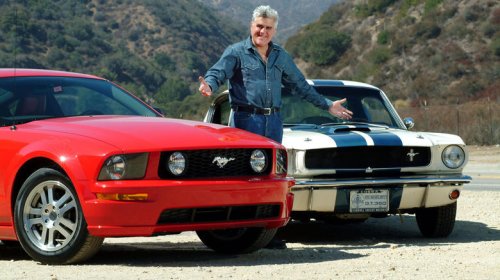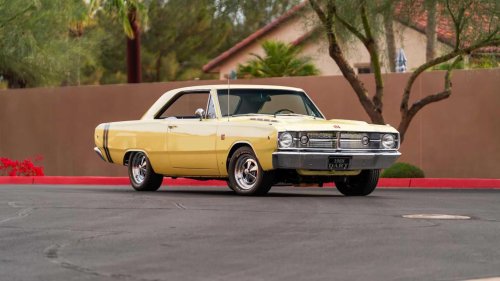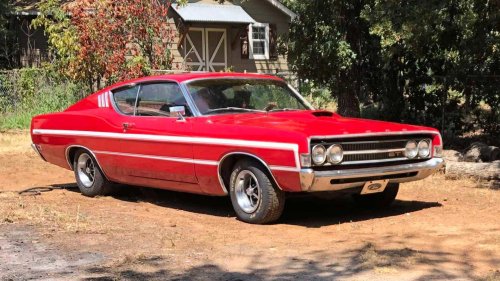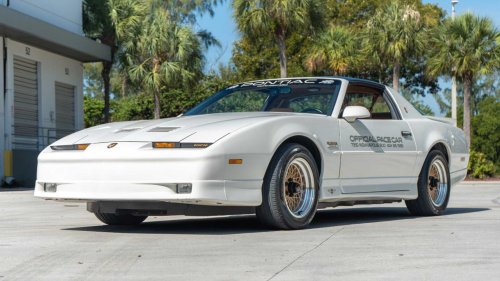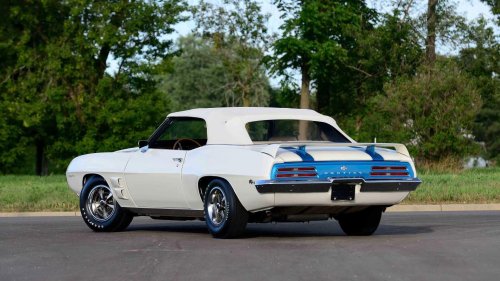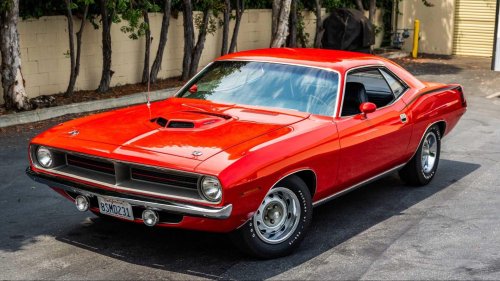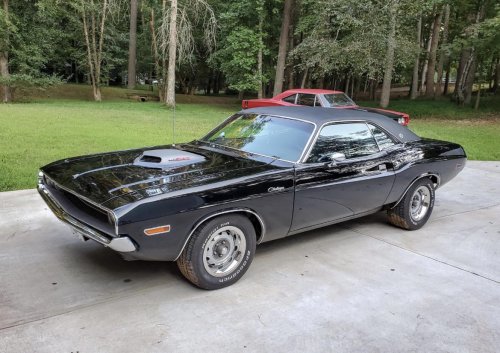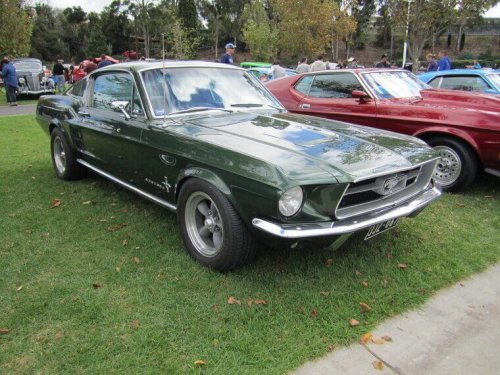
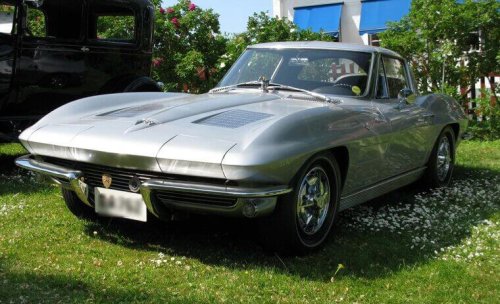
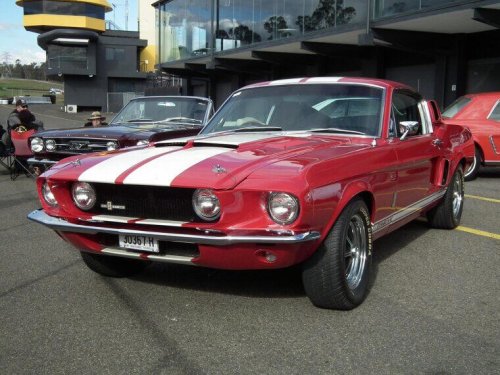
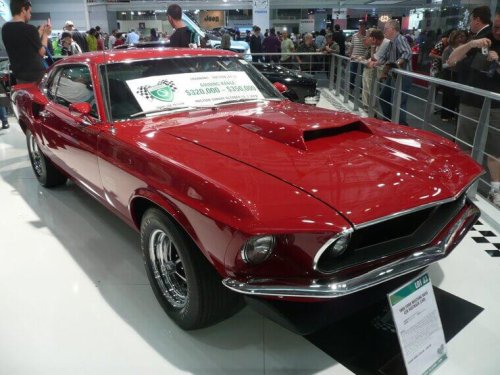



















The 1967 Ford Mustang FastbackFew machines have burned themselves into American culture the way this one did. When Steve McQueen piloted a Highland Green Fastback through the streets of San Francisco in Bullitt, he didn't just make a movie — he made a legend. The 1967 model year represents the sweet spot of early Mustang design: aggressive enough to mean business, refined enough to age gracefully. Collectors prize the fastback roofline above all other body styles, and matching-numbers examples with big-block engines are becoming genuinely scarce. Prices for clean, documented cars have climbed steadily over the past decade, and experts see no ceiling in sight. If you've been watching from the sidelines, the window is narrowing fast.The 1969 Chevrolet Camaro Z28Built to homologate a racing engine for Trans-Am competition, the Z28 was never supposed to be a mainstream car — and that exclusivity is exactly why collectors obsess over it today. Chevrolet installed a high-revving 302 cubic-inch small-block that produced far more power than its official rating suggested, paired with a close-ratio four-speed that rewarded drivers who knew how to use it. Production numbers were relatively modest, and genuine Z28s with correct drivetrain documentation are increasingly difficult to verify. Clones and tribute cars flood the market, making authenticity the single most important factor when buying. A numbers-matching 1969 Z28 in original condition commands serious respect — and serious money — at every major auction.The 1970 Dodge Challenger R/TImagine pulling the cover off a car and having everyone in the room go quiet. That's the effect a real R/T has on people who know what they're looking at. Dodge hit a design peak in 1970 that has never been repeated — the long hood, the wide stance, the shaker scoop trembling over the engine like something alive. The 440 Six Pack and the legendary 426 Hemi options transformed an already beautiful car into a genuine performance weapon. Today, Hemi-equipped Challengers represent some of the most valuable American muscle on the planet, with top examples regularly breaking seven figures at auction. Even 440-powered cars have seen dramatic appreciation, and collectors who hesitated five years ago are now paying a steep price for patience.The 1964 Pontiac GTOSome call it the car that started the muscle car era. In 1964, Pontiac took a mid-size Tempest, dropped in a 389 cubic-inch V8 that wasn't supposed to fit, and quietly changed American automotive history. The GTO — borrowed cheekily from Ferrari — gave buyers big-car power in a smaller, more nimble package at a price that made sense. John DeLorean championed the project against corporate resistance, and the public responded by making it a phenomenon. Early GTOs, particularly 1964 and 1965 models, carry significant historical weight that collectors increasingly recognize. Clean, documented examples with Tri-Power carburetion are the ones serious buyers target first, and supply is shrinking faster than most people realize.The 1963 Chevrolet Corvette Split WindowOnly one year. That's all Chevrolet gave the world to buy a Corvette with a split rear window, and the design decision was reversed almost immediately due to complaints about rearward visibility. Bill Mitchell's bold styling choice became an instant identifier — and eventually, a collector obsession. The 1963 Split Window is now universally recognized as the most visually distinctive Corvette ever produced, full stop. Fuel-injected examples represent the pinnacle of desirability, but even base-engine cars carry premium pricing simply because of that iconic spine running down the fastback glass. Prices have more than doubled in the past fifteen years, and with a fixed production run that can never increase, supply only ever moves in one direction.The 1970 Plymouth BarracudaHere's a number that stops people cold: in 1970, Chrysler built just 652 'Cuda convertibles with the 426 Hemi. Of those, only fourteen were built with a four-speed manual transmission and sent to export markets. When rarity meets desirability at that level, prices become almost theoretical. The 1970 Plymouth Barracuda — especially in convertible form — sits at the absolute apex of American muscle car collecting. Even standard hardtop models with lesser engines have appreciated dramatically as buyers unable to afford the top-tier cars still want a piece of the legacy. The 'Cuda's aggressive styling, low production numbers across all configurations, and cultural cachet make it one of the most compelling buys before the next wave of appreciation hits.The 1968 Shelby GT500Carroll Shelby took Ford's already capable Mustang GT500 and pushed it somewhere most production cars had never gone. The 428 Cobra Jet engine delivered brutal, tire-shredding torque that made the car both thrilling and demanding to drive. What collectors chase today isn't just performance credentials — it's the complete Shelby package: the VIN documentation, the original Shelby serial number plate, the correct drivetrain. Verification matters enormously because the Shelby name has attracted more clones and fakes than almost any other American classic. Authenticated 1968 GT500s, particularly KR models with the Cobra Jet engine, have seen consistent price appreciation at major auction houses. Owning one means holding a piece of American performance history with a signature attached.The 1955 Mercedes-Benz 300SL GullwingOpen the door upward instead of outward, and suddenly every other car feels ordinary. Mercedes-Benz engineered the Gullwing's dramatic doors out of necessity — the space-frame chassis made conventional doors structurally impossible — and accidentally created the most recognizable automotive silhouette of the twentieth century. The 300SL was a direct racing car translation for the road, featuring a fuel-injected straight-six engine at a time when carburetors were universal. Only 1,400 coupes were built between 1954 and 1957, and pristine examples now trade for well over a million dollars. Unlike many collectibles that peak and plateau, the Gullwing has appreciated through every economic cycle. It remains one of the safest long-term investments in the entire classic car market.The 1969 Boss 429 Ford MustangFord needed to go racing, and the Boss 429 was the result. To homologate the massive 429 cubic-inch engine for NASCAR, Ford had to install it in a production street car — which required cutting and modifying the Mustang's front shock towers to make it fit. The result was a car that looked like a standard Mustang but carried an engine built for superspeedway competition. Street performance was actually somewhat hampered by the engine's race-oriented tuning, but that barely matters to today's collectors. The Boss 429 represents a specific, unrepeatable moment in motorsport history, and production was limited to just over 850 cars in 1969. Documented examples are extraordinarily difficult to find, and prices reflect that scarcity without apology.The 1971 Buick GSX Stage 1Saturn Yellow with a black hood stripe — if you know, you know. The 1971 Buick GSX Stage 1 is one of the most underappreciated performance cars of the entire muscle era, and collectors who've done their homework are quietly buying them before the broader market catches up. The Stage 1 455 engine produced 510 pound-feet of torque, a figure that embarrassed most competitors on paper and on the street. Buick's engineering team built something genuinely extraordinary, yet the car has historically lived in the shadow of flashier rivals from Chevrolet and Pontiac. That's changing. As those marquee names reach stratospheric prices, sophisticated buyers are turning to the GSX with fresh eyes — and finding exceptional value in a car that deserves far more recognition than it typically receives.The 1966 Oldsmobile 442Before the GTO grabbed the headlines, Oldsmobile was already building something special. The 442 designation — four-barrel carburetor, four-speed transmission, dual exhausts — described a performance package that delivered real capability without the marketing hype that surrounded some competitors. The 1966 model year is widely considered the high point of 442 design, featuring clean, purposeful styling that has aged remarkably well. W-30 performance package cars are the ones serious collectors pursue, with their force-air induction system and specific engine components that set them apart from standard production. Documentation is everything with these cars. A verified W-30 car with factory build sheet commands a premium that reflects both its rarity and its place in Oldsmobile's proudest performance chapter.The 1970 Chevelle SS 454Raw. That's the word people reach for when describing what it feels like to sit behind the wheel of an SS 454 and push the throttle down. The 454 LS6 engine — rated at 450 horsepower in an era when manufacturers were already beginning to sandbag their numbers — made the 1970 Chevelle one of the fastest production cars sold in America that year. Quarter-mile times that would embarrass modern sports cars, delivered in a car you could theoretically drive to the grocery store. The LS6 option was expensive and relatively rare, making those specific cars the primary targets for serious collectors. But even LS5-equipped cars have seen strong appreciation as buyers recognize that 1970 represented the absolute peak of what the big-block muscle car era could produce.The 1969 Dodge Charger DaytonaAerodynamics built this car, and aerodynamics made it immortal. Dodge developed the Charger Daytona specifically to win at Talladega — and the extreme nose cone and towering rear wing were functional racing solutions, not styling exercises. Richard Petty drove one to victory, and the car became synonymous with Dodge's NASCAR dominance. Street versions were built only to satisfy homologation requirements, making them rare from the moment they left the factory. Today, wing cars — the Daytona and its Plymouth Superbird sibling — occupy a unique space where racing history and muscle car collecting intersect. Hemi-powered examples have crossed the million-dollar threshold at auction, but even 440-equipped cars represent significant investment-grade collectibles. Nothing else in American automotive history looks remotely like this.