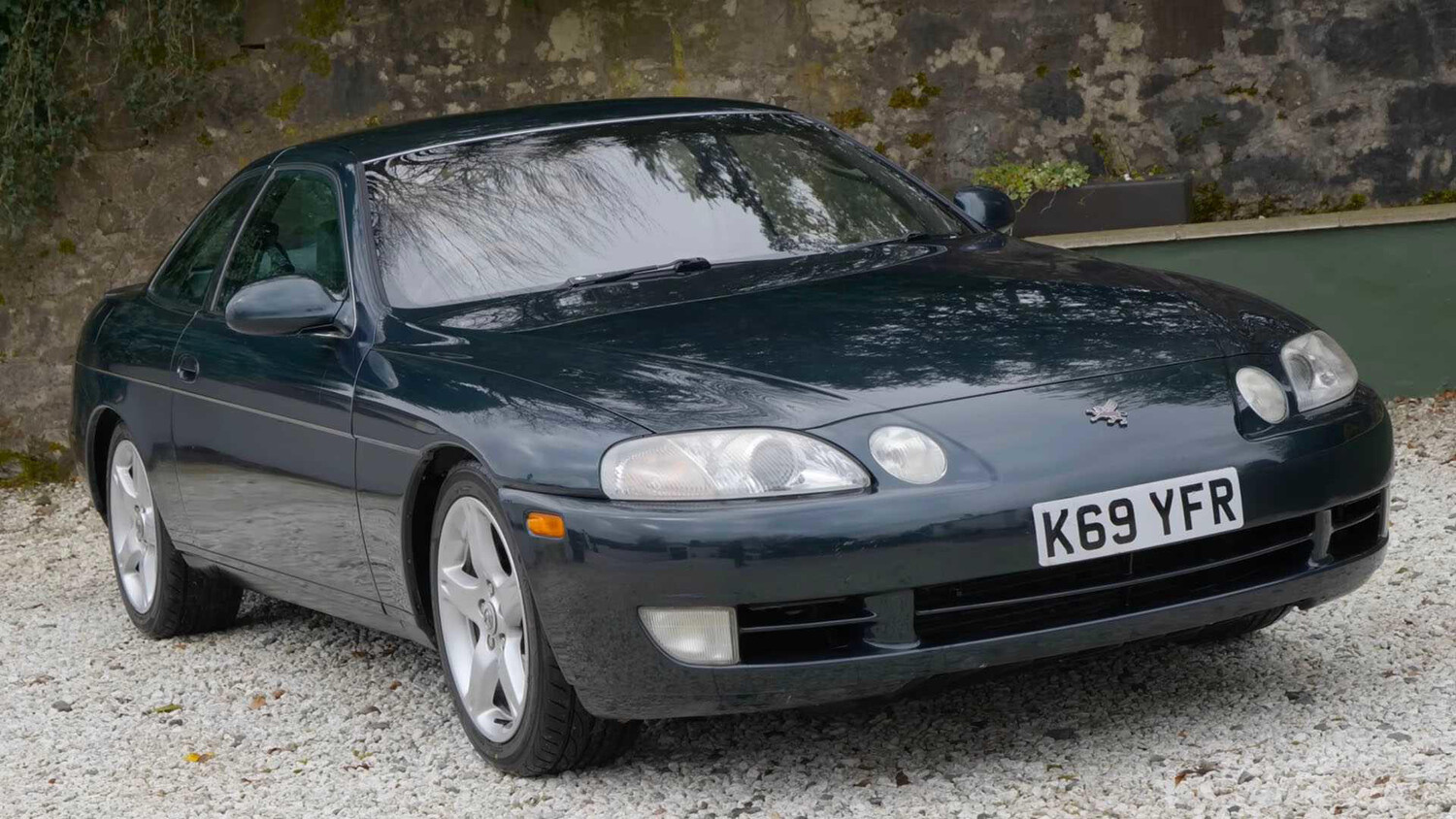
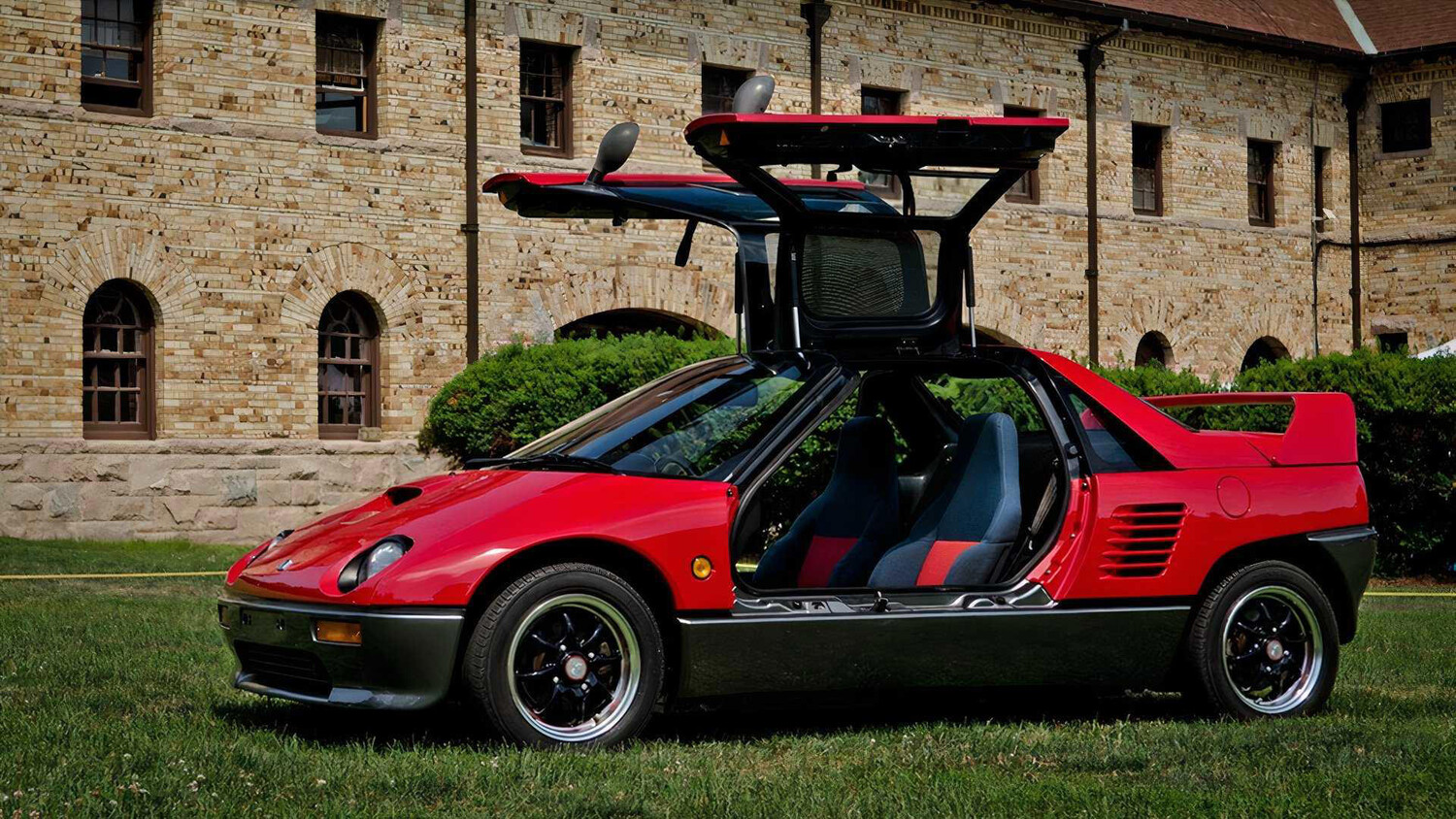
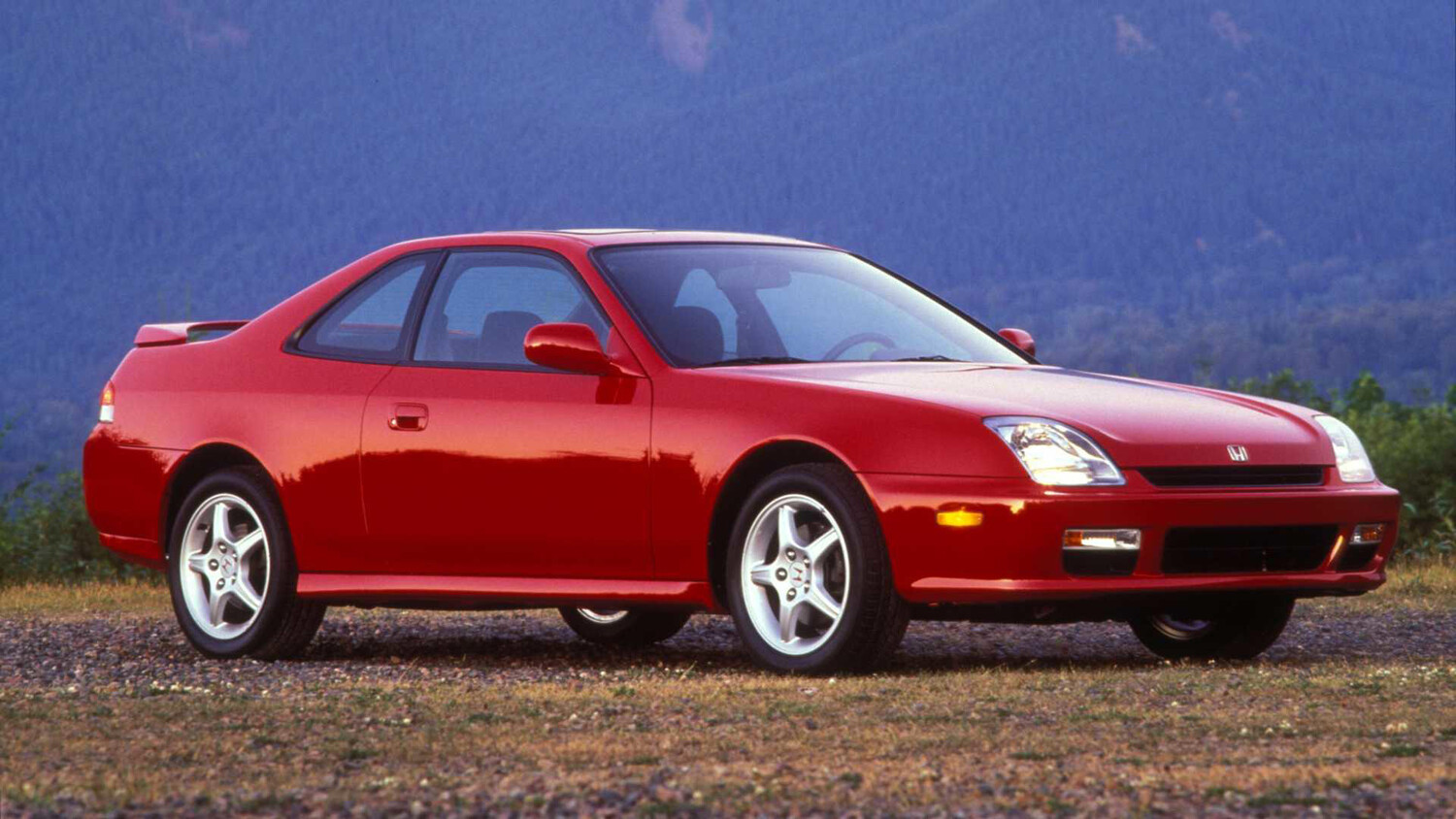
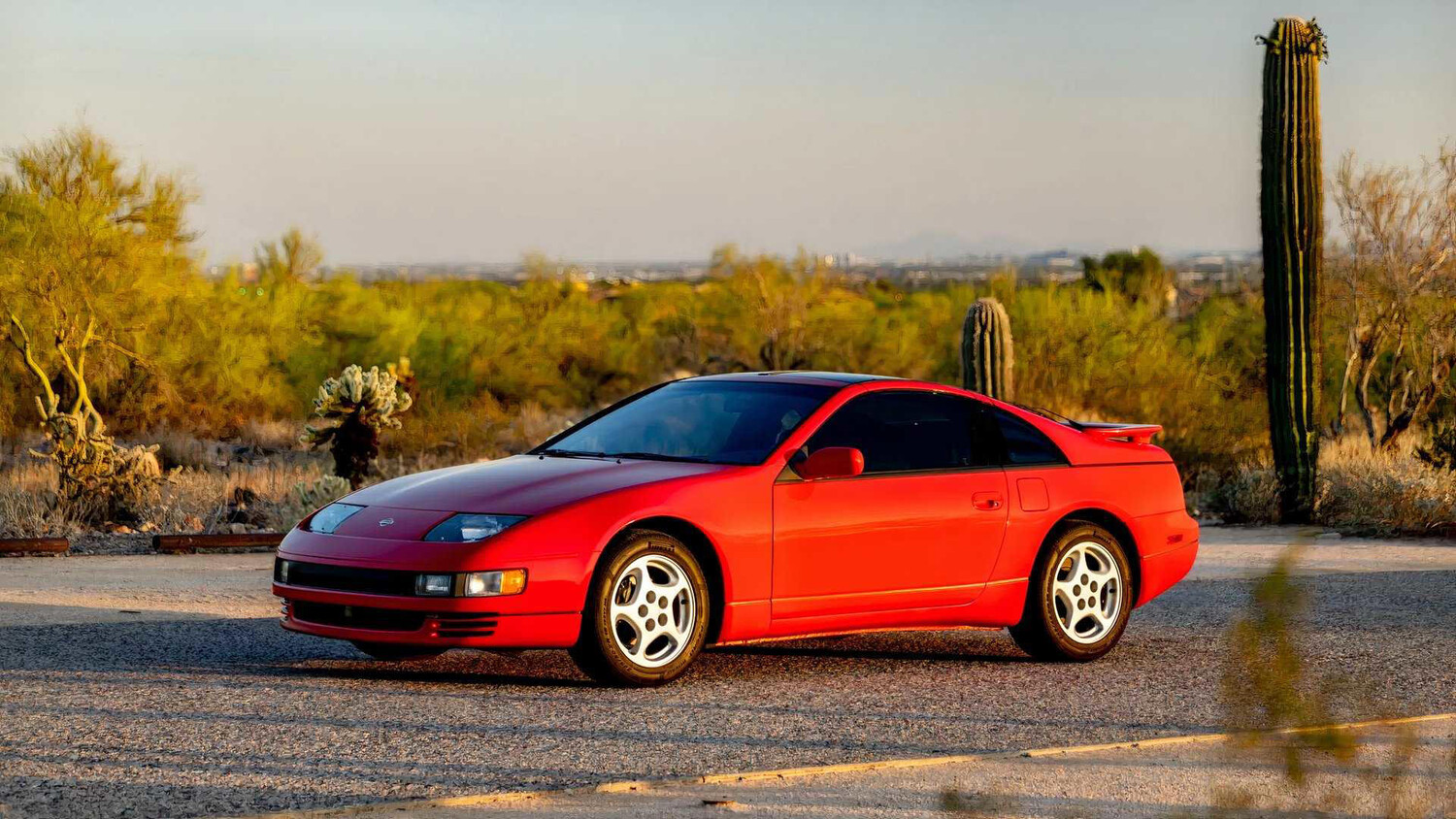
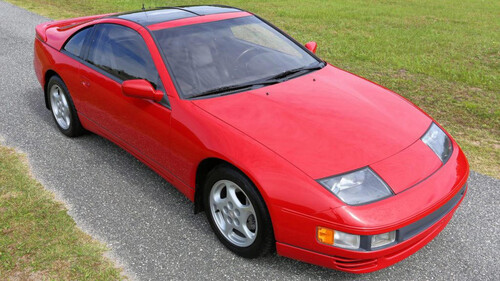
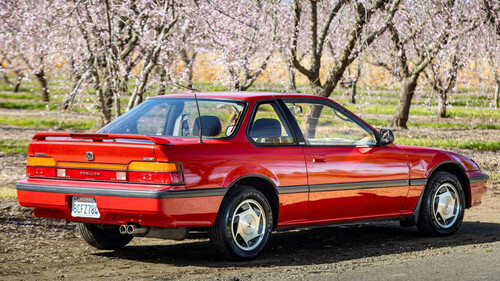
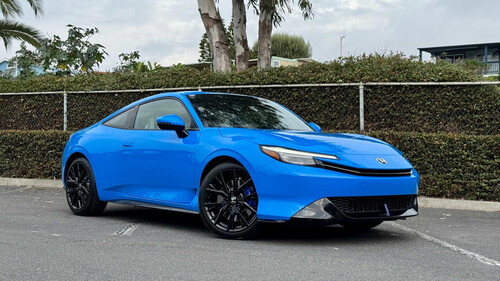
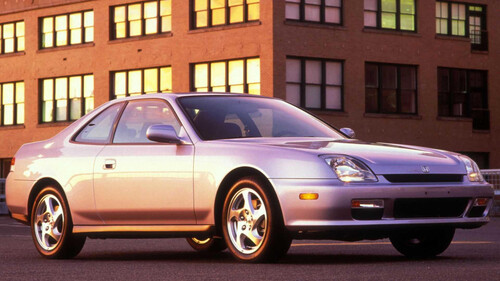
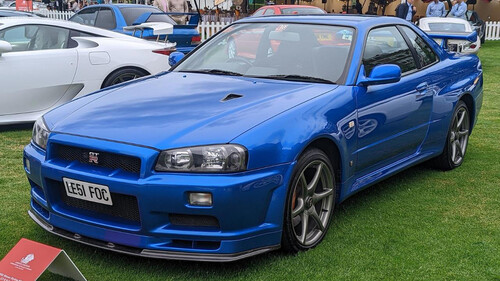
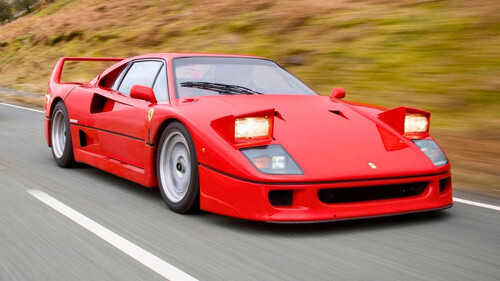
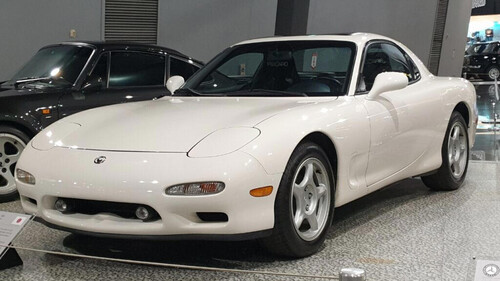
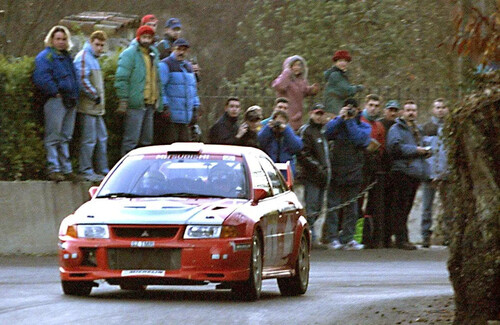
When it comes to Japanese cars, many models are perceived as overlooked used machines, until they end up turning into full-blown collector darlings before you even have time to blink. Anything with a GT-R or Type-R badge often tends to skyrocket in value, but these are the obvious ones. The next wave of Japanese collectibles isn’t coming from the already expensive, usual suspects. While icons such as the Nissan Skyline GT-R (R34) have been able to score record sales at $1.35 million USD, a handful of lesser-known models are quietly changing hands among those who recognize their potential early.These cars don’t have the flashiest reputations or the highest production costs, but share valuable engineering traits, cultural significance, or just enough rarity to make them worth a second look. As popular cars become increasingly out of reach, and as our nostalgia for older cars keeps growing, these are the cars next in line—still attainable today but that may not stay that way for long. Toyota Soarer (Z30) JayEmm on Cars Via YouTube First launched in 1981, the Toyota Soarer was already on track to become a well-loved coupe in Japan. Winning the Car of the Year Japan award on its launch year, the Soarer offered a stylish and luxurious grand touring coupe powered by a powerful inline-six engine. Toyota launched the third-generation Soarer, the Z30, a decade later in 1991, which is the one we're looking at. With this iteration, Toyota gave the Soarer a 2.5-liter twin-turbo 1JZ-GTE inline-six, and also introduced an even more powerful V8 option for the first time, with the 4.0-liter 1UZ-FE V8 engine. The Soarer also offered impressive tech for its time, as one of the first cars in the world to offer a factory GPS navigation system, usable via CD-ROM. Toyota also claims the Soarer is also the first car in the world to offer an active four-wheel steering system in a mass-produced car. The 1JZ-GTE engine is also part of the appeal, offering reliability and tuning potential.The funny thing about this third-generation Toyota Soarer is that the JDM version has been conceived as a tech pioneer for luxury coupes, yet it is precisely because of its JDM status that the Soarer often gets overlooked. The Soarer lived in the shadow of its export counterpart, the Lexus SC, despite the Japanese-market Soarer offering a wider and more adventurous menu, including the 1JZ turbo cars America never got. Mitsubishi Galant VR-4 Cars And Bids The Mitsubishi Galant VR-4 is another JDM that rightfully earns its spot on this list. Though not as popular as other Mitsubishi icons, the Galant VR-4 embodies the first chapter of Mitsubishi’s modern rally story. The Galant had been around for quite some time and for quite a few generations before Mitsubishi launched the performance version of the sedan in late 1987. Already in its sixth generation at the time, Mitsubishi did not hold back for the Galant's performance version. The Galant VR-4 came with a 2.0-liter, four-cylinder turbocharged 4G63 engine, a full-time 4WD drivetrain and four-wheel steering, and this exact formula was pushed straight into top-level rallying.Between 1989 and 1992, the Galant VR-4 won a total of six WRC rounds, and helped establish Mitsubishi as a serious force in the world of rallying. For the Galant VR-4’s final WRC appearance, the car was fitted with the 4WD system that would eventually appear on the first Lancer Evolution the following year in 1993, which is precisely what makes this car so valuable. The VR-4 has long been outshined by the Lancer Evolution and the Galant’s importance was significantly reduced in the public imagination as a consequence. The base Galant’s perception as an old and affordable sedan did not help the VR-4’s reputation either. Yet today, some VR-4s in pristine condition can easily go for over $30,000 and as Evo prices keep climbing, it is likely that enthusiasts will start paying more and more attention to the Evo's precursor. Autozam AZ-1 Audrain Auto Museum At first glance, the Autozam AZ-1 may appear like a wildcard on this list, but the quirky Japanese sports car earns its place on this list thanks to its eccentricity. As a small, now-defunct brand under the Japanese automaker Mazda, the Autozam brand has remained little known outside of Japan and many of its models were later rebranded under Suzuki or Mazda. Yet one model stood the test of time: the AZ-1. According to Mazda, the AZ-1 was a production version of a micro-coupe shown at the 1989 Tokyo Motor Show, which explains the car’s concept-like appearance. The whole silhouette almost seems impossible, pairing kei car size, gullwing doors and plastic body panels with a mid-engine layout, rear-wheel drivetrain and a turbocharged 660cc powertrain.The AZ-1 is very much a kei car, as it fits kei car regulations in terms of size and power output, yet its bold silhouette makes it look more like a concept car that somehow escaped from the Tokyo Motor Show to the streets of Japan. Only around 4,300 units were ever made, making the AZ-1 quite the rare sports car. Pricing also reinforces the AZ-1's desirable status. While you can get your hands on a kei sports car such as the Honda Beat for as cheap as $5,000, AZ-1 prices start way higher, between $15,000 and $20,000. On Classic.com, one AZ-1 was even sold for the high price of $40,500 in late 2024. The AZ-1 has also returned to popularity in the current tuning scene, with Liberty Walk offering the LB40 kit for the Autozam, effectively turning the AZ-1 into a miniature Ferrari F40. Honda Prelude (Fifth Generation) Honda Interest towards the Honda Prelude was recently reignited with the launch of the new, sixth generation Prelude. The latest Prelude showcased a modern design and hybrid technology, which was met with mixed feelings from the automotive community. This is precisely the moment when the feeling of nostalgia pushes us to look back at the past and appreciate what used to be. Here, the fifth generation Prelude is exactly the kind of car that gets reappraised for all that it offered.Since its beginnings, the Prelude served as Honda's front-wheel-drive, upscale coupe, and as a high-end model, it helped showcase Honda's technology—quite in a similar way as the Toyota Soarer, you might say. Honda introduced the world's first angle-sensing four-wheel steering system in the third-generation Prelude in 1987 (this was an angle-sensing 4WS unlike the Soarer’s active 4WS system). The Prelude’s front-wheel configuration also helped Honda develop its Active Torque Transfer System (ATTS), which used torque vectoring to send more drive to the outside wheel in a turn to reduce understeer.Manufacturers have strongly leaned into nameplate revivals and the recent Prelude revival has only reinforced our appreciation for the generations that came before. The fifth generation remains affordable at an average price of around $10,000, but this average has steadily been increasing over the past year. Nissan Z (300ZX) Via Bring a Trailer The latest Nissan Z has also been one of the sports cars reviving a cherished name among JDM lovers. With a silhouette that harks back to its predecessors, the newest Z has helped us rekindle our interest in the entire Fairlady Z line. The sought-after first-generation Fairlady Z (240Z) has already exploded in value, with some models going for well over the $100,000 mark, but some later generations are still waiting for the same level of success, and models such as the fourth-generation 300ZX have started getting more recognition in recent years. When Nissan first introduced it in 1989, the Z showcased a cleaner, more futuristic silhouette than its predecessor, and offered a retro-futuristic cabin design that was ahead of its time. It also came well-equipped, with four-wheel multilink suspension and Super HICAS rear steering for better high-speed stability and low-speed maneuverability, among some of the main features.Substance was never an issue for the 300ZX, but maintenance was. Bringing ambitious tech and performance under one roof, Nissan ended up creating a complex car to maintain, and the 300ZX is now left with aging turbos, timing belts in need of attention, and increasingly rarer parts. With many examples modified or neglected, models in good condition matter even more. On Hagerty, an excellent 300ZX Turbo comes at about $43,100, and though nowhere near 240Z prices, it still remains serious money. But the more unattainable other Z models get, the more we could see the 300ZX go up in desirability.