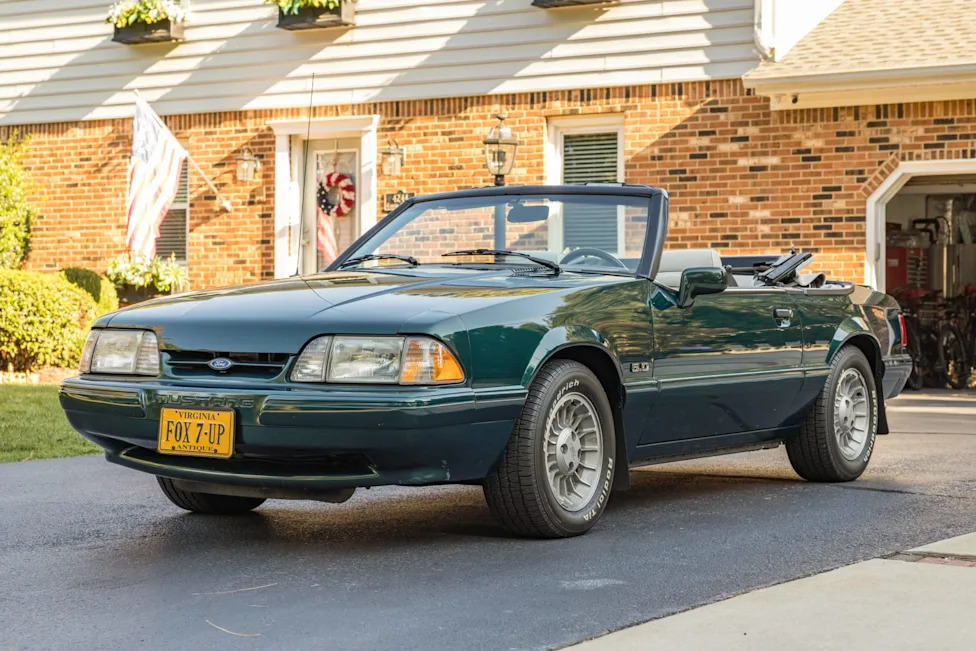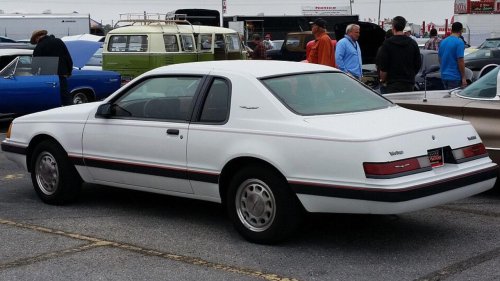
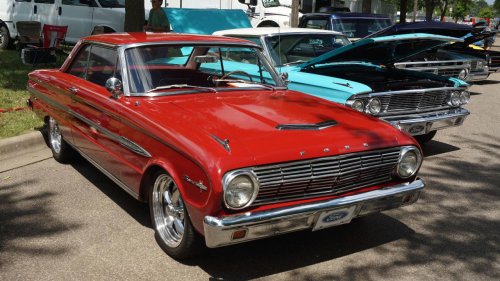
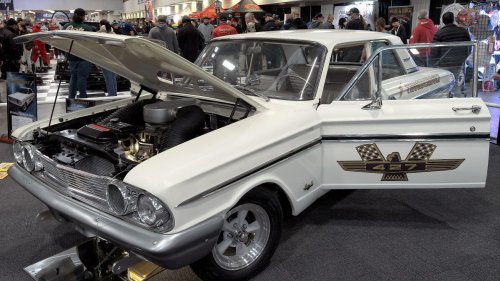
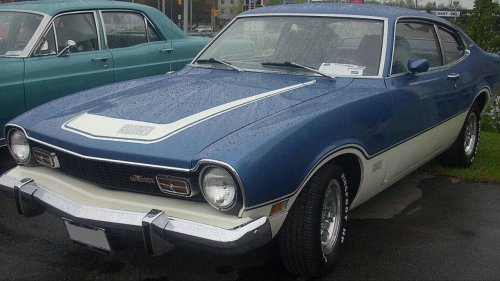
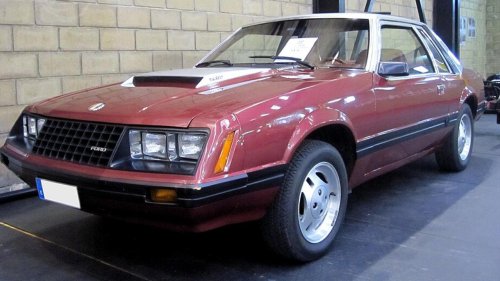
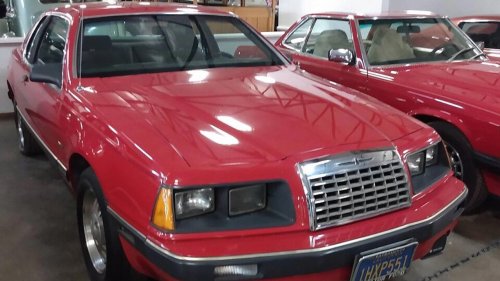
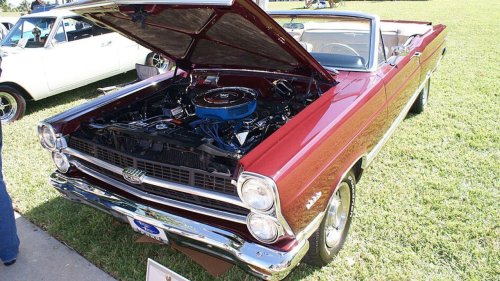



















For decades, some of Ford’s sharpest performance ideas sat in back lots and classifieds while collectors chased headline-grabbing Mustangs and big-block icons. As values have surged, many enthusiasts now look back at these once-affordable cars with real regret. Each of the following Fords was ignored when prices were low, only to prove, with hard auction data and market trends, that they were serious performance buys hiding in plain sight.1963-1965 Ford Falcon SprintThe 1963-1965 Ford Falcon Sprint, fitted with the 260 cubic inch V8, was effectively Ford’s pre-Mustang pony car, yet it languished in the shadows for years. According to the valuation data, roughly 6,000 Sprint hardtops and convertibles were built, each selling new for under 3,000 dollars. Period buyers treated them as compact commuters with a bit of flair, not as foundational performance models, so many were used up and discarded rather than preserved. That indifference looks costly now. As first-generation Mustang prices climbed, collectors began hunting earlier V8 Falcons, and by the 2010s, clean Sprint examples were bringing 25,000 to 40,000 dollars at auction. I see that shift as a textbook case of enthusiasts recognizing historical significance late, once they realized this small, light V8 Falcon previewed the formula that made the Mustang a phenomenon.1964 Ford Fairlane ThunderboltThe 1964 Ford Fairlane Thunderbolt was never subtle, yet it still slipped past many collectors. Built as a 427 cubic inch drag-special rated at 425 horsepower, it combined fiberglass panels, stripped interiors, and a focus on quarter-mile dominance. Only 100 factory Thunderbolts were produced, each priced around 3,100 dollars according to period reporting, and most went straight to racers rather than street-focused buyers. For years, that racing pedigree actually limited mainstream appeal, since the cars were noisy, uncompromising, and often heavily modified. When NHRA nostalgia drag events surged in popularity in the 2000s, surviving Thunderbolts suddenly became blue-chip collectibles, with documented examples selling for more than 150,000 dollars. In my view, anyone who dismissed them as single-purpose brutes misread how strongly factory race cars would anchor the top of the muscle-car market.1973 Ford Maverick GrabberThe 1973 Ford Maverick Grabber, especially with the optional 302 cubic inch V8, was marketed as a sporty twist on an economy compact, not a halo performance model. With the 302, output was about 140 horsepower, and new prices hovered near 2,500 dollars, as detailed in contemporary coverage. More than 11,000 Grabbers were built for 1970, so early collectors saw them as disposable transportation rather than future collectibles. That perception shifted as the supply of affordable classic V8 Fords tightened. Around 2015, the rise of resto-mod builds and pro-touring style made the lightweight Maverick platform attractive, and well-restored or tastefully upgraded Grabbers began trading in the 15,000 to 20,000 dollar range. I see the Maverick’s trajectory as a warning that “cheap” compact muscle often becomes the next gateway for younger enthusiasts priced out of traditional pony cars.1978-1983 Ford Mustang Fox Body Base ModelsThe early Fox Body Mustang base models, built from 1978 through 1983, were long overshadowed by later 5.0 GTs. Entry trims such as the GLX, often delivered with modest engines but with 2.3 liter turbo potential, started around 5,000 dollars new. According to market analysis, roughly 1.8 million Fox Mustangs were produced in this era, which convinced many collectors that plain, low-option cars would never be scarce. That assumption ignored how many base cars were modified, crashed, or simply worn out. As SEMA builds in the 2010s showcased what clean shells could become, demand for unmolested survivors climbed, and values for solid drivers and lightly upgraded examples moved into the 10,000 to 25,000 dollar range. I read this as proof that platform potential, not just original specification, can drive long-term collector interest.1983-1988 Ford Thunderbird Turbo CoupeThe 1983-1988 Ford Thunderbird Turbo Coupe blended aero styling with a 2.3 liter intercooled turbocharged four-cylinder rated at about 142 horsepower in early form. New, these cars cost roughly 12,000 dollars and more than 10,000 units were built, according to period data. At the time, many buyers and collectors still equated performance with V8 displacement, so the turbocharged Thunderbird was often dismissed as a niche experiment. As turbocharged engines returned to prominence in modern performance cars, interest in these eighties coupes increased. By the 2020s, nostalgia for factory boost and period-correct styling helped push good Turbo Coupes into the 8,000 to 15,000 dollar range. I see that rise as part of a broader reevaluation of forced induction cars from the era, where once-overlooked technology now feels like a direct ancestor of today’s performance benchmarks.1966-1967 Ford Fairlane 427The 1966-1967 Ford Fairlane with the R-code 427 option delivered serious mid-size muscle that many collectors initially overlooked. The 427 cubic inch V8 was rated at 425 horsepower, and period ordering guides show the package adding up to a roughly 3,500 dollar car, according to archived specifications. More than 500 of these Fairlanes were built, yet early muscle-car hunters often favored larger Galaxies or more famous nameplates. That bias kept prices relatively modest until high-profile auction houses began spotlighting the model. By 2012, documented R-code Fairlanes were bringing around 60,000 dollars at Barrett-Jackson, signaling a clear market correction. In my assessment, the car’s combination of manageable size and big-block power now appeals to collectors who want authentic sixties performance without the seven-figure race-car premiums attached to rarer factory specials.