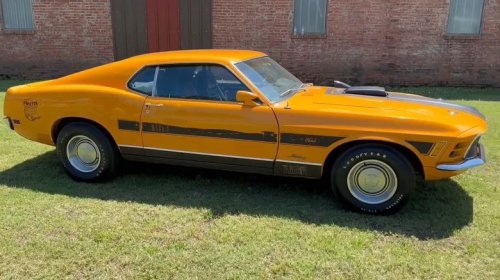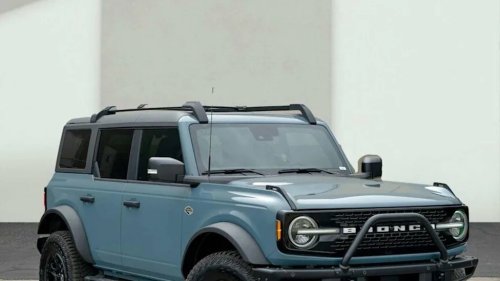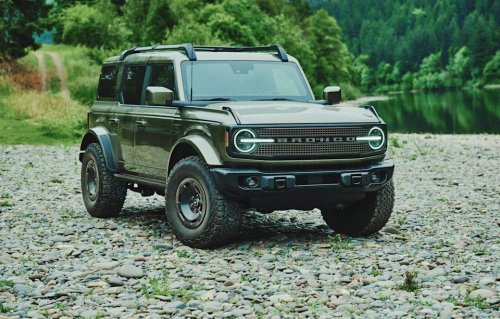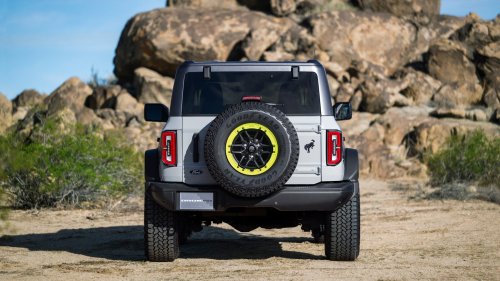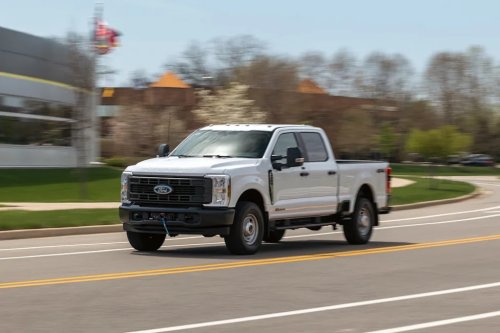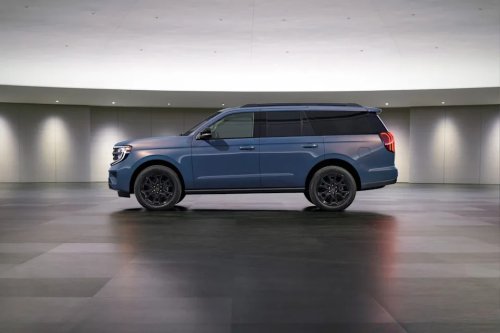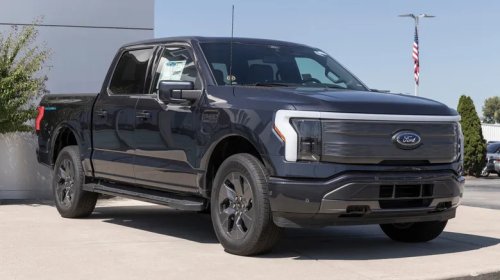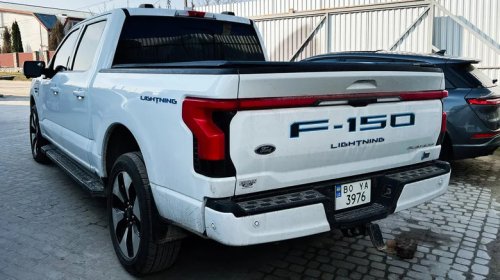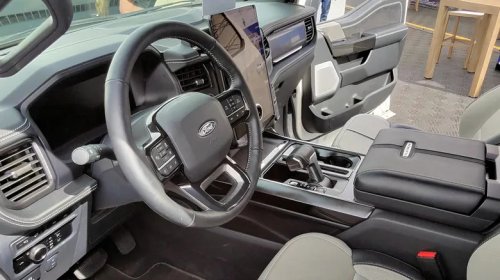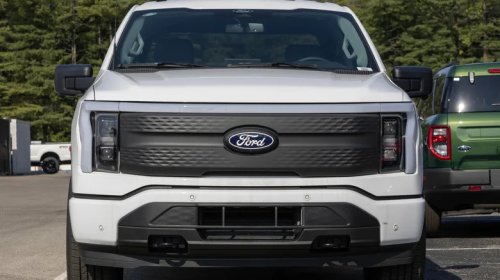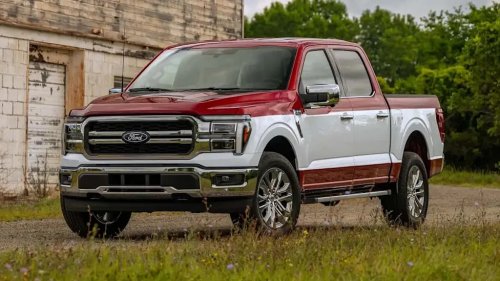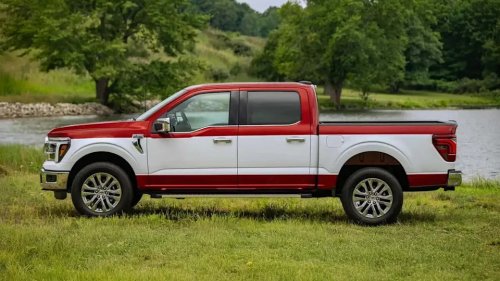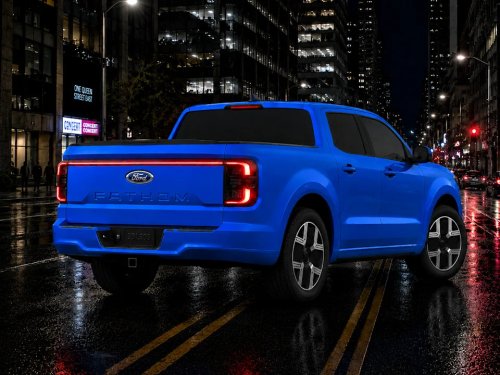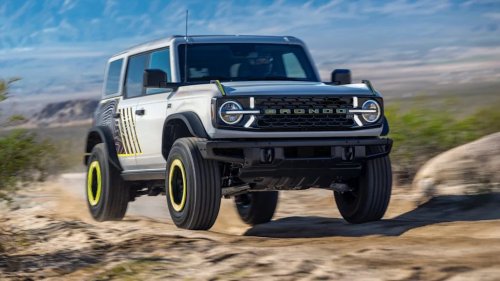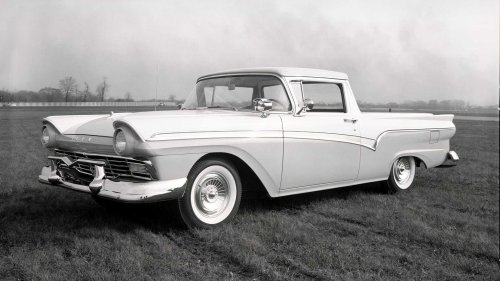
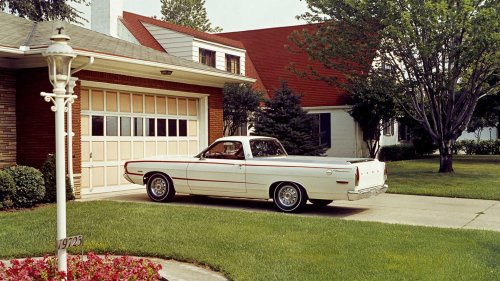
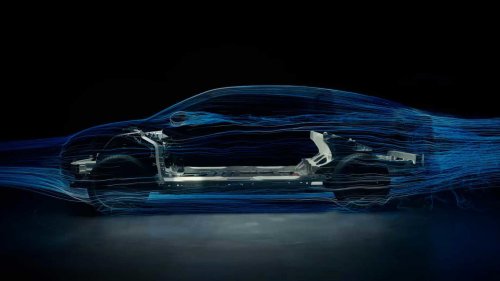
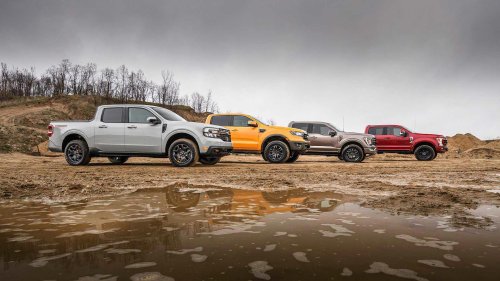



















Jump LinksWhy Was The Ranchero So Good?The Ranchero name may be set for a revival soon. Ford has teased the return of a truck that was originally in production from 1957 to 1979. The new truck may be based on a completely different platform, but we expect to see styling cues harking back to the past. It will definitely be an interesting addition to the brand's lineup, which includes the beloved F-150, the iconic Ranger Raptor, and the Bronco, which was also only reintroduced a few years ago.Here is everything we know about the new Ranchero so far. You may be surprised to see how much it is rumored to cost.Ford has not yet released pricing or powertrain information for its new pickup. A Brief History Of The Ford Ranchero Ford In 1957, Ford USA announced a truck that created the segment it was a part of - the coupe utility. However, the Ranchero traces its roots back several decades earlier, all the way to the 1930s. In Australia, farmers wanted a car that could carry cargo during the work week and be used for family outings over the weekend in one singular purchase. Ford Australia developed a truck that combined the bed of a generic truck integrated with the front of a passenger car. This gave birth to the 'ute' segment that became so popular in the region.The Ranchero America got in 1957 combined the smoother ride and better handling you got from a car platform with the convenience of a truck bed in the back for heavy goods. Ford marketed the car as "More than a car! More than a truck!" The Ranchero car had a plethora of engine options that widened its appeal to the public.The Ranchero was an immediate success as users appreciated its easier drivability and better fuel economy than regular trucks. It was bought mainly by farmers and tradespeople, but more than a few suburban Americans picked one up, too. Why Was The Ranchero So Good? The Ranchero was a success for so many years as it continuously adapted to the market needs and stayed relevant throughout. In 1960, Ford updated the Ranchero platform, basing it on the Ford Falcon's chassis. This made the Falcon Ranchero smaller, lighter, and cheaper to operate when users wanted smaller cars with better fuel efficiency. In 1966, the muscle-car era was in full swing and the Ranchero was moved to the Ford Fairlane platform first, and then the Ford Torino platform afterward. It also got several performance variants, like the Ford Ranchero GT with big block V8 engines that included the 302 Windsor V8, 351 Cleveland V8, etc. Bucket seats, hood scoops, and sporty stripes all added to the muscle car charm of the Ranchero that was trending at the time.The most notable rival of the Ranchero was Chevrolet's El Camino. While the El Camino became famous because of pop culture, the Ranchero was the first one to establish the segment.By 1979, the market had changed drastically. After the oil crisis, engines with large displacements were avoided. Buyers shifted away from muscle cars and opted for traditional pickup trucks for their increased practicality and daily usability. Trucks that were originally cumbersome to live with got better to drive and provided better fuel economy due to advancements in technology. Why Does Ford Want To Resurrect The Ranchero Name? FordAfter some logistical hurdles with the United States Patent and Trademark Office, Ford finally reapplied for the Ranchero trademark in August 2025. The USPTO originally rejected Ford's application as the company failed to provide an English translation for the Spanish word "Ranchero." By April 2026, Ford had successfully secured the Ranchero trademark in the USA and Europe.So, why does Ford want to resurrect the Ranchero now? With the increase in demand for compact pickup trucks and the recent success of the Ford Maverick in the market, this may be the perfect time to bring back a smaller unibody truck that is lifestyle-orientated. This was the exact target audience the Ranchero appealed to when it was first launched. Ford's recent push for affordable EV platforms gives us a slight hint as to what a future Ranchero may be based on. Everything We Know About The New Ranchero ford-uev-aeroWhile the details are sparse, we do know that Ford is working on a new pickup truck that is aimed as either an entry-level model or one step above the entry level. Rumors suggest it is a similar size to the Ford Maverick. Here are some of the highlights: Based on the new Universal EV (UEV) platform Most likely to be an EV Rumored to cost around $30,000 Could slot between the Maverick and Ranger Expected to be launched around 2027 The trademark Ford filed for the Ranchero name covers pickup trucks, EVs, SUVs, and passenger vehicles. This immediately fueled rumors that the upcoming EV pickup will wear the Ranchero badge. It is also meant to be a unibody chassis with a focus on being urban- and lifestyle-orientated. It is rumored to have more interior space than a Toyota RAV4 and is could be as fast as an EcoBoost Mustang.The Universal EV platform is meant to have a 48-volt architecture and LFP battery packs with simplified electronics and lightweight construction. It also focuses on aerodynamic design to reduce highway drag by up to 30%. The platform integrates next-generation over-the-air update capabilities, advanced battery health monitoring, and in-house-developed user hardware.Ford might bring back the Ranchero name as the new UEV truck aligns very closely to the original Ranchero's ideologies - namely that it was practical, affordable, lifestyle-orientated. The name also has heritage value and fits with Ford's strategy of reviving old names such as the Maverick, Bronco, and Lightning. Does Ford Need Another Pickup Truck In Its Lineup? Ford If we have a look at Ford's current truck lineup, it is surprising to imagine the need for yet another model. The company already sells five main pickup truck models. The Ford Maverick: The compact entry-level pickup truck aimed at urban buyers, with a unibody chassis and excellent fuel economy. The Ford Ranger: The midsize truck that appeals to buyers who do not want a full-sized truck, with good towing capability and more technology than the Maverick. The Ford F-150: The most popular full-sized pickup truck for several decades now, with a plethora of configurations and engine options. The Ford F-150 Lightning: The EV counterpart to the F-150 and a showcase of Ford's commitment to the future. The Ford Super Duty: The lineup that is mainly for commercial use and represents durability and functionality. The rumored Ford Ranchero truck seems to have its biggest competitor from within the lineup in the Maverick. They both seem to overlap in their utility and use case - i.e. they could both be unibody, cheap pickups aimed at urban buyers. The Ranchero could differentiate itself by being EV only, something that the Maverick cannot do at the moment. It could also differentiate from the Maverick by being designed as a low-slung, stylish alternative to the ICE and hybrid powertrains of the current Maverick.If Ford makes the price point close to or below $30,000, it may also overlap with some entry-level Ranger models. This is where the new truck will have the most problems - convincing buyers to choose a smaller, less practical EV/hybrid truck over a midsize, tried-and-tested truck with better technology and towing capabilities.The Ranchero name being revived is somewhat of a case of history repeating itself. When the original Ranchero was launched in 1957, buyers were starting to prefer smaller, more economical trucks. Then, when the market changed again in 1979, the Ranchero eventually had to be discontinued. Now, with the success of the Maverick, it proves there is a market for small trucks, and the revival of an old name like the Ranchero may just be enough to persuade buyers to choose the $30,000 EV/hybrid over other trucks.Sources: Ford