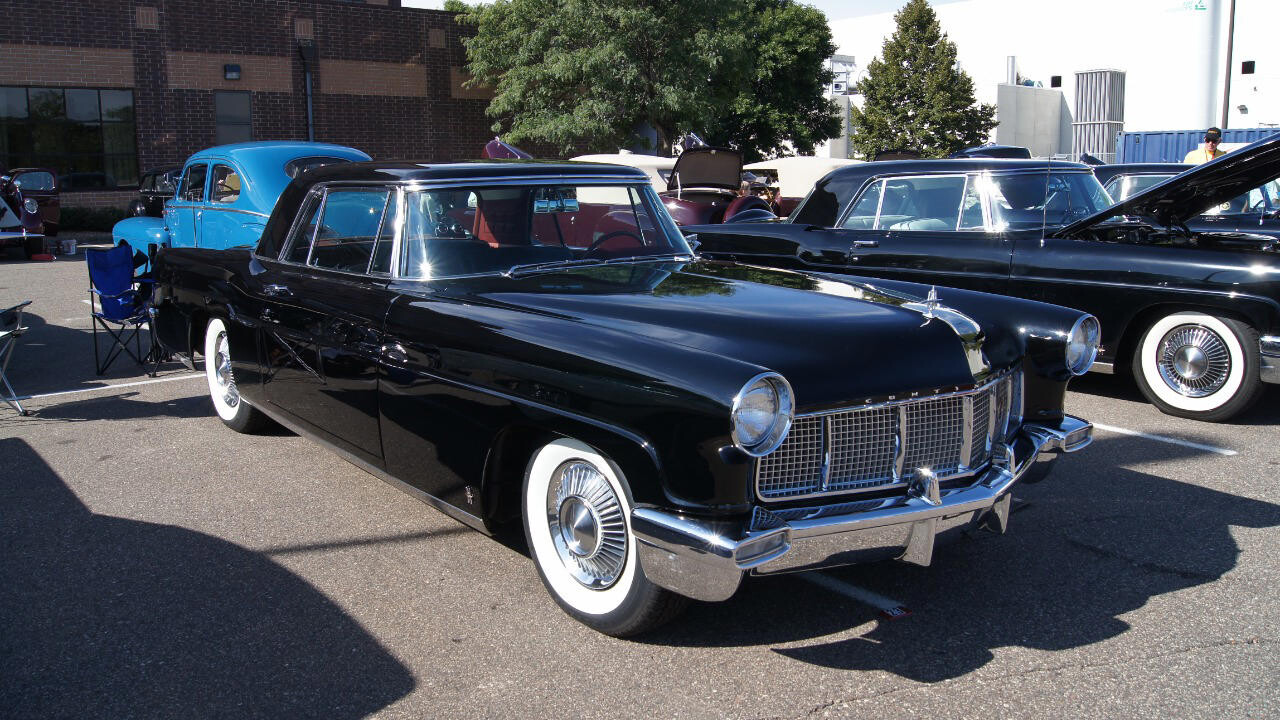
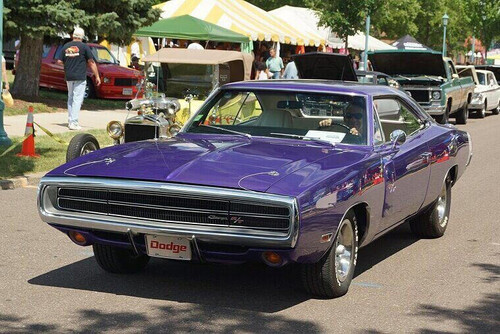
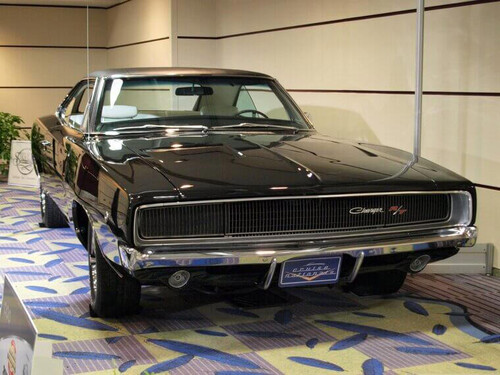
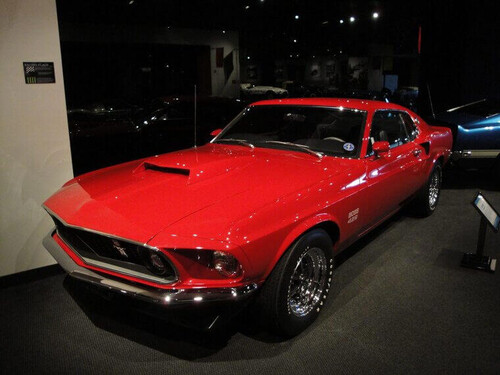
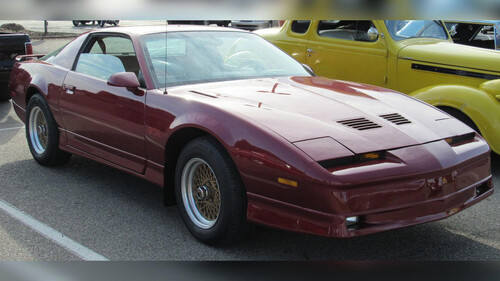
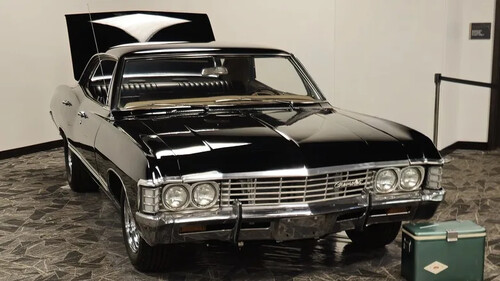
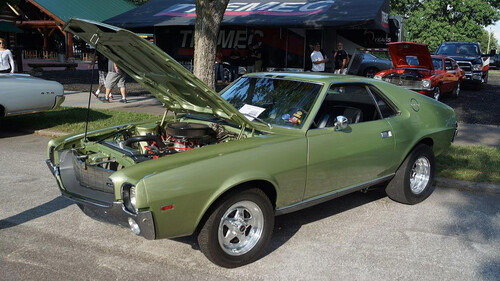
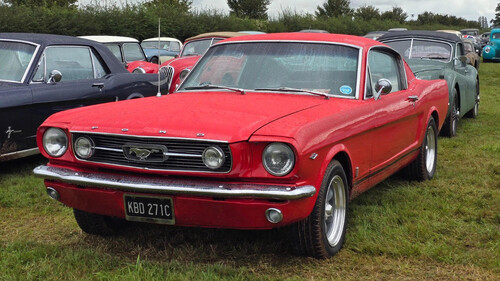
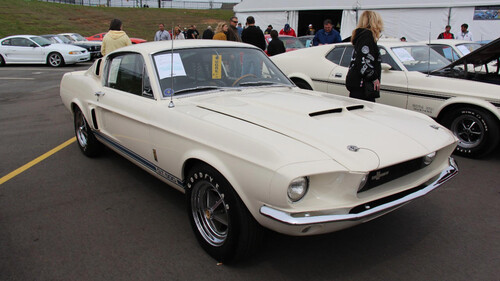
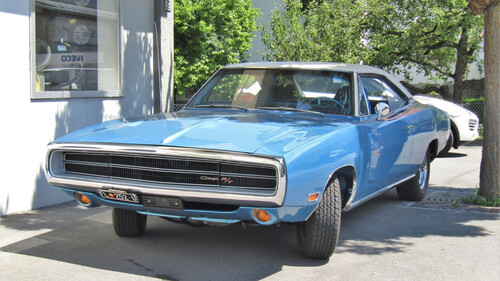
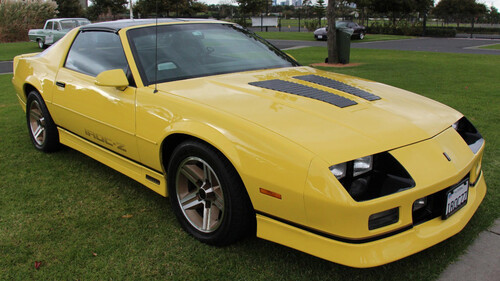
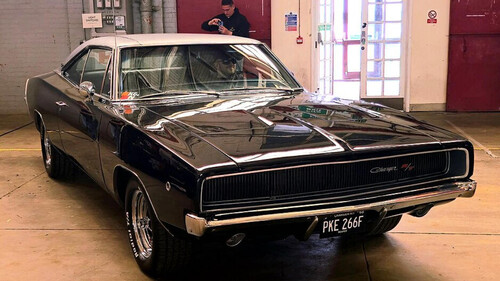
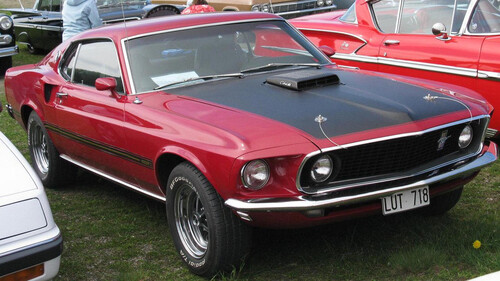
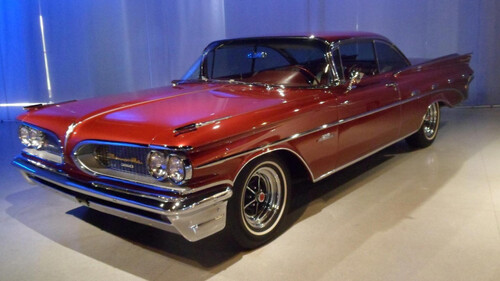
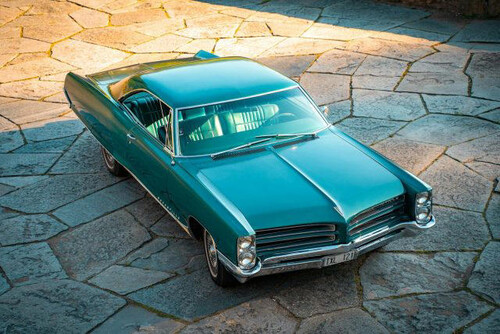
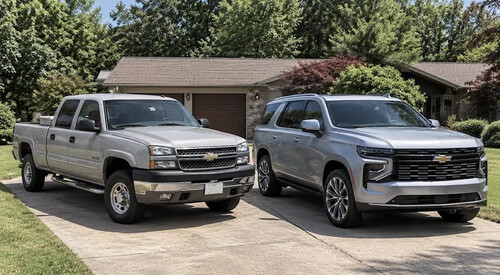
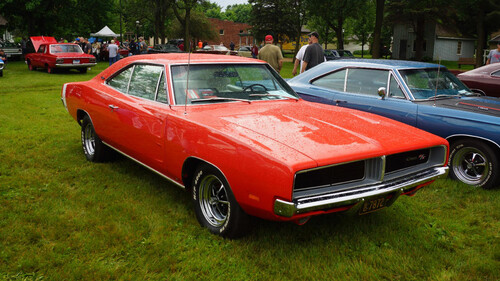
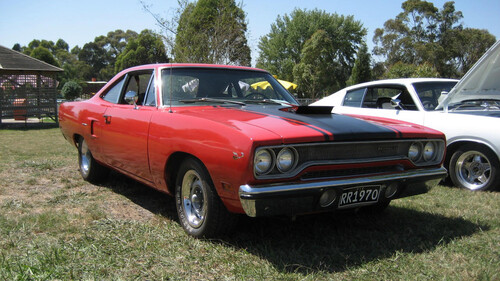
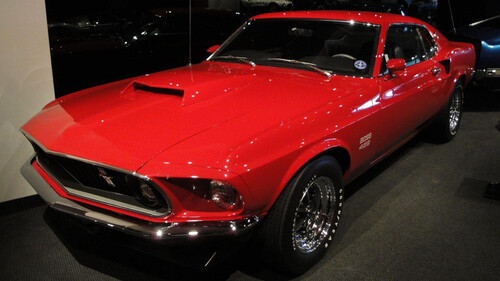
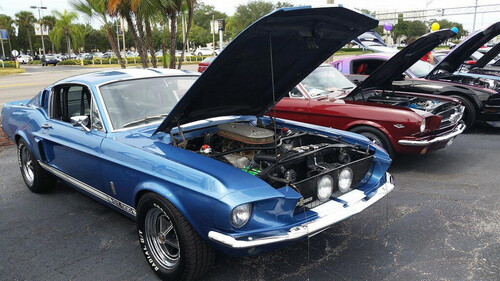
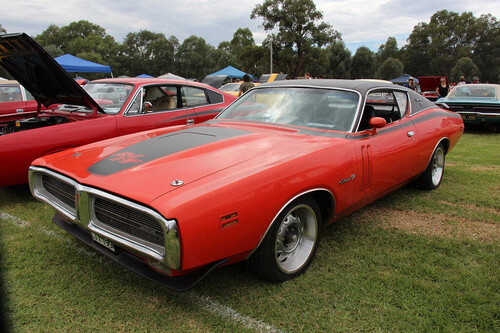
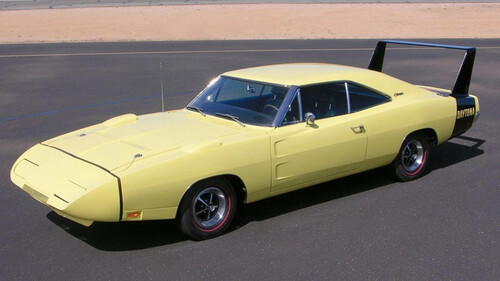
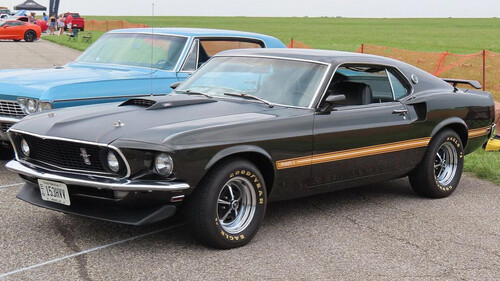
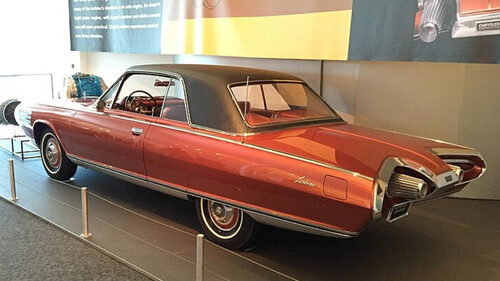
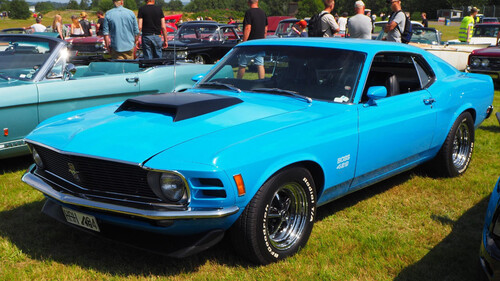
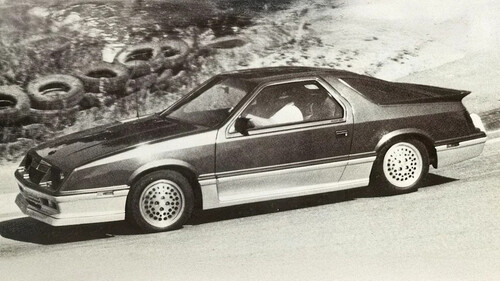
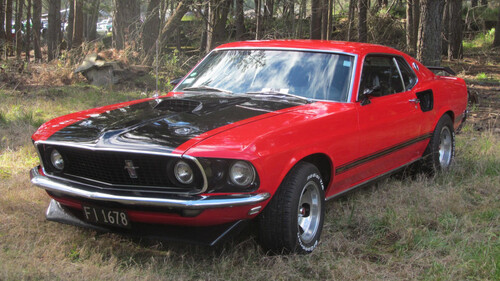
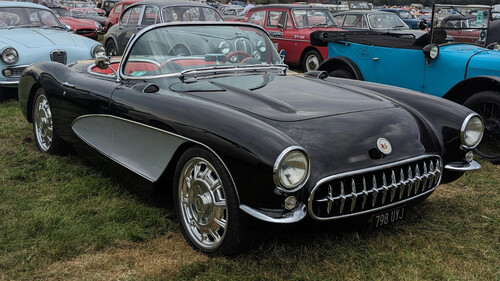
Rising auction totals and targeted “Bull Market” forecasts have made classic muscle a quieter, more strategic corner of the collector world. Instead of chasing headline-grabbing Hemi cars, many buyers are quietly moving into models that blend old-school torque with data-backed appreciation potential. The following 11 vehicles show how that shift is unfolding, from big-block pickups to sleeper coupes that analysts now treat as serious long-term plays.1968–1970 Dodge ChargerThe 1968–1970 Dodge Charger has moved from pop-culture icon to data-backed investment, with the model singled out among the 2026 Bulls for its appreciation potential. Analysts point to its blend of mid-size proportions, coke-bottle styling, and a wide engine range that runs from small-block V8s to fire-breathing big blocks. That breadth gives collectors multiple entry points, while still tying every car to the same instantly recognizable fastback profile. Market observers argue that the Charger’s appeal now extends beyond long-time Mopar loyalists. One Bull Market analysis notes that younger buyers increasingly want “a slice of all-American muscle,” and the Charger delivers that in a package that still feels usable on modern roads. For collectors, the implication is clear: clean driver-quality cars are being bought quietly and tucked away before values climb further.1956–1957 Continental Mark IIThe 1956–1957 Continental Mark II might seem like an outlier in a muscle-focused discussion, yet its presence among the Bulls has drawn the attention of sophisticated collectors. Built as a limited-production luxury flagship, the Mark II combines hand-finished construction with understated styling that hides serious V8 performance for its era. That mix of power and refinement has started to resonate with buyers who want something more discreet than a striped, shaker-hood coupe. Market analysts who included the Continental Mark II in the Bull Market research point to its extremely low production and high original price as key drivers of long-term value. For collectors accustomed to traditional muscle cars, the Mark II offers a different route to torque-rich motoring, one that leans on craftsmanship and exclusivity rather than quarter-mile times. Quiet acquisitions suggest the car is shifting from overlooked luxury to blue-chip collectible.1969 Ford Mustang Cobra JetThe 1969 Ford Mustang Cobra Jet has become a stealth favorite among purists who care more about performance pedigree than social media visibility. Recent coverage of a Competition Blue Cobra Jet, sold at a strong valuation, highlighted how few high-quality examples surface at public sale. The car’s big-block power, factory drag-racing intent, and understated appearance make it a classic muscle formula that still feels raw and engaging. One detailed look at the Cobra Jet market noted that Gen Z shoppers rarely even search for these cars, which leaves the field largely to seasoned collectors. That generational gap has created a quiet buying opportunity, as those with deep knowledge prioritize matching-number drivetrains and period-correct details. For investors, the stakes lie in securing authentic cars before broader awareness pushes prices toward the most famous Mustang variants.1983–1988 Chevrolet Monte Carlo SSThe 1983 to 1988 Chevrolet Monte Carlo SS represents the square‑shouldered side of muscle, and it has recently gained traction among collectors who grew up watching these cars on television and at local tracks. As first‑generation Camaros and earlier Chevelles climb, analysts of Chevrolet muscle have started to highlight later models that still qualify as affordable, even if they sit just outside strict price caps. In that context, the Monte Carlo SS, with its aero‑influenced bodywork and small‑block V8, offers a nostalgic yet usable choice for buyers who want a rear‑drive coupe with genuine period character. Reports that track affordable Chevrolet muscle explain how rising values for sixties icons push attention toward eighties cars that once seemed ordinary. The Monte Carlo SS benefits from that shift, especially in high‑spec Aerocoupe form, where NASCAR connections and limited production add collector appeal. As more examples receive careful restorations rather than budget modifications, the market increasingly treats these cars as legitimate classics rather than just used G‑bodies.1970–1971 Ford Torino CobraThe 1970 to 1971 Ford Torino Cobra has quietly evolved from a secondary Ford offering into a sought‑after alternative to the Mustang. Period buyer guides that discuss “tag-alongs” and “shirt‑tail” muscle cars describe how Many collectors focus on headline models while another group looks for related cars that share drivetrains but not the same price inflation. The Torino Cobra fits that description, with available 429 big‑block power and aggressive styling that once made it a favorite on both the street and the drag strip. Because the Torino Cobra never reached the cultural saturation of the Mustang or the Boss variants, it remained relatively affordable for decades. That gap is now closing as enthusiasts recognize its performance credentials and lower production numbers. Analysts who study undervalued muscle point to cars like the Torino Cobra as examples of how secondary models can follow their more famous siblings up the value curve once collectors start to run out of supply.Third-Generation Chevrolet Camaro Z28The third-generation Chevrolet Camaro Z28, produced through the 1980s and early 1990s, has been flagged by several collector guides as a future classic with muscle credentials. These cars combine wedge-shaped styling with small-block V8 power and a rear-drive layout that still appeals to traditionalists. For years, they sat in the shadow of first- and second-generation Camaros, which kept prices relatively low and allowed enthusiasts to modify them freely. Recent buyer guides on emerging classics suggest that unmodified Z28s with original paint and interiors are now being set aside as collector-grade. That shift has implications for the broader muscle market, since it shows how 1980s performance cars are finally aging into respectability. Collectors who move early can still acquire solid cars at approachable prices, then watch as supply tightens when nostalgia-driven demand catches up.Buick GNXThe 1987 Buick GNX has long been a legend among turbocharged muscle fans, and recent coverage of rising-star collectibles has reinforced its status. Built in very limited numbers, the GNX took the already quick Grand National and added suspension, engine, and cosmetic upgrades that made it one of the quickest American cars of its time. Its blacked-out appearance and V6 turbo powertrain created a new kind of muscle formula that feels surprisingly modern. Analysts examining up-and-coming collectibles point to the GNX as a textbook example of a car whose production numbers, performance, and mythology align. For collectors, the stakes are high because many examples already reside in long-term collections, leaving very few chances to buy. When a low-mileage GNX surfaces, it tends to trade quietly and quickly, often at prices that signal continued confidence in its future value.Ford Mustang SVT CobraThe 1993 Ford Mustang SVT Cobra represents the peak of Fox-body performance and has started to attract more serious collector attention. With a factory-tuned 5.0-liter V8, upgraded suspension, and subtle bodywork changes, the SVT Cobra delivered sharper handling and more refined power than the standard GT. For years, it remained a niche favorite, overshadowed by later supercharged Cobras and modern Coyote-powered cars. Guides to muscle cars poised to rise now highlight the 1993 SVT Cobra as a model with limited production and strong enthusiast support. Collectors are quietly seeking cars with original paint, factory wheels, and unmodified drivetrains, aware that many were heavily altered in period. As Fox-body nostalgia strengthens, the SVT Cobra’s position as a factory hot rod from the end of the platform’s run gives it clear long-term potential.2004 Pontiac GTOThe 2004 Pontiac GTO, the first of the reborn nameplate, has transitioned from misunderstood import-based coupe to respected modern muscle candidate. Built on Australian underpinnings and powered by a V8, it delivered strong performance with understated styling that some buyers initially dismissed as too plain. That low-key appearance has become an asset for collectors who prefer sleeper aesthetics combined with serious power. Analysts who track rising-value muscle now point to the early 2000s GTO as a car that offers manual transmissions, rear-wheel drive, and V8 torque at a fraction of classic GTO prices. Quiet acquisitions tend to focus on low-mileage, stock examples, particularly in less common colors. For stakeholders, the model illustrates how once-overlooked modern muscle can pivot into collectible territory once depreciation bottoms out and enthusiasts reassess its strengths.2008 Dodge Challenger SRT8The 2008 Dodge Challenger SRT8 marked the modern return of one of Detroit’s most storied muscle names, and early production cars are now drawing collector interest. With a 6.1-liter Hemi V8, retro-inspired styling, and rear-wheel drive, the SRT8 reintroduced the Challenger as a serious performance coupe. Initial buyers often treated them as daily drivers, which means truly low-mileage, unmodified examples are relatively scarce. Coverage of future muscle standouts has started to single out first-year SRT8 cars as potential collectibles, especially those with original documentation and limited owners. Collectors view them as a bridge between classic and modern eras, with enough comfort to use regularly and enough power to feel special. Quiet buying activity suggests that informed enthusiasts expect these early Challengers to separate from later high-production variants over time.