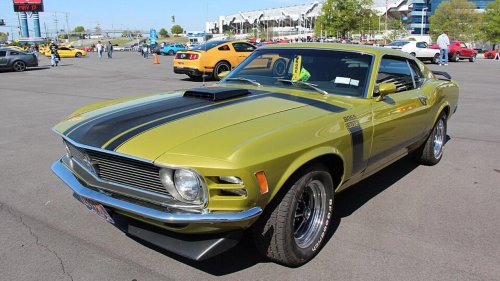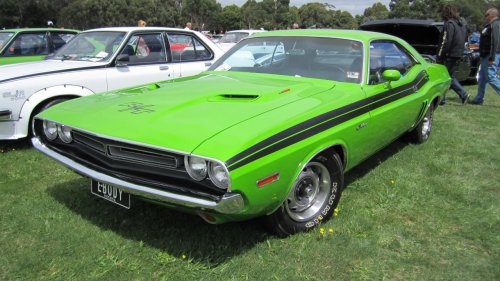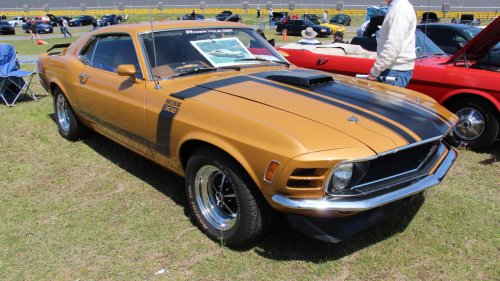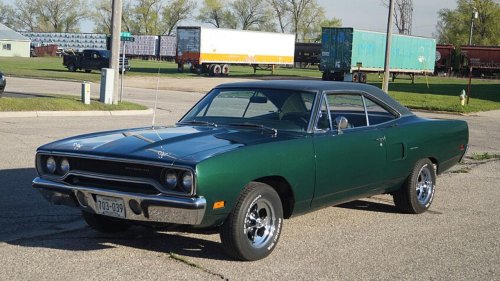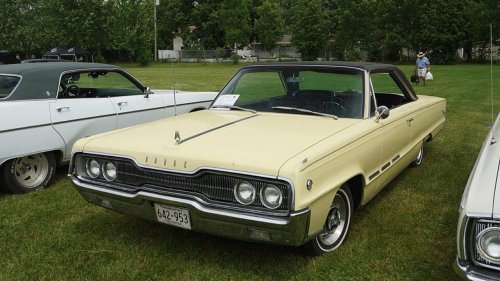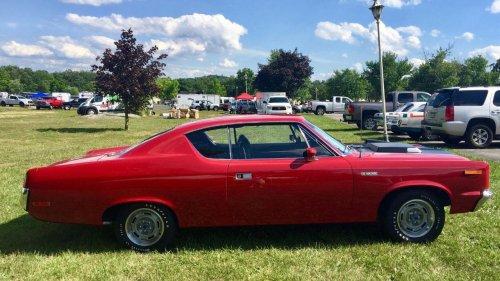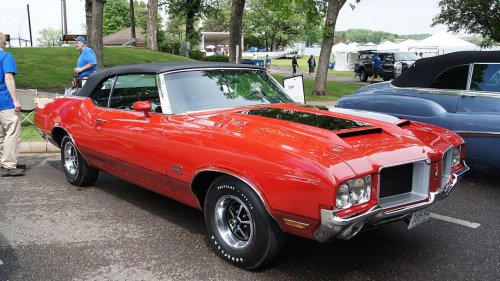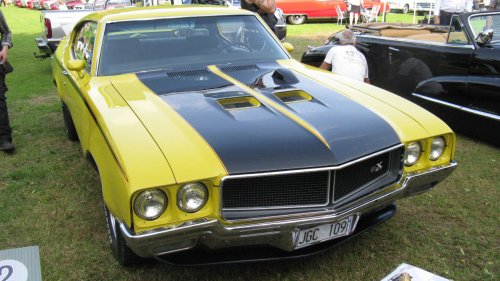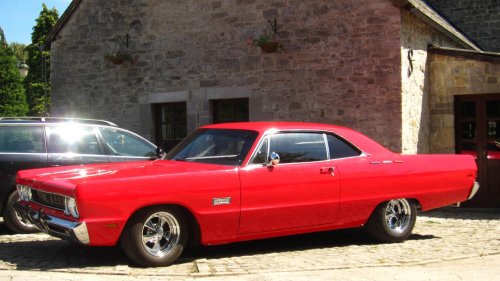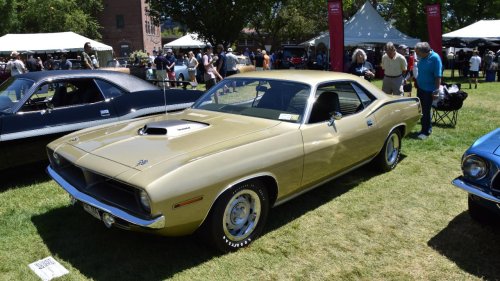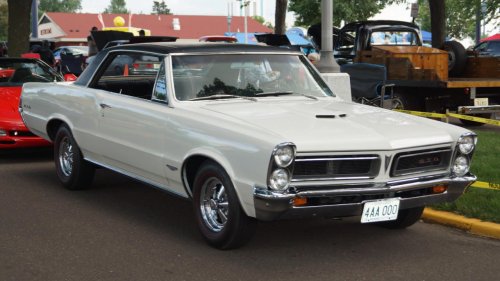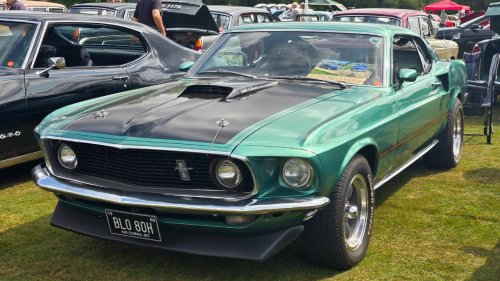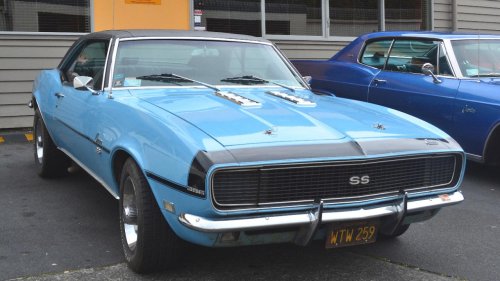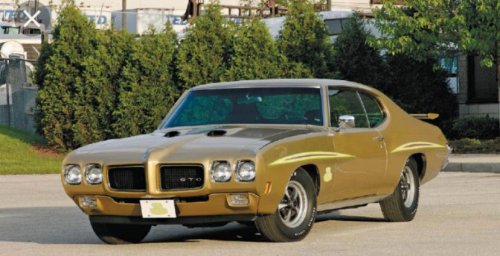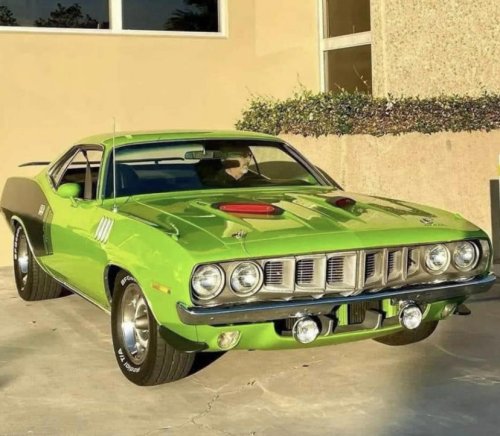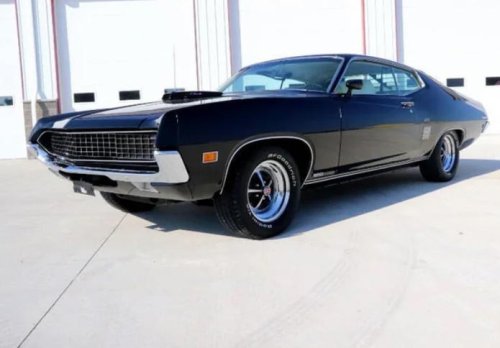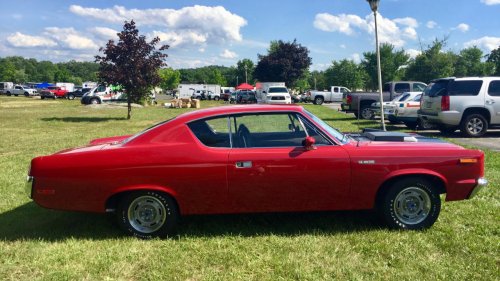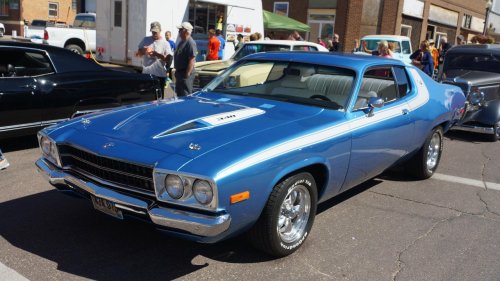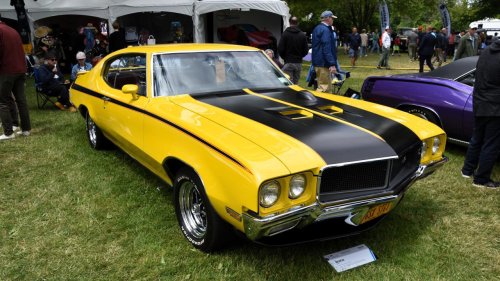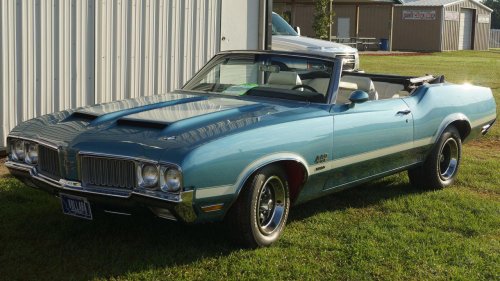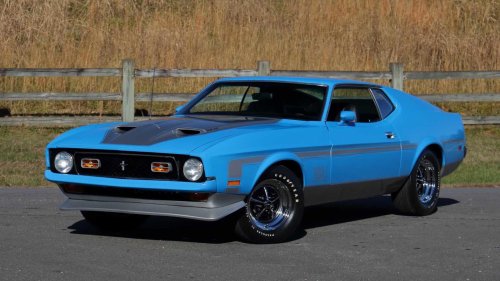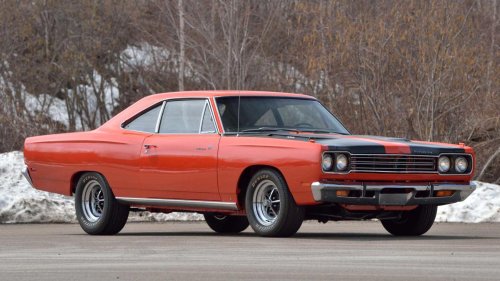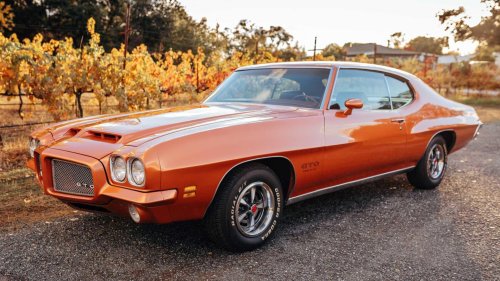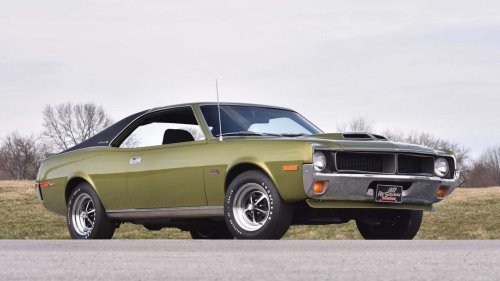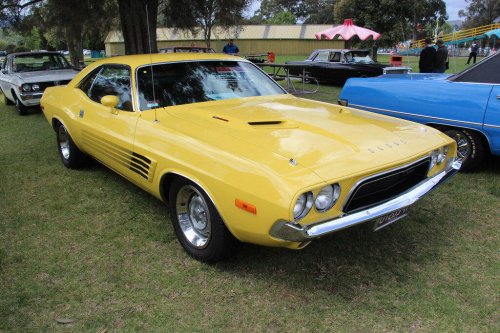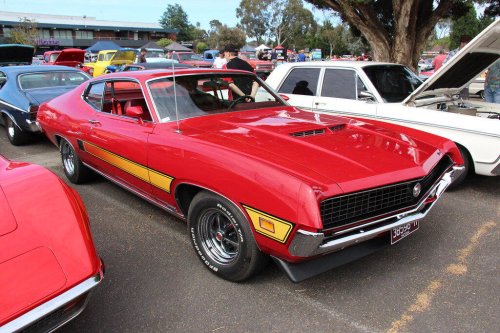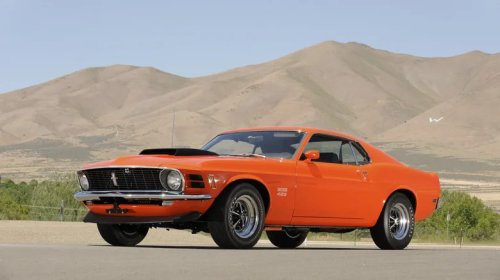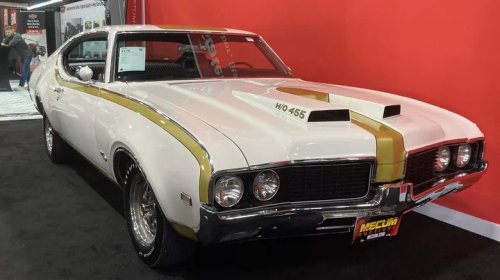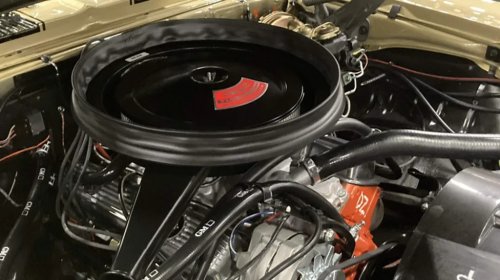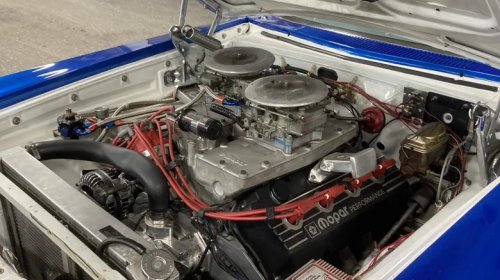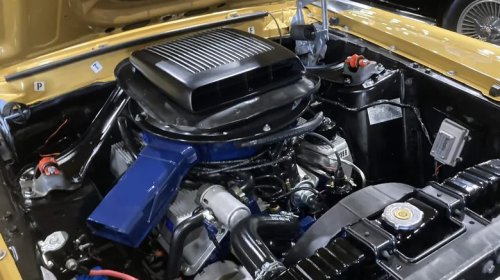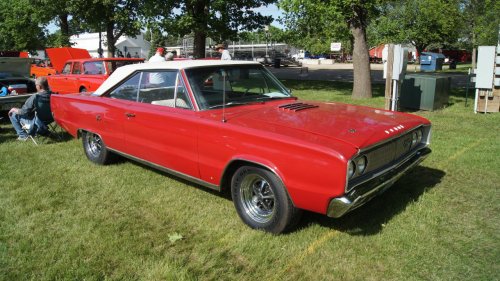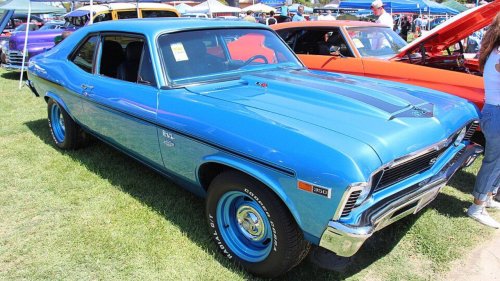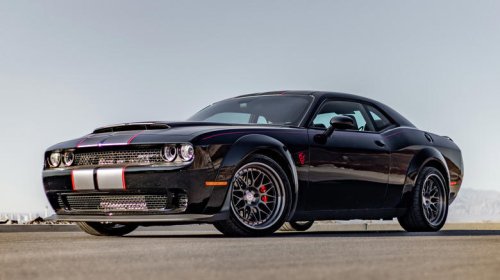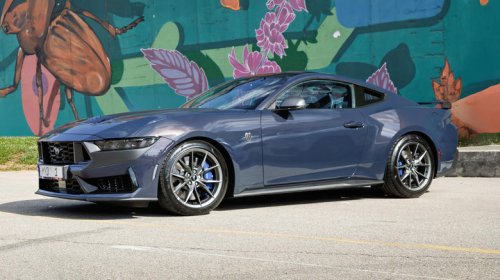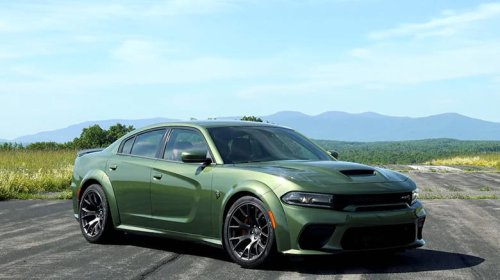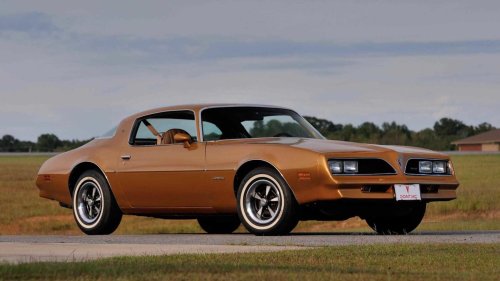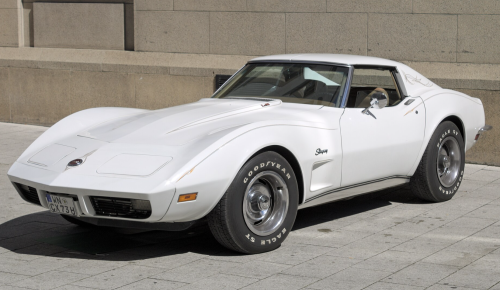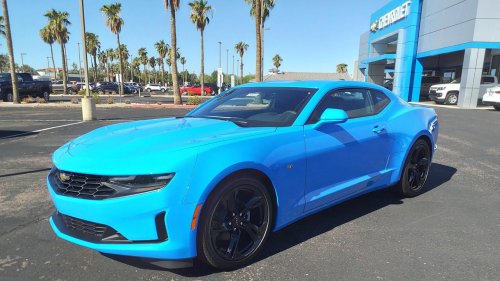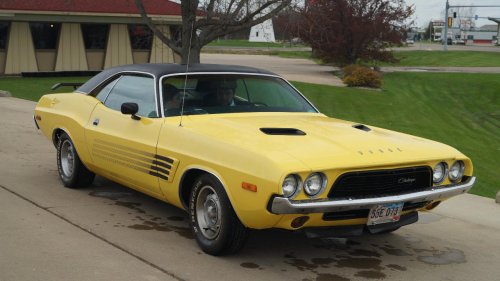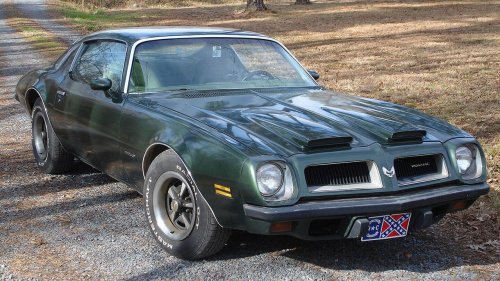
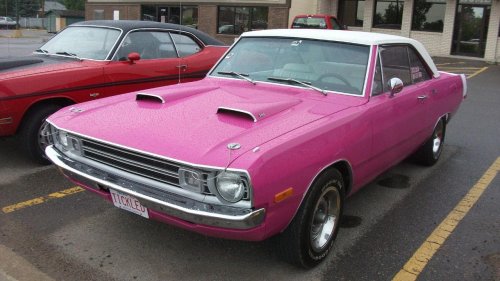
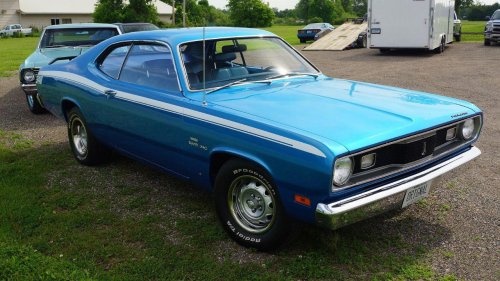
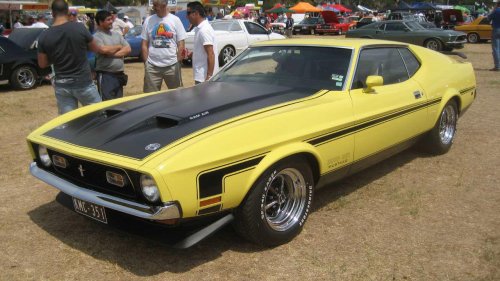
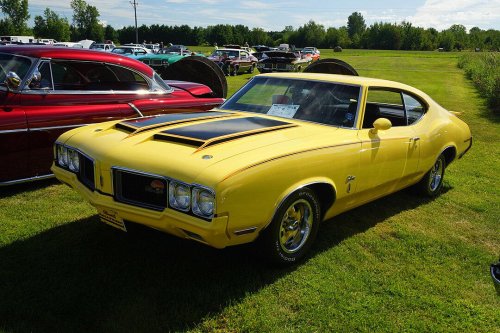
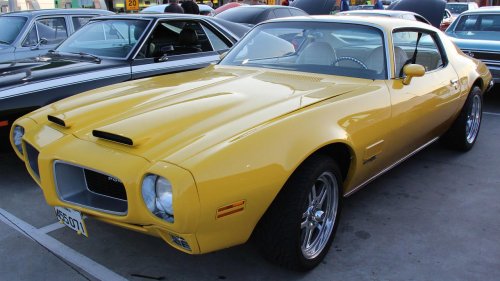



















Collectors chasing the next big thing in American performance are starting to look past the usual GTOs, Road Runners, and Chargers to a group of forgotten muscle cars that once lived in the shadows. These six machines combine genuine heritage with prices that still lag behind the legends, which is exactly why serious buyers are beginning to notice them.1972 Dodge Dart SwingerThe 1972 Dodge Dart Swinger is emerging from obscurity as a compact alternative to better known Mopar nameplates. At the 2024 Indy Fall Special, a group of underrated American muscle cars included a highlighted Dodge Dart Swinger, signaling that major auction houses now see real upside in this model. Its smaller footprint and lighter weight give it a different character from big B body Mopars, yet it still delivers the straight line punch enthusiasts expect. Grassroots fans have long argued that the Dodge Dart is “Underrated Mopar Muscle,” praising how “The Dart” brought performance to a compact platform with “Engine Options” that “Ranged” from mild six cylinders to serious V8s, as highlighted in one enthusiast discussion. For collectors, that broad mechanical palette and “endless customization potential” translate into a car that can be tailored to period correct originality or modernized street performance, both of which are gaining traction in the market.Plymouth Duster 340The Plymouth Duster 340 has long lived in the shadow of the ‘Cuda, yet recent auction coverage is starting to reframe it as a smart buy. One analysis of underrated American cars at the Indy Fall Special noted that the Plymouth Duster offers a “blend of convenience with power” that larger, more expensive models cannot match. With compact dimensions and a strong small block, it delivers the classic quarter mile experience without the bulk or price tag of an E body. That positioning matters for collectors who want authentic American muscle but are priced out of halo cars. The Duster 340 shares much of the same mechanical DNA as its more famous siblings, yet clean examples still trade for significantly less. As buyers look for value, the combination of factory performance parts, practical packaging, and a growing reputation as a “sleeper” suggests that the Duster’s days as a bargain may be numbered.1971 Ford Mustang Boss 351The 1971 Ford Mustang Boss 351 is a textbook example of a nameplate overshadowed by its own predecessors. While earlier Boss models dominate popular memory, one market survey of undervalued performance cars lists the Ford Mustang Boss with a specific focus on the 1971 Ford Mustang Boss 351. That reporting cites the figure “351” alongside a measured “5.9%” appreciation and repeated references to “351 M,” which it uses as shorthand for examples tied to this specification. Although engine historians distinguish the Boss 351’s high compression 351 Cleveland from later 351M designs, the market takeaway is clear. A documented percentage gain such as “5.9%” signals that collectors are quietly re rating this one year car. For buyers, that shift suggests an opportunity: the Boss 351 still trades below the most famous late 1960s Mustangs, yet data driven interest is starting to close that gap.1970 Oldsmobile Rallye 350The 1970 Oldsmobile Rallye 350 is a bright yellow reminder that not every muscle car with stripes has reached peak value. Coverage of underrated performance machines singles out the Oldsmobile Rallye and describes how, “Like” its “Pontiac GTO” sibling, it drew on the same engineering bench that produced the revered Oldsmobile 442. The article emphasizes the number “350” to highlight the smaller displacement V8 that powered this special model. Despite that pedigree, the Rallye 350 remains a “mostly forgotten Oldsmobile muscle car,” which is precisely what makes it attractive to forward looking collectors. It carries distinctive appearance cues, factory performance hardware, and direct ties to the 442 era, yet it still sells at a discount to more famous names. For investors who believe that heritage eventually finds its level, the Rallye 350 looks increasingly like unfinished business.1970–1974 Pontiac Firebird FormulaThe 1970–1974 Pontiac Firebird Formula sits in the long shadow of the Trans Am, but recent market commentary suggests that gap may be too wide. One detailed review of undervalued classics notes that Muscle Cars that include the Pontiac Firebird Formula and Esprit, and observes that “The Trans Am” tends to “grab all” the attention. The piece stresses that buyers can secure similar driving experiences without paying the Trans Am price tag. For collectors, that argument has real weight. The Firebird Formula often shared engines, suspensions, and braking components with higher profile models, yet it wore more restrained styling and carried lower insurance costs when new. As nostalgia buyers focus on drivability and authenticity rather than just spoilers and decals, the Formula’s balance of performance and subtlety positions it as a likely climber on future price charts.