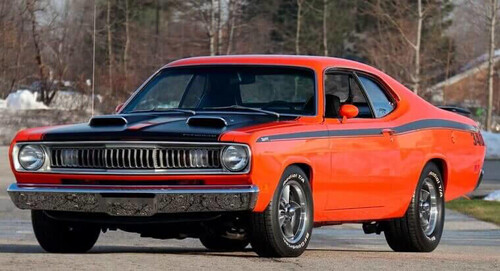
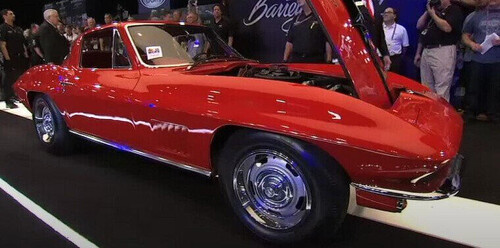
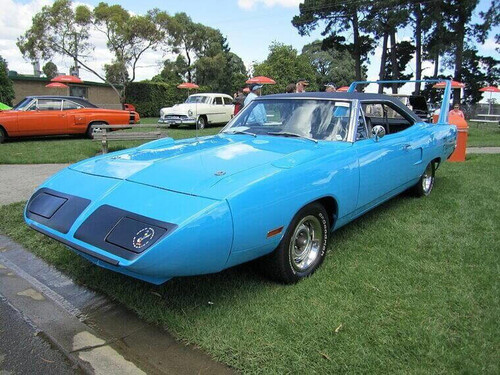
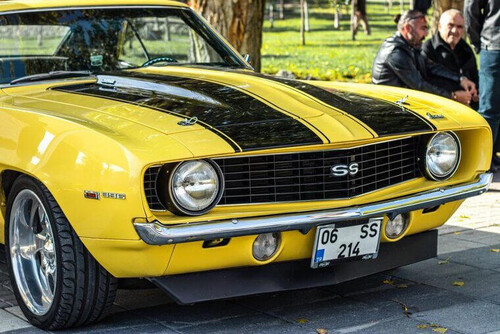
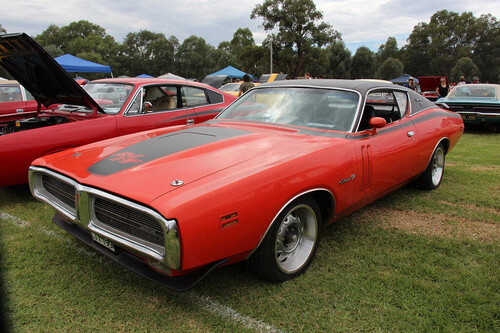
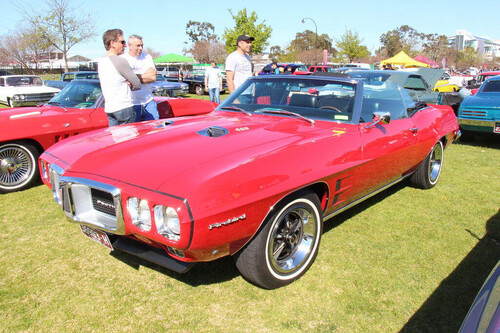
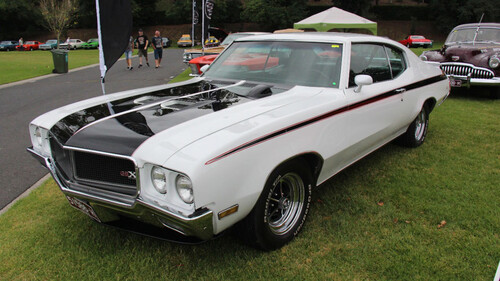
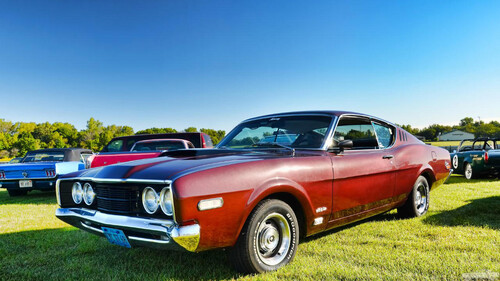
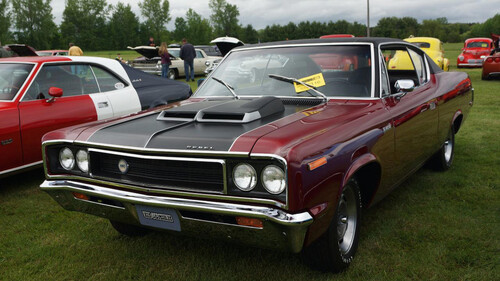
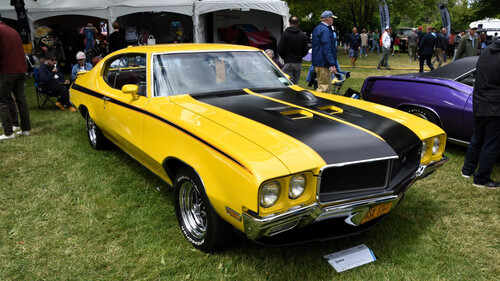
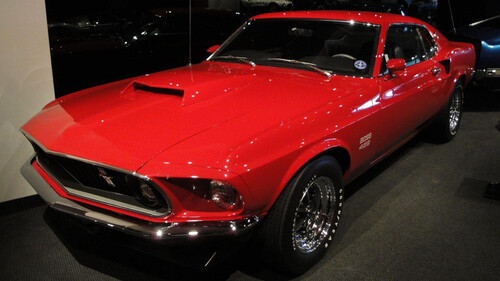
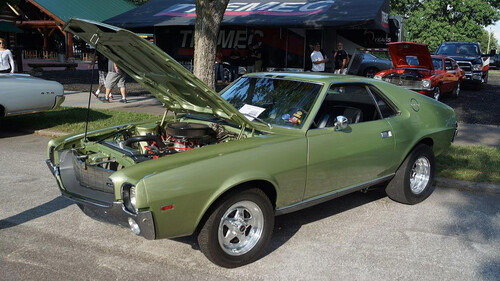
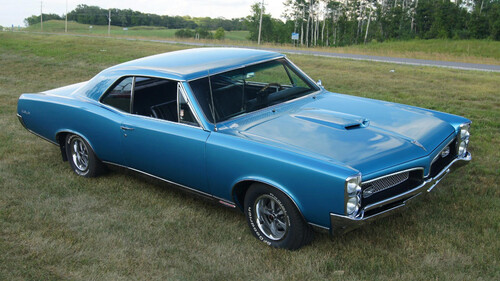
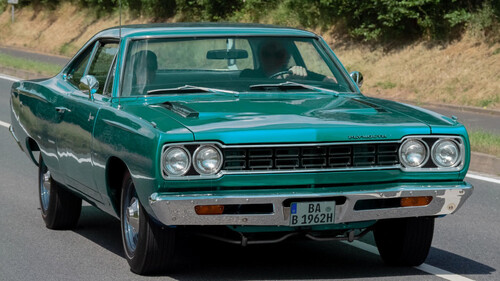
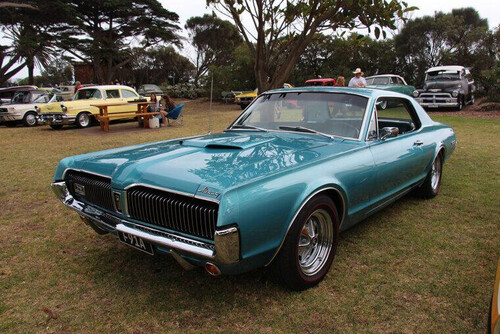
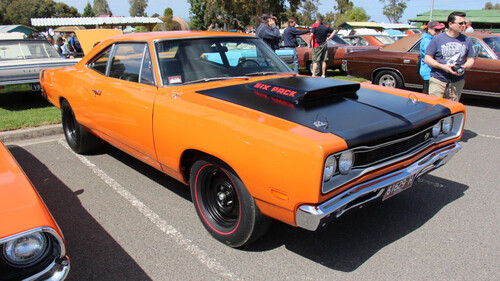
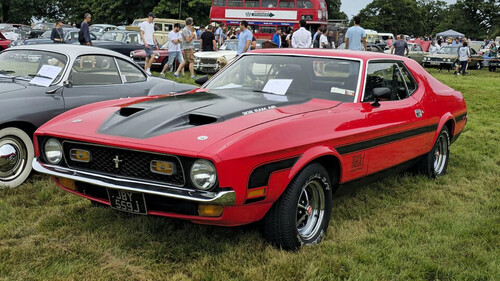
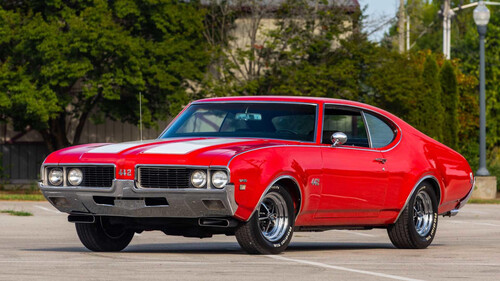
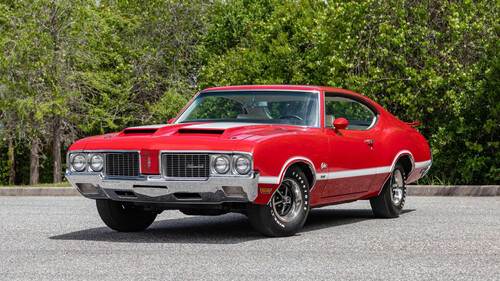
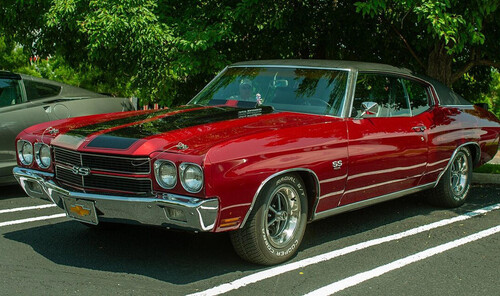
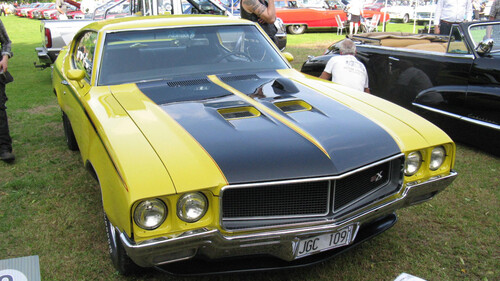
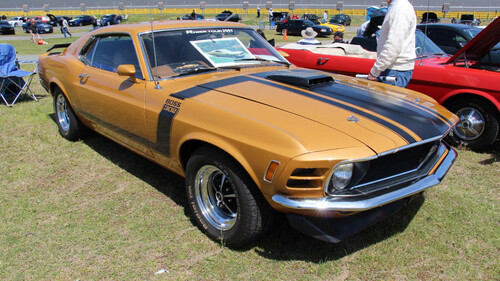
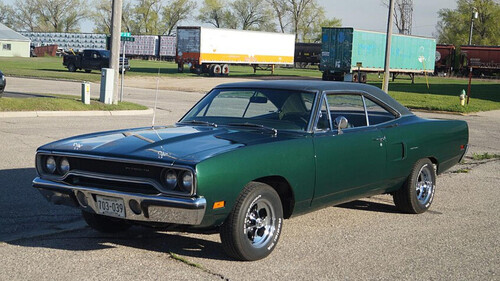
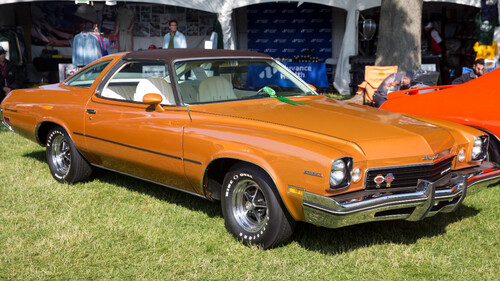
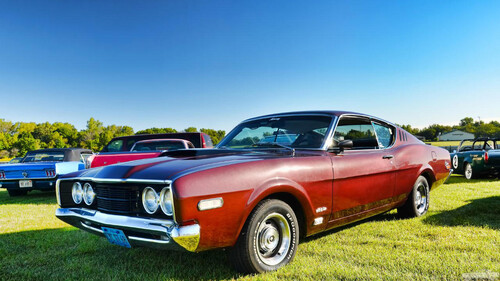
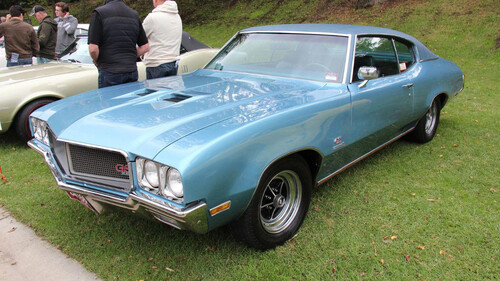
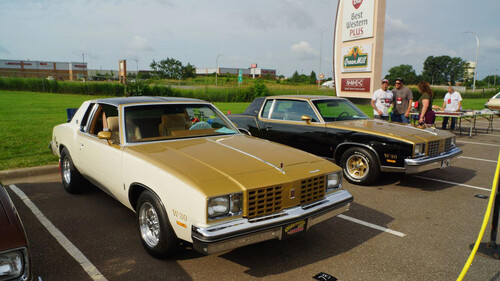
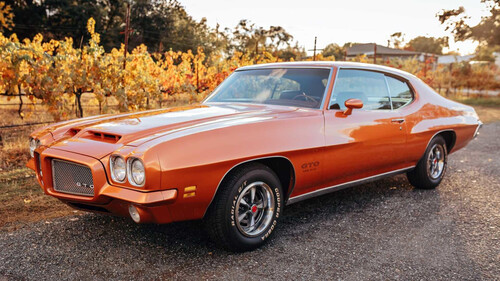
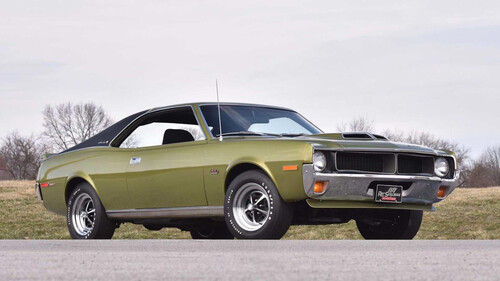
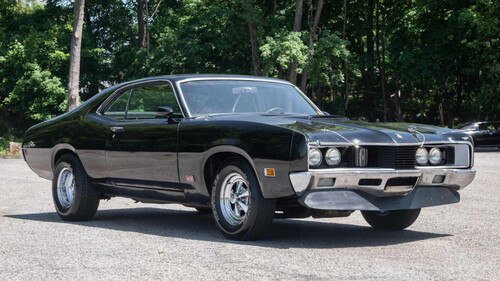
The point of picking up a classic muscle car was to get something badass that you could work on yourself and maybe terrorize the neighborhood with. Now, however, the big-name classics are going for hundreds of thousands to millions, and so the hobby is now more of an investment business. If someone drops $3.3 million on a 1969 Dodge Charger Daytona, he or she is unlikely to ever put an additional mile on it, and the same can be said for $500k Ford Boss 429s or Chevy Chevelle SS 454 LS6s. While it's nice to see classic muscle hit the big leagues, this is also kind of a tragedy because cars like these were meant for cruising and dragging, not sitting in a rich person's garage waiting for a flip.Even less rare cars are getting pricey too, which is keeping average enthusiasts out of the game, but there is still hope to put something cool in your driveway. Getting back to the muscle car collector's mission statement of climbing behind the wheel of a kick-ass ride that goes fast that doesn't break the bank is entirely possible by looking outside the traditional big-time classic nameplates. Savvy collectors are buying up lesser-known models that deliver hot styling and scorching power for pennies and the best thing is, these ain't trailer queens but street-going statements of awesomeness, like classic American muscle was meant to be. Third-Gen Buick Skylark Gran Sport Chevelle’s Cheaper Cousin MecumGM let the second-generation A-Body muscle car loose in 1968 with the Buick GS, Chevy Chevelle, Olds 442, and Pontiac GTO. While all the cars shared the same basic style, they were differentiated by signature front fascias, proprietary hoods, and slight sheet metal variations. Despite the similarities between these rides, only the Chevelle is an A-list collectible, which is actually good news for budget enthusiasts, because a 1970 Buick GS 455 Stage 1, which is actually badder than an SS 454 LS6, is an attainable classic set of wheels. Getting a just-as-cool but less powerful '69-'71 Skylark Gran Sport with a 350 or 400 cubic-inch V8 saves a ton of cash, which is why they have quietly become hot commodities.J.D. Power, which bases their values on real-world sales, puts the average retail price for a second-gen GS with a smaller engine at $26,400. A '70 GS 455 Stage 1 is a little steeper at $78,900 but without the performance upgrade a regular GS 455 sells for around $30,900. Either way, that's pocket change compared to the six-figures a '70 Chevelle SS 454 LS6 commands at auction. There are some expensive Gran Sports like a rare '70 455 Stage 1 convertible or special edition GSX that have sold in the hundreds of thousands, but they still went for less than the $770,000 a SS 454 LS6 drop-top just sold for, so it remains an affordable Chevelle clone, that can literally kick a Chevy's ass. First-Gen Mercury Cougar The Pony Car for Cat People Mecum A lot of people dismiss the Mercury Cougar, which debuted in 1967, as the Poorman's Mustang, but in reality it was meant to combine the pony car and personal luxury car segments into one ride. Another misconception is that it was just a Mustang clone, as the Cougar had its own sheet metal, making it a completely different set of wheels. Nowadays, the biggest difference is that 'Stangs are big-money collectibles, while they're practically giving Cougars away. To demonstrate this, a 1969 Cougar Eliminator with a 428 cubic-inch Cobra Jet V8 has a Hagerty "good condition" value of $65,900, while a '69 Mustang Boss 429 in the same shape is worth almost $200,000.Bring a Trailer has moved tons of first-gen Cougars in the past decade, because frugal collectors recognize it as a killer undervalued classic. Some '68 XR-7 7.0-Litre GT-Es and '69 Eliminators have reached over the six-figure line, but great condition versions of these cars have also sold for under $60,000, which is a steal. For something like a 1967 Cougar GT 390, which is a pretty smoking ride, all it takes is around $30k to call it your own. That's for a recently restored car, not a project, so this really is a great source for affordable classic muscle. It's also a great-looking car that people don't see every day, so it's a guaranteed conversation starter as well. AMC Javelin/AMX Price-Friendly Projectile Mecum AMC had always been considered the discount automaker, so in 1968 they tried to establish themselves as a performance brand with a pair of muscle car offerings. The Javelin was a four-seat pony car and the similarly styled AMX was a two-seat sports car that AMC hilariously thought could compete with the Corvette. Nowadays, frugal collectors are laughing all the way to the bank, because both of these forgotten gems are cheap head turners. Chances are, most people have never actually seen a Javelin or AMX on the streets, so because of how amazing they look, when one rolls by, there's a lot of jaw-dropping awe to go around.The Javelin SST 390s are particularly inexpensive with retail prices averaging around $20,000 and some auction prices as low as $12,500 for a fully-restored '71 4-speed. That Big Bad Orange 1970 AMX pictured above sold for $115,000 at Mecum Kissimmee 2026, making it one of, if not the most expensive AMC muscle cars ever, but generally, these are fairly affordable as well. BaT has listed over 200 Javelin/AMX cars with most selling for $20,000 to $40,000, proving this is a legit collectible that enthusiasts flock to for a bargain ride with the ability to wow 'em. Plymouth Duster Last Affordable Mopar Mecum Mopar muscle cars are the elite collectibles from the Golden Age with rare Hemi-equipped rides starting in the six-figures and rocketing all the way to the multi-millions. A frugal enthusiast is simply never going to own a '68 Charger Hemi R/T or an ultra-rare '71 Hemi 'Cuda and even 440 Six-Pack cars are getting out of reach. The only option for the Mopar cheapskate is pretty much a boxy fourth-gen Dodge Dart, which isn't much to look at, but then there's the overlooked Plymouth Duster, with some seriously screaming style. Plymouth made the Duster until 1976, but the '70-'74 models were available with the underappreciated 340 cubic-inch V8 that made the compact muscle car a blast to drive.A good condition 1970 Duster 340 has a value of under $30,000, with the average retail price under $20,000. This car almost seems like a secret, but collectors are catching on that it is the last truly affordable Mopar, so these extremely low prices won't last for long. Classic.com has cataloged 128 Duster sales in the past five years, which is some decent volume for a car most people don't remember, and shows how interest in it is picking up. Though an exceptional example of a '70 Duster 340 recently sold for $99,000, there are dozens more great condition Plymouths that came in the "nice price" zone. For a Mopar fan, this is the last cool classic that can realistically be added to the wish list. Fox Body Mustang '80s Classic That Sells in the 10s Mecum Auctions The Fox Body Mustang may not be a Golden Age muscle car, but it is a classic all the same and represents the best deal for a sweet retro ride. Ford introduced the third-generation Mustang in 1979, but it really hit its stride with the 1987 "Aero-Nose" refresh, which simply made it look a lot cooler. This is also when the 'Stang began to shake off the malaise of the Dead Horsepower Era and started to rock some street credentials again. The iconic Ford 5.0-liter V8 was up to 225 horsepower, which doesn't sound mind-blowing, but was great for the time and certainly much better than the 175 ponies the '79 model was sporting. The Fox Body GT "Five-Oh!" was a 14-second car, which again was period impressive, but more importantly, the defining ride for the entire 1980s.Now, it's becoming the defining classic collectible in modern times asGen X snaps them up to reclaim a part of their youth, with both Millennials and Gen Z falling in love with its retro groove. Of course, the price doesn't hurt either, with late-'80s Mustang GT 5.0 hatchbacks valued at around $15,200 for a good condition car and the convertibles skewing a bit higher at $17,400. BaT has listed nearly 1,000 Fox Body Mustangs with several '93 SVT Cobra R cars hitting well over $100,000, but the GTs are still in play for a budget-conscious connoisseur. An '87 GT drop-top with only 4,400 miles on it sold for just $29,000 earlier this year and a 33k-mile hatchback was practically given away for $11,500 a few years earlier.Sources: Classic.com, Hagerty, J.D. Power