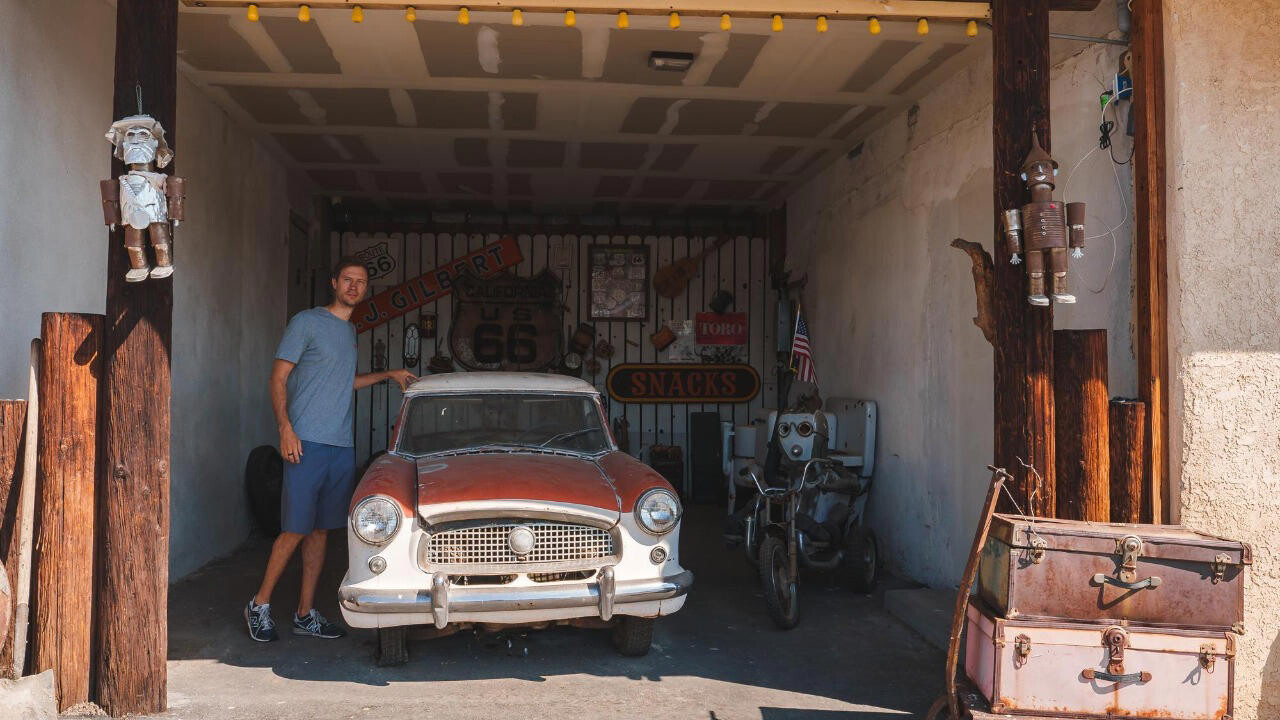
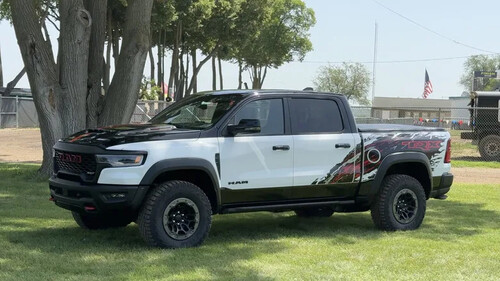
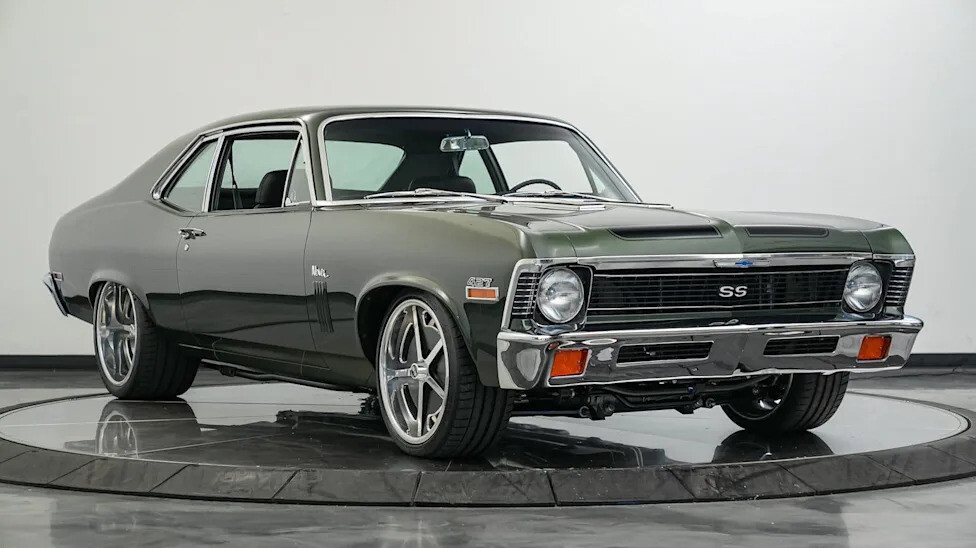
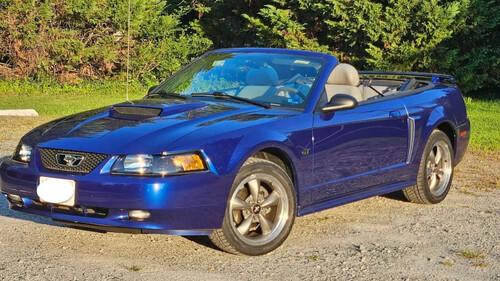
Survivor cars vs fully restored examples which one collectors chaseThe debate between survivor cars and fully restored examples is a hot topic among collectors, each group passionate about their preference. Understanding the nuances and values of these two categories can help potential buyers make informed decisions about their next purchase, whether for enjoyment or as an investment. Definition of Survivor Cars Survivor cars are vehicles that have retained their original parts and features over the years, often showcasing the natural wear and tear of time. These cars typically possess a significant amount of their factory paint, original upholstery, and working components. The appeal of survivor cars lies in their authenticity and the unique story they tell. Collectors are often drawn to the charm of patina, which is the natural aging process that gives these vehicles character. A survivor car is not just a mode of transport; it is a piece of history. Popular examples of survivor cars include models like the 1967 Ford Mustang and the 1970 Chevrolet Chevelle. These vehicles often exhibit characteristics such as original paint, factory-installed options, and documentation of their history. These traits not only enhance their desirability among collectors but also contribute to their value in the marketplace. The emotional connection that comes from owning a survivor car often outweighs the allure of a pristine, fully restored version. Definition of Fully Restored Cars A fully restored car has undergone a comprehensive restoration process, often involving complete disassembly and rebuilding. This can include everything from repairing the bodywork to overhauling the engine and refreshing the interior. The goal is to return the vehicle to as close to its original condition as possible, albeit with modern enhancements, if desired. Quality is paramount in this process, as a well-executed restoration can significantly boost a car’s value. Notable examples of fully restored cars that have fetched high auction prices include a meticulously restored 1964 Ferrari 250 GT Lusso, which sold for over $2 million at auction, and a 1971 Porsche 911 T, which reached nearly $1 million due to its flawless restoration. Such vehicles demonstrate the craftsmanship and attention to detail that can elevate fully restored cars into the realm of high-value collectibles. Market Trends: Survivor Cars vs. Fully Restored Recent sales trends indicate a growing interest in survivor cars, with auction results reflecting a shift in collector preferences. While fully restored cars have traditionally commanded higher prices, the market is witnessing a resurgence in the appreciation for originality. Notable sales, such as a 1970 Dodge Challenger R/T survivor fetching over $200,000, highlight this trend. This shift is partly driven by younger collectors who value authenticity and the stories behind the vehicles. Demographics also play a significant role in shaping market trends. Older collectors may prefer fully restored examples due to their pristine condition, while younger enthusiasts often lean toward survivor cars for their originality. As this generational shift continues, predictions suggest that survivor cars may increasingly gain traction in the market, potentially altering the balance between these two categories in the coming years. Collector Sentiment: Emotional Connection vs. Investment For many collectors, survivor cars evoke a deep emotional connection. These vehicles are often viewed as living artifacts, each with its own story etched into the metal. The wear and tear, the faded paint, and the original parts all contribute to a narrative that resonates with enthusiasts. Collectors often express a sense of stewardship over these cars, feeling a responsibility to preserve their history for future generations. On the other hand, fully restored cars symbolize craftsmanship and engineering excellence. Collectors who favor these vehicles often take pride in the meticulous work that goes into a high-quality restoration. As one collector noted, “A fully restored car represents the ultimate expression of automotive passion. It’s a canvas where artistry and engineering meet.” This sentiment underscores the dual nature of collecting, where emotional attachment and investment potential can coexist. Value Assessment: Price Points for Both Categories When assessing the value of survivor cars versus fully restored examples, price ranges can vary significantly. On average, survivor cars may range from $20,000 to $100,000 depending on rarity and condition, while fully restored vehicles can command prices from $40,000 to over $1 million. Factors influencing these price points include the car’s rarity, originality, and overall condition. Case studies of notable sales illustrate these price differences. A 1969 Chevrolet Camaro Z/28 survivor sold for $75,000, while a fully restored version of the same model fetched $120,000 at auction. These examples highlight how restoration quality, combined with the car’s provenance, can create a substantial gap in value between the two categories. Collectors must carefully consider these factors when making purchasing decisions. Restoration Challenges and Considerations The restoration process is not without its challenges. Sourcing original parts can be a daunting task, particularly for rare models where availability is limited. A common pitfall is the temptation to substitute aftermarket parts, which can detract from a car’s originality and, consequently, its value. Poor restorations can lead to significant depreciation, as collectors are often wary of vehicles that fail to meet high restoration standards. For collectors considering purchasing a project car for restoration, it’s crucial to conduct thorough research. Inspecting the car’s condition, verifying its authenticity, and understanding the extent of required repairs are all essential steps. Engaging with experienced restorers and fellow collectors can provide valuable insights and help avoid costly mistakes during the restoration process. Maintenance and Preservation: Survivor vs. Restored Maintaining survivor cars often requires a different approach compared to fully restored vehicles. Survivor cars may not need extensive upkeep but should be cared for with sensitivity to their originality. Regular cleaning, climate-controlled storage, and careful driving can help preserve their condition. Collectors should be cautious about over-restoring, as excessive work can diminish the car’s character and value. Fully restored cars, on the other hand, may demand more rigorous maintenance to keep them in top condition. Owners should follow a regular schedule for oil changes, fluid checks, and tire rotations. Preservation techniques for restored vehicles often include routine detailing and protective coatings to safeguard against wear. Long-term care practices are essential to enhance the longevity of both types of vehicles, ensuring that they remain valuable assets in a collector’s portfolio. Community and Culture: Events and Shows Car shows and events often cater to both survivor and fully restored vehicle enthusiasts, showcasing the diversity of the collector community. Events like the Pebble Beach Concours d’Elegance primarily focus on fully restored vehicles, highlighting the artistry involved in restoration. In contrast, gatherings such as the Vintage Car Rally celebrate survivor cars, offering a platform for owners to share their stories and the history of their vehicles. The interaction between these communities is essential for knowledge sharing and fostering appreciation for both categories. Forums and online groups dedicated to survivor cars often provide invaluable resources for owners looking to maintain or restore their vehicles. Events that celebrate both survivor and fully restored cars encourage a broader understanding of automotive history and its significance within the collector culture. Final Thoughts and Recommendations for Collectors When choosing between survivor cars and fully restored examples, collectors should consider their personal goals and motivations. If the aim is to enjoy a piece of automotive history with character and originality, a survivor car may be the best option. Conversely, if the focus is on craftsmanship and meticulous engineering, a fully restored vehicle might be more appealing. Ultimately, both categories offer unique values that can satisfy different collector desires. I encourage collectors to appreciate what each type represents. Engaging with communities, attending events, and conducting thorough research can enhance the collecting experience, allowing individuals to find the perfect vehicle that aligns with their passion and investment goals. More from Fast Lane Only Unboxing the WWII Jeep in a Crate 15 rare Chevys collectors are quietly buying 10 underrated V8s still worth hunting down Police notice this before you even roll window down *Research for this article included AI assistance, with all final content reviewed by human editors.