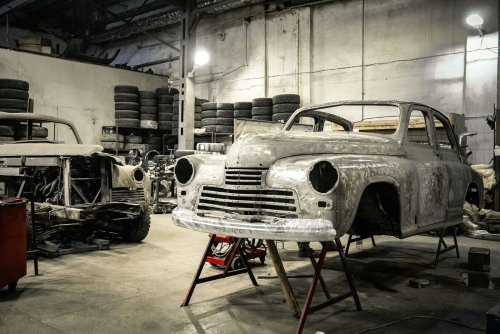
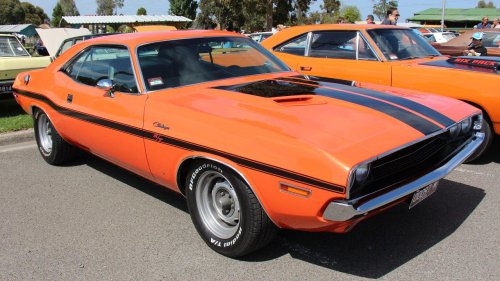
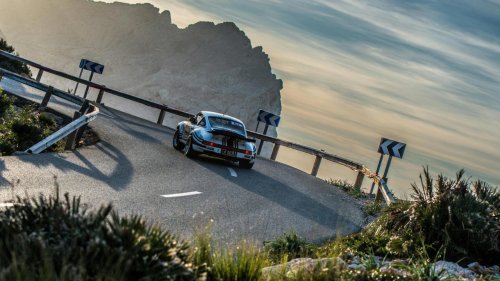
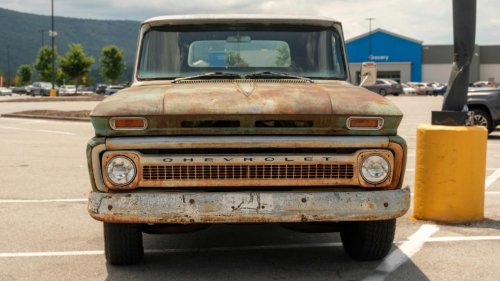
Original paint vs full restoration which one collectors really value moreCollectors talk about originality and restoration in the same breath as horsepower and provenance, because condition now decides whether a classic is a garage ornament or a seven-figure asset. Auction catalogues increasingly highlight “survivor” status and “factory paint,” even as concours lawns still glitter with flawless resprays and nut-and-bolt rebuilds. The real question for anyone buying or selling is simple: when money is on the line, do collectors actually pay more for original paint, or for a full cosmetic and mechanical reset? The answer is not a slogan. It depends on how the car has survived, who is likely to buy it, and whether originality supports the story or just preserves neglect. The market has split into distinct camps, and understanding where a car fits between those poles is now as important as knowing its model year. Why has original paint become a status symbol Original paint has turned into a shorthand for honesty. Factory finishes were applied under tightly controlled conditions, and technical research into OEM paint processes shows how deeply those layers bond to the metal. Advocates argue that paint bonded, cured, and adhered to OEM standards will tolerate far more abuse than a typical respray. When a car still wears that skin decades later, it signals that the body underneath has not been hiding a lifetime of filler and patchwork. Specialist guides on Paint point out that a car is only original once, and that this applies as much to the finish as to the drivetrain. Chips, thin spots, and sun fade are treated less as flaws and more as evidence that the shell has not been stripped to bare metal, which often erases clues about accident damage or corrosion repairs. For a buyer trying to avoid surprises, those imperfections can be more reassuring than a mirror-gloss repaint that hides the metal entirely. Factory paint also anchors documentation. Color codes on the body plate, period photos, and surviving finish all line up to show how the car left the line. Preservation-focused curators increasingly treat original paint as part of a car’s provenance, not just its cosmetics. The emotional pull of unrestored “survivors.” The attraction of unrestored cars runs deeper than chemistry. Commenters in long-running discussions about Why Are Unrestored describe a survivor as a time capsule that lets them experience a period interior smell, factory panel gaps, and period-correct finishes that restorers struggle to reproduce. Even worn original paint can increase appeal when paired with matching-numbers drivetrains, as collectors seeking authenticity and patina have pushed up values for this combination. On enthusiast forums, owners comparing survivor values report that “Beauty is in the eye of the beholder. Value is directly related to the decimal places in one’s checkbook,” a line attributed to Guest Ctskip Guests. That mix of subjectivity and hard cash explains why some buyers will pay a premium for a 1960s Chevrolet with thin, original lacquer and a sunburned roof, provided the structure is sound, and the mechanicals can be serviced without disturbing the body. Video features such as the Unrestored & Original comparison highlight that appeal. Hosts talk about “the stori” written into every scratch and parking-lot ding, and show how even a tired finish can feel more authentic than a modern basecoat-clearcoat job that never existed when the car was new. When collectors still chase full restorations Despite the romance of patina, there is still a strong market for cars that have been stripped, rebuilt, and refinished to as-new or better condition. Auction analysis on Feb points out that few topics ignite more spirited debate than restored versus original, yet the same sales data show that a correctly restored example of a mass-produced muscle car can bring more than a tired survivor that needs everything. Guides aimed at sellers stress the upside. Under the heading Pros of Classic, one dealer notes that Increased Value is a realistic outcome when a full rebuild is executed meticulously. Fresh paint, rebuilt mechanicals, and a detailed interior can transform a non-running project into a car that appeals to buyers who want to drive immediately rather than manage a multi-year workshop relationship. Specialist shops explain that Restoration is ideal for Collectors who want museum-quality vehicles and for Investors seeking predictable condition. One guide on Who Should Choose lists Collectors and Investors explicitly, and even mentions people who want to preserve a family heirloom at the highest standard. For this audience, a perfect repaint is not a compromise, it is the goal. The repaint dilemma: Does new paint hurt value? Repainting a classic has become one of the most contentious decisions in the hobby. A shop that tackles the question Classic Car Painting describes “Assessing Originality” as The First Layer Of The Paint Debate. In the opening section titled Assessing Originality, The First Layer Of The Paint Debate, the writer explains that owners must decide whether the existing finish still supports the car’s story or has deteriorated so badly that it drags down interest. For high-end survivors with sound but faded finishes, repainting can indeed reduce value, because it removes an irreplaceable original surface. Yet the same guide notes that In the case of cars with poor-quality resprays, mismatched panels, or heavy filler, a professional repaint can actually restore buyer confidence. The key is transparency: documenting the work with photos and invoices, and choosing a color and gloss level that match factory specifications, can reassure future owners that the repaint was corrective, not cosmetic trickery. Other paint specialists argue that factory finishes are materially different. One technical explainer on original paint states that Factory paint supports authenticity, documents how the car left the line, and can keep resale value stronger than a non-original color change. That is why repainting a 1967 Chevrolet Corvette from its original Marlboro Maroon to bright red might make it easier to sell quickly, but harder to command top money from collectors who track trim tags. Cost, risk and the restoration “math.” Financially, a full restoration is rarely a shortcut to profit. Under the heading Costly Investment, one seller’s advisory on Restoration projects warns that restoring a classic car may cost more than its potential increase in value. Labor, parts, and paint materials have all climbed, and a car that is not especially rare can end up “upside down” even if the work is first-rate. That reality shapes collector behavior. A discussion on Mercedes Gullwings compared two 1956 Mercedes Gullwings that were both black and both going to Scottsdale. One was a restored showpiece, the other a preserved survivor. Contributors debated which would bring more, but everyone agreed that the restoration budget on a complex car like a Gullwing can easily reach six figures, so the decision to restore or preserve has to be made with an eye on the final auction block. Shops that specialize in high-end work argue that, for certain cars, restoration is the only way to ensure that an owner is obtaining the highest collector value. A Phoenix-based body shop writes that, however, restoration is the only way to reach that ceiling, and follows with the phrase Here are some factors to consider when deciding whether you are restoring or repairing your classic car. The implication is clear: if the car is rare and historically significant enough, leaving it tired can be more expensive in the long run than paying for a full rebuild. Control, trust, and the fear of “over-restoration.” Not every collector trusts the word restoration. In a widely shared commentary, Mike tells a reader named You that the discussion is about control and notes that “restored” is a vague word. Without detailed documentation, buyers cannot easily know which panels were replaced, how much filler sits under the paint, or whether the car’s original character was sanded away in favor of over-polished perfection. On the opposite side, preservation becomes the preferred approach when a vehicle retains its original character and patina, even if the finish is not perfect. A curator of high-end European exotics writes that on the surface, a great restoration and a great preservation job can look similar, but the latter deliberately keeps small flaws, period-correct materials, and factory textures that a restorer might otherwise “improve.” Forum veterans warn that even photographic evidence can mislead. One archived debate on Pictures versus reality notes that images are easily manipulated with selective lighting and angles to hide the sins of a mediocre repaint. That skepticism helps explain why original paint, with all its wear, can feel more trustworthy than a car that looks too perfect in a listing. Where the market clearly favors originality There are segments where the verdict is clear. Commenters on BAT and Reddit advise that low-mileage, unrestored examples of mainstream cars often outperform restored ones, because they are so much harder to find. One participant tells the original poster, “You can tell us what make and model it is, no reason to be secretive,” then adds that buyers on Bring a Trailer have shown a strong preference for well-preserved originals when they appear. Hobbyists who track barn finds echo that pattern. A columnist writing under the heading Column asks Why Are Unrestored Cars Often Worth More Than Restored Ones and answers that scarcity of unmolested examples is a major driver. Once a model has been through several generational waves of restoration trends, from custom flares to restomods and back to stock, untouched survivors become the rarest variant. Hemmings staff have gone so far as to ask at what point an unrestored car should be restored. One feature on Unrestored collector cars notes that, because of their irreplaceable originality, they are fast becoming the preferred type for enthusiasts and collectors. The article cautions that even when mechanical work is required, many owners now choose “sympathetic” repairs that keep as much original material as possible, including paint. Where a full restoration still wins There are just as many scenarios where a full restoration is the rational choice. A guide for Chevrolet enthusiasts comparing restomods and factory-correct rebuilds concludes that both restomods and restorations can be valuable investments, but that Original restorations often fetch higher prices at classic car auctions due to their authenticity. In practice, that means a 1963 split-window Corvette that has been returned to its factory color, trim, and specification can outpace a weathered driver, provided the work is documented and accurate. Shops that handle everyday classics also see restoration as a way to broaden the buyer pool. A San Diego dealer who asks when a restoration adds value argues that, for cars with tired interiors, worn mechanicals, and patchy paint, a comprehensive refurbishment can make the car attractive to buyers who are not hobbyists. These customers want something they can drive to local shows without worrying about failing brakes or leaking fuel lines, and they are willing to pay more for that peace of mind. More from Fast Lane Only Unboxing the WWII Jeep in a Crate 15 rare Chevys collectors are quietly buying 10 underrated V8s still worth hunting down Police notice this before you even roll window down