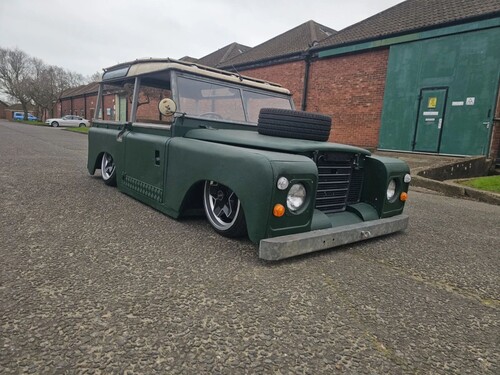
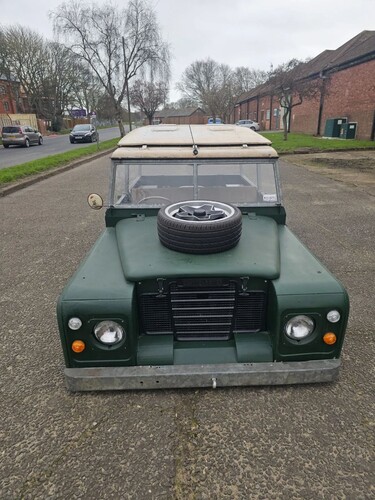
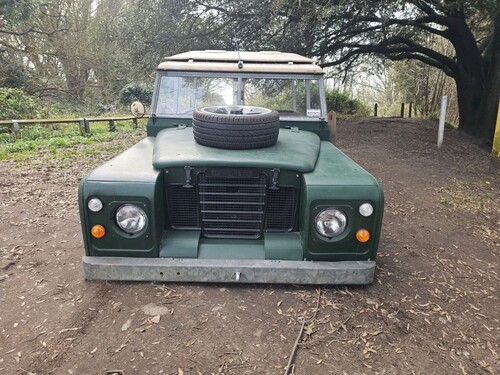
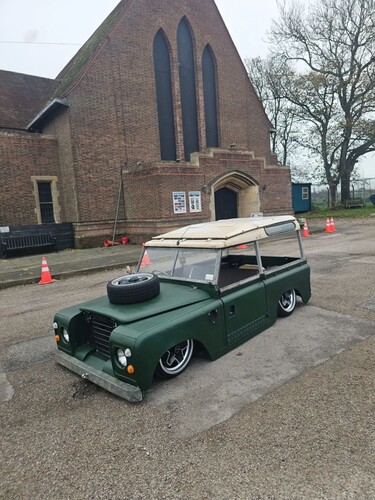
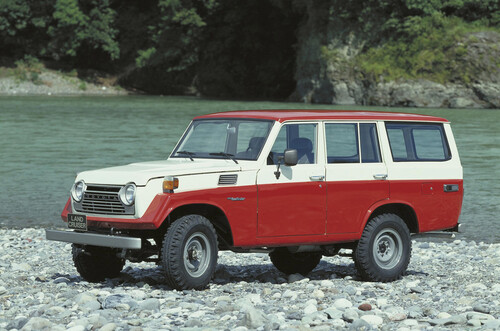
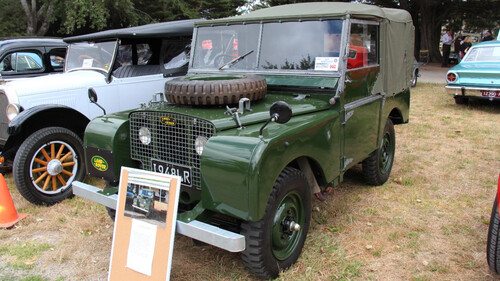
Paint patina vs showroom shine which one tells the better storyThe clash between faded paint and flawless shine has become one of the sharpest dividing lines in car and truck culture. One side sees rust, scratches and sunburnt panels as a record of real use; the other treats a deep, mirror finish as the only honest way to respect a machine. At its heart, the argument is about which finish tells the truer story of a vehicle and the people who drive it. What patina really means In classic circles, Patina is not a polite word for neglect. Restorers describe it as the natural wear and weathering that builds up over decades of sun, rain and road grime, especially on older 4x4s and work trucks. A Land Rover or Toyota FJ40 that has spent years as an Expedition Vehicle often carries thin paint on the roof, stone chips along the rockers and a soft chalkiness to the body panels. That accumulated wear is what enthusiasts call character. Specialists who focus on aging off-roaders explain that Patina has become popular because it preserves visible history. One shop that works on classic 4×4 frames is an answer to over-restoration, where every panel is smoothed until the truck looks more like a modern SUV than a tool that once crossed rivers and deserts. Their approach to preserving patina is to stabilize the existing finish, not erase it. Earlier voices inside hot rod culture made a similar case. Writers looking at rusted coupes and pickups argued that a weathered body can tell a saturated story of age, of history absolutely unrevised. Its unique character of textures cannot be bought for any price. That sentiment still fuels the affection for barn-find paint and sunburnt roofs. From Faded Glory to fauxtina The romantic view of age-worn metal has also created a backlash. As Patina gained status, some builders began to fake it. In the Faded Glory debate over real wear and fauxtina, critics complain that spraying on rust-colored paint or sanding through fresh layers just to mimic decay turns history into a costume. The argument is that a truck that spent its life in a dry garage should not suddenly look like it survived fifty winters in the rust belt. Supporters of authentic surfaces counter that even rough panels can be saved. They highlight trucks and coupes where the original paint is thin and patchy, but the structure underneath is solid. In those cases, the priority is to keep the metal from dissolving while leaving the story visible. The Faded Glory discussion points out that shiny paint may win trophies, but rust and fade often draw the bigger crowds in the parking lot. That tension between show-field expectations and parking-lot admiration sits at the center of the Patina Wars. Within that conflict, some see Patina as a practical solution. If a project has dents, mismatched doors and decades of touch-ups, stripping everything to bare metal and repainting can cost more than the car is worth. Accepting the patchwork, then blending it into a unified aged look, gives owners a way to drive rather than chase perfection. The case for showroom shine On the other side of the aisle stands the concours mindset. Financial firms that lend against collector cars describe three main restoration paths and put a Concours restoration at the top. According to the 3 Types of, a Concours project aims to return a vehicle to original factory condition, sometimes better than new. Every fastener is correct, every panel gap is precise and the paint is flawless. Guides that break down the four levels of classic car work describe Concours, from the French Concours d’Elegance, as the highest level of restoration. At that level, the classic is rebuilt as if it just rolled off the assembly line, with deep gloss and no visible wear. Judges in elite shows expect that look. A car might even be trailered to events so that stone chips and bug splatter never threaten the finish. Commentators who argue against Patina say perfect cars are simply prettier. One writer describes watching a survivor-class car, still wearing its original but worn finish, win its category, then walking away unconvinced. Here, the takeaway is blunt: Trust, but verify. To that critic, surface wear can hide serious structural rust, while a properly restored and repainted car is honest about its condition. How trucks turned the debate up Nowhere is the argument louder than in the custom truck world. Builders of classic pickups frame paint vs Patina as a choice that rivals the intensity of presidential races or even paper vs plastic. They point out that a slammed Chevrolet C10 or Ford F-100 can look equally intentional whether it wears a deep candy finish or a sunburnt original color. Coverage of this scene highlights how paint decisions affect everything from wheel choice to interior trim. One analysis of custom trucks lays out the pros, cons, and style impact of each finish. A glossy coat can make bodywork pop and align with the kind of high-end builds featured in editor’s choice awards on sites like Motortopia truck features. A weathered body, by contrast, leans into a more rebellious aesthetic that pairs well with steel wheels and minimal chrome. The same coverage connects to a broader media ecosystem. Print subscriptions such as an F100 builders guide or a dedicated C10 builders guide, along with digital hubs like EV truck guides, show how finish choices span gasoline and electric platforms. For some, a modern battery-powered pickup sprayed in flat colors with faux rust is a step too far. For others, it is proof that attitude matters more than powertrain. Truck-focused videos add another layer. One clip that asks whether rusted Patina trucks are better than painted trucks shows stylized rusty pickups that look quite cool if done right, then questions if these roughly finished vehicles are really practical. Another short on Patina or fully painted trucks repeats the same concern. Both raise the issue of safety and long-term durability, not just style. Patina as honest storytelling Advocates for aged finishes often speak about narrative. A widely shared feature on rusted classics described how a worn surface tells a saturated story of age and history, absolutely unrevised. Every dent, scratch, and sun-faded panel hints at trips taken and work done. That story resonates strongly with owners who see themselves as caretakers rather than rewriters of history. Shops that specialize in vintage 4x4s explain that this approach is about embracing imperfection. Their work on classic 4×4 restorations keeps original paint wherever possible, then stabilizes the body with careful rust repair on the underside and chassis. The goal is a truck that looks old but drives tight. Owners can park at a trailhead or coffee shop without worrying about rock chips. Social media groups echo this sentiment. In one shiny paint vs original patina debate, a commenter summed up the middle ground by saying it is really case by case. They like subtle wear over original paint. Too many layers of exposed different colors and large bare metal patches, on the other hand, can look messy rather than meaningful. That kind of feedback shows that even Patina fans draw lines between authentic age and neglected decay. The showroom side of the story Supporters of fresh paint tell a different story, one rooted in craft and respect. To them, a car that left the factory in a rich metallic blue deserves to wear that color proudly. Paint specialists who have weighed in on the debate say that a real Patina or an artful Patina can be attractive, but a car that is safe and not rusted out can also be brought back to life faster and more cleanly with new paint. One expert, identified as Swan, argued that repainting can get a project back on the street much sooner than chasing perfect original panels. Insurance and valuation experts also tilt toward fresh finishes. A Concours-level restoration often commands the highest prices at auction, especially when the work is documented. Guides that describe the four levels of restoration note that at the top tier, the classic is restored to a condition that sometimes surpasses how it looked when new. For collectors who treat cars as investments, that level of shine is part of the asset. There is also a safety angle. Commentators who urge caution around Patina remind readers that surface rust can hide serious structural issues. Their advice to Trust, but verify reflects real horror stories of cars that looked charmingly worn on the outside but had rotten frames and floors underneath. In that context, a glossy, freshly painted car with photo evidence of metalwork can feel more honest than a mysterious survivor. Cost, time and how people actually use their cars Beyond aesthetics, the Patina versus paint choice often comes down to budget and use. A full strip and repaint is one of the most expensive parts of a restoration. For a driver-grade Chevrolet C10 or a family Land Rover, owners may decide that money is better spent on brakes, suspension and engine work. Videos that ask whether to restore or leave the Patina on a classic often feature builders who make a lot of Land Rover race vehicles and expedition vehicle projects. Their customers want reliability and capability more than a show-winning finish. On the other hand, a high-end Porsche or Ferrari might justify the cost of perfect paint, especially if it will appear at elite shows. Manufacturers have noticed the demand for aged looks, too. One high-profile example is the Patina Paint program from Porsche, which offers a finish that gives a car a lived-in look straight from the factory. The company describes it as a paint that is rewriting history, where the history of a car is reflected in its appearance and shows how it was made and where it was kept. That kind of factory-aged finish blurs the line between Patina and shine. Time also plays a role. A car with decent original paint can be cleaned, lightly corrected and sealed in a weekend. A full repaint can tie up a project for months. Paint specialists and DIY guides alike stress that a real Patina, if the car is safe and not rusted out, can get a project back on the road much faster. For owners who want to drive rather than stare at a shell on jack stands, that matters. When Patina becomes a product The popularity of aged finishes has spawned an industry of its own. Vendors now sell oils, sealers, and clear coats designed specifically to lock in a weathered look. One video on the Patina look with Sweet Patina explains that if someone has a Patina truck at home or is trying to have the Patina look, there are really three products they need. The idea is to stop the rust from spreading while keeping the visual texture. More from Fast Lane Only Unboxing the WWII Jeep in a Crate 15 rare Chevys collectors are quietly buying 10 underrated V8s still worth hunting down Police notice this before you even roll window down