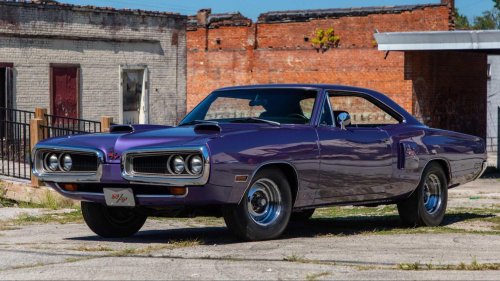
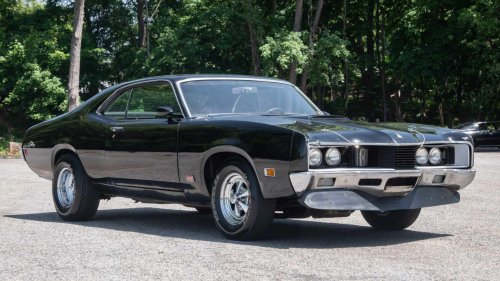
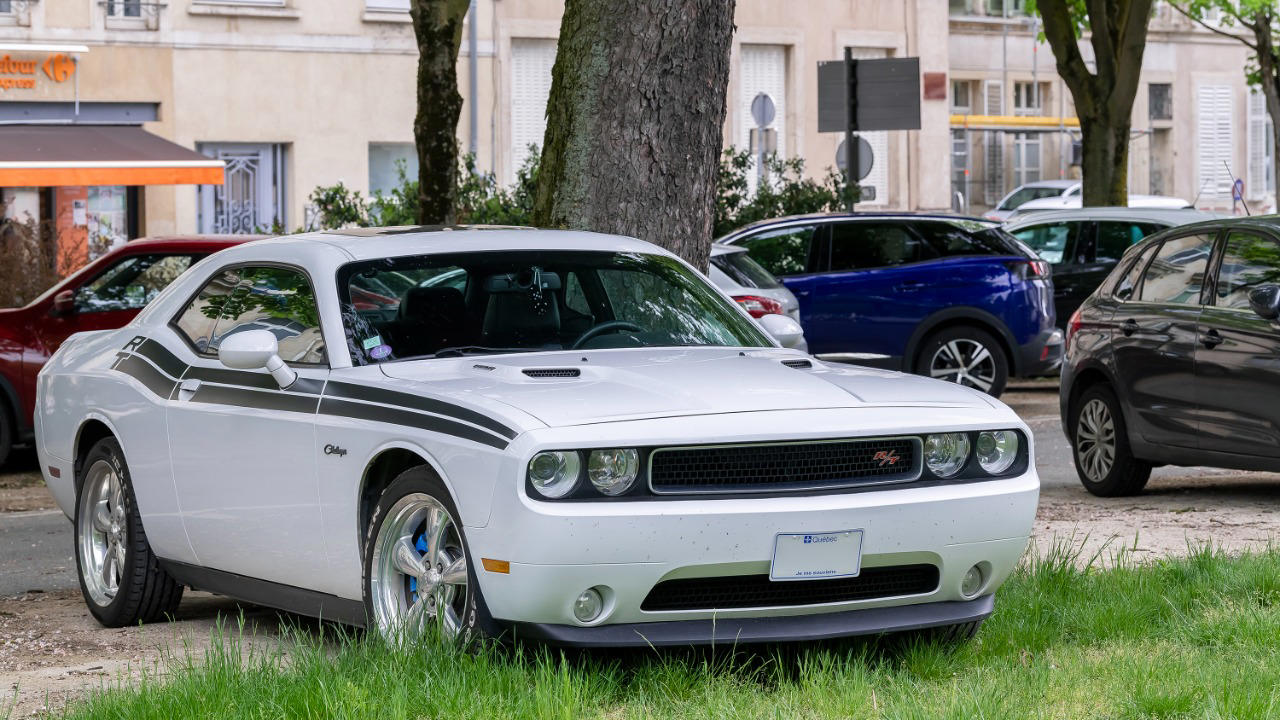
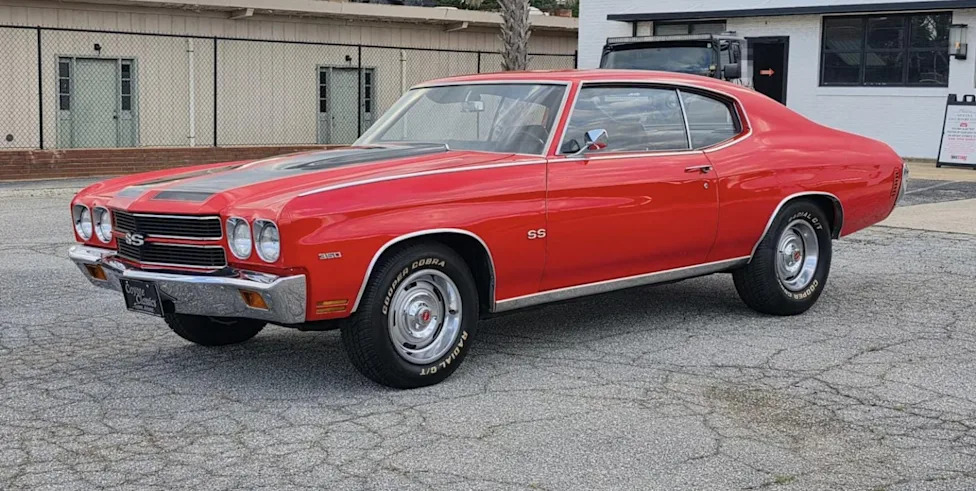
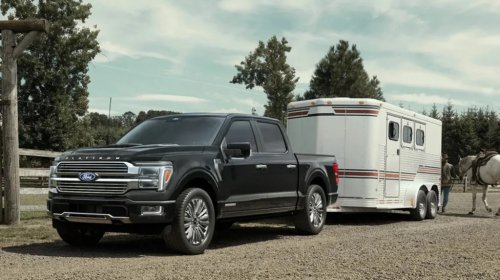
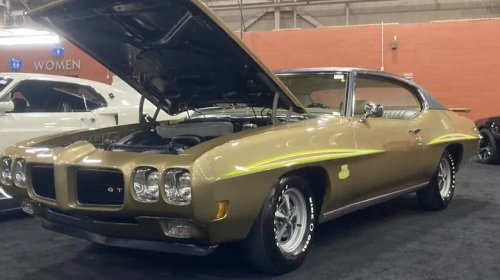
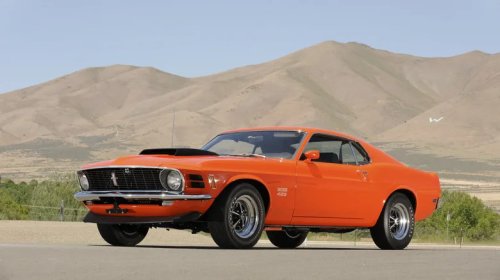
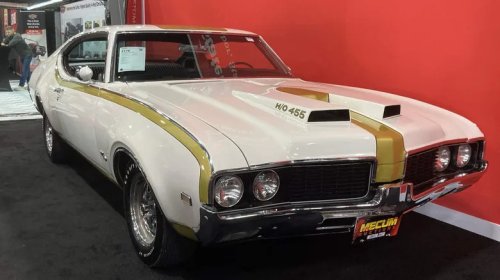
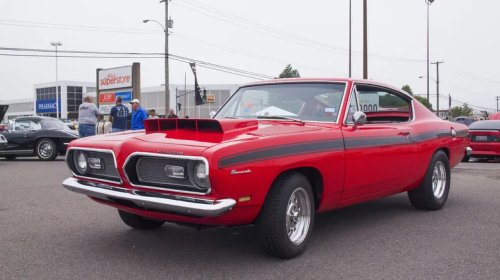
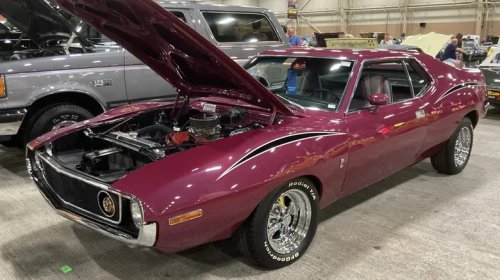
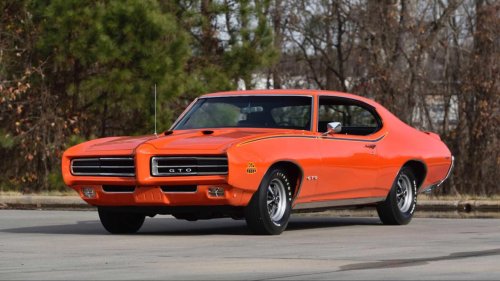
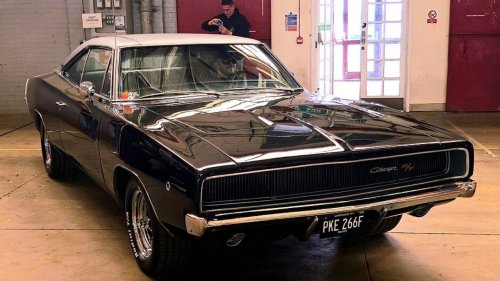
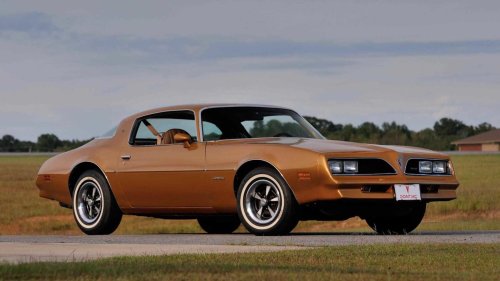
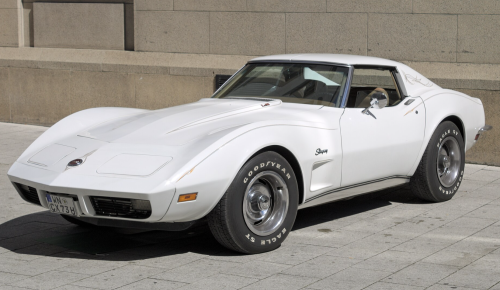
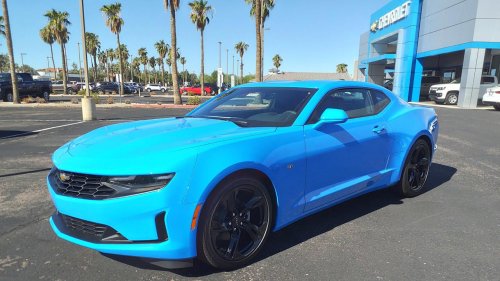
Classic truck vs muscle car which one is the smarter buy right nowClassic trucks and muscle cars both promise nostalgia, noise, and weekend fun, but they behave very differently as purchases. For buyers trying to be rational about a very emotional decision, the smarter buy right now depends on how they plan to drive, wrench, and possibly profit from that vintage metal. With collector values shifting and practical costs rising, the gap between a classic pickup and a muscle coupe has rarely been clearer. Viewed through today’s market data and ownership stories, classic trucks look increasingly like usable tools with a collector upside, while muscle cars sit closer to pure toys and speculative investments. The best choice comes down to whether a buyer wants a rolling asset that can still haul or a performance icon that mostly lives in the garage. The market mood: trucks rising, muscle cars sorting out Collector analysts describe a split market in 2026, with trophy-grade cars still attracting big money while more ordinary examples soften. One review of the current collector scene notes that the top end remains strong, but the middle is developing a soft underbelly, even as one metric, Gold Price, has climbed roughly 50% in six months. That comparison helps explain why some enthusiasts now treat vehicles less like sure-fire investments and more like passion purchases that may or may not keep up with other assets. Within that mixed picture, classic trucks stand out as a growth pocket. Detailed guides on the segment report that classic pickups have enjoyed a significant surge in popularity in the collector car market, driven by nostalgia and the way their rugged, utilitarian designs fit modern tastes. One overview explicitly asks Classic Trucks Popular and answers that they are now highly sought after by both collectors and enthusiasts. Market commentary on collectible utility vehicle frames it similarly. Analysts who track Trucks and SUVs argue that Trucks and SUVs have always drawn buyers for practicality, and that the same logic now supports collectible trucks. One summary puts it bluntly: Trucks and SUVs are attractive because they can still do work, while Cars in the same era often cannot match that utility, which helps explain why collectible trucks and SUVs have become more appealing relative to some traditional classics. Muscle cars, by contrast, face a more complex adjustment. A long view of the sector notes that Classic cars sit in a “safer than it looks” corner of the investment world, parked in garages instead of brokerage accounts, yet that same analysis warns that Classic values are poised for dramatic change as demographics and tastes evolve. Another investment-focused piece observes that, despite their decline in popularity, muscle cars have transitioned into valuable investment assets appreciated for rarity and their role in a vibrant era of American automotive history. In other words, the emotional case for muscle cars remains strong, but the financial trajectory is less predictable than it was a decade ago. Resale value: trucks as steady assets For buyers thinking about resale, mainstream used-vehicle data gives classic-style trucks a head start. Rankings of vehicles with the strongest resale performance consistently highlight pickups and SUVs near the top. One resale study of modern vehicles, for example, finds that trucks and sports cars both tend to hold value better than average, but trucks in particular dominate lists of best performers. That pattern in the late-model market helps explain why older trucks are now seen as smart places to park money, since the same mix of practicality and desirability applies. A recent overview of ownership trends notes that trucks and sports cars deliver some of the best resale results among mainstream vehicles, a dynamic that spills over into the collector arena. Classic trucks also benefit from a broader wave of nostalgia. Commentators on old-body-style pickups point out that Values of these cool old-body-style Chevy trucks are rising, fueled by affection for 1980s and 1990s styling. One market snapshot quantifies that trend, noting that certain OBS Chevy trucks are now worth about 15% more than they were the previous year, a sharp move in a short period. When values for a once-overlooked work truck climb like that, it signals that the segment has room to grow. Muscle cars still have standout performers, especially rare or historically significant models, yet the middle of the pack looks less bulletproof. Analysts who track the collector car market describe a “strong top end” for blue-chip classics alongside a softening underlayer where more common cars live. That pattern fits with on-the-ground advice to buyers who are told that any of the older cars that deliver the right look and feel can be smart buys if purchased as drivers rather than speculative investments. In other words, the average muscle car may no longer be a guaranteed winner on appreciation alone. What ownership actually feels like The smarter buy is not just about spreadsheets. It also depends on how often the vehicle will be driven and how much hassle a buyer is willing to accept. On that front, classic trucks often offer a friendlier experience for mixed use. Enthusiast guides emphasize that several factors contribute to the rising demand for classic pickups, including their ability to stir nostalgic feelings while still functioning as usable vehicles with rugged charm and practical layouts. One detailed guide notes that Several key traits, from simple mechanics to upright cabins, make Classic trucks easier to live with than some low-slung performance cars. Real-world owners echo that balance. Vintage truck drivers on enthusiast forums report that using a 25-year-old pickup as a daily driver is possible but brings compromises, from frequent small repairs to limited comfort and safety compared with modern vehicles. One owner of a 1990 K2500 explains that yes, a vintage truck can handle regular use, but it is usually better as a weekend or occasional driver. That candid experience is captured in a discussion where a user admits that a truck that old is a bad idea as a primary daily vehicle and should instead come out on the weekends or whenever there is time to enjoy it. Muscle car owners report a similar mix of joy and frustration. A widely shared comment on old muscle reliability observes that Yeah, older performance cars are ‘simple,” which keeps maintenance and repairs relatively easy, but owners should expect to be under the hood more frequently than with a modern vehicle. A separate comparison of modern and classic performance machines states that Maintenance and Reliability Classic Muscle are challenging because Classic Muscle requires constant attention to aging parts, carburetors, and old-school systems. That same analysis contrasts old cars with modern performance sedans that may be harder to work on but generally need less frequent tinkering. Collectors who split their time between old and new muscle echo that tension in long-form video reviews. One discussion of modern versus classic performance cars on a specialist channel, shared through video analysis, highlights how modern muscle delivers speed and comfort while older cars provide character and mechanical simplicity at the cost of reliability and safety. Buyers weighing a classic against a more recent alternative often end up prioritizing the emotional payoff of a carbureted V8 over the convenience of air conditioning that always works. How usable are these vehicles day to day? Classic trucks have a clear advantage in practicality. Guides aimed at working owners point out that Classic Chevy C10 pickups from the 1960s to 1980s are great for light farm tasks, combining stout frames and simple drivetrains with enough comfort for short trips. One dealership that specializes in rural buyers notes that Are classic Chevy C10 trucks good for farm work is a frequent question, and answers that Classic Chevy C10 models offer durability, bed space, and mechanical simplicity that makes repairs simple. Restoration-focused resources add that some trucks are even easier to bring back to life than comparable cars. One storage and restoration guide identifies the Ford F-100 as a standout, explaining that What Is the Easiest Classic Truck to Restore is often answered with The Ford F-100 because of its simple design and the abundance of aftermarket parts. That kind of parts support means owners can keep an F-100 or similar pickup working without exotic expertise. By contrast, muscle cars are rarely bought for hauling mulch. They are purchased for sound, style, and speed. A long-running debate among enthusiasts about muscle car versus luxury sport sedan use concludes that, but if driving experience is that important, the muscle car wins because every option missed is offset by the way a big V8 will put a smile on a driver’s face. That sentiment is echoed in ownership stories that treat muscle cars as weekend toys and occasional track-day weapons rather than tools for errands. Some classic cars can handle regular commuting, but even advocates acknowledge tradeoffs. A guide to 10 classics that can be used every day asks What Makes a Classic Good Enough For Everyday Life and points to reliability, parts availability, and comfort as key factors. It notes that Classic Good Enough For Everyday Life status is rare, and that even when a car qualifies, owners must accept more noise, less safety, and more hands-on care than with a modern hatchback. Cost of keeping them on the road Purchase price is only the opening bid. Ongoing maintenance and restoration costs can quickly erase any theoretical investment gain. On this front, both classic trucks and muscle cars share some advantages: simple mechanicals, limited electronics, and strong aftermarket support for popular models from brands like Chevy and Ford. Classic truck advocates stress that simplicity and parts availability keep ownership costs manageable. A detailed buying guide notes that Several traits make Classic trucks attractive, including their body-on-frame construction and straightforward engines that most competent home mechanics can service. Another overview of why old pickups remain popular adds that, But there are quite a few reasons classic trucks are still so popular, from their simplicity and durability to the fact that, let us face it, they are just flat-out cool. That combination of durability and cool factor helps justify spending money on paint, interiors, and suspension upgrades. Muscle cars share that mechanical simplicity, yet their performance focus can drive up costs. High-compression engines, performance suspensions, and model-specific trim pieces often command premiums. A specialist guide to investing in muscle cars notes that Classic muscle has become more valuable precisely because of rarity, which means correct parts and proper restorations can be expensive. Another detailed comparison of modern and classic performance cars explains that while modern cars have complex electronics that can be costly to fix, classic muscle requires constant upkeep that adds up over time. More from Fast Lane Only Unboxing the WWII Jeep in a Crate 15 rare Chevys collectors are quietly buying 10 underrated V8s still worth hunting down Police notice this before you even roll window down The post Classic truck vs muscle car which one is the smarter buy right now appeared first on FAST LANE ONLY.