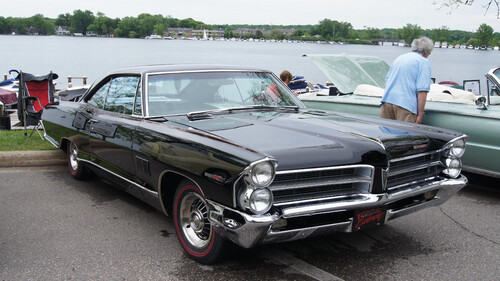
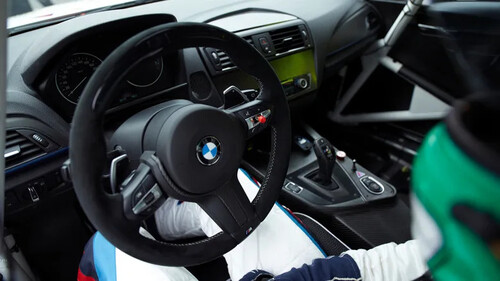
Four speed manual vs automatic which one makes a classic car feel rightFor many enthusiasts, the question of whether a four-speed manual or an automatic belongs in a classic car is really a question about what makes these machines feel alive. Classic cars were built in an era when the sound of the engine, the smell of fuel, and the feel of the gear shift created a direct connection between driver and machine, and the choice of transmission can either sharpen or soften that connection. The right answer depends on how a car is used, what era it comes from, and whether the owner values involvement, comfort, or investment potential most. The emotional core of a classic Classic cars evoke a sense of history and nostalgia, and they come from a time when craftsmanship, mechanical design, and the driving experience were primary goals rather than side effects. One description of older vehicles notes that the sound of the engine, the smell of fuel, and the feel of the gear shift all help create a strong connection between the driver and the machine, so that owning a classic often feels like having a piece of history rather than just a means of transport. That sense of connection is the backdrop for the manual versus automatic debate, because the transmission is the main control the driver touches on every journey. Manual Transmission is often described as the classic choice for drivers who want to manage every upshift and downshift themselves. Enthusiasts argue that a stick shift matches the analog character of carburetors, cable throttles, and unassisted steering. By contrast, Automatic Transmissions have evolved into refined systems that offer Comfort and Ease, especially in traffic or on long highway runs, which can make a big difference when a classic is used regularly rather than saved for special weekends. Why four speed manuals feel “right” to purists Among manual options, the traditional four-speed has a special place. One enthusiast story describes how few things are more satisfying than driving a four speed muscle car, including a ride in a Buick that left a strong impression on a teenage driver named Tommy, who was already daily driving a 1988 Camaro with a 305 under the hood. The account highlights how the simple pattern of a four speed, combined with a torquey V8, creates a rhythm of clutch, shift, and throttle that many drivers remember for decades. For muscle car fans, some restorers argue that Manual gearboxes have long been the gold standard, and that Nothing quite matches the feeling of grabbing the shifter and choosing the exact moment to change gear. The mechanical click of the linkage, the weight of the clutch pedal, and the way the engine note rises and falls with each shift are all part of the experience. Enthusiasts like Parich Tangmatitam, described as an Author who drives a sports car with a manual transmission, list reasons for loving stick shift that include greater control, better feedback, and a sense of mastery that automatics struggle to replicate. Opinion writers who advocate for three pedal cars sometimes focus on the basics, such as the way the clutch pedal and shift nob demand coordination and attention. One piece that highlights the physical hardware of a manual suggests that learning to drive this way can make motorists more engaged and less distracted, since they must constantly monitor engine speed, road conditions, and traffic while they work through the gears. Automatic comfort and the case for ease Supporters of automatics counter that classic cars are already demanding enough, and that reducing driver workload can make older vehicles more enjoyable. Descriptions of Automatic Transmissions emphasize Comfort and Ease, with smooth shifts and the ability to creep through traffic without constant clutch work. Some owners of older vehicles argue that Seamless gear changes from Automatics create a more relaxed experience, especially for cruising boulevards or taking long interstate trips, where a manual can become tiring. One video presenter from TFO Classics, identified as Tommy, argues that in many cases an automatic transmission may actually be the better choice for a classic. In his view, a well-tuned torque converter can keep a big engine in its sweet spot without the driver needing to think about every ratio, which lets the driver focus on the scenery or the sound of the engine rather than the pattern on the shift knob. Other explainers on Automatic Transmission, which list Advantages, Disadvantages, and Applications, point out that self-shifting gearboxes can be more forgiving for new drivers and can help prevent stalling or driveline shock that might damage older components. Some classic owners simply want to share their cars with family and friends who are not comfortable with a clutch. Legal and safety commentators have even noted that a car with an automatic transmission is more likely to be borrowed by a friend or family member because so few people now know how to operate a manual, which can be a practical consideration when deciding how a vehicle will be used. Enthusiast culture: engagement versus convenience Online discussions show how divided enthusiasts can be. In one Reddit Comments Section about manual versus automatic transmission in classic cars, one contributor using the name HashtagVictory argued that if a car is original, the manual is better, and added that Older slushboxes were truly bad, with lazy shifts and poor reliability compared with modern units. That view reflects a common complaint that early automatics often dulled performance and did not suit high-revving engines. In another Reddit thread about whether drivers prefer manual or auto on classic cars, one owner responded with a simple summary: Depends on the type of car, and how it is used. The same contributor added that they have an auto in a Ford Maverick and find it nice for relaxed cruising, while still enjoying manual gearboxes in other vehicles. This split preference shows that even committed enthusiasts can see value in both options, depending on whether a car is a weekend toy, a drag strip regular, or a daily driver. General car-buying forums echo this nuance. One discussion about manual or automatic pointed out that serious transmission failures are a rare thing a buyer would have to worry about unless very unlucky, and that the choice should focus more on driving style and local traffic conditions than on fear of breakdowns. Another thread about Better Value, where a Top 1% Commenter called TheReaperSovereign described the price gap as negligible, suggested that resale differences between Manual and automatic are shrinking in many segments, which frees buyers to choose what they actually enjoy. Investment angles: originality, rarity and buyer pools For collectors who treat classic cars as assets, the transmission choice can influence value. On a Quora discussion titled Are vintage cars a better investment manual or automatic, a contributor named Steve Kumm, identified as a Former Electronics Technician for the U.S. Coast Guard, advised readers in Feb to research how previous sales went for similar models and to pay close attention to originality. His point was that a car that left the factory with a four-speed and still has it will often command a premium over one that has been converted, even if the automatic is technically easier to live with. Market guides on Manual Transmission as The Classic Choice Manual often note that performance-oriented classics with stick shifts tend to attract a more passionate buyer base, especially when the gearbox is rare or tied to a special package. However, some resale guides argue that when it comes to selling a vehicle in the broader market, a car with an automatic transmission is more likely to sell quickly and for more money because the pool of buyers who can drive a manual is shrinking. One comparison site states that, however, when it comes to selling the vehicle, sellers are likely to receive a higher price if it has an automatic, particularly in regions where younger drivers have never learned to use a clutch. On the other hand, some classic car specialists point out that Manual gearboxes still dominate the top end of the muscle car market, where collectors want the most engaging version of a model. Investment discussions often stress that the safest bet is to keep the car as close as possible to factory specification, whether that means retaining a period-correct automatic or preserving a matching-numbers four-speed. How usage shapes the “right” choice Practical use often decides whether a four-speed manual or an automatic feels right. Owners who plan to commute in older vehicles or drive them in heavy traffic may lean toward Automatic Transmissions that deliver Comfort and Ease, especially if they live in cities with steep hills or congested freeways. Guides that compare automatic vs manual transmissions in classic cars stress that automatics reduce fatigue, make stop-and-go driving less stressful, and allow more people to enjoy the car without special training. Drivers who treat their classic as a weekend back road companion, by contrast, often prefer the engagement of a manual. Enthusiast essays on muscle car transmission choices argue that Manual gearboxes are ideal for spirited driving, where the driver wants to hold a gear through a corner or blip the throttle on a downshift. A four-speed, in particular, is praised for its simplicity and period-correct feel, which many owners find more authentic than later five- or six-speed conversions. Some commentators take a middle ground. One Facebook discussion about whether Manual or automatic should be used in a classic frame the debate as a battle between ease and engagement, or convenience and control. The consensus from several owners was that there is no single correct answer, only a need to match the car and its mission. A heavy full-size cruiser might be better with a smooth automatic, while a compact sports coupe feels natural with a manual. Voices from the community Community rules also shape how these debates unfold online. Platforms like Reddit have detailed policies, such as a user agreement that was discovered through a citation trail from a Manual transmission thread, as well as a privacy policy that was also discovered through the same Manual source. They also maintain a content policy, again discovered via the Manual discussion, and provide accessibility guidance that was discovered using a Manual-related help section. These documents set expectations for respectful debate and help ensure that discussions about gearboxes stay focused on facts and experience rather than personal attacks. Within those boundaries, enthusiasts share real world stories. Some describe learning to drive on a parent’s manual sedan and later seeking out classics that recreate that feeling. Others explain that they bought an automatic because their partner could not drive stick, only to discover that they enjoyed the relaxed nature of a self-shifting classic more than expected. The recurring theme is that both camps value the same core qualities of older cars, such as style, sound, and craftsmanship, even if they disagree about how many pedals belong under the dashboard. More from Fast Lane Only Unboxing the WWII Jeep in a Crate 15 rare Chevys collectors are quietly buying 10 underrated V8s still worth hunting down Police notice this before you even roll window down The post Four speed manual vs automatic which one makes a classic car feel right appeared first on FAST LANE ONLY.