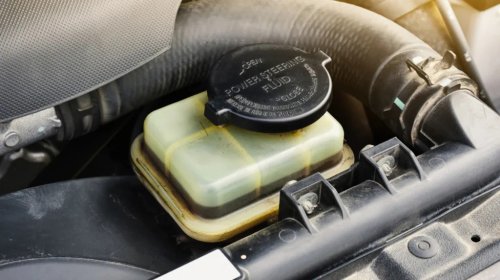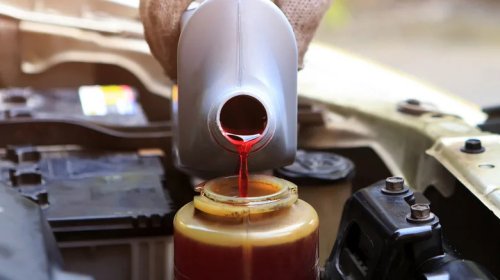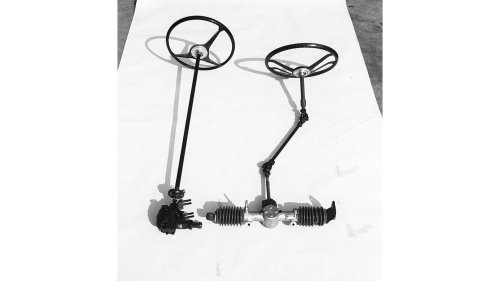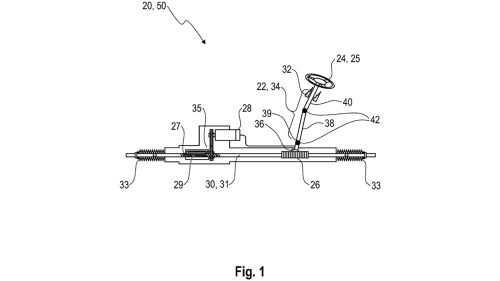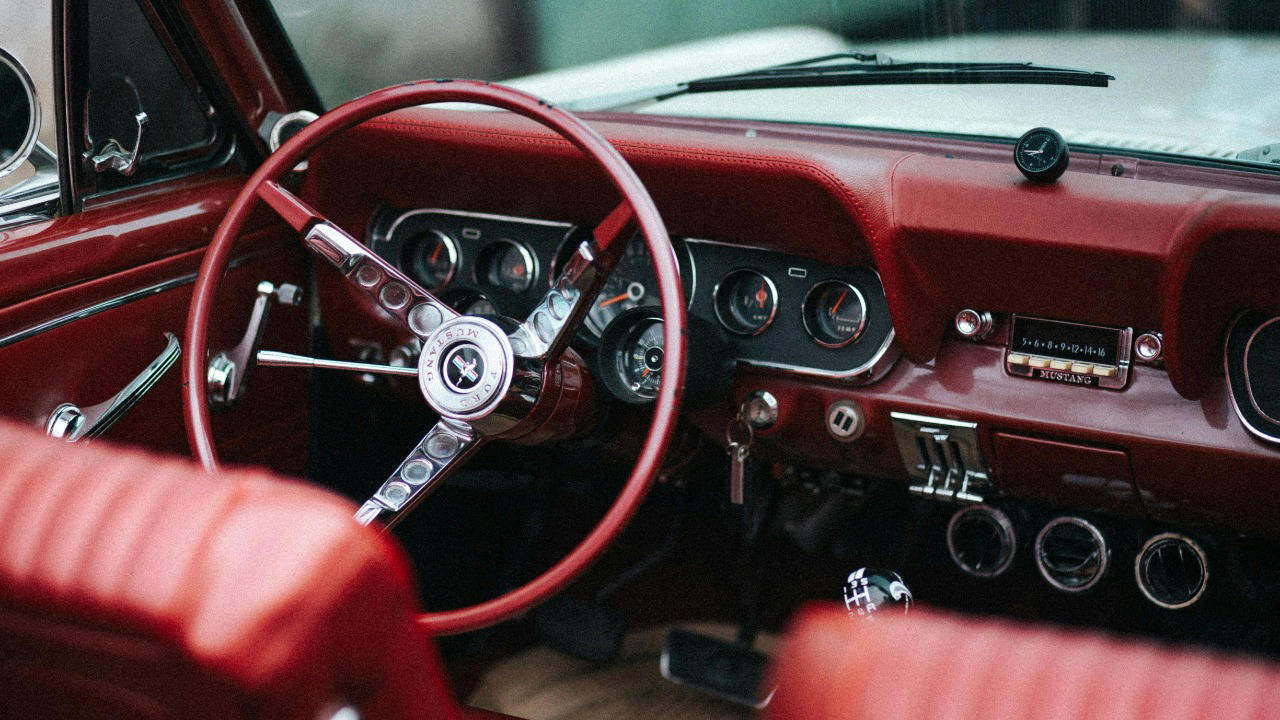



















Manual steering vs power steering does feel matter more than comfortOn a quiet side street, a driver easing a vintage hatchback into a tight parking space wrestles the wheel with both hands. Around the corner, a modern SUV glides into a spot with barely a twist of the wrist. Both cars turn, both arrive, yet the experience behind each steering wheel could not feel more different. The debate that follows is no longer just about effort or convenience, but whether steering feel now matters more than comfort. As power assistance has become standard even in compact cars, manual steering has retreated to old city runabouts, track toys, and a few stripped-down work trucks. The choice between them is no longer a default specification; it is a statement about what a driver values most: raw feedback from the front tires or the ease and safety net of fingertip-light control. What actually separates manual and power steering On paper, the split between manual and power systems looks simple. Manual steering links the steering wheel to the front wheels through a rack and pinion or recirculating ball mechanism with no hydraulic pump or electric motor to help. Every bit of torque on the rim of the wheel comes directly from the driver. Power steering adds a hydraulic or electric assist unit that multiplies that torque. A hydraulic pump or electric motor senses steering input and adds force so the driver can turn the wheels with far less effort. An analysis of steering force compares the two systems through three lenses: how hard the wheel is to turn, how precisely the car can be placed, and how comfortable the driver feels while doing it. In that breakdown, manual steering demands significantly higher steering force, especially at low speeds. The same source notes that control accuracy can actually favor a manual rack, since there is no assist system to filter the link between tire and driver. Comfort, however, skews in the opposite direction. On larger or heavier vehicles, the lack of assistance turns slow maneuvers into a workout, which is why most modern family cars and SUVs rely on power assist as standard equipment. Why enthusiasts keep defending manual steering Car culture has long treated effort as a badge of honor. Enthusiasts who already prefer manual gearboxes often extend that logic to steering. A discussion of why drivers enjoy manual transmissions highlights how Sep and other contributors describe a belief that a manual setup, whether for gears or steering, delivers more control and involvement. In that Quora thread, Sep and others argue that many drivers still see greater efficiency and engagement as reasons to choose manual hardware. The same mindset shows up when the conversation shifts from gear levers to steering wheels. For drivers who prioritize feel, every vibration through the rim and every slight increase in resistance as the front tires load up in a corner becomes valuable information. A contributor on a technical forum about manual steering advantages sums it up bluntly: “Feedback is the name of the game.” That thread on manual steering describes a year of living with an unassisted car and concludes that the richer stream of feedback can outweigh the extra effort. This preference is not abstract. On a light sports car such as a first-generation Mazda MX-5 Miata or an early Lotus Elise, an unassisted rack keeps steering weight consistent and lets the driver feel the front tires load and unload through a corner. There is no pump to overboost the response and no electric motor to tune. For drivers who spend their weekends at track days or on quiet back roads, that purity is the whole point. Comfort, safety and the case for assistance For the majority of drivers, though, steering is less about artistry and more about getting through the commute without fatigue. A Quora contributor who compares the two systems points out that the main advantage of power steering, whether pneumatic, hydraulic or electric, is that it reduces the torque required at the wheel. In that discussion of which is better, Aug explains that this lighter effort is especially valuable at low speeds and during parking maneuvers. Engineers and drivers on Reddit push that argument further. In a thread asking if power steering is mostly about comfort or safety, one engineer answers that it is both comfort and safety. The comment notes that assistance leads to quicker reaction time and avoids leaving a driver winded after a short drive, particularly in tight urban environments. That same exchange stresses that the system is not only for people who lack strength, but for anyone who might need to swerve sharply or correct a slide without fighting the wheel. In practice, this means a driver in a modern Toyota RAV4 or Hyundai Creta can flick from lock to lock in a tight parking garage with minimal effort. The assist also helps in emergency maneuvers on the highway. When a truck ahead drops debris, a quick, precise steering input can avoid a crash. Lower steering effort reduces the physical barrier to that quick response, especially for older drivers, people with injuries, or those who simply do not have the upper body strength to muscle a heavy wheel. How steering really works Steering feel is the sum of several sensations: the weight of the wheel, the subtle self-centering as the car straightens, and the tiny vibrations that tell a driver when the front tires are close to losing grip. Manual systems transmit these cues with minimal filtering. Every bump and camber change reaches the driver’s hands. In the analysis of control accuracy, manual steering scores well because the lack of assist means there is no extra layer of mechanics or software between driver input and tire response. The same piece notes that power systems can be tuned for better comfort, but that tuning can reduce the clarity of feedback. Electric power steering, which now dominates new cars, adds another layer of complexity. Instead of a fixed hydraulic system, engineers can map different levels of assist at different speeds, soften impacts and even add artificial “feel” through software. A technical video that explains power steering in Hindi describes how weight-based tuning in India responds to heavier vehicles by increasing assistance as the vehicle weight rises, which keeps steering effort manageable but also means the system is actively shaping what the driver feels. For enthusiasts, that artificial layer is precisely the problem. They argue that no algorithm can perfectly reproduce the organic signal from the tires. For everyday drivers, however, that same tuning can filter out kickback on pothole-ridden streets and make a long highway trip far less tiring. When extra assist becomes a liability Power assistance is not always an unqualified benefit. A discussion on r/Cartalk weighs the pros and cons of each system and warns that extra assist can make everything quicker, which can be hard to correct with the same precision. In that thread about manual steering vs, one commenter notes that if a system is tuned too light, small hand movements can produce large changes in direction, especially at speed. This effect shows up in some early electric power steering setups that were calibrated for effortless parking but ended up feeling overly twitchy on the highway. Drivers reported a sense of disconnect, as if the car was responding more quickly than their hands expected. On a wet road, that mismatch between expectation and response can erode confidence. Manual steering, by contrast, naturally damps small inputs. The higher steering effort and slower ratio mean that a slight nudge of the wheel does not immediately translate into a big change in direction. For a skilled driver, this can help stabilize the car and make it easier to hold a steady line through a fast bend. Trucks, weight and the limits of human strength The debate shifts again when vehicle weight climbs. A blog that compares steering systems in truck frames the question directly: Which one is Better for Trucks? That analysis of Better for Trucks concludes that the answer depends on the type of truck and its use. On small or older trucks, a manual system can still make sense, particularly for owners who value simplicity and lower maintenance costs. On heavier commercial vehicles, however, manual steering can become impractical. The combination of a tall front axle, large tires, and high load means that turning the wheel at low speed without assistance can require significant force. For drivers who spend long days on delivery routes or in construction yards, that effort quickly turns into fatigue and potential injury. The same truck-focused analysis notes that power steering not only reduces effort but also improves maneuverability in tight spaces, a crucial advantage in crowded depots and narrow urban streets. In that environment, comfort and safety align. A system that keeps the driver fresher and able to react quickly is not a luxury; it is a basic requirement. Cost, maintenance, and reliability Feel and comfort are not the only factors. Owners also weigh cost and reliability. A guide to steering systems for car insurance shoppers lists the pros of manual steering as low cost, easy maintenance, and better road feel. In that breakdown of the Benefits of Each, the cons of manual steering are clear: it requires more effort, especially at low speeds. Power steering adds pumps, hoses, or electric motors that can leak, fail, or require fluid changes. On older hydraulic systems, a failed pump can suddenly turn a light steering wheel into a very heavy one, since the gearing is often optimized for assisted use. Electric systems remove the fluid but introduce electronics and software that can be costly to diagnose and repair. For budget-conscious owners of small city cars, a manual rack keeps long-term costs predictable. For buyers of newer crossovers and sedans, the added complexity of power steering is accepted as the price of convenience, especially when bundled with driver assistance features that rely on electric steering control. Enthusiast myths and modern realities Some of the old arguments around steering have started to blur. The same Quora discussion where Sep and others defend manual transmissions also acknowledges that the fuel efficiency advantage of manual gearboxes is not always true anymore. Modern automatics with more gears and smarter control can match or beat manual fuel economy. That thread about why enthusiasts prefer notes that many people still believe in a manual edge even when the data no longer supports it. A similar shift is happening with steering. Early power systems often dulled feedback and felt vague. Newer electric setups, especially in performance models such as the BMW M2 or Hyundai i20 N, are much better tuned. Engineers can now program variable ratios, firm up the wheel in sport modes and preserve more road texture through careful calibration. More from Fast Lane Only Unboxing the WWII Jeep in a Crate 15 rare Chevys collectors are quietly buying 10 underrated V8s still worth hunting down Police notice this before you even roll window down