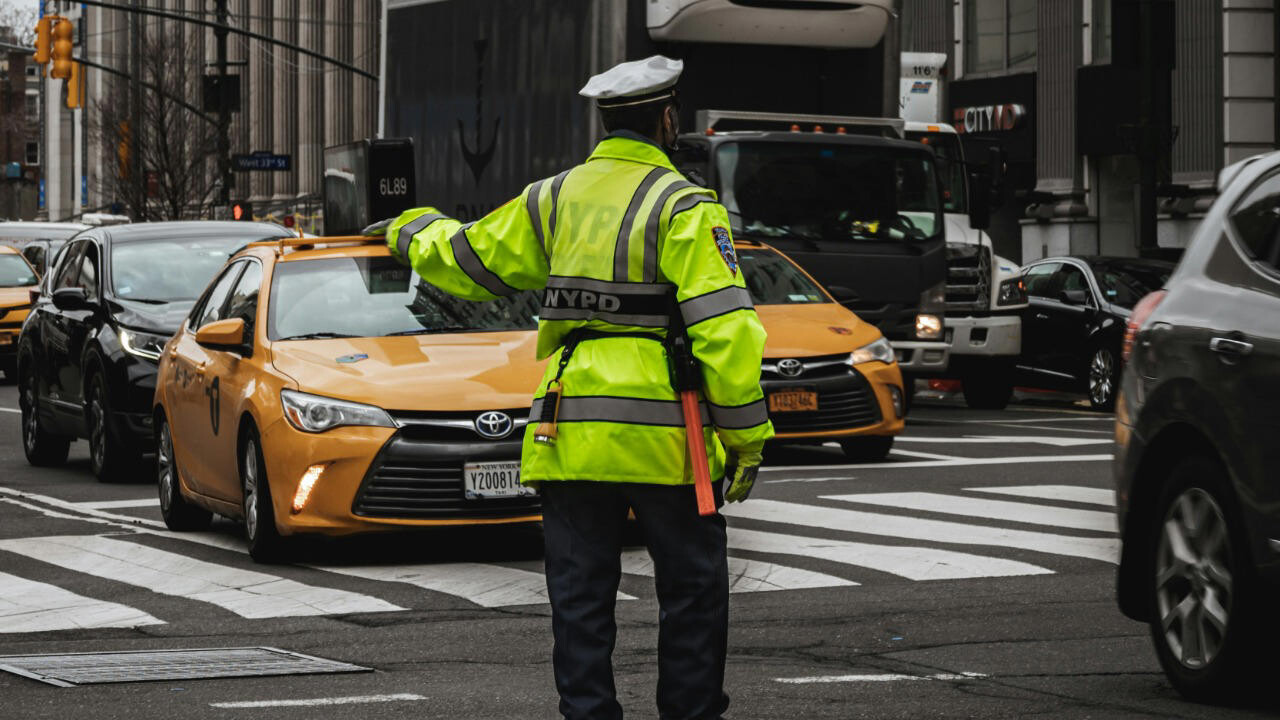
Why first impressions matter more than drivers think during a police traffic stopWhen red and blue lights appear in your rearview mirror, the first few seconds that follow can shape everything that comes next. Your body language, tone, and even how quickly you find your documents all feed into an officer’s snap judgment about safety and cooperation. Those early impressions can influence not only whether the stop stays calm, but also whether you drive away with a warning or a ticket. You cannot control every outcome, and you still have the same legal rights no matter how you act. Still, by understanding what officers look for in those opening moments, you give yourself the best chance at a short, respectful encounter instead of a tense, drawn-out one. Why officers care so much about the first minute For you, a traffic stop might feel like a frustrating delay. For the officer, it is one of the most dangerous parts of the job. Training materials explain that officers are taught to know their reason for the stop, what they know about the car before they approach, and to observe how the driver behaves from the very beginning so they can plan for safety. That mindset means your first movements matter. Reaching suddenly into the glove box, twisting around in your seat, or stepping out of the car uninvited can look like a threat in those first seconds. Officers are trained to scan for red flags that suggest noncompliance or danger, and they start that assessment as soon as the lights come on. At the same time, officers are human. Just as you quickly size up a stranger at your front door, they form an impression of you almost immediately. Research on arrival experiences points out that people often form a judgment of quality and trust within seconds, and that early emotional reaction can color everything that follows. When you pull over smoothly, keep your hands visible, and stay still while the officer approaches, you signal that you understand the stakes and are ready to cooperate. What a traffic cop notices about you right away Once the officer is at your window, the focus shifts from your driving to you. Officers pay attention to how organized or disorganized you seem when you reach for your license, registration, and proof of insurance. As one explanation of what officers look for puts it, how organized you becomes a kind of character reference in real time. Calmly producing your documents from a tidy wallet or glove box makes you look like someone who plans ahead and takes driving seriously. Frantically digging through piles of fast food bags and old mail, by contrast, can suggest carelessness. It does not prove anything by itself, but in a high-stress encounter, those details influence how much patience the officer feels they can safely extend. Your physical signs matter too. Officers are trained to watch for initial physical and behavioral symptoms that suggest impairment, such as slurred speech, bloodshot eyes, or fumbling hands, as soon as the interaction begins. Even if you are stone sober, exaggerated movements, strong odors, or refusing to roll down the window can trigger more questions and possibly field sobriety tests. The “attitude test” you did not know you were taking Beyond safety and impairment, your demeanor is one of the strongest signals you send. A widely shared reminder to officers notes that a driver’s attitude and history can influence the decision to issue a ticket as much as the traffic conditions and the violation itself, and that driver’s attitude and are part of that decision. Lawyers and former officers sometimes call this the “attitude test.” One traffic defense firm warns that passing this test can mean the difference between a citation and a warning, and describes how yelling, profanity, or mocking comments almost guarantee a harsher outcome. Another legal guide notes that yelling, screaming and being belligerent toward a police officer is almost a guaranteed way to ensure that the officer will issue the ticket instead of letting you off with a warning. On social media, officers echo the same idea. In one clip, Randall Arsenault describes a common mistake people make at traffic stops, which is telling a cop “I know my rights.” He explains that this phrase, when delivered as a challenge, does not protect you, it antagonizes the officer and makes the interaction harder. You can see that advice in his Jul video, where he frames the attitude test as something real that drivers face. None of this means you must be cheerful or surrender your rights. It does mean that calm, neutral respect often pays off more than sarcasm or hostility. You can assert your rights in a steady voice without turning the stop into a contest of wills. How officers read body language and red flags From the moment you pull over, officers scan for behaviors that indicate the potential for noncompliance. Officers who were asked to list warning signs pointed to things like refusing to show hands, making constant furtive movements, staring straight ahead in silence, or immediately arguing about the stop instead of listening. These patterns are described as red flags for that can justify calling for backup or changing tactics. That perspective helps explain why some officers keep their hand near their holster or stand behind the B pillar of your car while talking to you. Training discussions describe the argument for remaining at the subject’s vehicle behind the B pillar while running the driver’s license, since that position is thought to protect the officer’s body and support their cognitive thought processes under stress. Your calm, predictable movements can reassure them that these precautions will not be needed for long. Even small choices add up. Keeping both hands on the steering wheel until the officer arrives, telling them before you reach for a wallet or glove box, and waiting for instructions before unbuckling your seat belt all signal that you are not trying to surprise them. Those choices can lower the officer’s heart rate, which often makes them more open to conversation and discretion. Why appearance and organization still matter First impressions are not just about your words. In public safety, uniformed professionals are taught that looking sharp and prepared affects how people react to them. One discussion of public safety uniforms points out that “Looking Sharp. Leading Strong.” is more than a slogan, and that appearance shapes presence in a high-stakes moment. That same logic works in reverse when an officer walks up to your car. If your vehicle looks reasonably maintained, your seat is upright, and your phone is set aside instead of in your hand recording before the officer even speaks, you project someone who is ready to handle the situation like an adult. When your window is cracked only an inch, music is still blaring, and you are fumbling through a mountain of clutter, you project resistance or chaos before you say a word. Again, none of this proves guilt or innocence. It simply feeds into the story the officer’s brain is writing about you in those first seconds. Since you control those details, they are some of the easiest ways to nudge the encounter in your favor. Using conversation without talking yourself into trouble Once the basics are out of the way, officers often shift into what feel like friendly questions. A popular legal explainer on traffic stops describes these as “traffic stop traps” and walks through how officers are trained to ask casual questions that encourage you to talk, then offers respectful wording you can use to avoid volunteering too much. You can see that breakdown in a Dec video that focuses on staying polite while protecting yourself. More from Fast Lane Only Unboxing the WWII Jeep in a Crate 15 rare Chevys collectors are quietly buying 10 underrated V8s still worth hunting down Police notice this before you even roll window down The post Why first impressions matter more than drivers think during a police traffic stop appeared first on FAST LANE ONLY.