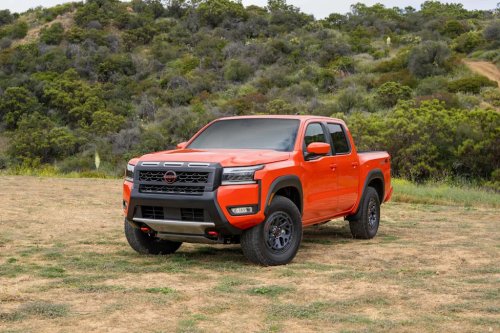
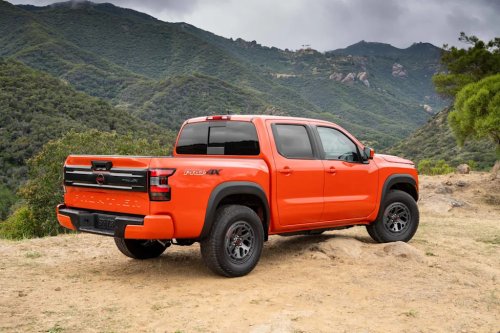
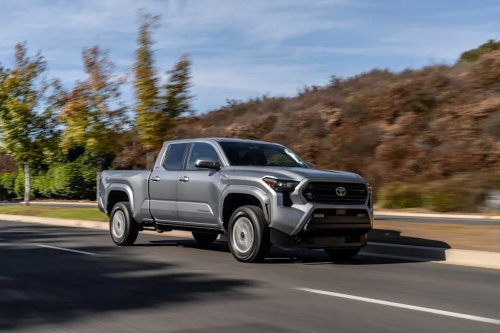
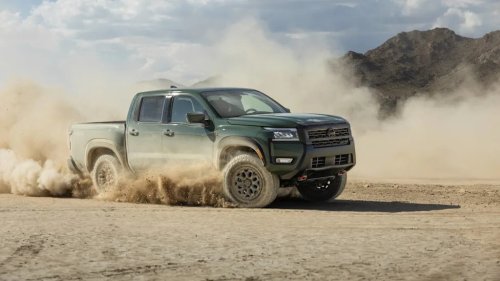
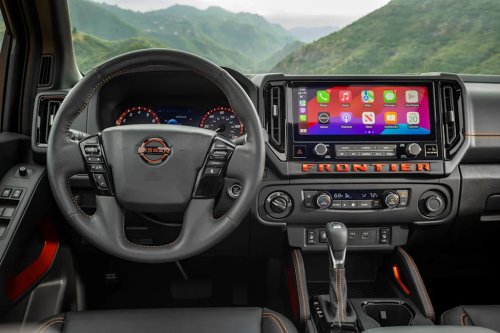
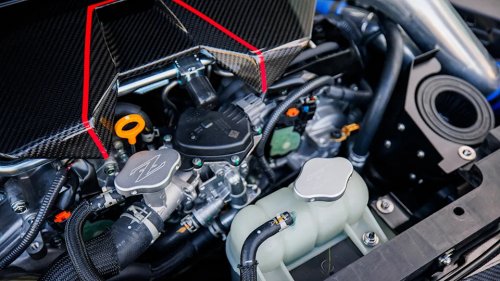
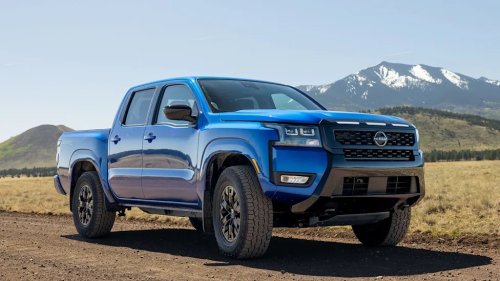
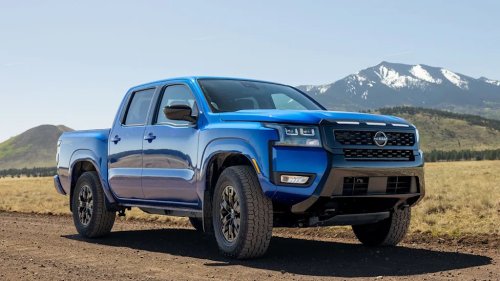
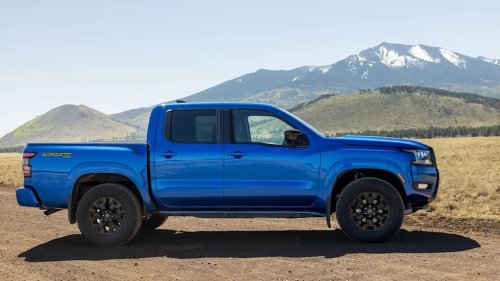
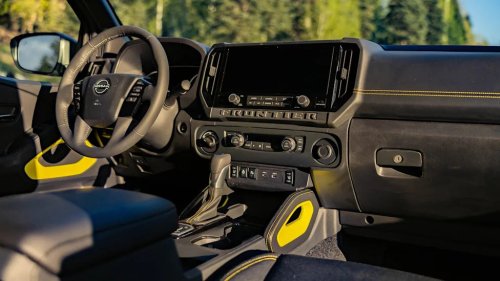
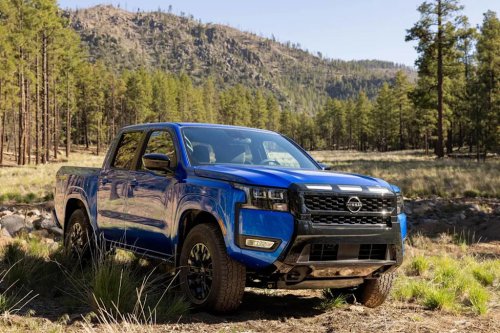
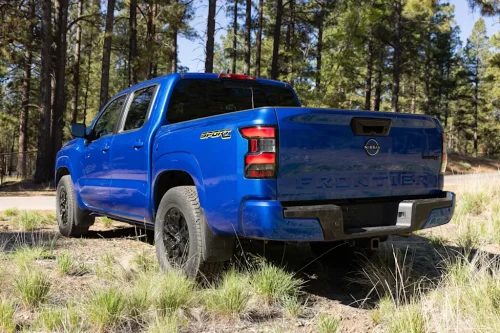
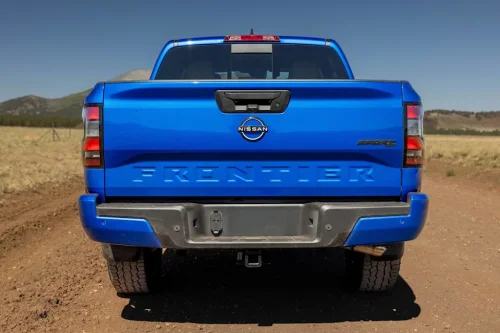
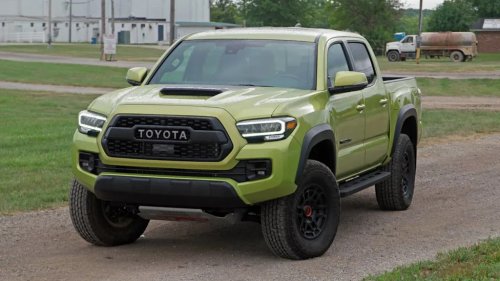
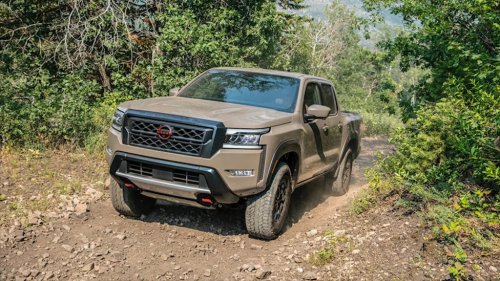
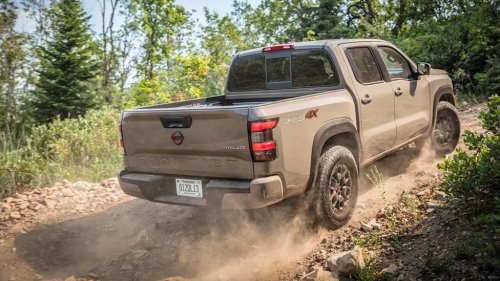
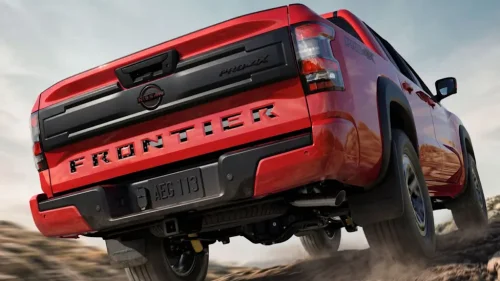
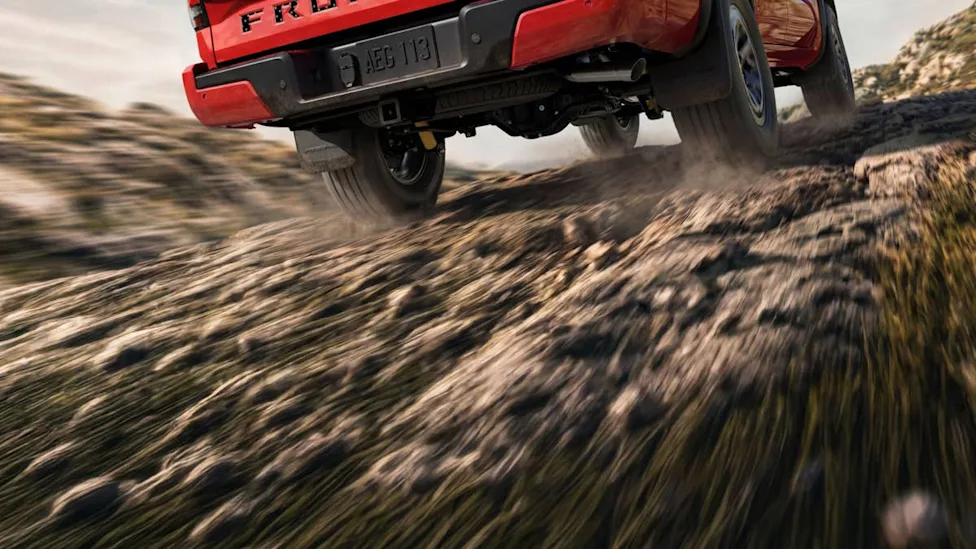
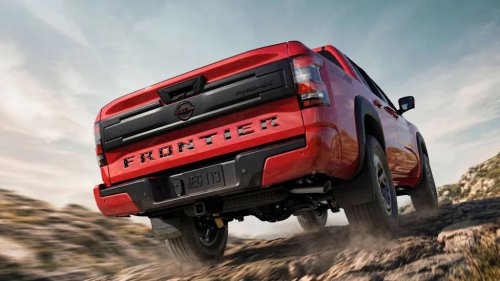
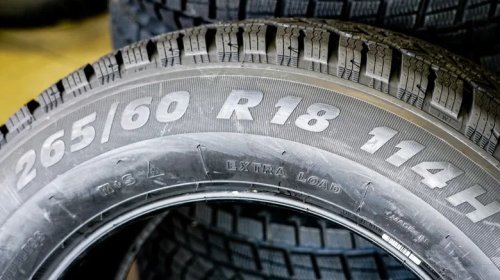
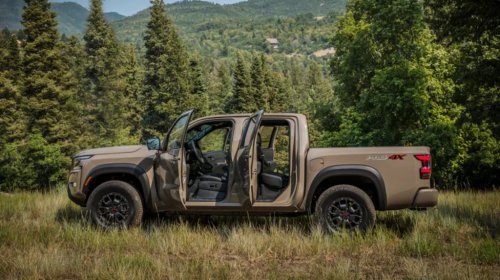
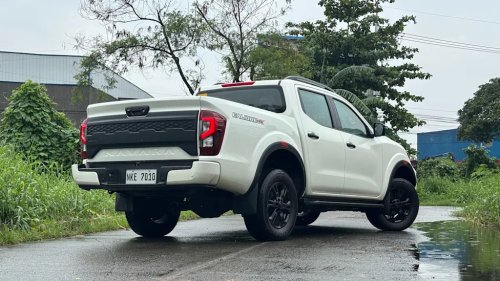
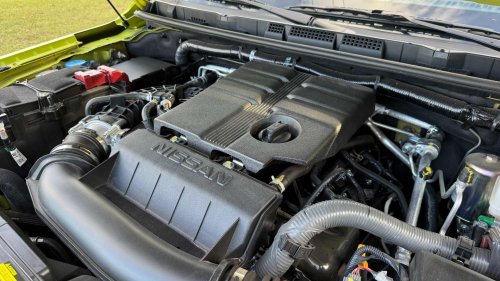
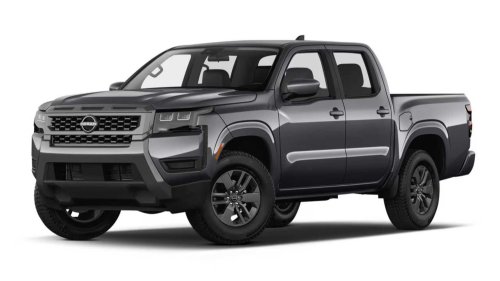
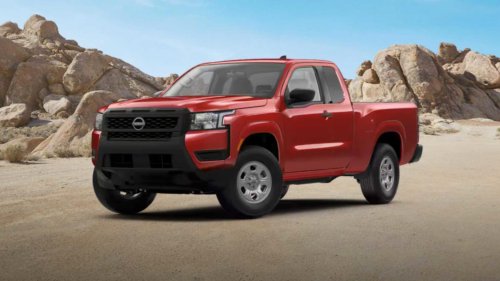
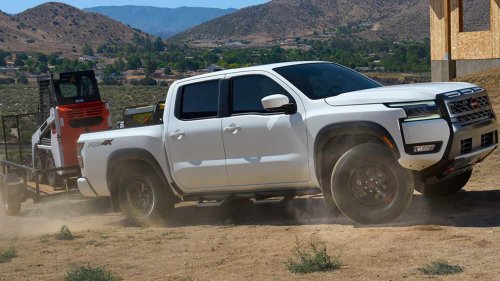
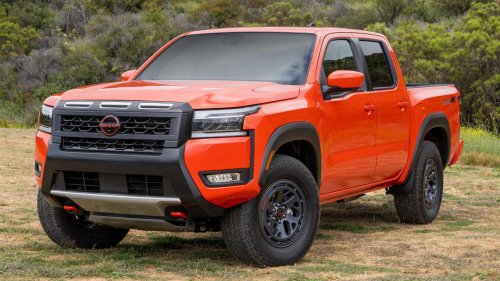
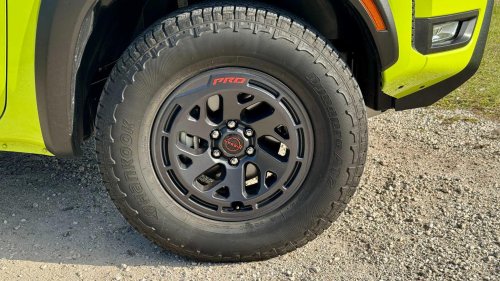
Jump Links18 MPG: The Off-road Conundrum19 MPG: Penalty Of Extra Weight21 MPG Combined: Maybe Don't 4x4?Is the Nissan Frontier fuel-efficient?What are the negatives of the Nissan Frontier?Is the Nissan 3.8L V6 reliable?Nissan Frontier gas mileage is often the elephant in the room when evaluating this midsize truck, because in the 2026 landscape, where almost every brand is obsessed with electrification and downsized forced induction, the Nissan Frontier stands as a defiant monolith. It is a truck that refuses to conform, trading cutting-edge hybrid trickery for proven, old-school mechanical architecture.When we examine the Nissan Frontier mpg, we are looking at numbers that reflect a naturally aspirated V6 pulling a rigid steel frame. By charting the Nissan Frontier gas mileage by year, it becomes clear that Nissan has not prioritized hyper efficiency, choosing instead to refine a known quantity. That’s why evaluating Nissan Frontier fuel economy requires us to accept the powertrain’s value and shortcomings to objectively acknowledge the claimed Nissan Frontier miles per gallon.This guide sheds light on the Nissan Frontier's efficiency and how it stacks up against its competitors. The base MSRP (manufacturer's suggested retail price), where mentioned, excludes destination fees and other costs. Automakers reserve the right to change prices without prior notice or warning. The Heart Of This Midsize Truck Jared Rosenholtz/CarBuzz/Valnet Under the hood of every 2026 Nissan Frontier sits a naturally aspirated 3.8-liter DOHC 24-valve V6. And yes, it’s an anomaly in a segment that has rapidly abandoned six cylinders. This engine produces 310 horsepower and 281 lb-feet of torque and is mated exclusively to a nine-speed automatic transmission. The significance of this setup cannot be overstated when viewed against the competition, because Toyota and Ford have entirely transitioned to smaller-displacement, turbocharged four-cylinder engines. The Frontier refuses and is holding its ground.By retaining a large-displacement, naturally aspirated block, Nissan offers drivers remarkably linear power delivery devoid of the turbo lag that plagues its competitors. More critically, the 3.8L V6 eliminates the long-term thermal and mechanical stresses associated with forced induction systems. There are no turbochargers to fail, no complex intercoolers to maintain, and no high-pressure boost spikes putting excessive wear on internal components. So, while rivals chase peak output through complex hybridization and twin-scroll turbos, the Frontier relies on the trusted physics of displacement."It may seem outdated compared to its turbocharged rivals, but the Frontier's V6 engine might be our favorite feature of the truck. It's smooth, sounds good, and delivers plenty of passing power. The 9-speed automatic transmission is nice too, shifting without fuss and responding quickly to throttle inputs."- Jared Rosenholtz, Editor-At-Large, CarBuzz 2026 Nissan Frontier Gas Mileage Figures 18 MPG: The Off-road Conundrum Nissan Crew Cab PRO-4X 4x4 Crew Cab PRO-4X 4x4 Long Bed Hitting an EPA-estimated 18 mpg combined places these specific trims at the bottom of the Frontier's efficiency spectrum. This is not an engineering failure; it is the consequence of specialized off-road hardware. Both the standard PRO-4X and the Long Bed variant are burdened with severe aerodynamic and mechanical penalties required for all-terrain capability.First, these models utilize aggressive all-terrain tires. The blocky tread pattern drastically increases rolling resistance on paved surfaces. Then, the suspension is overhauled with off-road-tuned Bilstein shock absorbers, which slightly alters the truck's geometry and increases aerodynamic drag at highway speeds. The PRO-4X is also armored with heavy steel skid plates protecting the oil pan, fuel tank, and transfer case - all of which add weight. Finally, the inclusion of an electronic locking rear differential and a part-time 4WD (four-wheel drive) system introduces unavoidable, additional drivetrain loss. Admittedly, either of these PRO-4X models are likely what buyers would be most interested in. 19 MPG: Penalty Of Extra Weight Nissan King Cab S 4x4 Long Bed Crew Cab S 4x4 Crew Cab SV 4x4 Crew Cab Dark Armor 4x4 Crew Cab SV 4x4 Long Bed Crew Cab Dark Armor 4x4 Long Bed Achieving 19 mpg combined represents the baseline expectation for anyone purchasing a 4WD Nissan Frontier without the severe penalties of the PRO-4X package. The step up from 18 to 19 mpg is largely achieved by stripping away the specialized off-road armor and aggressive rubber, but the fundamental drag of a 4x4 system remains the limiting factor for these trims. In models like the Dark Armor 4x4 or the SV 4x4 Long Bed, the truck is equipped with a switch-operated, two-speed transfer case and a front differential. Even when operating in standard two-wheel-drive mode on public roads, the physical mass of these 4x4 components must still be accelerated and decelerated. This added weight directly taxes the 3.8L V6. Additionally, the standard highway-biased tires on the S, SV, and Dark Armor trims reduce rolling resistance compared to the PRO-4X, recovering that single digit of overall efficiency. Still, the gains are not enough to see these trims break through the 20 mpg barrier. 21 MPG Combined: Maybe Don't 4x4? Nissan King Cab S 4x2 Long Bed Crew Cab S 4x2 Crew Cab Dark Armor 4x2 Crew Cab SV 4x2 Long Bed Crew Cab Dark Armor 4x2 Long Bed Crew Cab PRO-X 4x2 The ceiling for the Nissan Frontier is 21 mpg combined, a figure achieved by the rear-wheel-drive (4x2) configuration. To extract this peak number, Nissan engineers relied on a simple principle: mass reduction and the elimination of drivetrain friction. By completely removing the front differential, front driveshafts, and the heavy two-speed transfer case, the 4x2 models shed significant curb weight. This weight reduction directly translates to less kinetic energy required to move the truck from a standstill, which aids efficiency. More importantly, power from the nine-speed automatic transmission flows directly via a single driveshaft to the rear axle, minimizing the amount of mechanical churning, which was much higher in 4x4 trims.The inclusion of the PRO-X in this tier is particularly notable. This trim adopts the aggressive styling and interior aesthetics of the PRO-4X, but retains the lightweight 4x2 driveline, proving that the 4x4 hardware - not the visual modifications - is the primary culprit of fuel consumption. How Towing & Payload Impact Fuel Economy Nissan When you utilize the Nissan Frontier for its intended purpose - hauling and towing - the EPA estimates immediately become irrelevant. The Frontier boasts a maximum towing capacity of up to 7,160 lbs and a maximum payload capacity of 1,620 lbs, depending on the configuration. Maximizing these limits fundamentally alters the truck’s physics, resulting in unavoidable efficiency losses.Towing introduces two massive forces: weight and aerodynamic drag. Pulling a 5,000-lb box trailer forces the 3.8L V6 to operate under sustained, high-load conditions, frequently utilizing lower gears to maintain torque. This prevents the engine from settling into its efficient, low-rpm cruising state. A trailer also destroys the truck's slipstream. Its massive flat frontal area creates an aerodynamic parachute that exponentially increases drag as speeds climb above 55 mph.Then the payload; it impacts the truck similarly. Loading the bed with 1,000 lbs of weight compresses the rear suspension, altering the truck's rake and exposing more of the undercarriage to turbulent air. This also increases the kinetic energy required for acceleration, and under heavy load, drivers should expect a significant drop in efficiency. The Midsize Battleground: Frontier MPG vs Rivals 2026 Nissan Frontier Pro-4XThe Ford Ranger tackles the efficiency problem with forced induction, utilizing a 2.3L EcoBoost turbocharged four-cylinder engine as its base powertrain. This approach allows the Ranger to hit a claimed 23 mpg combined in 4x2 configuration. Toyota completely redesigned the Tacoma, abandoning the previous generation’s V6 for a 2.4L turbocharged i-FORCE four-cylinder engine. This modernized powertrain nets the standard Tacoma up to 23 mpg combined in most 4x2 configurations. GMC Canyon takes a radically different approach, utilizing a high-output 2.7L turbocharged four-cylinder engine designed for massive torque (430 lb-ft) rather than economy. As a result, the Canyon yields 20 mpg combined in Elevation RWD trim. How The Size Of Your Truck’s Tire Affects Efficiency Jared Rosenholtz/CarBuzz/Valnet Tire size is arguably the most critical aftermarket variable that affects fuel efficiency. Needless to say, if you modify your Nissan Frontier's rubber, it will almost guarantee a drop in mpg. Science has proven it: larger tires increase rotational mass, alter gearing ratios, and worsen aerodynamics.When you upgrade from, for example, a standard 30-inch highway tire to a 32-inch or 33-inch all-terrain tire, you are adding significant unsprung, rotational weight at the furthest point from the axle. The engine must expend substantially more energy to initiate the rotation of this heavier mass. Additionally, larger tires physically change the truck’s final drive ratio. A larger diameter means the engine operates at lower rpm at any given speed. Though it might sound efficient, it often pulls the V6 out of its optimal power band, forcing the transmission to downshift more frequently on inclines. If you upsize your tires for visual appeal or ground clearance, you must immediately accept a permanent one to three mpg penalty. FAQs Is the Nissan Frontier fuel-efficient? No. By modern midsize standards, the Frontier is not fuel-efficient. Relying on a large-displacement, naturally aspirated 3.8L V6, it maxes out at 21 mpg combined. Competitors utilizing turbocharged four-cylinder engines and hybrid powertrains easily surpass it. What are the negatives of the Nissan Frontier? The primary negatives include a thirsty, aging V6 engine, subpar EPA fuel economy ratings, and a heavy steering feel at low speeds. It also lacks the advanced turbo and hybrid powertrain options currently dominating the segment. Is the Nissan 3.8L V6 reliable? Yes. By avoiding complex turbochargers and hybrid battery systems, the naturally aspirated 3.8L V6 minimizes potential failure points.



















 +78 others