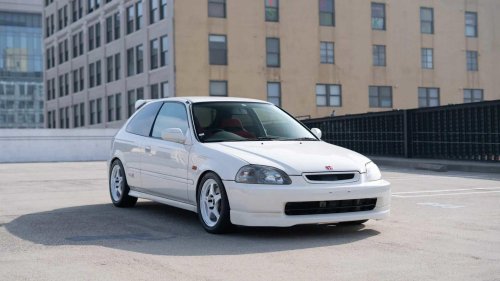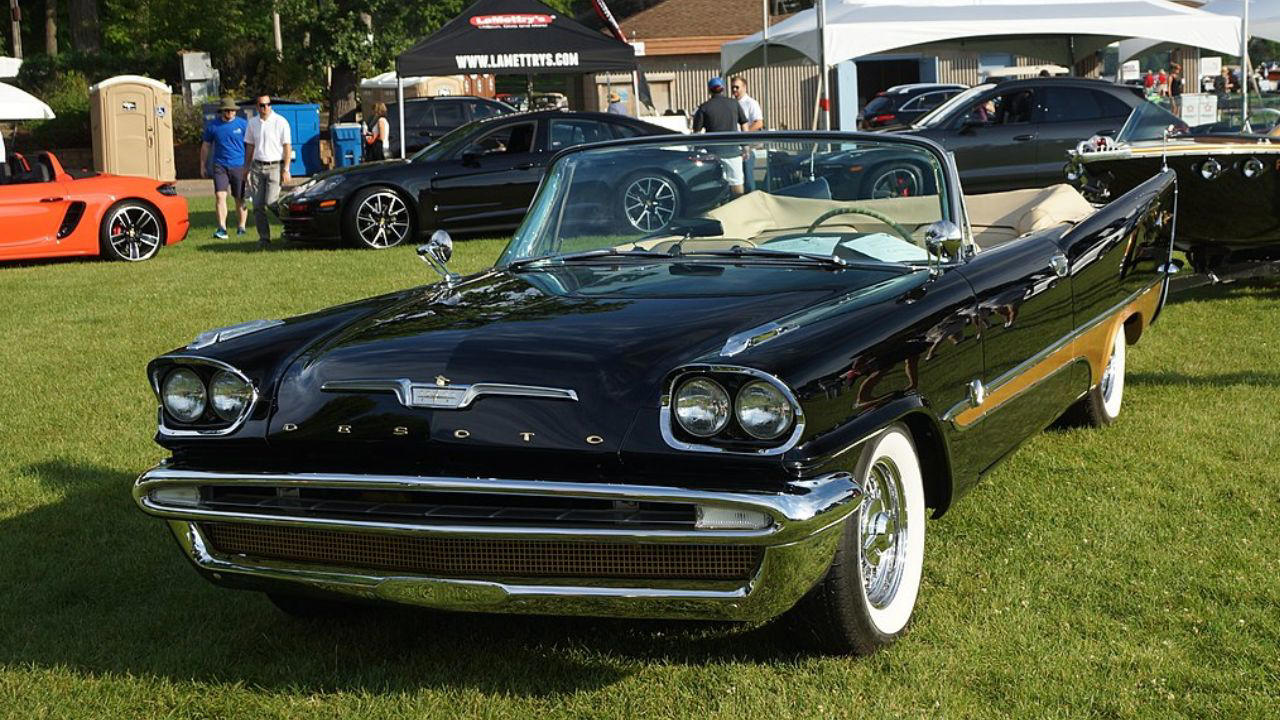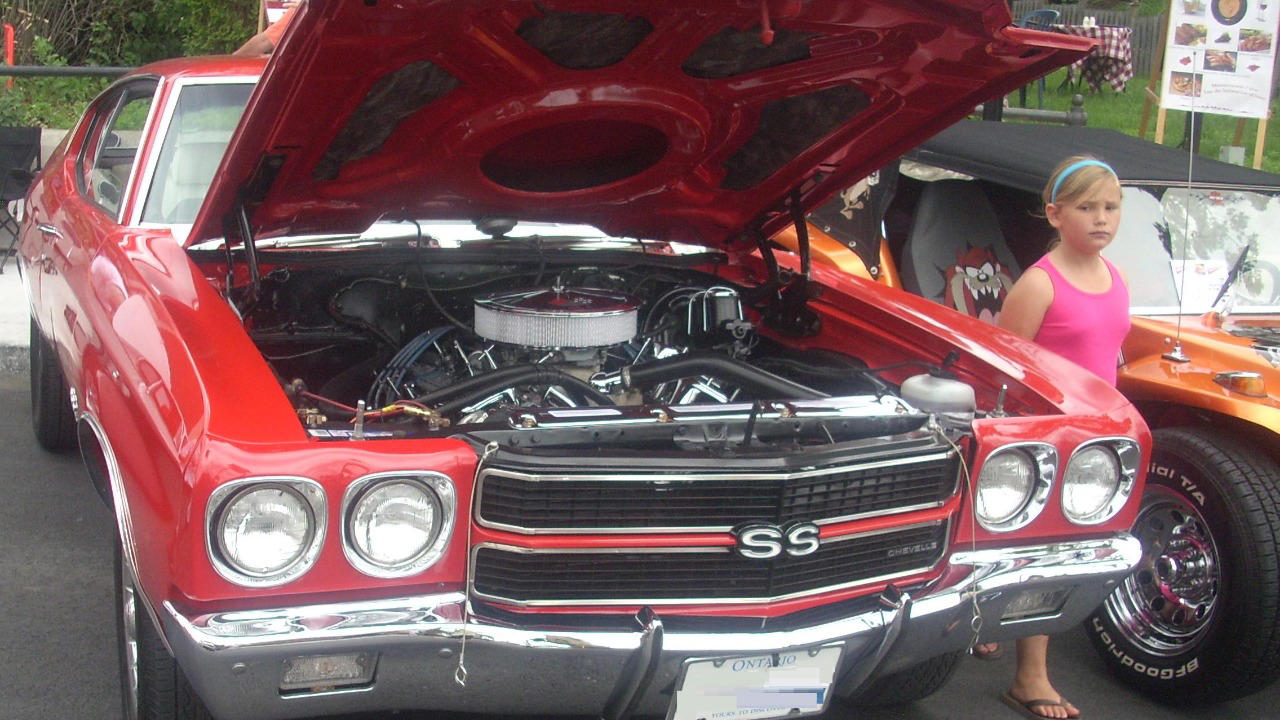























Factory stock vs modified which one holds more long term valueLong after the new-car smell fades, a vehicle’s long-term value is shaped by choices made in the driveway and the workshop. For some owners, a car is a blank canvas for upgrades; for others, the most prized trait is untouched factory originality. When money is on the line, the tension between factory stock and modified becomes less about taste and more about what the next buyer is actually willing to pay. Across enthusiast forums, dealer desks and auction blocks, one theme repeats: modifications can transform how a car feels, but they rarely transform what it is worth to the broader market. The exceptions are real, yet narrow. For most vehicles and most owners, stock condition remains the safer bet for preserving value over time. Why the market usually prefers stock Used car buyers are not just purchasing a machine; they are buying the previous owner’s habits, maintenance decisions and mechanical judgment. That is why so many shoppers and appraisers treat a stock vehicle as the default benchmark for value. On enthusiast boards, sellers who pour money into aftermarket parts are routinely reminded that they will not get that cash back. One widely shared comment in a Mar discussion put it bluntly: You will never recoup your spending because modifying is personal taste. The next owner might love loud exhausts and coilovers, or might see them as expensive problems to undo. Professional buyers echo that logic. When a dealer or wholesaler values a used car, any departure from factory specification introduces risk. They have to guess whether hidden wiring changes, altered suspension geometry or nonstandard engine tuning will trigger reliability issues. The simplest way to price that uncertainty is to discount the car compared with an equivalent stock example. That discount tends to grow as the car ages. For mass-market models, the pool of potential buyers is largest among people who just want reliable transportation. Those shoppers usually prioritize service records and unmodified condition over aftermarket extras, which pushes stock cars to the top of the price range and modified ones toward the middle or bottom. Classic and collector cars: originality as currency In the classic segment, originality is not just preferred; it is often treated as a form of currency. Collectors pay premiums for cars that still wear their factory paint colors, interior fabrics and mechanical components. A clean, original engine bay often signals careful ownership, which matters as much as any claimed horsepower figure. Specialist dealers describe how irreversible changes can cause a direct Loss of Original. When modifying a classic involves cutting sheet metal, shaving trim or installing a radically different drivetrain, the car may appeal to a smaller group of enthusiasts, but it usually loses appeal to purist collectors. Those collectors tend to be the ones writing the largest checks. That preference shows up in sales anecdotes. On one Sep thread, a veteran seller answered the question about classics with a flat Yes, then added 100% and Indisputably for emphasis. They said they would happily pay 20 percent or more for a clean, completely stock car over a similar example with modifications. Market data from specific models supports the same pattern. For These Corvettes in the C2 generation, stock examples and carefully built Restomods now trade in distinct lanes. Reporting on that segment describes how, for certain cars, the Stock and Modified Debate Has a Clear Winner in favor of originality when the goal is top dollar. Restomods, like the 1965 Mustang by Ringbrothers highlighted in the same context, can command strong prices, but they are judged as custom builds rather than as original collectibles. Modern performance cars: when tasteful mods help or hurt The picture becomes more complicated with modern performance cars. Owners of turbocharged hot hatches, Subaru WRX models or Mazda RX-7s often see modifications as part of the culture. Yet even here, the market does not treat every upgrade equally. Enthusiasts discussing third generation Mazda RX-7 FDs in a Jan thread debated whether tasteful mods add value. Some pointed to period upgrades from Japan by shops such as RE AMEMIYA as desirable, especially when combined with high-quality parts and documentation. Others stressed that Cars in general are still valued higher when they remain close to stock, particularly when buyers are worried about reliability. Professional valuation guides for everyday vehicles reach similar conclusions. A breakdown of 5 modifications that affect resale notes that performance upgrades can be a plus in some markets, but only when they are professionally installed, well documented and aligned with what typical buyers want. A carefully tuned turbocharger on a sports sedan might attract enthusiasts, while a backyard nitrous kit on a commuter car is more likely to scare them off. Another analysis of What Car Modifications a Used Car Value highlights how changes that reduce comfort, safety or legality tend to hit prices hardest. Extreme suspension drops, dark tint that violates local rules or very loud exhausts can limit where the car can be driven and who wants to own it. When a modification shrinks the pool of potential buyers, the market responds with a lower number. The psychology behind “stock sells” Value is not just about mechanical condition; it is also about trust. A stock car signals that no one has experimented with the engine control unit, cut into the wiring harness or mixed and matched suspension parts from different brands. That sense of predictability is powerful. Used car shoppers are often making one of the largest purchases in their household budget. Many are not experts, so any sign of heavy modification can trigger concerns that the car was driven hard, raced, or neglected in other ways. Even if those assumptions are unfair, they influence how much a buyer is willing to pay and how quickly the car sells. Online communities reinforce those instincts. In a Feb discussion about aftermarket parts, several participants argued that Most people prefer to customize a car themselves instead of inheriting someone else’s choices. One commenter, Russell Kitchen, reacted strongly against a heavily modified example and joked that he just puked a little. The reaction may be exaggerated, but it captures a common response among buyers who feel overwhelmed by someone else’s taste. That same mindset shows up when enthusiasts debate whether to buy a project car that is stock or already modified. One columnist argued for starting with a clean slate, because an unmodified chassis gives the new owner room to choose their own path and reduces the risk of hidden shortcuts. Even in communities that celebrate customization, stock often represents freedom rather than boredom. When modifications can support value There are, however, clear situations where modifications can help or at least protect value. One involves safety and reliability improvements that address known weaknesses in a model. Another involves high end builds that are recognized as cohesive projects rather than random bolt-ons. Safety upgrades such as modern tires, better brake pads, or improved lighting rarely hurt resale, especially when they use reputable parts. Maintenance-oriented changes, like replacing a failure prone plastic component with a stronger metal version, can even reassure buyers that a known problem has been addressed. Guides focused on one huge factor in modified car resale repeatedly stress the type and quality of modifications as central to how the market reacts. High end restomods occupy a different niche. A 1960s Mustang that has been rebuilt with modern suspension, a crate engine and a carefully finished interior is no longer competing directly with original survivors. It is competing with other custom builds. For the right buyer, the combination of classic style and modern performance can justify a significant outlay, as the Restomods segment around Corvettes and other icons demonstrates. The catch is that these successful builds usually share traits that ordinary DIY projects lack. They are professionally engineered, extensively documented and visually cohesive. Random combinations of cheap body kits, mismatched wheels and unbranded performance parts rarely create the same impression. Daily drivers versus future collectibles Long-term value depends heavily on what the car is expected to be in ten or twenty years. A daily-driven compact that will likely head to the auction lane as basic transportation faces different economics than a limited production sports car that might become a collectible. For everyday cars, the main risk from modifications is accelerated depreciation. Articles that ask whether changes Do Modifications Increase or Decrease Your Car Resale Value often illustrate this with a simple thought experiment. Imagine you are choosing between two similar used sedans. One is bone stock with service records. The other has tinted windows, a loud exhaust and a cheap lowering kit. Most mainstream buyers pick the stock one, which forces sellers of the modified car to cut their asking price to move it. For cars with clear collectible potential, the calculus shifts further toward preservation. Enthusiast groups for models like the Honda Civic Type R often warn that Modifications do not add value in the eyes of future buyers. One group of Type R owners advised that You will probably put the car back to stock before selling, then part out the aftermarket bits separately to recoup some money. That strategy reflects how the market often separates the value of the base car from the value of the parts. A stock, low mileage chassis can appeal to collectors, while quality aftermarket components might find a new home through classifieds or auctions. Bundling both together in a single sale can actually narrow the buyer pool. How to protect value if modifying anyway Keep every factory part that comes off the car. Storing original wheels, exhausts, intake components and even suspension arms allows the next owner to restore stock condition. Type R communities and others emphasize this practice for anyone who cares about long term value. Choose reversible changes. Window tint that can be removed, bolt-on exhaust systems and plug-in electronics are easier to undo than custom bodywork or welded-in roll cages. Buyers are more tolerant of changes they can reverse in a weekend. Document everything. Receipts, alignment sheets and dyno charts from reputable shops show that the work was not improvised. When a performance upgrade is professionally installed and properly tuned, as some dealer buyers point out, it is less likely to scare off informed shoppers. Stay within legal and practical limits. Modifications that make a car illegal to register or unpleasant to drive daily, such as extreme ride heights or very loud exhausts, almost always reduce the pool of potential buyers. Know the specific market for the model. A community like the RX-7 crowd that reveres period correct parts from Japan or AMEMIYA will view certain upgrades differently from a mainstream sedan market that mostly values quiet, comfort and reliability. More from Fast Lane Only Unboxing the WWII Jeep in a Crate 15 rare Chevys collectors are quietly buying 10 underrated V8s still worth hunting down Police notice this before you even roll window down