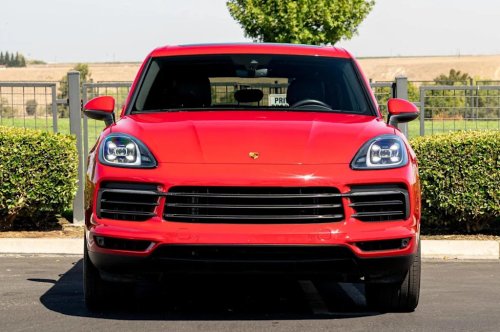
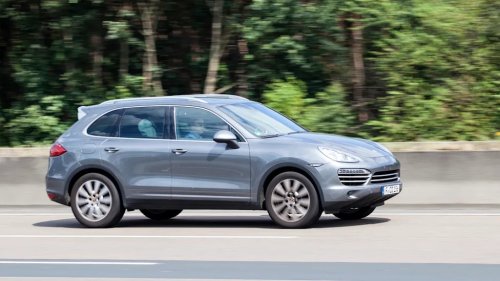
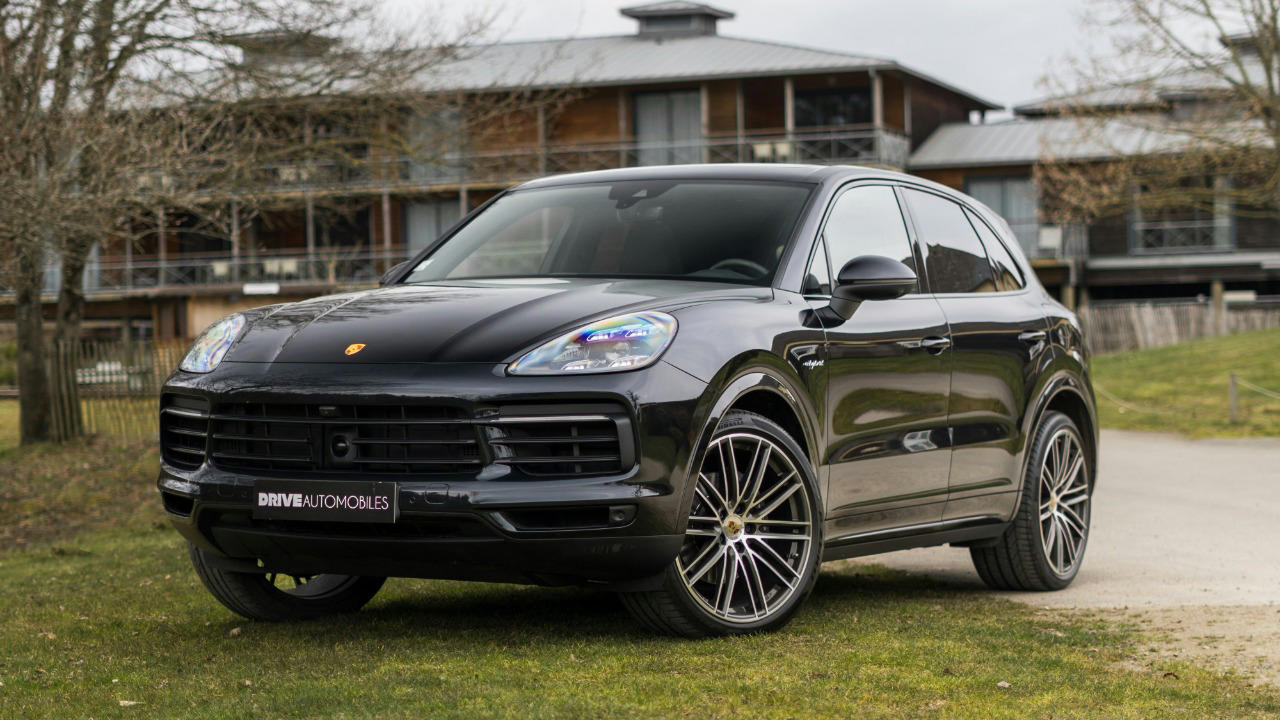
The hidden costs of owning a Porsche Cayenne long termOwning a Porsche Cayenne is a dream for many car enthusiasts, offering luxury, performance, and status. However, beyond the initial purchase price, there are numerous hidden costs that can significantly impact your finances in the long term. Let’s delve into the lesser-known expenses associated with owning a Porsche Cayenne to help potential buyers make an informed decision. Maintenance and Repair Expenses When you own a Porsche Cayenne, routine maintenance isn’t just a recommendation—it’s a necessity. Oil changes, for example, are recommended every 10,000 miles and can cost upwards of $300, which is significantly higher than the $50 to $75 you’d pay for a standard vehicle. Then, there are the brake replacements, which can set you back around $1,000 for all four wheels, depending on whether you’re opting for OEM parts. Tire rotations and replacements are another regular expense, especially if you opt for performance tires, which wear out faster and cost more. Unexpected repairs are another financial aspect to consider. Common issues like coolant line failures and transfer case problems can lead to repair bills of several thousand dollars. Even minor repairs can become costly due to the premium price of parts and specialized labor required for a luxury vehicle. The Porsche warranty does cover some of these expenses, but once it expires, you’re on your own. Even during the warranty period, certain issues might not be covered, leaving you with a hefty bill. Depreciation and Resale Value Luxury vehicles like the Porsche Cayenne depreciate at a faster rate than many other cars. In the first year alone, you might see a 20% to 30% drop in value. By the fifth year, the vehicle could depreciate by as much as 60%. This rapid depreciation significantly impacts the resale value, meaning you might not get back nearly as much as you expected when it’s time to sell or trade in. Market demand for luxury SUVs can be fickle. Economic downturns or shifts in consumer preferences towards more fuel-efficient or environmentally friendly vehicles can further erode resale value. Comparatively, the depreciation rate of the Porsche Cayenne is similar to that of other luxury brands like the BMW X5 or the Mercedes-Benz GLE. However, this doesn’t make it any easier on the wallet when you’re the one bearing the financial brunt. Insurance Premiums The insurance premiums for a Porsche Cayenne tend to be higher than for the average vehicle. This is primarily because of the higher costs associated with repairs and the performance capabilities of the car, which can make it a greater risk in the eyes of insurance companies. You might find yourself paying over $2,000 annually, which is considerably more than what you’d pay for a non-luxury vehicle. Your specific insurance rate will depend on several factors, including your location, driving history, and how you use the vehicle. For example, living in an area with higher rates of theft or accidents could increase your premiums. Additionally, if you finance your Porsche, gap insurance becomes a necessity. It covers the difference between what you owe on the car and its depreciated value, adding another layer of cost to owning a luxury vehicle. Fuel Efficiency and Costs The Porsche Cayenne isn’t exactly known for its fuel efficiency. With an average of 19 miles per gallon combined for some models, you’ll be visiting the gas station more frequently. This can add up quickly, especially if you’re using premium fuel, which is recommended for optimal performance. In comparison, some competitors like the Lexus RX offer better fuel economy, making them potentially more economical choices over the long haul. Fuel prices are another variable that can influence the overall cost of ownership. A sudden spike in prices can lead to substantially higher monthly expenses, particularly for a vehicle that guzzles gas. If you’re considering a more eco-friendly option, Porsche does offer hybrid versions of the Cayenne. These models offer better fuel efficiency and can be a smart choice if you’re looking to save on fuel in the long run. Luxury Tax and Registration Fees Owning a high-end vehicle like the Porsche Cayenne can subject you to additional taxes, commonly known as luxury taxes. These taxes are often levied on vehicles above a certain price threshold, adding a percentage of the vehicle’s price in taxes. It’s an expense that can catch many first-time luxury car buyers by surprise and should be factored into your budget. Registration and licensing fees are another consideration. These tend to be higher for luxury vehicles and can vary significantly depending on the state or country you live in. In some places, fees are calculated based on the vehicle’s value, which means the more expensive your car, the more you’ll pay. Planning for these costs as part of your long-term financial strategy can help you manage them more effectively over the lifetime of your vehicle. More from Fast Lane Only Unboxing the WWII Jeep in a Crate 15 rare Chevys collectors are quietly buying 10 underrated V8s still worth hunting down Police notice this before you even roll window down



















 +75 others