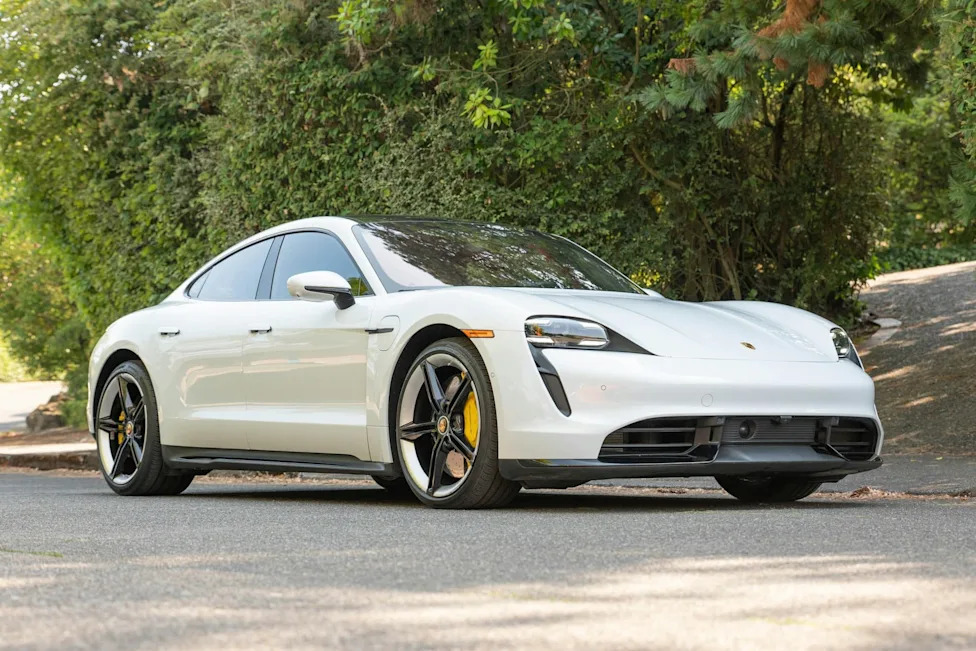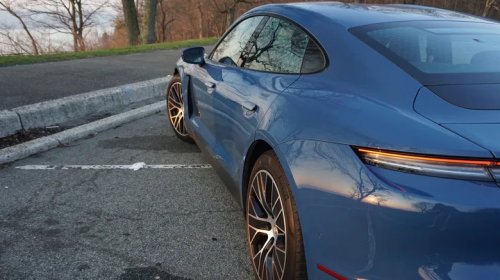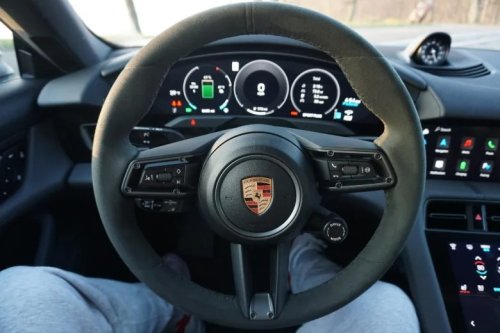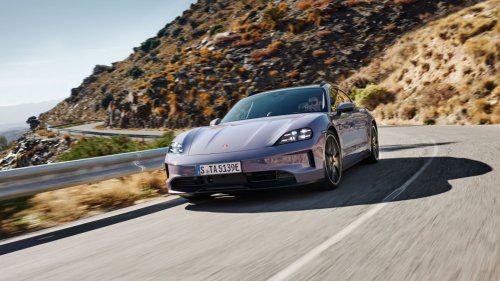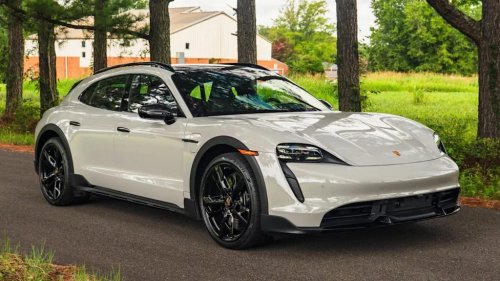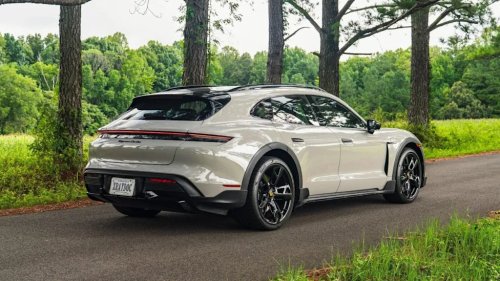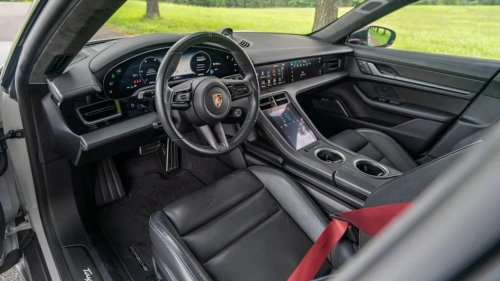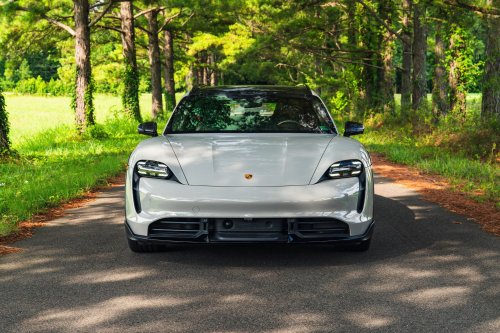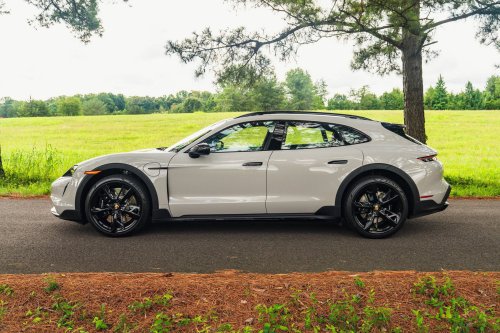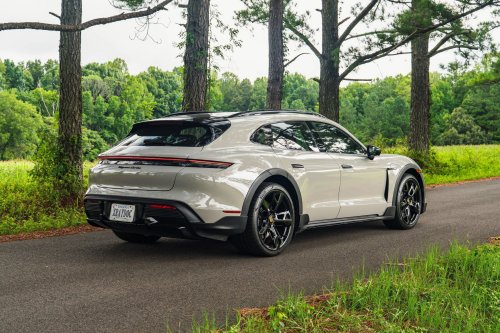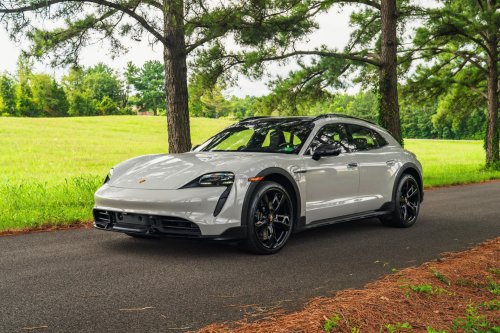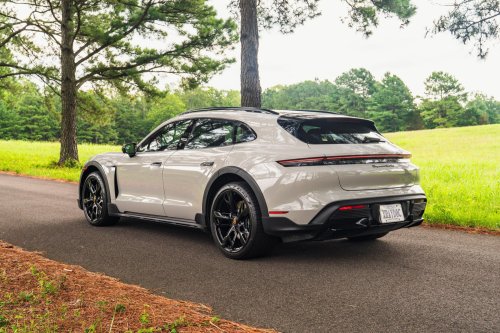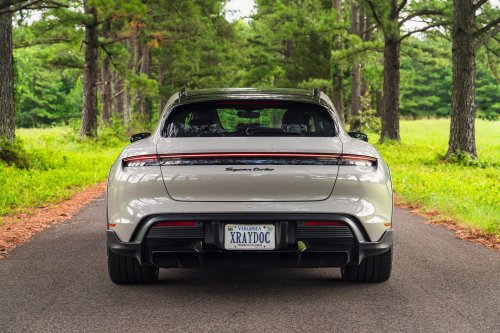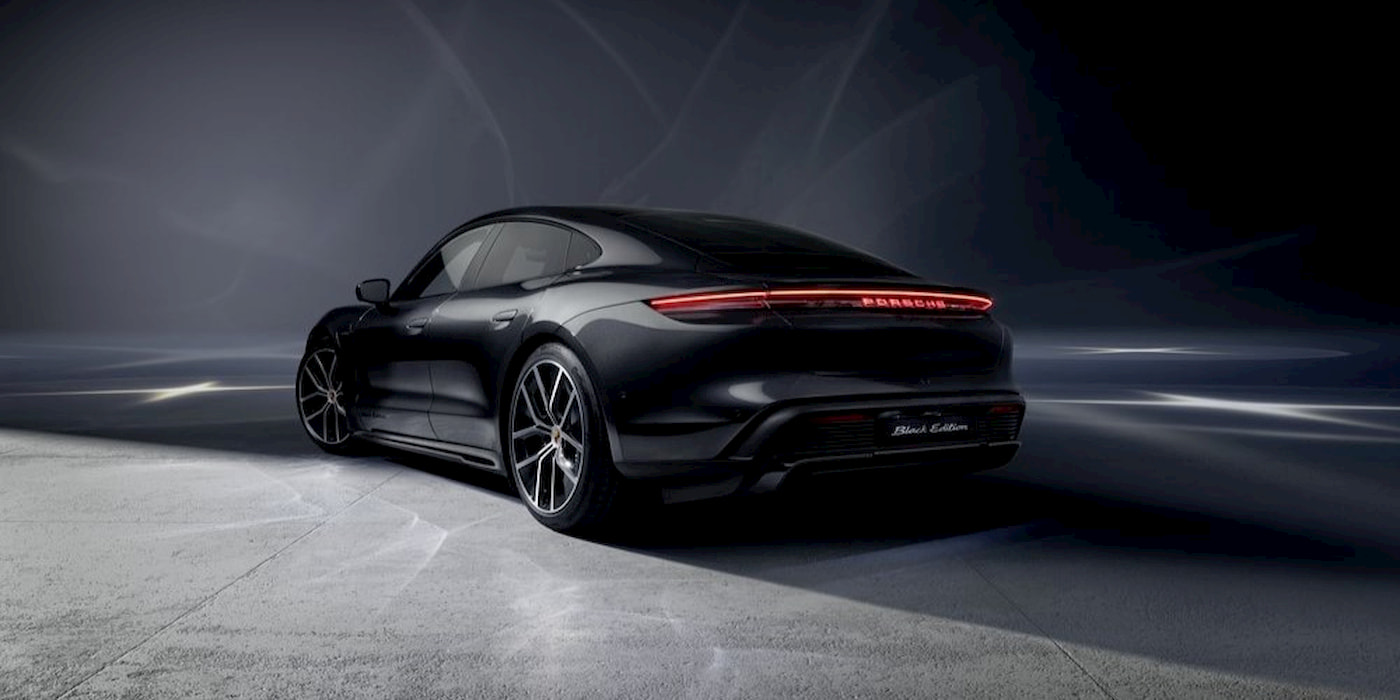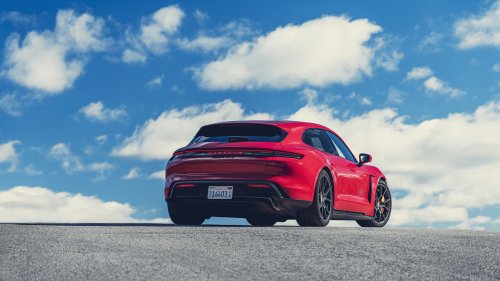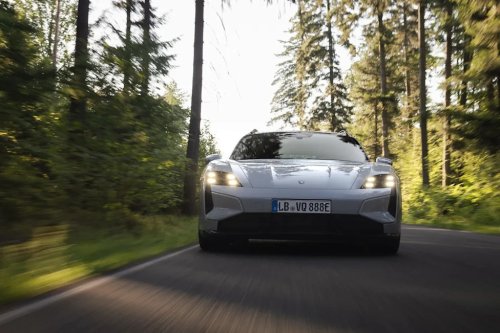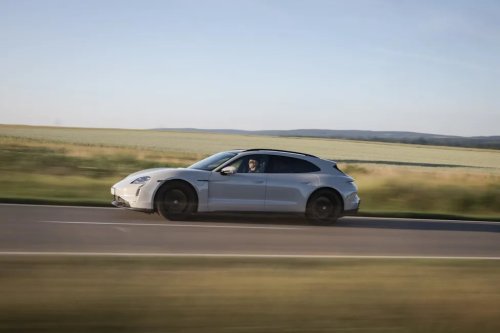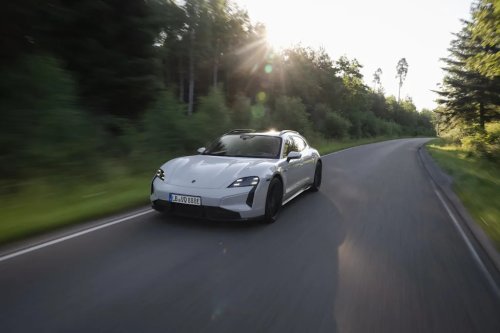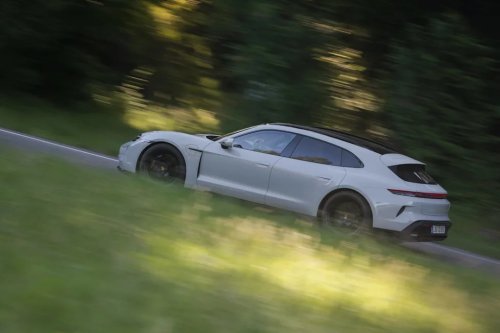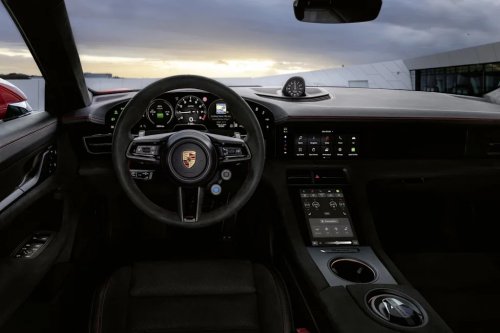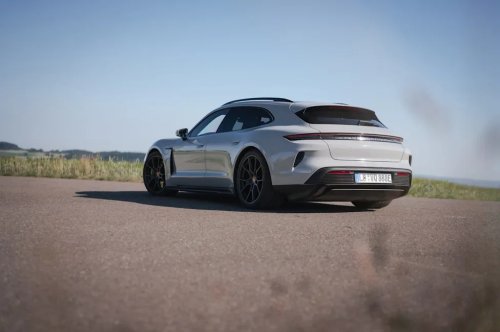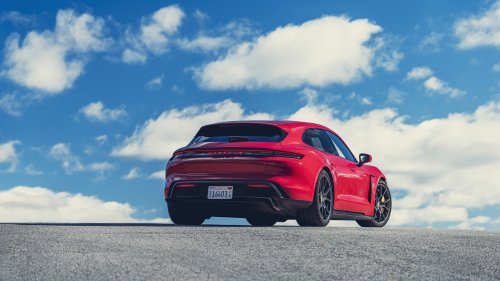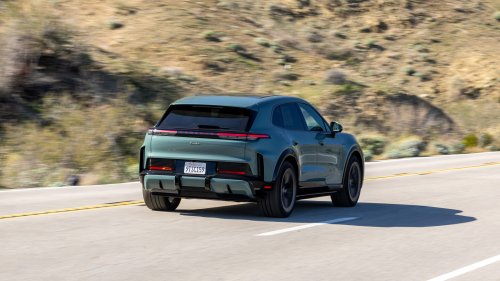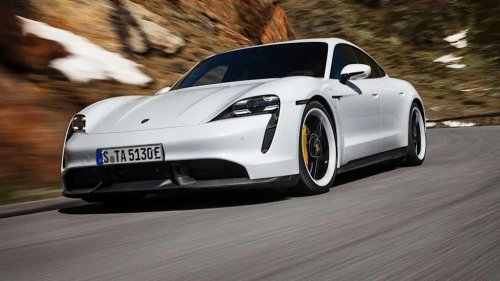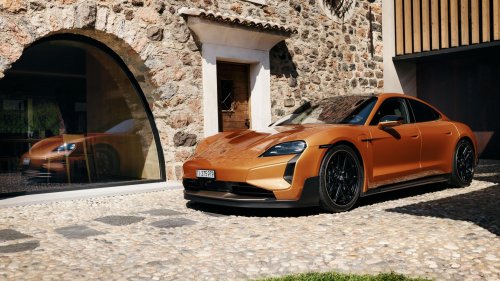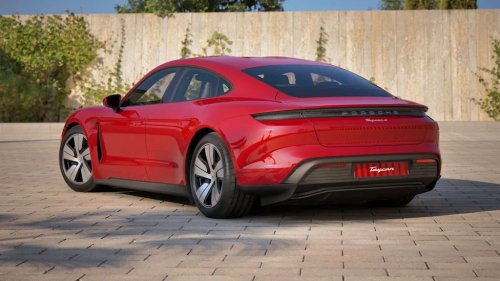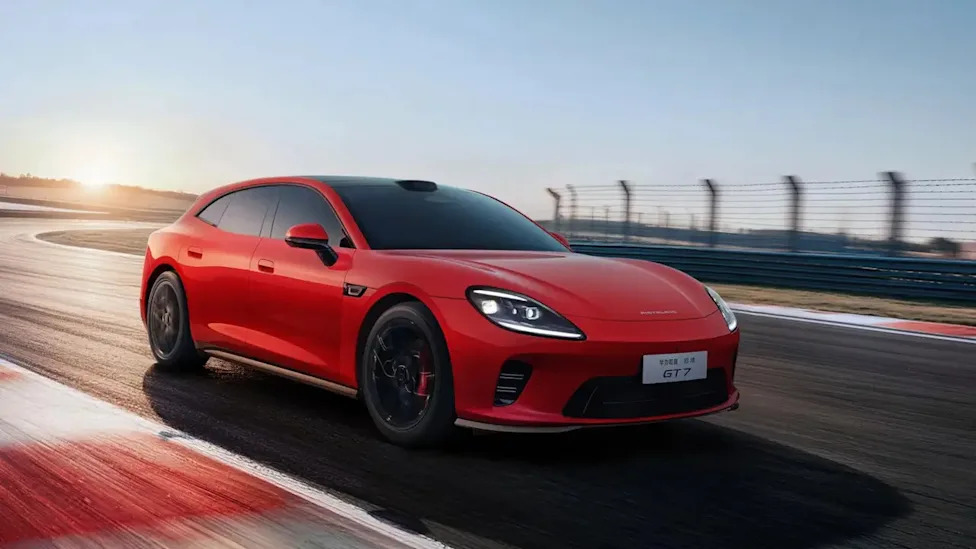
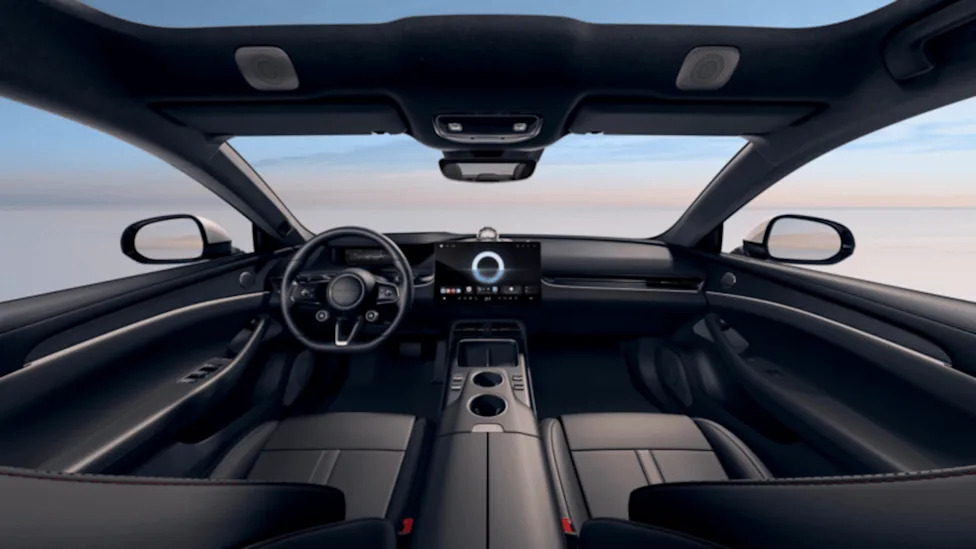
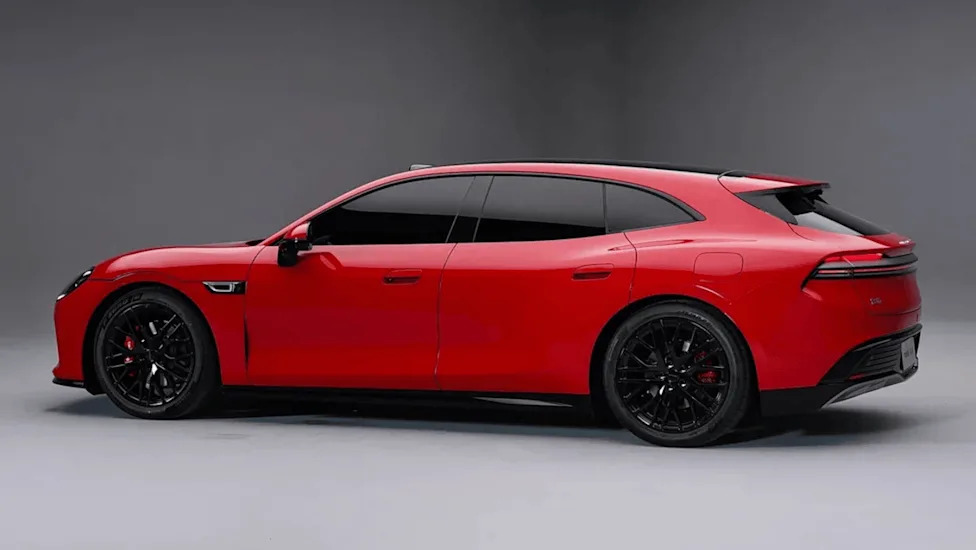



















Image Credit: Aistaland.For years, the station wagon looked like a dying breed as buyers flocked toward SUVs and crossovers. Yet somehow, the body style is making a surprising comeback, especially in the premium EV space, where sleek proportions and aerodynamic efficiency suddenly matter again.Porsche helped reignite interest with the Taycan Sport Turismo, proving that buyers still appreciate a fast, stylish wagon with everyday practicality. Now, a brand-new Chinese automaker believes it has something capable of challenging Europe’s luxury EV establishment.The company is called Aistaland, a new venture created through a partnership between Guangzhou Automobile Group (GAC) and Huawei. Its first model, the GT7, is a futuristic electric shooting brake loaded with aggressive technology, massive performance claims, and a claimed range figure of nearly 560 miles.AdvertisementAdvertisementUnfortunately for American buyers, there is almost no chance this thing reaches U.S. shores anytime soon. Even so, the GT7 offers another reminder that Chinese automakers are no longer simply chasing Western brands, they are now actively trying to out-tech and out-spec them.Huawei’s Latest Automotive ExperimentHuawei has become deeply involved in China’s EV boom over the last few years, partnering with multiple automakers to provide software, electronics, and intelligent driving systems. Aistaland appears to be one of its most ambitious collaborations yet, positioning itself as a premium “AI-first” electric vehicle brand.The name itself reportedly stands for “AI Start New Land,” which sounds exactly like something a modern tech company would come up with. That philosophy heavily influences the GT7, which blends traditional luxury-car ideas with a cabin that feels closer to a high-end consumer electronics product.The GT7 was first shown publicly earlier this year and is expected to officially launch in China this summer. Initial deliveries are reportedly scheduled to begin in July following the opening of order books in June.A Cabin Designed To Show Off TechnologyImage Credit: Aistaland.Inside, the GT7 goes all-in on screens, lighting effects, and AI-powered features. The dashboard includes a 15.6-inch central touchscreen, a fully digital instrument cluster, and an augmented reality head-up display capable of projecting across an 88-inch viewing area.AdvertisementAdvertisementThe biggest talking point, however, is Huawei’s Sound AI system. According to the company, the system uses artificial intelligence to synchronize music with the cabin’s ambient lighting while also simulating the acoustics of a live recording studio through what it calls a “Phantom Effect.”Passengers also get dual zero-gravity seats with 16-way power adjustment and massage functionality. The panoramic glass roof adds another layer of theater with nine separate dimming modes, while rear-seat passengers benefit from reclining seats and a surprisingly spacious cargo area.Aistaland also focused heavily on refinement. Double-layer laminated glass, specialized chassis insulation, and extensive noise-reduction measures are all designed to make the GT7 feel more like a luxury grand tourer than a typical EV wagon.Massive Range And Serious Charging SpeedUnderneath the sleek shooting brake body sits Huawei’s Qiankun platform paired with an advanced XMC 3.0 digital chassis. Power comes from a tri-motor setup fed by either an 86.1-kWh or 102.7-kWh battery pack.AdvertisementAdvertisementThe headline figure is the claimed 559-mile (900-km) driving range, although that number comes from China’s rather optimistic testing standards. Even after accounting for real-world differences, the GT7 still appears positioned as one of the longest-range performance EVs currently announced.Charging capability sounds equally impressive. Thanks to its 800-volt electrical architecture and 6C fast-charging capability, Aistaland claims the GT7 can regain approximately one kilometer of range every second under ideal charging conditions.A Real Threat To European Luxury EVs?Image Credit: Aistaland.Cars like the GT7 would have been dismissed as unrealistic vaporware not very long ago. Today, however, Chinese automakers are rapidly improving in areas that legacy brands once dominated, including luxury, software integration, charging performance, and interior technology.That does not automatically mean Porsche, BMW, or Mercedes-Benz should panic tomorrow morning. Brand heritage and driving dynamics still carry enormous weight in the premium segment, especially outside China.AdvertisementAdvertisementStill, the pace of progress is difficult to ignore. When a brand-new Huawei-backed wagon can credibly enter conversations alongside a Porsche Taycan, the global automotive landscape is clearly changing faster than many established automakers probably expected.If you want more stories like this, follow Guessing Headlights on Yahoo so you don’t miss what’s coming next.