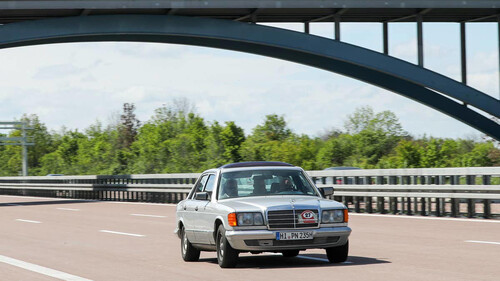
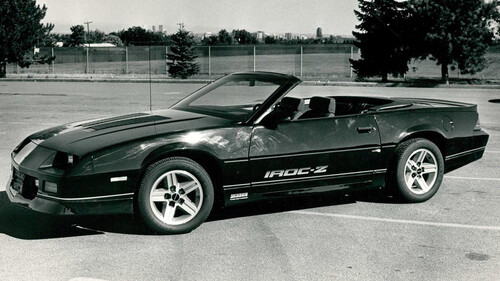
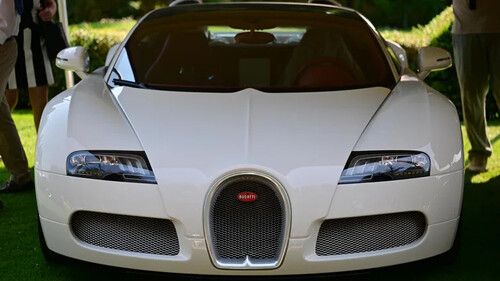
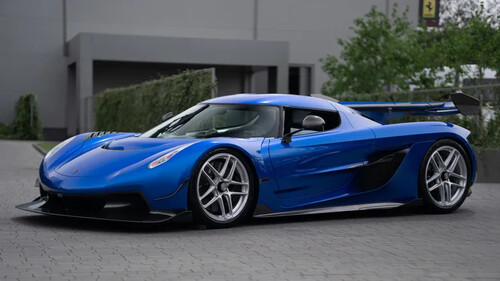
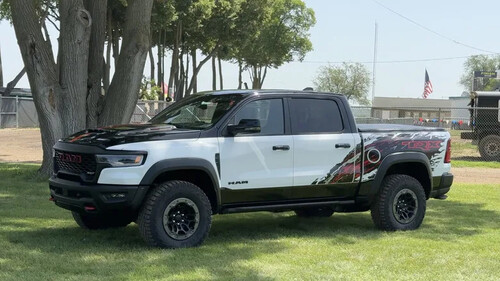
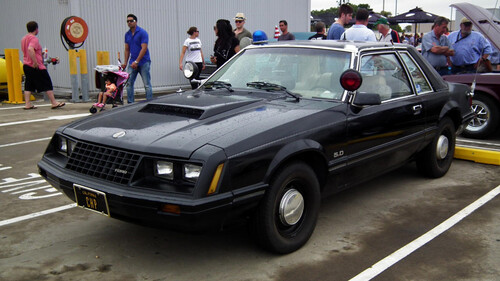
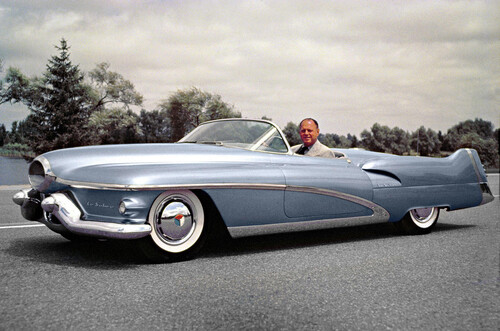
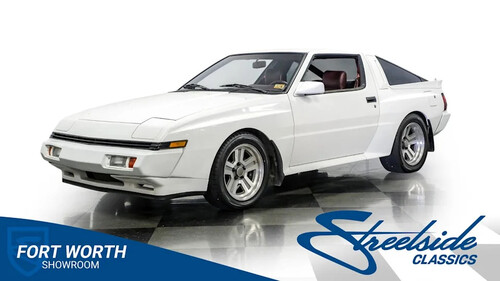
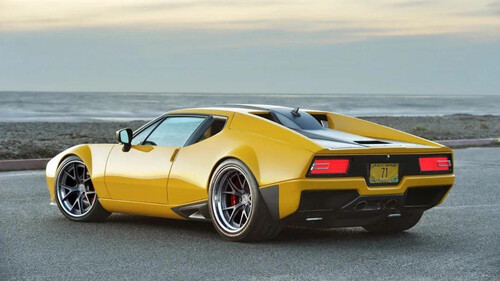
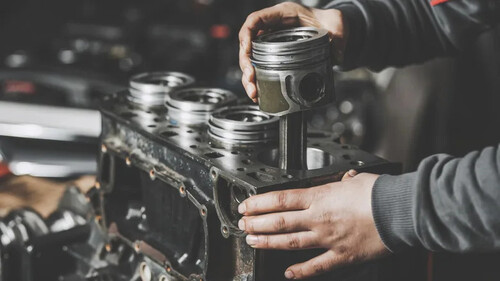
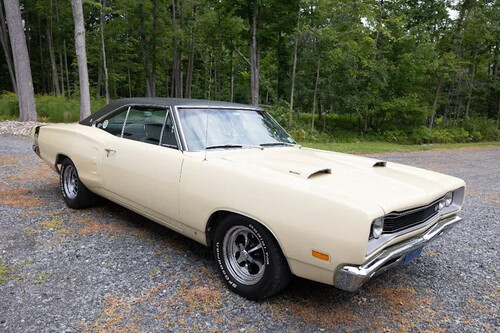
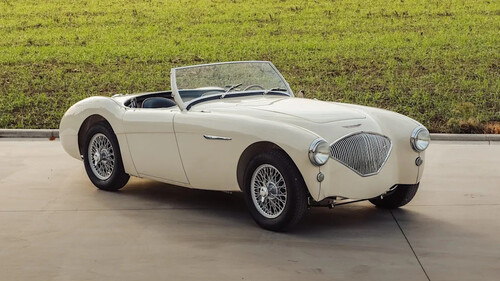
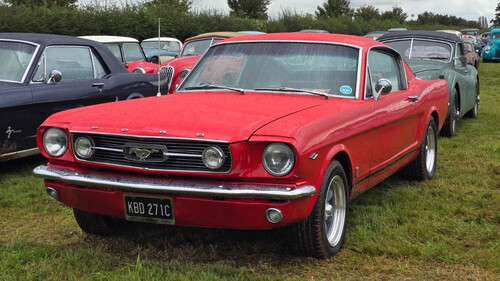
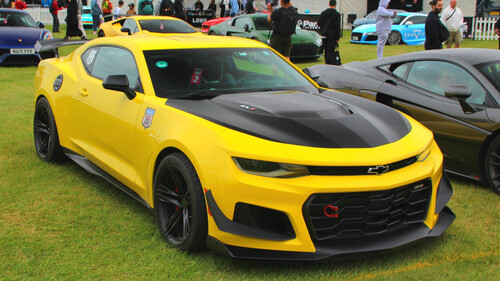
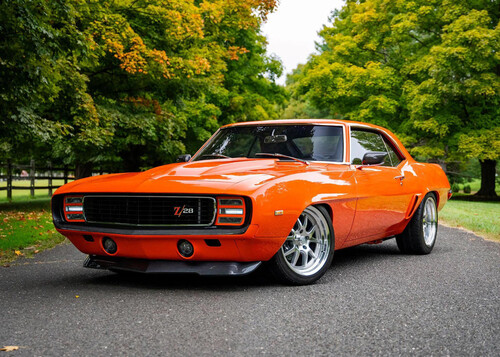
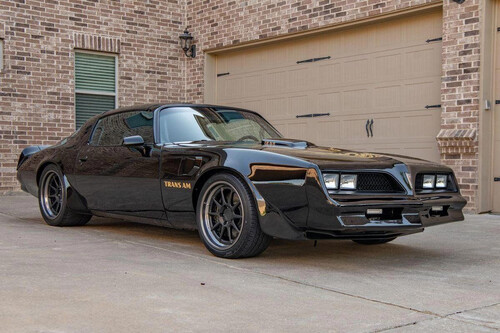
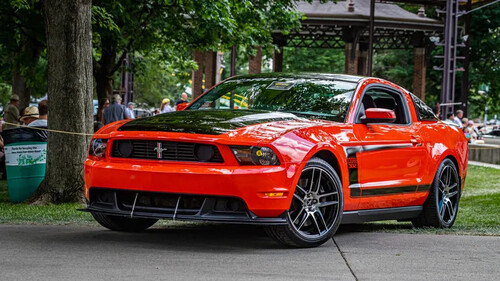
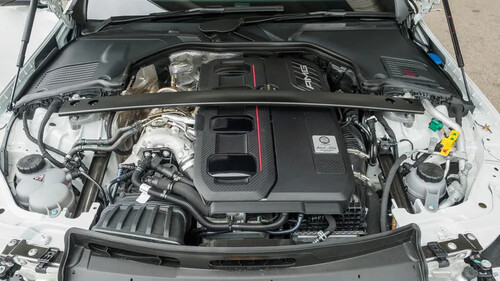
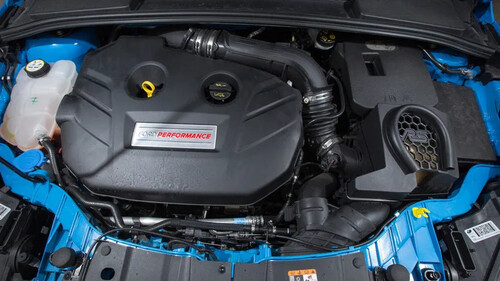
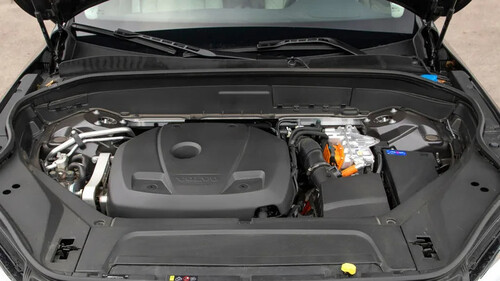
American and European classic cars were never meant to answer the same question. One side promised big-displacement drama and accessible ownership, the other sold precision engineering and prestige. Decades later, the real test is not quarter-mile times but which approach ages better in the real world of maintenance bills, auction blocks, and weekend drives. Longevity in the classic world comes down to three things: how often a car breaks, how hard it is to fix, and whether anyone still dreams about owning one. On those measures, American and European icons perform very differently. Engineering philosophies that age in different ways From the start, American manufacturers built for scale and simplicity. Large V8 engines, body-on-frame construction, and relatively basic suspensions made cars easy to assemble and, decades later, easier to keep alive. An American Cars vs describes how American designs tend to prioritize straightforward layouts and accessibility under the hood. That philosophy matters more with age than it does on a showroom floor. European brands, by contrast, often pursued tighter packaging and more advanced engineering. The same comparative Analysis notes that Durability and Maintenance become a tradeoff: While European cars deliver sophisticated performance, they usually impose more complex service requirements. Over time, that sophistication can turn into fragility if owners skip specialist care. Performance and Engineering Comparisons show that while enthusiasts celebrate the way a classic Porsche or BMW feels on a mountain road, the engineering that delivers that experience is intricate. A separate look at European vs American points out that tighter tolerances and advanced systems often demand specialized tools and training. That is a feature when the car is new and under warranty, and a liability when it is a 40-year-old project in a home garage. Maintenance: the long game that decides who survives Classic cars live or die on maintenance. Here, American vehicles benefit from a culture of parts interchangeability and an aftermarket built around small-block V8s and simple automatic transmissions. The same Comparative Analysis of American Cars highlights that while European models are known for engineering sophistication, they typically incur higher maintenance costs over time. Independent repair shops reinforce that picture. One detailed breakdown that asks Euro auto repair concludes that, looking at repair costs for European cars, they are often higher than for American and Asian vehicles. That difference compounds as a car ages. A higher baseline for labor and parts can turn routine jobs on an older European sedan into major financial decisions, where the same work on a domestic classic remains manageable. Another service-focused guide on how European Car Maintenance differs from American notes that American vehicles generally emphasize reliability and ease of repair. According to that American maintenance overview, the domestic approach favors straightforward components and more forgiving service intervals. That is exactly what a second or third owner wants when the car is no longer a status symbol but a weekend toy. Cost is not the only factor. Availability of expertise also shapes which classics stay on the road. In many U.S. towns, a local mechanic who grew up on carbureted V8s can service a Chevrolet or Ford without factory manuals. By contrast, older European models often need a specialist. Shops that focus on European brands, including those highlighted in Battle of Automobiles, invest in training and diagnostic gear that smaller garages simply do not have. That concentration of knowledge keeps some European classics healthy, but it also limits where owners can turn. Parts supply and the reality of keeping old metal moving Parts availability is where the American advantage becomes obvious. The domestic market produced millions of Mustangs, Camaros, pickup trucks, and full-size sedans. That scale supports a thriving reproduction industry. Enthusiasts can order complete body panels, interior trim, and crate engines for a 1960s muscle car almost as easily as they can buy modern accessories. European classics do not always enjoy that level of support. A detailed cost comparison that asks European Cars More notes that European cars typically cost more to maintain than most other brands and that Parts for many models are more expensive and sometimes harder to source. That scarcity affects not only running costs but also whether a car ever gets restored in the first place. Enthusiast experiences echo the data. In a long discussion where a collector named Duesey describes moving from European classic cars to American models, the auctioneer explains that, long story short, European classics he handled often required more delicate care, while domestic muscle felt more forgiving of imperfect maintenance. That kind of first-hand perspective helps explain why some owners age out of intricate European projects and into simpler American ones. Reliability and drivability as the years pile on Classic ownership is not only about whether a car can be fixed. It is also about how confidently it can be driven. A guide to choosing the most reliable classic notes. While modern cars rely heavily on electronics, many older models use simpler mechanical systems that are easier to maintain than today’s highly computerized vehicles. That observation applies strongly to carbureted American sedans and trucks, which often keep running with basic tools and a modest budget. By contrast, certain European icons combine age with complexity. Mechanical fuel injection, early electronic systems, and tightly packaged drivetrains can make even basic repairs intimidating. A discussion of why American and European views on cars differ includes a comment from Jonnnnnnnnn, who points out that My Atlas is built in Tennessee and suggests that expectations and distance matter. In the U.S., where the country covers far more miles, buyers often prioritize durability and low-stress ownership, which can favor simpler designs over intricate ones. That does not mean European cars are unreliable by definition. Many Mercedes sedans and Porsche sports cars are famous for racking up high mileages. A video discussion that compares whether European cars are better than American cars, shared by Hoovie’s Garage, even concedes that some American sedans, maybe ‘9s American sedans as great as they are as cushy as they are, were not the best-built vehicles. The point is not that one continent always wins, but that complexity multiplies problems as cars age. Market values: prestige versus presence On the auction block, European classics often dominate the headlines. A detailed report on collectible prices notes that At Auction, American Cars Are Often Not Valued as highly as their European Counterparts, especially at the very top of the market. According to that auction analysis, blue-chip European Counterparts such as high-end Ferraris and rare Porsches tend to command the biggest numbers, while many domestic models remain relatively affordable. Yet auction value is only one measure of how well a car ages. Enthusiast data from the U.S. shows that domestics dominate classic car enthusiasm. A market study on how U.S.A. vs. The World compares in collector interest finds that Jun reports American classics are the ones on the road being driven, not just stored as investments. The same analysis notes that the only area where foreign cars claw back some ground is in the auction room, where rarity and prestige drive up prices. In other words, European classics often win the financial beauty contest, while American cars win on sheer presence at local shows, cruise nights, and weekend meets. That split reflects different definitions of what it means for a car to “hold up” over time. For investors, it might be a Ferrari that triples in value. For drivers, it might be a Chevrolet that still starts every Saturday. Icon status: Mustang, Camaro, Cuda versus 911 and friends Iconography is another test of longevity. A discussion among muscle car fans highlights that some enthusiasts like both American and European legends. One contributor writes that American classics are easier to maintain and mentions a desire for Mustang, Camaro, and Cuda alongside European heroes like the Porsche 911. That comment in a Mustang and muscle captures how the 911 and Detroit muscle share the same mental garage. European brands often trade on motorsport history and engineering purity. The Porsche 911, BMW M3, and various Italian exotics carry racing stories that keep them in the spotlight. American icons, from the Ford Mustang to the Dodge Challenger, lean more on cultural saturation. A Hagerty feature on big domestic cruisers notes that Jan describes these cars as a big slice of rolling Hollywood and asks, With the roads now clogged, what better way to cruise than behind the wheel of something unapologetically large. That kind of imagery keeps American iron relevant even when it is not the fastest thing on the road. There is also a transatlantic rivalry in the muscle segment itself. A feature listing 10 Times Europeans Made A Better Muscle Car Than Americans frames the debate directly and asks Who makes better cars, Americans, or Europeans. The article points to European interpretations of muscle that sometimes out-handle or out-brake their U.S. inspirations. Yet the fact that the comparison exists at all shows how deeply American templates shaped the genre. Owner experience: who actually enjoys their classics Beyond numbers and icons, the day-to-day experience matters. On Reddit, the auctioneer Duesey describes how moving from European classic cars to American ones changed his relationship with the hobby. In that collector’s account, he notes that Long experience with European machinery taught him to expect higher upkeep and more fragile components. At the same time, domestic cars felt more relaxed to own and drive. Another Reddit thread on why American and European views on cars differ features Jonnnnnnnnn explaining that My Atlas is built in Tennessee and arguing that geography and lifestyle shape expectations. In Europe, shorter distances and higher fuel prices historically favored smaller, more efficient cars, which often evolved into the precise machines enthusiasts now covet. In the U.S., long highway runs and cheaper fuel pushed buyers toward comfort and durability. So, which classics really hold up better On ease of ownership, American classics usually win. Simpler engineering, lower routine costs, and better parts support make it more likely that a 1960s or 1970s domestic car will still be running in average hands. Service guides that emphasize Euro repair more, and those that compare American and European maintenance, both point to higher European costs as cars age. On peak desirability and auction value, European icons often come out ahead. Analysis of how At Auction, American Cars Are Often Not Valued as highly as their European Counterparts shows that the most coveted European Counterparts command higher prices, which signals enduring prestige. In terms of cultural presence, American cars dominate in their home market. Enthusiasm data that finds American classics are the ones on the road being driven suggests that longevity is not only about surviving but also about being used and enjoyed. More from Fast Lane Only Unboxing the WWII Jeep in a Crate 15 rare Chevys collectors are quietly buying 10 underrated V8s still worth hunting down Police notice this before you even roll window down