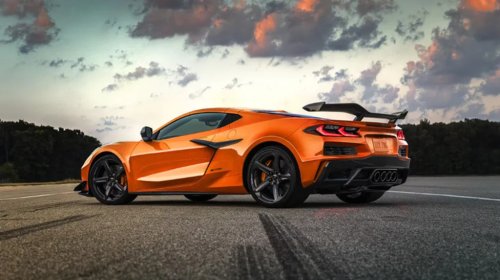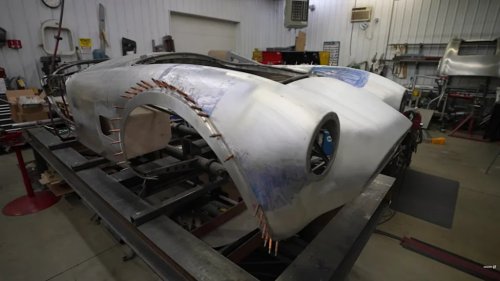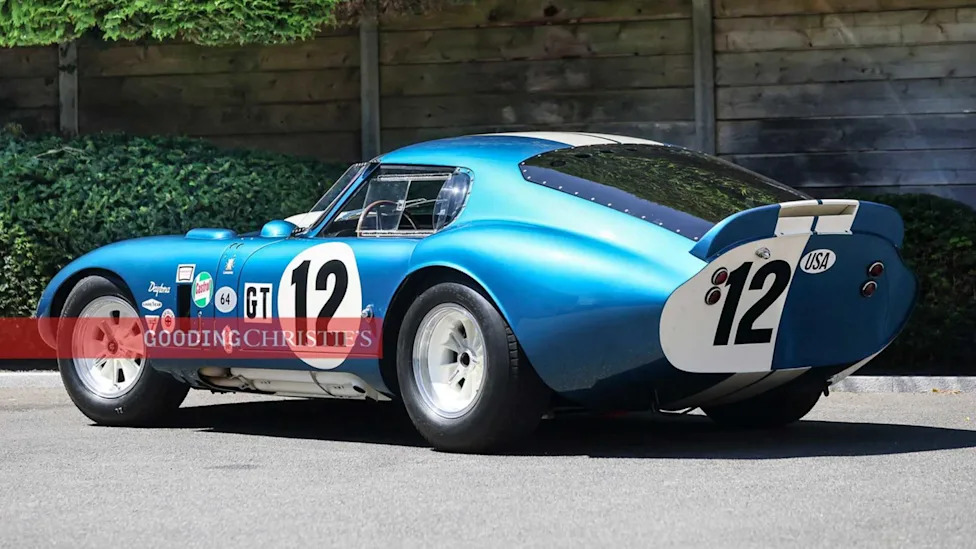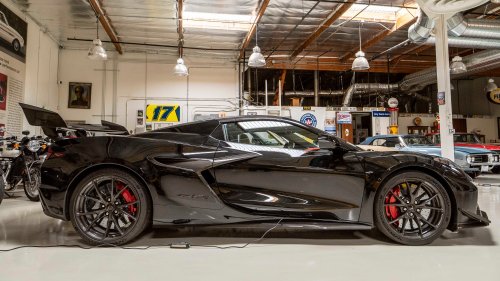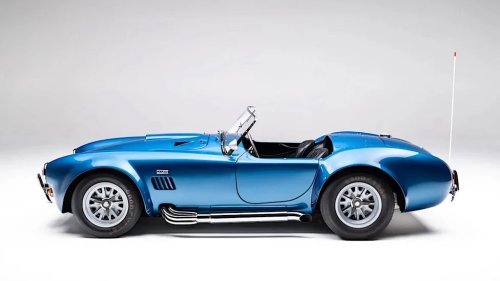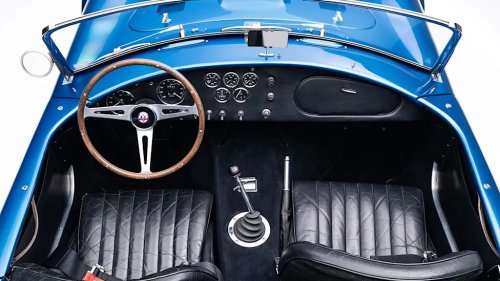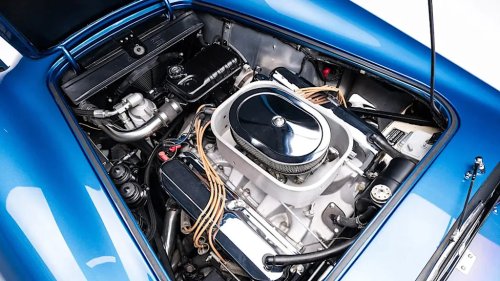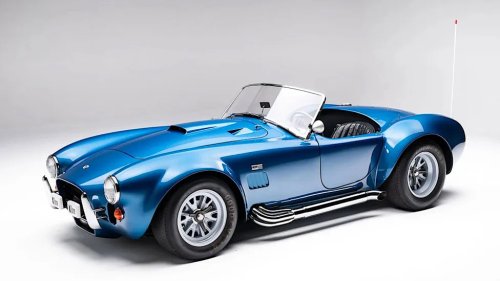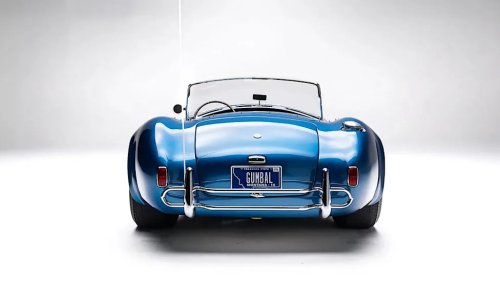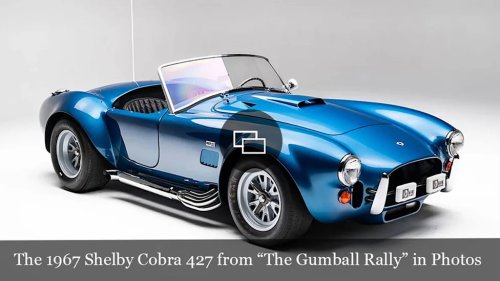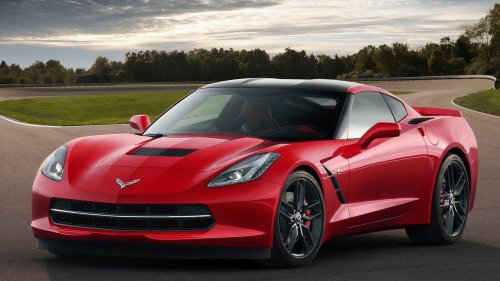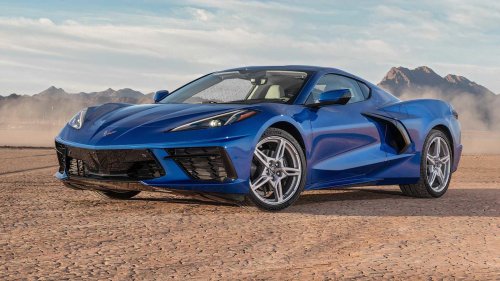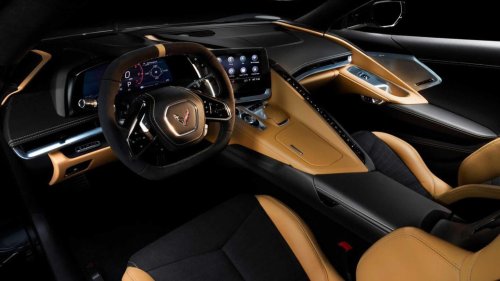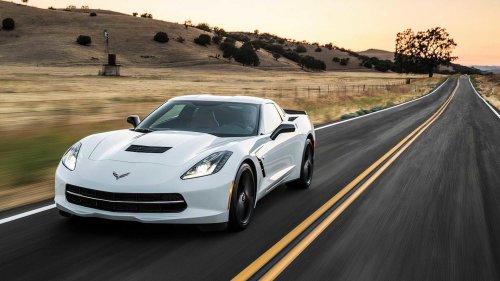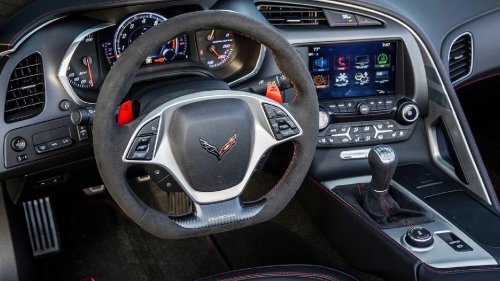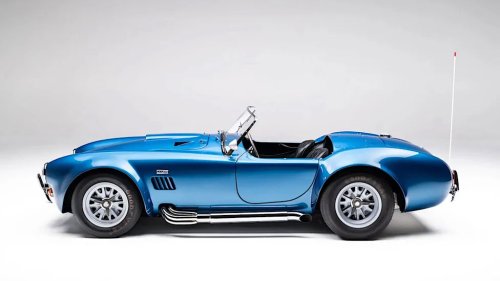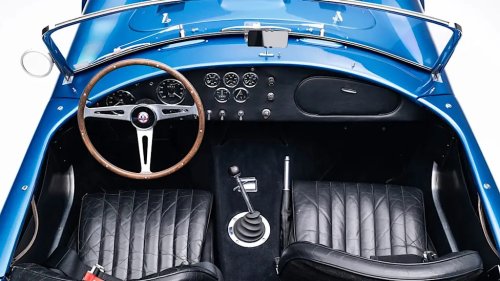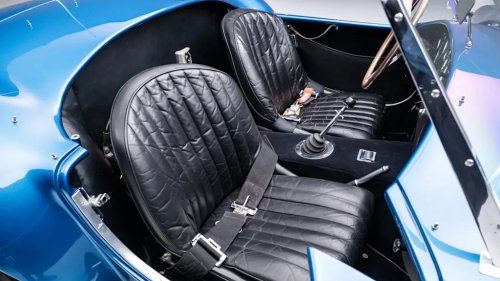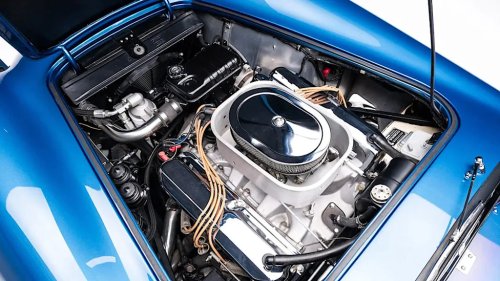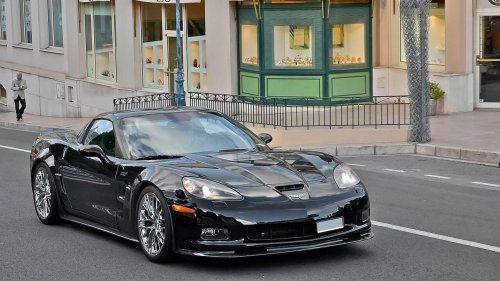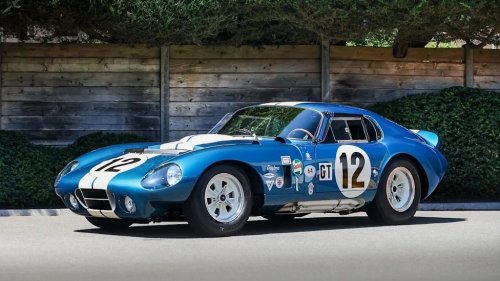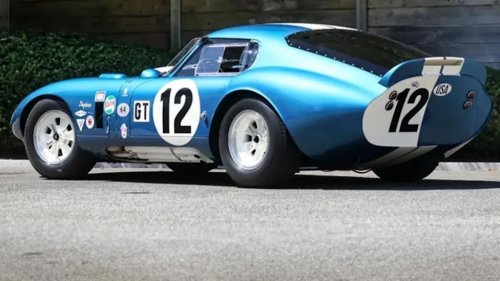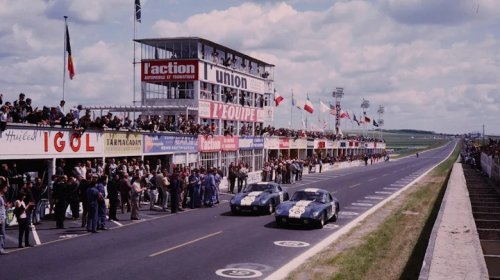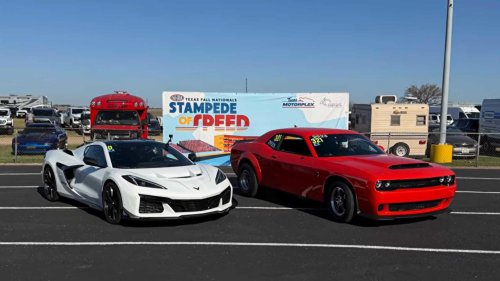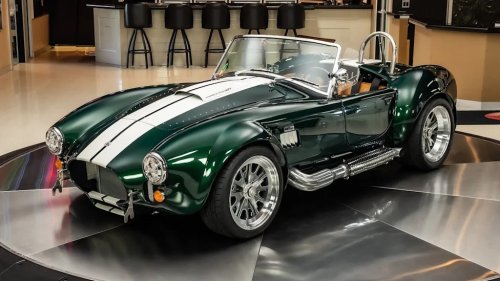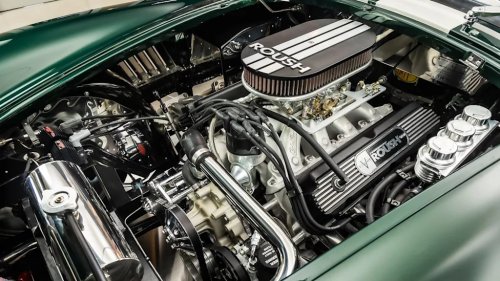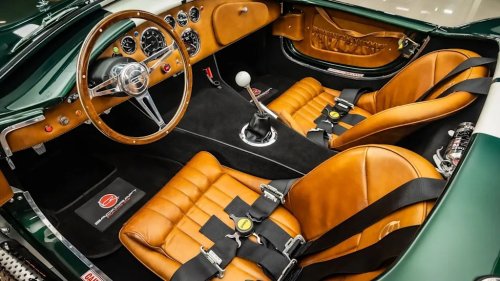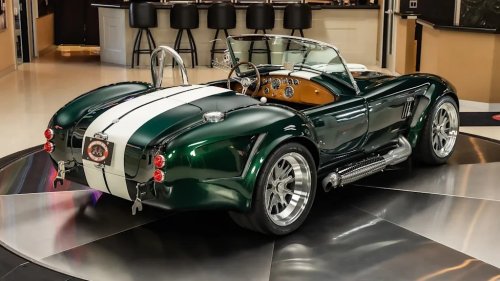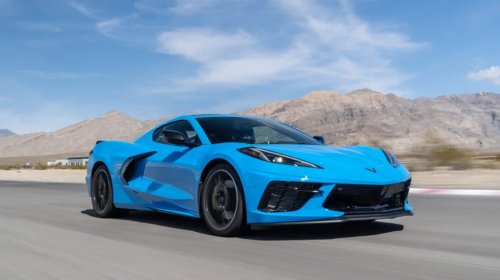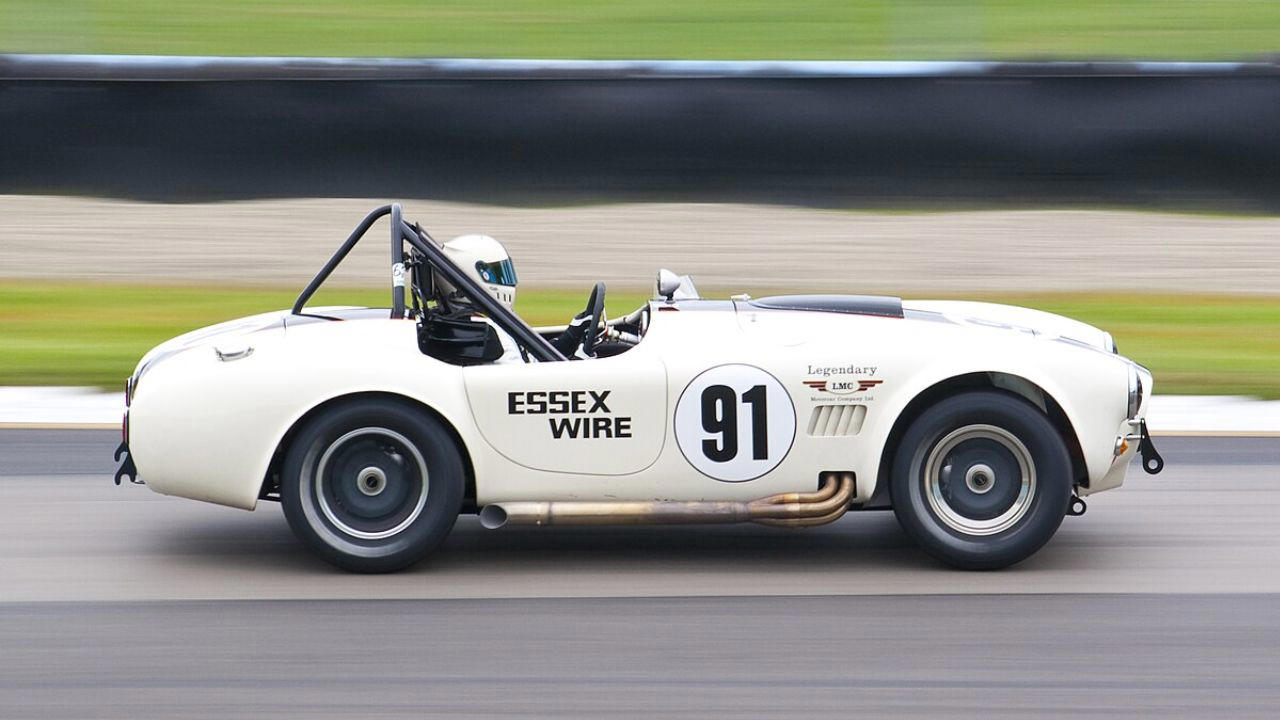


















Corvette vs Shelby Cobra which one truly represents American performanceFew rivalries in car culture ignite as much passion as the debate over which machine best captures American performance. On one side stands the long-running Chevrolet Corvette, a car that has evolved from fiberglass curiosity to everyday supercar. On the other is the Shelby Cobra, a brutal, short-lived missile that turned American V8 power into a world-beating weapon. Each claims the flag, but they represent very different visions of what American speed should be. Set against each other, the Corvette and Shelby Cobra tell a story about accessibility versus extremism, continuity versus flashpoint, and engineering polish versus raw aggression. Tracing how each icon earned its reputation helps clarify which one truly embodies American performance, and why the answer depends on what kind of America a driver wants to see in the mirror. Two origin stories, two Americas The Chevrolet Corvette arrived in the 1950s as a bold attempt to give America its own sports car instead of importing prestige from Europe. The project drew on stylists like Harley Earl and created a fiberglass-bodied two-seater that, over time, grew into a serious performance machine. Unlike many exotic rivals, the Corvette was intentionally priced and engineered so regular enthusiasts could aspire to it, which helped it become a national fixture rather than a rare toy. As later generations matured, the car cemented its place as an attainable symbol of speed and style across America. The Shelby Cobra came from a very different place. Carroll Shelby, a former racing driver, took a lightweight British roadster body and installed a Ford V8 to create the 1963 Shelby 289 Cobra, combining delicate British engineering with. That 289 cubic inch (4.7 liter) V8 turned a modest chassis into a fearsome racer. Shelby built the Cobra with a single purpose in mind: going fast around a race track, and everything from its short wheelbase to its thunderous exhaust reflected that obsession. From the start, then, the Corvette was designed as a broad American answer to European sports cars, while the Cobra was a specialist tool meant to win at any cost. Those roots still shape how each car represents American performance today. Racing glory and the Shelby Cobra’s brief, blazing arc If the measure of American performance is what happens on a stopwatch, the Shelby Cobra has a powerful claim. Its racing accomplishments are described as the stuff of legend, with factory and privateer cars tackling endurance events from the 12 Hours of Sebring to the 24 Hours of Le Mans. Accounts of Shelby Cobra races highlight how these cars mixed raw speed with surprising durability in some of the toughest conditions in motorsport. The 1965 Shelby Cobra season stands out in particular. Shelby American won the FIA Sports Car World Championship, which remains described as the only time an American manufacturer has earned that title. Period summaries emphasize that throughout 1965, Shelby Cobra models and Shelby GT350s captured multiple additional crowns, turning that year into a high point for American teams in international sports car racing. The 1965 Shelby Cobra is portrayed as a car that could dominate both streets and racetracks, blending brute force with enough finesse to beat established European powers. Later big block versions, such as the Shelby Cobra 427, pushed the formula further. The 427 is remembered as a legendary sports car known for its powerful V8 and lightweight construction, with the Cobra designed explicitly to excel on the track. Contemporary rankings of beautiful American cars describe how Shelby built the Cobra with racing as the primary goal, and any aesthetic appeal was almost an accident, a byproduct of functional design that happened to look like sculpture. Those achievements fed into the larger cultural myth. The Modern Day Cobra is still described as a symbol of American muscle and performance that embodies freedom and the thrill of the open road. The Shelby Cobra remains framed as a legend in the automotive world, even though production numbers were tiny compared with mainstream models. Corvette’s long game: seven decades of evolution Where the Cobra burned bright and brief, the Corvette took the long route to greatness. The Chevy Corvette is marking a milestone as the longest-running nameplate of any car on the road, and The Chevy Corvette has now spanned roughly seventy years of continuous production. That longevity alone gives it a different kind of authority in the American performance story. Unlike many sports cars, the Corvette was designed to be accessible. Reports on how the car became an icon emphasize that, unlike other sports cars, the Corvette delivered strong performance at a price that did not shut out middle-class buyers. That philosophy helped the Chevrolet Corvette build a legacy that belongs as much to small-town owners as to professional racers. Over time, the car moved from straight-line speed to well-rounded capability, with handling and braking that could stand beside European rivals. Modern reviews describe how this iconic two-seater has been America’s answer to European supercars for decades, offering performance that can beat many European competitors while remaining relatively attainable. One analysis notes that for enthusiasts seeking supercar-level thrills without supercar-level costs, this American machine proves that speed does not need an exotic badge. That balance between price and performance is central to how the Corvette represents American engineering values. The Corvette has also adapted as technology and expectations have changed. The Chevrolet Corvette Stingray is praised for its sleek and aerodynamic design, with the Corvette consistently turning heads while keeping pace in terms of speed, performance, and technology. A history of the Stingray name traces how each generation introduced new styling and engineering ideas, from hidden headlights to advanced aerodynamics, while staying true to the basic front engine, rear drive formula for much of its life. From front-engine classic to mid-engine disruptor The latest chapter in the Corvette story shows how American performance can evolve without losing its identity. The shift to the mid-engine Chevrolet Corvette C8 represented a radical change in layout, moving the engine behind the driver to improve balance and traction. Evaluations of the C8 describe it as the biggest step change in usable everyday mid-engine performance since the original Acura NSX, with judges praising how it combines exotic car dynamics with daily usability. Those assessments helped the C8 secure major awards and confirmed that the Corvette could thrive in a new configuration. That transformation did not happen in a vacuum. Earlier high-performance versions, such as the Chevrolet Corvette ZR-1, had already pushed the limits of what a front engine Corvette could do. Analysts who recount the true story of the ZR-1 point out that when America wants an iconic car, Chevrolet often delivers, and the legendary Corvette (Chevrolet Corvette) has repeatedly served as the brand’s flagship. The ZR 1 showed that an American car could offer cutting-edge power and handling without relying on European engineering, setting the stage for the C8 to go further. At the same time, coverage of how the Corvette became an icon stresses that the Chevrolet Corvette kept its focus on accessibility even as it gained speed. Unlike some supercars that became more exclusive over time, the Corvette continued to target a broad enthusiast base. That strategy helped it remain a familiar presence on American roads rather than a rare sight reserved for collectors. Cultural impact: movie star versus every driveway Beyond lap times and spec sheets, American performance lives in stories, posters, and memories. Here, the Shelby Cobra and Corvette again take different paths. Accounts of notable Shelby races describe how, beyond the racetrack, the Shelby Cobra has become an iconic symbol in popular culture. Its unique look and unmistakable sound have made appearances in films ranging from action-packed blockbusters to heartfelt dramas. That visibility reinforces the Cobra as a kind of automotive folk hero, a car that appears whenever a director wants to signal danger, rebellion, or raw speed. The Corvette, by contrast, has woven itself into everyday American life. Commentators have stated that the Corvette (Chevrolet Corvette) is America’s only true sports car, capturing the idea that no other model has matched its combination of longevity, sales volume, and cultural presence. The same sentiment calls the Corvette America’s premier sports car, and that reputation has survived changes in fashion and technology. Enthusiast pieces such as Old Guy Car No More: How Corvettes Became Cool Again, The Vette argue that the car long ago secured its title as America’s greatest sports car, remaining an aspirational vehicle for generations of Americans even as its image shifted from retiree cruiser to modern performance machine. The Chevrolet Corvette has also maintained its status as an icon of American automotive performance and innovation. The National Corvette Museum highlights how, today, the Chevrolet Corvette continues to push the boundaries of performance and design with each new generation, reinforcing the car’s image as a living symbol rather than a frozen classic. That ongoing relevance helps explain why few other nameplates in the United States, or even globally, command similar loyalty. Design philosophies: brute force versus balanced engineering Under the skin, the two cars express very different American attitudes toward performance. The Shelby Cobra, particularly in 289 and 427 form, represents the hot rod side of the culture. Carroll Shelby took a small, light British chassis and inserted a large American V8, creating a power-to-weight ratio that could overwhelm inexperienced drivers. Descriptions of the Cobra emphasize that it was designed primarily for the track, with minimal concessions to comfort or safety by modern standards. The car’s short wheelbase, narrow tires by current benchmarks, and massive torque created a machine that rewarded skill and punished mistakes. The Corvette pursued a more balanced approach. Over successive generations, engineers refined the suspension, aerodynamics, and braking to match the power under the hood. Modern reviews describe how the Chevrolet Corvette offers supercar-level performance wrapped in an attainable package, with enough refinement to serve as a daily driver. The C8 in particular is praised for blending mid-engine agility with usable ergonomics, strong visibility, and practical storage, qualities that European exotics sometimes sacrifice. That difference in philosophy shapes how each car represents American performance. The Cobra channels a frontier mindset, where ingenuity and courage can overcome more sophisticated rivals. The Corvette reflects a more mature industrial power that can deliver high performance at scale, with engineering that aims for repeatable excellence rather than one-off brilliance. Which car carries the American performance crown? On pure emotional impact, the Shelby Cobra is hard to beat. It is a concentrated expression of American muscle, created by Shelby with the single goal of beating Enzo Ferrari and other European giants at Le Mans and similar venues. Narratives about Taking Le Mans describe how Shelby had to drastically rework his cars to reach speeds near 299 km/h despite aerodynamic drag, illustrating a relentless pursuit of victory. The Cobra’s success in the FIA Sports Car World Championship and its ongoing myth in films and enthusiast circles make it a powerful symbol of American grit, audacity, and innovation. More from Fast Lane Only Unboxing the WWII Jeep in a Crate 15 rare Chevys collectors are quietly buying 10 underrated V8s still worth hunting down Police notice this before you even roll window down