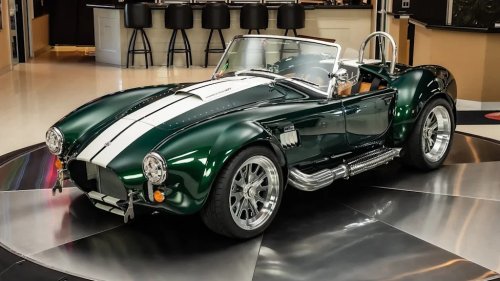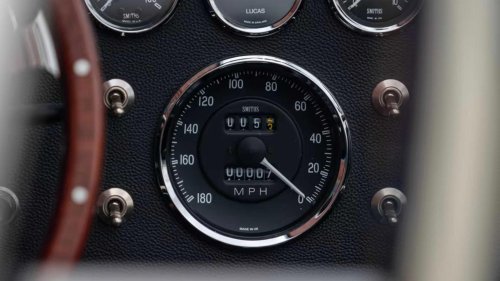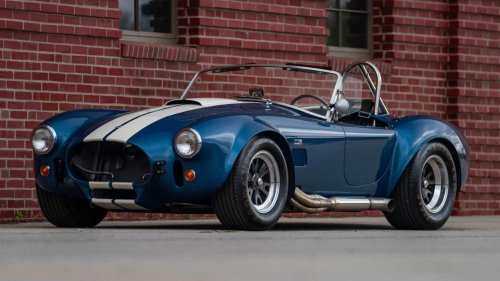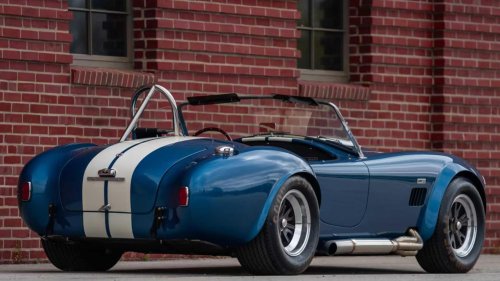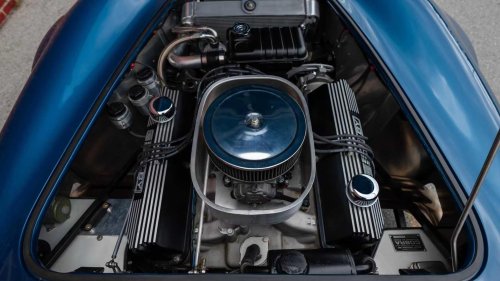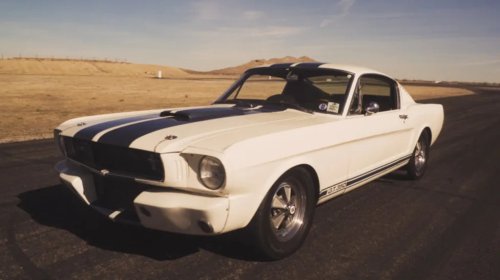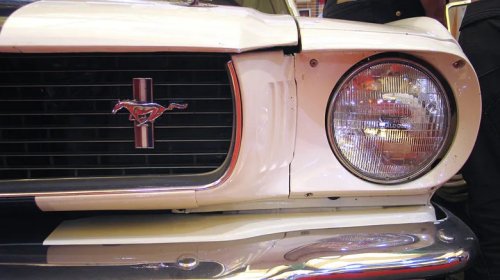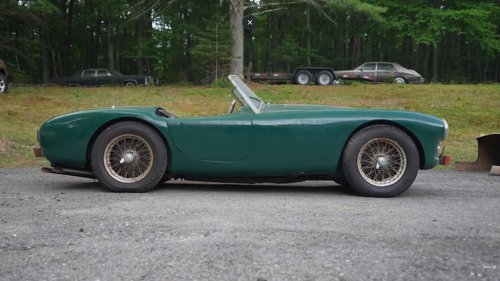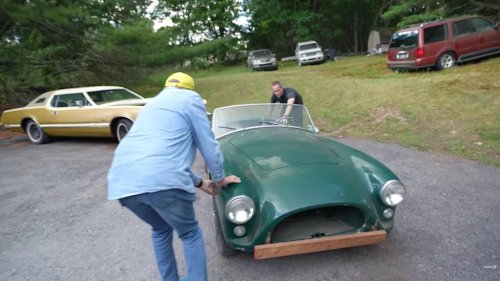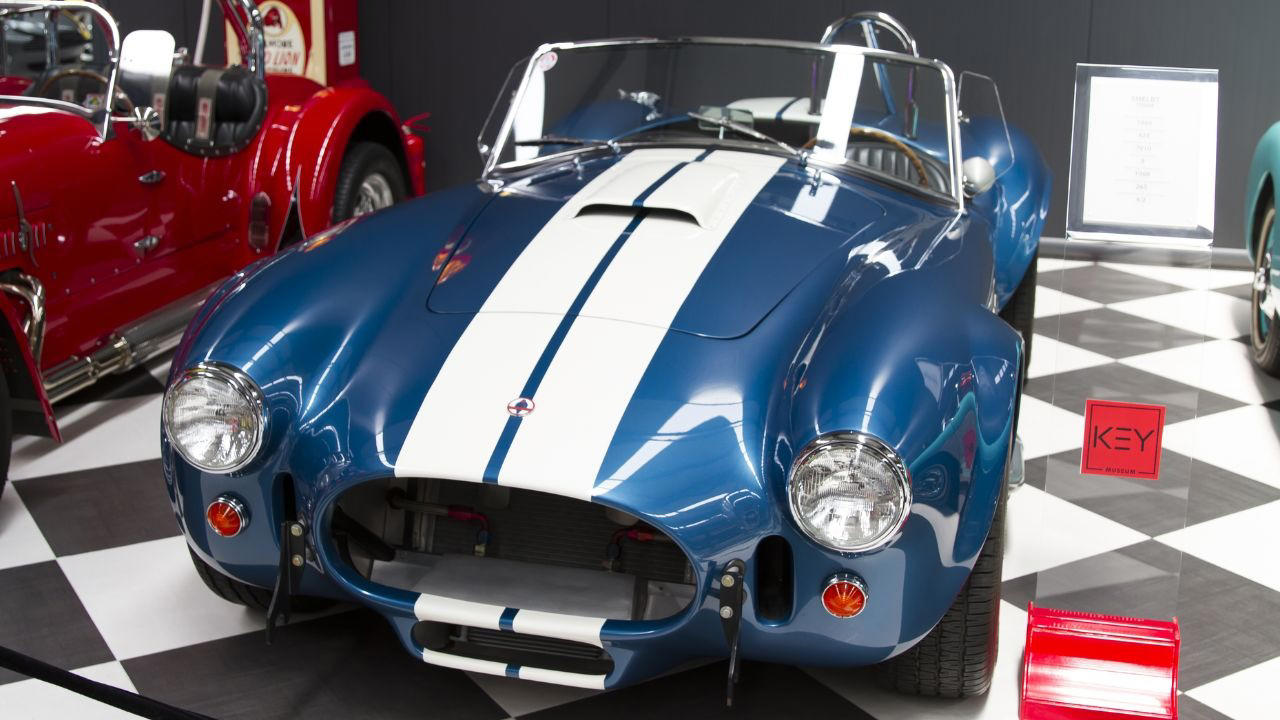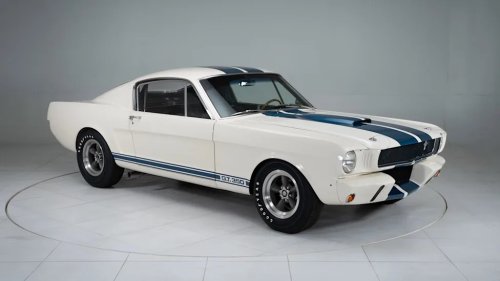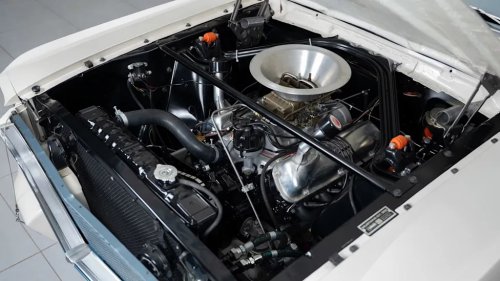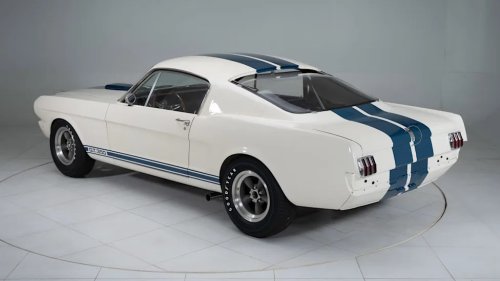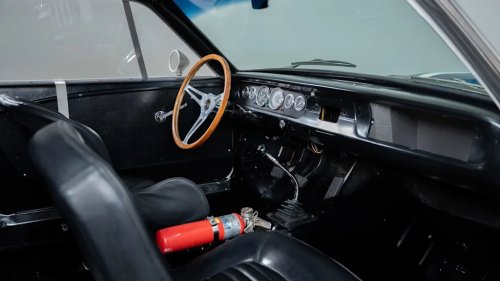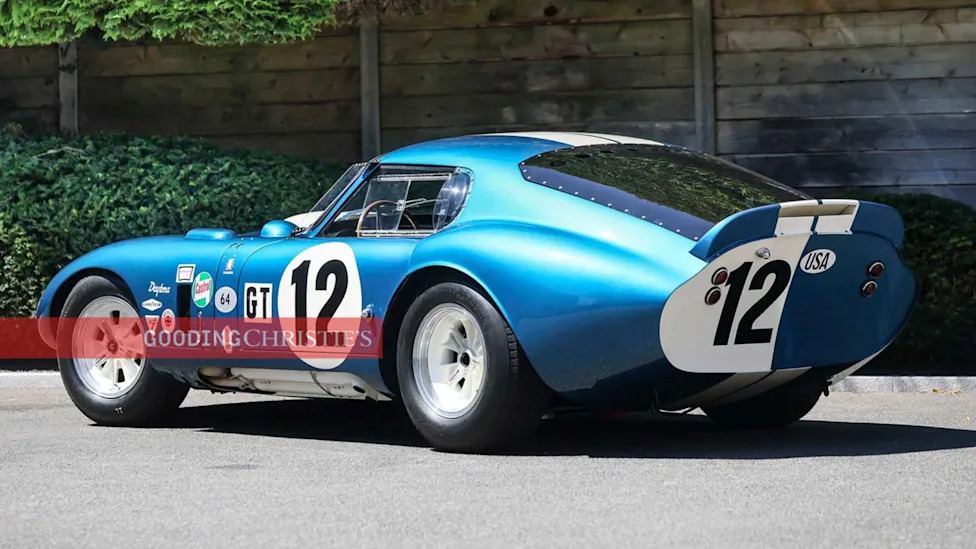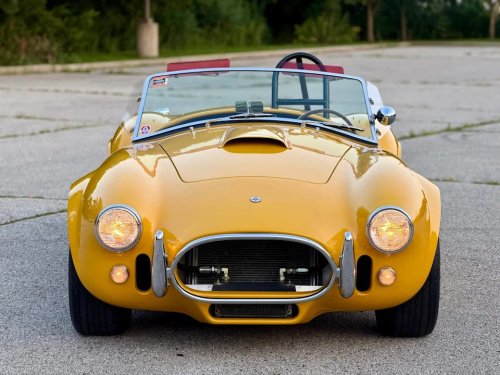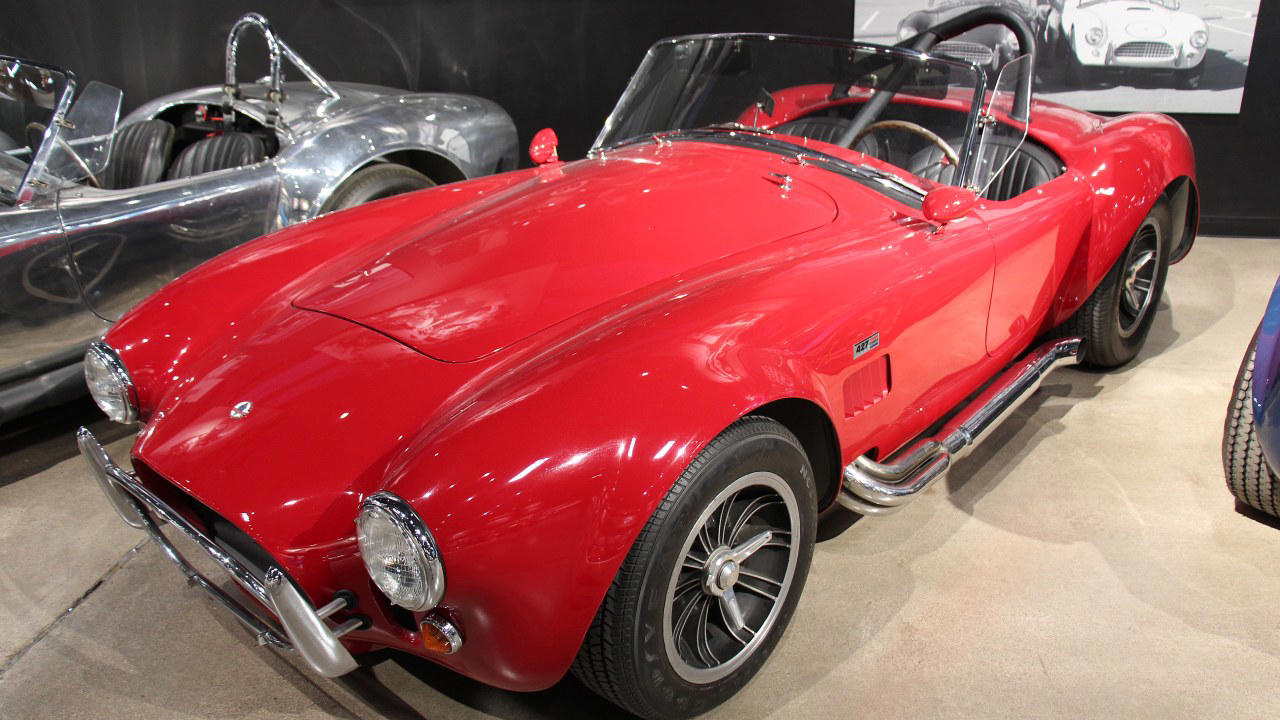



















A 1965 Shelby Cobra feels closer to a machine than a carA 1965 Shelby Cobra does not behave like a modern car. It feels closer to a piece of industrial equipment that just happens to wear a license plate, a compact chassis wrapped around a huge V8 that turns every input into an immediate mechanical reaction. Where contemporary performance machines isolate their drivers, the Cobra strips away insulation until only speed, noise and vibration remain. That quality is exactly what has turned the Shelby Cobra into one of the most coveted classic cars on the planet. The combination of American muscle and British engineering created a machine that was never meant to be gentle, and six decades later it still demands the same respect from anyone who slides behind its thin wooden wheel. The race car that escaped onto the road The 1965 Shelby Cobra grew from a simple, almost brutal idea. Carroll Shelby took a lightweight British sports car chassis and installed a large American V8, creating a compact roadster that was effectively a race car for the road. The car blended American power with British handling in a way that made the small body feel like it was built around the engine rather than the other way around. The engine defined the experience. The Shelby Cobra could be equipped with a 427-cubic-inch V8 that delivered towering power in a chassis that weighed far less than most contemporaries. With small and big block V8s delivering up to 485 hp, it sat in a different performance league to more conventional muscle or pony cars of the era, and its light weight made that output feel even more explosive. Contemporary rivals such as the 1970 AMC AMX aimed to balance performance with practicality and affordability. The Cobra did not bother with that compromise. It was far more expensive and rare, targeted at buyers who wanted something closer to a competition machine than a daily driver. That focus on raw performance and scarcity helped cement its status as an iconic sports car that dominated on the racetrack. Raw, mechanical, and unforgiving On the road, the Shelby Cobra feels incredibly raw and mechanical. The car is extremely light, so the large naturally aspirated V8 has very little mass to move. Acceleration comes with an immediacy that can surprise drivers used to heavier modern performance cars. When the throttle opens, the car lunges forward as if pulled by a cable, and the driver feels every pulse of the crankshaft through the seat and steering column. There are no electronic safety nets. The Shelby Cobra has no power steering, no stability systems and no traction control. Every movement of the throttle or steering changes the car instantly, which makes the handling feel alive in the driver’s hands. That responsiveness brings a sense of intimacy with the machinery, but it also means that mistakes arrive quickly if the driver loses focus. The cabin environment intensifies that impression. The sound, vibration and smell of the engine create an old-school racing atmosphere, with heat from the drivetrain and exhaust seeping into the cockpit. Driving the Cobra is exciting but demanding, and it requires constant concentration to keep the car balanced at speed. The lack of insulation and comfort features turns every journey into an event, which is why many enthusiasts describe the Shelby Cobra as one of the purest driving experiences ever built. Machine first, car second That purity is why the Cobra feels closer to a machine than a conventional car. Most modern performance vehicles are designed around the driver’s comfort and safety, then engineered to be fast. The Cobra reverses that order. It is engineered for speed and feedback first, with just enough bodywork and trim to make it legal and vaguely usable on public roads. The steering is heavy at low speeds and filled with texture once the car is moving. The brakes require a firm, deliberate push. The clutch engages with little warning. None of these controls are softened for convenience. Instead, they behave like levers and pedals on a piece of industrial equipment, tuned for precision rather than ease. That character extends to the way the car communicates grip. Without anti-lock braking or stability control, the driver must sense the limits through the steering wheel, seat and throttle pedal. When the rear tires begin to slide, the Cobra sends that message as a sudden change in vibration and angle, not as a blinking warning light. It rewards skill and punishes complacency in a way that feels mechanical rather than digital. How it compares to modern muscle The contrast with modern high-performance cars is stark. A contemporary Ford Mustang Shelby GT500, for example, uses a supercharged V8 that produces far more power than the Cobra’s naturally aspirated unit. Yet the GT500 is heavier and packed with electronics, so its acceleration feels filtered through traction control, advanced aerodynamics and sophisticated suspension systems. In the GT500, acceleration is violent yet stable. Magnetic dampers, precise steering and modern tires help keep the car in line, even when the driver applies full throttle. Inside, the cabin is insulated and comfortable, with technology that helps the driver use the power safely and consistently. The result is a car that can be quicker on a track, but which insulates the driver from the raw mechanical drama that defines the Cobra. That difference explains why some enthusiasts gravitate toward older machinery. The Cobra does not chase absolute lap times or top speed figures. Instead, it delivers a sense of connection that modern cars often trade away for speed, comfort and safety. The driver feels like an operator rather than a passenger, and that feeling is central to the car’s legend. The Carroll Shelby formula The personality of the 1965 Shelby Cobra cannot be separated from Carroll Shelby himself. He was already known for his hotted-up Mustangs, but the Cobra became the car most closely associated with his name. Designed by Carroll Shelby as a fusion of lightweight European chassis tuning and American V8 power, the Cobra gave him a platform to showcase his belief that simplicity and brute force could outgun more complex rivals. That philosophy extended beyond the racetrack. Carroll Shelby also chose more comfortable cruisers as company cars, yet his reputation remained tied to the machines that carried his name on track and street. The Shelby Cobra in particular stood out as a legendary sports car that combined aggressive styling with exceptional performance and dominated in competition. By pairing an American engine with a British chassis, Carroll Shelby created a template that influenced muscle cars and sports cars for decades. The Cobra showed that light weight and big power could humble more refined European exotics, and it did so with a level of mechanical intensity that still feels shocking. Race car posture, road car registration Visually, the Cobra’s machine-like character is obvious before the engine even starts. The body is low and wide, with flared fenders stretched over fat tires and a stubby rear deck that barely contains the fuel tank and suspension. Side pipes run along the rocker panels, advertising the car’s intent and filling the cabin with exhaust noise once the engine fires. Many later builds and replicas, such as a 1965 Ford Shelby Cobra Factory Five example, highlight how the shape still commands attention. In bright colors with bold stripes that run the full length over the body, the Cobra’s compact proportions and muscular stance look more like a racing prototype than a street car. Even when parked, the car appears coiled and ready, a visual reflection of the way it drives. The original cars matched that visual aggression with hardware that was unapologetically track focused. Sparse interiors, thin bucket seats and simple gauges kept weight down. The roll hoop behind the driver, the quick-release fuel cap and the exposed side exhausts all reinforced the impression that this was a competition car that had escaped the paddock for a brief run on public roads. Modern replicas often preserve those cues, which keeps the Ford Shelby Cobra look alive for new generations. Commanding, not just driving Owners and historians often describe the act of piloting a Cobra as commanding rather than simply driving. The car’s short wheelbase, huge power and minimal driver aids create a combination that can feel intimidating. The driver must manage throttle, steering and braking with precision, particularly on imperfect roads where bumps and cambers can unsettle the chassis. That challenge is part of the appeal. Driving a 1965 Shelby Cobra meant taking charge of a machine that responded instantly to every input. The experience was as much about visceral excitement as it was about pure performance, which is why many enthusiasts regard driving the Shelby as a benchmark for engagement. That sense of command also explains why the car has become one of the most coveted classic cars in the world. Collectors are not only buying performance figures or racing history. They are buying access to a type of interaction that modern cars rarely provide. The Cobra demands respect and attention every second it is moving, and that intensity lingers long after the engine is shut off. Why the legend endures Part of the Shelby Cobra’s enduring legend comes from scarcity and value, but the deeper reason is experiential. In an era when even budget cars arrive with layers of software between driver and road, the Cobra represents the opposite philosophy. It treats the driver as a critical component of the system, not as a customer to be protected from the machine. That approach carries risk, and it would be difficult to justify under modern safety regulations. Yet on closed roads and controlled events, the Cobra continues to show why enthusiasts chase that older vision of performance. The car translates mechanical events into physical sensations with almost no filter. Every combustion event, every gear change and every tire slip passes directly into the driver’s body. For many, that is the point. The Shelby Cobra is not an easy car. It is loud, hot, cramped and unforgiving, but those same traits give it a personality that modern performance cars, however capable, often lack. It feels like a living machine that happens to move on four wheels, a reminder of a time when speed was pursued with wrenches and courage rather than algorithms and drive modes. The Cobra in the digital age That contrast has only grown sharper in the digital age. Drivers now interact with their cars through configurable screens, driver profiles and software updates. Even web browsers such as Chrome, Microsoft Edge and Firefox have become part of the driving ecosystem, connecting vehicles to mapping, entertainment and remote services. The Shelby Cobra belongs to a different universe. It has no infotainment, no driver profiles and no connectivity beyond the mechanical link between steering wheel, pedals and tires. That separation from the modern digital layer amplifies its appeal for enthusiasts who want a break from constant connectivity. In the Cobra, the only data stream that matters is the one transmitted through the chassis and steering rack. More from Fast Lane Only Unboxing the WWII Jeep in a Crate 15 rare Chevys collectors are quietly buying 10 underrated V8s still worth hunting down Police notice this before you even roll window down