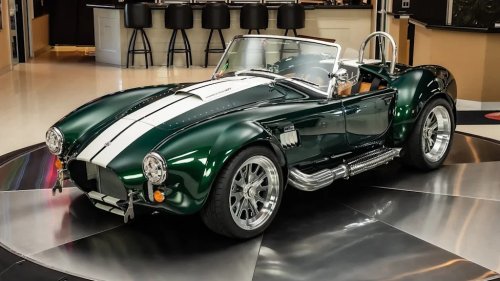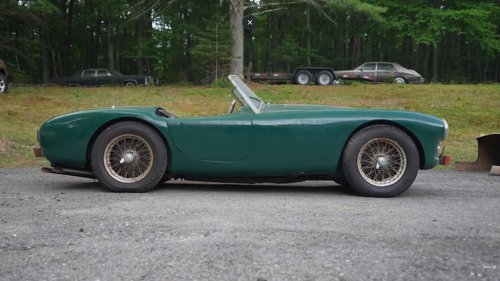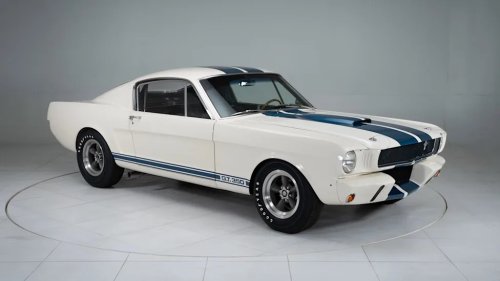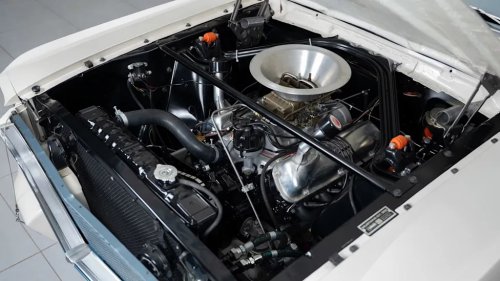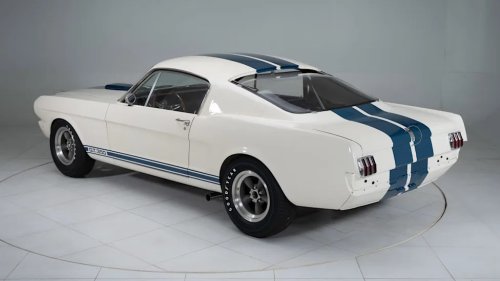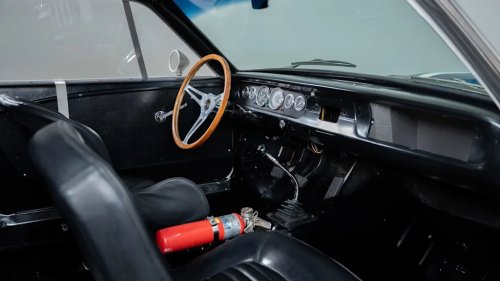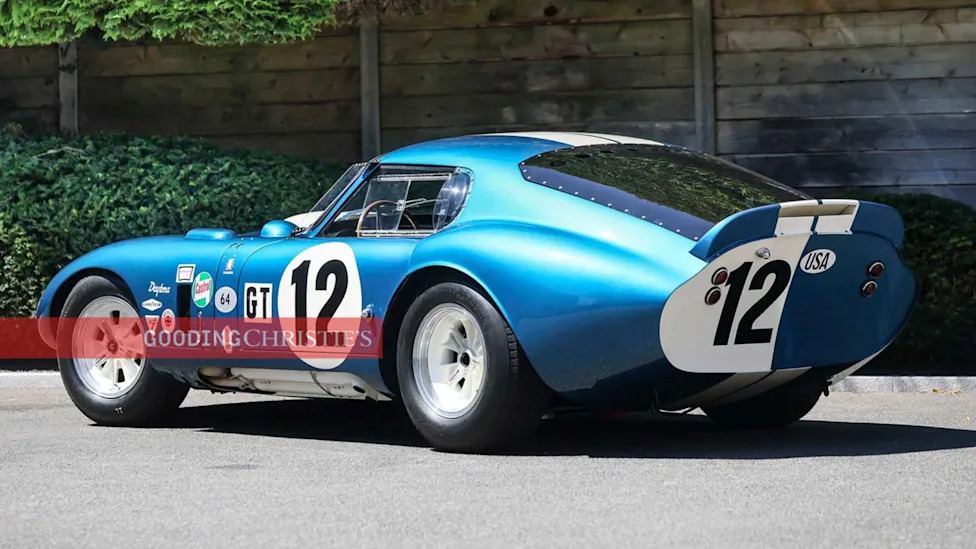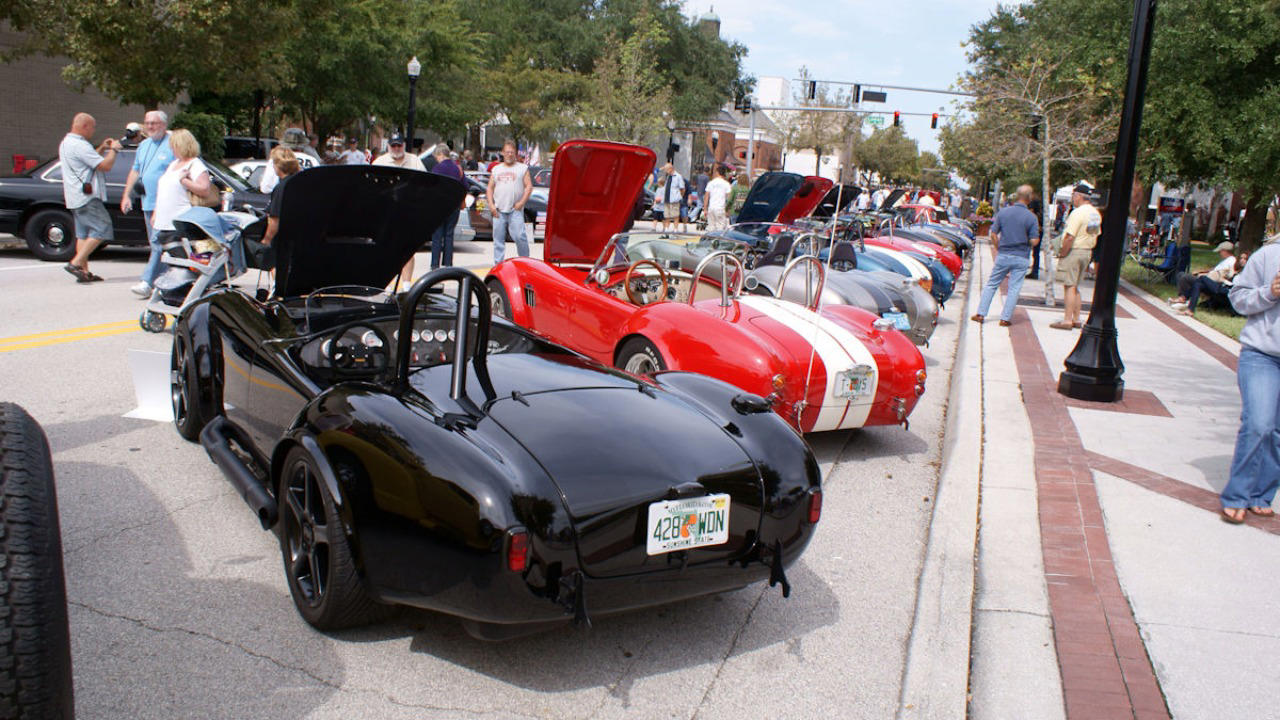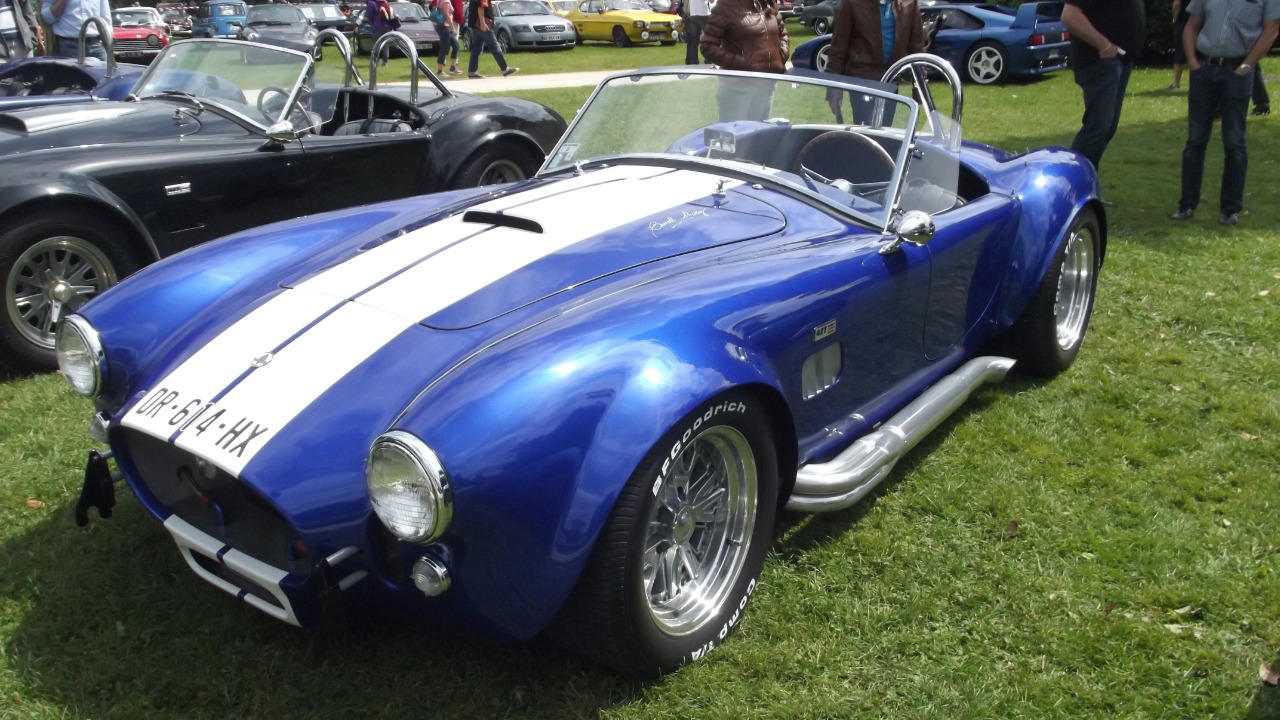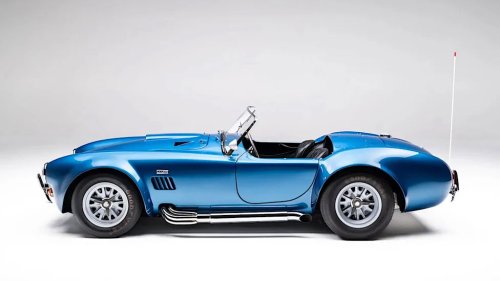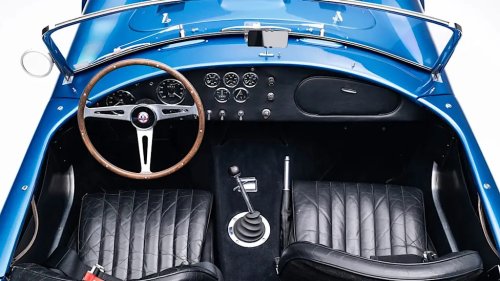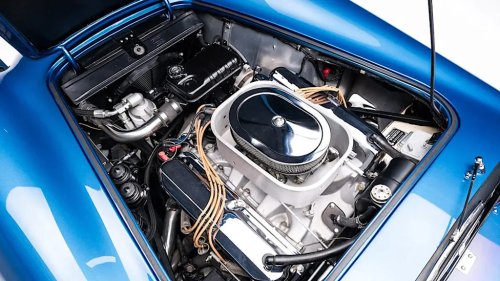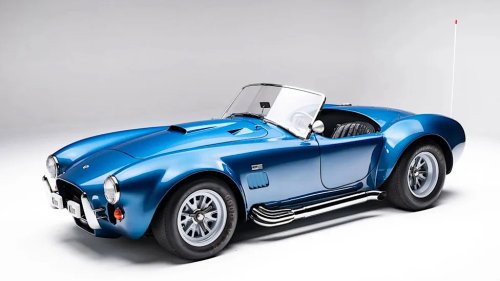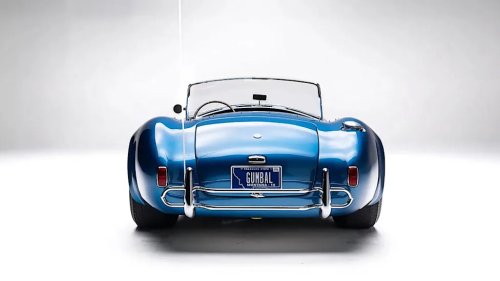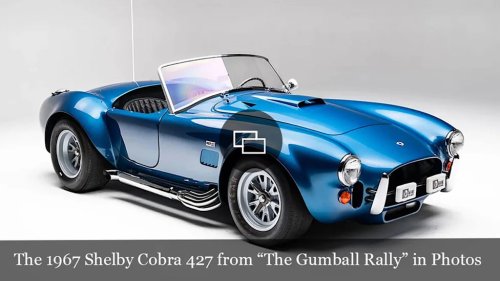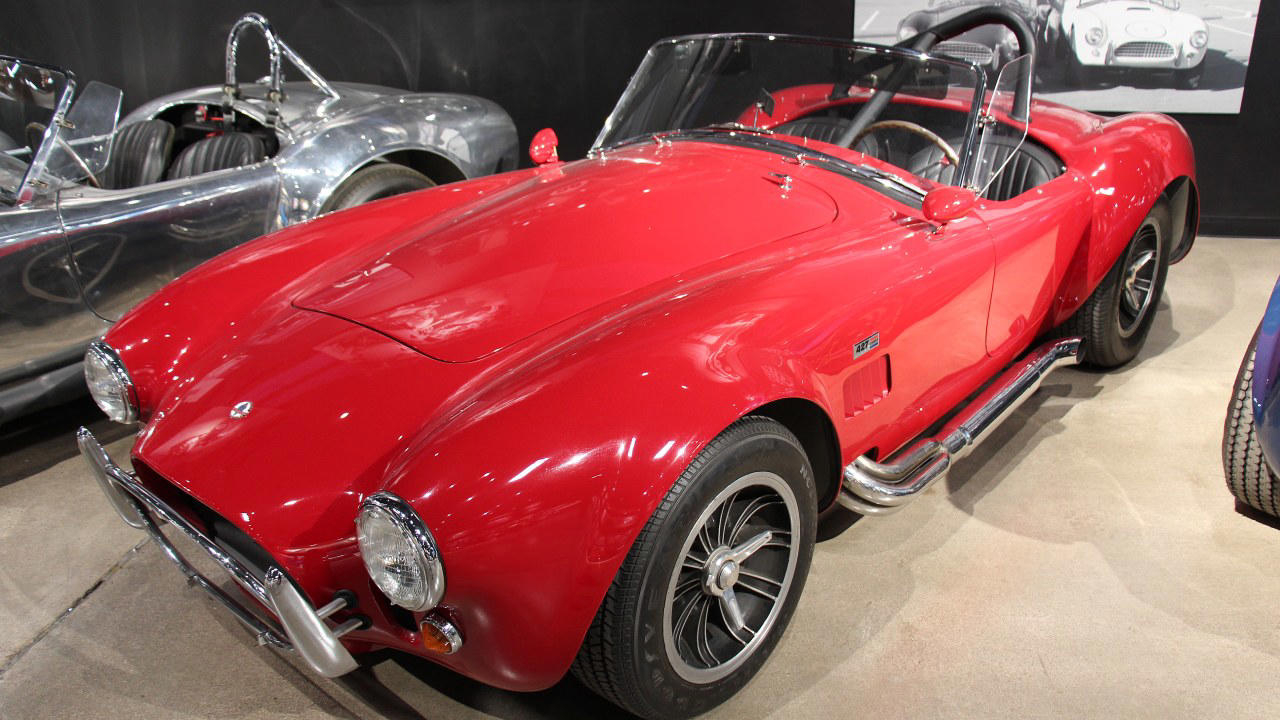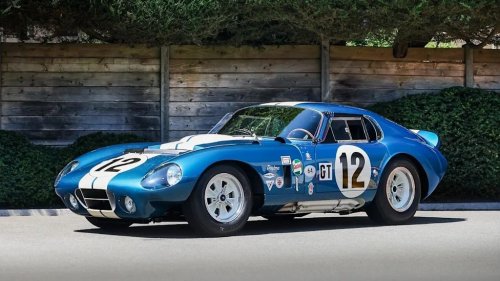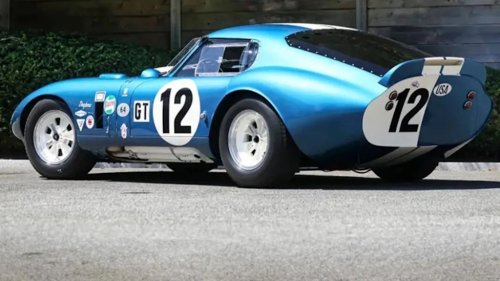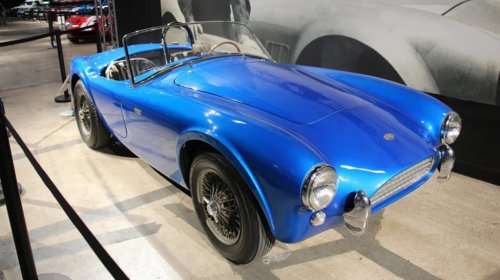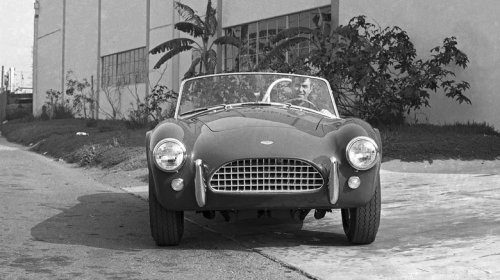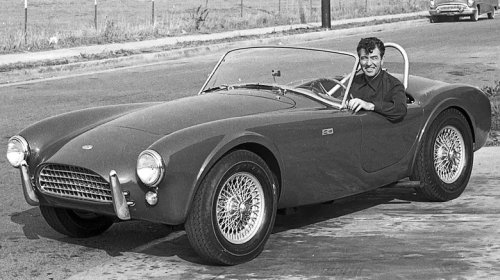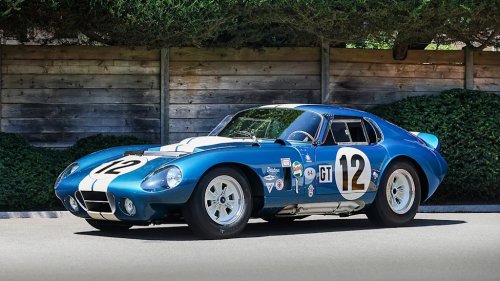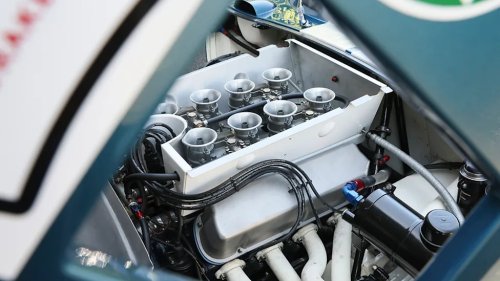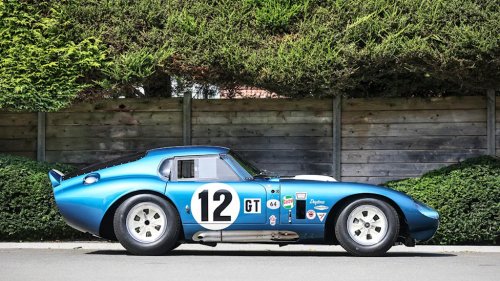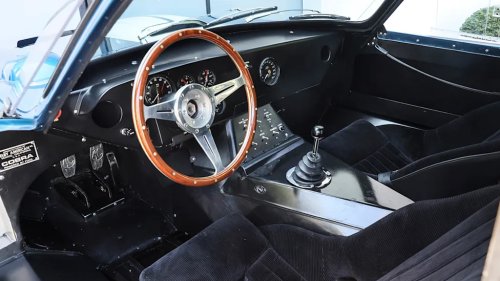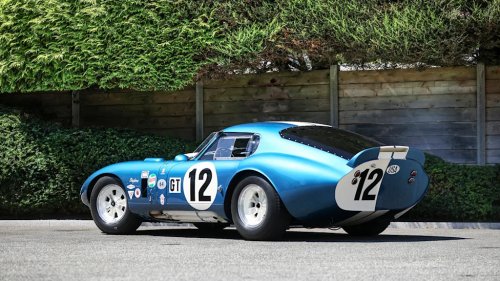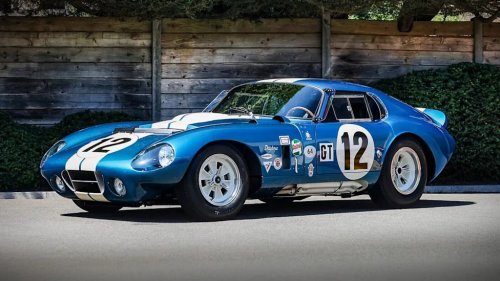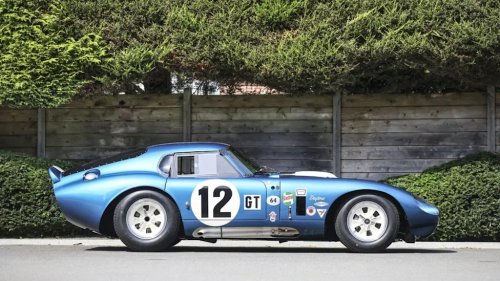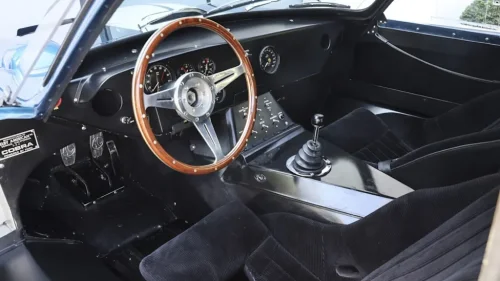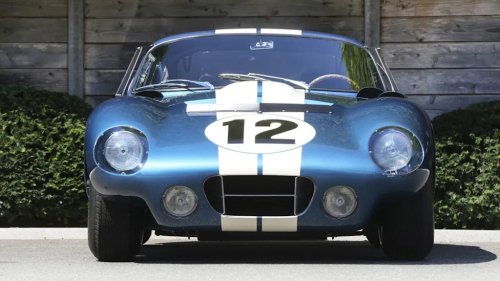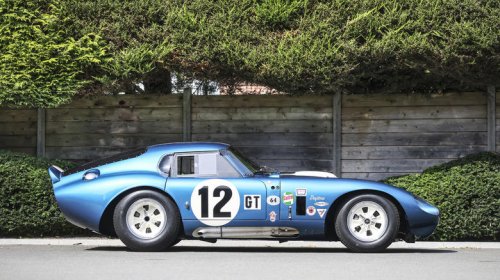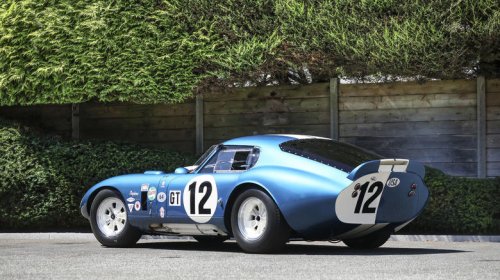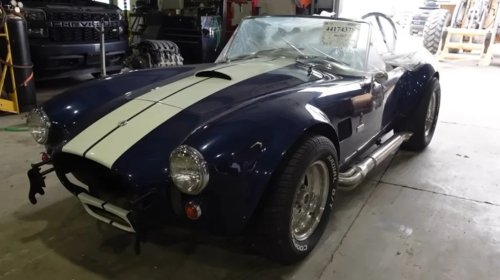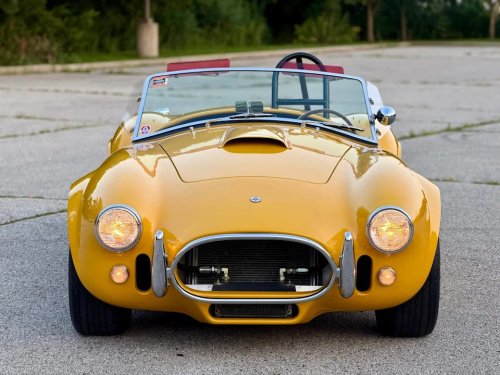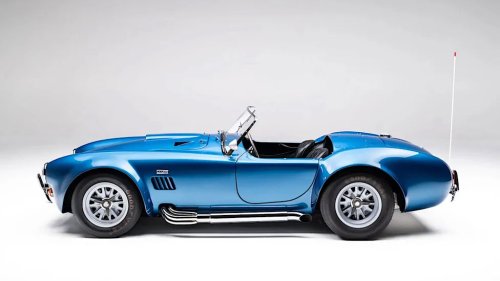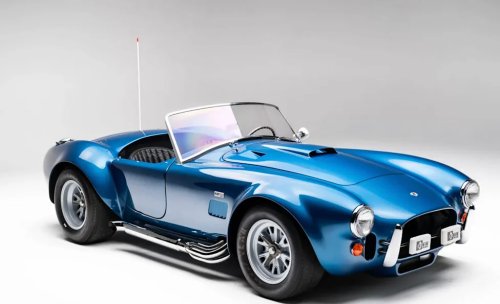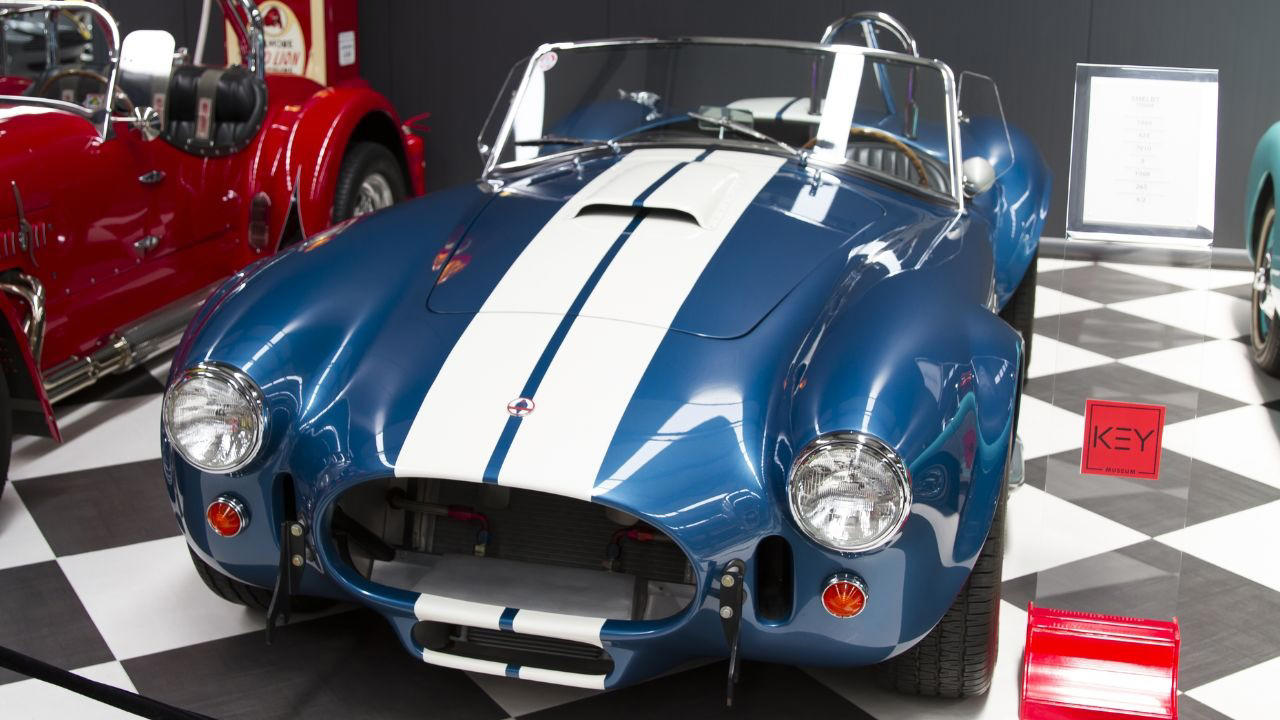



















Blending continents the 1965 Shelby Cobra 427 created something unforgettableThe 1965 Shelby Cobra 427 did more than go fast. By marrying a lithe British roadster body to a brutal American big block, it created a new kind of sports car that felt both raw and strangely refined. That blend of continents, and of engineering philosophies, produced a machine that still defines what enthusiasts imagine when they talk about pure performance. Nearly six decades later, the Cobra 427 remains a touchstone because it captured a moment when racing ambition, transatlantic cooperation, and fearless engineering aligned. The result was a car that looked compact and almost delicate, yet carried enough power and presence to intimidate modern supercars. From idea to icon: a transatlantic partnership The story starts with Carroll Shelby, an American racing driver and entrepreneur who wanted to create a new sports car that could challenge Europe on its own turf. According to enthusiasts who trace the model’s roots, Carroll Shelby first set out to shoehorn a Ford V8 into lightweight British bodies that AC in England was producing without engines. Shelby turned to AC Cars in England at a moment when the company was losing its engine supplier, Bristol Aeroplane. In period accounts, Shelby and AC solved each other’s problem: AC needed a new powerplant and Shelby had the idea to use Ford’s lightweight V8 engine. That first marriage of a British AC chassis and a Ford small block created the early Cobra, already a potent hybrid of British finesse and American muscle. The 1965 evolution that interests collectors today took this cross-continental formula to its extreme. The AC Cobra 427 was produced by The AC Cobra and British AC Cars from 1965 to 1967 and was designed by Carroll Shelby, an American racing driver and entrepreneur, as a bigger, wilder answer to growing competition. A later summary of the project describes how AC Cobra 427 kept the British AC Cars body but scaled up the hardware to handle a new Ford big block. Engineering a chassis that could survive a 427 Moving from small block to big block power required more than an engine swap. To cope with the massive 427 cubic inch V8, engineers enlarged the frame and suspension. One technical account notes that with an enlarged chassis to accommodate the massive 427 cubic-inch engine, the car boasted an astonishing power to weight ratio, a detail highlighted in a project car description that still mirrors the original concept. Development of the 427 chassis involved fresh thinking on both sides of the Atlantic. Nagstead designed a new tubular chassis, but AC Cars in England, the intended producer, decided to modify the design to use their existing construction methods. That tension between innovation and practicality is captured in a historical recounting that credits Nagstead and AC with refining the underpinnings into something that could actually be built. The result was the Mark III Cobra for 1965, a car with a 5 inch wider frame and larger diameter main tubes than its predecessors. A detailed buyer’s guide notes that Enter the Mark III Cobra for 1965 meant 425 horsepower and 480 lb-ft, plus a more robust chassis than the earlier leaf spring Cobras, a combination that turned the car into a genuine big block platform rather than a small sports car overwhelmed by its engine. That same guide describes how Enter the Mark buyers who wanted the full 427 experience. The 7.0 liter heart and its brutal numbers At the center of the 1965 Shelby Cobra 427 sat a Ford big block that even now reads like overkill. Factory descriptions and later tributes describe a 7.0 liter V8, and contemporary commentary states that the 427 featured a 7.0-liter V8 engine capable of producing 425 horsepower, which allowed the car to deliver remarkable performance on both the road and racetrack. One celebration of the model spells it out clearly, noting that the 427 featured a and that 425 figure became part of the legend. Other technical breakdowns present slightly different ratings depending on tune. One specification sheet lists Horsepower: 410 bhp, with 485 bhp in the Competition Model at 6,000 rpm, and 0 to 60 m (interpreted as 60 mph) in 4.2 seconds. That same source compares standard and race trim, emphasizing that the Horsepower figures and pushed the chassis to its limit. By 1965, the Shelby Cobra 427 was widely regarded as the pinnacle of the Cobra series, featuring that 7.0 liter V8 and delivering immense performance. One retrospective on the model notes that by 1965 the Shelby Cobra 427 produced around 425 horsepower and framed that output as a defining trait of the car. The same piece explains that Jan Shelby Cobra owners were effectively buying a race engine for the street. Acceleration that still stuns Numbers alone do not explain why the Cobra 427 feels so different, but they help. Performance testing and later analysis agree that the car could sprint to 60 m (interpreted as 60 mph) in a handful of seconds. One performance focused breakdown describes how the result was a car that could achieve 0 to 60 mph in under 4 seconds and reach a top speed of around 165 mph, summarizing this in a section labeled Performance: 0 to 60 m and 165 m. That description of Performance and 165 still aligns with what modern owners report. Another retrospective on the Shelby Cobra 427 states that The Shelby Cobra 427 could accelerate from 0 to 60 m (interpreted as 60 mph) or 0 to 97 km in just 4.2 seconds, an impressive figure for its time and even by modern standards. That same analysis underlines that The Shelby Cobra delivered supercar acceleration long before the term was common. Even enthusiasts who focus on replicas and continuation cars keep repeating similar figures. One description of a modern recreation notes that the 1965 Shelby Cobra 427 could reach 0 to 60 m in under four seconds, which matched or beat many contemporary race cars. That summary, which also references a top speed near the same 165 m mark, reinforces how deeply these acceleration numbers are woven into the car’s identity. British curves, American aggression Part of the Cobra’s enduring appeal comes from the way it looks as if the body and engine belong to different eras. The underlying structure remained a British AC chassis, with compact proportions and rounded fenders. A detailed model profile describes it as a hybrid of British chassis and American muscle, with a roll bar, shoulder harnesses and even references to an earlier 289 cu. in. engine that preceded the big block. That description of a British and American captures exactly why the car looks so compact yet so menacing. Visual changes for the 427 were not subtle. The radiator opening grew larger, and the fender flares were enlarged to fit new wheels and tires. A historical overview notes that the radiator opening is larger, as are the fender flares, which were enlarged to fit new wheels and tires, making the 427 instantly recognizable next to earlier Cobras. That same piece explains that Jul body changes were driven by the need to control more power and grip. Inside, the car stayed almost spartan. The focus was on low weight and direct feedback, not luxury. Modern owners who retrofit insulation and comfort upgrades still emphasize that the original 1965 Shelby Cobra 427 S/C was built as a competition focused machine first. One specialist in thermal coatings describes how the 1965 Shelby Cobra 427 S/C required careful management of heat and noise, which is why products that address those issues have become popular among restorers, as seen in a feature on LizardSkin insulation used on a period correct build. On track and in the culture The Cobra 427 did not just look ready for the track, it proved itself in competition. Commentators on its racing history point out that Its success on racetracks around the world, particularly in the FIA and SCCA events, cemented its legacy. One enthusiast summary explains that Its success in FIA and SCCA competition helped the Shelby Cobra come to symbolize the rebellious side of American performance cars, a sentiment captured in a tribute that highlights how Sep Its success shaped the car’s image. At its heart was a powerful Ford V8 engine, which transformed the lightweight roadster into a track dominating beast. That same reflection on the model notes that Ford power made the car far more than a pretty British sports car, and that Ford motivation was central to its identity. The Cobra’s influence extended beyond its own badge. The partnership between Carroll Shelby and Ford that produced the Cobra also fed into the Ford GT40 program, which took the fight directly to European endurance racing. Historical records for the Ford GT40 show how that car used Ford power and Shelby’s experience to challenge rivals at Le Mans, and the Ford GT40 story is often mentioned alongside the Cobra as part of the same push for American success in international motorsport. A car that still shocks modern drivers Modern recreations and carefully restored originals continue to remind drivers how extreme the 1965 formula really was. One description of a continuation car emphasizes that the 1965 Shelby Cobra 427 combined a lightweight British AC roadster with a huge engine, producing incredible power to weight ratio and jaw dropping speed. A feature on a showpiece example notes that the 1965 Shelby Cobra still feels shockingly fast and raw even among modern exotics. Another showcase of a pristine example describes how Built by Carroll Shelby, the Cobra fused a lightweight British AC chassis with a fire breathing American V8, producing a performance monster that shattered expectations and could reach 0 to 60 in under four seconds, a feat for its time. That same presentation underlines that Built by Carroll has become almost a brand in itself. Owners and fans gather in dedicated communities to trade stories and technical details. In one enthusiast group, a post about a 1965 Shelby Cobra 427 sparks debate over correct specifications, paint codes, and period hardware, illustrating how the car still inspires obsessive attention. That conversation, preserved in a Cobra focused group, shows how the model lives on as both a cultural symbol and a technical puzzle. Why the 427 still matters Looking back, the 1965 Shelby Cobra 427 stands out because it did not compromise. It took a delicate British AC shell and reengineered it around a Ford 427 side oiler big block, creating a machine that was barely tamed enough for the road. A historical overview of the model notes that much of the hardware on the earlier cars was turned up to 11 for the 427 side oiler big block Ford, and that spotting a 427 Cobra is easy compared to the earlier cars because everything about it looks more exaggerated. That assessment of how Much of the was upgraded explains why the car feels so intense. More from Fast Lane Only Unboxing the WWII Jeep in a Crate 15 rare Chevys collectors are quietly buying 10 underrated V8s still worth hunting down Police notice this before you even roll window down