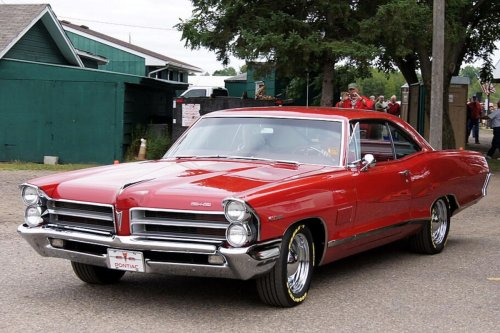
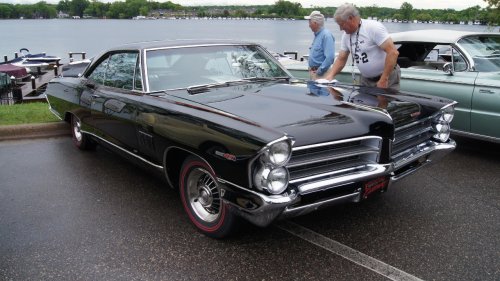
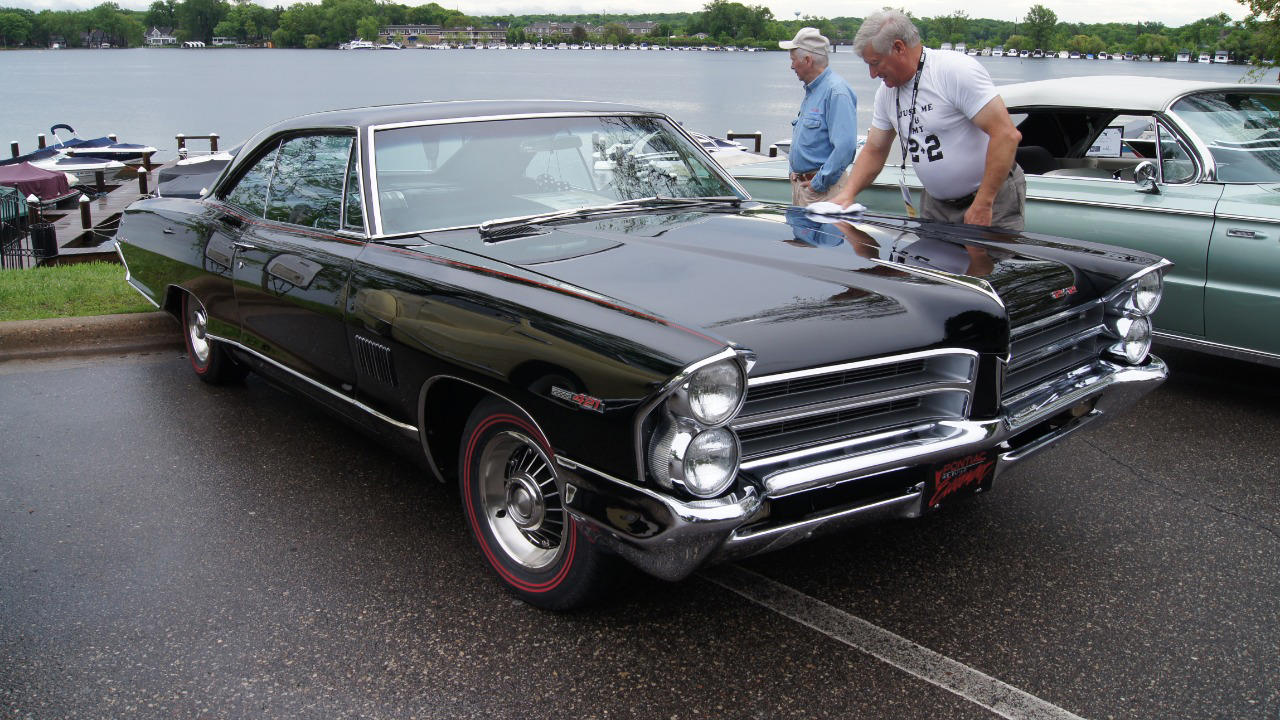
The 1965 Catalina was built for long roads and it still showsThe 1965 Pontiac Catalina arrived as a full-size machine built to cross states in one sweep, yet still respond when the road turned twisty. Six decades later, that mix of comfort, style, and muscle keeps it relevant in cruise-night parking lots and high-speed highway runs alike. Owners still treat it as a car that can be driven hard, not just trailered, because the Catalina was engineered from the start as a long-distance companion. The full-size that refused to be boring In the mid 1960s, Pontiac had a clear mission: big cars did not have to be dull. Enthusiasts who gather around Classic Old Car posts still describe the 1965 Pontiac Catalina as a full-size car that balanced style, performance, and design in the 1960s. That balance is what separates it from many contemporaries that prioritized size over character. The Catalina shared its basic bones with the Pontiac Bonneville and other General Motors B-body cars, yet Pontiac tuned the package for drivers who wanted more feedback from the road. Collectors now talk about the 1965 Pontiac lineup, especially the GTO and Catalina, as a marriage of luxury and muscle that felt refined enough for family duty yet exciting enough for weekend runs, a combination that keeps values and interest strong among fans of the golden age of American automobiles. Design that looks fast at a standstill Visually, the 1965 Catalina sits at the heart of Pontiac’s so-called Coke bottle era. The long, low body is pinched slightly at the waist, then flares over the rear wheels, a shape that enthusiasts often compare with the styling on the 1965 Bonneville. In one walkaround of a Bonneville from that year, a host jokes with a friend about whether the paint is turquoise or green, then uses that debate to highlight how the sculpted surfaces catch light from different angles, a point that applies directly to the Catalina’s similar profile and surfacing, as seen in Bonneville design discussions. Fans still argue about the vertical headlights that Pontiac adopted for 1965. Some traditionalists preferred the earlier horizontal layout, but many owners now see the upright lamps as a signature that gives the Catalina a more assertive face. In enthusiast groups, the 1965 Pontiac lineup, including the GTO and Catalina, is often singled out for this front-end treatment, which helps these cars stand out from other full-size American sedans of the period that relied on safer, more conservative styling cues. From the side, the Catalina’s long hood and short rear deck hint at performance without abandoning practicality. The wide track stance, a Pontiac calling card, gives the car a planted look that matches its highway composure. Chrome trim is present but not overwhelming, so the eye follows the body lines instead of getting lost in ornamentation. Inside, comfort built for distance Open the pillarless doors on a Pontiac Catalina Hardtop and the intent becomes clear. The cabin is laid out as a place to spend hours, not minutes. A restored 1965 Pontiac Catalina Hardtop highlighted by Unique Classic Cars is described as a shining example of mid 1960s American style, comfort, and performance, with a pillarless hardtop design that keeps the roofline clean and the interior airy, as shown in the Catalina Hardtop listing. Bench seats, often finished in patterned vinyl or cloth, provide generous legroom front and rear. The dashboard places large, clear gauges directly in front of the driver, with secondary controls arranged in a simple horizontal sweep. Air conditioning, power steering, and power brakes were common options, turning the Catalina into a relaxed cruiser for families and long-haul drivers. The absence of a B-pillar in hardtop models adds to the sense of openness, particularly at highway speeds with all four windows down. The driving position is upright but not truck-like, which reduces fatigue on long trips. Steering wheels are large by modern standards, yet power assistance keeps effort light in parking lots while still allowing a degree of feel on the open road. That balance between ease and feedback fits the car’s dual role as both daily driver and weekend escape vehicle. Engines that reward steady miles Under the hood, the 1965 Pontiac Catalina could be ordered with a range of V8 engines that delivered both reliability and excitement. Era-correct restorations often feature the 389 cubic inch V8, described in sales writeups as a period engine that suits the car’s character. One restored Pontiac Catalina Hardtop is specifically noted as being powered by an era correct 389 V8 with a four-barrel carburetor, underscoring how closely current enthusiasts try to match original specifications when they bring these cars back to life, as shown in the same Hardtop description. Higher up the range, the 421 cubic inch V8 turned the Catalina into something closer to a muscle car in full-size clothing. In a detailed review of a 1965 Pontiac Bonneville and Catalina equipped with a 421 V8, the host greets viewers with the line that it is time for a review on the wonderful 65 Pontiac and then proceeds to take the car out on the road, showing how the big engine provides strong, effortless acceleration while maintaining family-friendly manners, as seen in Adam and Rare coverage. That 421 option is also central to the Catalina’s reputation as the so-called gentleman’s muscle car. Commentators on Pontiac performance history explain that the brand did not know how to build boring cars and that its response to racing restrictions was to keep offering powerful street engines like the 421 in cars that still looked respectable in a driveway. In this reading, the Catalina 421 became a way for buyers to enjoy serious performance without the flash of a GTO badge. The 2+2: luxury coupe with a hidden punch While the standard Catalina already blended comfort and speed, the 2+2 package sharpened that mix. The 1965 Pontiac Catalina 2+2 Coupe is often described as a striking blend of full-size luxury and muscle car performance. Its long, sleek body, bold lines, and upgraded performance hardware turn the car into a sleeper that looks like a luxury coupe but behaves like a muscle machine when provoked, as highlighted in enthusiast writeups on the Catalina 2+2 Coupe. Video clips of a 1965 Pontiac Catalina 2+2 show the car running high 13 second quarter mile times while still presenting as a full-size luxury cruiser. In one such clip, shared in mid summer, the narrator calls it the classiest sleeper that Pontiac killed too soon, a full-size luxury cruiser that runs high 13s in the quarter mile while remaining composed and quiet on the street, as seen in 2+2 performance footage. Period and modern reviewers alike often point to the 2+2’s chassis tuning and engine options as key reasons it still feels usable today. One vintage review of a 1965 Pontiac Catalina 2+2 421 HO describes Balance as the key word and notes that Power is infinitely controllable despite the car’s size. That assessment captures why the 2+2 can be driven briskly on modern roads without feeling unwieldy, even as it carries four adults in comfort. Family car, highway car, muscle car The Catalina’s enduring appeal rests on its ability to play multiple roles. In long-form video reviews of a 1965 Pontiac Bonneville and Catalina with a 421 V8, the host from Adam and Rare Classic Cars presents the car as The Perfect Family choice for buyers who wanted space, comfort, and serious power in one package. The phrase The Perfect Family appears alongside Pontiac Bonneville and Catalina in supporting material from The Perfect Family entry, underscoring how modern content creators still frame the car as a family-friendly performance option. On the highway, that dual nature becomes obvious. The big V8 loafs at legal speeds, the long wheelbase smooths out expansion joints, and the cabin stays relaxed. Yet a firm press of the accelerator brings an immediate downshift and a surge of torque that belies the car’s size. This combination made the Catalina a natural fit for cross-country travel in the 1960s and keeps it viable for long-distance drives today when properly maintained. The 2+2 variant adds another layer by offering bucket seats, a sportier steering wheel, and often a floor-mounted shifter. That layout reinforces the idea that the Catalina could serve as both a practical family car during the week and a personal performance coupe on weekends, without forcing owners to choose between the two identities. Why the shape still turns heads Modern observers encountering a 1965 Pontiac Catalina in person often comment first on its stance. In enthusiast groups devoted to muscle cars, posts about the Catalina highlight the wide body, elegant curves, and signature Pontiac grille that create a look described as both classic and striking. One such description of a 1965 example notes that it radiates presence in a way that modern sedans rarely match, as seen in muscle car museum. The pillarless hardtop profile contributes significantly to that effect. With all windows lowered, the Catalina appears almost like a concept car, a continuous glass opening framed by a long, unbroken roofline. That design is not just visually appealing; it also enhances the open-air experience on long drives, reinforcing the car’s identity as a long-road specialist. Color choices from the period, often in rich metallics or deep solid hues, further emphasize the body’s curves. Debates over whether a particular car is turquoise or green, like those heard in Bonneville walkarounds, highlight how the paint interacts with the sculpted sides and fenders. On a Catalina, similar colors can make the car look different at dawn, midday, and dusk, an effect that owners appreciate during road trips that stretch across changing light. Resto-mods and survivors on today’s roads Many surviving Catalinas have been restored with an eye toward preserving their long-distance capability. Listings for cars like the Pontiac Catalina Hardtop with an era correct 389 V8 stress both originality and drivability, suggesting that owners want to keep the period character while ensuring the car can still tackle modern traffic. Some of these cars are found through links such as a Discovered trail to a Pontiac Catalina 2 door hardtop, where the Era correct powertrain is treated as a selling point for enthusiasts who plan to drive rather than simply display the car, as seen in the Discovered Catalina listing. Resto-mod examples go further, adding modern suspension components, disc brakes, and updated tires while keeping the car’s basic appearance intact. These builds take advantage of the Catalina’s generous engine bay and robust frame, making it easier to integrate upgrades that improve safety and performance on contemporary highways. At the same time, survivor cars with mostly original parts still appear in online groups and video reviews. These examples often show worn upholstery and faded paint, yet they start readily and drive with the same relaxed gait that defined them in the 1960s. Their continued presence on public roads reinforces the idea that the Catalina was built to last, not just to impress on showroom floors. More from Fast Lane Only Unboxing the WWII Jeep in a Crate 15 rare Chevys collectors are quietly buying 10 underrated V8s still worth hunting down Police notice this before you even roll window down