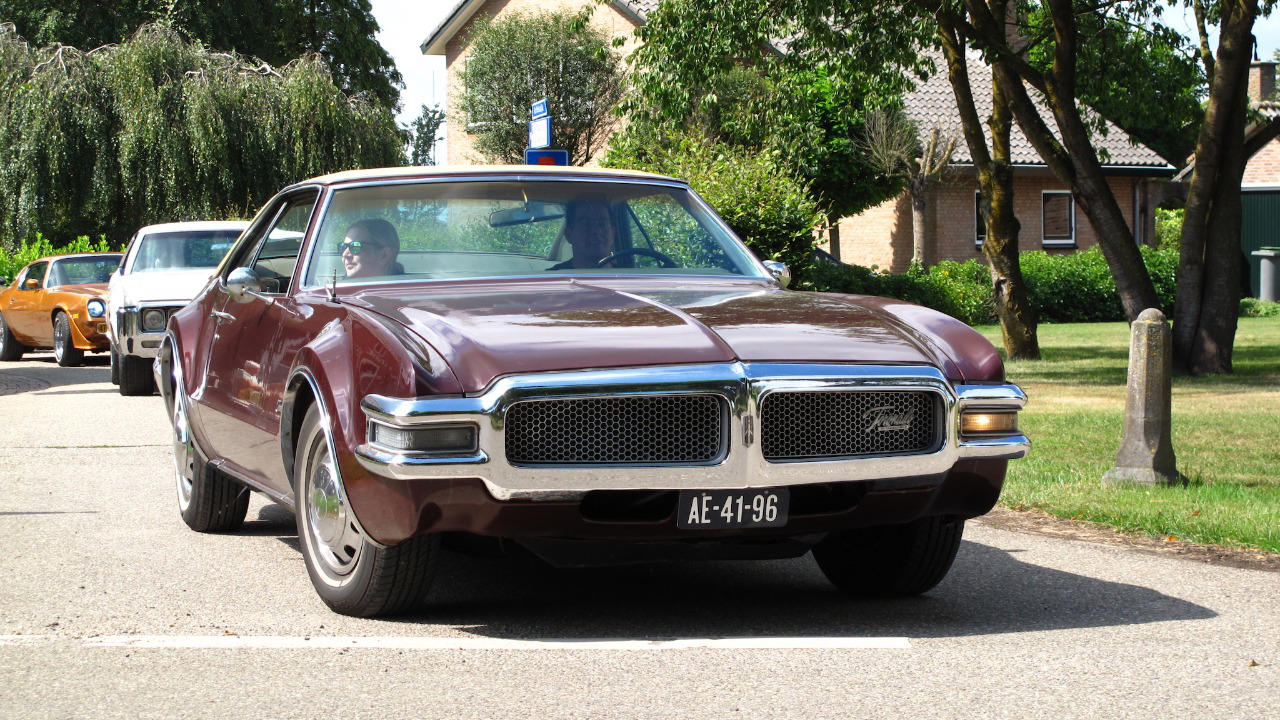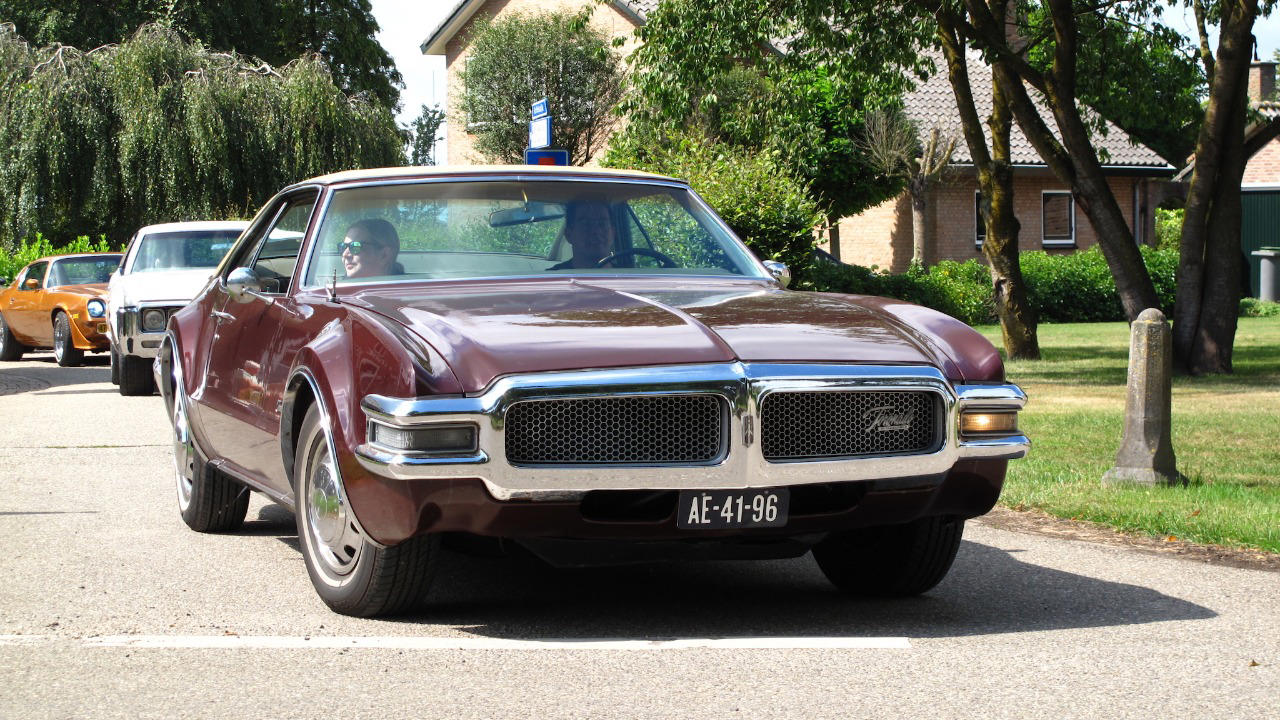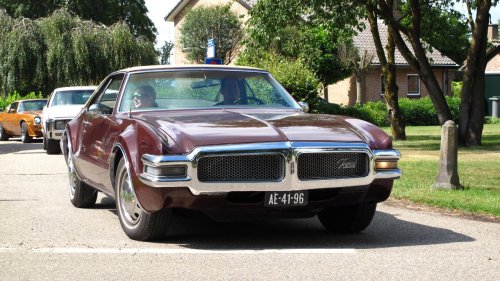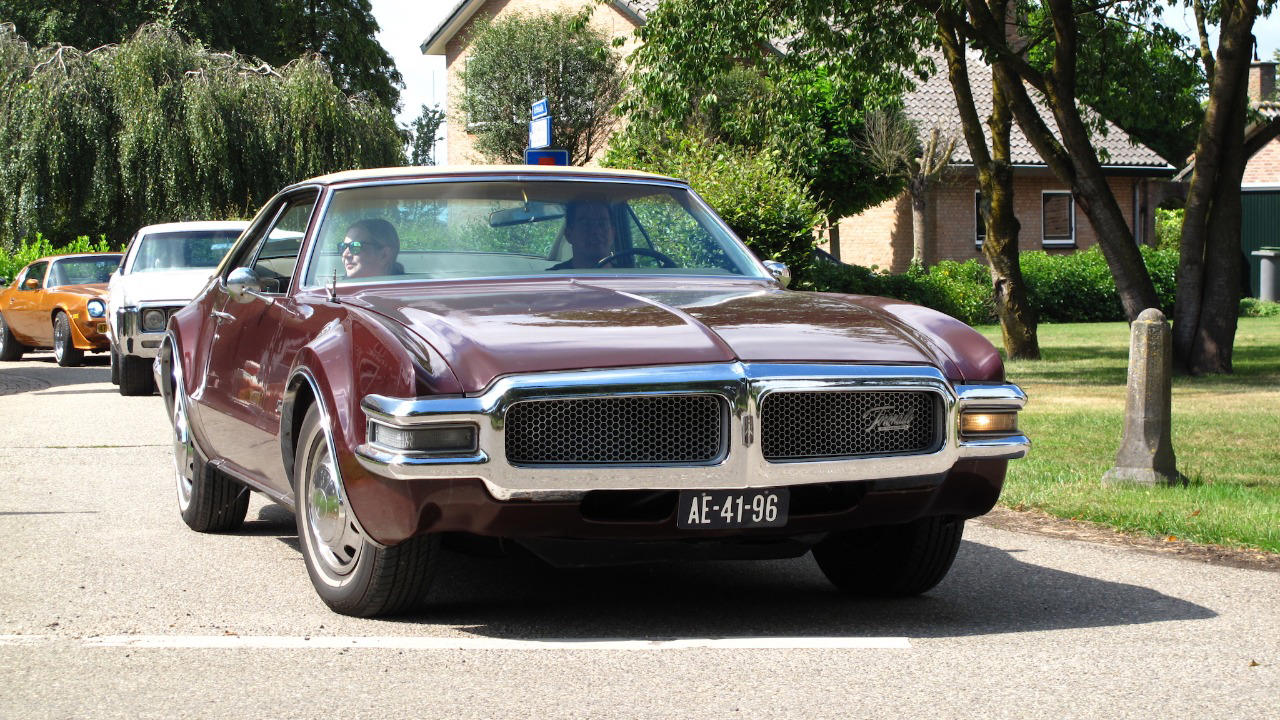



















This 1968 Toronado still feels like it came from the futureThe 1968 Oldsmobile Toronado arrived in showrooms at the height of the space age, yet a well-kept example still looks and feels startlingly modern. Its radical front-wheel-drive layout, clean fastback profile, and lounge-like cabin give it an almost concept-car aura that has not faded with time. Half a century on, the car still behaves like a rolling experiment in how far Detroit was willing to push technology and design. Seen up close, a 1968 Toronado does not read as a nostalgic antique so much as a confident prediction of how Americans once imagined the future would look. From its hidden engineering tricks to its spaceship dashboard, the car bridges the gap between classic muscle and contemporary grand touring coupe in a way that remains surprisingly relevant. The concept car that escaped the studio The Oldsmobile Toronado did not start as a cautious, committee-built product. It began life as a wild design study inside General Motors, a project that executives ultimately decided to put into production because they saw real potential in the idea of a large, front-drive personal luxury coupe. That decision turned the Oldsmobile Toronado into one of the most daring showroom cars of its era, a machine that looked more like a motor show fantasy than a family Oldsmobile. When Oldsmobile unveiled the Toronado in the mid 1960s, it stunned the industry with a shape that was low slung, long hooded, and almost brutally simple. Commentators at the time described how When Oldsmobile rolled it out, the car looked like a concept that had somehow slipped past the usual production compromises. The 1968 update kept that attitude intact while sharpening the edges and cleaning up the details. Why front-wheel drive mattered Underneath the dramatic bodywork sat the Toronado’s real revolution: a big-block V8 driving the front wheels. In an era dominated by rear-drive muscle cars, Oldsmobile engineered a compact drivetrain that tucked the transmission alongside the engine and sent power forward. This layout eliminated the traditional driveshaft hump, which meant a flat cabin floor and a very different sense of interior space. The Toronado was General Motors’ first subframe automobile, described in period material as partly unitized, with a subframe that carried the front drivetrain and ended ahead of the passenger compartment. That structure helped isolate vibration while still allowing the car to carry a huge engine. The front-wheel-drive system added weight, but by removing the rear differential and long prop shaft, engineers balanced some of that mass and preserved performance. Contemporary testing showed that the big Toronado could sprint from 0 to 60 in about 8 seconds, a figure that put it in the same conversation as many rear-drive performance coupes of its day. Later analysis of the car’s layout notes that even with its size, the car’s ability to reach that 60 mile per hour benchmark so quickly came directly from the way Oldsmobile packaged power and traction at the front axle. The big Rocket under the hood If the drivetrain architecture was unconventional, the engine itself was anything but timid. For 1968, the Toronado adopted a 455 cubic inch Rocket V8, displacing 7.5 liters and designed to deliver effortless torque. Period specifications list maximum power at 375 hp in standard trim, with a hotter version rated at 400 hp. Those figures gave the car the sort of straight-line thrust buyers expected from a serious American GT, even as the power went to the front instead of the rear. Technical breakdowns of the first-generation Toronado note that earlier versions used a 425 cubic inch unit, but from 1968 through 1970 the engine lineup centered on a 455 cubic inch OHV V8 with 7.5 liters of displacement. Factory power ratings for the earlier 425 were quoted at 385 hp, or 287 kW, and the move to the larger 455 kept the car competitive in the late muscle era. Enthusiast spec sheets that circulate today still highlight the 455, the 7.5 liter capacity, and those 375 and 400 horsepower outputs as key selling points of the 1968 model, often under headings like Specs and Info with the Rocket branding prominently featured. That same powertrain found its way into other Oldsmobile products, including an Oldsmobile 442 that shared the Toronado powertrain in a rare combination of muscle car body and front-wheel-drive hardware. References to the 442 pairing emphasize how unusual it was to see such a ferocious engine and drivetrain package outside the Toronado itself, reinforcing the idea that Oldsmobile treated this front-drive system as a halo technology. Design that still looks forward The Toronado’s styling is one of the main reasons a 1968 example still feels contemporary. The car wears a long, unbroken hood, a short deck, and a fastback roofline that flows cleanly into the rear quarters. The sides are remarkably uncluttered, with sharp character lines and minimal chrome compared with many of its peers. Commentators who revisit the car often describe how the Toronado combined bold styling with real innovation, citing its flat floor and futuristic proportions as reflections of a space age mindset inside Oldsmobile. Design-focused writeups point out that the Toronado’s exterior created an indelible mark on automotive engineering, not just because of its drivetrain but because of how the body telegraphed power without resorting to fins or excess ornamentation. Contemporary guides to the 1968 Oldsmobile Toronado Catalog and Classic Car Guide describe the car’s profile as a study in restraint, with subtle surfacing that has aged far better than many late 1960s competitors. Modern restorers and customizers have even experimented with turning early Toronados into pickups, using the original front clip and cabin with a fabricated truck bed. One widely shared example based on a 1967 Oldsmobile Toronado shows how the core design adapts to a completely different body format without losing its identity, a testament to the strength of the original proportions. A cabin that feels like a 60s spaceship Open the door of a 1968 Toronado and the impression of stepping into the future only intensifies. Contemporary descriptions of the interior talk about how, once inside, the driver is not in a car so much as in a 60s spaceship. The dashboard sweeps in a broad horizontal arc, with deep-set gauges and dramatic lines that wrap around the occupants. One enthusiast account describes “Step inside” as the moment the Toronado reveals its character, with sweeping forms and a layout that clearly aimed to make a statement. The flat floor, enabled by the front-wheel-drive layout, changes the way the cabin feels. Without a central tunnel, the front bench becomes a true lounge seat, and rear passengers enjoy more legroom and foot space than the car’s roofline might suggest. The effect is closer to a contemporary luxury coupe than a typical 1960s muscle car, which often sacrificed comfort for style. Later commentary on the 1968 refresh notes that the interior received its own Renovations Imminent, with updated materials and details. Sources referencing Wikipedia mention that Ford is named in some discussions of those changes, but the focus remains on how Oldsmobile Toronado designers refined textures and finishes, including details like a black wrinkle finish on certain trim pieces. The result is a cabin that still feels intentional rather than ornamental. Engineering details that still impress Beyond the headline features, the Toronado hides a number of thoughtful engineering decisions that help it feel modern. Being GM’s first subframe automobile meant that the car combined a partial unit body with a separate front structure that carried the heavy drivetrain. This arrangement improved crash performance and ride quality while still allowing Oldsmobile to package that huge Rocket V8 ahead of the firewall. Guides to the 1968 Oldsmobile Toronado Catalog describe detailed engine specifications under headings like MMP Rating and Engine Options, often referencing Rocke as shorthand for the Rocket V8 family. These documents underline how carefully Oldsmobile tuned the suspension, steering, and brakes to cope with the weight and power on the front axle. Period road tests praised the car’s straight-line stability and high-speed composure, qualities that align more closely with modern grand tourers than with many of its 1960s peers. Video walkarounds of surviving cars, including one example that eventually ended up in New Jersey after a convoluted purchase, show how well the structure holds up when properly maintained. The doors still close with a solid thunk, the subframe mounts resist flex, and the unique front suspension geometry continues to deliver a planted feel on the road. The Toronado’s place in GM history Within General Motors, the Toronado quickly took on symbolic importance. A widely shared historical note points out that on a March day in 1968, General Motors produced its 100 millionth automobile, and that milestone car was an Oldsmobile Toronado. The same source refers to the 1966 Oldsmobile Toronado as a groundbreaking masterpiece, described as bold and futuristic, and as a muscle luxury revolution on wheels. That choice of a Toronado for the 100 m build, framed as coming 57 years after the company’s earliest production, shows how GM itself viewed the car as a technological and design flagship. Commentary on the model’s origins often highlights how the Toronado began life on the drawing board as a radical proposal inside Oldsmobile, one that General Motors leadership chose to champion rather than tone down. By the time the 1968 update arrived, the car had already influenced other front-drive projects and helped normalize the idea that large, powerful American cars did not have to follow the traditional rear-drive template. Later retrospectives on why the Oldsmobile Toronado eventually disappeared from the market point to changing fuel prices, shifting consumer tastes, and the rise of smaller front-drive platforms. Yet they also emphasize that the original front-wheel-drive Toronado remained one of the few cars of its era that could outrun many muscle cars while sending power to the front. Accounts that discuss the Toronado in this context often mention Oldsmobile Toronado by name and highlight how, when it arrived, it flipped expectations about what front-drive cars could do. Living with a 1968 Toronado today For modern enthusiasts, a 1968 Toronado offers a very different ownership experience from a typical late 1960s coupe. The car’s front-wheel-drive system, unique subframe, and specific Rocket V8 configuration mean parts sourcing and mechanical work require more specialized knowledge than a standard rear-drive Oldsmobile. At the same time, the flat floor, generous cabin, and refined ride make the car surprisingly usable for long drives and events. Classic car guides encourage prospective buyers to pay close attention to body integrity, especially around the subframe mounts and lower body panels, and to ensure that any traces of rust are removed before they compromise the structure. Articles that profile restoration projects stress that the Toronado rewards careful work, since its clean lines and large panels make imperfections obvious. Once sorted, however, the car’s combination of power, comfort, and visual drama stands out even in crowded show fields. More from Fast Lane Only Unboxing the WWII Jeep in a Crate 15 rare Chevys collectors are quietly buying 10 underrated V8s still worth hunting down Police notice this before you even roll window down