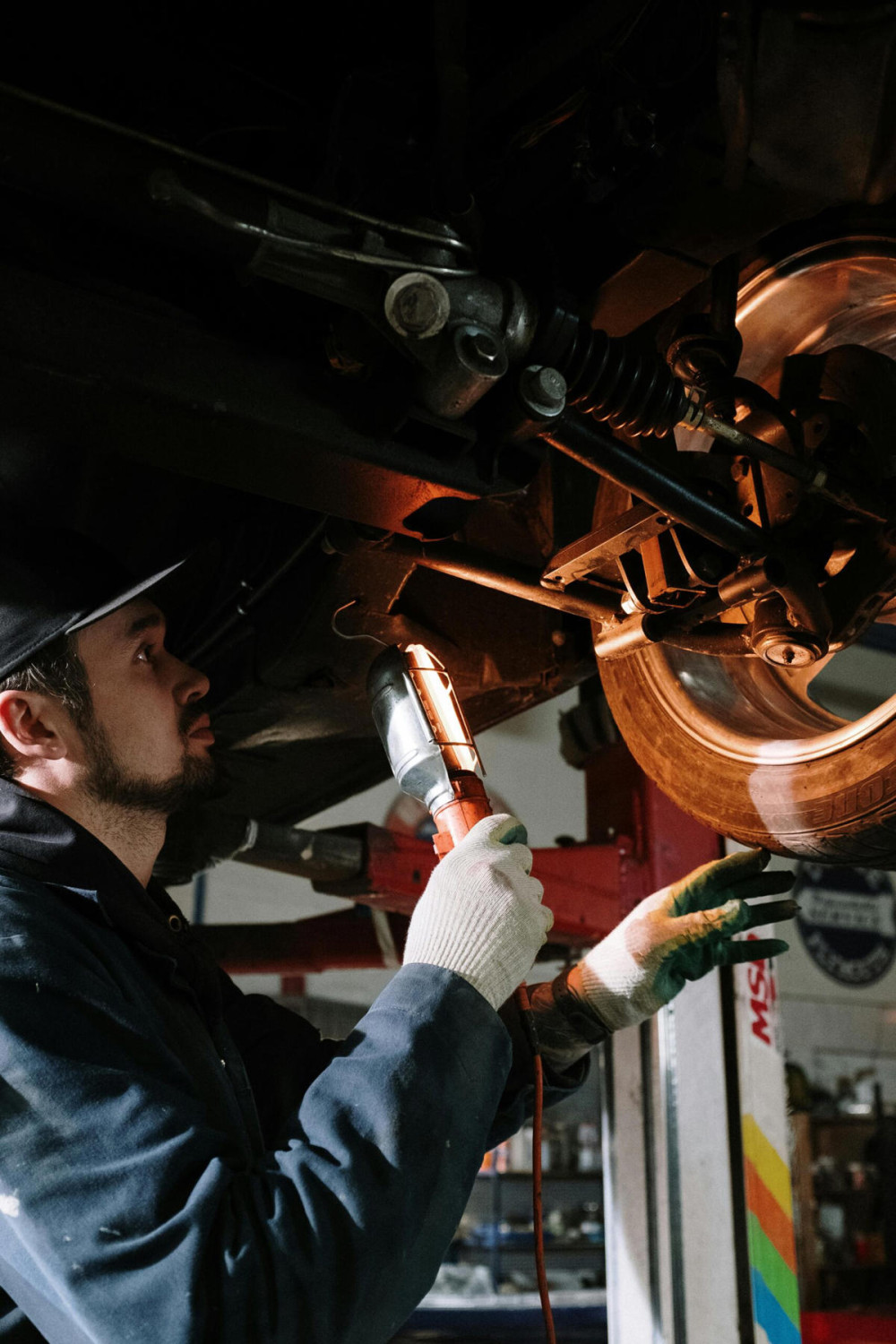
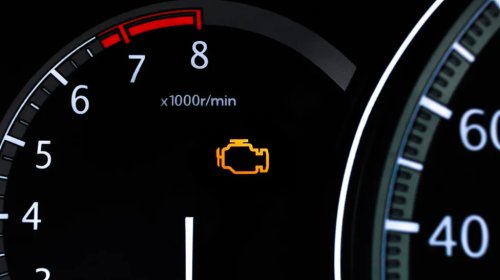
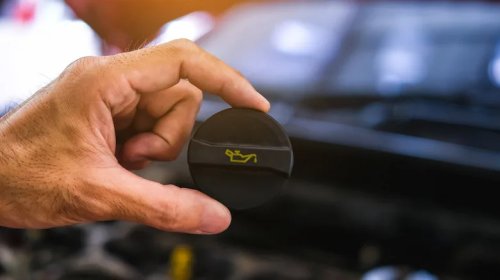
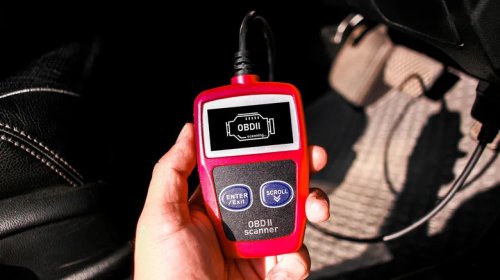
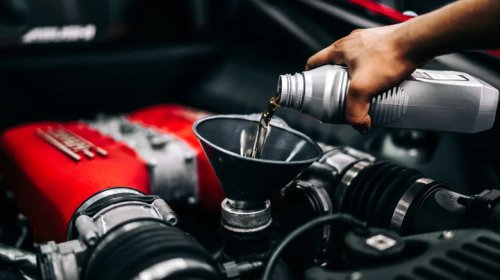
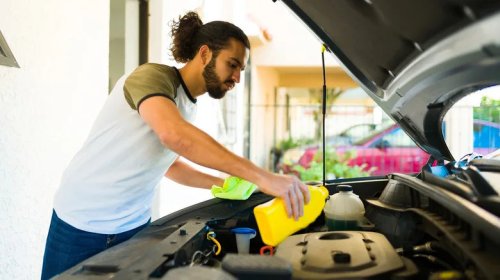
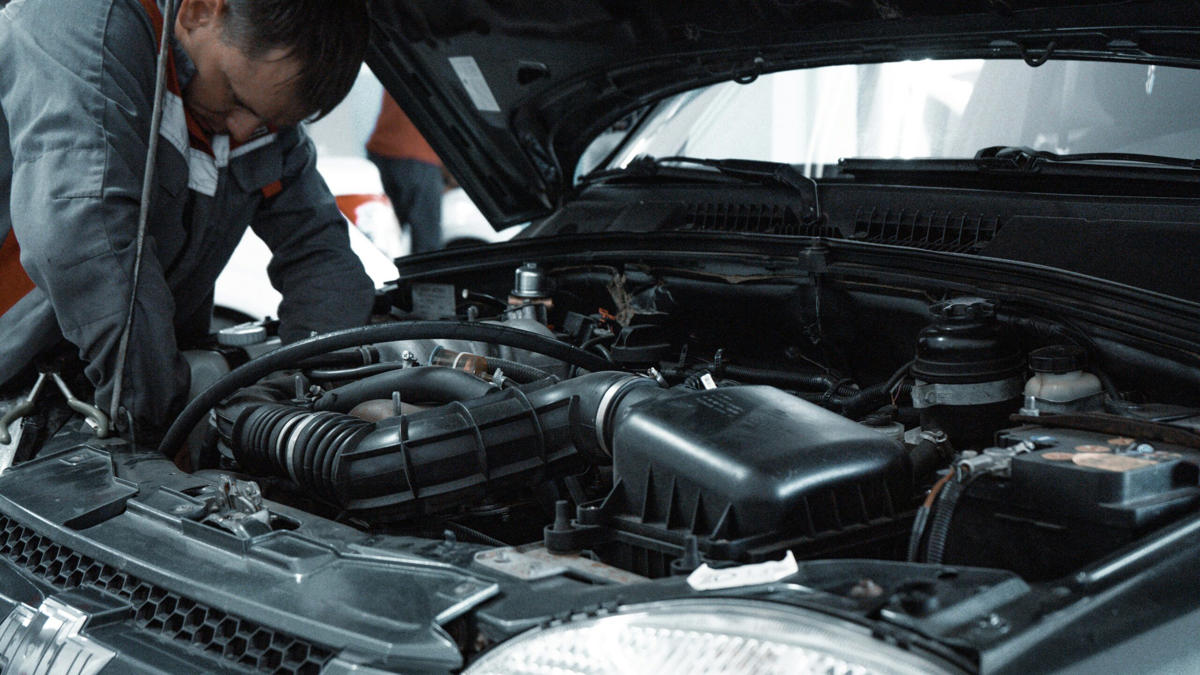
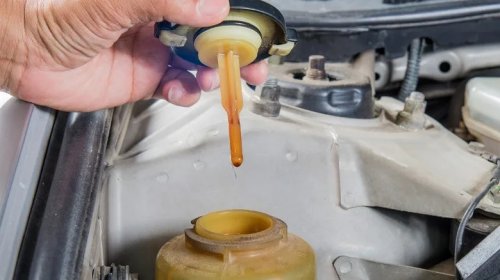
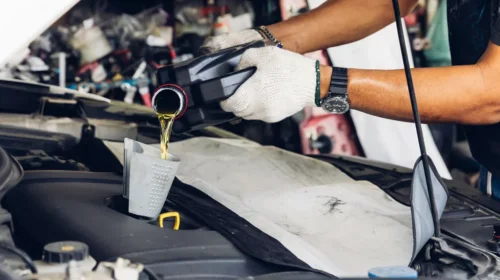
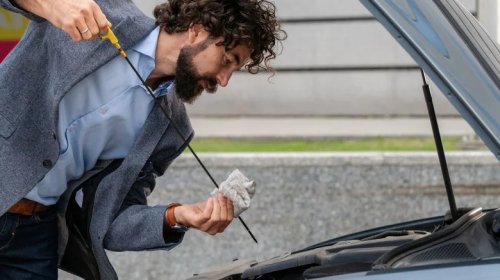
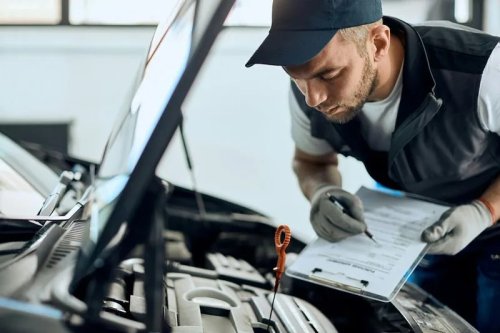
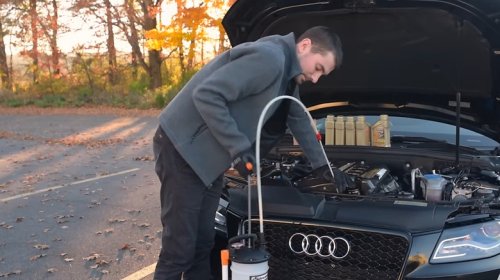
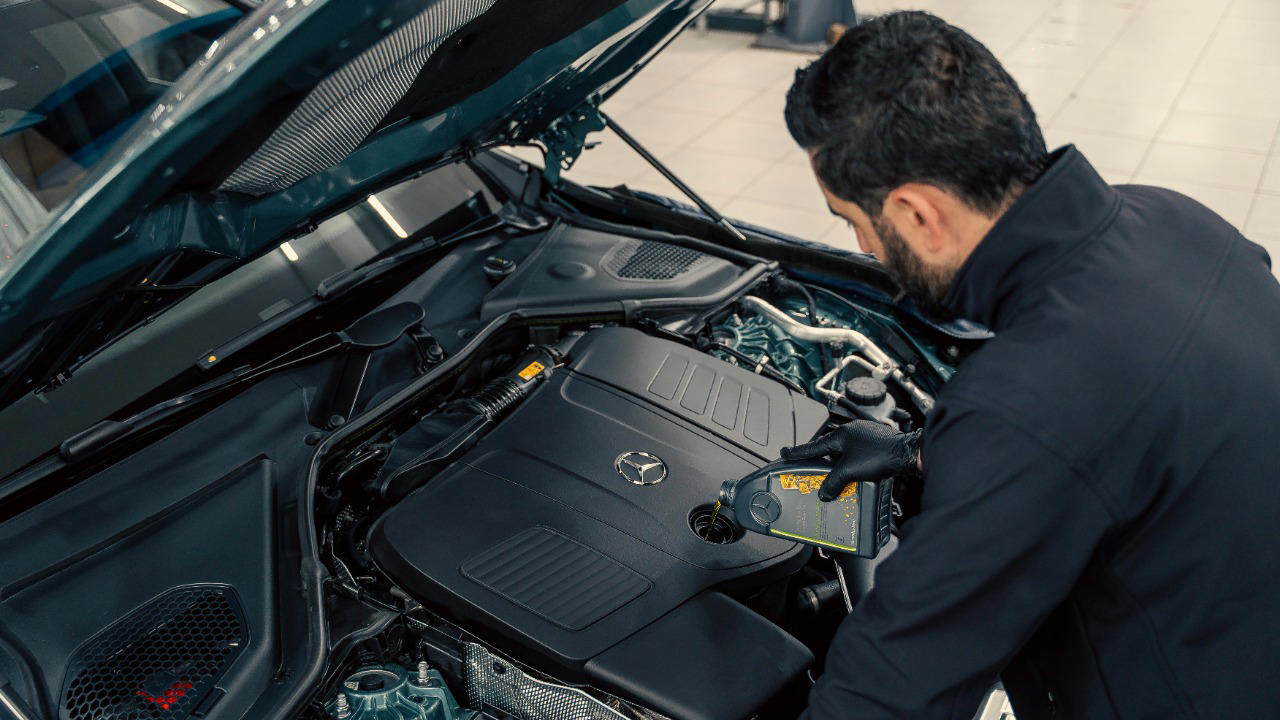
It’s a classic post-oil-change moment: you pull out of the shop feeling responsible and adult, and then—two stoplights later—your car smells like someone’s grilling plastic under the hood. You call the shop, and they hit you with the automotive version of “walk it off”: it’ll go away. Sometimes they’re right. Sometimes… you’re smelling a real problem before it gets louder (or smokier). Burning smells after an oil change are common enough that mechanics hear about them all the time. But “common” doesn’t automatically mean “harmless,” and the difference usually comes down to what’s actually burning, how strong it is, and how long it sticks around. Why your car might smell like burning right after an oil change The most frequent culprit is simple: a little oil got spilled onto hot engine parts during the service. Think valve cover, exhaust manifold heat shields, or other metal surfaces that get very hot very fast. That oil cooks off and makes a sharp, oily, sometimes slightly sweet “hot engine” smell. If that’s all it is, the shop isn’t totally wrong—it often does fade after a few drives. But it shouldn’t be intense for long, and it shouldn’t come with smoke pouring out from under the hood like your car’s auditioning for a drama series. The “it’ll burn off” scenario (when it’s actually normal) A small spill on the engine can smell pretty strong for the first 10–30 minutes of driving, especially if you’re in stop-and-go traffic and the engine bay is heat-soaking. In many cases, it’s gone within a day or two of normal driving. You might even notice a faint wisp of smoke from the engine bay the first time the spilled oil hits a hot surface—briefly. Another harmless-but-annoying situation: the tech used a cleaner or degreaser and it’s evaporating off hot parts. That can smell “chemical” or “hot” in a way that’s hard to describe, but it usually clears quickly. When “it’ll go away” is code for “we’re guessing” If the smell is still strong after a couple of short trips, or it’s getting worse instead of better, you’re not being dramatic—you’re being smart. Persistent burning smells can point to oil actively leaking onto hot components, a loose oil filter, an improperly installed drain plug, or even oil overfilled enough to create other issues. Also pay attention to where the smell shows up. If you only smell it outside the car when you walk past the hood, that’s different than smelling it through the vents inside the cabin. Inside-the-cabin smells can suggest oil burning on the exhaust system, a fluid leak near the firewall, or something that’s being drawn into the HVAC intake. Fast checks you can do in your driveway (no mechanic degree required) First, pop the hood after driving and take a careful look (and cautious sniff). You’re looking for visible smoke, fresh wet oil, or an oily sheen around the oil cap, valve cover area, and the oil filter housing. Don’t touch anything hot—use your eyes and a flashlight, not your fingers. Second, check the oil level with the dipstick on level ground, ideally after the engine’s been off for a few minutes. If it’s way above the “full” mark, that’s a red flag. Overfilling can cause foaming, crankcase pressure issues, and leaks—none of which smell like success. Third, look under the car after it’s been parked for a bit. A few drips of fresh oil (amber/brown) or a spreading puddle isn’t “burn-off,” it’s a leak. Even if you don’t see a puddle, wetness on the splash shield can still drip onto hot exhaust parts and stink for days. The biggest suspects after an oil change Oil spilled on the exhaust or heat shields is the usual offender. It smells strongly, but it should diminish fairly quickly. If the shop topped off oil and missed a spill, it can land right where it’ll bake and stink. A loose or double-gasketed oil filter is more serious. If the old filter gasket stuck to the engine and the new filter was installed on top of it, oil can leak under pressure. This can turn into a big leak fast and may trigger low oil pressure—something you don’t want to “wait out.” A drain plug or crush washer issue is another classic. If the plug is under-torqued, cross-threaded, or the washer wasn’t replaced when needed, oil can seep or drip. That drip can land on exhaust components and create an on-and-off burning smell that never really disappears. Oil on the oil cap or filler neck can also smell. If the cap wasn’t tightened fully or oil sloshed during filling, it can spread and burn off slowly. It’s minor, but it’s worth cleaning up so you can tell if new oil is appearing later. Smoke, warning lights, and other “don’t ignore this” signs If you see sustained smoke from the engine bay, stop and investigate safely. A little wisp right after service can be normal; a steady stream is not. And if you smell burning plus see smoke from underneath the car, that can mean oil is hitting the exhaust—hot enough to be a fire risk in extreme cases. If your oil pressure light comes on, or your “check engine” light starts flashing, don’t keep driving. Low oil pressure can damage an engine quickly, and a flashing check engine light can indicate a misfire that can overheat the catalytic converter (which also smells awful and can get dangerously hot). Also trust your senses: if the smell makes your eyes water, smells like burning rubber or electrical insulation, or comes with odd noises, treat it as urgent. Electrical burning smells are their own category, and they’re never something to casually “wait out.” What to ask the shop (so you get answers, not vibes) When you call or go back, keep it simple and specific. Ask: “Did any oil spill during filling, and did you clean it off the exhaust and heat shields?” That question is friendly, but it forces a real check instead of a generic reassurance. Then ask them to confirm two things: the oil level is correct and there are no leaks at the filter and drain plug. If they’re confident it’s just burn-off, it shouldn’t be a big deal for them to pop the car up, take a look, and wipe down any residue. If you want to be extra practical, ask them to document what they checked. A quick note on the invoice like “verified no leaks, cleaned oil residue” can help if the smell returns and you need follow-up. How long should you wait before going back? If it’s mild and clearly fading, giving it one or two normal drives is reasonable. The key word is “fading.” If it’s just as strong after 30–50 miles, or you’re getting smoke, drips, or any warning lights, skip the waiting game and go back immediately. And if your gut says something’s off, you’re allowed to listen to it. Cars don’t usually produce new burning smells for fun. They do it because something is hot that shouldn’t be, or something is on something hot that shouldn’t be there. A quick reality check: most of the time, it’s fixable The good news is that many post-oil-change burning smells are genuinely minor—spill, residue, a little mess that needs cleaning. The even better news is that the truly serious causes often leave clues you can spot early: oil level off, fresh leaks, smoke that doesn’t stop, or warning lights. If the shop is reputable, they’ll want to know and they’ll make it right. And if they brush you off repeatedly while your car continues to smell like a campfire made of motor oil, it’s perfectly reasonable to get a second opinion—preferably before the smell “goes away” by turning into a bigger problem. More from Fast Lane Only Unboxing the WWII Jeep in a Crate 15 rare Chevys collectors are quietly buying 10 underrated V8s still worth hunting down Police notice this before you even roll window down The post My car smells like burning after an oil change and the shop says it will go away appeared first on FAST LANE ONLY.



















 +10 others