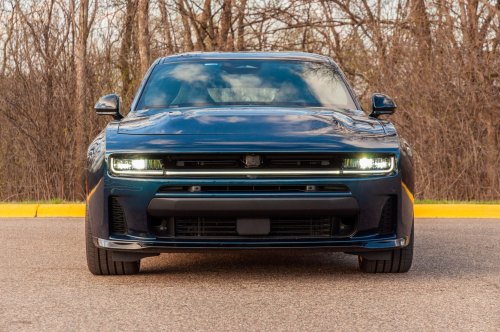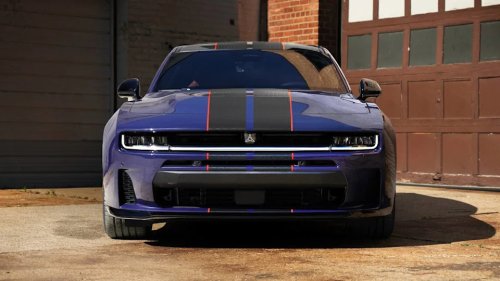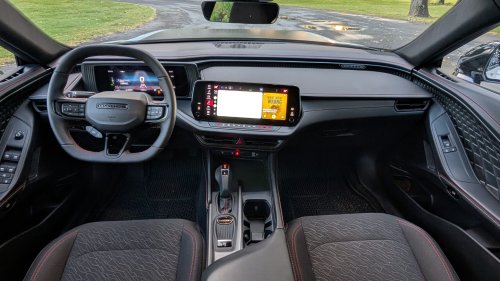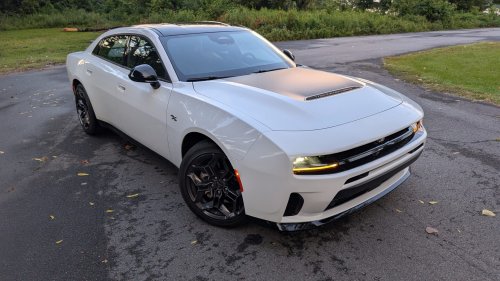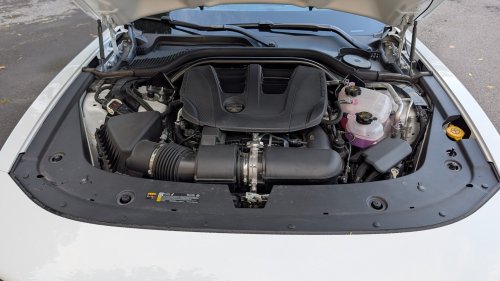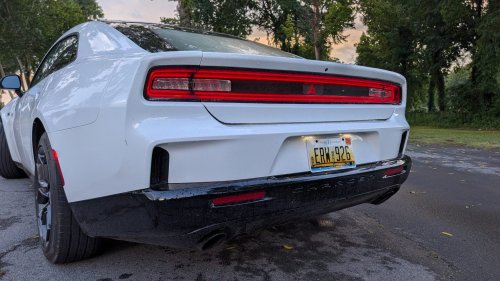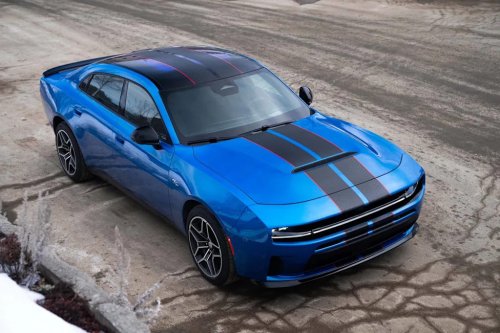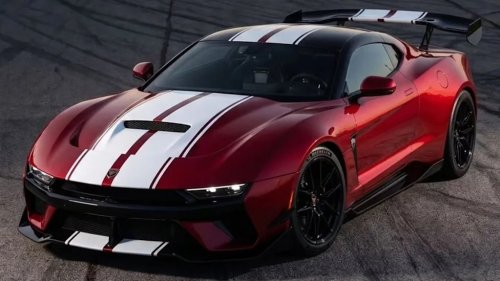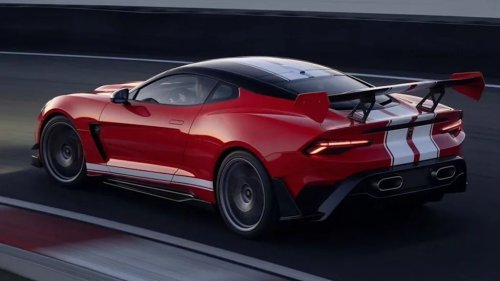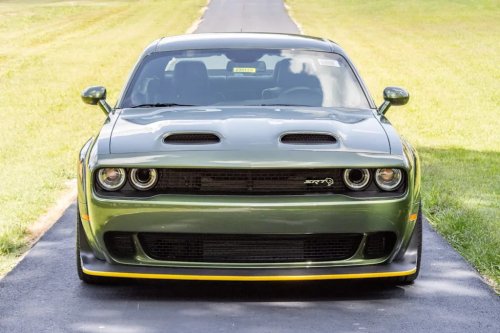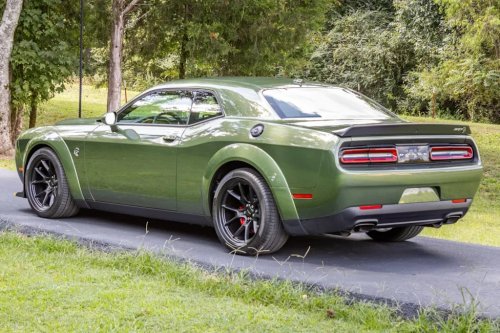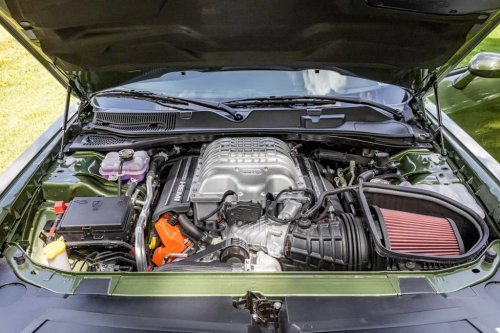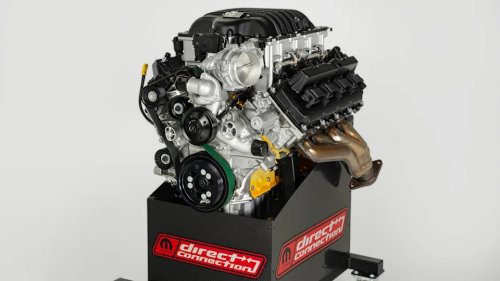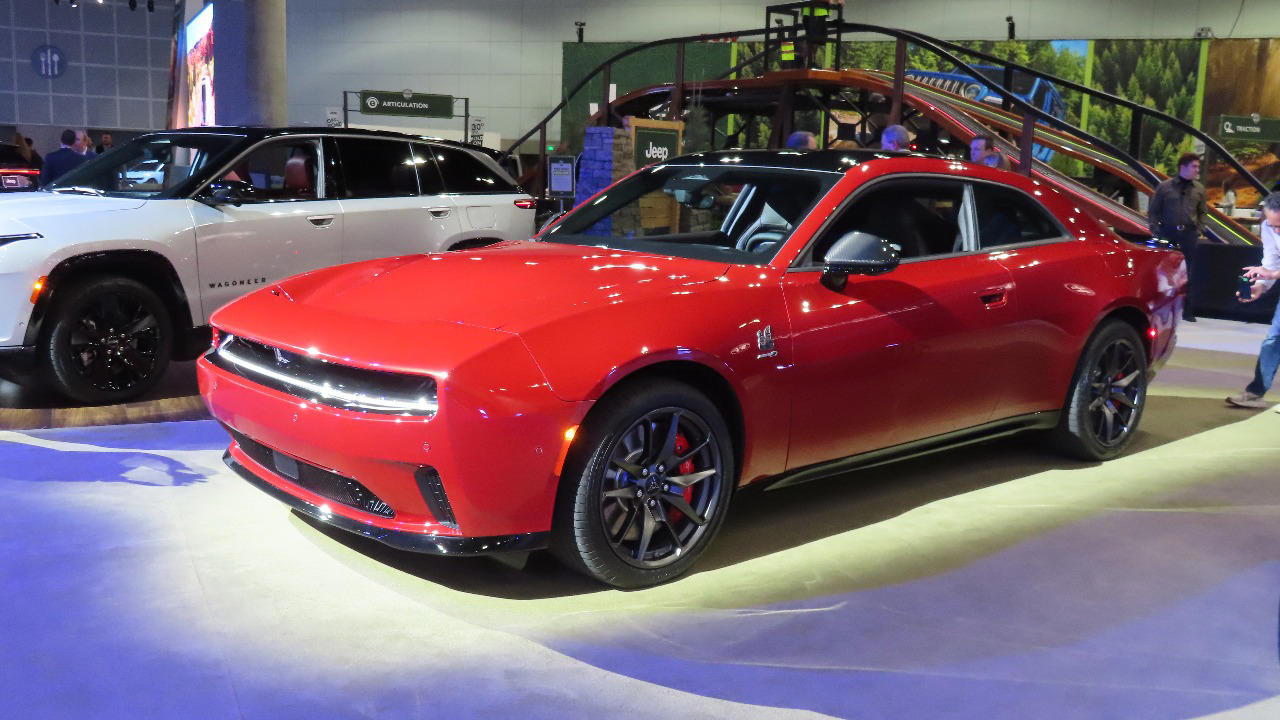



















SRT says it will push Dodge’s twin-turbo Hurricane inline-6 furtherDodge’s performance arm is preparing to take the twin-turbo Hurricane inline-six far beyond its already impressive factory tune. As the brand reorients muscle car identity around boosted sixes rather than large-displacement V8s, SRT is openly talking about pushing the architecture to its limits and building a new generation of high-output variants. The shift positions the Hurricane as the centerpiece of Dodge’s performance future, with SRT engineers treating the engine less as a compromise and more as a flexible foundation for serious power, both in production cars and crate form. From Hemi icon to the Hurricane era Stellantis has resumed production of the 5.7-liter Hemi V8, yet internal comments suggest the future of performance will not be confined to eight cylinders. In coverage of possible upgrades, one executive is quoted saying that a “V8’s not a bad word,” while hinting that the real story may be the investment in the twin-turbo inline-six that enthusiasts already associate with the emerging Hurricane Hellcat nickname. Coverage of potential SRT projects notes that the performance focus “might not necessarily be limited to the returning V8 motors,” and instead could extend directly to the twin-turbo Hurricane, a point highlighted in a detailed discussion of the future. What the current Hurricane already delivers The production-spec inline-six is hardly a blank slate. Factory figures for the Charger’s SIXPACK High Output configuration list 550 horsepower, 30 peak boost psi, 531 torque lb-ft, and a 54 millimeter COMPRESSOR, numbers that place the engine squarely in modern muscle territory even before SRT begins to rework it, as set out on Dodge’s own SIXPACK performance page. A separate specification breakdown for the 3.0L family describes Hurricane Engine Specs that include Specific Features such as Horsepower of 420 hp in standard form, Torque figures of 468 to 469 lb-ft, and a Max Engine Speed of 5,800 rpm, data that frames the engine as both flexible and already highly stressed in stock tune, according to the detailed Hurricane Engine Specs sheet. On the street, early reactions to the Charger’s inline-six have been enthusiastic. A walkaround from Pontiac, Michigan, at the M1 Concourse highlights the 2026 Dodge Charger with its internal combustion setup and repeats the headline figure of 550 hp for the Hurricane inline-6, as seen in a short Dodge Charger preview. Another video review of the new twin-turbo engine, nicknamed SIXPACK, notes that in the first three months of availability the related model moved over 9,000 units, a number used to illustrate how quickly buyers have embraced the new powertrain while the host compares the car’s transformation to Chris Pratt bulking up into a superhero, a colorful analogy captured in a detailed SIXPACK engine overview. Why SRT sees headroom in the inline-six Technical deep dives into the Hurricane Twin Turbo design emphasize that a V-8-Less Future Still Looks Promising for Jeep and related brands, with engineers pointing to the inherent balance of a straight-six and the efficiency of twin small turbos. Analysts who have driven early applications describe the key takeaway as the sense that the engine feels ready for more boost and more aggressive tuning, a theme developed in a comprehensive Hurricane Twin Turbo. The aftermarket-focused HurriCrate Cat3 Twin Turbo crate engine reinforces that impression. Mopar’s description of the HurriCrate series mentions state-of-the-art engineering and two low-inertia, high-flow turbochargers, a configuration that is inherently friendly to higher boost pressures and track-focused calibrations, as outlined in the official HurriCrate product listing. Recognition from independent evaluators has already arrived. The Hurricane Straight Six Turbo in Ram applications has been named to a respected 10 Best Engines and Propulsion Systems list for multiple years, with the 3.0-liter Hurricane High Output Straight-Six Turbo Engine in the 2025 Ram 1500 receiving specific praise for its blend of power and refinement, as described in a Hurricane Straight Six. That external validation gives SRT a strong foundation for pushing the engine further, because it suggests that the core architecture can handle sustained high output without sacrificing drivability in daily use. How far can SRT go Hints from inside Stellantis suggest that SRT is evaluating higher-output Hurricane variants for multiple models, not just the Charger. Reporting that cites Matt Posky notes that Stellantis is considering hi-po SRT Hurricane motors that could appear in several vehicles, with the suggestion that the performance push is “not just for the Charger,” a line that appears in a detailed summary of Stellantis. Video coverage of the 2026 Dodge Charger Scat Pack describes the car as a bold new direction for American muscle, with the Dodge Charger Scat Pack SIXPACK High Output producing an impressive 550 hp in two-door form, a configuration that already blurs the line between traditional pony car and modern grand tourer, as seen in a detailed Charger Scat Pack. Enthusiasts watching these developments have rallied around the idea of a Hurricane Hellcat, a shorthand for a future SRT-tuned inline-six that would match or exceed the old supercharged V8 benchmarks. Social channels tied to that conversation, including pages that share content from Hurricane Hellcat coverage, reflect how quickly the nickname has spread among fans, as seen on a Hurricane Hellcat discussion. More from Fast Lane Only Unboxing the WWII Jeep in a Crate 15 rare Chevys collectors are quietly buying 10 underrated V8s still worth hunting down Police notice this before you even roll window down