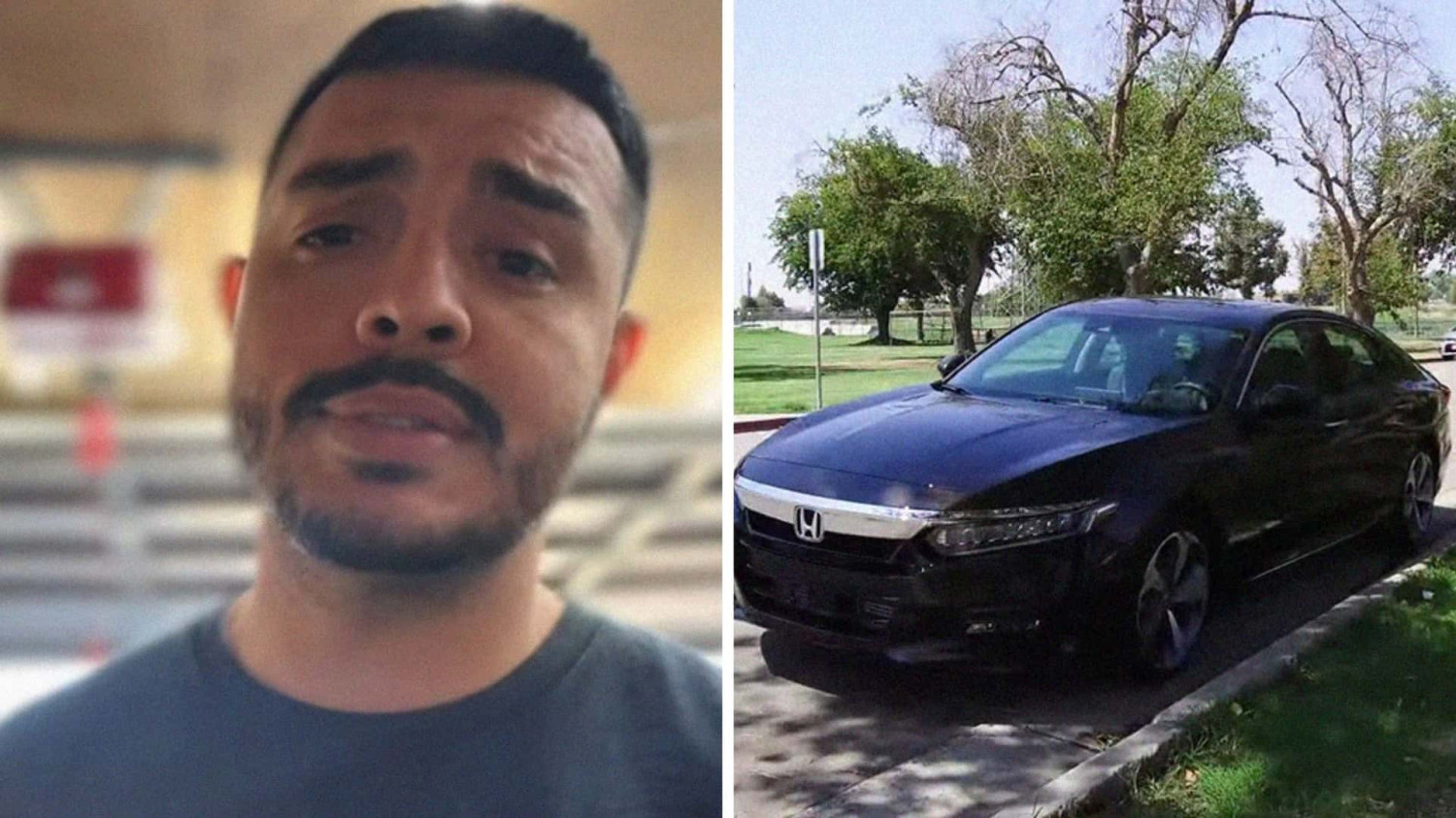
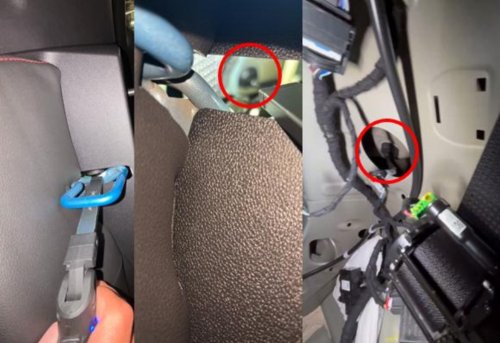
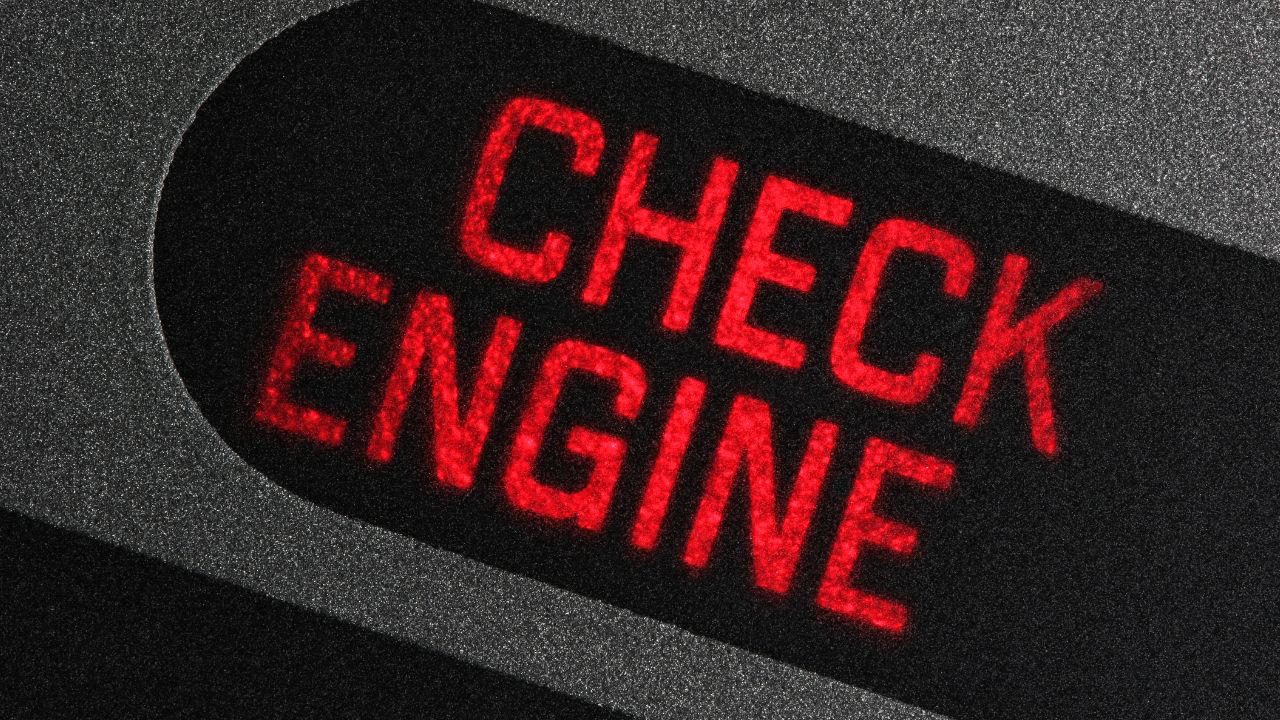
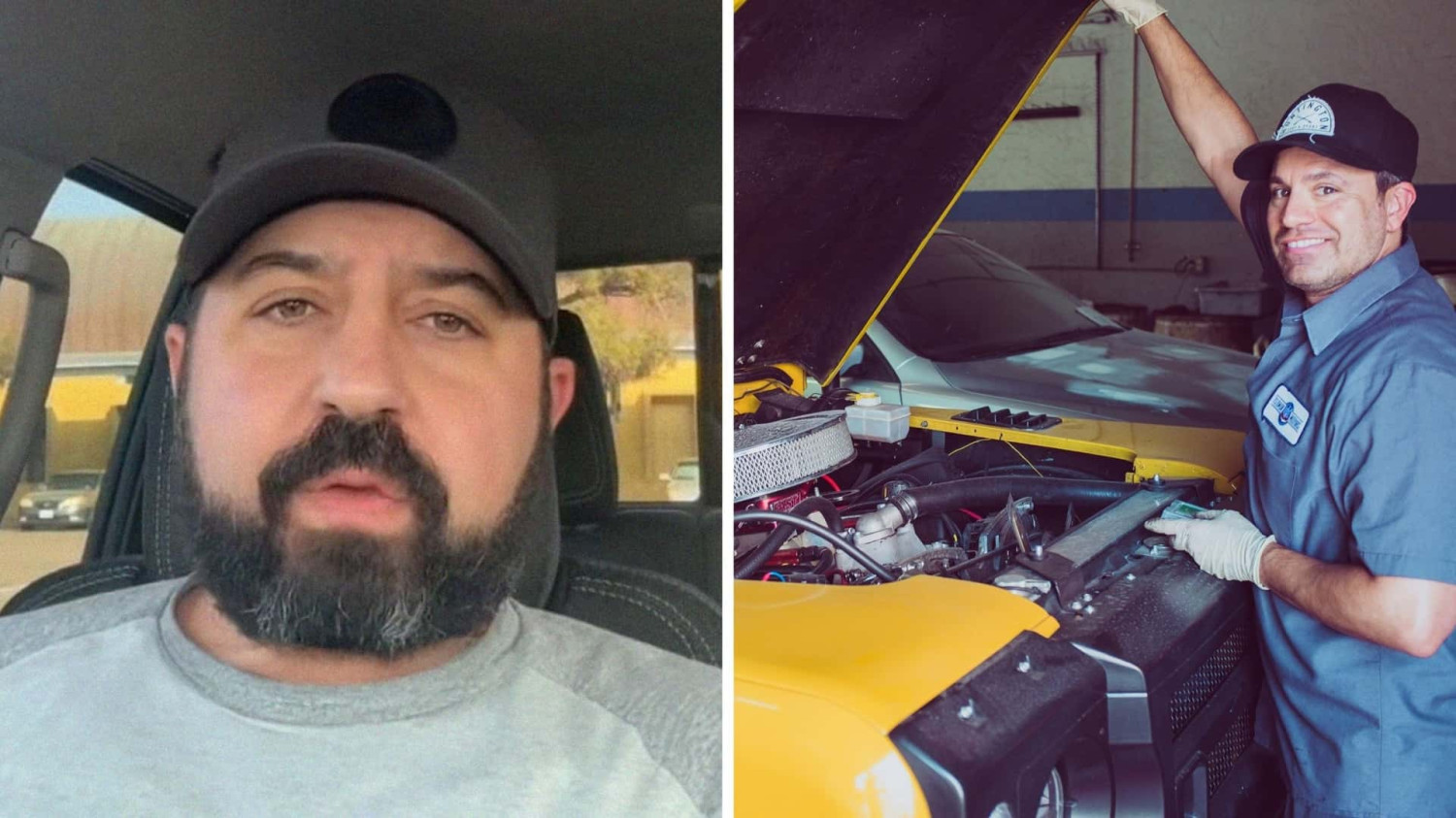
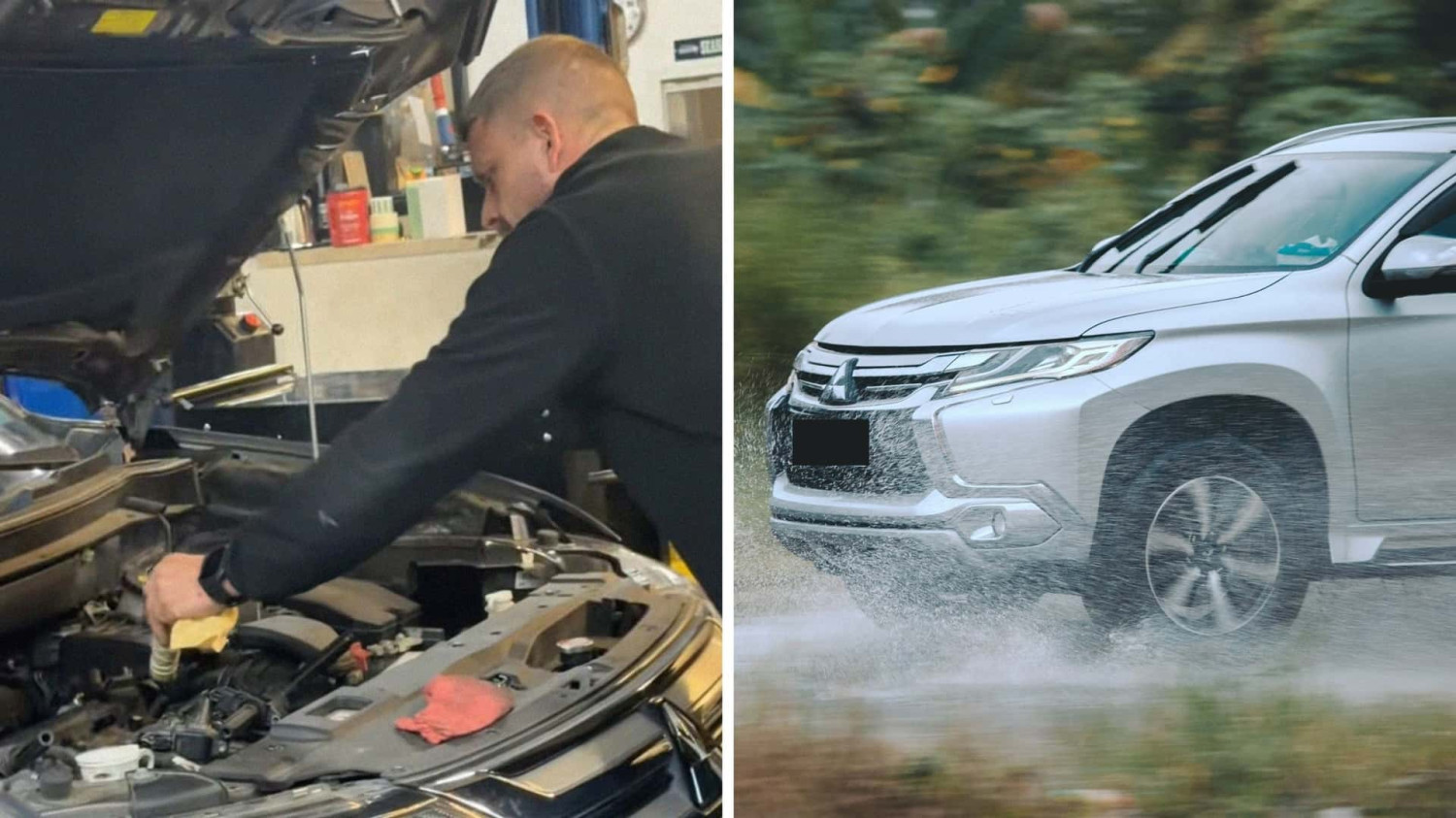
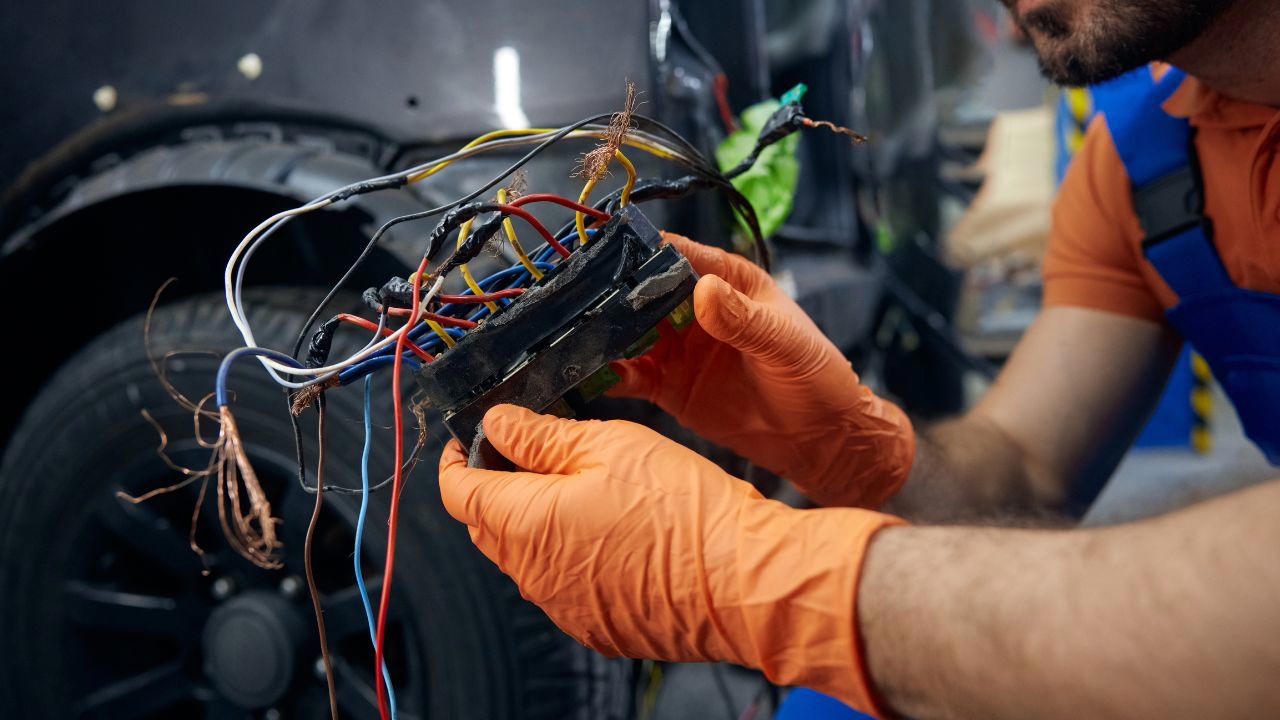
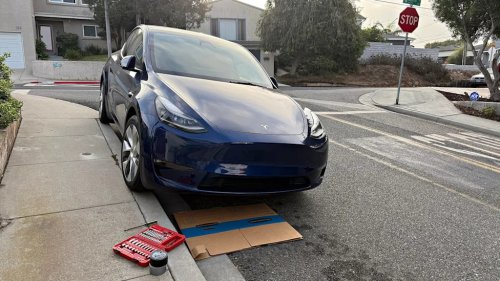
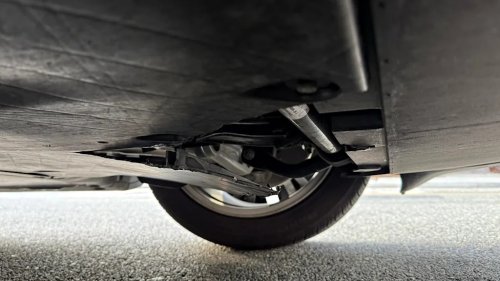
Driver says mechanic quoted $2,400 for a repair until another shop fixed it with a $40 sensorA driver’s frustrating check-engine saga is making the rounds after a repair estimate swung from “brace yourself” to “that’ll be forty bucks.” According to the driver, one mechanic quoted $2,400 to fix a rough-running car, only for a second shop to solve the issue by replacing a single $40 sensor. If you’ve ever stared at an estimate and wondered whether you’re paying for parts, labor, or someone’s vacation fund, this story probably feels a little too relatable. The driver described the symptoms as the kind that spark instant dread: uneven idle, sluggish acceleration, and a warning light that refused to be ignored. The first shop, they said, ran a quick scan and suggested a major repair was needed—one that would cost about as much as a decent used commuter bike. Unsure but pressured by the “it could get worse” vibe, the driver decided to get a second opinion. A quote that felt like whiplash On the first visit, the driver says the mechanic pointed toward a more involved fix—something in the realm of a big component replacement, like a catalytic converter, intake work, or a fuel system overhaul. Those repairs can legitimately be expensive, especially on newer vehicles where parts prices have climbed and access can be a pain. Still, $2,400 is the kind of number that makes you start doing mental math about car payments. The driver didn’t claim the shop was outright scamming—just that the diagnosis didn’t sit right. The car was running poorly, but not “falling apart at the seams” poorly. So they did what consumer advocates always recommend and what many people forget to do when they’re stressed: they took the estimate and went elsewhere. The second shop, the same symptoms, and a very different answer At the second shop, the driver says a technician spent more time confirming the symptoms and verifying the data behind the check-engine light. Instead of jumping straight to a large repair, the tech allegedly focused on the most likely, easiest-to-test causes first. Within a short visit, they identified a faulty sensor—reported by the driver as a $40 part—and replaced it. The result was immediate: the car smoothed out, power came back, and the warning light stayed off. The driver left with a bill that looked like something from the pre-inflation era, plus a story that practically begs to be told at every family gathering. “Turns out it was just a sensor” is the automotive version of finding out your computer problem was a loose cable. How can a $40 sensor cause such a big mess? Modern cars are basically rolling sensor networks. A single bad reading can throw off fuel mixture, ignition timing, emissions controls, or how the transmission behaves—depending on the sensor and the vehicle. When that happens, the car’s computer often tries to compensate, which can make the symptoms feel bigger than the part causing them. Common culprits include oxygen sensors, mass airflow sensors, crankshaft or camshaft position sensors, and manifold pressure sensors. Some of these parts are inexpensive, but diagnosing them correctly takes time, a methodical approach, and sometimes a bit of old-school intuition. The tricky part is that several different failures can trigger similar trouble codes, which means “the scan said X” doesn’t always mean “replace X.” Why the first quote might’ve been so high There are a few possibilities, and not all of them involve bad intentions. One is misdiagnosis: if a scan shows a lean condition or misfire, a technician might suspect expensive issues like vacuum leaks, injector problems, or catalytic converter damage. Another is “parts cannon” repair—replacing big components based on probability rather than testing, which can work sometimes but can also torch your wallet. Labor rates and parts markups can also widen the gap. A shop that uses dealer-priced parts, books extra hours, or recommends bundled work (like replacing multiple related components “while we’re in there”) can land at a much bigger number. And occasionally, shops quote high when they don’t really want the job, hoping the customer goes elsewhere—an unspoken, awkward practice that does happen. The check-engine light problem: codes aren’t diagnoses Many drivers assume a code reader provides a clear answer, like a doctor’s test that says, “Yep, it’s definitely that.” In reality, most trouble codes point to a system, not a specific broken part. For example, a code related to oxygen sensor performance might actually be caused by an exhaust leak, a fuel trim issue, or a sensor that’s fine but reacting to another problem upstream. That’s why good diagnostics often looks boring. It’s testing, verifying, checking wiring and connectors, reading live data, and ruling things out one by one. It can feel slower, but it’s usually cheaper than swapping expensive parts and hoping the dashboard agrees. What drivers can do to avoid paying for the wrong repair If your car suddenly needs a repair that costs more than your last vacation, it’s fair to pause. Ask for the exact trouble codes (the “P0…” numbers), and request a written estimate that breaks down parts and labor. A shop that’s confident in the diagnosis should be able to explain why the repair is needed in plain language, not just point at the scanner and shrug. Second opinions are your friend, especially for high-dollar items like catalytic converters, transmissions, or major engine work. If the first shop says “replace X,” ask the second shop, “What tests would confirm X is actually bad?” You’re not trying to win an argument—you’re trying to make sure your money goes toward an actual fix. A small part, a big lesson, and a little relief The driver’s story hit a nerve because it captures a real anxiety: most people can’t easily verify car diagnoses, and the stakes feel high. When the difference between “total disaster” and “quick sensor swap” is a single appointment across town, it makes you wonder how often this happens. The honest answer is: often enough that it’s worth building a go-to shop you trust. For this driver, the ending was the best kind—cheaper than expected, car running right, and a reminder that not every warning light is a financial apocalypse. Still, the experience left them with a new rule: if the quote makes your stomach drop, get another set of eyes on it. Sometimes the fix really is just a $40 sensor, and your bank account deserves to know that. More from Fast Lane Only Unboxing the WWII Jeep in a Crate 15 rare Chevys collectors are quietly buying 10 underrated V8s still worth hunting down Police notice this before you even roll window down The post Driver says mechanic quoted $2,400 for a repair until another shop fixed it with a $40 sensor appeared first on FAST LANE ONLY.



















 +78 others