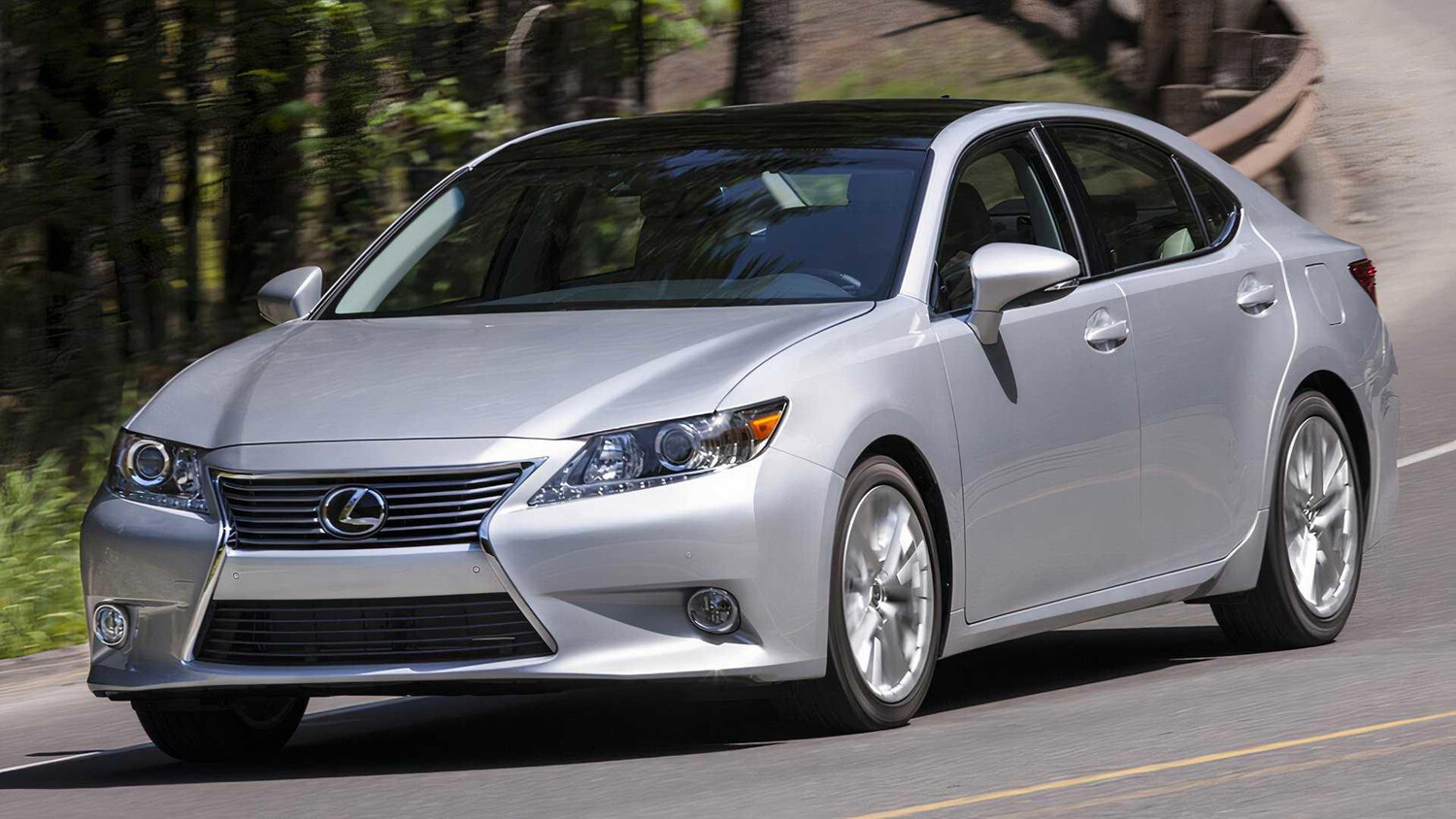
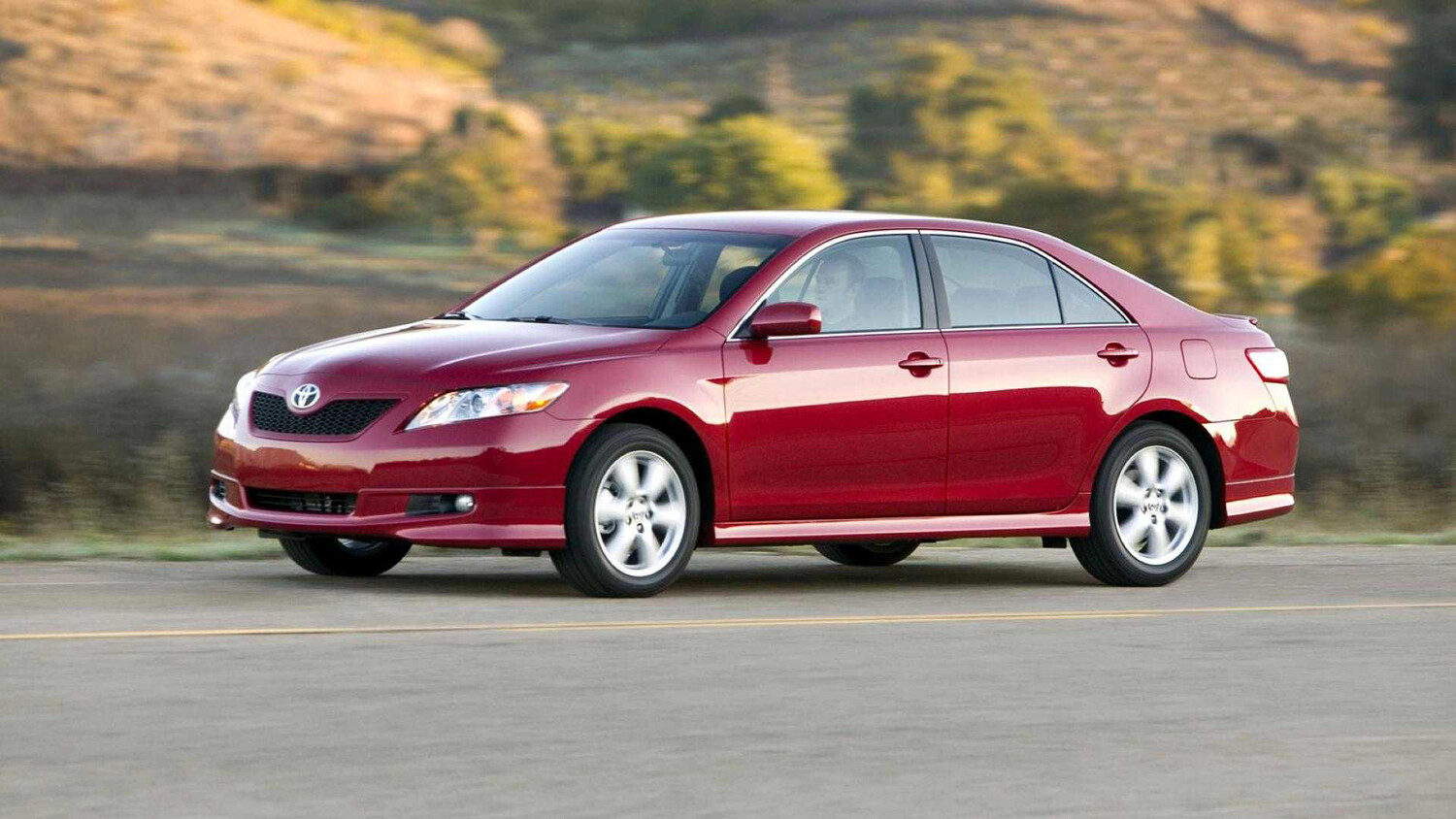
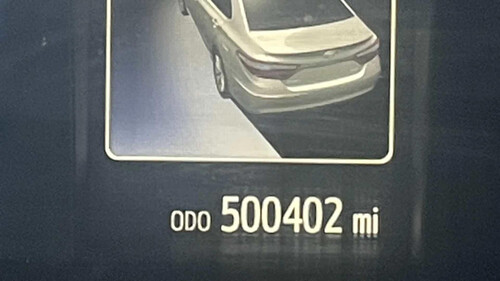
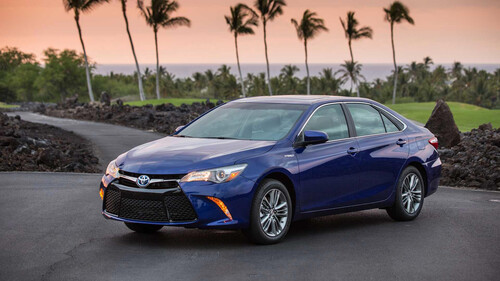
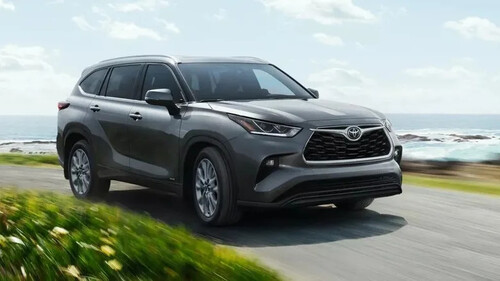
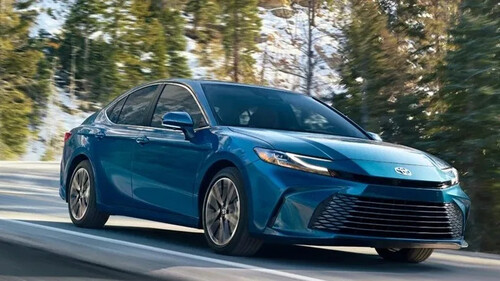
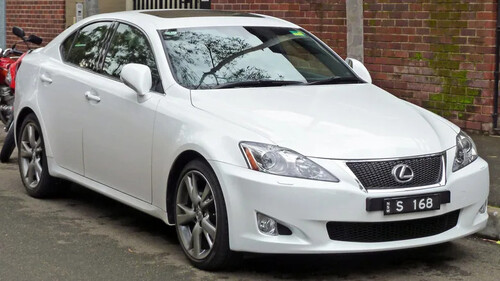
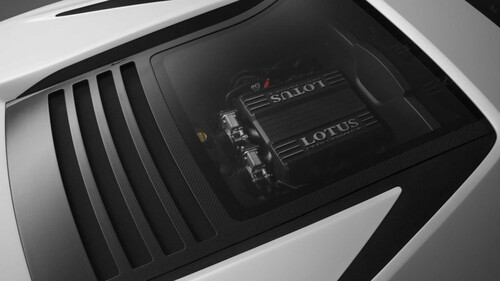
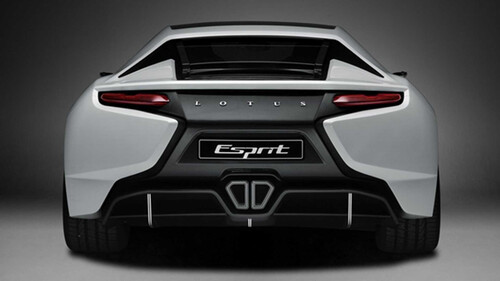
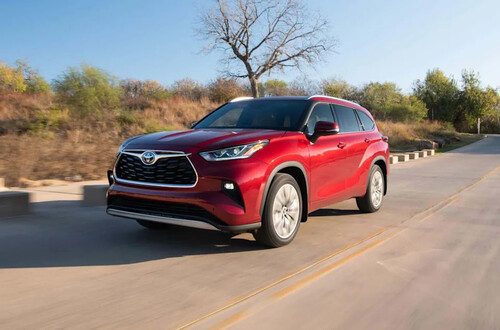
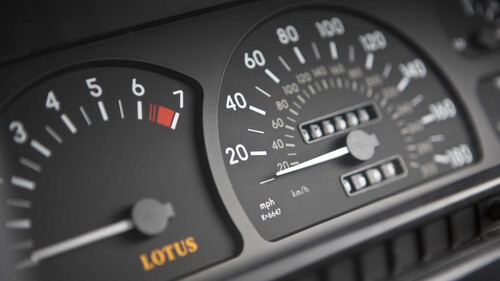
Spend enough time around high-mileage cars, and certain engine names start to come up again and again. Not because they’re flashy, but because they refuse to quit long after anything else would have. Even in the “Goldilocks” era of reliable engines—before complex modern emissions systems—one V6 stands head-and-shoulders above the rest. Through use and abuse, it simply refuses to break. Often for 400,000 miles or more.This naturally aspirated V6 engine—designed for budget-friendly mass-market cars—seriously over-delivered. It immediately became a favorite donor for performance engine swaps. Then automakers caught on. There was even one British-built supercar that came from the factory with this humble Japanese engine under the hood. The Goldilocks Era Of Reliable Engines Via: Cars and BidsEver heard an armchair automotive enthusiast complain that, “They don’t make ‘em like they used to”? They're right — kind of. In many ways, automakers build better engines than they used to.Building a million equally reliable engines requires consistent materials and precise manufacturing. But metallurgy and measurement precision limited quality control for decades. Inconsistent metal quality led to early crankshafts simply breaking periodically. When the crankshafts held together, bearing failures were much more common. In 1977, a presentation to the Society of Automotive Engineers argued that poor manufacturing quality had thus far prevented the industry from offering light-duty diesels. In a 2021 paper, Hieu Nguyen claimed that aluminum engine blocks took so long to catch on simply because of inconsistent metal quality.It’s easy to romanticize the 1960s and 1970s as the golden era of engines. But drivers of the day assumed they’d be rebuilding their engines, or completing other major maintenance, before 100,000 miles. In the decades since, automakers have become much better at consistently building reliable, long-lived power plants. The End Of The Worry-Free Engine In the past decade, automakers have been forced to meet ever-tightening emissions standards. First, they installed increasingly complex emissions control systems. These systems require more maintenance and are thus less reliable.As these standards grew even stricter, automakers began downsizing their engines. To make more power with less displacement, they upped the compression and often added turbochargers. According to experts, this attempt to boost fuel efficiency without sacrificing performance can decrease reliability.Between these two eras was a brief “Goldilocks” period, a narrow window of engines still renowned for epic reliability. But even among these long-lived titans, one engine stands above the rest. The Most Reliable Automaker’s Most Renowned Workhorse Toyota corporationToyota has a well-earned reputation for reliability. The automaker again won Consumer Reports' award for the automaker with the highest predicted reliability in 2026.The secret ingredient of Toyota's long-lived vehicles is its engineering philosophy — outlined in the 2001 pamphlet The Toyota Way — "Use only reliable, thoroughly tested technology that serves your people and processes."The result is multiple Toyota engine families that remained in production, virtually unchanged, for decades. That’s a lot of time to work out any kinks and nail an engine’s reliability.Nothing can last forever, and Toyota may have recently overly-complicated its best engine family. But for a brief, glorious moment, a powerful Toyota engine was good for 400,000 miles. It was so good, it even powered a British supercar.One owner said of this engine, “drove her for 448k miles. It was a beast. Engine and tranny were rock solid when I traded up.” Another added, “It’s a tank. Still driving…with 448k miles.” A third said, “Been super reliable, and I just hit 200k on it.” The Toyota 2GR-FE V6 A Bulletproof V6 That Refuses To Break Toyota launched the second generation of its “GR” engine family in 2005. There was no advertising campaign or other fanfare. It was just another naturally-aspirated V6 offered in budget-friendly Toyotas. Toyota claimed several different outputs, based on vehicle. The highest was 314 horsepower at 6,200 rpm and 262 pound-feet of torque at 4,700 rpm. Not bad for a naturally aspirated 3.5-liter V6 running 87 octane gas.But most owners skimmed over those brochure numbers. Thousands of drivers bought cars and SUVs with a 2GR-FE without even knowing the name of the engine. Then they started racking up the miles. Long after any other engine would have quit, these mighty 2GR-FEs just kept trucking.When a Redditor asked the Toyota subreddit “How good is the 2GR-FE engine?” die hard fans had to comment. One driver wrote,“We have the 2GR-FE in our 2012 Highlander….We just got 200,000 miles in our Highlander and just drove it across country for our move. We pulled a U-Haul box trailer with it all 3,100 miles on the trip. The engine still runs like new, and it does not burn a drop of oil, has no leaks, etc…It’s the most reliable engine I’ve owned. I have zero doubt the car will make it to 300,000 miles.”LexusAnother driver said, "I have the 2GR-FE in my RAV4 and I love it. Great power and has been bulletproof for all the hell I've put it through." A third commenter pointed out that the “great power” comes with surprising performance numbers. "Fun fact: the RAV4 with the 2GR was the fastest car Toyota sold in the USA at the time. Apparently, they can get close to a six-second 0–60 time, which is amazing for an SUV."The 2GR-FE’s surprising performance has made it a very popular engine among motor heads. Because it’s engineered to be transverse mounted (installed sideways under the hood of a FWD car), it fits in a rear-engine MR2. The result is a major upgrade from the MR2's stock I4. A fourth commenter explained:“It's the most popular swap in the MR2 community where they tune it for higher rpm and often build it. It sees some very impressive numbers there.”And that’s not all. When Lotus decided to upgrade from its I4-powered cars to go toe-to-toe with Porsche, it installed the 2GR-FE in the Evora. With Lotus's engine management software and a supercharger, the fastest Evora can rocket to 60 mph in 3.6 seconds. Toyota’s Engine Lineup Decoded And How The 2GR-FE V6 Fits Into The Family ToyotaToyota engine names may look like a random string of letters and numbers, but there’s actually a method to the madness. The first number in every engine name is the model number. If there’s no number, it’s the first generation of that engine. The 2GR-FE is the second generation of its engine family. The automaker usually rolls over to a new “model” when it changes a given block’s displacement.The first letter--or pair of letters--in a Toyota engine name refers to its engine family. So the 2GR-FE is the second generation of the “GR” engine family. Other Toyota engine families include the R (inline-four), UR (V8), and VZ (an older V6 engine).The suffix of a Toyota engine name is the two or three letters after the dash. This suffix calls out a “defining feature” of that engine. Each letter stands for a given technology. “F” stands for “normal cylinder head DOHC.” “E” means “multipoint fuel injection.”Toyota introduced the 1GR-FE for 2002. It was a 4.0-liter V6 with a 3.7-inch stroke (aka length of piston travel). That gave it a compression ratio of 10.0:1. It was engineered to be mounted “longitudinally” in a front-engine, RWD/4WD vehicle such as a 4Runner SUV.For the 2005 model year, Toyota adapted the same engine to its Avalon sedan. The Avalon was the automaker's largest FWD sedan, with a “transverse” mounted engine, sitting sideways above the front axle.Bring a TrailerFor this new application, the automaker reduced the V6’s displacement to 3.5 liters by reducing the stroke to 3.27 inches. With a lower compression ratio, but the same thick aluminum block, the new engine had the perfect formula for extreme longevity. With the displacement change, Toyota named this new engine the 2GR-FE. The rest is, as they say, history. Common 2GR-FE Problems Another component of the 2GR-FE’s legendary reliability is Toyota’s choice to use a timing chain instead of a timing belt. One of its only Achilles’ heels was the rubber oil cooler line installed on early model-year engines, which is prone to leaking. Toyota swapped to metal coolant lines on later engines, and many owners of earlier engines have their lines upgraded to avoid leaks. You can see more common 2GR-FE problems in the video above. The End Of Toyota’s 2GR-FE Toyota phased the 2GR-FE out of the U.S. market by 2018. It offered the engine in some foreign markets until 2023. But the 2GR-FE lives on, with Toyota still building some V6s for sports car manufacturers such as Lotus and Australian-based Bolwell.The next major generation of the engine was the 2GR-FSE, a 3.5-liter V6 engineered to be longitudinally mounted beneath the hood of front-engine, RWD/4WD vehicles such as the Tacoma. Toyota tuned it to make less power than the 2GR-FE in an attempt to improve mpg. Most of the front-engine, FWD Toyota and Lexus models once available with a 2GR-FE now come with a naturally aspirated or turbocharged I4. The Models Toyota Blessed With A 2GR-FE V6 Lotus Are you dreaming of a used car or SUV with the legendary 2GR-FE V6? You have a ton of Toyota and Lexus models to choose from. You can find this V6 under the hood of a 2005-2018 Toyota Avalon. That includes both the GSX30 generation (2005-2012) and the GSX40 generation (2012-2018).Prefer a compact? Toyota offered the 2GR-FE as an upgrade in the 2006-2017 Camry. You could also order it in the Lexus ES 350 from 2006-2018.More of a crossover fan? The 2005-2012 Toyota RAV4 and 2008-2016 Toyota Venza also came with the 2GR-FE. For families that need more space, Toyota offered the 2007-2016 Highlander with the same engine. Need even more room? Consider the 2007-2016 Toyota Sienna minivan. Prefer a luxury crossover? Take a look at the 2007-2015 Lexus RX 350.Toyota also shoe-horned the V6 into a few Corolla subcompacts to race in Super GT. It even built a TRD supercharged version for a special edition of its foreign-market “Aurion” sedan. Finally, it sold the engine to Bolwell of Australia for the Nagari 300 (2009-present). It also sells the engine to Lotus for the Evora (2009-2016), Exige (2012-2021), and Emira (2022-present).Sources: Consumer Reports, SAE, Drifted, PowerEngines, Reddit, and 1Library