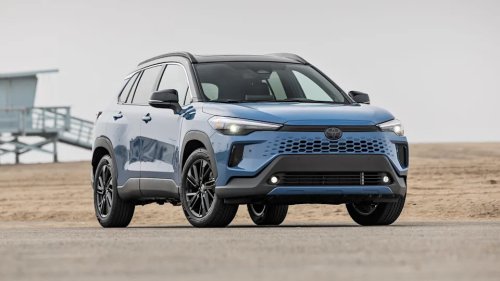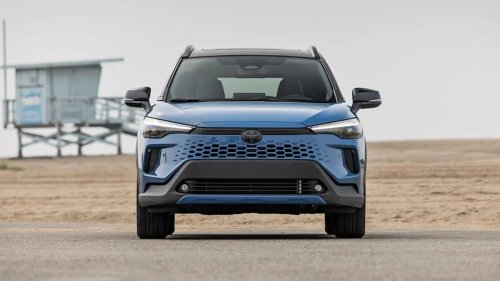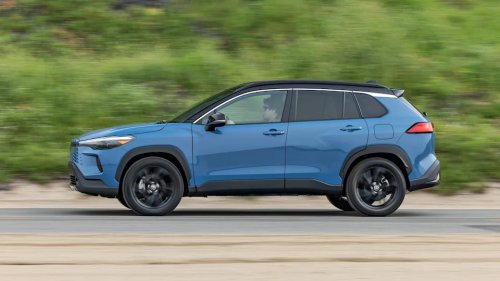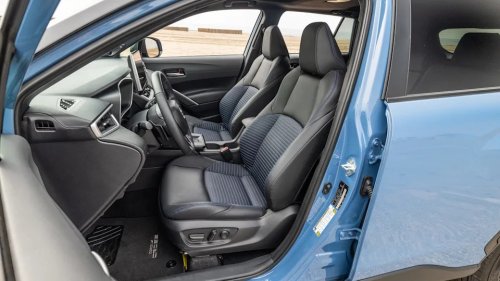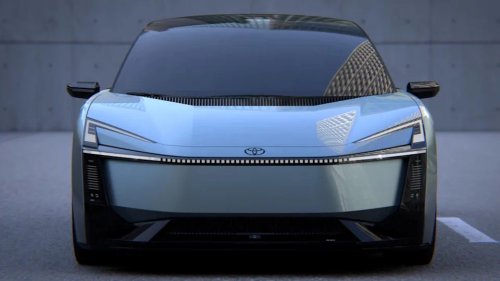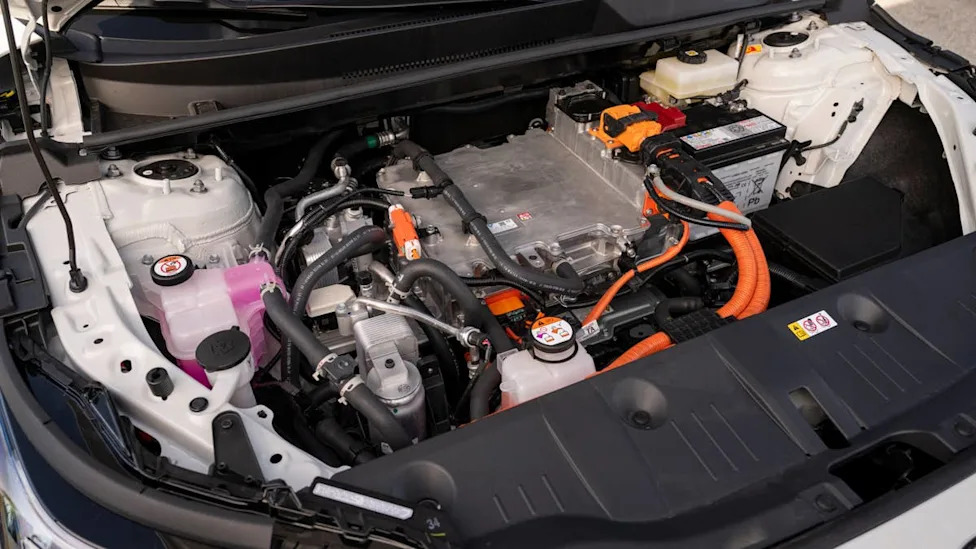
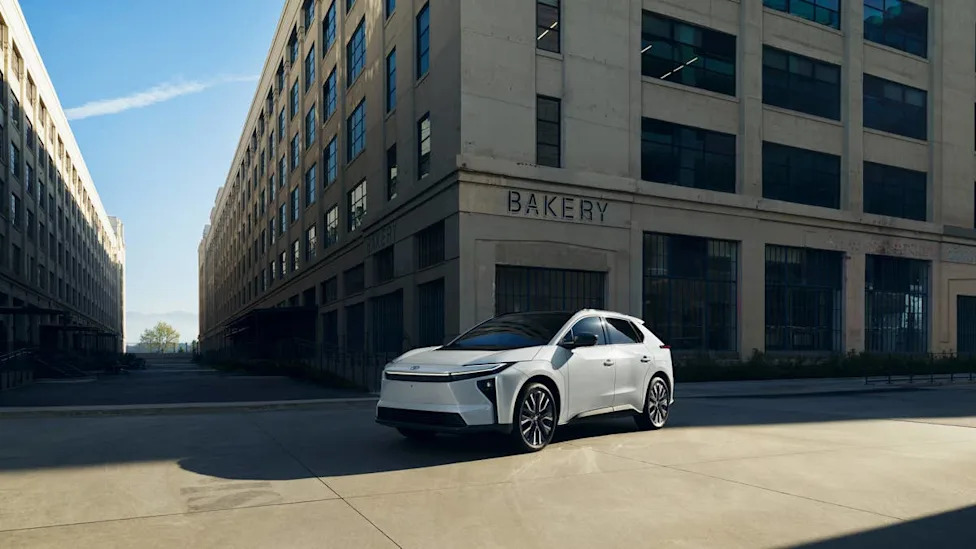



















Autoblog and Yahoo may earn commission from links in this article.When Toyota introduced the bZ4X, the automotive world met it with lukewarm reviews. For 2026, the company dropped the "4X" moniker and re-engineered the platform - presenting to us the Toyota bZ. A deep dive by The Car Care Nut shows why Toyota may have quietly built what might become the most reliable electric vehicle on the market, engineered to outlive its warranty.Toyota bZ - Like Any Other ToyotaA teardown by master mechanic The Car Care Nut reveals a platform and design obsessed with longevity. Unlike competitors that mask cost-cutting with massive screens, Toyota's bZ borrows its mechanical ethos from Toyota’s hybrid lineage. Under the hood, you won't find the brittle plastic coolant lines that plague many modern EVs. Instead, Toyota uses high-grade rubber hoses secured by heavy-duty metal tension clamps.AdvertisementAdvertisementThe true differentiator is thermal management. While the Tesla Model Y relies on a highly integrated "octovalve" to route heating and cooling, Toyota went the conservative route by focusing on preventive measures. The bZ, amongst other smart design decisions, utilizes a dual-circuit cooling system. The e-axle is cooled with standard pink coolant, while the high-voltage battery employs specialized, non-conductive orange coolant to prevent thermal events. To stop cross-contamination, Toyota physically bolted a metal guard over the non-conductive reservoir, forcing technicians to pay attention before servicing.TCovering All BasesThis mechanical over-engineering highlights a stark contrast in the American market. The Model Y dominates in raw efficiency, and the HyundaiIoniq 5 wins on 800-volt charging speeds. Yet both have documented histories of localized hardware failures. Toyota’s traditional steel suspension components and isolated thermal circuits suggest a vehicle designed to require minimal diagnostic work a decade down the line.ToyotaWith a starting price of $34,900, up to 314 miles of EPA range, and a native NACS port for seamless Tesla Supercharger access, the 2026 bZ is an example of predictable ownership. It is neither the fastest EV nor the most tech-forward. But for buyers seeking a headache-free transition to electric propulsion, Toyota’s deliberate engineering has resulted in a crossover that finally lives up to the brand's legendary reliability, and may break the myth of EV shelf-life.This story was originally published by Autoblog on May 24, 2026, where it first appeared in the Features section. Add Autoblog as a Preferred Source by clicking here.