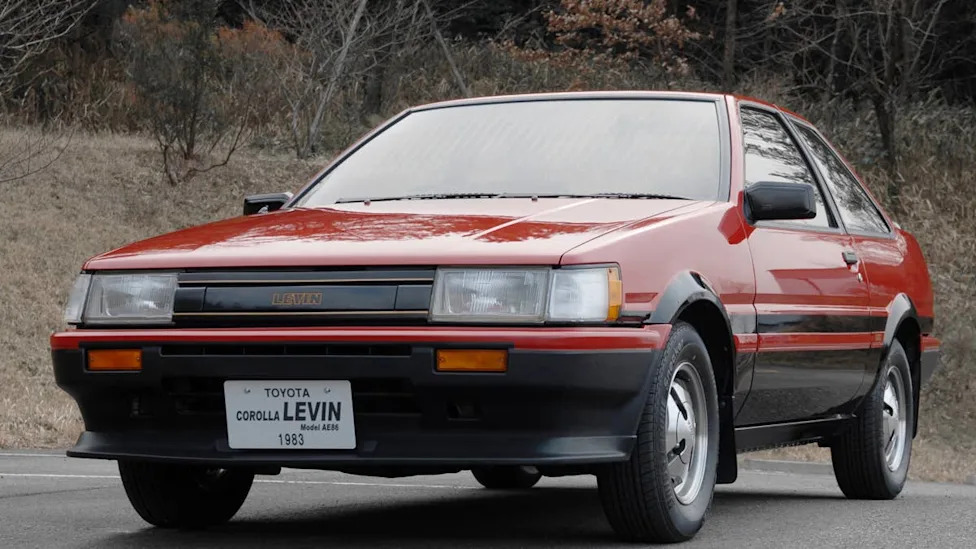
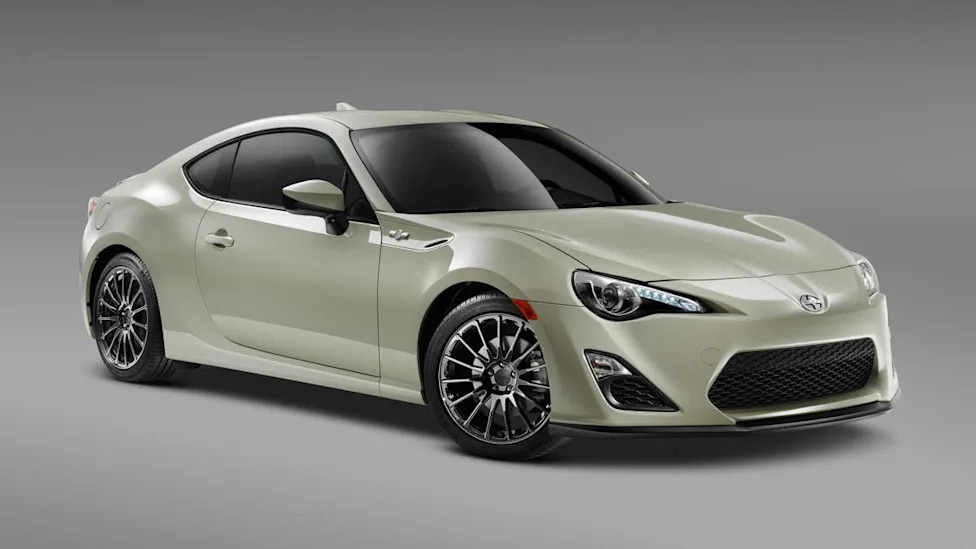
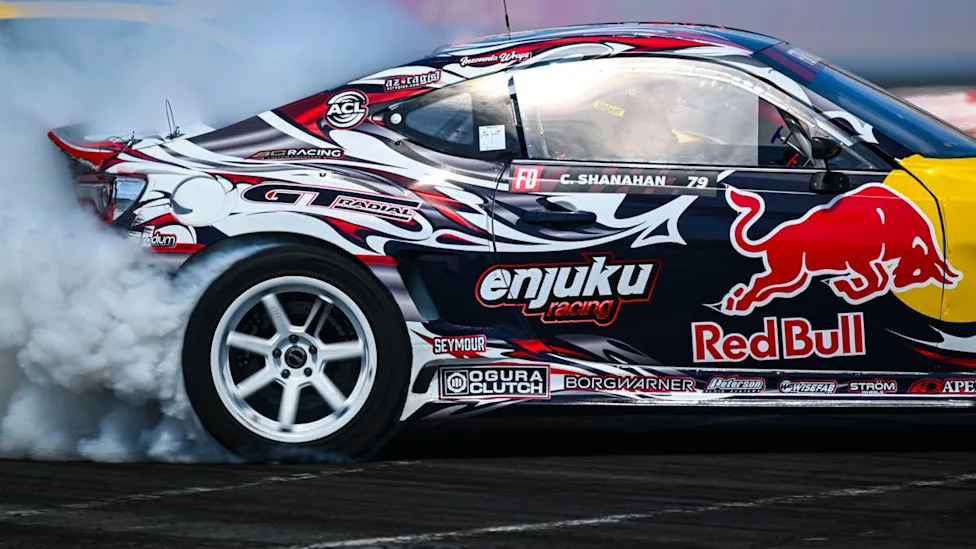
Autoblog and Yahoo may earn commission from links in this article.For the CultureAlongside icons like the Ford Mustang and the Volkswagen Beetle, one of the most culturally significant vehicles in automotive history is a forty-year-old Japanese economy sport coupe with a bit of a reputation on the streets. Under its hood, it sports a naturally aspirated four-cylinder engine with about 128 horsepower, but it didn’t become a folk legend from power alone. It became an icon among gearheads young and old from what it could do with a skilled driver behind the wheel. Toyota’s AE86 did not become a legend because it was fast. It did not become a legend because it was rare or expensive, or technically extraordinary by any traditional measure. Its mythic status among car enthusiasts came because it was the right car at the right time. Toyota’s lightweight, rear-drive masterpiece came at the right time for Japanese driving-age youth to start a movement that would change worldwide car culture for decades to come.“It’s just a Corolla.”Initially, the AE86-chassis Corolla Levin and Sprinter Trueno was introduced in Japan in 1983 at a crossroads for the entire Japanese auto industry. Like a herd of sheep, Japanese automakers from Honda to Mazda and Subaru reacted to trends and adopted front-wheel-drive technology in their cars in efforts to add more interior room, provide better traction and fuel economy. Toyota was no exception; by the mid-80s, cars like the Camry and even the Celica had become front-drivers. AdvertisementAdvertisementHowever, Toyota came to a crossroads regarding the Corolla; as it decided to split the model into different variants and offered two completely different models built on different platforms at the same time. While the economy-minded Corolla sedans and five-door liftbacks got front-wheel drive, the AE86-chassis Corolla Levin and Sprinter Trueno carried over the rear-wheel drive platforms of previous models.ToyotaView the 4 images of this gallery on the original articleAs a result, they created an affordable, lightweight rear-wheel drive sport coupe for young Japanese drivers. Powering these units was the legendary 4A-GE engine, a high-revving 1.6-liter twin-cam four banger developed in collaboration with Yamaha that made just 112 horsepower. While it didn’t seem like a whole lot, the whole package weighed less than 2,400 pounds, making it a perfect platform for racing. Sanctioned, or unsanctioned, the Eight-six was a tour de force in multiple disciplines. It competed in touring car racing in Japan, Europe and Australia, swapping paint with everything from Civics, M3s to Holdens and Fords down under. Privateer teams even ran AE86s in the World Rally Championship (WRC), competing against giants like Audi and Lancia during the no-holds-barred Group B era.The drift tapeHowever, the AE86’s claim to fame would come in a form of racing that began outside the racetrack, and started by a professional racing driver that mastered a driving technique that his racing schedule could not fully satisfy. As a former street racer, Keiichi Tsuchiya learned an advanced form of car control on the togue; the mountain pass roads where he grew an underground reputation among the hashiriya, or street racers. In 1977, he began a path toward the legitimate professional side in the Fuji Freshman series, where he raced a Nissan Sunny, then a Toyota Starlet before he convinced sponsors to get him his dream racer: an AE86.AdvertisementAdvertisementIn his first outing in the Eight-six, Tsuchiya made it dance sideways. In the 1984 Fuji Freshman series, he won the first six events, beating out higher classed cars like the Nissan Skyline by besting it in the corners. Tsuchiya style of flicking the car sideways to navigate the Fuji Speedway got the attention of the editor of Japanese motoring magazine Car Boy, who blessed him with the name that he would go by to this day: “Drift King.”To promote the magazine, Tsuchiya and Car Boy released the Pluspy films, a series of promotional VHS tapes that would become an instant classic with Japan’s automotive community. All three videos showcased Keiichi drifting around public mountain roads in his Eight-six, and as a result, Japanese authorities pulled the tapes from the market for glorifying such acts on public roads. Although Keiichi nearly lost his racing license for doing the Pluspy films, the tapes had a real impact on Japan’s car community. In the same way that Spike Jonze’s Video Days did for skateboarding and the AND1 Mixtape did for streetball-style basketball, Pluspy showcased something that got young enthusiasts hooked.Initial D and the manga generationHowever, the 86’s role in popularizing drifting would come from the 1995 manga and anime series penned by Shuichi Shigeno named Initial D. This legendary series follows a teenager named Takumi Fujiwara who became a street racing legend on the same kind of mountain passes that hashiriya like Tsuchiya honed their skills on. However, unlike his car enthusiast, boy racer friends, Takumi learned to race by delivering tofu for his father's shop while behind the wheel of a race car-turned-delivery vehicle, a black-and-white “panda” Trueno AE86. Initial D ran for eighteen years and spawned multiple adaptations, films, and even arcade games that spread the legend of the AE86 and the sport of drifting across Asia and eventually around the world. In the United States, Funimation distributed an English dub of the anime series, though many fans spread the gospel of the show through word of mouth and distributed translated pages of new chapters of the manga on dedicated online forums.AdvertisementAdvertisementThanks to Initial D’s iconic status, many car fanatics cite it as their entryway into drifting and the overall car community. An entire generation of young enthusiasts learned what an AE86 was before they were old enough to drive one, and got them in the know of a grassroots motorsport built on style and skill over speed.ToyotaView the 4 images of this gallery on the original articleThe new kid on the blockDecades after it discontinued the model, Toyota unveiled the spiritual, modern successor of the AE86 at the 2009 Tokyo Motor Show, called the Toyota FT-86. Developed as part of a collaboration between Toyota and Subaru, several concept versions followed before the production iterations finally released in 2011 for the 2012 model year.The Toyota 86, GT86, Scion FR-S and Subaru BRZ followed the same formula as the original AE86; a relatively affordable sports coupe that prioritizes driving feel. Though it featured a paltry 200-horsepower Subaru flat-four, it featured a rear-wheel drive layout that both critics and drivers found to be tailhappy. Nonetheless, the BRZ, FR-S, 86 and its successors have quickly become a popular platform for all kinds of aftermarket modifications, making it a common sight on the grid of professional drifting series like Formula Drift and the D1 Grand Prix.AdvertisementAdvertisementSince 2021, the modern-day eight-six has been in its second-generation on sale as the Subaru BRZ and the Toyota GR86, to reflect its place in Toyota’s Gazoo Racing lineup. In June 2023, introduced a limited edition GR86 called the Trueno Edition to celebrate the 40th anniversary of the original AE86’s release in Japan. The 860-unit limited edition run featured styling tweaks to reflect the original car, including black stripe side decals that resemble the original "High-Tech Two-Tone" colorways on the original AE86.Jon Putman/SOPA Images/LightRocket via Getty ImagesEpilogueToyota never intended to create the foundational text of a global driving culture; it was something that never came in a planning meeting with suits, nor through consultation with company bean counters. All Toyota did was build an affordable sports coupe, priced it for young buyers, and let it go. Everything that followed, whether it be the VHS tapes, the manga, the drift competitions, or the community that keeps rebuilding them forty years later, came from drivers who saw something in the car that Toyota did put there intentionally.Ultimately, the AE86's legacy is a powerful reminder that true automotive legends are not always forged in high-tech labs or on world-class circuits, but in the hands of enthusiasts that truly love them for what they are. Toyota accidentally gave birth to a global phenomenon of style and skill over raw power. The spirit of the Eight-Six endures in its modern successor, in every modified track car, and most importantly, in the collective imagination of a generation of drivers who first learned about drifting from a humble, black-and-white delivery vehicle.This story was originally published by Autoblog on May 25, 2026, where it first appeared in the Features section. Add Autoblog as a Preferred Source by clicking here.