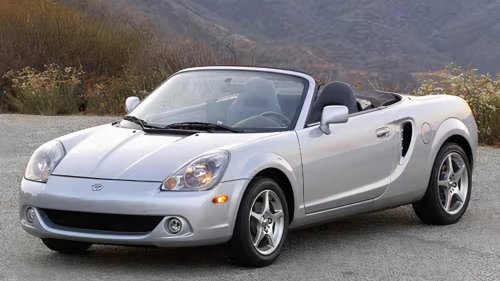
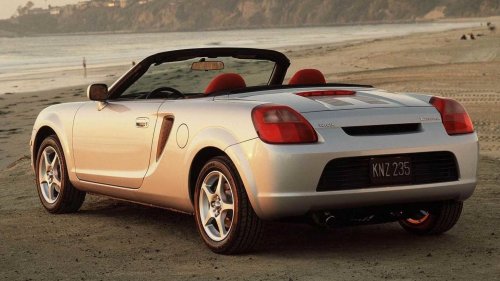
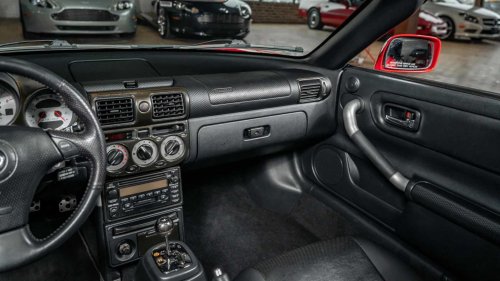
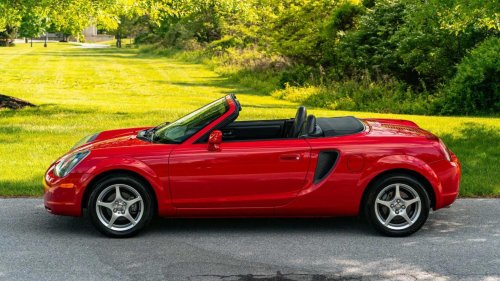
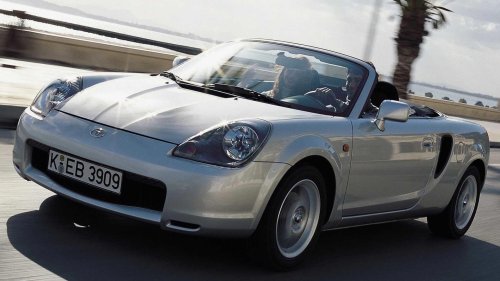
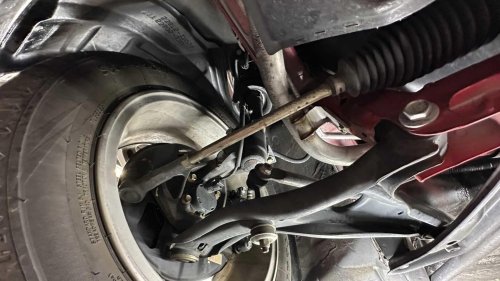
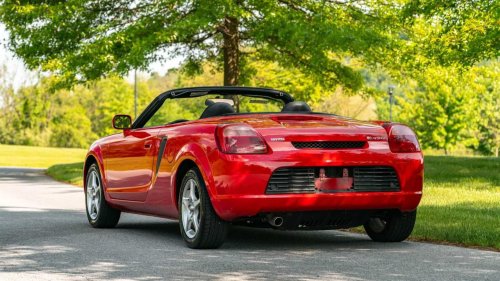
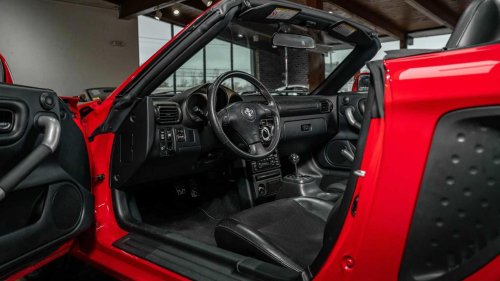
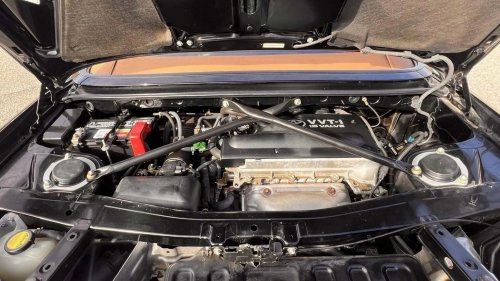
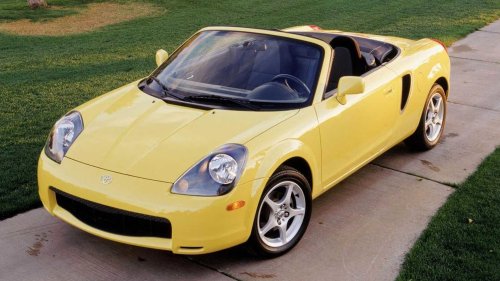
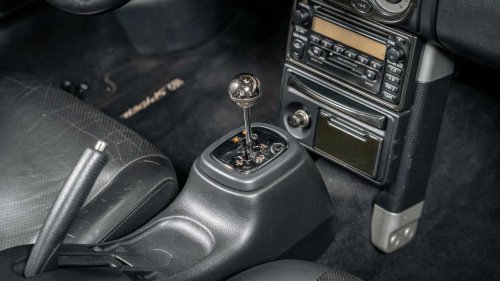
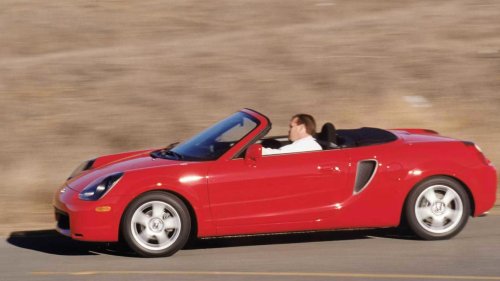
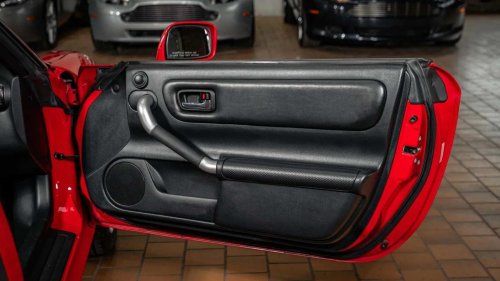
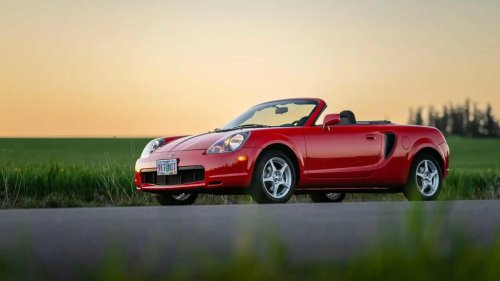
For decades, affordable sports cars followed a simple formula: low weight, compact dimensions, rear-wheel drive, and just enough power to make every back road feel exciting. Today, that philosophy is disappearing. Modern performance cars are faster than ever, but they are also heavier, more digital, and increasingly isolated from the driver. Turbocharging, electrification, adaptive systems, and oversized infotainment screens have transformed the sports car landscape into something more clinical than emotional.That shift is exactly why certain older enthusiast cars are becoming more desirable every year. Drivers are beginning to realize that raw speed is not the same thing as connection. A car that weighs under 2,200 pounds, talks constantly through the steering wheel, and rewards momentum driving can create a more memorable experience than a 500-horsepower machine loaded with software filters.Among the greatest examples of that disappearing philosophy is a tiny Japanese roadster that never chased supercar numbers or Nürburgring headlines. Instead, it focused on balance, simplicity, and durability. It offered mid-engine dynamics at a price ordinary enthusiasts could afford, and it wrapped everything in classic Toyota reliability. Years later, it has become the kind of sports car owners refuse to sell because nothing modern truly replaces it. Why Lightweight Analog Sports Cars Are Becoming Impossible To Replace Mercedes-AMG The modern sports car market has become obsessed with power figures. Every new generation arrives with more horsepower, more torque, larger wheels, and increasingly complicated electronics. While that creates incredible performance on paper, it often sacrifices the intimacy that once defined enthusiast cars. A lightweight analog sports car operates differently. Instead of overwhelming the driver with acceleration, it prioritizes communication. Steering feel becomes sharper because there is less mass over the front axle. Braking feels more natural because the car carries less momentum. Suspension tuning can remain compliant without sacrificing agility because engineers are not trying to control two tons of curb weight.The best lightweight sports cars also encourage momentum driving. Rather than relying on straight-line speed, they reward smooth inputs, careful throttle control, and proper cornering technique. That interaction creates a stronger emotional connection between driver and machine.Chevrolet This is precisely why enthusiasts increasingly search for older analog platforms. Modern regulations have made cars safer and cleaner, but also substantially heavier. Even compact performance cars now routinely exceed 3,400 pounds. In contrast, classic lightweight sports cars often sit near or below the 2,200-pound mark. The difference fundamentally changes how a car behaves. A lightweight chassis reacts instantly to steering input, changes direction without hesitation, and feels playful at legal road speeds. Drivers can explore the car’s balance without needing dangerous amounts of power or speed. Mechanical Simplicity Also Plays A Major Role Mercedes-Benz Many older sports cars use naturally aspirated engines, hydraulic steering, manual gearboxes, and limited electronic intervention. That simplicity reduces long-term maintenance costs while creating a purer driving experience. Today’s performance cars often feel engineered around numbers and software calibration. Lightweight analog cars feel engineered around sensation. That distinction is becoming increasingly rare, which is why enthusiasts hold onto them for decades instead of constantly upgrading. How The Toyota MR2 W30 Turned Simplicity Into A Driving Experience Toyota The Toyota MR2 W30 arrived at the perfect moment in automotive history. Introduced for the 2000 model year, the third-generation platform abandoned the heavier turbocharged direction of its predecessor and returned to a purist sports car formula. Toyota engineers focused on low mass, balanced handling, and affordability rather than outright performance figures. The result was one of the purest affordable sports cars ever produced. The W30 used a transverse mid-engine, rear-wheel-drive layout paired with a lightweight roadster body. Power came from Toyota’s 1.8-liter naturally aspirated 1ZZ-FE inline-four producing 138 horsepower and 125 pound-feet of torque.Those numbers sound very modest today, but the car’s extremely low curb weight completely transformed the experience. Manual-transmission examples weighed approximately 2,195 pounds, giving the chassis an impressive power-to-weight ratio despite the relatively small engine. Enthusiast-Focused Engineering Philosophy Toyota Toyota intentionally engineered the car around low inertia and driver enjoyment rather than brute force. The company’s development philosophy emphasized lightweight construction, excellent balance, and steering precision. That engineering focus is immediately obvious from behind the wheel. The cabin feels compact and driver-focused, visibility is excellent, and the seating position places the driver close to the car’s center of gravity. Every control input produces an immediate response because there is very little mass to manage.Bring a Trailer Unlike many modern performance cars, the W30 never attempts to mask its mechanical character. The engine sits directly behind the occupants, allowing induction noise and drivetrain vibrations to become part of the experience. The five-speed manual gearbox feels mechanical and direct, while the chassis constantly communicates available grip levels.Bring a Trailer Importantly, the car never feels intimidating. The accessible power output allows drivers to fully explore the chassis without excessive speed. That creates a uniquely rewarding experience where driver skill matters more than horsepower figures. Mid-Engine Balance And Featherweight Handling Toyota The defining characteristic of the W30 is unquestionably its chassis balance. Mid-engine layouts remain rare because they are expensive and difficult to engineer properly, but they offer extraordinary handling advantages when executed well. By positioning the engine just ahead of the rear axle, Toyota centralized the car’s mass near its midpoint. That dramatically reduced rotational inertia and gave the chassis exceptionally quick directional changes. The result is a car that feels eager to rotate into corners while remaining remarkably controllable.Bring a Trailer The suspension design also played a major role. Toyota used fully independent suspension with MacPherson struts at all four corners, combined with a long wheelbase relative to the car’s compact dimensions. This setup created an ideal balance between agility and stability. The front end reacts instantly to steering input, yet the chassis remains predictable during aggressive cornering. Drivers can feel the rear tires load progressively as weight transfers through the middle of the car.Low curb weight amplifies every one of those characteristics. At barely over 2,100 pounds, the W30 changes direction with a level of immediacy few modern cars can replicate. The Car’s Steering Feel Is Particularly Impressive Bring a Trailer Without excessive front-end weight, the steering remains light yet incredibly communicative. Drivers receive constant feedback about available grip, road texture, and weight transfer. That lightweight philosophy also improves braking performance. The car requires less brake force to slow down, reducing stress on components while enhancing pedal feel. Smaller tires further contribute to the chassis’ playful nature, allowing drivers to explore the car’s balance without astronomical running costs.Bring a Trailer Perhaps most importantly, the W30 remains entertaining at acceptable speeds. Many modern performance cars only come alive deep into illegal territory because their limits are so high. The Toyota’s modest power and featherweight construction make ordinary roads genuinely enjoyable. This characteristic is a major reason owners become emotionally attached to the platform. The car constantly engages the driver, even during short commutes or casual weekend drives. It turns ordinary roads into experiences rather than simply transportation routes. The 1ZZ-FE Engine Keeps Ownership Costs Low While Reliability Remains Pure Toyota Bring A Trailer One of the biggest reasons people keep these cars forever is the engine. The naturally aspirated 1ZZ-FE may not dominate dyno charts, but it perfectly suits the character of the chassis while delivering classic Toyota durability. The 1.8-liter all-aluminum inline-four uses dual overhead cams, four valves per cylinder, and Toyota’s VVT-i variable valve timing system. Output sits around 138 horsepower at 6,400 rpm with 125 pound-feet of torque at 4,400 rpm. The Engine Feels Responsive And Eager To Rev Toyota Because the car is so light, drivers rarely feel shortchanged by the modest output. Instead, the drivetrain encourages momentum driving and precise throttle application. Toyota also kept the mechanical package relatively simple. There are no turbochargers, complicated hybrid systems, or expensive high-performance electronics to maintain. That simplicity significantly reduces ownership costs compared to many European sports cars with similar handling characteristics.Parts availability remains strong because the 1ZZ-FE shares architecture with several mainstream Toyota models. Enthusiasts frequently praise the affordability of replacement components and routine maintenance compared to more exotic mid-engine platforms. The engine’s reliability reputation further strengthens the car’s appeal as a long-term ownership proposition. Properly maintained examples routinely accumulate high mileage without catastrophic failures. The drivetrain tolerates daily driving, weekend canyon runs, and occasional track use surprisingly well for such an affordable sports car.Bring a Trailer Even the transmission options reflected Toyota’s practical mindset. Early models used a five-speed manual, while later versions added a six-speed manual option in certain markets. Critically, ownership costs remain realistic enough that enthusiasts can actually drive the car regularly instead of treating it like a fragile collector item. Insurance, fuel consumption, tires, and brake wear all remain relatively affordable thanks to the car’s compact size and lightweight engineering. Timeless Roadster Styling And A Loyal Enthusiast Community Make It A Forever Car Toyota The final ingredient that turns the W30 into a forever car is emotional attachment. Great sports cars are never defined purely by specifications. They survive because owners build memories around them. The W30’s styling plays a major role in that connection. Its proportions remain timeless because the design follows the car’s mechanical layout so naturally. The short overhangs, low nose, wide stance, and compact cabin immediately communicate the car’s lightweight mid-engine philosophy.Bring a Trailer Unlike many modern sports cars overloaded with vents, creases, and aggressive styling gimmicks, the W30 looks clean and purposeful. The simple roadster shape has aged remarkably well because it prioritizes proportion over trends. The open-top driving experience further strengthens the emotional appeal. With the roof down, the car feels immersive in a way modern insulated performance cars rarely achieve. Drivers hear the engine directly behind them, feel airflow through the cabin, and experience the road with very little separation. A Strong Enthusiast Community Has Also Helped Preserve The Platform’s Reputation Bring-A-Trailer Owners remain deeply loyal to the car because it offers something increasingly rare: affordable mechanical purity. Online communities continue to share maintenance knowledge, modification advice, and restoration support decades after production ended. That community support makes long-term ownership far easier. Parts sourcing, technical information, and aftermarket upgrades remain widely accessible, ensuring the platform continues thriving long after many competitors disappeared.Perhaps most importantly, the W30 resists obsolescence. Modern cars may outperform it in acceleration, technology, or outright grip, but very few replicate its combination of low weight, mid-engine balance, affordability, and simplicity. That uniqueness explains why owners rarely sell them voluntarily. The car delivers a type of driving experience that the modern industry no longer prioritizes. Once enthusiasts realize how special that formula is, they tend to keep the keys indefinitely.Sources: Toyota


















![Toyota, Toyota's $15,000 Chinese EV spotted overseas in RHD [Images]](https://cdn.topcarnews.net/thumb/id/aHR0cHM6Ly9pMC53cC5jb20vZWxlY3Ry-ZWsuY28vd3AtY29udGVudC91cGxvYWRz-L3NpdGVzLzMvMjAyNi8wOS9Ub3lvdGEt-YlozWC1FVi1SSEQuanBlZz93PTE1MDAm-YW1wO3F1YWxpdHk9ODImYW1wO3N0cmlw-PWFsbCZhbXA7c3NsPTE/3fdd3b5d03bdc27308f0c99caa99667e.jpeg?t=20260926&post_id=64756)
![Toyota, Toyota's $15,000 Chinese EV spotted overseas in RHD [Images]](https://cdn.topcarnews.net/thumb/id/aHR0cHM6Ly9lbGVjdHJlay5jby93cC1j-b250ZW50L3VwbG9hZHMvc2l0ZXMvMy8y-MDI1LzEyL1RveW90YS0xNTAwMC1lbGVj-dHJpYy1TVVYtMi5qcGVn/8219e8e9bd18568eaf6e5271753403d8.jpeg?t=20260926&post_id=64756)
![Toyota, Toyota's $15,000 Chinese EV spotted overseas in RHD [Images]](https://cdn.topcarnews.net/thumb/id/aHR0cHM6Ly9lbGVjdHJlay5jby93cC1j-b250ZW50L3VwbG9hZHMvc2l0ZXMvMy8y-MDI2LzAzL1RveW90YS1iWjNYLUVWLWlu-dGVyaW9yLTcuanBnP3N0cmlwPWluZm8m-YW1wO3c9MTkyMA/e40c0b720b4826f1bf2a5f18a1e13212.jpg?t=20260926&post_id=64756)
![Toyota, Toyota's $15,000 Chinese EV spotted overseas in RHD [Images]](https://cdn.topcarnews.net/thumb/id/aHR0cHM6Ly9lbGVjdHJlay5jby93cC1j-b250ZW50L3VwbG9hZHMvc2l0ZXMvMy8y-MDI2LzAzL1RveW90YS1iWjNYLUVWLWlu-dGVyaW9yLTUuanBnP3N0cmlwPWluZm8m-YW1wO3c9MTkyMA/dc60262a877c7e2cef1e74da54ca75ab.jpg?t=20260926&post_id=64756)
![Toyota, Toyota's $15,000 Chinese EV spotted overseas in RHD [Images]](https://cdn.topcarnews.net/thumb/id/aHR0cHM6Ly9lbGVjdHJlay5jby93cC1j-b250ZW50L3VwbG9hZHMvc2l0ZXMvMy8y-MDI2LzAzL1RveW90YS1iWjNYLUVWLWlu-dGVyaW9yLTYuanBnP3N0cmlwPWluZm8m-YW1wO3c9MTkyMA/ad5c9fdfd72ede2f92d0ae9b095b9e83.jpg?t=20260926&post_id=64756)