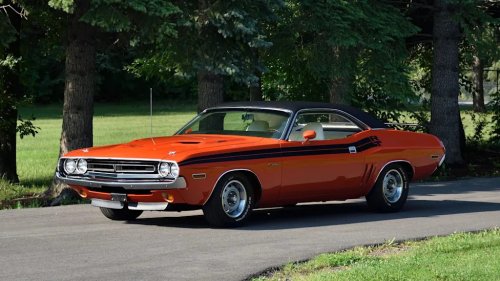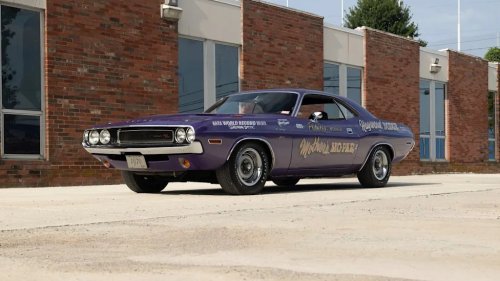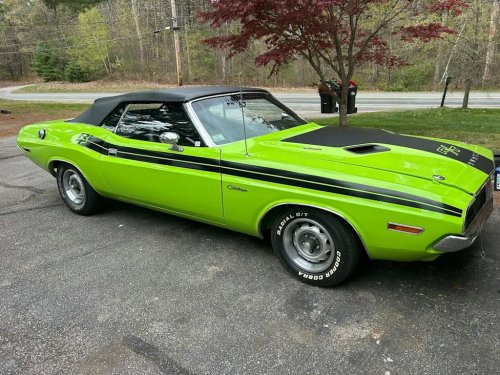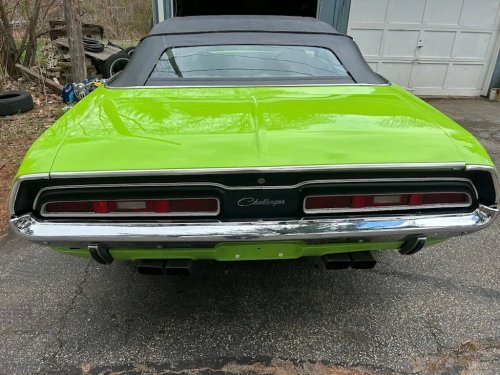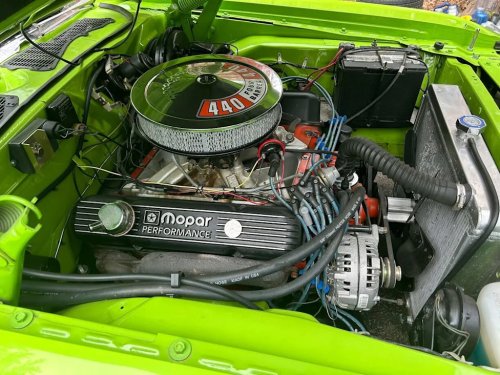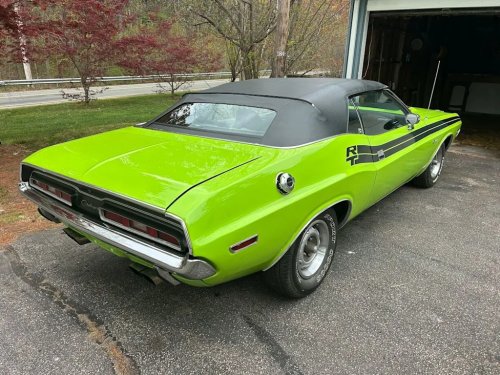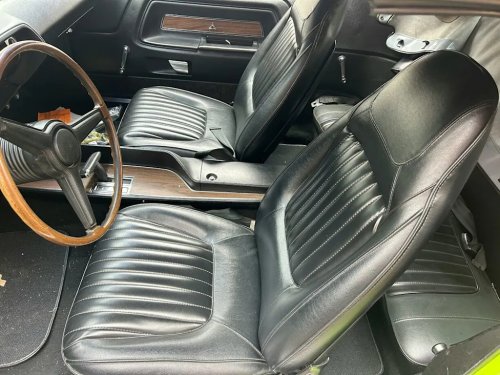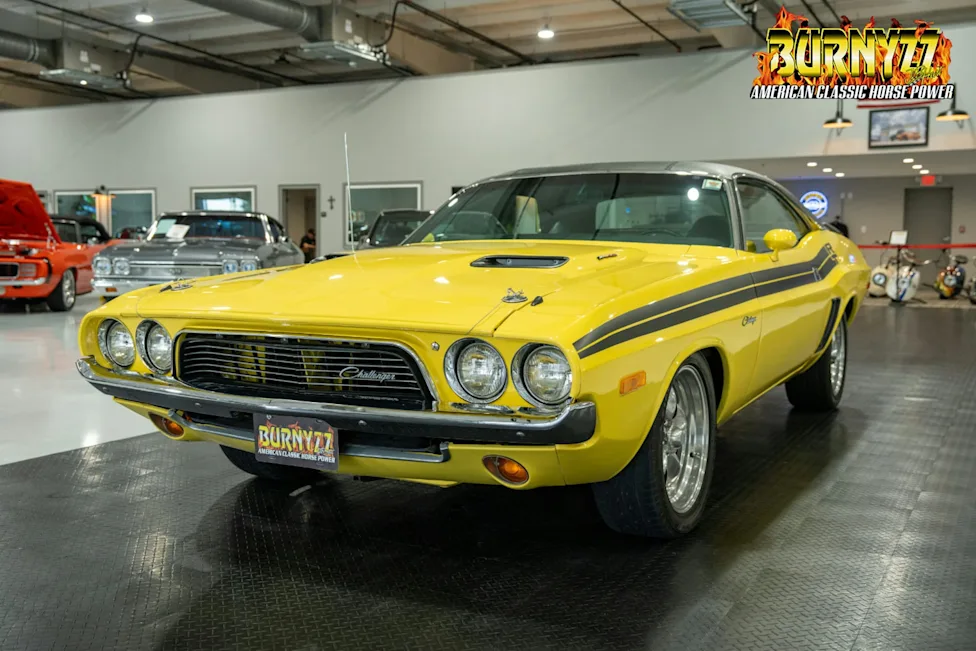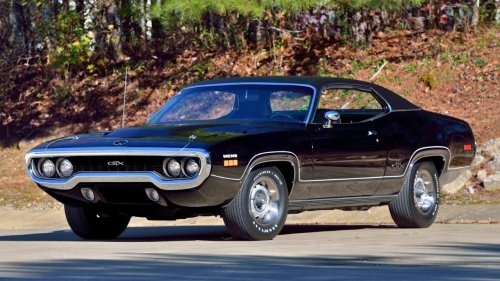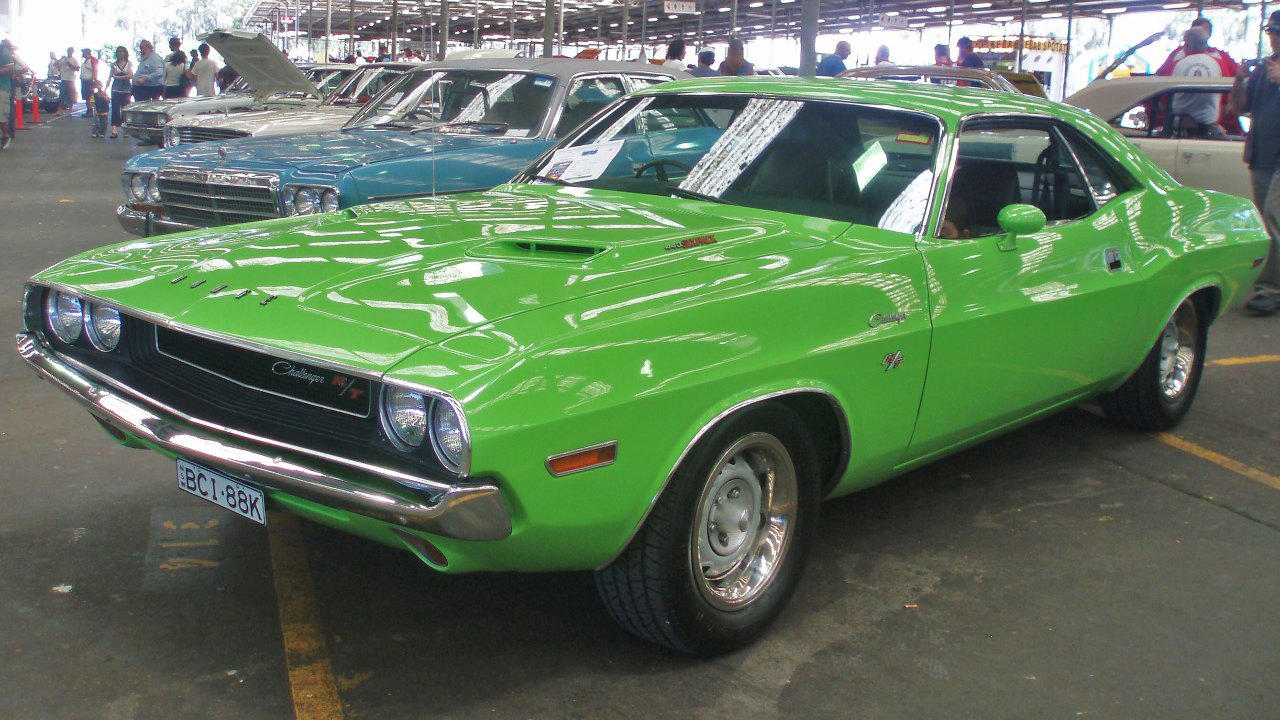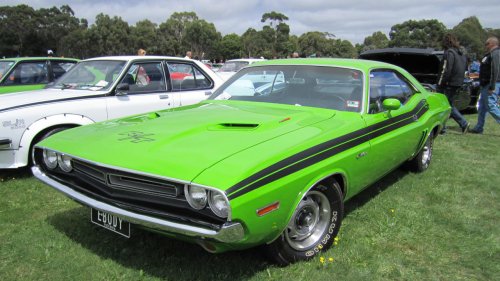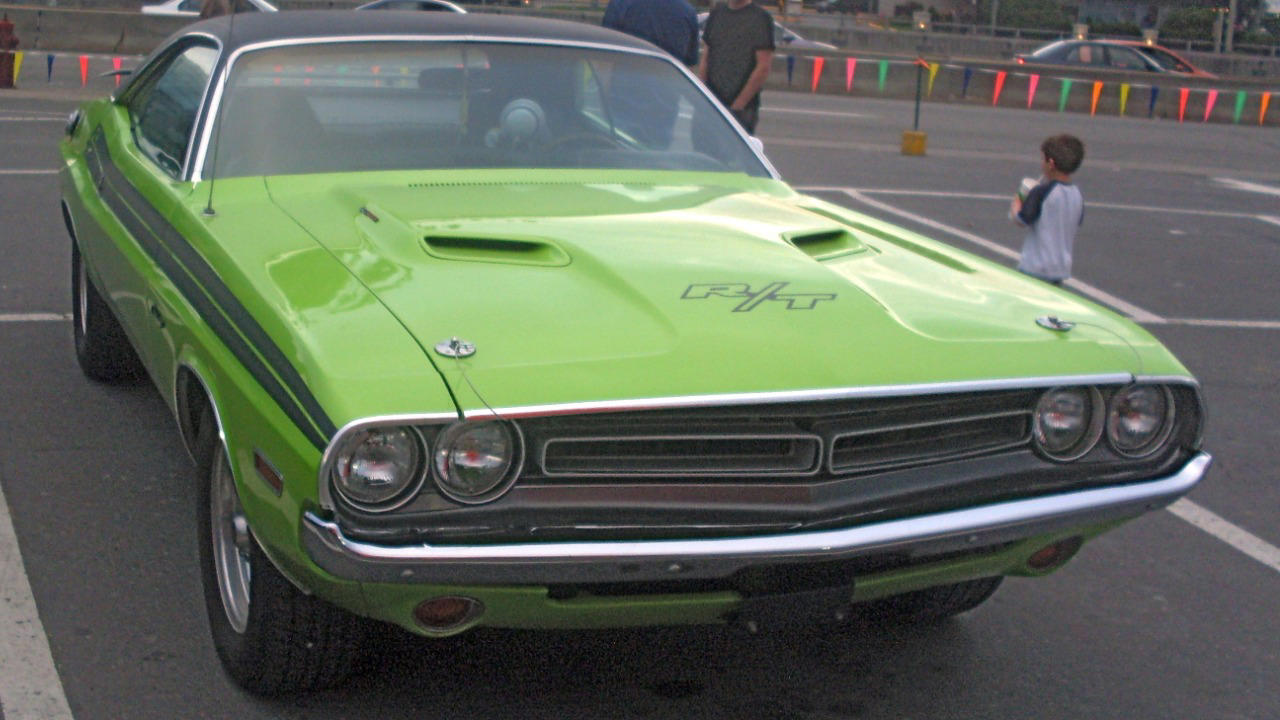



















The 1971 Challenger R/T still feels like it belongs on an open roadThe 1971 Challenger R/T arrived at the tail end of Detroit’s original muscle era, yet it still looks and feels as if it was designed for a long, empty highway. With its wide stance, big-displacement engines and unapologetically loud styling, it captured the moment when Dodge set out to build a pony car that could run with anything on the street. More than five decades later, the car’s character, from its heavy clutch to its booming exhaust, still invites drivers to point the nose toward the horizon and keep going. A standout in Dodge’s first-generation muscle lineup Within the first-generation Dodge Challenger family, the 1971 Dodge Challenger R/T quickly became the extrovert of the range. Contemporary descriptions highlight how the 1971 Dodge Challenger blended pony car proportions with serious performance options, which helps explain why it is still chased by collectors and enthusiasts alike. The R/T badge signaled that this was not simply a styling exercise but a car built to back up its stripes with real speed. Factory literature and enthusiast fact sheets describe how the Challenger range was carefully tiered. The Dodge Challenger Facts break out the Models Offered, from the Base Challenger Coupe to the more aggressive Challenger R/T JS23. The Base Challenger Coupe was positioned as an affordable entry, while the Challenger Coupe variant layered in additional trim and comfort. Above them, the R/T sat as the performance flagship of the lineup, the one that most clearly targeted the open road. Bold styling that still looks ready to move Styling is the first clue that the R/T was meant to be driven hard. Period descriptions emphasize the car’s wide curves, deep-set grille and muscular rear haunches. A detailed breakdown of 1971 Challenger R/T notes how Dodge pushed Mopar muscle to new heights with bold side sculpting, performance stripes and available HEM graphics that left little doubt about intent. Visual drama extended to the front fascia. The R/T (short for Road and Track) featured a distinctive quad-headlight layout and rode on a 110-inch wheelbase, which was 2 inches longer than some rivals. That extra length gave the car a planted look and helped the long-hood, short-deck profile read as both elegant and aggressive. The Road and Track badging reinforced that this was not a boulevard-only machine but one with ambitions beyond the city grid. Color choices amplified the attitude. Enthusiasts still celebrate high-impact paints such as B5 Blue on cars like the B5 Blue Hemi, where the vivid finish, black graphics and 426 Hemi callouts transform the Challenger into a rolling billboard for speed. Vinyl tops, hood scoops and rear spoilers were chosen not for subtlety but for the way they signaled intent from a block away. Engines built for the highway Under the skin, the 1971 Challenger R/T backed up its image with serious power. Enthusiast writeups highlight multiple big-block options, including a 440 cubic inch V8 that defined the car’s personality. One detailed description of a 1971 example notes that at its heart was the formidable 440 cubic inch V8 engine, delivering around 375 horsepower. That output gave the car the kind of effortless acceleration that modern drivers still associate with long-distance cruising. At the top of the range sat the legendary 426 Hemi, which turned the Challenger R/T into one of the most feared Mopar machines of its era. Reports on the 1971 Dodge Challenger describe it as a purebred American muscle icon, bold, beautiful and built to dominate. As part of Dod performance heritage, the Hemi R/T has become one of the most collectible American configurations, with its combination of straight-line power and rarity. Smaller displacement engines also played a role in the R/T story. In a detailed driving piece, one owner explains that his car is Equipped with a 340 cubic inch V8 that displaces 5573 cc, a setup that delivered a more balanced mix of performance and drivability. That account, captured in a feature on what it is a 1971 dodge challenger R/T, shows how even the smaller V8s could make the car feel eager and responsive without the full drama of a Hemi launch. Transmissions that reward committed drivers The way the R/T puts power to the pavement is central to its character. Automatic transmissions were available and popular, but many of the most memorable cars left the factory with a 4 speed manual. Enthusiast restorers describe how, with a 4 speed manual available, the driving experience was just as thrilling as the looks. The 71 Challenger R/T in that description is portrayed as a car for those who lived loud and drove louder, and the shifter is a big part of that image. Modern test drives echo that sentiment. In a popular walkaround and road test filmed at Streetside Classics, the presenter spends time on the heavy clutch, long throws and mechanical feel of the linkage. The video, which revisits a 1971 Dodge Challenger R/T in a showroom setting, reinforces how physical the act of driving one remains. Each gear change is an event that connects the driver to the engine and rear axle in a way that modern paddle shifters rarely match. On-road behavior: weight, noise and rhythm Owners who still drive these cars regularly describe a very specific rhythm on the road. In the narrative about what it is like to drive a 1971 DODGE CHALLENGER R/T, the writer talks about climbing up the Pepperdine hill with the 340 engine pulling hard and the exhaust echoing off the canyon walls. That account, documented in the same driving feature, captures how the car feels most at home on sweeping grades and open stretches rather than in tight city traffic. The long 110-inch wheelbase and relatively soft suspension tuning give the Challenger a distinct gait. At speed, the car settles into a steady lope that suits interstate cruising, with the big engine loafing at low rpm and reserves of torque ready for passing. The same length and weight can make the car feel less agile on narrow roads, yet that tradeoff is part of what gives the R/T its highway personality. It is a machine that prefers long arcs to quick darts. Noise is ever present. The 440 and 426 Hemi engines send a constant thrum through the cabin, and even the 340 cars sound busy at urban speeds. For many owners, that soundtrack is the point. The exhaust note, the faint gear whine and the occasional squeak from the interior create a sensory experience that modern insulation and active noise cancellation tend to erase. Cabin design that serves the driver Inside, the 1971 Challenger R/T balances style with function in a way that still feels surprisingly focused on the person behind the wheel. The dashboard wraps slightly around the driver, with large, round gauges that are easy to read at a glance. Optional features such as the Rallye instrument cluster and center console with the pistol grip shifter were not just cosmetic upgrades but tools that made the car feel more purposeful. Enthusiast descriptions of specific cars often mention how original many of these cabins remain. In the account of a 1971 R/T that retains all the original factory options except the 8 track player, the owner takes pride in the way the interior still reflects the factory’s intent. That detail, highlighted in the same narrative about what it is like to drive the car, shows how much the original design still resonates with modern drivers who value authenticity. Seats in these cars are wide and supportive enough for long trips, even if they lack modern bolstering. Visibility is better than the aggressive styling might suggest, thanks to relatively thin pillars and a large rear window. Together, these elements contribute to a feeling that the car is ready for a long day’s drive, not just a quick blast between stoplights. Why the R/T still belongs on an open road Several factors explain why the 1971 Challenger R/T still feels so naturally suited to long-distance driving. Power is the most obvious. With engines like the 440 and 426 Hemi, the car can surge from low speeds to highway pace with a single squeeze of the throttle, which reduces the strain of merging or passing. Even the 340 Equipped cars have enough midrange torque to make sustained cruising feel effortless. Equally important is the way the chassis and wheelbase combine with that power. The 110-inch span between axles calms the car’s movements over expansion joints and broken pavement, and the relatively soft spring rates soak up imperfections that would unsettle a shorter, stiffer car. At the same time, the steering provides enough feedback to keep the driver engaged, especially on the kind of sweeping two lane roads that suit a car of this size. The R/T’s identity as a Road and Track model also matters. Period marketing and later enthusiast commentary both emphasize that the car was designed to handle both extended highway runs and spirited back road driving. That dual mission continues to shape how owners use their cars today, whether on weekend trips, organized cruises or occasional track events where the car’s straight line strength can shine. How modern enthusiasts keep the legacy moving The continued presence of the 1971 Challenger R/T in clubs, shows and online communities shows how strongly it still connects with drivers. Social media groups dedicated to the model share restoration stories, period photos and technical advice. Posts that describe the Mopar styling and engine combinations of the 1971 Dodge Challenger R/T also highlight how carefully owners track original options and build sheets. Video creators play a role as well. Channels like the one hosted by Jonathan from Bullet produce detailed reviews of cars nicknamed Rolling Thunder, where on-road footage captures the way the car squats under acceleration and settles into a cruise. Other content, such as the test drive filmed at Streetside Classics, gives viewers a sense of what it is like to operate the car in modern traffic, complete with commentary on braking distances, steering feel and the attention the car attracts. Beyond video, some owners extend the Challenger story into art and merchandise. The creative work around the car, including prints and collectibles featured through outlets like Fireball Tim Garage, as well as storefronts on platforms such as ebay and author pages on Barnes & Noble, shows how the Challenger has moved beyond transportation into pop culture icon territory. Even themed items like mugs and canvas prints help keep the car visible to new audiences. A muscle car that still invites long drives All of this context, from factory specifications to modern owner stories, points to the same conclusion. The 1971 Challenger R/T was engineered and styled for performance, yet its true talent lies in the way it turns distance into part of the experience. The combination of big displacement engines, a long wheelbase, supportive cabin and tactile controls makes the car feel happiest when it is stretching its legs beyond the city limits. More from Fast Lane Only Unboxing the WWII Jeep in a Crate 15 rare Chevys collectors are quietly buying 10 underrated V8s still worth hunting down Police notice this before you even roll window down The post The 1971 Challenger R/T still feels like it belongs on an open road appeared first on FAST LANE ONLY.