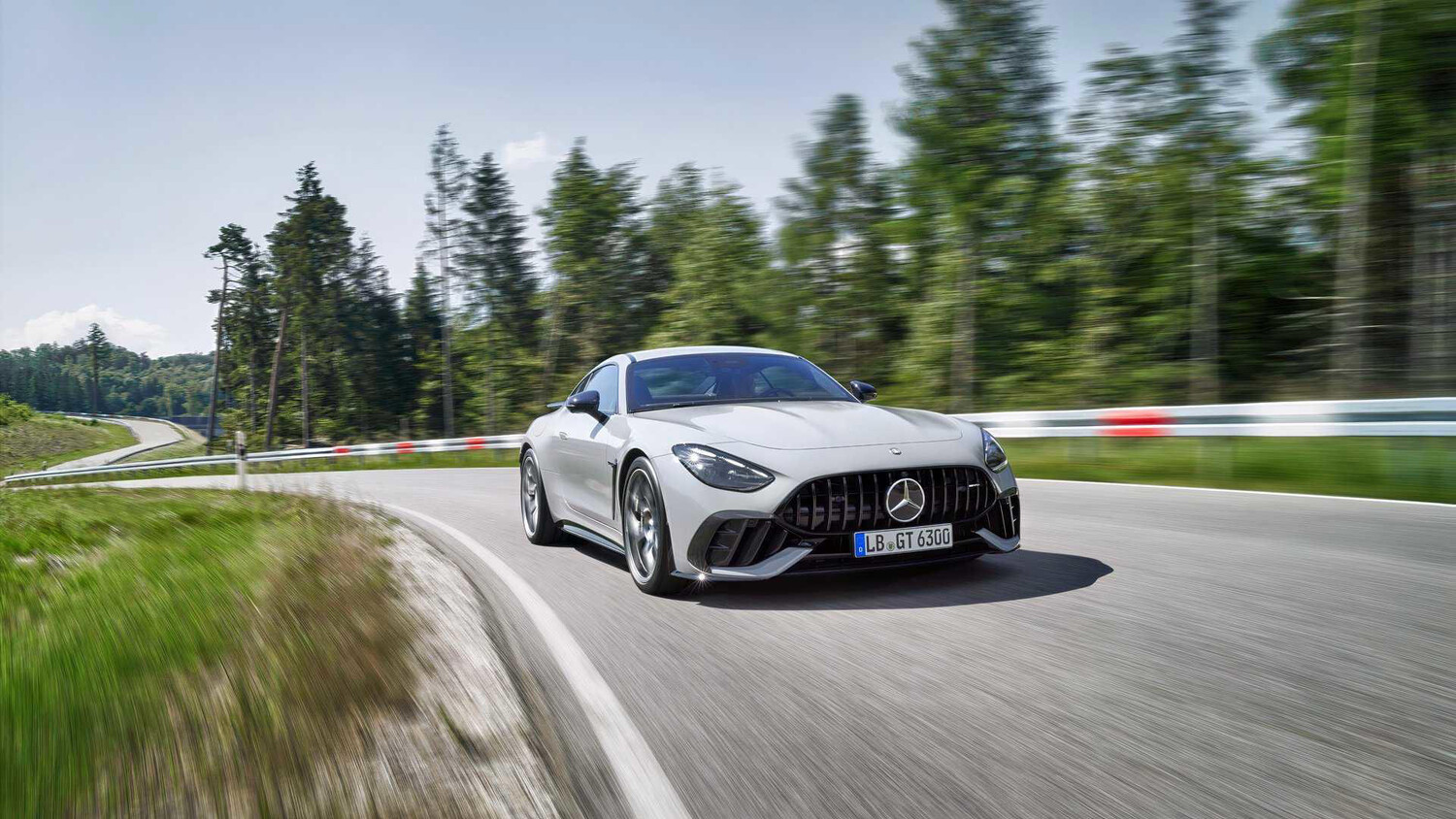
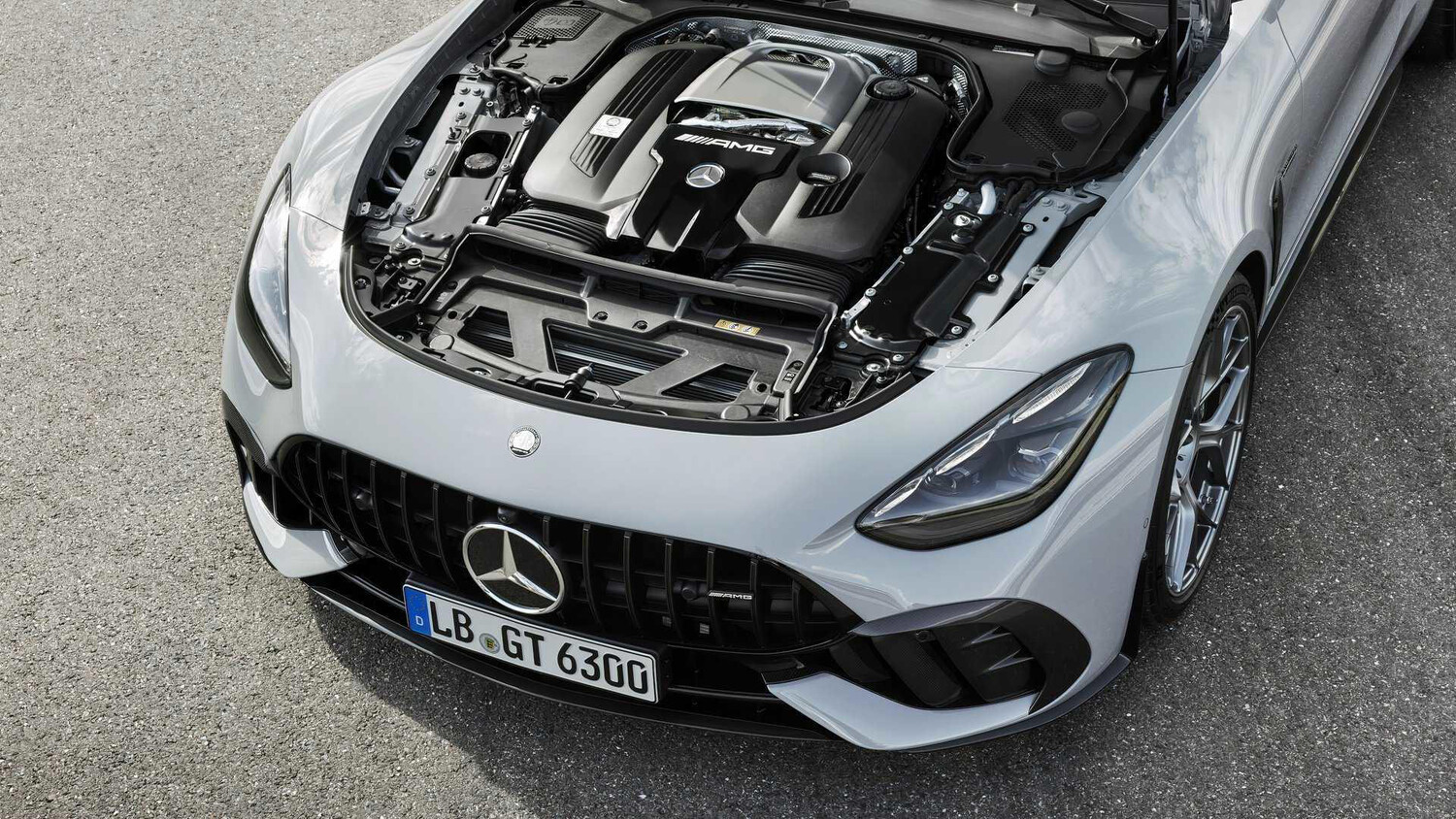
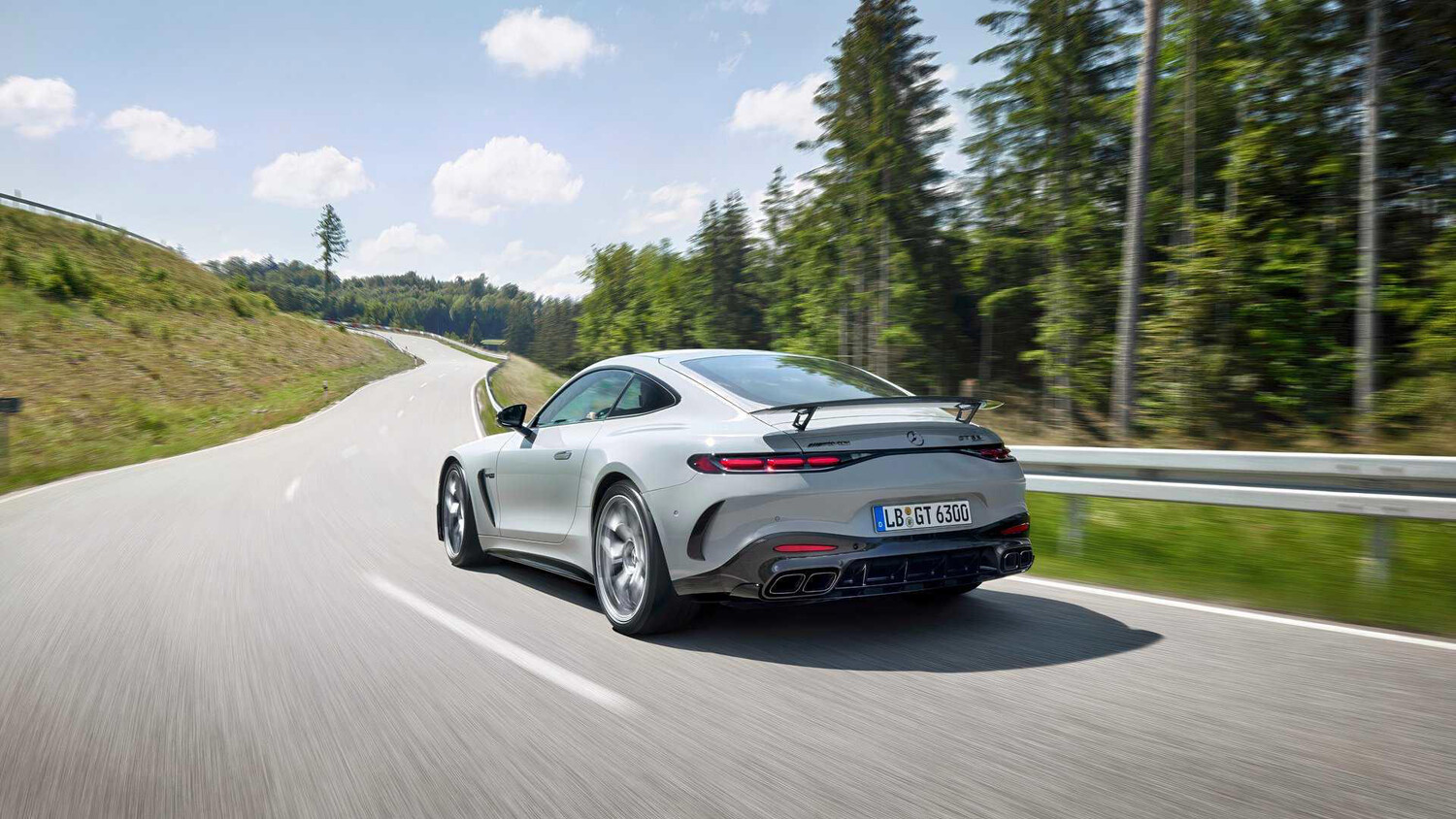
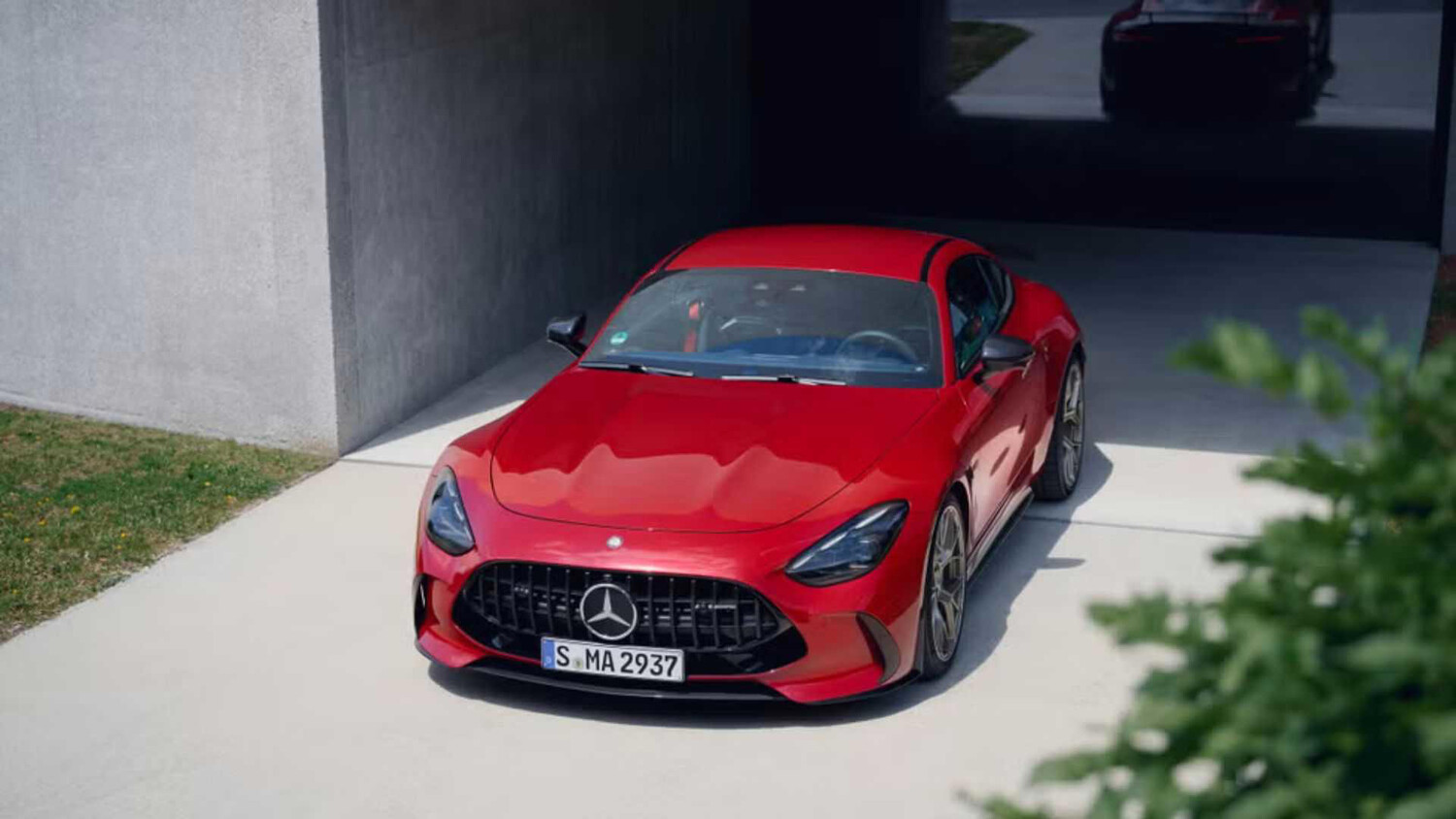
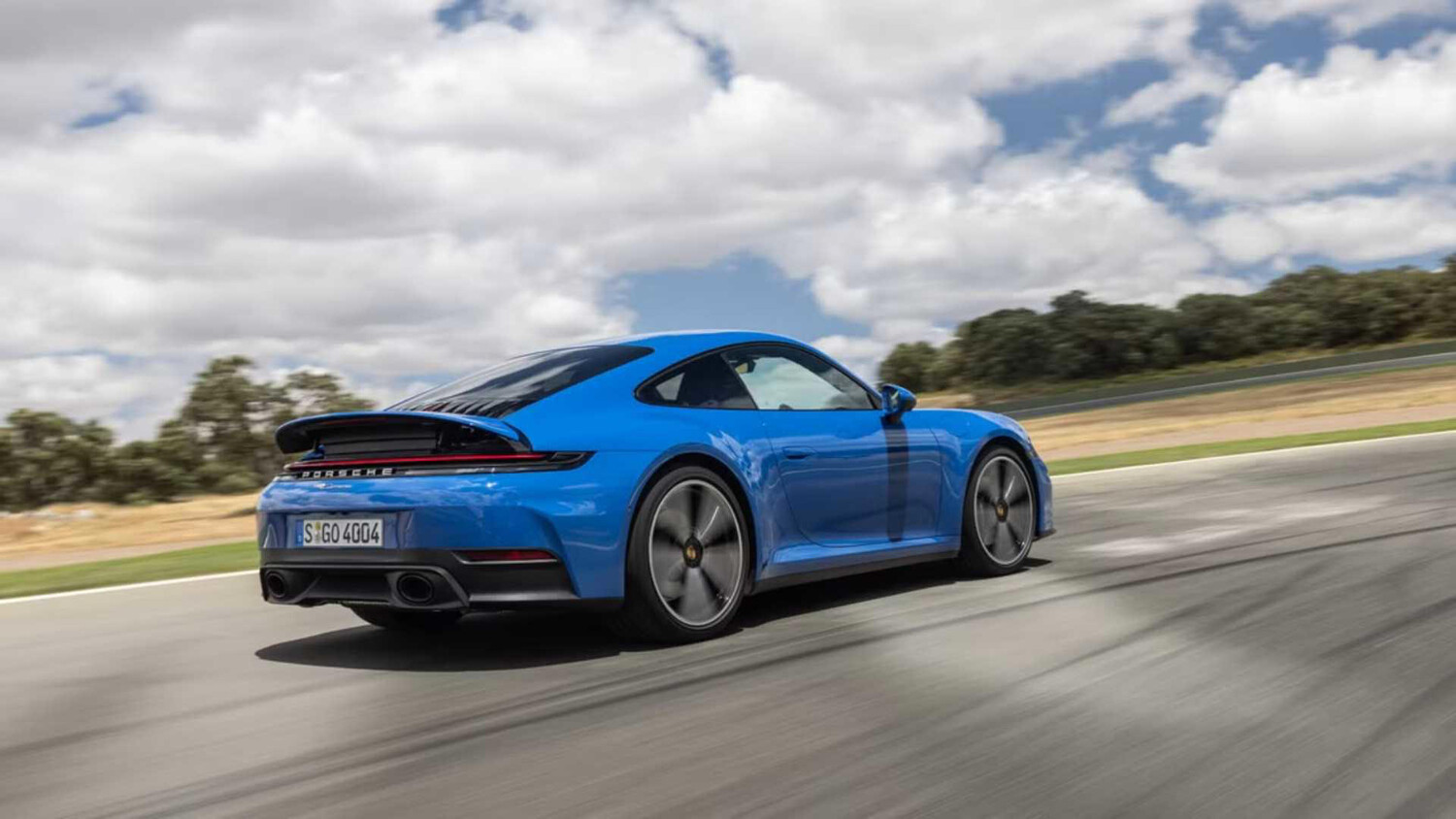
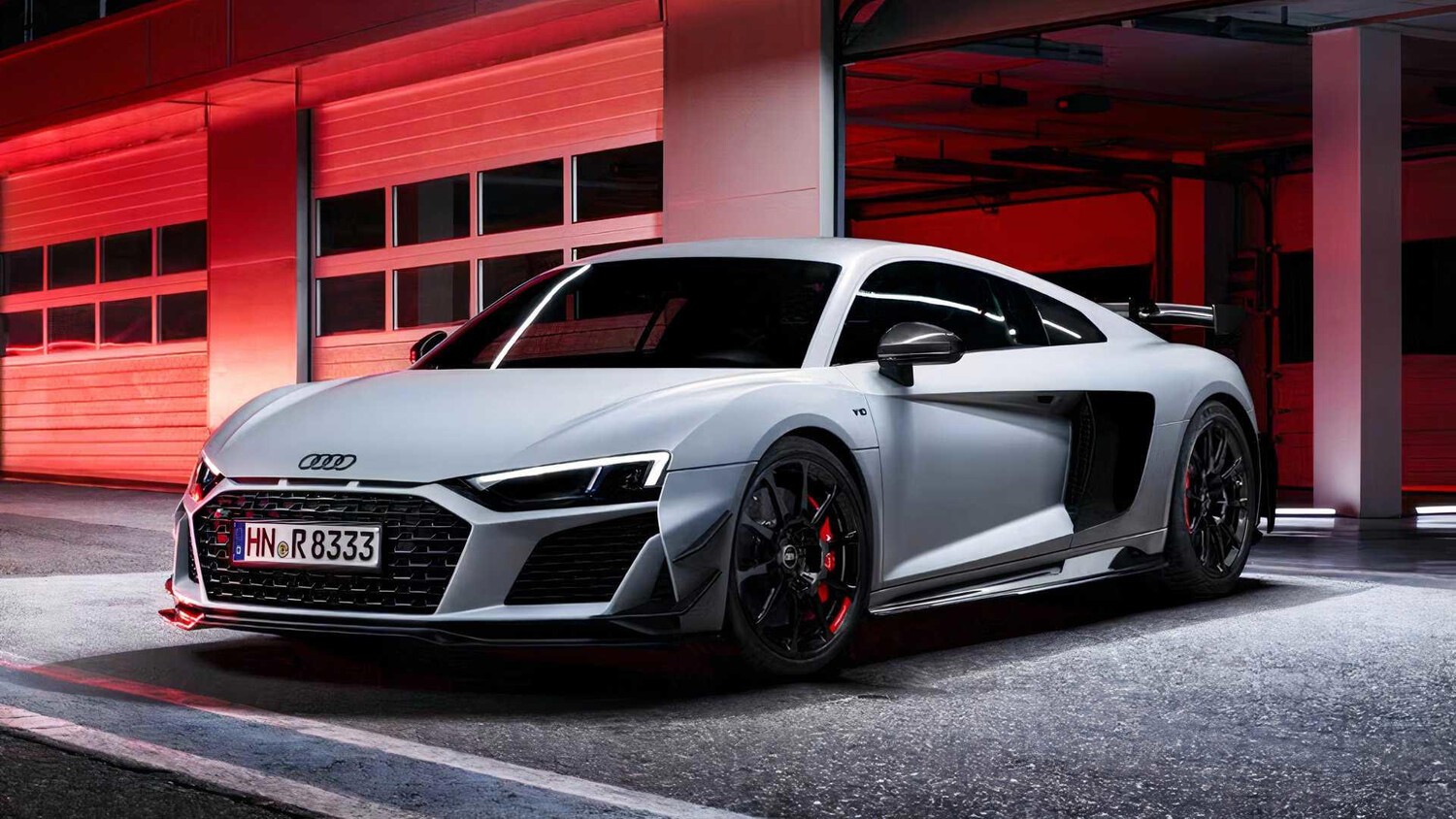
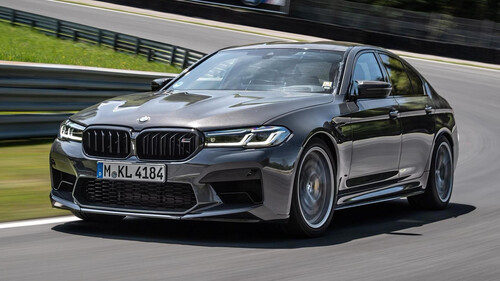
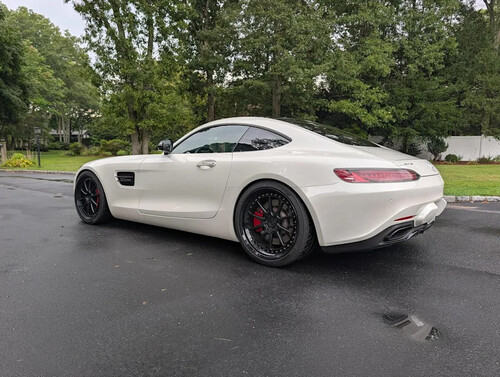
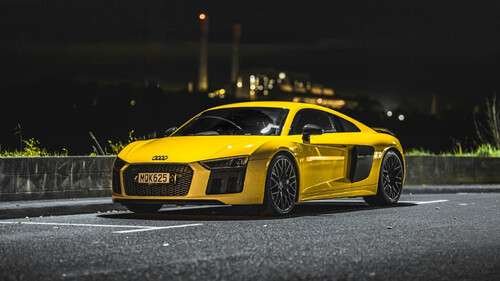
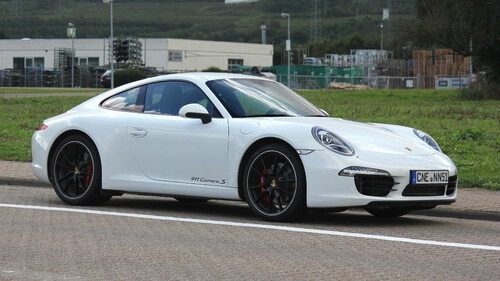
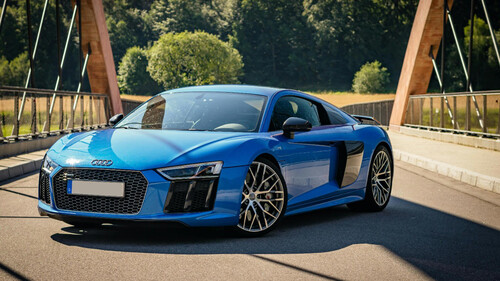
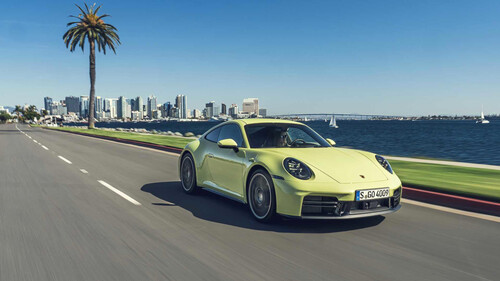
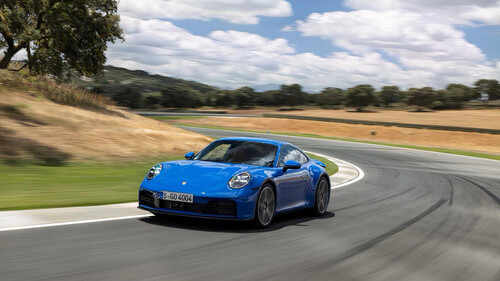
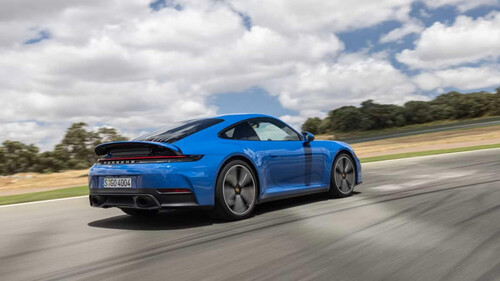
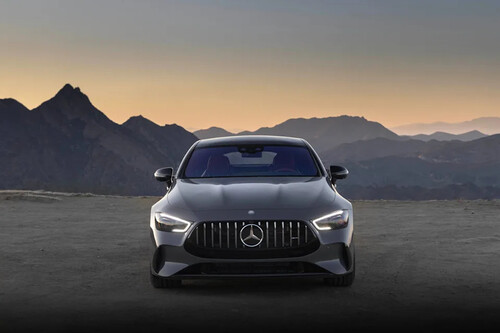
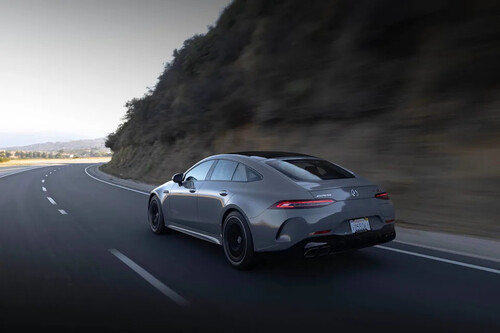
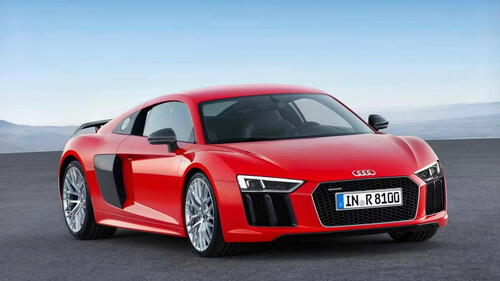
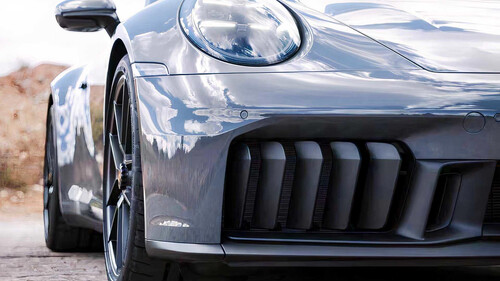
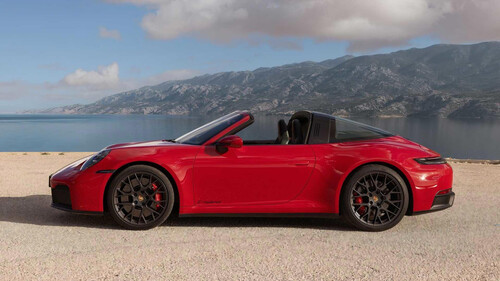
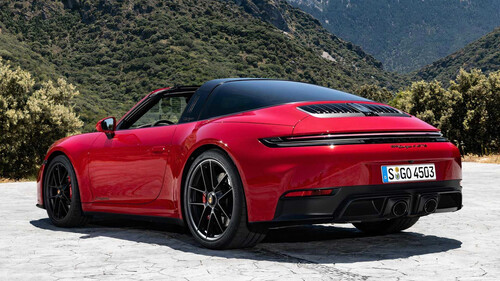
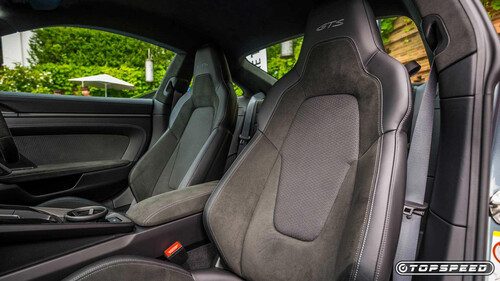
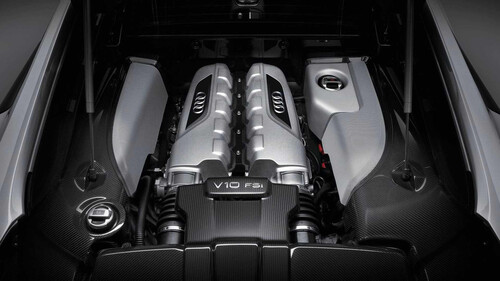
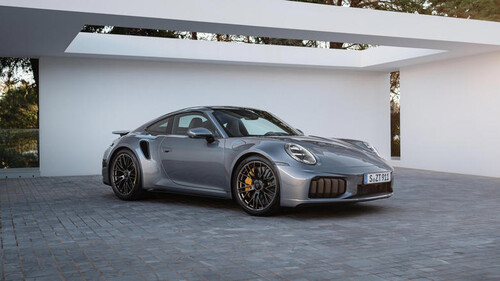
There are performance cars that chase speed, and then there are those that try to balance speed with usability. The 2026 Mercedes-AMG GT 63 Coupe sits firmly in the latter category—but it does so in a way that is far more extreme than most. The GT 63 goes beyond the typical boundaries of a luxury coupe with performance enhancements. It is not merely a lightweight track-focused machine that has been softened for everyday driving. The GT 63 occupies a unique space where sophistication and brute force meet, and that's what makes it interesting. And that's what makes it interesting. What Makes The 2026 Mercedes-AMG GT 63 So Different? A Performance Car That Refuses To Commit To One Role Mercedes-Benz The 2026 Mercedes-AMG GT 63 carries the hallmarks of a modern Mercedes-Benz—premium materials, advanced digital interfaces, and a level of refinement expected of a performance coupe. At the same time, it is unmistakably an AMG product, built around a performance-first mindset. Its platform was designed to support grand touring and high-performance driving without forcing the driver to choose between the two. AMG’s V8 Still Defines The Experience A 4.0-Liter Twin-Turbo V8 With Real Character Mercedes-Benz At the core of the 2026 Mercedes-AMG GT 63 is AMG's 4.0-liter twin-turbocharged V8 (M177), an engine that continues to define the brand's performance identity. In standard GT 63 form, it produces 577 horsepower and 590 lb-ft of torque, delivered through a nine-speed AMG Speedshift automatic transmission and a rear-biased 4Matic+ all-wheel drive system. However, the GT lineup doesn’t stop there. Mercedes-AMG also offers the GT 63 S E Performance, a plug-in hybrid variant that pairs the same V8 with an electric motor mounted on the rear axle.Mercedes-Benz The result is a combined output of 805 horsepower and 1,047 lb-ft, placing it firmly among the most powerful road-going AMG models to date. It’s not just about headline figures, though. The way that power is delivered—through a combination of twin-turbocharged V8 muscle and electric assistance—adds a layer of immediacy and response that traditional setups can’t quite match. More importantly, it reflects a broader shift in how performance is being engineered.Mercedes-Benz Rather than replacing the V8 altogether, electrification is being used to enhance it—filling in torque, sharpening response, and pushing overall output to levels that would have been difficult to achieve with combustion alone. It feels familiar—but different in character. The standard GT 63 represents a more traditional interpretation—relying solely on its V8 for a more consistent and mechanically engaging driving experience. For those who value that connection, it remains the purer option.Mercedes-Benz On paper, the GT 63’s figures place it clearly within high-performance territory. But as is often the case with AMG, the defining factor isn’t output alone—it’s how that performance is delivered. Award-winning motoring journalist, World Car Awards juror, and section editor for Sowetan Motoring and Sunday Times Lifestyle Motoring, Brenwin Naidu—who drove the plug-in hybrid GT 63 S E Performance—puts it simply: “A Mercedes-AMG sports car at this level needs a V8—non-negotiable.”Mercedes-Benz Brenwin describes the GT 63’s performance as immediate and forceful. With launch control engaged, acceleration is aggressive but controlled, allowing the car to reach 60 mph in roughly 3 seconds. More notable, however, is the in-gear performance, where the broad torque band ensures strong acceleration across the rev range. The V8’s character also plays a central role in the experience.Mercedes-Benz As Naidu explains: “The aural character of that famed M177 motor delights… with its truculent rhythm under hard acceleration and the customary loud barks on downshift.” In an era where electrification is reshaping performance, this level of mechanical character remains a key differentiator. 2026 Mercedes-AMG GT 63 Pro vs GT 63 S E Performance (PHEV) - Specifications A Modern AMG With Purpose Proportions That Emphasize Performance Mercedes-Benz The 2026 Mercedes-AMG GT 63 showcases a striking design that fuses classic sports car aesthetics with contemporary AMG flair. Its elongated hood, assertive stance, and sleek profile convey a commitment to performance. The front end is dominated by the iconic Panamericana grille, flanked by prominent air intakes and LED lighting that not only enhance its aggressive look but also serve a functional purpose in cooling and aerodynamics.Mercedes-Benz The rear is equally purposeful, with broad shoulders and quad exhaust outlets reinforcing the car's muscular character. Each design choice serves a purpose, underscoring the car’s identity as both a luxurious grand tourer and a formidable performance vehicle. A Grand Tourer At Heart A Digitized, Driver-Focused Cabin Mercedes-Benz Inside, the GT 63 presents a different personality. The cabin is modern and technology-driven, centered around dual digital displays and AMG-specific performance interfaces. Despite its focus on driving, the layout remains intuitive and accessible.Mercedes-Benz Naidu describes the interior as “snug, digitized, but with the expected level of opulence,” highlighting how the car maintains a premium feel without sacrificing functionality. High-quality materials, including leather upholstery and metallic finishes, contribute to an environment that feels appropriately luxurious for a flagship AMG model.Mercedes-AMG One of the GT 63’s defining traits is its usability. Unlike many high-performance coupes, it does not demand constant compromise. The inclusion of small rear seats adds a degree of practicality, even if limited. As Naidu notes, they are “fine for backpacks, but anything with legs might struggle.” Where The GT 63 Finds Its Edge Advanced Chassis Technology Mercedes-AMG The 2026 Mercedes-AMG GT 63 features a significantly revised chassis, bringing a noticeable step forward in both handling and overall stability. A key part of that upgrade lies in the integration of rear-axle steering and an advanced active roll stabilization system—both engineered to manage the car’s mass more effectively while sharpening its responsiveness.Mercedes-AMG Rear-axle steering serves a dual purpose. At lower speeds, it improves maneuverability by effectively shortening the wheelbase, making the car feel smaller and more agile in tighter spaces. At higher speeds, the system works in tandem with the front wheels, enhancing stability and giving the car a more planted, confident feel during quick directional changes.Mercedes-AMG Complementing this is the hydraulically operated active roll stabilization system, which minimizes body roll when cornering. Unlike traditional anti-roll bars, it continuously adapts to driving conditions, helping the car remain level through turns while maintaining optimal tire contact with the road. That composure is particularly evident when the car is pushed harder. GT 63 Vs GT 63 S E Performance: Two Interpretations Of Speed Hybrid Performance And The Downside Mercedes-AMG The GT 63 S E Performance may be the most powerful AMG ever. However, the added weight of the hybrid system can impact both handling and how effectively the power is deployed, particularly in more technical driving scenarios. Take the new BMW M5, for example—it's a hybrid V8, but some reviews, particularly Rory Reid from Autotrader UK, suggest it feels heavy and less agile than expected.Mercedes-AMG Yes, efficiency is important, but performance cars, I feel, should stay linear and relatively untouched. That said, perhaps the standard GT 63 bucks that trend. For purists who prioritize simplicity over outright numbers, the GT 63 presents a more traditional approach—a V8 delivering accessible, usable power without the added complexity of hybrid systems. Rivals, Pricing, And Positioning Mercedes-AMG Rather than traditional luxury rivals, the Mercedes-AMG GT 63 also overlaps with more driver-focused performance cars. That’s where cars like the Audi R8 and Porsche 911 Carrera S come into the conversation. Porsche 911 Carrera / Carrera GTS Porsche The Porsche 911 remains the benchmark for driver engagement, regardless of generation. In Carrera and Carrera GTS form, it offers a range of performance outputs—from around 379 horsepower to 473 horsepower—with 0–60 mph times ranging between 3.3 and 3.0 seconds, depending on configuration.Porsche Pricing typically starts at around $115,000, climbing well beyond $160,000 for higher-spec models.Where the 911 excels is in its precision. It is lightweight, balanced, and incredibly responsive, delivering a level of feedback that few cars can match. The AMG GT 63, however, counters with significantly more power, greater straight-line performance, and a broader sense of usability—offering a more versatile take on high-performance driving. Audi R8 Audi The Audi R8 takes a different approach, offering a more traditional supercar experience. Powered by a naturally aspirated 5.2-liter V10 producing up to 602 horsepower, it delivers a 0–60 mph time of around 3.2 seconds, with a top-end character that emphasizes high-revving performance.When new, pricing sat in the region of $160,000–$200,000, placing it firmly within the same financial bracket as the AMG.Audi The R8’s defining trait is its drama. The mid-engine layout, sharp styling, and naturally aspirated engine are what give it the wow factor. However, it is also more limited in scope. Compared to the GT 63, the R8 sacrifices usability and comfort in favor of a more intense, single-purpose experience. It’s a car that demands commitment, rather than adapting to different driving scenarios.Mercedes-AMG Against cars like the 911 and R8, the AMG GT 63 occupies a unique space. It may not match the 911’s precision or the R8’s purity, but it offers something neither fully can—a balance between performance and usability. It is fast enough to compete, refined enough to live with, and engaging enough to keep drivers interested. Why The 2026 Mercedes-AMG GT 63 Still Matters Mercedes-AMG The 2026 Mercedes-AMG GT 63 occupies a unique position in the performance car landscape. As Brenwin Naidu summarizes: “Powerful, imposing, technologically sophisticated and without relinquishing emotive appeal.” That balance is what sets it apart. The 2026 Mercedes-AMG GT 63 is not defined by a single trait but by its ability to blend contrasting qualities. It strikes a balance between refinement and aggression, comfort and capability, control and intensity.Mercedes-AMG This harmony creates a driving experience that is both engaging and accessible, allowing drivers to enjoy performance without compromise. In a competitive landscape of high-performance vehicles, this unique balance is what truly sets the GT 63 apart.Sources: Carbuzz, Motortrend, Mercedes-Benz USA