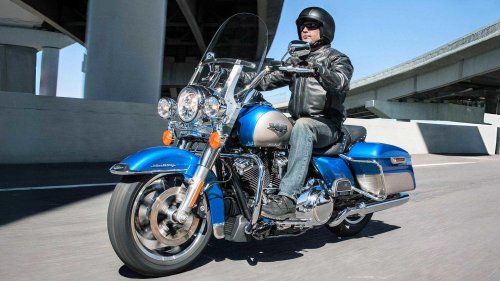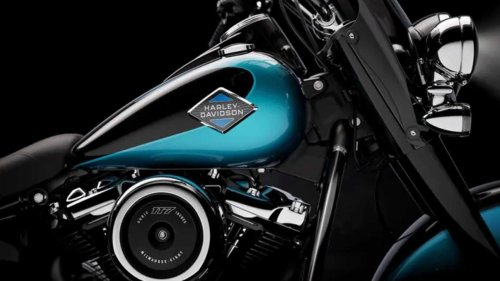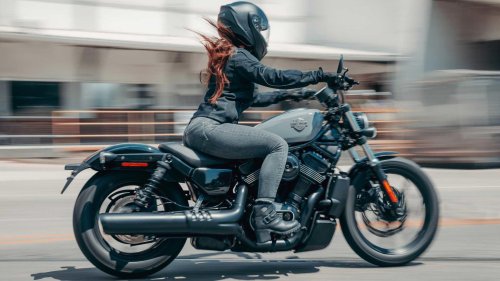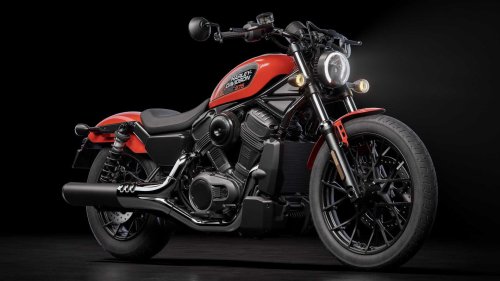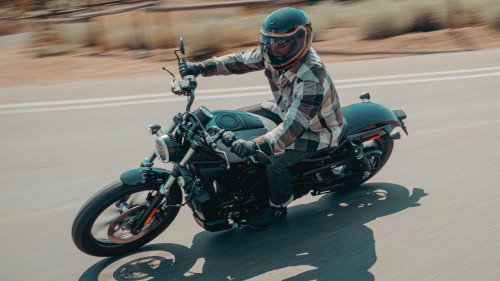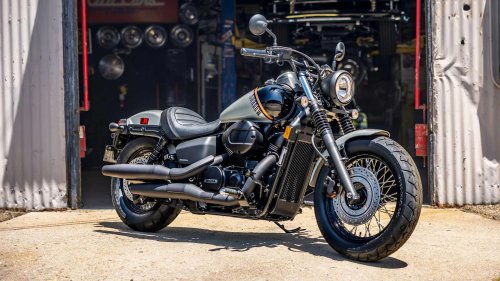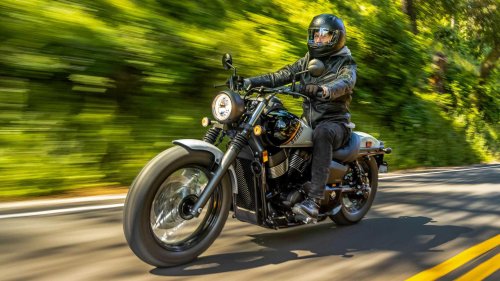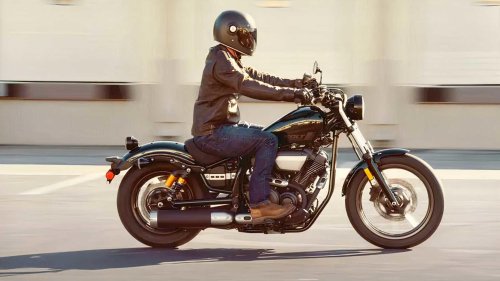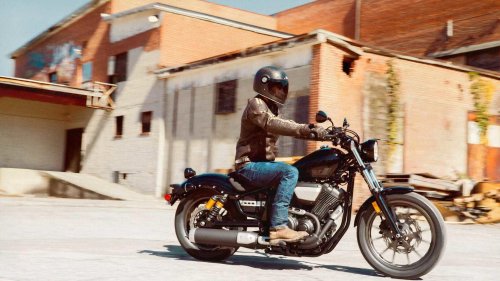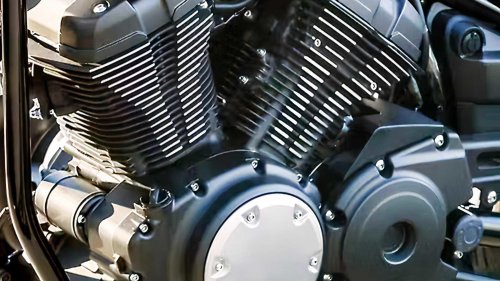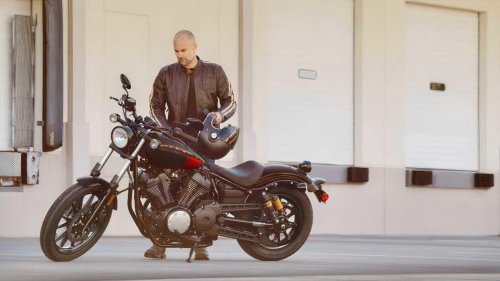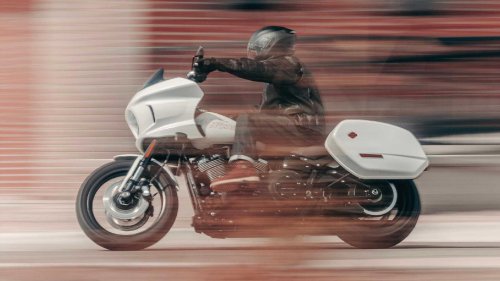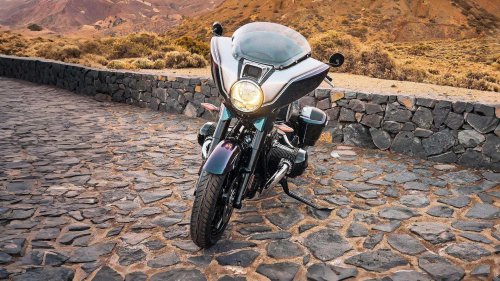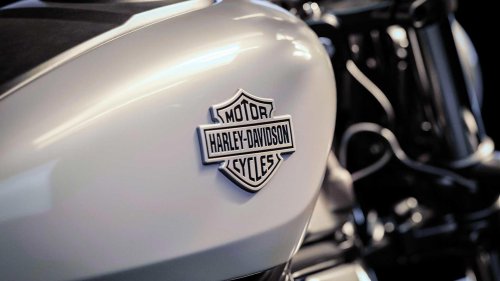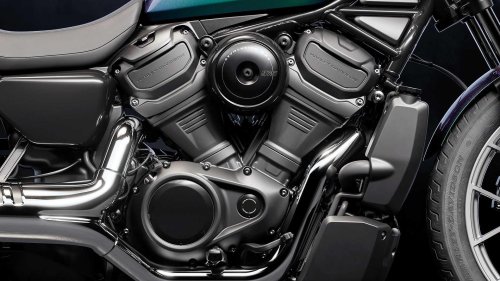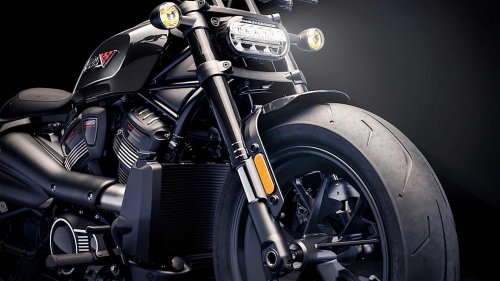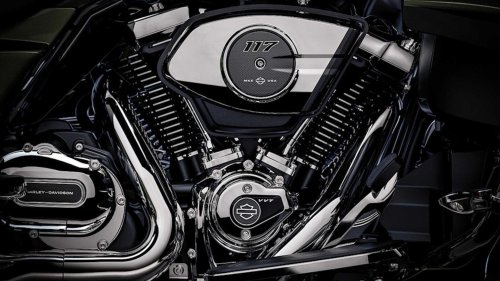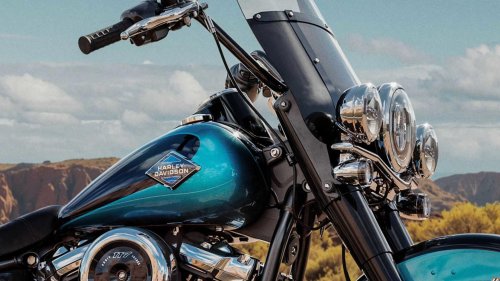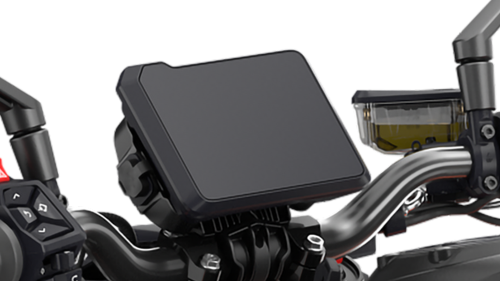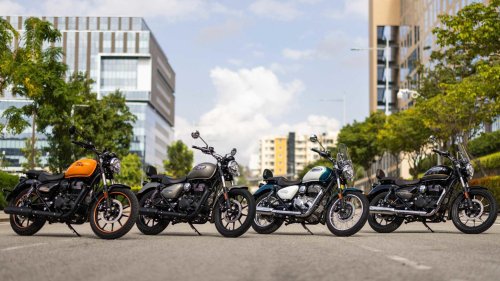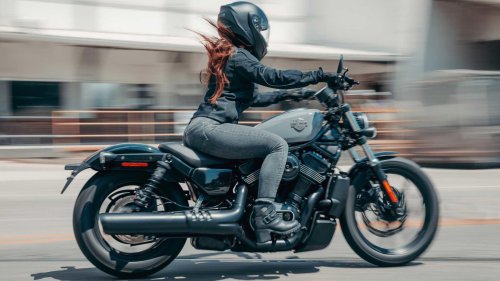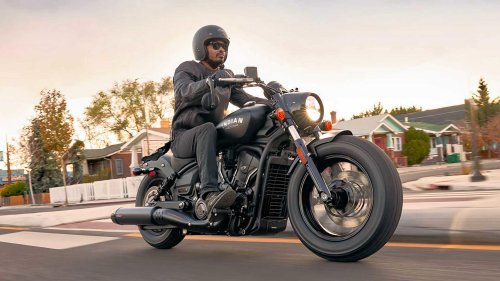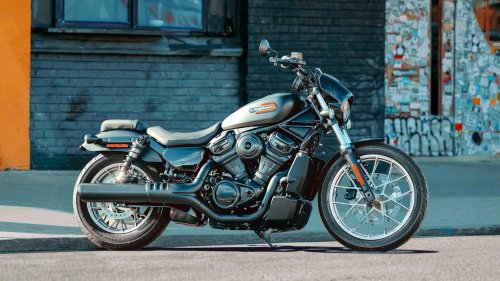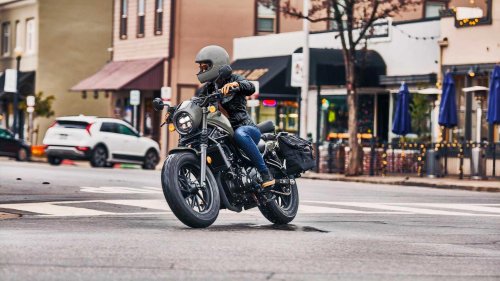
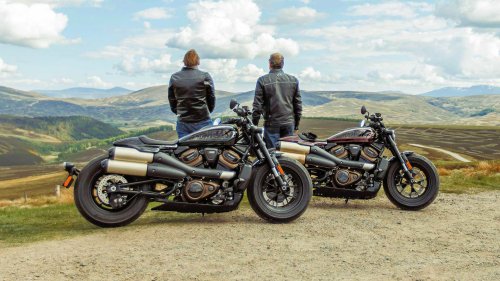
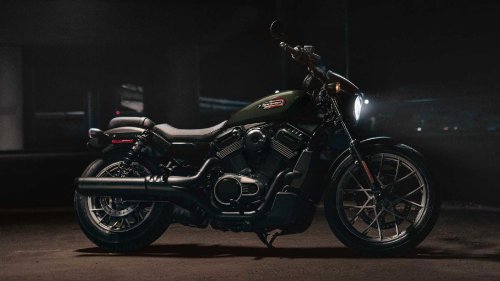
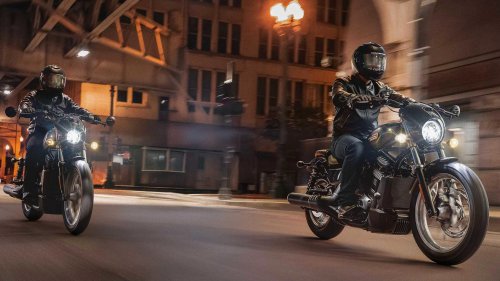
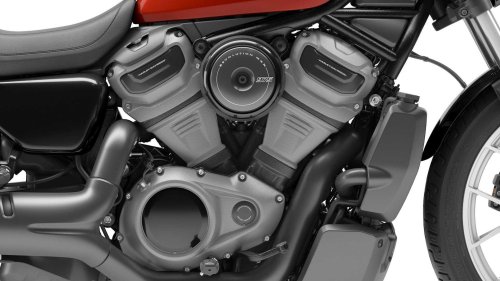
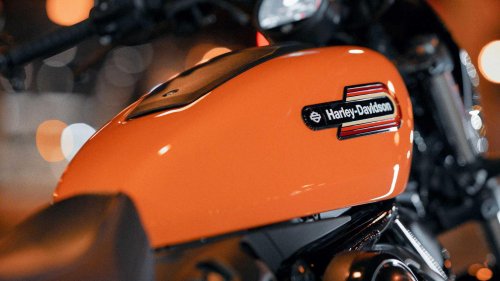
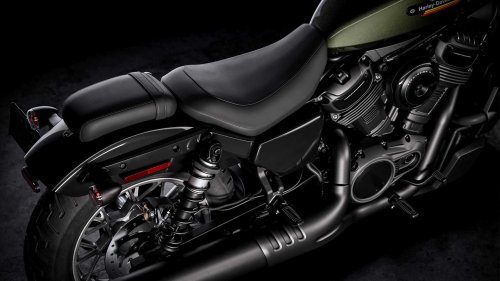
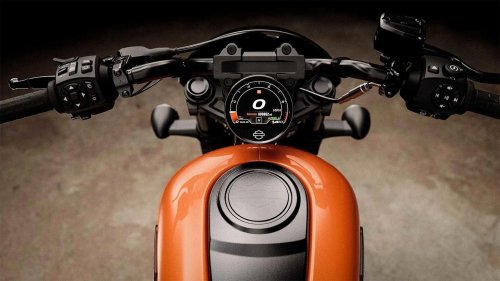
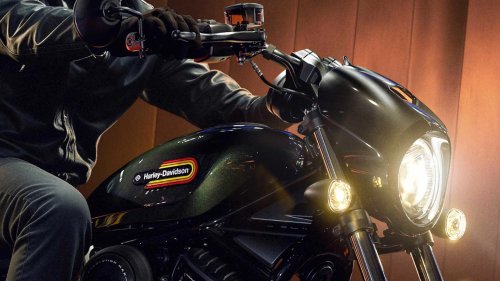
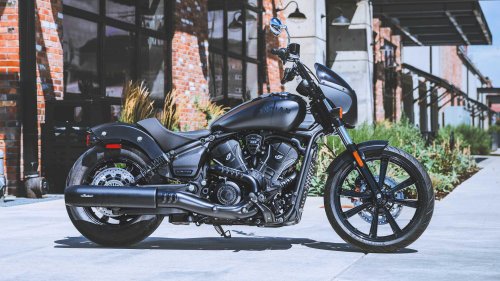



















There's a version of the modern cruiser buyer who rides to work on a Tuesday and carves canyons on a Saturday. Most manufacturers don't design motorcycles for this person. Production costs and category constraints usually push development toward a single use case, so the bike either earns its keep on the weekend and tolerates the commute, or handles the daily grind and underwhelms the moment the road gets interesting.Buyers on both ends of that compromise have learned to accept it as the cost of entry. The assumption baked into most cruiser designs is that character and capability live at opposite ends of the same spectrum, and buyers simply pick one over the other. A handful of bikes, however, prove that assumption wrong. A Daily Cruiser Needs To Be Light, Peppy, And Reliable HondaThe typical middleweight cruiser is engineered around a silhouette because visual identity and aesthetics matter in this segment. But it does create predictable gaps in the spec sheet. Stiff ergos, lacking equipment and tech at the base price, or worse still, limited suspension capabilities. The Honda Rebel 1100, for instance, solves the daily usability side with its parallel-twin and automatic DCT, but trades the V-twin character that defines what an American-style cruiser is supposed to feel like. The Indian Scout Sixty, on the other hand, brings value and a liquid-cooled V-twin, but the five-speed gearbox runs out of headroom on the highway. Bonus Points For Making You Feel Special Harley-DavidsonA cruiser that handles the daily grind competently is useful. One that also makes the rider not want to park it at the destination and look back at it is rarer. The emotional side of cruiser ownership that comes from the sound, the character, the way the bike carries itself, and the feelings it generates is what keeps riders on the same machine for years rather than trading up out of boredom. Most bikes in this segment deliver one or the other. The one we're talking about manages both, however. The Harley-Davidson Nightster Special Can Be Ridden Everyday And Still Feel Special Harley-DavidsonHarley-Davidson built the Nightster on a similar Revolution Max platform that underpins the 121-horsepower Sportster S, then trimmed the displacement and tuned the character to suit the street. The Special takes that experience further with some nifty additions over the base bike. Starting under $13,000, it ships with a passenger seat, a West Coast-inspired headlight mini-fairing, bar-end mirrors, and a 4-inch full-color TFT display. That is the complete daily package from the base price. Harley's approach to accessible ownership at this price point is what separates the Nightster Special from most of its competition. Light Enough To Filter, Composed Enough To Carve Harley-DavidsonThe Nightster platform has plenty to like. For instance, positioning the fuel tank under the seat rather than above the engine drops the center of gravity in a way that 483 pounds of running weight doesn't feel as much. The steel trellis frame uses the Revolution Max as a stressed member, shortening the wheelbase and reducing the effect that makes heavy bikes feel unwieldy in tight turns. A 30-degree rake angle and a 60.8-inch wheelbase keep lane changes crisp without giving the chassis a nervous feel at highway speed.Up front, 41 mm Showa Dual Bending Valve forks handle suspension duties with 4.6 inches of travel. The rear runs dual outboard direct-acting emulsion shocks with threaded-collar preload adjustment and 3.0 inches of travel. Neither unit is adjustable beyond preload, which is the one area where a loaded weekend run reveals the suspension's limits. As an everyday V-twin cruiser, the Nightster Special's chassis still delivers more composure in corners than the segment average at this price. The Revolution Max 975T Is Built For The Commute Harley-Davidson The 975cc displacement traces directly to the Revolution Max family Harley introduced with the Pan America. Compared to the Milwaukee-Eight V-twins in the bigger touring models, the 975T runs a short-stroke architecture that puts its powerband higher in the rev range, with 91 hp at 7,500 rpm and 72 lb-ft of torque at 5,750 rpm. Variable valve timing on the intake side extends the useful power window, giving the engine a broader torque curve. Belt final drive keeps maintenance demands predictable. At 52 mpg combined and a 3.1-gallon tank, the range clears 150 miles before a fuel stop. All the makings of a good everyday cruiser if you ask us. The 'T' Makes the Nightster Special Feel Exactly That Harley-Davidson The "T" designation signals a torque-biased calibration over the base Revolution Max 975. Where the Sportster S prioritizes top-end output, the 975T pushes mid-range delivery forward, making roll-ons from 40 mph immediately without a downshift. So the Nightster Special's power delivery covers both city and open road without a mode switch required. A six-speed gearbox completes the setup. Ergonomics And Modern Tech Dialed In For Every Ride Harley-DavidsonErgonomics-wise, a five-inch handlebar riser positions the controls three inches closer and two inches higher than the standard Nightster. Mid-mount foot controls distribute weight evenly and allow leverage changes without lifting off the seat. The 27.1-inch laden seat height and 33.9-inch width keep the bike accessible at stops for a wide range of inseams. Standard pillion accommodations, including seat and footpegs, mean the bike functions two-up without a single accessory purchase. A sizable plus over the base Nightster. Electronic Aids For Daily Riding Confidence Harley-DavidsonRider safety systems come standard with the 2026 Nightster Special. The Anti-lock Brake System handles straight-line emergency braking, while traction control prevents rear-wheel spin under acceleration. Then there is the Drag-Torque Slip Control System handling rear-wheel lock under abrupt throttle chops or rapid downshifts on slippery surfaces. The 4-inch TFT display handles turn-by-turn navigation and TPMS, while allowing access to ride modes and cruise control. For new riders approaching Harley's lineup, this safety net provides a confidence layer that the segment's analog alternatives simply can't match. The Nightster Special Sells For An Attainable Price Harley-DavidsonThe Nightster Special delivers a complete package out of the box at a price that doesn't leave room for almost any compromise before the first ride. What it delivers at $12,499 is a liquid-cooled V-twin with variable valve timing, a six-speed belt-drive gearbox, a full safety electronics suite, passenger accommodations, a TFT display, and cruise control, none of which require options. For riders evaluating this segment honestly, the standard-equipment list argument is harder to counter than the sticker price implies. Fares Well Against All Its Rivals Too Indian MotorcycleThe Rebel 1100 DCT makes a strong case for pure metric value, but it doesn't carry the V-twin character that defines this segment's emotional reward. Sure, at $11,199, the Rebel's parallel-twin offers more displacement and its DCT shifts without interruption, but the Honda ships without a passenger seat, a headlight cowl, or bar-end mirrors at that price.The Indian Sport Scout Sixty at $10,999 is $1,500 below the Nightster Special, a gap that looks significant until the spec sheet shows what's absent. No traction control, no ride modes, and a five-speed gearbox with wide ratios that creates a dead zone between gears at moderate highway speeds. Moreover, matching the Nightster Special's electronics requires stepping to the Limited trim, adding $1,000 to the Sport Scout Sixty's price and still leaving the 528-pound chassis and shortened gearbox in place.