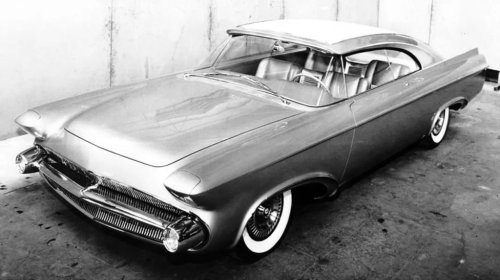
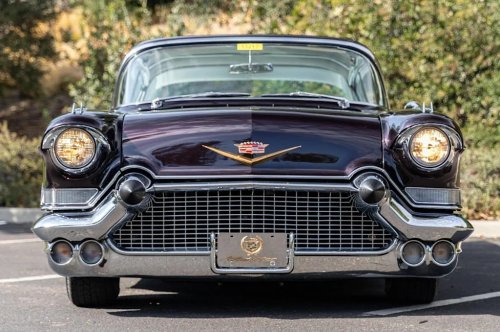
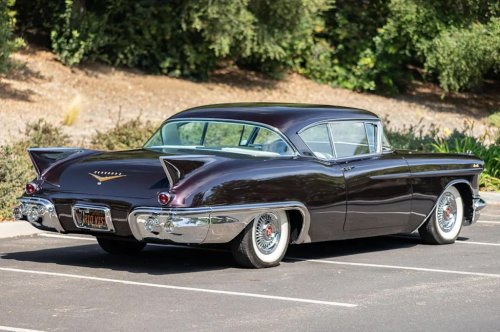
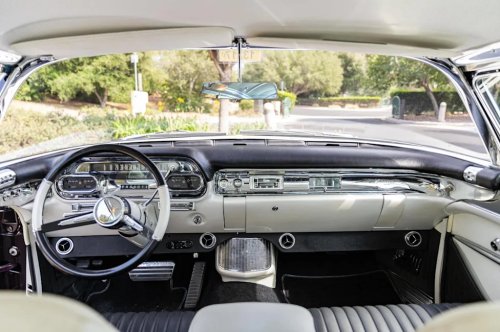
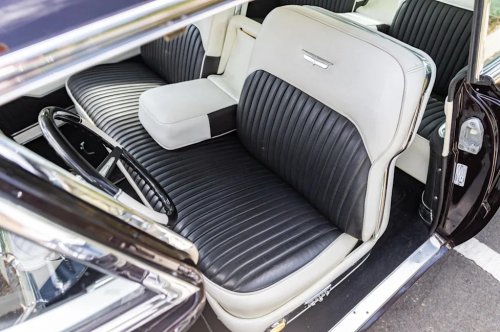
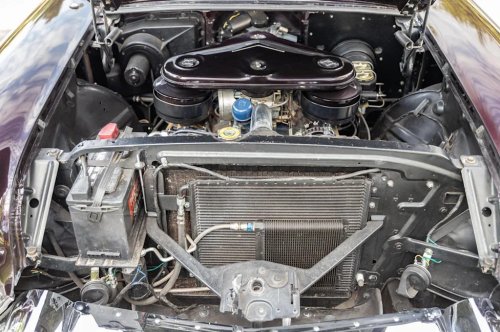
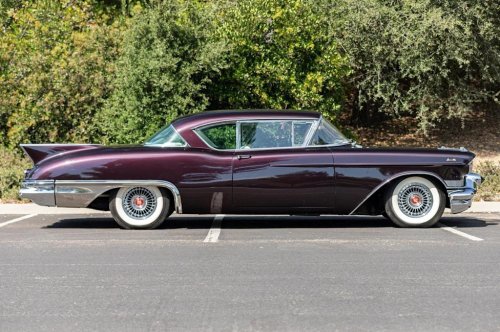
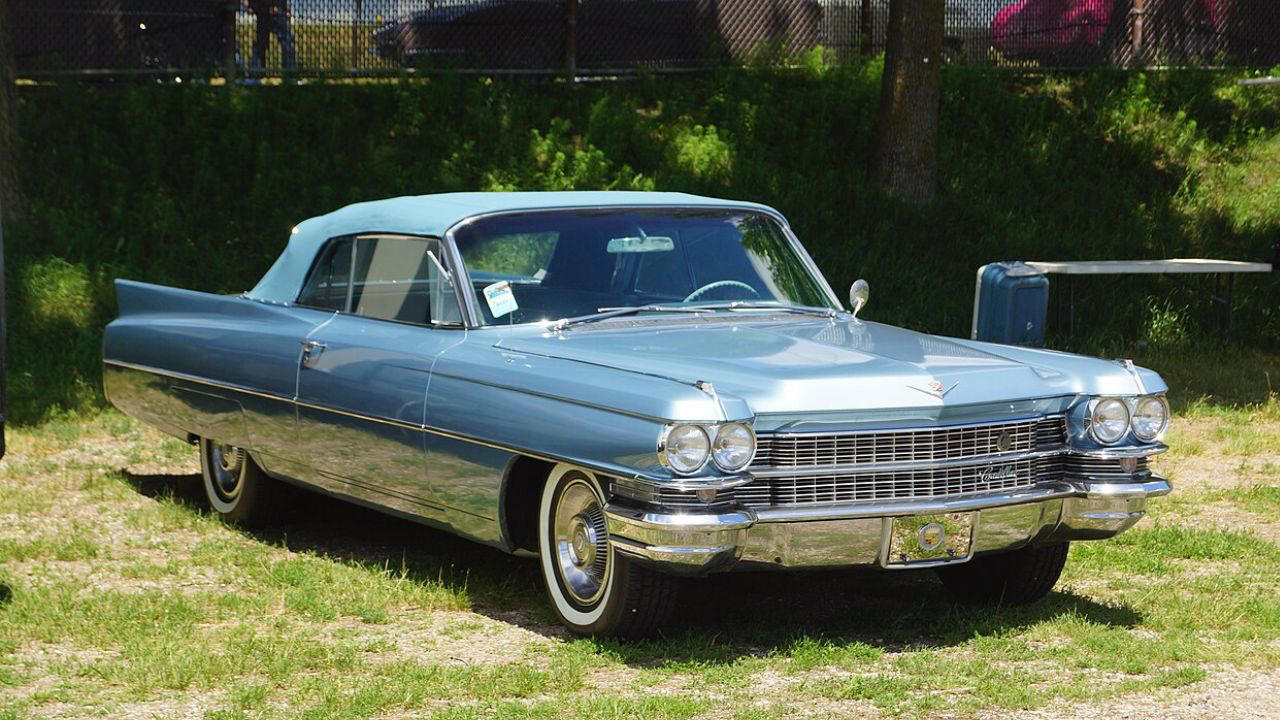
1963 Chrysler 300 vs 1963 Cadillac Series 62 one still feels special decades laterThe 1963 Chrysler 300 and the 1963 Cadillac Series 62 rolled out of Detroit in the same year, aimed at the same American appetite for size, style, and status. Yet more than sixty years later, only one of them consistently feels like an event when it appears at a cars and coffee or on an auction block. The contrast says as much about how the market remembers character as it does about horsepower or chrome. Both cars capture a turning point between the tailfin excess of the 1950s and the cleaner lines that would define the later 1960s. One was the established “standard of the world,” the other a brash performance coupe rooted in Chrysler’s letter-car tradition. Parked side by side today, they tell a story about rarity, design risk, and why some machines age into artifacts while others fade into the background of nostalgia. Two very different ideas of American prestige By 1963, Cadillac had already cemented the Series 62 as a pillar of its lineup. The car presented a long, low silhouette with restrained fins and a formal roofline that signaled quiet wealth more than flamboyant showmanship. Contemporary descriptions of the Cadillac Series emphasize its “majestic” exterior and a body stretched to project authority without the cartoonish flourishes of earlier fins. The Chrysler 300, by contrast, leaned into its role as the extrovert of the freeway. The letter-series heritage framed it as a high-speed grand touring car, and by 1963 the 300J variant pushed that image with a muscular stance and performance-focused engineering. Period accounts describe the 1963 Chrysler 300J as the tenth and final chapter in a storied sequence of limited-production flagships that carried serious engines and a reputation for autobahn-grade speed on American interstates. Underneath the shared full-size footprint, then, were two very different missions. The Cadillac Series 62 was designed to glide, impress, and reassure. The Chrysler 300J was built to thrill, even if that meant alienating some buyers who preferred comfort over raw pace. Engines that defined personality Powertrains are often where memory sharpens, and the Chrysler 300J makes its case immediately. Chrysler equipped the 300J with a 413 cubic inch V8, and period descriptions highlight the “1963 Chrysler 413 Cross Ram – Powerhouse of the 300J” as the centerpiece of the car’s identity. That 413 engine, breathing through long cross-ram intake manifolds, gave the car the kind of midrange surge that owners still recount with a mix of awe and respect. At the same time, Chrysler’s broader 1963 300 lineup also offered more conventional powerplants. A contemporary catalog lists an “Engine Specifications” table that starts with a 383 CID V8, and the Engine Specifications entry calls out the “383 CID V8” as the base configuration. That spread of engines meant Chrysler could sell a 300 that looked the part while reserving the 300J’s 413 for buyers who wanted the full letter-series experience. Cadillac took a different approach with the Series 62. Rather than chase peak output, it focused on smooth, abundant torque delivered through an automatic transmission that insulated the driver from effort. The Series 62 catalog frames the car’s drivetrain as part of a larger “Design and Innovation” story, and the Design and Innovation description emphasizes how “Its long, sleek body” worked in concert with a refined V8 and automatic gearbox to deliver quiet, effortless motion. Modern restomod builders underline how advanced that basic package was. One contemporary build of a 1963 Cadillac Series 62 highlights “Innovations like power windows and automatic transmission” as key reasons the car still feels modern in daily use, and the project describes the 1963 Cadillac Series 62 as a “timeless classic” in the brand’s history. In other words, the Chrysler 300J’s engine is remembered as a weapon, the Cadillac’s as a tool. Both work, but only one invites stories about long on-ramps and white knuckles. Rarity versus ubiquity If there is a single statistic that explains why one of these cars feels inherently special today, it is production volume. The 1963 Chrysler 300J is often described as the rarest of the 300 Series, and a detailed period overview notes that “The rarest of the 300 Series cars, was the Chrysler 300J produced in 1963, and in only 400 copies.” That same account stresses that they were all built with a clear focus on performance, and the “300” badge itself had already become shorthand for a very particular kind of Chrysler. By contrast, Cadillac positioned the Series 62 as a volume luxury model. Valuation guides for the 1963 Cadillac Series 62 treat it as a core collectible with a wide spread of body styles and a market that reflects steady interest rather than scarcity-driven spikes. The 1963 Cadillac Series appears with multiple configurations and value bands, a sign that plenty of examples survive and trade hands regularly. Rarity alone does not guarantee desirability, but it changes how a car is perceived. A 300J is something many enthusiasts will never see in person. A Series 62, while hardly common in everyday traffic, remains a regular presence at regional shows and online auctions. The Chrysler’s limited run of 400 cars turns every surviving example into a minor event, while the Cadillac’s broader footprint makes it feel more like a familiar chapter in the larger story of American luxury. Design: clean luxury versus “beautiful brute” Design language from the early 1960s can look surprisingly modern when it is stripped of heavy chrome and exaggerated fins. Cadillac’s 1963 models are often cited as a high point in this transition. One detailed retrospective on General Motors styling describes the 1963 Cadillacs as “Still smaller and less flamboyant than the quintessentially ’50s 1959-60 models, but decidedly more boldly” styled than the conservative early 1960s cars that preceded them. That assessment of the enter the 1963 model year frames the Series 62 as a confident refinement of Cadillac’s identity rather than a radical break. Specific surviving examples show how carefully Cadillac balanced color, trim, and proportion. A six-window 1963 Series 62 sedan finished in “Briar Rose Metallic” has been described as “the smart choice with the exterior color,” and the commentary notes that this is “the kind of color combination that is probably nobody’s” first thought yet works beautifully in person. That Briar Rose Metallic sedan underscores how Cadillac could make even an unconventional paint choice feel dignified. The Chrysler 300J, in contrast, earns descriptions like “beautiful brute.” In a detailed video walkaround, host Jamie of Dead Dodge Garage introduces “Gary Herbert’s 1963 Chrysler 300J” and lingers on the car’s aggressive stance, prominent grille, and muscular rear quarters. The same car appears in another segment where Jamie again highlights how the 300J looks purposeful from every angle, with minimal brightwork and a body that seems to lean forward even at rest. Chrysler’s broader 1963 design language supported that image. A contemporary fact sheet on the Chrysler New Yorker notes that “chrome ornamentation was minimal” and describes a “thin beltline bright molding” that ran the length of the car. That same restrained approach carried over to the 300, and the Chrysler New Yorker reference helps explain why the 300J’s surfaces look clean and modern compared with the busy forms of late 1950s rivals. Both cars, then, are elegant, but the Cadillac aims for stately while the Chrysler leans into menace. Decades later, it is the car that looks slightly dangerous that tends to draw a crowd. Inside the cabins: comfort versus focus Step into a 1963 Cadillac Series 62 and the priorities are obvious. A detailed catalog describes the interior as an extension of the car’s exterior “Design and Innovation,” with broad bench seats, generous legroom, and a dashboard that flows horizontally to emphasize width. The Image of the 1963 Cadillac Series 62 in that guide shows a cabin tailored to long-distance comfort, with bright metal trim and padded surfaces that invite passengers to relax. Real-world survivors confirm the effect. A video test drive of a 1963 Cadillac Series 62 convertible notes that “The vinyl shows well. The carpeting is complimentary light brown in color and also in nice condition. The dark taupe colored dash” ties the interior together in a warm, cohesive palette. That Feb walkaround emphasizes how the materials still project quality even after decades of use. The Chrysler 300J’s cabin, by comparison, feels more like a driver’s cockpit. In Jamie’s feature on Gary Herbert’s car, the host points out details such as the cable-driven tachometer, heavily bolstered front seats, and a dashboard dominated by large, legible gauges. The Jamie narration makes clear that Chrysler prioritized information and control, with less emphasis on plush rear-seat accommodations. Neither interior feels cheap, but they speak to different expectations. The Cadillac assumes an owner who might spend hours in traffic or glide between cities with family and friends along for the ride. The Chrysler imagines a driver who wants to feel every part of the machine and who is willing to trade some softness for a sense of command. On the road: glide versus surge Driving impressions from surviving cars reinforce those contrasting philosophies. Enthusiast tests of 1963 Cadillac Series 62 convertibles and coupes routinely describe a car that floats over imperfections, steers with a light touch, and isolates occupants from mechanical drama. One detailed overview of a 1963 Cadillac Series 62 convertible calls it a “quintessential Ame” example of American open-top luxury, and the Cadillac Series 62 is praised for its ability to cover long distances with minimal fatigue. Another video review of a 1963 Cadillac Series 62 convertible, produced by Jay from What It’s Like, walks viewers through the driving experience and underscores how the car’s power steering, automatic transmission, and soft suspension combine to create a relaxed, almost effortless feel. The what it Like presentation highlights the way the car wafts rather than attacks the road. The Chrysler 300J, in contrast, is remembered as a serious performance machine. A social media feature on the 1963 Chrysler 300J describes it as a car built for “vintage American might,” and the piece frames the 300J’s 413 Cross Ram engine as the centerpiece of a package that encouraged high-speed cruising. The discovered citation trail attached to that overview reinforces how the 300J’s engineering was celebrated as much as its styling. Modern coverage of Chrysler’s 300 lineage often looks back at the letter-series cars as benchmarks. A feature on a later 1965 Chrysler 300L coupe notes that the car used a 413 cubic inch V8 rated at 390 horsepower, and the piece calls the 1965 Coupe “rare” in its own right. That lineage helps explain why the 1963 300J, with its similar displacement and cross-ram setup, carries such a strong performance reputation today. On the road, then, the Cadillac is remembered for serenity, the Chrysler for speed. When enthusiasts talk about which car still feels special behind the wheel, the one that pins occupants back in their seats tends to win the argument. How collectors value them today Collector markets have a way of quantifying sentiment, and here the Cadillac’s ubiquity and the Chrysler’s rarity show up clearly. Valuation tools list the 1963 Cadillac Series 62 across a range of body styles and condition grades, reflecting a steady, liquid market. The valuation data for the Series 62 suggests that while top examples can command strong prices, the car generally remains accessible to enthusiasts willing to take on a full-size luxury project. The Chrysler 300J occupies a different niche. With only 400 built, each surviving example carries scarcity baked into its VIN. Enthusiast commentary often refers to the 300J as the “rarest” letter-series car, and the combination of limited production, distinctive engineering, and a clear place in Chrysler history has pushed it into the realm of serious collectors. Although detailed price guides are thinner for the 300J than for the Cadillac, auction coverage and private sale chatter consistently describe strong demand whenever a well-preserved or correctly restored car appears. That divergence shapes perception. For many enthusiasts, a 1963 Cadillac Series 62 is a dream that feels achievable with patience and a manageable budget. A 1963 Chrysler 300J, in contrast, is a unicorn that might never appear within reach. The car that feels unattainable inevitably acquires a deeper aura. Heritage and brand storytelling Brand narratives also play a role in how these cars are remembered. Cadillac has long marketed itself as the “standard of the world,” and enthusiasts often cite the early 1960s as a high point in its postwar history. A detailed commentary on 1963 and 1964 Cadillacs argues that these cars represented some of the strongest designs of the era, describing them as a sweet spot between the flamboyance of 1959 and the more restrained shapes that followed. That Curbside Compare perspective treats the 1963 Series 62 as a key chapter in a long-running success story. Chrysler’s narrative is more jagged, which paradoxically makes the 300J stand out. A retrospective on Chrysler design traces a line from the 1952 Chrysler d’Elegance concept, created with Ghia, through the New Yorker, the original C-300, the Windsor, and the Newport, then laments a period of stagnation in the 1980s and 1990s before the 300C sparked a revival. In that context, the 1963 300J appears as part of a golden age when Chrysler produced “dozens of stunning vehicles” and when design and engineering pulled in the same ambitious direction. The Unleash and American references attached to that history reinforce the sense of the 300J as a symbol of Chrysler at its confident peak. When a brand’s later years are uneven, its earlier triumphs often gain extra shine. The 300J benefits from that effect. It represents not just a fast Chrysler, but a moment when the company dared to build a limited-run flagship with engineering that bordered on overkill. Why one still feels special Put all of these threads together and a pattern emerges. The 1963 Cadillac Series 62 is a beautifully executed, widely admired example of American luxury at its height. It offers comfort, style, and a strong brand story. It is also relatively common for a classic of its era, and its virtues are subtle. A well-kept Series 62 draws appreciation from those who know what they are looking at, but it rarely stops a show. The 1963 Chrysler 300J, by contrast, combines rarity, aggressive design, and a powertrain that still sounds exotic. Only 400 were built. Each carried a 413 Cross Ram V8 that enthusiasts still discuss in reverent tones. The car’s styling is clean yet forceful, its interior focused on the driver, and its place in Chrysler history secure as the last of the original letter-series flagships. More from Fast Lane Only Unboxing the WWII Jeep in a Crate 15 rare Chevys collectors are quietly buying 10 underrated V8s still worth hunting down Police notice this before you even roll window down


















 +38 others