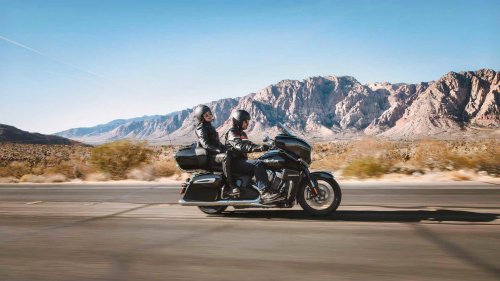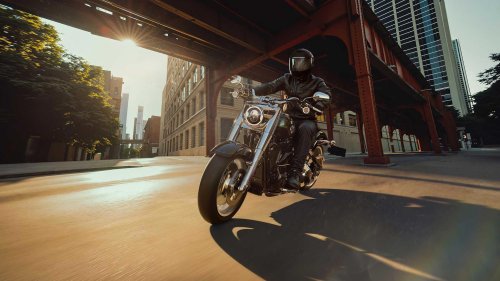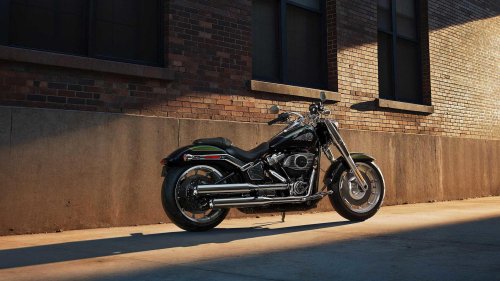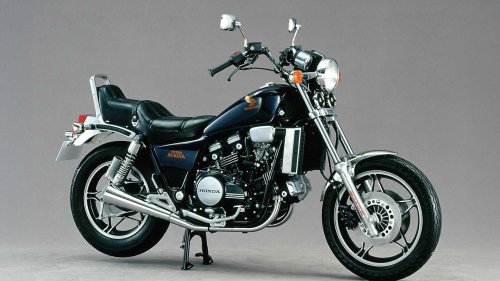
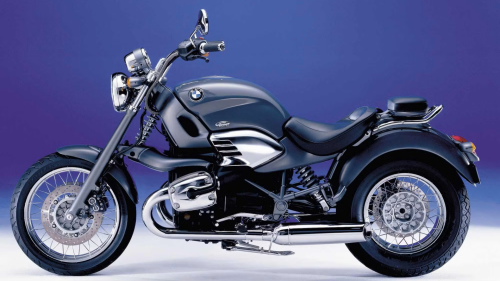
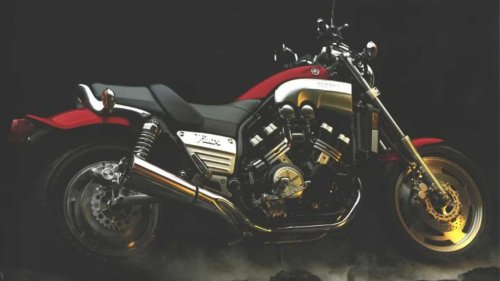
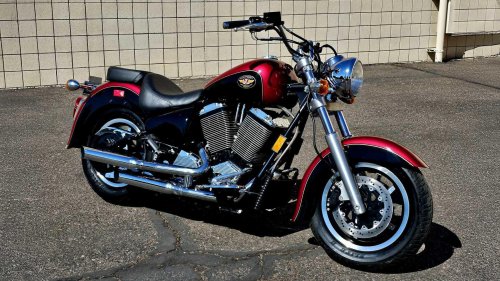
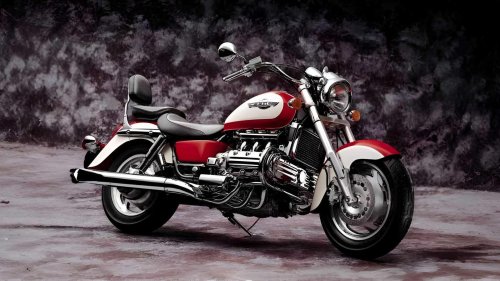
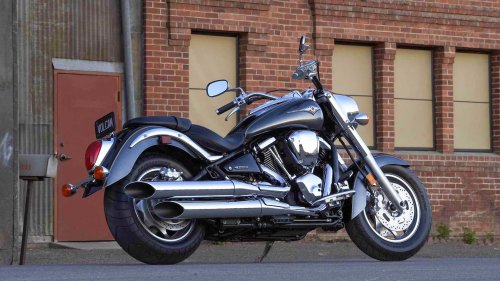
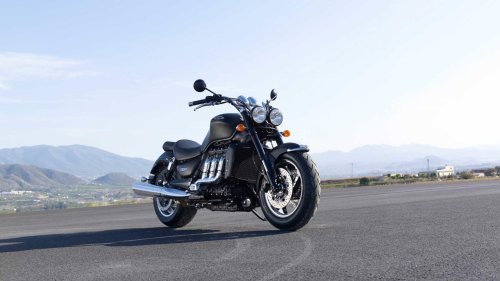









Cruisers have always been about attitude, presence, and that unmistakable low-end rumble. Somewhere along the way, however, many modern cruisers started trading raw personality for refinement, tech packages, and conformity. Sure, today’s bikes are more efficient, reliable, and safer, but in the process, they’ve lost that visceral connection between man, machine, and tarmac.Back in the ’90s and early 2000s, though, cruisers were built to make a statement. Manufacturers experimented with bold designs, monstrous engines, and unapologetic individuality. These bikes roared louder, looked meaner, and felt more alive than many of today’s muted, digital-heavy cruisers. Whether it was Honda throwing a flat-six into the Valkyrie, Triumph building the biggest motorcycle engine ever with the Rocket III, or Yamaha unleashing the V-Max with its drag-strip DNA, these machines were built to thrill and not just to cruise.To give you the most up-to-date and accurate information possible, the data used to compile this article was sourced from authoritative sources, such as Kawasaki USA, Yamaha USA, Moto Guzzi, Honda Powersports, Triumph USA and BMW Motorrad. Honda VF750C Magna Capacity: 748cc Honda The Honda Magna VF750C was a cruiser with the heart of a sports bike. Its 748cc V4 engine came straight from the legendary Honda VFR lineup, offering smooth, rev-happy performance rarely seen in a cruiser. It produced around 87 horsepower, an impressive number even by today’s mid-sized standards. Despite its relaxed ergonomics and classic styling, the Magna could rip through gears with urgency. It was a bit of a sleeper at the traffic light. Today’s midsize cruisers tend to focus more on low-end grunt and visual appeal, but few offer the Magna’s sporty edge and high-revving fun. Moto Guzzi California 1100 Capacity: 1,064cc Wikimedia Commons Before emissions laws and electronics rounded the edges, the Moto Guzzi California 1100 was a cruiser with soul. Its 1,064cc air-cooled transverse V-twin made around 70 ponies, but the charm wasn’t in the spec sheet, it was in the experience. Its shaft drive, unique engine layout, and Italian flair gave the bike an almost visceral feel: lumpy, torquey, and full of life. It wasn’t the fastest cruiser, but it definitely had character. Modern Moto Guzzis are more refined, but the old California was pure. BMW R1200 C Capacity: 1,170cc BMW One of the most unique cruisers of its era, the BMW R1200C blended traditional cruiser ergonomics with a 1,170cc air/oil-cooled boxer twin. It gained pop-culture fame after featuring in the James Bond film, “Tomorrow Never Dies”, but it was more than a novelty. With its funky frame design, exposed telelever front suspension, and shaft drive, it had a look and feel unlike anything else on the road. While it wasn’t a high-performance bike, it delivered steady torque and effortless highway cruising comfort. In today’s market filled with baggers and V-twins, the R1200C still feels like a refreshing oddball with a personality entirely its own. Yamaha V-Max Capacity: 1,197cc Yamaha The original Yamaha V-Max was introduced in 1985 and produced into the early 2000s. It was a brute force muscle cruiser powered by a 1,197cc V4 engine. But what set it apart was its V-Boost system. It kicked in above 6,000 rpm, delivering a sudden and ferocious surge of power. It looked like a cruiser but behaved more like a drag bike, terrifying and thrilling riders with its raw, unfiltered aggression. Without modern electronics to tame it, the V-Max was all about rider skill and guts. Few cruisers since have managed to match its sheer audacity or its cult following. Kawasaki Mean Streak Capacity: 1,470cc Wikimedia Commons The Mean Streak took the dependable platform of the Vulcan 1500 and gave it a dose of attitude. It had the same 1,470cc V-twin tuned for more power and torque, paired with upgraded suspension and disc brakes. Visually, it ditched the chrome overload for a sportier and meaner stance. It could carve corners better than most cruisers of its time and had amazing street presence. While modern performance cruisers exist, few balance muscle, handling, and street style quite like the Mean Streak did. It was the rare cruiser that didn’t just look tough, but actually delivered on that promise. Victory V92C Capacity: 1,507cc Bring A TrailerVictory Motorcycles entered the scene in 1998 with the V92C, the first large-displacement American cruiser not wearing a Harley badge. Its 1,507cc V-twin engine was one of the biggest on the market at launch, with a distinctive industrial look and a throaty, mechanical sound. Built for long-haul comfort and unique style, it didn’t mimic the Harleys, but it forged its own identity. The styling was bold, the torque delivery was solid, and it was built with quality components. Victory may now be defunct, but the V92C remains a symbol of what American cruisers could be: less about image, more about muscle. Honda Valkyrie Capacity: 1,520cc Honda The original Honda Valkyrie was a cruiser like no other. Instead of the typical V-twin, it used a 1,520cc flat-six engine borrowed from the Gold Wing, delivering incredibly smooth power, a wide torque band, and a deep, rumbling exhaust note. This motor gave the Valkyrie unmatched refinement, but it wasn’t just a couch on wheels, it could move, too. The Valkyrie was also beautifully built, with metal where others used plastic and real attention to mechanical design. It was overengineered in the best way, something that modern budget-conscious bikes rarely attempt. Yamaha Road Star Capacity: 1,670cc Yamaha The Yamaha Road Star was built around a massive 1,670cc air-cooled V-twin, delivering classic cruiser torque and a beautifully mechanical feel. It combined old-school style with modern reliability and performance. With belt drive, floorboards, and solid chassis design, it was as smooth on long rides as it was eye-catching in parking lots. But what made it special was its simplicity. It wasn’t trying to be futuristic. It was just a big, strong, beautiful machine. In an age where cruisers are often over-styled and underwhelming, the Road Star still shines. Kawasaki Vulcan 2000 Capacity: 2,053cc Kawasaki The Kawasaki Vulcan 2000 wasn’t just big, it was massive. Launched in 2004, it came with a 2,053cc air-cooled V-twin, making it one of the largest-displacement production motorcycle engines ever. Producing around 116 pound-feet of torque and nearly 100 horsepower, the Vulcan 2000 was a torque monster that pulled like a freight train in any gear. It had a commanding road presence, thanks to its long wheelbase, wide rear tire, and muscular styling. Despite its size, it was surprisingly manageable at speed and had solid suspension and braking for its class. Today’s cruisers rarely reach this level of mechanical audacity, but the Vulcan 2000 was raw, thunderous, and built to leave an impression. Triumph Rocket III Capacity: 2,294cc Triumph The first-generation Triumph Rocket III was a massive machine, both physically and mechanically. Powered by a mind-blowing 2,294cc inline-triple, it remains the largest engine ever put into a production motorcycle. It made 140 horsepower and about 147 pound-feet of torque, numbers that still dwarf many modern cruisers. But what made it legendary was how effortlessly it pulled from any gear, at any rpm. It was a two-wheeled muscle car, with a unique exhaust note and intimidating presence. The newer Rocket 3 is more refined, but the original was wilder, rawer, and unmistakably brutish. It was… excessive, but that's why it rocked.