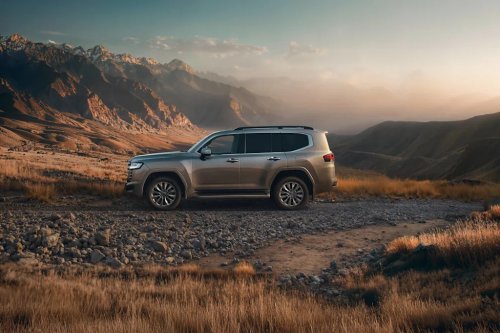
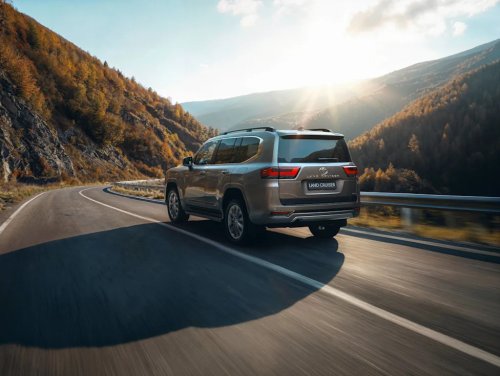
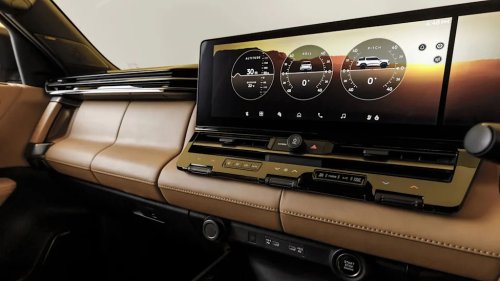
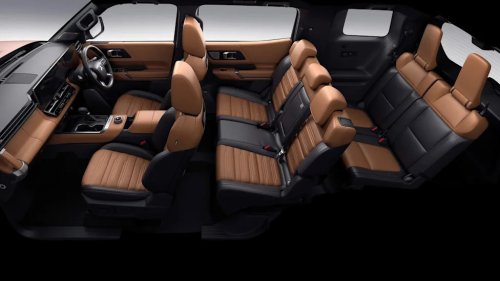
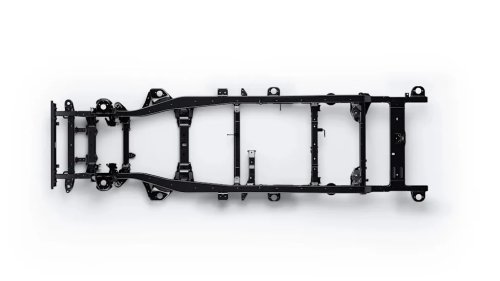
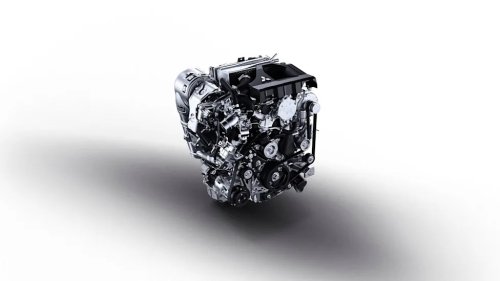
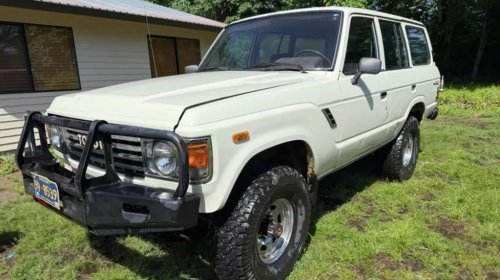
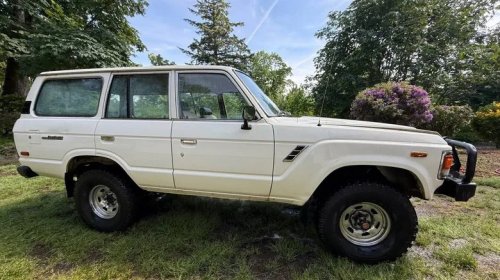
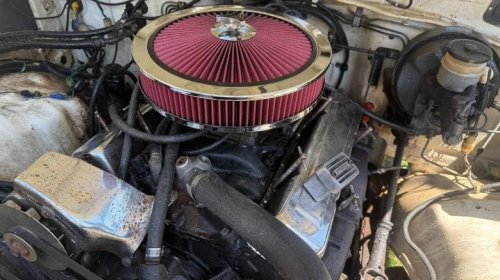
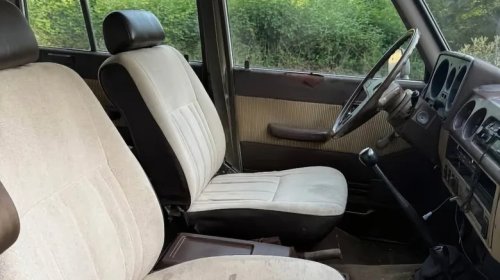
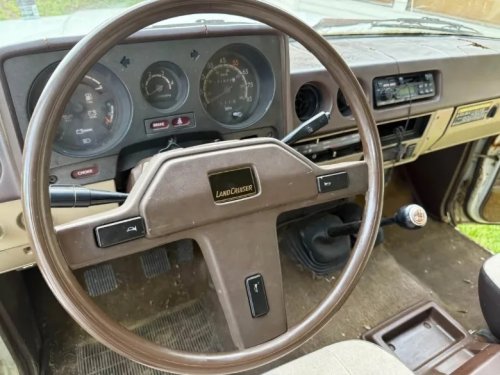
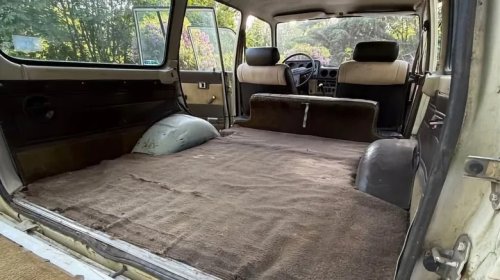
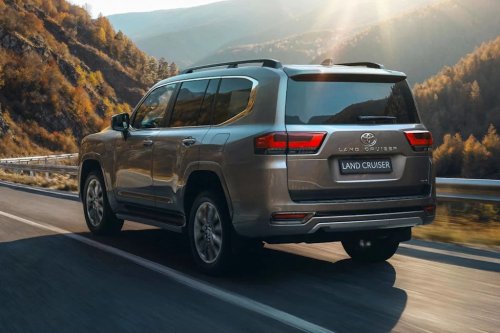
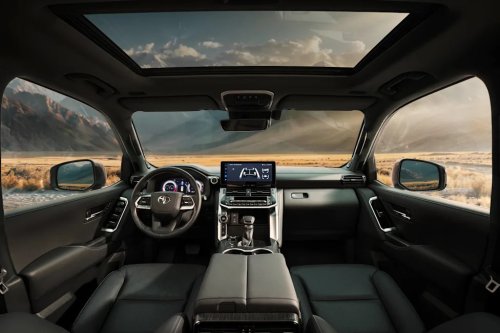
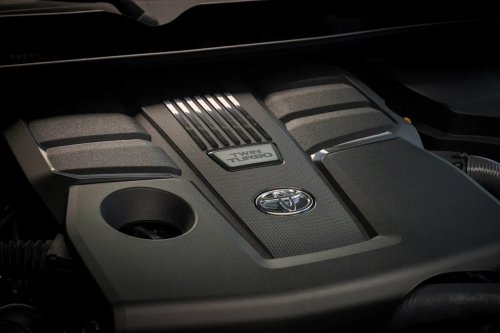
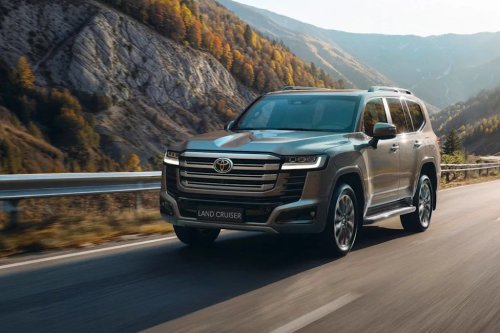
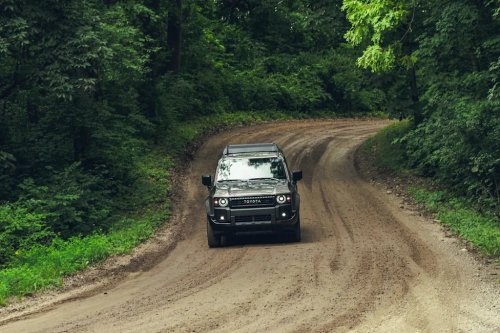
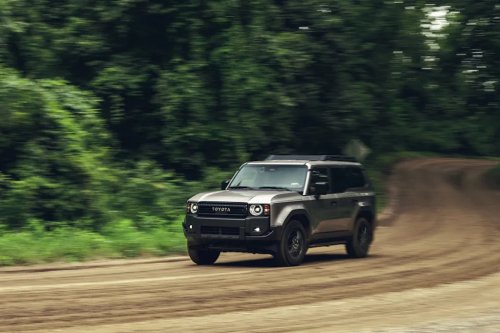
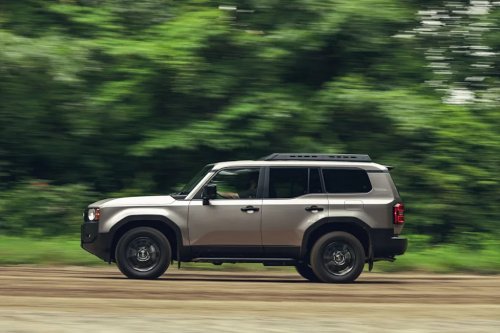
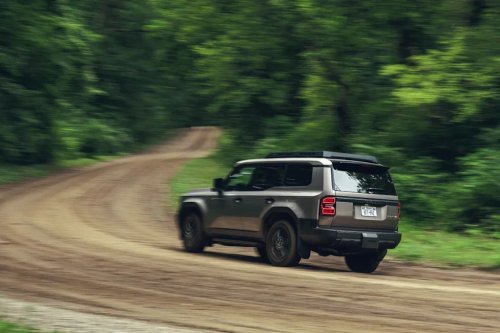
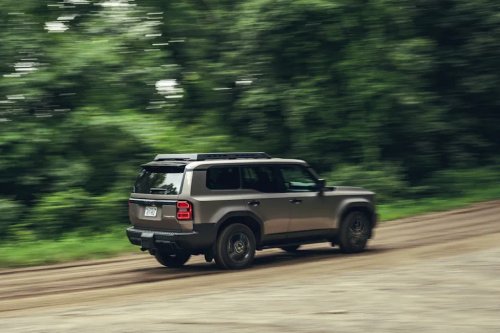
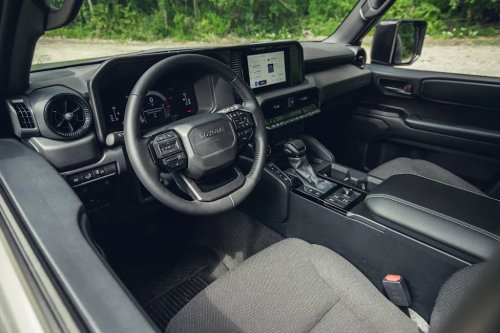
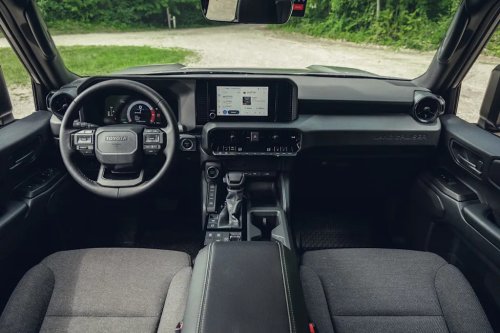
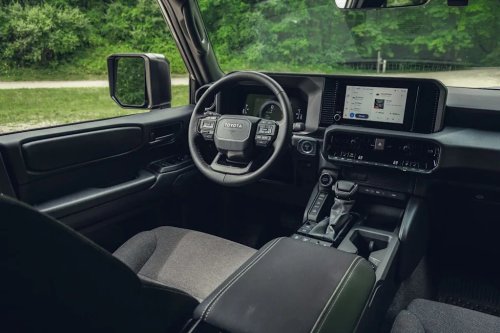
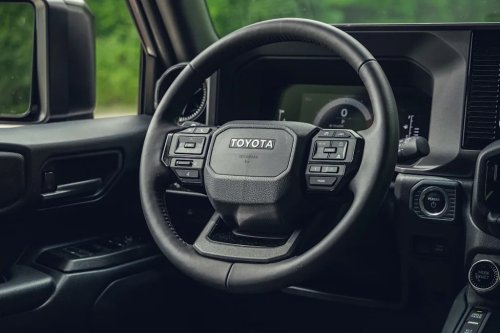
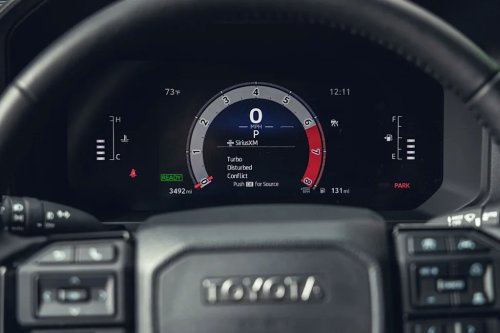
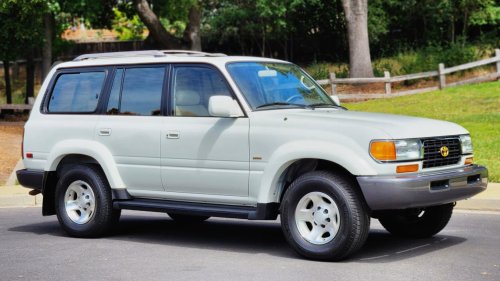
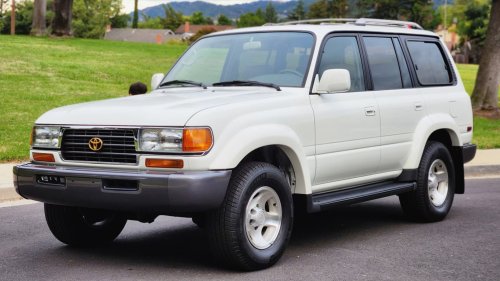
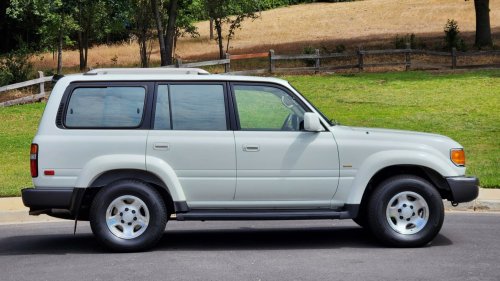
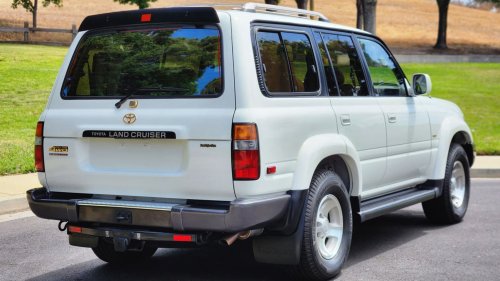
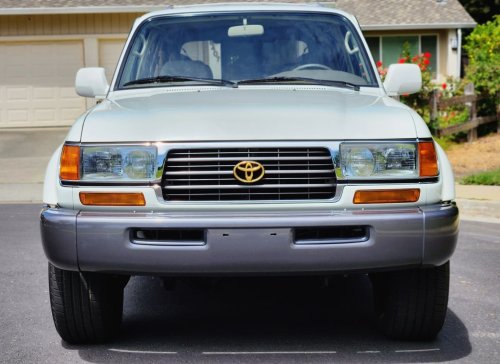
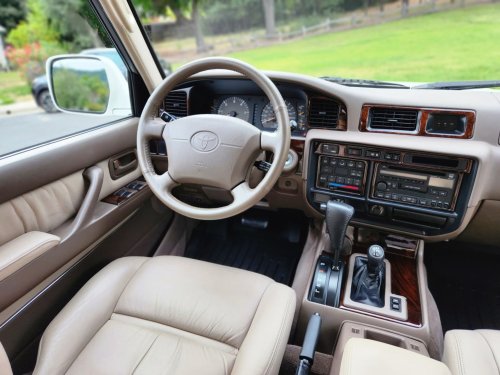
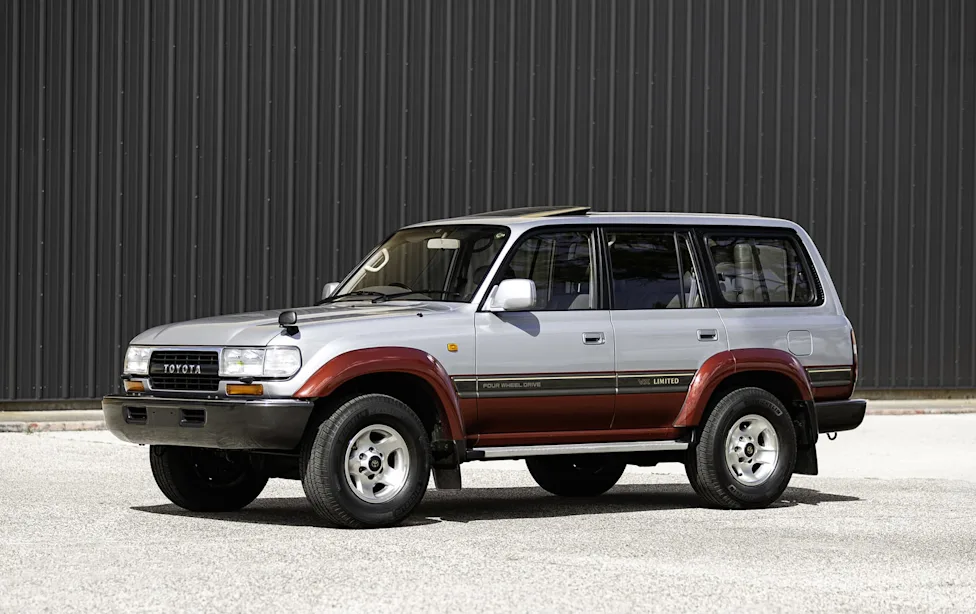
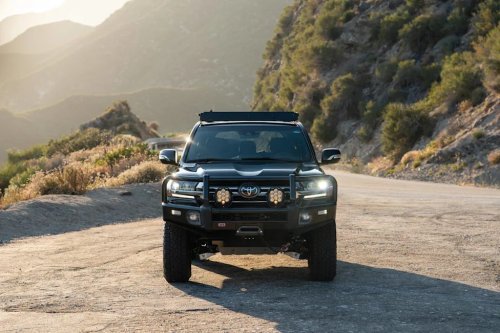
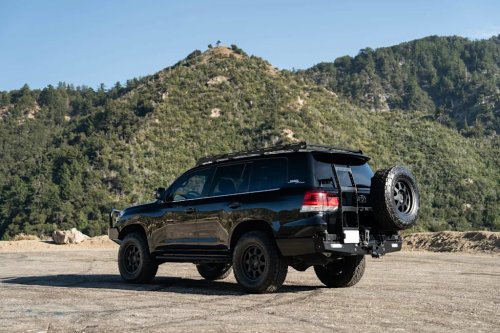
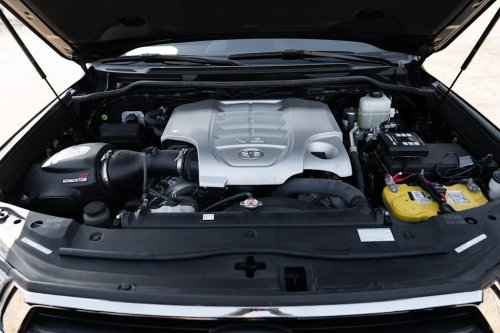
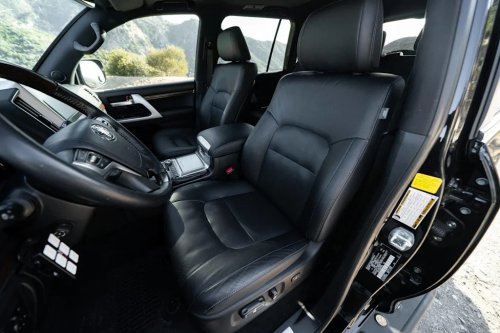
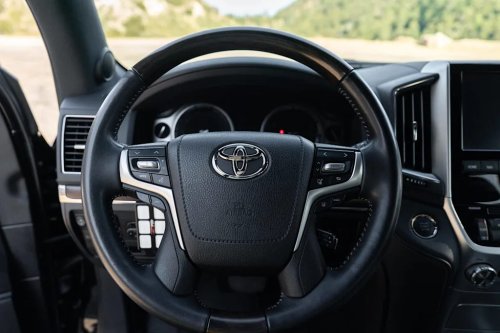
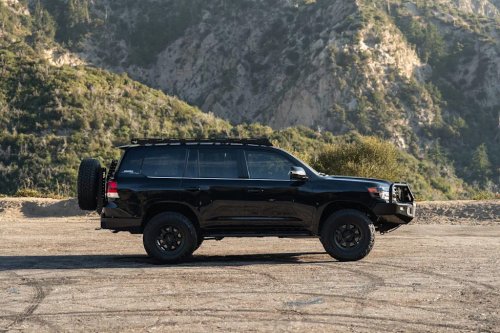
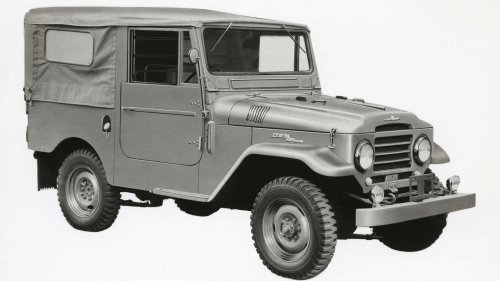
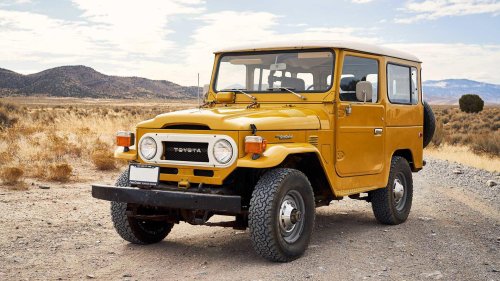
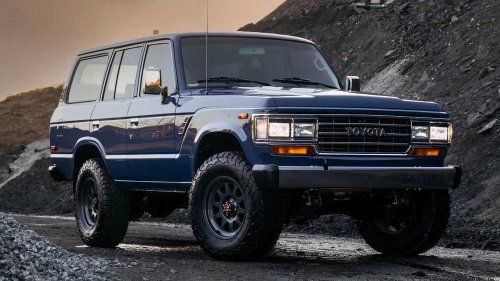
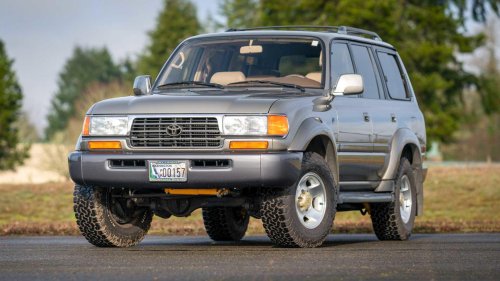
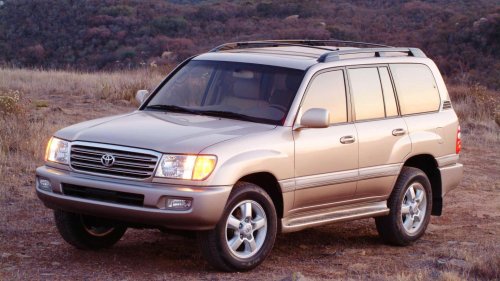
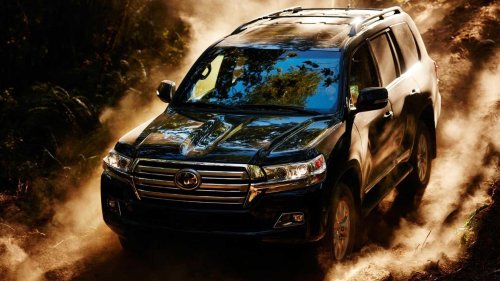
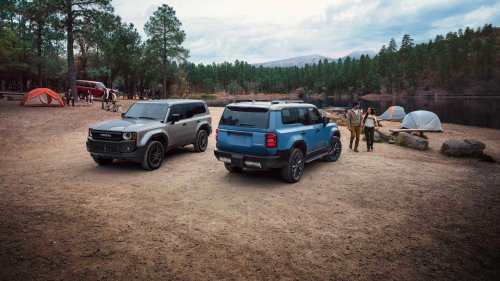
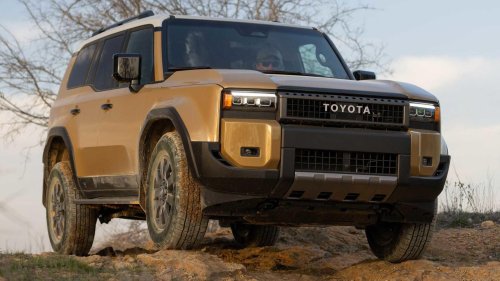
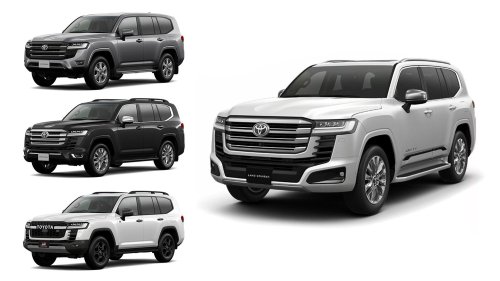
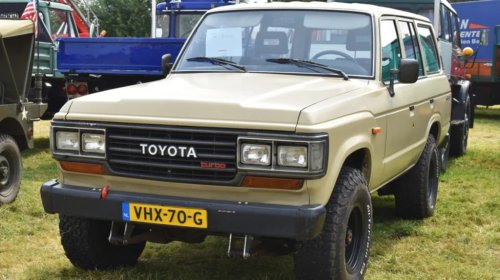
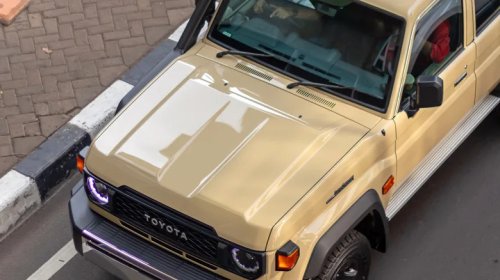
The Toyota Land Cruiser is one of the most popular and capable off-road SUVs of all time. In fact, it is one of the most popular vehicles of all time, used for exploring new terrain, transporting people in war zones, and hauling all sorts of farm equipment. In the US, the Land Cruiser has gone through a range of price points, market segments, and size classes across a total of ten generations. So how much difference is there really between the old Toyota Land Cruiser and the latest models we see on our roads in 2026?Let's take a look at the Toyota Land Cruiser through the years, from its earliest roots in the US to what's on sale in 2026 from the brand under the Land Cruiser name. This article will focus on Land Cruiser models sold in the US Market, and will only mention the Prado in context when speaking about the heavy-duty Land Cruiser series. The First Toyota Land Cruiser: 20 Series Humble Beginnings ToyotaThe first Toyota Land Cruiser to hit the US shores was the 20 Series. This was in 1958, so it's important to remember the context in which it was sold - there were no luxury off-road SUVs yet. The 20 Series was a bare-bones, ex-military design that went up against the Jeep of its day. Sales were slow to begin with, with the Land Cruiser selling a single unit in its first year on the market. It was powered by a 3.9-liter six-cylinder Type F gas engine that was mated to a three-speed gearbox. It made 133 horsepower and, along with its four-plate leaf springs, great sizing and four-wheel-drive system, was great off-road. It was a humble but capable start for the old Toyota Land Cruiser in the US, and things would only heat up from here. Next Up: The 40 Series Land Cruiser Cementing Its Place Toyota The 40 Series Land Cruiser was a big deal when it launched and is still regarded as one of the best generations of all time amongst older Toyota Land Cruiser models and off-road enthusiasts. The 40 Series would become the best-selling model for Toyota in the US, from 1961 to 1965, cementing its place in the line-up and giving Toyota the reputation for building some of the most capable off-road SUVs in the world. The 40 Series also lasted for decades, selling until 1983 in the US, but lasting until 2001 in some South American markets. It received incremental updates over the years, with the 3.9-liter gasoline engine being swapped out for a larger, more powerful 4.2-liter 2F unit in 1975, front disc brakes in 1976, and a facelift that added power-steering and air conditioning in 1979.It was sold in a two-door style with a canvas or hard-top roof, or with a pickup bed. Toyota also introduced what we might consider the first version of what we think of as the modern Land Cruiser. The 55 Series was a slightly softer, long wheelbase, four-door version of the 40 series, meant to cater to families while retaining the off-road capabilities of the original. The 60s were the time for these sorts of vehicles. The Bronco, the Scout, and the Jeep CJ-6 were all hot cars at the time, and the Land Cruiser stood right alongside them. Toyota Land Cruiser: 60 Series Big, Boxy, And Brilliant ToyotaThe 60 Series marked the turning point for the Land Cruiser in the US. It was a large, four-door, family hauler with luxury features and a big price tag. The emergence of the SUV as a status symbol and as a daily car was becoming ever more of a trend in the 1980s, and the Land Cruiser was there to capitalize. The 60 Series had a much improved interior, better insulation and more modern conveniences than its predecessors.It initially kept the 2F six-cylinder from the 40 and 55 Series models, but was updated with a 3F-T 4.0-liter six-cylinder that was much more efficient. It made 155 hp and 220 lb-ft, a much-needed upgrade to power the ever-increasing size and weight of the Land Cruiser. In certain configurations, the 60 Series was capable of seating 8 passengers at one time. The 60 Series was sold from 1980 till 1990. The ones to buy in this generation are the 1988 or later models, as they benefit from a facelift, better materials and the bigger 3F-T engine. Toyota's 90 Series Land Cruiser 90s Curves Hit The Land Cruiser Bring A TrailerThe next heavy hitter in Toyota Land Cruiser history was the 90 Series. Launching for the 1991 model year, the 90 Series retained that big, body-on-frame SUV look, but was a bit softer and curvier than the 60 Series. One of its standout updates over the 60 Series was its new four-wheel-drive system, which had evolved into a full-time system. It also got a locking center differential, and post 1992 it gained a viscous coupling system to send power to the axle with the most traction. Like the 60 Series before it, it launched with the older 3F-T engine but was updated in 1993 with a larger 1FZ-FE-type 4.5-liter inline-six. It gave a bit more torque, but a huge bit more power, now producing 212 horsepower and 275 lb-ft of torque. This was a big year for the 80 Series, as the better engine also came with front and rear axle lockers, bigger brakes and longer wheelbase.The Land Cruiser was quickly morphing into a Range Rover competitor, but with the more humble badge. These '90s Toyota Land Cruiser models are still desirable today, with well-preserved examples reaching big numbers on auction sites. 100 Series: The Peak Of Toyota Land Cruiser? Reliability And Capability Meet Luxury Toyota To some, the 100 Series is the peak of the Land Cruiser family. It combined luxury, reliability, and off-road ability all in one bullet-proof package. It was first shown at the 32nd Tokyo Motor Show, then under the 'Grand Cruiser' name. Launched in 1998, Toyota split the 100 Series into two versions. Developing markets got a more rough-and-ready version of the 100 Series, named the 105. It shared more with the 80 Series and used a slightly narrower body. In the US, we got the 100, a more upmarket and luxurious version. The Land Cruiser was becoming a model aimed squarely at the US market. Toyota, trying to get rid of the claims that the Land Cruiser was underpowered, gave the 100 Series a 4.7-liter V8 making 230 hp. Active Height Control (AHC) and Skyhook TEMS Toyota Electronic Modulated Suspension were the two big suspension features Toyota was touting with the 100 Series, making the Land Cruiser even more capable. Other chassis improvements came in the form of a new independent front end replacing the live axle, and the obligatory locking differentials.The 100 Series got a facelift in 2007, adding new headlights, tail lights, front grille, rear spoiler, and most importantly an updated 275 hp V8. These are the years to buy, giving a much-needed bit of grunt to the full-size SUV. The changes to better cater to the US market worked, and Toyota sold a huge number of these. It again offered a more reliable and down-to-earth image than the Range Rover or Mercedes G-Class. The Last Full-Size Toyota Land Cruiser: 200 Series Ultimate Luxury Toyota The 200 Series is seen by many as the ultimate form of luxury among old Land Cruiser models. It launched in 2007 and saw a great number of updates until its end in 2021. Everything about it was bigger, with larger brake rotors and calipers, reinforced front suspension, bigger body pillars to protect against roll-over accidents and a bigger 381-hp 5.7-liter V8. It also boasted more luxury features than ever, like a push-button start, optional four-zone climate control, and a plusher leather-lined interior. This move to even more luxury didn't mean that Toyota forgot about the Land Cruiser's off-roading roots, though. The all-new CRAWL feature allowed for drivers to use a sort of off-road cruise control when off-roading, allowing the car and its systems to crawl along at a low, set speed. Hill descent control and other improvements to wheel articulation made the Land Cruiser formidable when the going got tough.A 2015 refresh saw a whole host of improvements come to the 200 Series. It got a much more upmarket front-end treatment, along with a new, eight-speed transmission, and updated interior with a new multimedia system and interface with larger screens. This version also saw the introduction of the highly prized Heritage edition. This edition is seen as the ultimate edition of the 200 Series, and demands a huge mark-up on the used market.By the late 2010s, the Land Cruiser was not the bigger seller it once was, and thanks to the ever-increasing price of the 200 Series, and constant updates from rivals with stronger luxury brand names, the writing was on the wall for the Land Cruiser. Toyota announced the end of the 200 Series in 2021, while they figured out a new direction for the legendary model name. The J250 Toyota Land Cruiser A New Direction For The Land Cruiser In The US Toyota In other markets that don't have demand for the larger, heavy-duty Land Cruiser models that the US market had, Toyota introduced a smaller scale model of the Land Cruiser called the Prado. They were just as capable, but smaller and more price conscious. It had brought versions of the Prado to the US under the Lexus GX SUV in the 2000s, but never the regular Land Cruiser. In 2023, that changed, with the Land Cruiser returning as a smaller hybrid four-cylinder off-road SUV, meant to rival the Land Rover Defender, and Ford Bronco and Jeep Wrangler. Toyota did continue to make a new 300 Series full-size Land Cruiser in other markets, but in the US, we only got it in its luxury forum as the Lexus LX. 2026 Toyota Land Cruiser: Overview 2025 Toyota Land Cruiser Bronze Front Angled View Off-RoadThe new Land Cruiser is powered by an i-Force Max 2.4-liter T24A-FTS four-cylinder gas hybrid powertrain, paired with a full-time four-wheel-drive system with Torsen limited-slip center differential and manual locking. It starts at $57,600 for the 1958 edition, a retro-styled version meant to harken back to that 20 Series that first came to US shores. It has been a relatively successful model for Toyota, although it has faced some criticism for its lack of capability over the cheaper Toyota 4Runner, and no V6 option, unlike its Lexus counterpart, the Lexus GX.The 1958 Trim gets cloth seats, round LED headlights, a smaller touchscreen, a rugged off-road kit like center- and rear-locking differentials, and a two-speed transfer case, while the Land Cruise trim gets you a larger infotainment screen, optional leather seating, a power liftgate, and more advanced off-road assists like the Stabilizer Disconnect Mechanism.It remains to be seen what direction the Land Cruiser will go next, but where ever it goes, it will get there with ease thanks to its locking diffs, and get there reliably.Sources: Toyota
























![Toyota, Toyota's $15,000 Chinese EV spotted overseas in RHD [Images]](https://cdn.topcarnews.net/thumb/id/aHR0cHM6Ly9pMC53cC5jb20vZWxlY3Ry-ZWsuY28vd3AtY29udGVudC91cGxvYWRz-L3NpdGVzLzMvMjAyNi8wOS9Ub3lvdGEt-YlozWC1FVi1SSEQuanBlZz93PTE1MDAm-YW1wO3F1YWxpdHk9ODImYW1wO3N0cmlw-PWFsbCZhbXA7c3NsPTE/3fdd3b5d03bdc27308f0c99caa99667e.jpeg?t=20260923&post_id=64756)
![Toyota, Toyota's $15,000 Chinese EV spotted overseas in RHD [Images]](https://cdn.topcarnews.net/thumb/id/aHR0cHM6Ly9lbGVjdHJlay5jby93cC1j-b250ZW50L3VwbG9hZHMvc2l0ZXMvMy8y-MDI1LzEyL1RveW90YS0xNTAwMC1lbGVj-dHJpYy1TVVYtMi5qcGVn/8219e8e9bd18568eaf6e5271753403d8.jpeg?t=20260923&post_id=64756)
![Toyota, Toyota's $15,000 Chinese EV spotted overseas in RHD [Images]](https://cdn.topcarnews.net/thumb/id/aHR0cHM6Ly9lbGVjdHJlay5jby93cC1j-b250ZW50L3VwbG9hZHMvc2l0ZXMvMy8y-MDI2LzAzL1RveW90YS1iWjNYLUVWLWlu-dGVyaW9yLTcuanBnP3N0cmlwPWluZm8m-YW1wO3c9MTkyMA/e40c0b720b4826f1bf2a5f18a1e13212.jpg?t=20260923&post_id=64756)
![Toyota, Toyota's $15,000 Chinese EV spotted overseas in RHD [Images]](https://cdn.topcarnews.net/thumb/id/aHR0cHM6Ly9lbGVjdHJlay5jby93cC1j-b250ZW50L3VwbG9hZHMvc2l0ZXMvMy8y-MDI2LzAzL1RveW90YS1iWjNYLUVWLWlu-dGVyaW9yLTUuanBnP3N0cmlwPWluZm8m-YW1wO3c9MTkyMA/dc60262a877c7e2cef1e74da54ca75ab.jpg?t=20260923&post_id=64756)
![Toyota, Toyota's $15,000 Chinese EV spotted overseas in RHD [Images]](https://cdn.topcarnews.net/thumb/id/aHR0cHM6Ly9lbGVjdHJlay5jby93cC1j-b250ZW50L3VwbG9hZHMvc2l0ZXMvMy8y-MDI2LzAzL1RveW90YS1iWjNYLUVWLWlu-dGVyaW9yLTYuanBnP3N0cmlwPWluZm8m-YW1wO3c9MTkyMA/ad5c9fdfd72ede2f92d0ae9b095b9e83.jpg?t=20260923&post_id=64756)