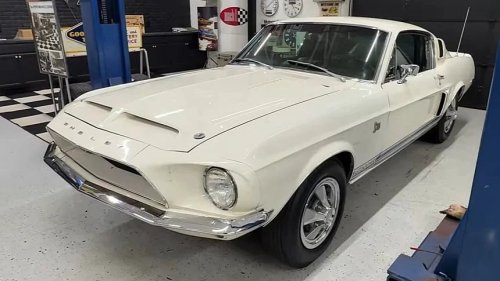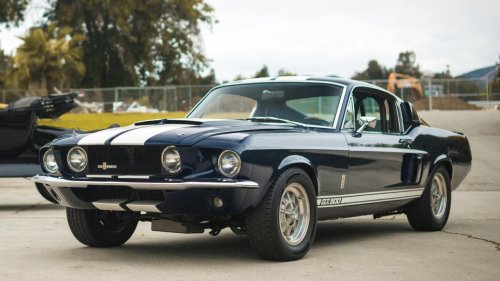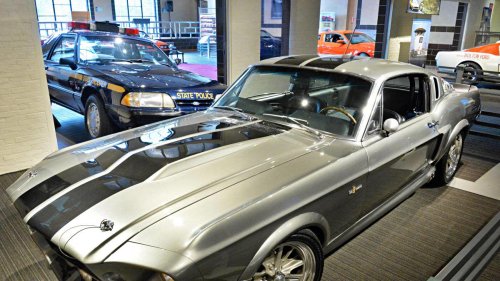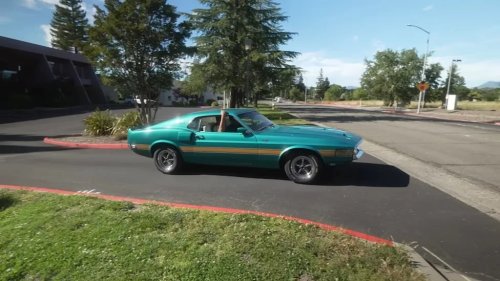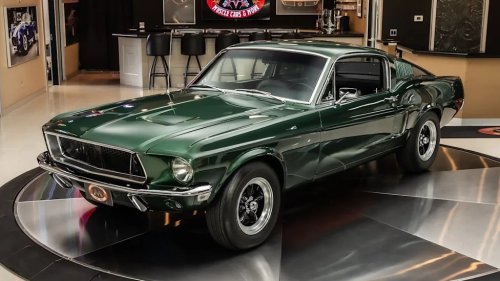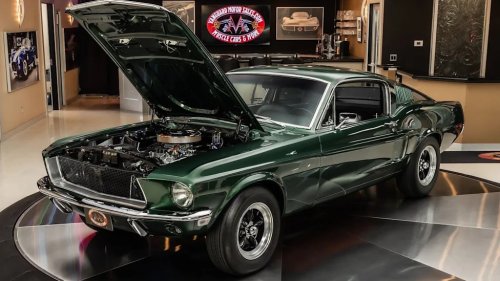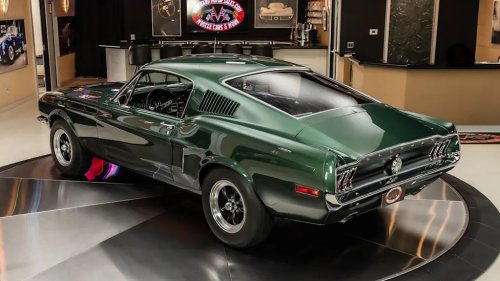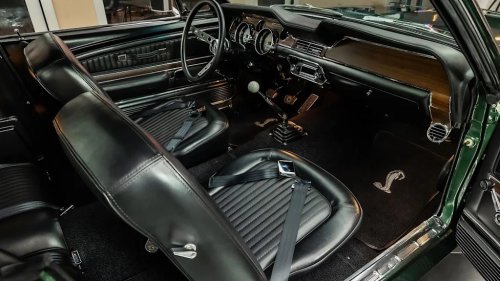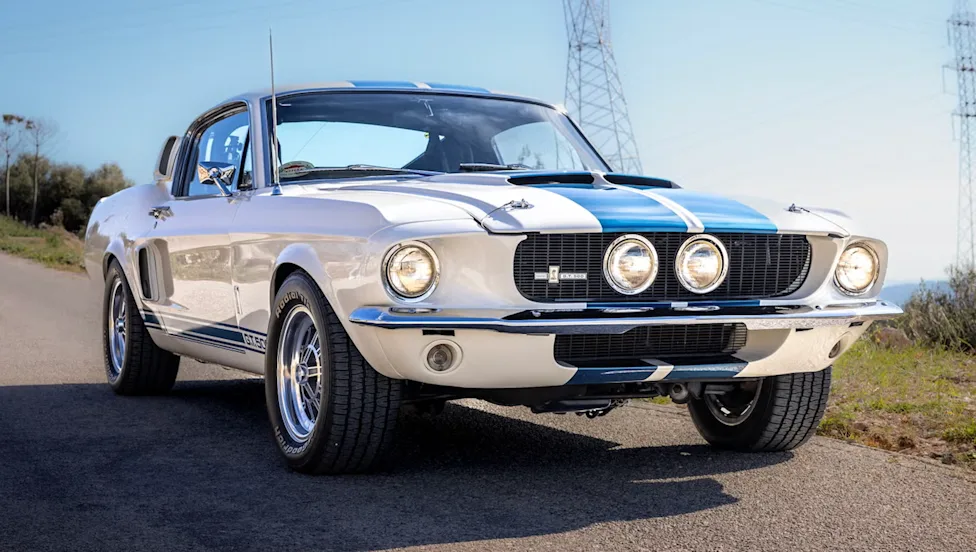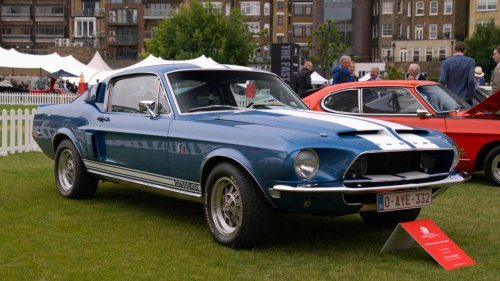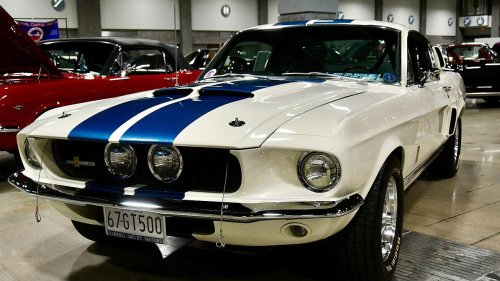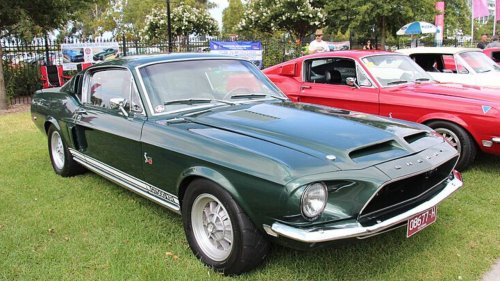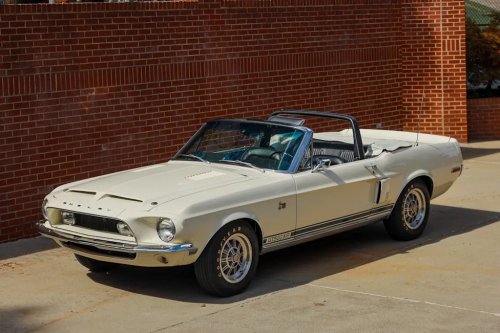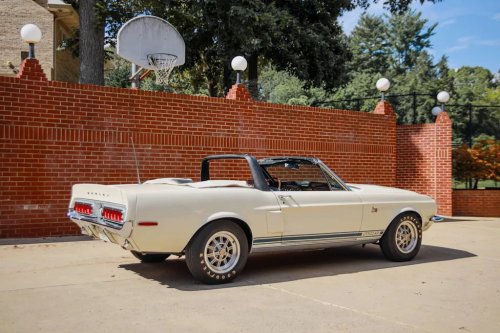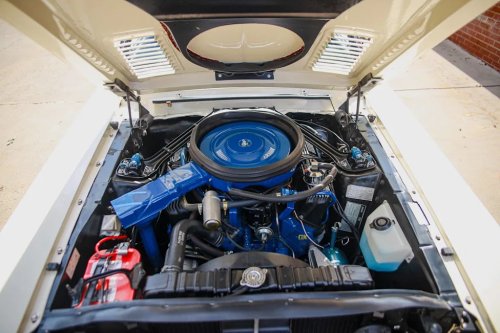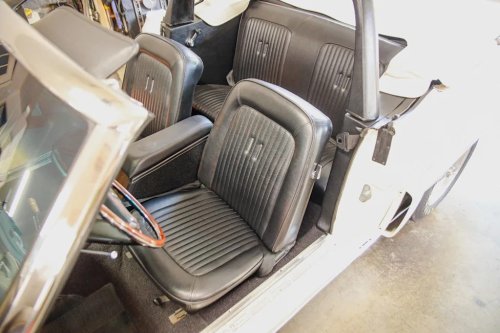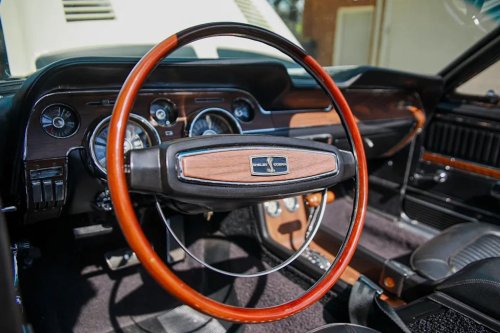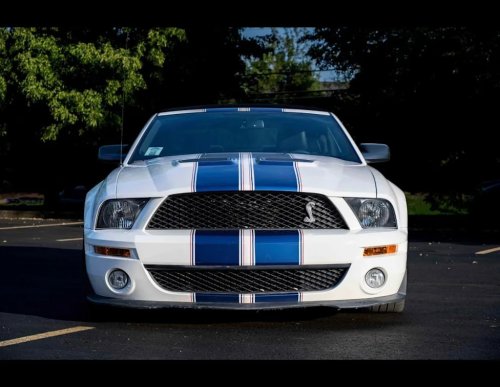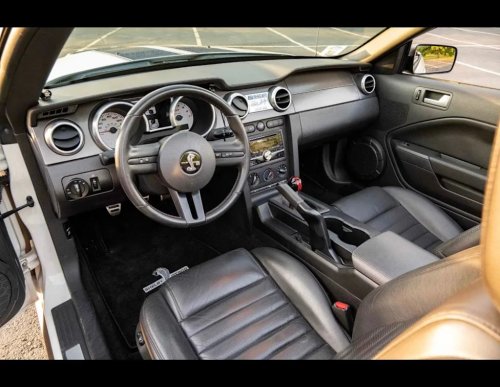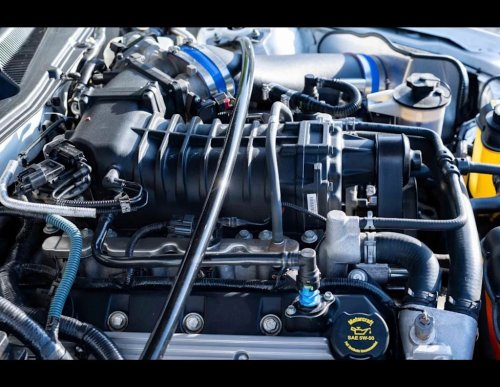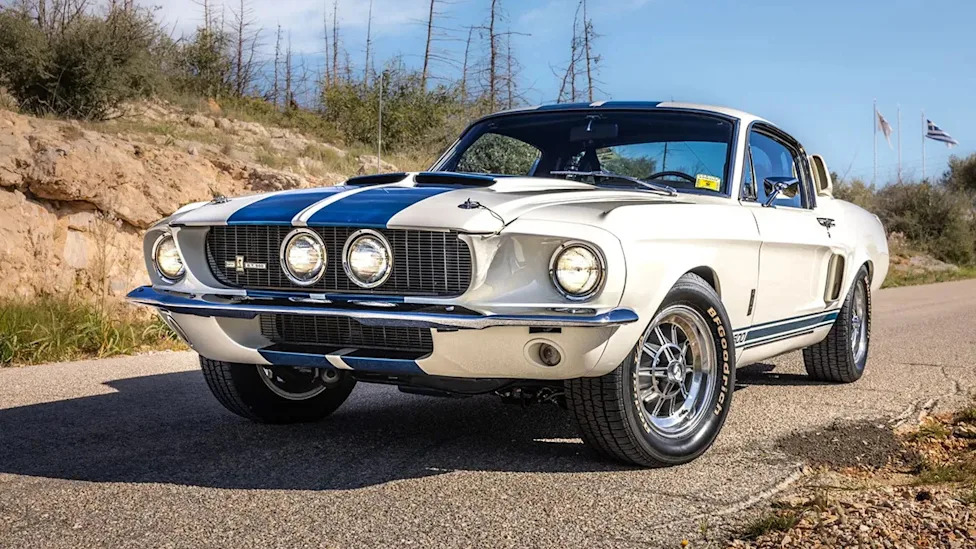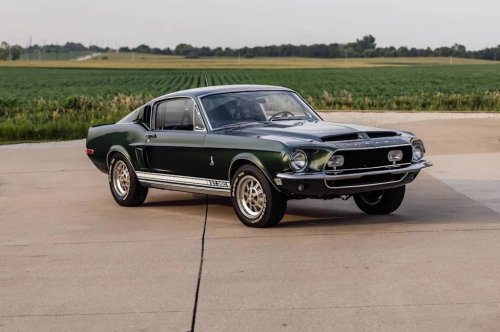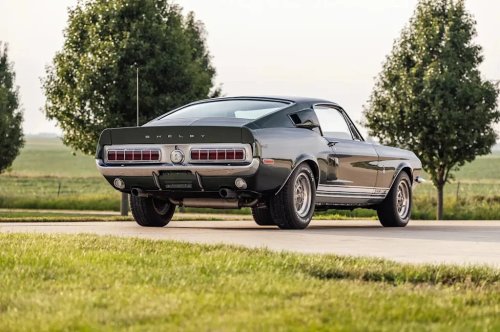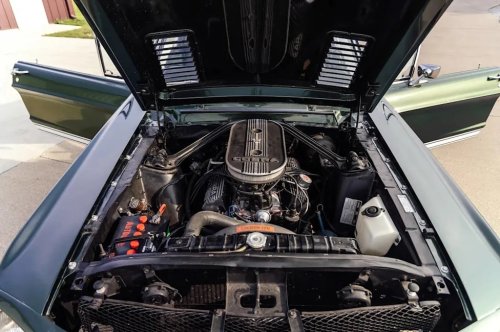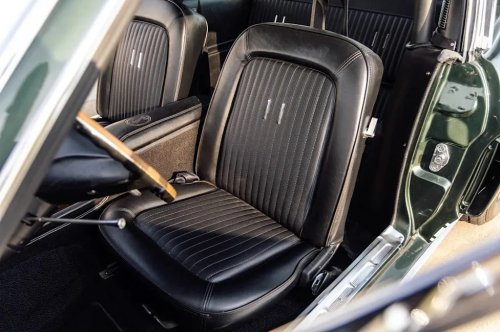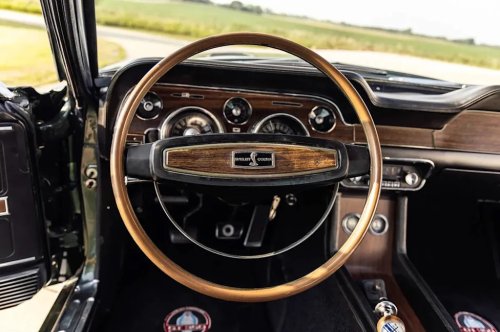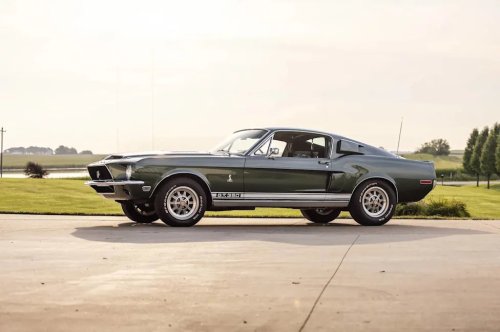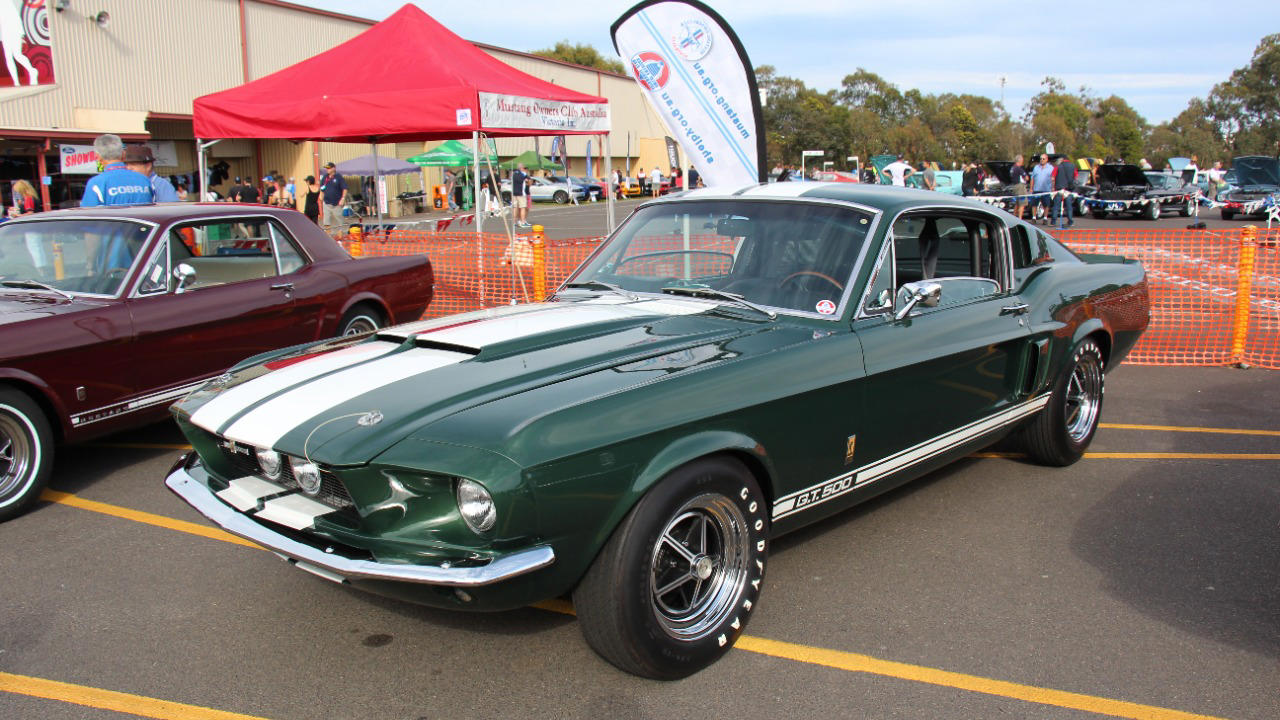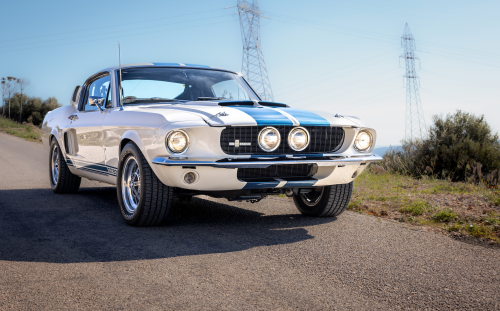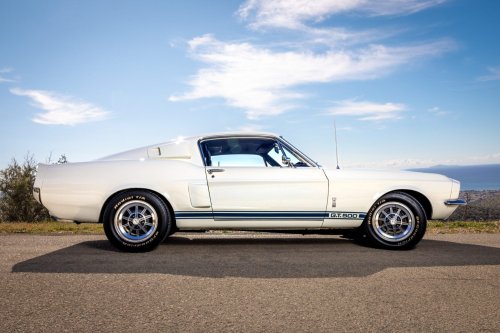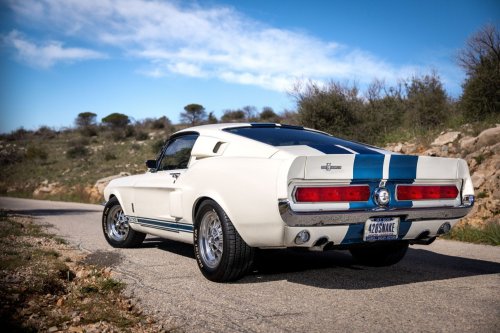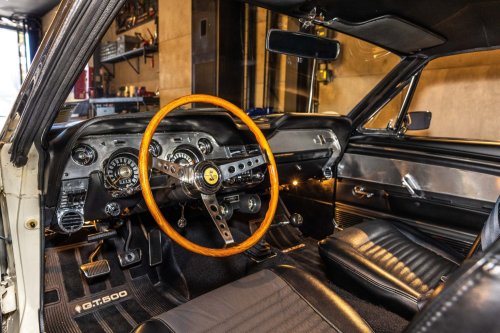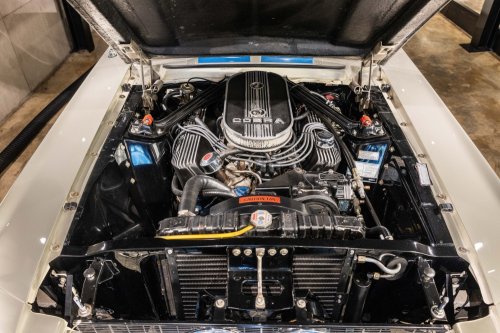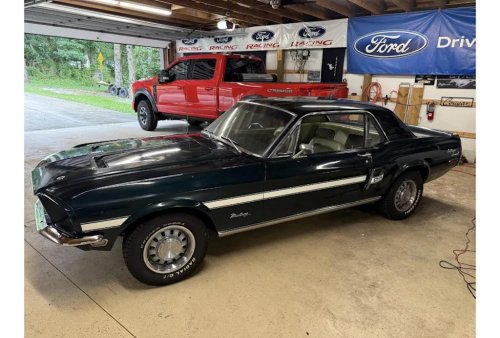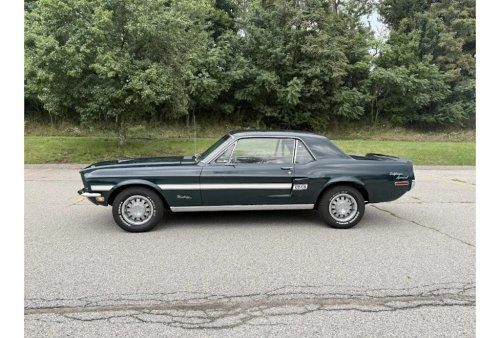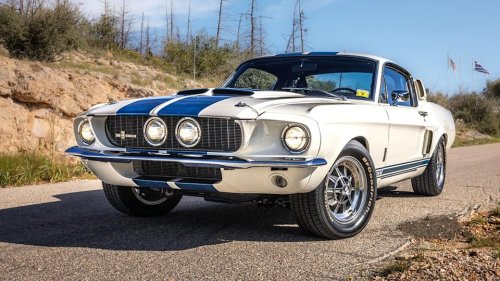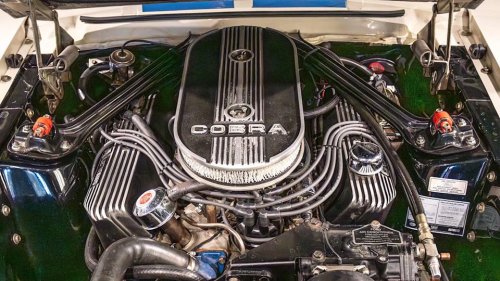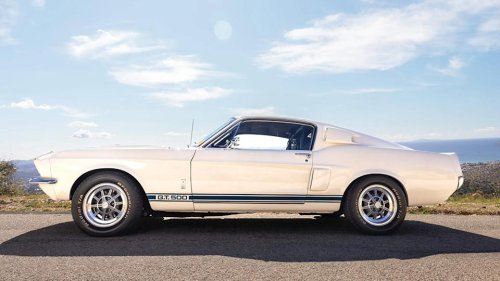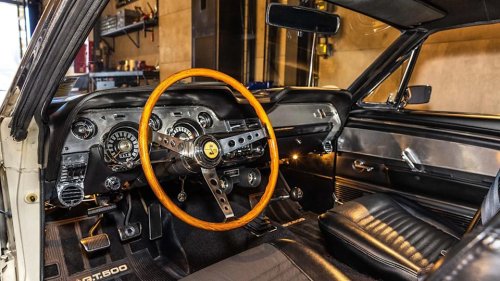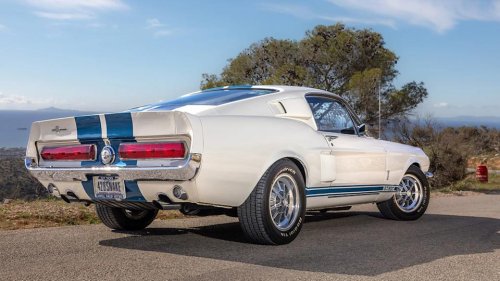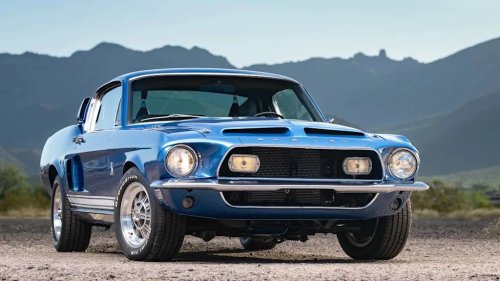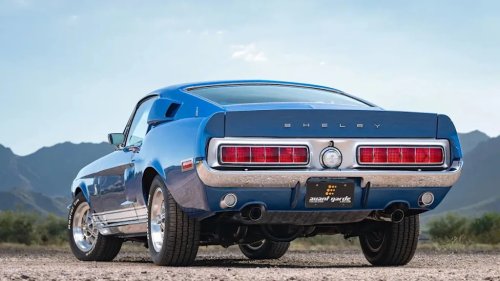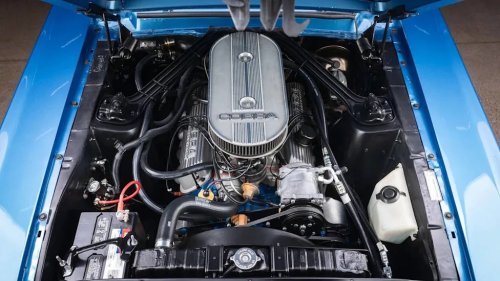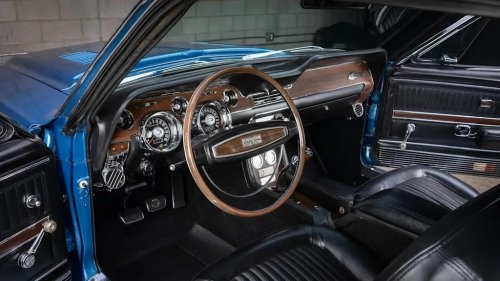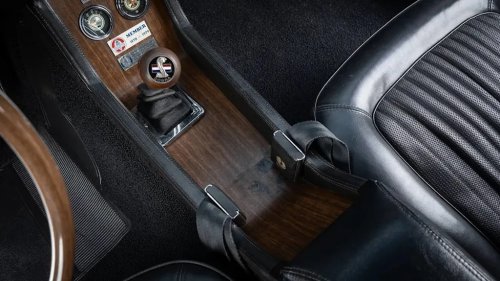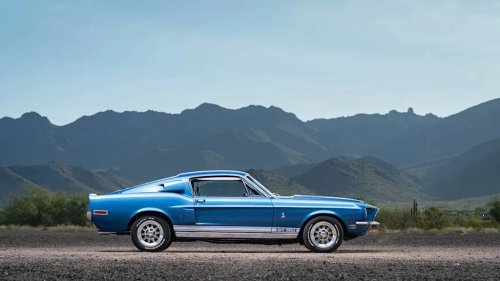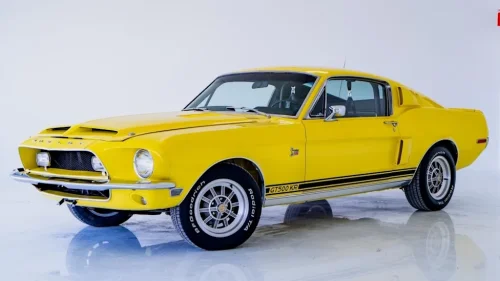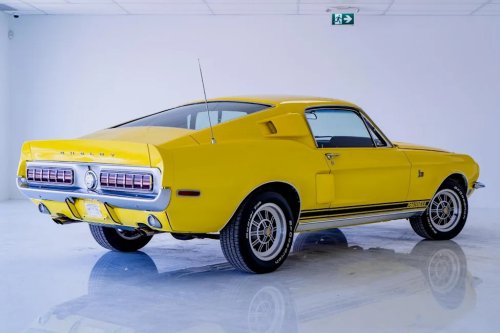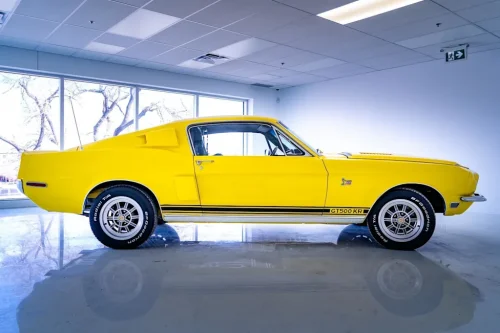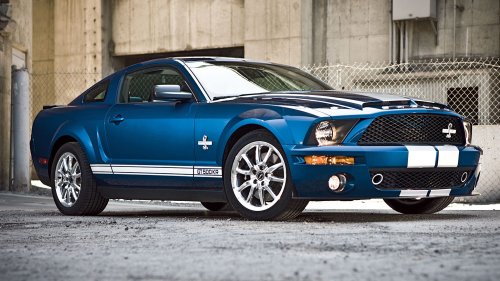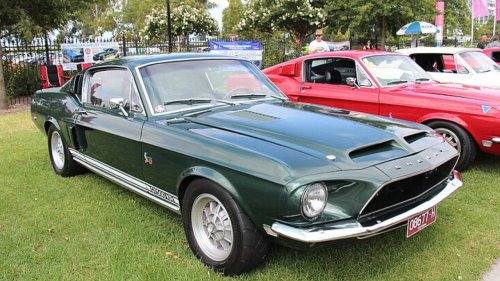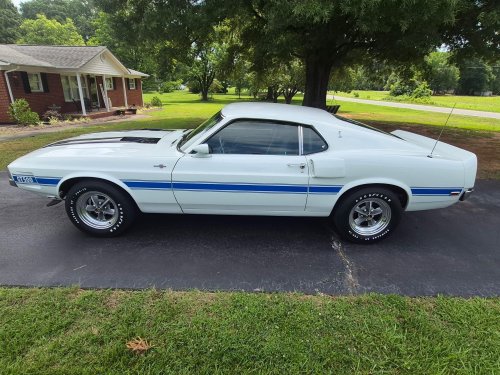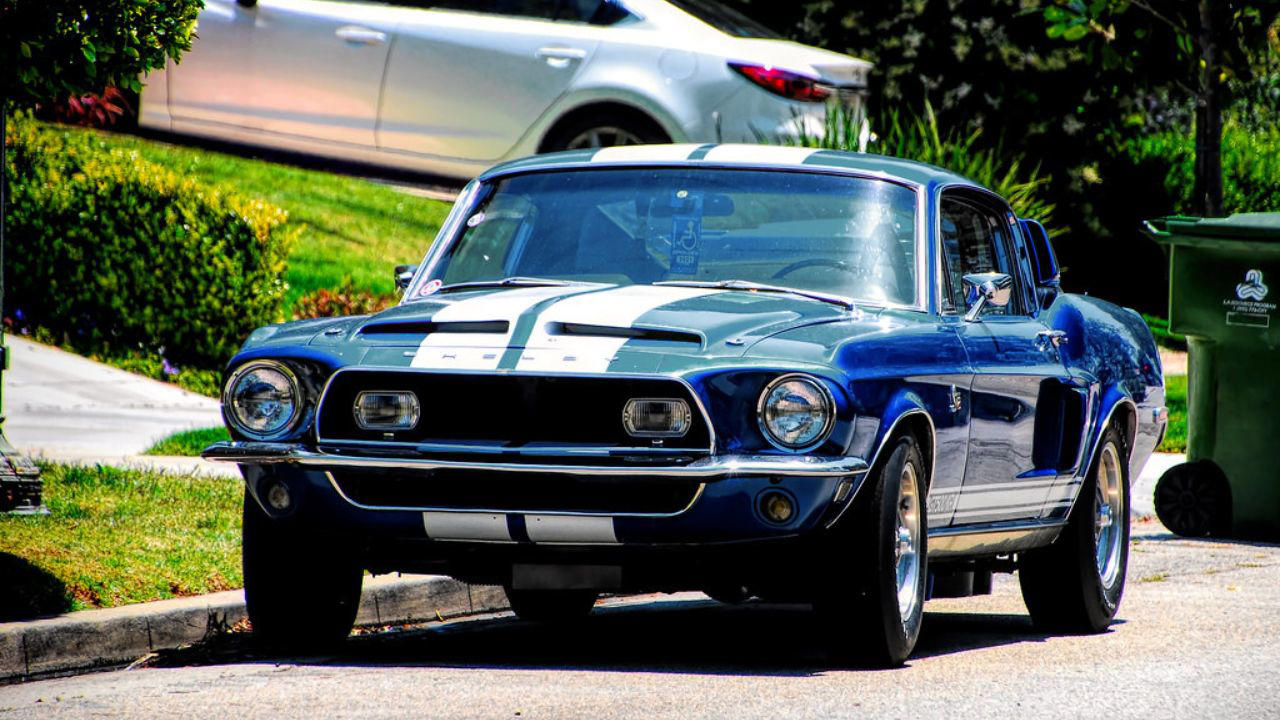



















This 1968 Shelby GT500 was never meant to sit stillThe 1968 Shelby GT500 occupies a rare space where muscle, motorsport and mythology intersect. Conceived in the heat of Detroit’s horsepower wars, it was engineered as a car that only made sense in motion, a fastback that treated every straightaway as a challenge rather than a commute. More than five decades later, its blend of big-block power, distinctive styling and racing lineage still signals a machine that was never meant to sit still in a collection or under a dust cover. The evolution of Shelby Mustangs By the time the 1968 model reached showrooms, The Evolution of Shelby Mustangs had already reshaped what a factory-backed performance car could be. Carroll Shelby and Ford had turned the Mustang from a stylish compact into a serious track weapon, using the early GT350 and GT500 to fuse showroom appeal with race paddock credibility. Those first cars were raw and focused, but they set the stage for a broader collaboration between Carroll Shelby and Ford that would lead directly to the GT500 and its more extreme sibling, the GT500KR. Within that progression, the 1968 cars marked a turning point. Corporate influence from Ford Motor Company grew stronger, and the 68 m model year is described in period analysis as the beginning of Shelby’s vision being pulled away from what he had intended. A detailed history of the GT350, GT500 and GT500KR notes that Shelby still managed to inject competition spirit into the cars even as production scaled up and comfort features crept in, which preserved the essential character of the brand while broadening its audience. That tension between racing purity and showroom polish gives the 1968 GT500 its particular edge. Big-block heart, built to run At the core of the 1968 Ford Mustang Shelby GT500 sat a serious piece of hardware. The official specification sheet lists the Engine as a 428 cu. in. (7L) cast-iron block, OHV, V-8 with an Output of 360 HP @ 5,400 RPM, a combination that placed the car squarely in the top tier of American performance. The same reference highlights how the Ford Mustang Shelby 2-Door Fastback used that big-block not as a marketing gimmick but as the centerpiece of the entire package, with gearing, suspension and brakes all chosen to cope with the torque. Later in the model year, Shelby and Ford introduced the GT500KR with the Cobra Jet 428, a variant that leaned even harder into straight-line speed. Museum documentation for an original example lists the ENGINE as a Cobra Jet 428 V8, with HORSEPOWER of 335 HP at 5,600 RPM and a listed curb weight of 3,570 LBS. Paired with a 4-SPEED TRANSMISSION, the package turned the fastback into a serious quarter-mile threat while still functioning as a daily driver. The numbers may look modest compared with modern supercharged cars, but in the late 1960s they placed the GT500 and GT500KR at the sharp end of the muscle car field. Contemporary accounts of upgraded cars underline how central displacement was to the Shelby formula. One feature on a restored fastback describes a massively reworked 428-cubic-inch engine under the hood as the defining trait of the build, a reminder that even modified examples still orbit around the same big-block heart. That focus on cubic inches, rather than high-revving finesse, matched American roads and driving habits of the period and helped cement the GT500’s reputation as a car that wanted to be exercised rather than idled. From track roots to street legend The 1968 GT500 did not appear in a vacuum. It grew out of Carroll Shelby’s earlier work turning the basic Mustang into a competitive racing tool, a story that stretches from SCCA circuits to drag strips. A detailed video history of the GT350, GT500 and GT500KR traces how Shelby leveraged his own competition background to influence chassis tuning, brake upgrades and aerodynamic tweaks, even as Ford began to standardize more of the production process. That same overview points out that Shelby remained closely involved in the 1968 cars, which helped keep them from becoming mere styling exercises. Another enthusiast-focused breakdown of the 1968 Ford Shelby Mustang GT500 describes it as a legendary muscle car that still carried the DNA of the earlier track-focused models. The discussion of Ford Shelby Mustang performance features emphasizes that the 1968 Ford Shelby Mustang GT500 was a legendary muscle car that was produced as part of the first-generation Shelby GT500, tying it directly to the lineage that began with the 1967 cars. Even as air conditioning, power steering and more sound insulation became common, the underlying suspension geometry and powertrain layout remained rooted in motorsport thinking. That continuity matters because it explains why the GT500 still feels like a driver’s car rather than a pure status symbol. The same sources that chronicle the corporate pull on Shelby’s vision also highlight how the 1968 chassis can still handle serious use on modern roads. Period-correct tires and drum brakes may limit absolute grip, but the steering feedback, weight distribution and torque delivery all encourage an owner to keep the car in motion rather than park it as a static investment. Design that signaled intent Visually, the 1968 GT500 separated itself clearly from the standard Mustang. A detailed museum profile of the Ford Mustang Shelby GT500 2-Door Fastback notes that in 1968, Ford (Ford Motor Company) revamped the exterior of the Shelby GT500, which was now offered as a coupe and a convertible as well as the familiar fastback. Extended fiberglass front ends, functional hood scoops and revised tail panels gave the car a longer, more aggressive stance that made its performance intentions obvious even at a standstill. Other period descriptions of Design and Styling focus on how the Exterior of the 1968 Shelby American GT500 fastback used scoops, stripes and unique badging to create a performance-focused look. Compared with the cleaner lines of the base Mustang, the Shelby treatment added visual mass around the nose and rear quarters, which not only differentiated the car in traffic but also improved cooling and high-speed stability. The styling was not universally loved among purists who preferred the simpler early cars, yet it aligned perfectly with the late 1960s appetite for bold, muscular shapes. Later commentary on the GT500KR reinforces the same point. Enthusiast coverage of the 1968 Shelby Cobra Mustang GT500KR describes the Shelby Cobra Mustang as one of the most powerful and aggressive Mustang variants of its era, with KR meaning King of the Road and the bodywork reflecting that ambition. The combination of deep front valance, side scoops and extended rear spoiler made the KR look faster even when parked, which suited a car that was engineered to dominate highway pulls and stoplight duels. Why “King of the Road” mattered The GT500KR occupies a special chapter in this story. According to detailed historical accounts, when Mar marketing legend Carol Shelby heard that Chevy was preparing to promote a “king of the hill” model, Carol Shelby quickly moved to trademark King of the Road and applied the name to the new Cobra Jet based car. The move was equal parts competitive instinct and branding savvy, and it helped frame the GT500KR as the top dog in the Mustang hierarchy. Technical breakdowns of the KR emphasize that the name was not just hype. A detailed engineering overview explains that Numbers don’t lie, and that the Cobra Jet 428 with improved breathing and stronger internals delivered real-world gains in acceleration compared with the regular GT500. The same source notes how limited production and instant collectibility turned the KR into a halo model within The Evolution of Shelby Mustangs, setting the stage for the KR as a benchmark for future performance Mustangs. Another retrospective on what made the GT500KR one of the rarest Mustangs points out that if the GT500KR’s performance gave it the name, its styling helped cement the legend. The piece highlights how the 1968 Shelby Mustangs wore unique fiberglass panels, sequential taillights and bold striping that signaled exclusivity at a glance. Together, the mechanical upgrades and visual drama ensured that the KR would be remembered not just as a faster GT500, but as a defining symbol of the Shelby Mustang story. From showroom to museum, still a driver’s car Today, surviving GT500s and GT500KRs often live in climate-controlled garages or behind museum ropes, yet the way curators and owners talk about them still centers on driving. A feature on a preserved GT500KR at a major collection notes that the car remains a Cobra Jet 428 V8 machine that feels like a car that wants to hunt, even when displayed under bright lights. The same description of the interior as “honest” and unadorned underscores that this was always a driver-focused cockpit rather than a luxury lounge. Another museum profile of a 1968 Ford Shelby GT500 KR highlights the ENGINE, HORSEPOWER and 3,570 LBS curb weight not as abstract statistics, but as reasons why visitors are drawn to the car’s presence. The write-up frames the GT500KR as a machine that bridged the gap between street and strip, with the 4-SPEED transmission encouraging active engagement from anyone lucky enough to row the gears. Even in a static display, the specification list reads like an invitation to imagine the car at full throttle. Enthusiast groups echo that sentiment. A detailed community post on the 1968 Ford Mustang Shelby GT500 Fastback describes it as a legendary blend of muscle and motorsport, born from Carroll Shelby’s racing vision and refined into a road car that still rewards spirited use. The same discussion emphasizes how the Ford Mustang Shelby Fastback layout, with its long hood and short deck, continues to feel right-sized and engaging on modern roads, which helps explain why owners often drive their cars rather than treat them as untouchable artifacts. Corporate pull and the edge of compromise The 1968 model year also illustrates how far a performance car can bend toward comfort before it loses its identity. Video analysis of the period stresses that the 68 m cars were the beginning of Shelby’s vision being pulled away from what he had intended, with Ford taking a stronger hand in styling, options and production volumes. Power steering, automatic transmissions and plusher interiors became more common, and some of the raw edges of the earlier GT350 were smoothed over. Yet even critics of that shift acknowledge that the GT500 retained a core of authenticity. The same historical overview notes that Shelby still influenced suspension tuning and engine choices, which kept the car aligned with its competition roots. In practice, the added refinement simply expanded the use case of the GT500, turning it into a car that could handle long highway drives as comfortably as short blasts. That dual personality is part of why collectors today can justify putting real miles on their cars without feeling they are abusing a fragile artifact. More from Fast Lane Only Unboxing the WWII Jeep in a Crate 15 rare Chevys collectors are quietly buying 10 underrated V8s still worth hunting down Police notice this before you even roll window down