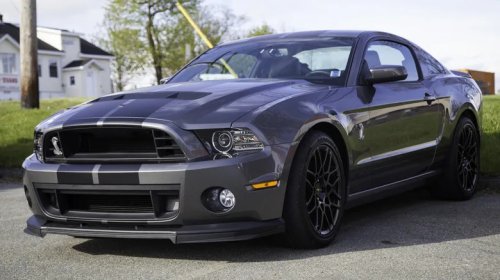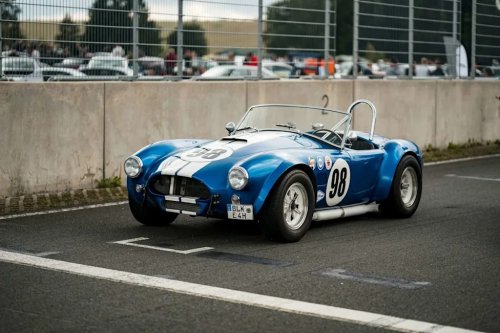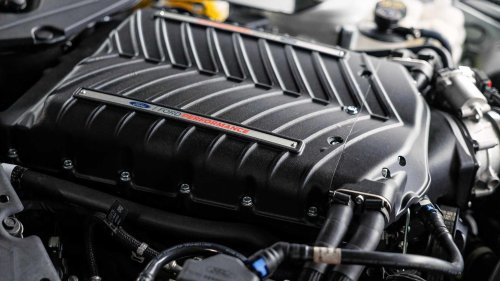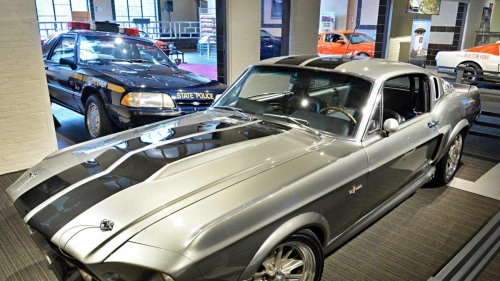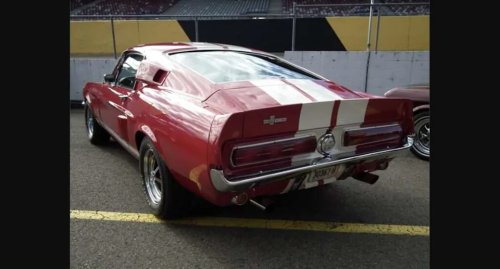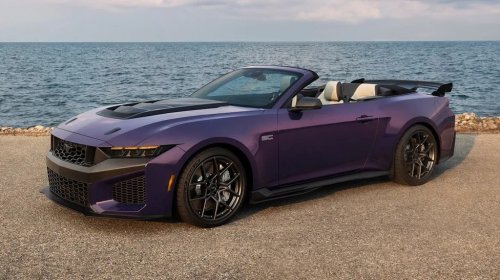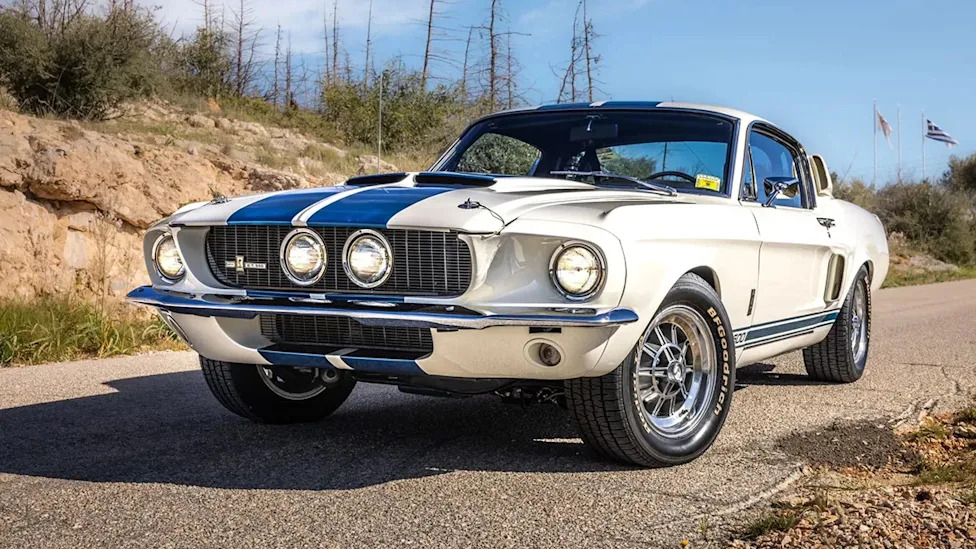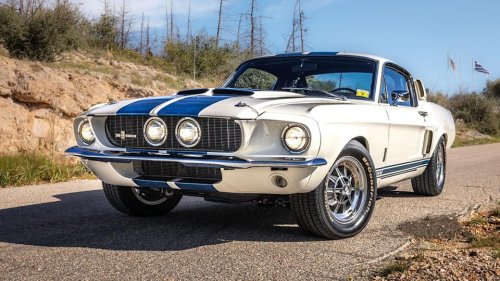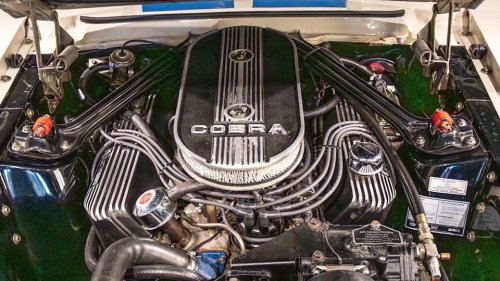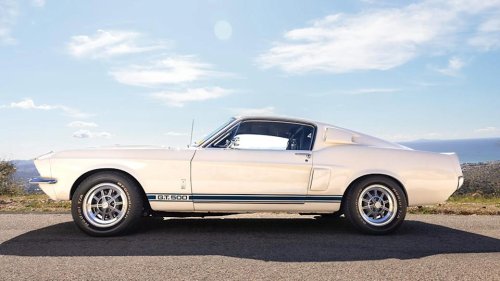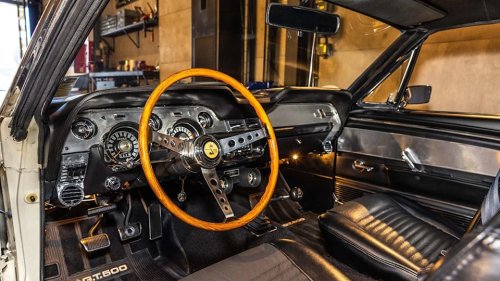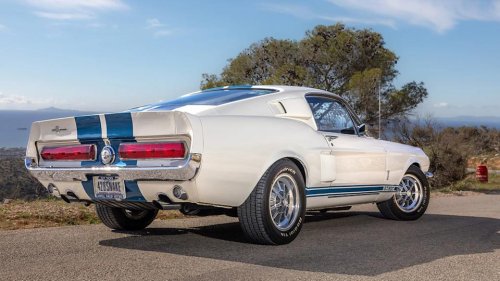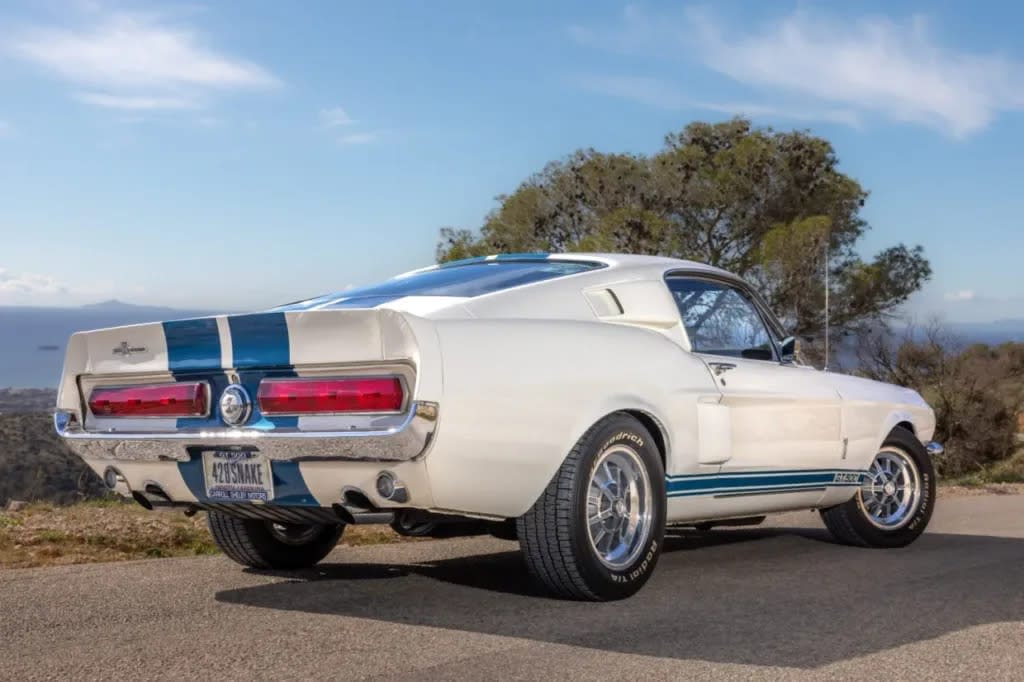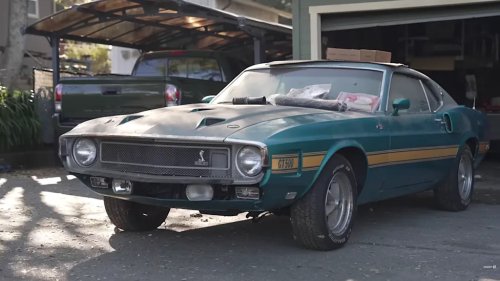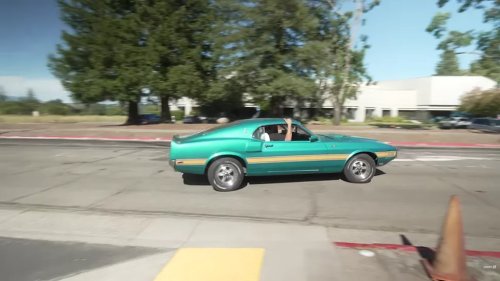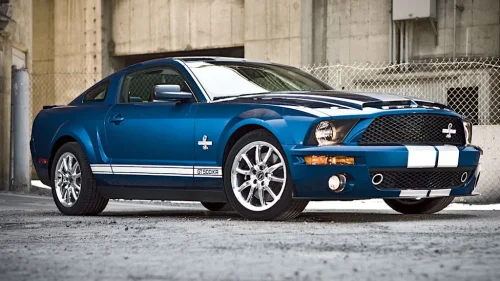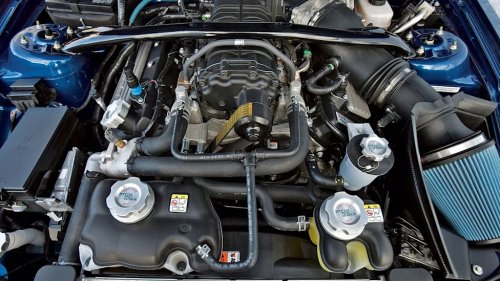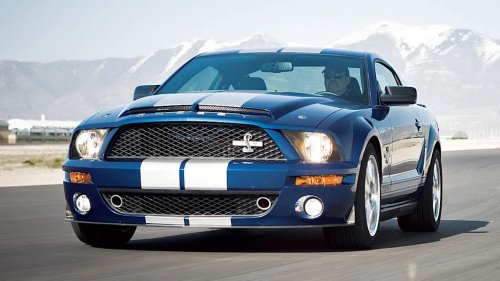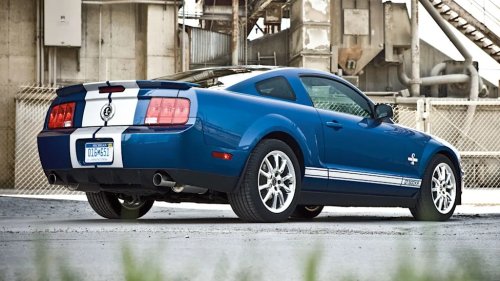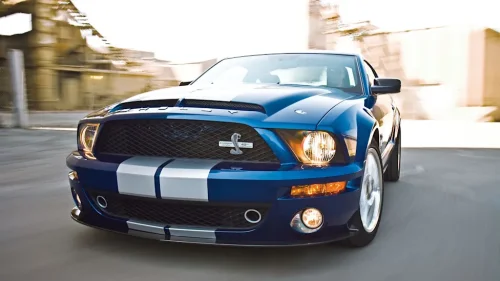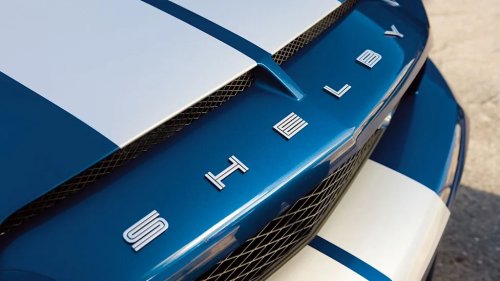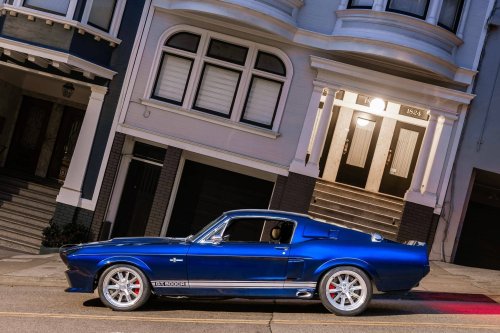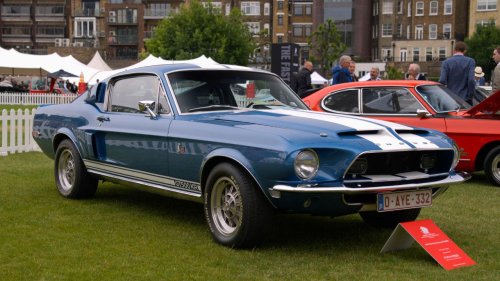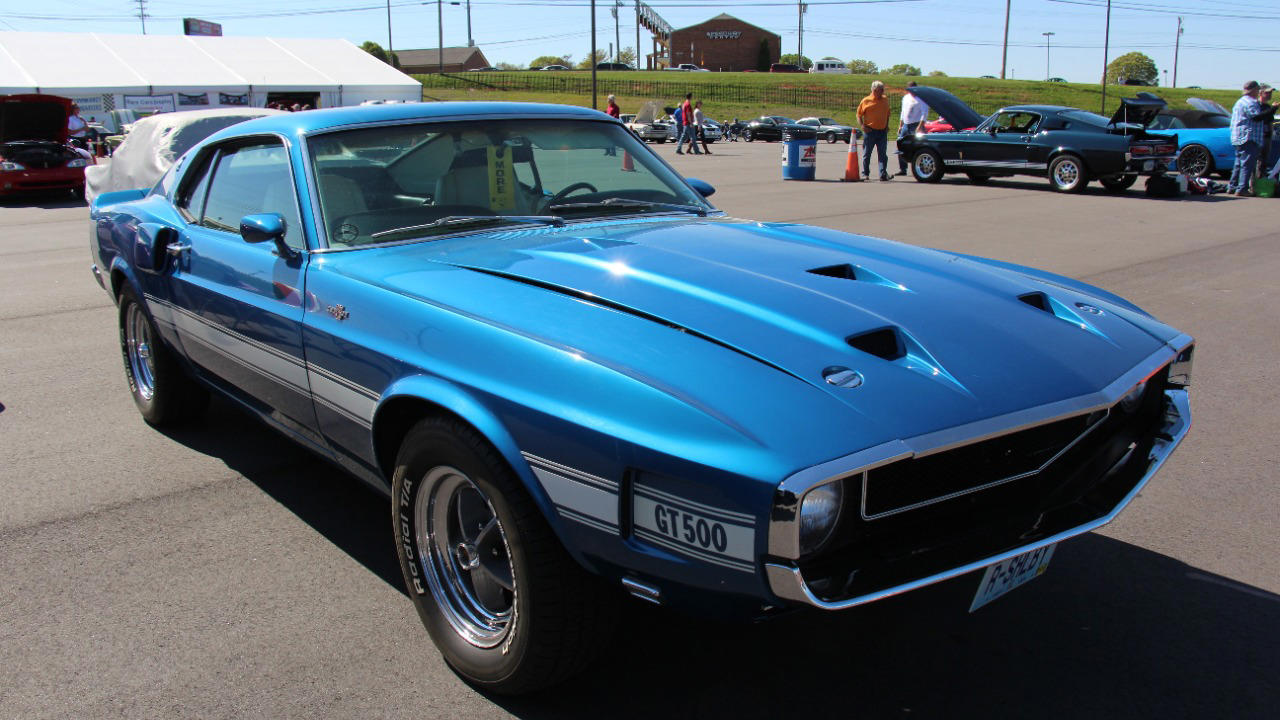



















The Shelby GT500 has always been more than a fast Mustang. From its big-block origins to the latest supercharged track weapon, the GT500 has served as a rolling manifesto for how far Shelby and Ford are willing to push performance. Each generation has raised power, sharpened hardware and redefined what an American pony car can do on road and track. Over six decades, that pursuit of speed has transformed the GT500 from a brutish muscle coupe into a sophisticated, launch-control-equipped circuit car that can embarrass supercars while still carrying a license plate. The story of how Shelby kept pushing performance with the GT500 is written in displacement figures, lap times and the way modern cars make the 1960s legend feel like a starting point rather than a high-water mark. From GT350 roots to the first GT500 The GT500 story starts with Shelby American taking the standard Mustang and turning it into something far more serious. The company built the first Shelby Mustang in 1965 with the famous GT350, then introduced the GT500 in 1967 as a step above that already potent car. That move created a hierarchy where the GT350 focused on lighter, more agile performance and the GT500 chased bigger power and higher straight-line speed, a distinction that still shapes the nameplate today. Period coverage shows how quickly that escalation arrived. Ford engineers had already reworked the Mustang chassis and styling, then decided to shoehorn a big 390-cubic-inc engine into the car. That decision demanded careful chassis work and signaled that the factory understood what customers wanted from the top Mustang: more displacement and more speed, even if it meant rethinking the platform around it. The GT500 became the natural home for that philosophy, sitting at the top of the range as the most muscular interpretation of the pony car. By the late 1960s, the GT500 had earned a reputation as one of the most iconic muscle cars of its era. It combined aggressive styling with big power in a way that captured the American performance mood of the time. The basic formula was still rooted in straight-line dominance, though, with handling and braking trailing far behind what modern drivers expect from a high-performance car. That gap would become the canvas for Shelby and Ford to keep pushing the car forward. Why the 1967 GT500 still matters The 1967 Ford Shelby Mustang GT500 remains a benchmark in the muscle car world because it crystallized the idea of a factory hot rod that felt a step removed from the regular production line. Its presence, rarity and connection to Carroll Shelby gave it an aura that later cars still chase. Enthusiasts continue to reference that first GT500 when they talk about what a Shelby should feel like, even as the hardware has moved far beyond carburetors and leaf springs. Modern comparisons highlight how far the GT500 has come while respecting that heritage. One detailed breakdown of the classic car side by side with a current GT500 notes that the older model offered raw charm but limited control, while the latest version uses launch control, Brembo brakes and track-focused tuning so it handles corners and stops much better than the 1967 model. That contrast shows how the badge has evolved from a straight-line bruiser into a complete performance package without abandoning its roots in big power and bold styling. The 1967 car also set a template for visual drama. Its elongated nose, scoops and stripes created a visual shorthand that still informs how people expect a GT500 to look. Even when modern designers chase aerodynamic efficiency and cooling, they tend to echo that muscular stance. The current cars may be honed in wind tunnels, yet the lineage back to the original Shelby Mustang is immediately visible when they roll onto a track or into a cars and coffee lot. The modern GT500’s power arms race Over the decades, Shelby and Ford kept escalating the GT500’s output in response to both rivals and customer expectations. What began as a big-block experiment in the late 1960s turned into a horsepower arms race by the 2000s, with each new version chasing higher numbers and more sophisticated ways to deploy them. The GT500 became the range-topping Mustang that signaled how far the factory would go in pursuit of speed. A detailed specification history shows that the GT500 line has climbed from its early muscle car ratings to some of the highest factory horsepower figures ever offered in a production Mustang. That record tracks the car’s evolution through supercharged V8s, revised cylinder heads, stronger internals and increasingly complex cooling systems. Each generation did not just add power; it added the engineering needed to keep that power usable on both street and track. The current high point is the 2020 to 2022 Ford Mustang Shelby GT500, which features a supercharged 5.2-liter V8 engine that produces around 760 horsepower and 625 pound-feet of torque. That engine output places the GT500 squarely in supercar territory while still sitting in a front-engine, rear-drive coupe with usable rear seats and a recognizable Mustang profile. It is a clear statement that the GT500 remains the most extreme expression of the pony car formula. Acceleration figures back up those headline numbers. Independent testing recorded the Ford Mustang Shelby GT500 sprinting from zero to 60 M in 3.6 Seconds, then covering the quarter mile in 11.4 seconds at 132 miles per hour. Those metrics show that the GT500 has moved far beyond traditional muscle car benchmarks and into the performance envelope of far more expensive European machinery, while still carrying a Ford badge and a Shelby nameplate. From straight-line brute to track weapon Raw power alone no longer defines a modern performance car. Shelby and Ford understood that the GT500 had to evolve into a machine that could carry its speed through corners and survive repeated hard laps without fading. That shift required a fundamental rethinking of suspension, braking and aerodynamics compared with the 1960s original. The 2020 Ford Mustang Shelby GT500 was engineered with that mission in mind. Reviews of the car from its media launch describe a machine that combines drag car speed with road racer moves, using advanced traction management and a sophisticated chassis to keep all 760 horsepower in play. The car was tested extensively on road courses around Las Vegas, where its stability at high speed and willingness to rotate through corners surprised drivers who expected a more traditional muscle car experience. Key hardware makes that transformation possible. The modern GT500 uses large Brembo brakes, sticky tires and track-focused tuning so it can repeatedly haul itself down from triple-digit speeds without drama. Electronic aids such as launch control and selectable drive modes help less experienced drivers access the performance without immediately overwhelming the rear tires. These systems are a far cry from the analog simplicity of the 1967 car, yet they serve the same purpose of delivering maximum speed in a package that still feels like a Mustang. On track, the car’s dual-clutch transmission plays a central role. The Ford Mustang Shelby GT500 from the 2020 to 2022 run pairs its 5.2-liter V8 with a fast-shifting dual-clutch gearbox that keeps the engine in its power band and removes the delay of a traditional manual. That choice generated debate among purists who associate Shelby models with stick shifts, but it reflects the goal of building the quickest and most consistent GT500 around a circuit rather than the most nostalgic one. Track day programs that put regular drivers behind the wheel reinforce that impression. One high-performance driving experience company describes the GT500 as a car that offers supercar-level acceleration with the familiarity of a Mustang cockpit, making it accessible to enthusiasts who might otherwise be intimidated by 760 horsepower. Instructors emphasize that the car’s electronics and chassis tuning allow students to focus on learning lines and braking points instead of constantly fighting wheelspin and brake fade. How the GT500 stacks up in the modern muscle hierarchy The current GT500 exists in a performance world crowded with serious hardware, from mid-engine sports cars to all-wheel-drive sedans. American rivals such as the Corvette Z06 have moved the goalposts for what domestic performance looks like, forcing Ford and Shelby to respond with a Mustang that can hold its own against dedicated sports cars. Video reviews from enthusiasts highlight how the 760 HP Shelby GT500 feels like the coolest and fastest Ford pony car yet, capable of running with cars that cost significantly more. Those comparisons often focus on the GT500’s blend of straight-line speed and track capability. Where older muscle cars might have been satisfied with quarter-mile bragging rights, the modern Shelby has to tackle road courses and stand up to repeated lapping. Onboard footage and commentary from drivers like Tedward, who sampled a GT500 thanks to Boston Motorsports and the McGovern Auto Group in Brighton Massachusetts, show a car that can put its power down cleanly out of corners and remain composed under heavy braking, even when pushed hard for extended sessions. The GT500 also faces internal competition from other high-performance Mustangs. Some enthusiasts refer to the 2014 SVT Shelby GT500 as the last traditional Mustang, pairing a manual transmission with a supercharged V8 in a package that still leaned heavily toward straight-line thrills. Video coverage from channels such as Texas Revy highlights how that car delivered massive power with a more old-school feel, while the 2020 model shifts toward a more integrated track car philosophy. Modern owners and tuners continue to push beyond factory figures. One widely discussed build turned a 2020 GT500 into a 1200 HP twin turbo monster, prompting questions about whether 1200HP is even usable on the street. Another project documented the process of adding more horsepower to a Shelby GT500 and chasing almost 1000HP, illustrating how the car’s underlying hardware invites further escalation. These modified examples show that even Shelby’s own 760 horsepower target is seen by some as a starting point rather than a limit. Driving experience: brutality with polish Numbers and specs tell only part of the story. What keeps the GT500 nameplate relevant is the way the car feels from behind the wheel. Drivers frequently describe a mix of brutality and refinement, where the engine’s violence is filtered through electronics and high-quality components into something that can be exploited rather than merely survived. Onboard reviews of the 760hp Shelby GT500 capture that duality. Tedward, driving a car provided by Boston Motorsports and the McGovern Auto Group in Brighton Massachusetts, talks about the immediacy of the throttle and the way the supercharged V8 surges through the rev range. He also notes the composure of the chassis, the precision of the steering and the confidence inspired by the massive brakes. The result is a car that feels intimidating at first glance but increasingly approachable as drivers learn to trust its systems. Another long-form review describes the GT500 as a usable track monster. The host points out how the car can transfer weight predictably, even in its normal transmission setting, which helps the driver place it accurately through fast corners. The dual-clutch gearbox snaps off shifts quickly enough that the car never falls off boost, yet it can also settle into a more relaxed rhythm on the highway. Owners talk about daily driving the car despite its performance credentials, a sign that Shelby and Ford have found a workable balance between outright speed and livability. That balance is also evident in how the car manages heat and wear during repeated hard use. Track day organizers who run fleets of high-performance cars report that the GT500 can handle multiple sessions without cooking its brakes or pulling power due to temperature, provided it is given reasonable cool-down laps. That kind of durability matters for owners who want to use the car as intended rather than treat it as a garage ornament. Heritage, special editions and the Code Red experiment Shelby’s approach to the GT500 has always involved special editions and experimental builds that test the outer limits of what the platform can handle. These projects keep the name in the headlines and feed back lessons into future production cars, reinforcing the idea that the GT500 is a living laboratory for high-performance Mustang engineering. A recent example is the GT500 Code Red, a project that took a 2021 car and turned it into a hand-built twin turbo prototype with extreme output. The car, identified as serial number 0001, was developed as a research piece rather than a regular production model. Its appearance on the Scottsdale Auction block with no reserve showed how Shelby and Ford are willing to showcase engineering experiments in public, using the GT500 badge as a platform for innovation. Earlier limited-run cars followed a similar pattern. The GT500 Super Snake and other high-output variants used upgraded superchargers, revised suspension and unique styling to push performance beyond the already aggressive factory tune. Each of these cars reinforced the GT500’s status as the top of the Mustang hierarchy, while also giving engineers a chance to validate components and setups that might later influence mainstream models. The connection to Shelby American remains central to the car’s identity. Historical documentation emphasizes that Shelby American created the first Shelby Mustang, then introduced the GT500 as the flagship. Modern collaborations, such as the Code Red prototype, keep that relationship active. Even as Ford Motor Company handles mass production of the Mustang Shelby line, the Shelby American name continues to signal a more exclusive and experimental approach to performance. Why the GT500 still captures enthusiasts’ imaginations Part of the GT500’s enduring appeal lies in how it condenses multiple automotive fantasies into one car. It is a muscle car with a recognizable silhouette, a track tool with serious hardware and a tuning platform that can swallow four-figure horsepower builds. That combination makes it a fixture in enthusiast conversations, YouTube reviews and track day paddocks. Online communities treat the Ford Mustang Shelby GT500 as a benchmark for straight-line speed and value. Threads discussing its 3.6 second run to 60 M and 11.4 second quarter mile at 132 mph often compare it directly with European sports cars that cost significantly more. Owners share data logs, drag strip slips and track videos to demonstrate how the car performs in real conditions, not just on paper. That user-generated record reinforces the factory claims and keeps the GT500 in the spotlight long after a new model year arrives. Video creators also play a role in shaping the car’s image. Clips of the 760 HP Shelby GT500 running on back roads or drag strips, often framed against rivals like the Corvette Z06, highlight the sound and spectacle that numbers alone cannot convey. Comment sections fill with debates over American performance, with viewers referencing Aug reviews and praising how American manufacturers continue to deliver outrageous speed at relatively accessible prices. Driving experience companies add another layer by giving non owners a chance to sample the GT500 on track. One such operator describes its Shelby GT500 sessions as an opportunity to experience supercar acceleration without the intimidation of an exotic badge. Instructors coach participants through launch control starts, braking zones and apexes, turning what could be a one-dimensional thrill ride into a learning experience. Many participants leave with a deeper appreciation for how much engineering sits behind the car’s headline figures. The GT500 also benefits from nostalgia. Owners of older Shelby models, including the 2014 SVT Shelby GT500, often frame the 2020 car as a spiritual successor that trades some analog engagement for vastly improved capability. That generational conversation mirrors broader shifts in performance cars, where electronics and dual-clutch transmissions have replaced rawness with repeatability. The GT500’s ability to carry its heritage into this new era without feeling like a museum piece is a key reason it continues to resonate. The GT500’s future in a changing performance world As regulations tighten and electrification spreads, the GT500 faces a more complicated future. The idea of a supercharged 5.2-liter V8 with 760 horsepower and 625 pound-feet of torque may not align easily with emissions targets and fuel economy standards. Yet the car’s history suggests that Shelby and Ford will look for ways to keep the spirit of the GT500 alive, even if the hardware evolves. One likely path involves blending traditional V8 performance with hybrid assistance or advanced weight reduction to maintain speed while cutting consumption. Another possibility is a shift toward limited-run, track-focused specials that prioritize performance over volume, similar to the prototype approach seen with the Code Red project. In either case, the GT500 name has enough equity that Ford Motor Company will think carefully before retiring it. There is also the question of how the GT500 fits into a lineup that now includes electric performance models. Enthusiasts who grew up with the sound and feel of a supercharged V8 may resist a battery-powered Shelby, yet younger drivers raised on instant torque could embrace a high-output electric Mustang as the next logical step. The challenge for Shelby American and Ford will be to translate the core idea of relentless performance into whatever powertrain technology the future demands. What seems clear from the car’s history is that the GT500 has never been about standing still. From the 390-cubic-inc experiments of the late 1960s to the dual-clutch, launch-control-equipped track cars of today, Shelby kept pushing performance with the GT500 by embracing new technology while preserving the car’s fundamental attitude. As long as that balance holds, the GT500 badge is likely to remain one of the most potent symbols of American speed. More from Fast Lane Only Unboxing the WWII Jeep in a Crate 15 rare Chevys collectors are quietly buying 10 underrated V8s still worth hunting down Police notice this before you even roll window down