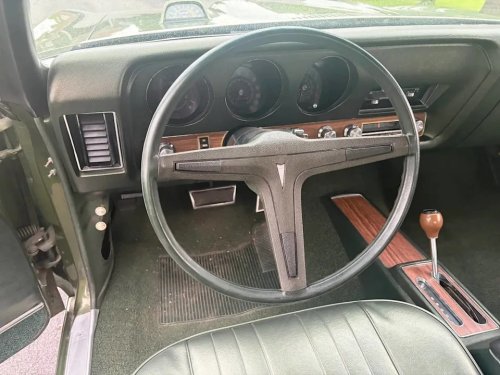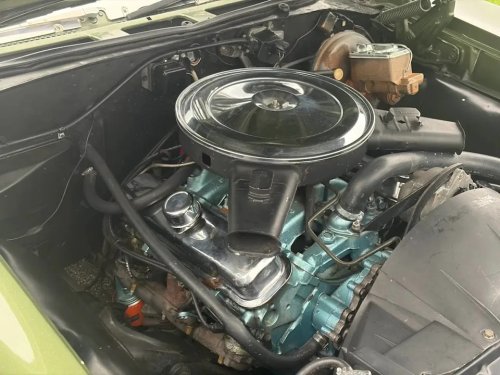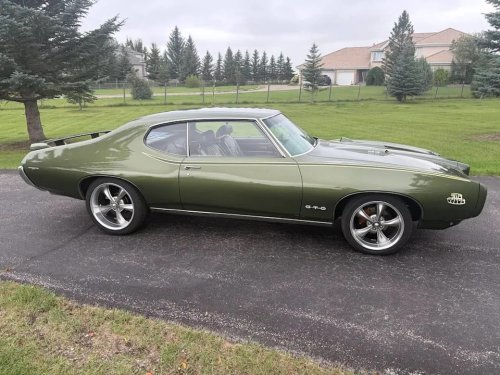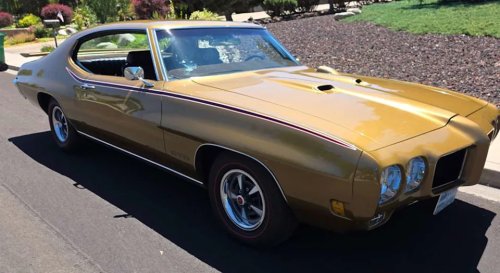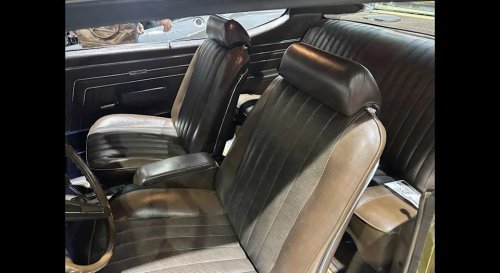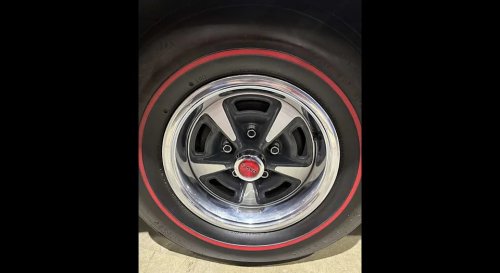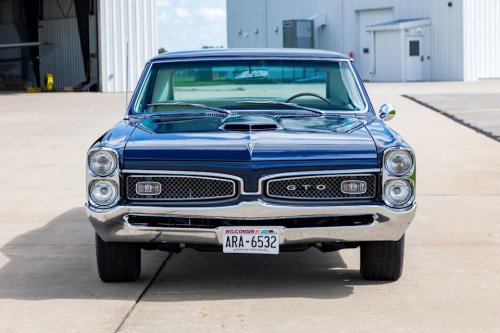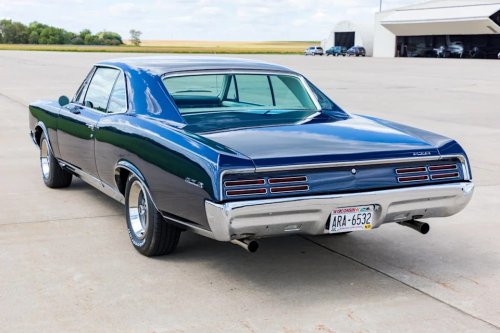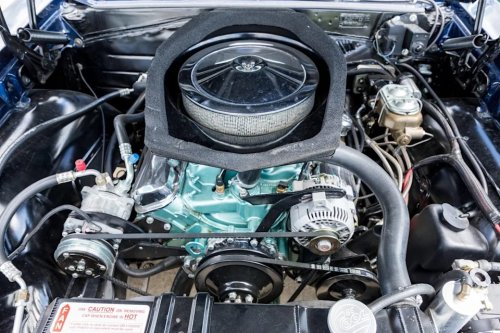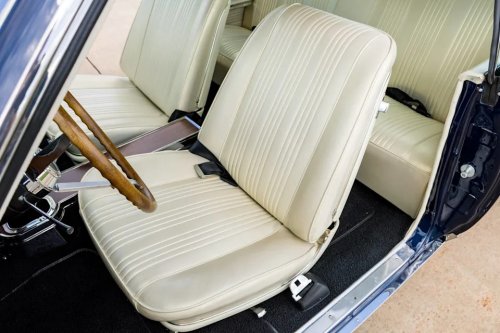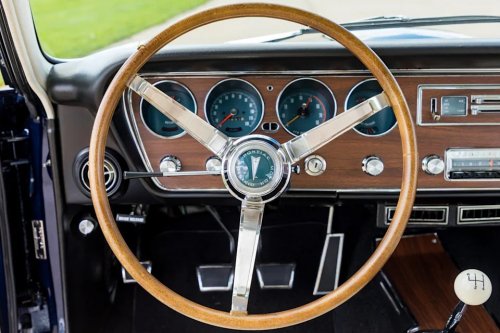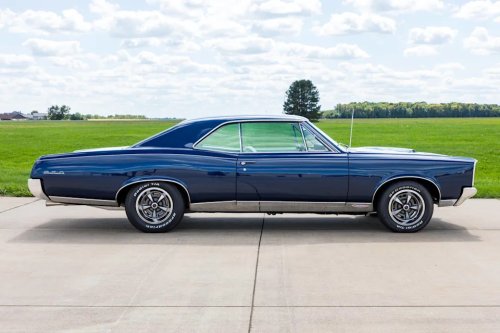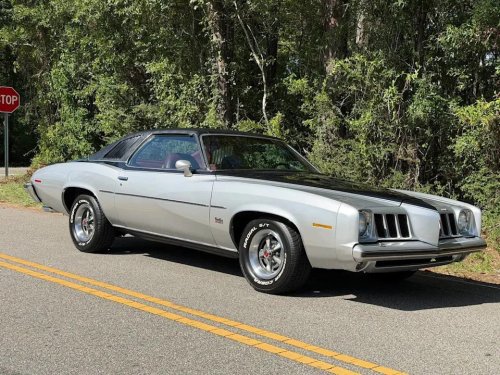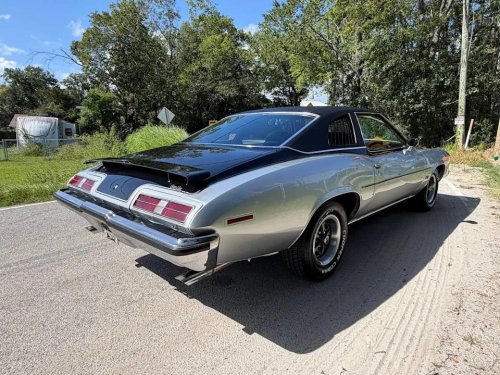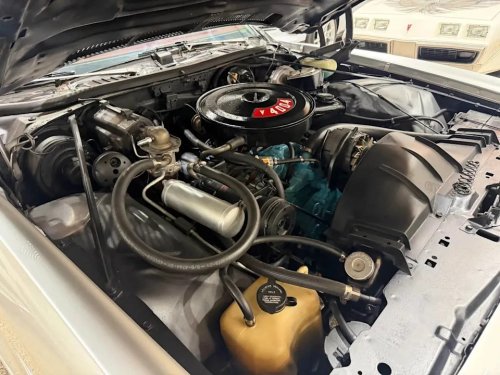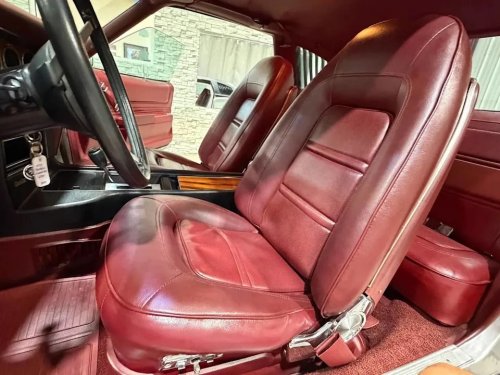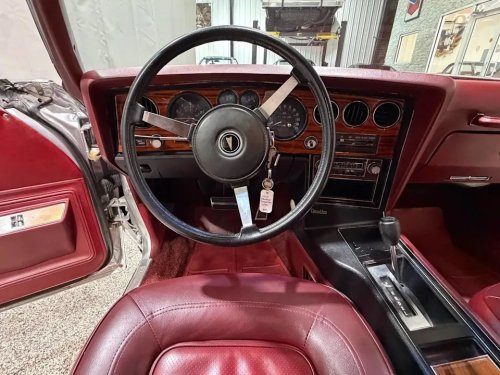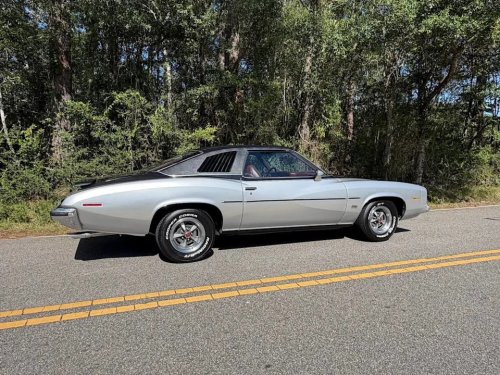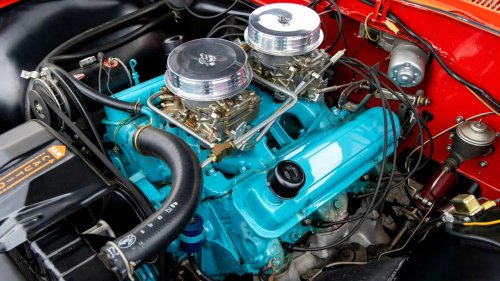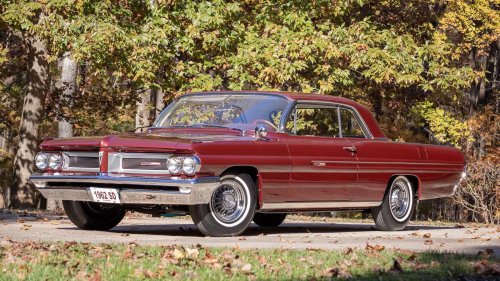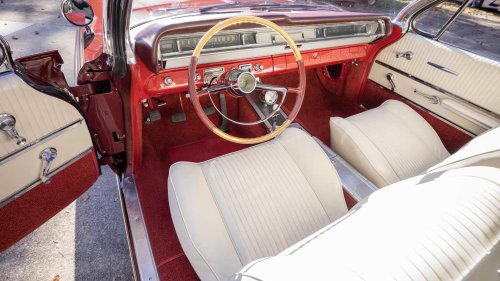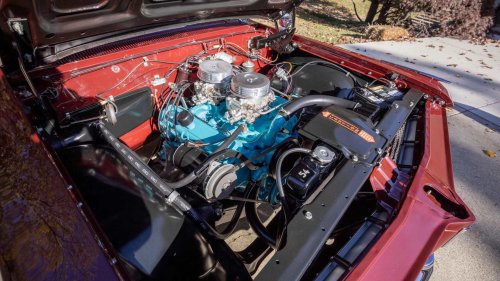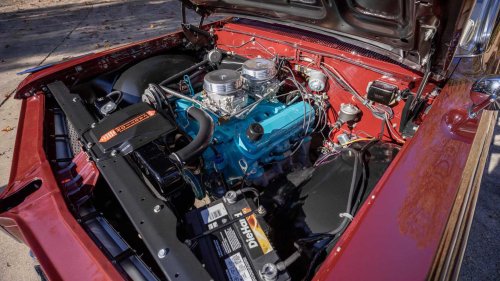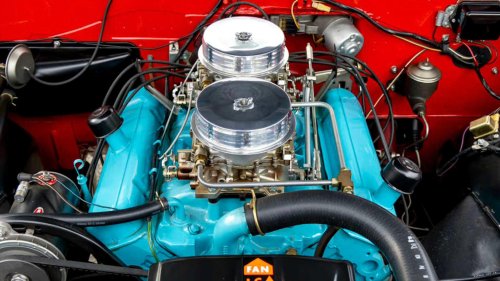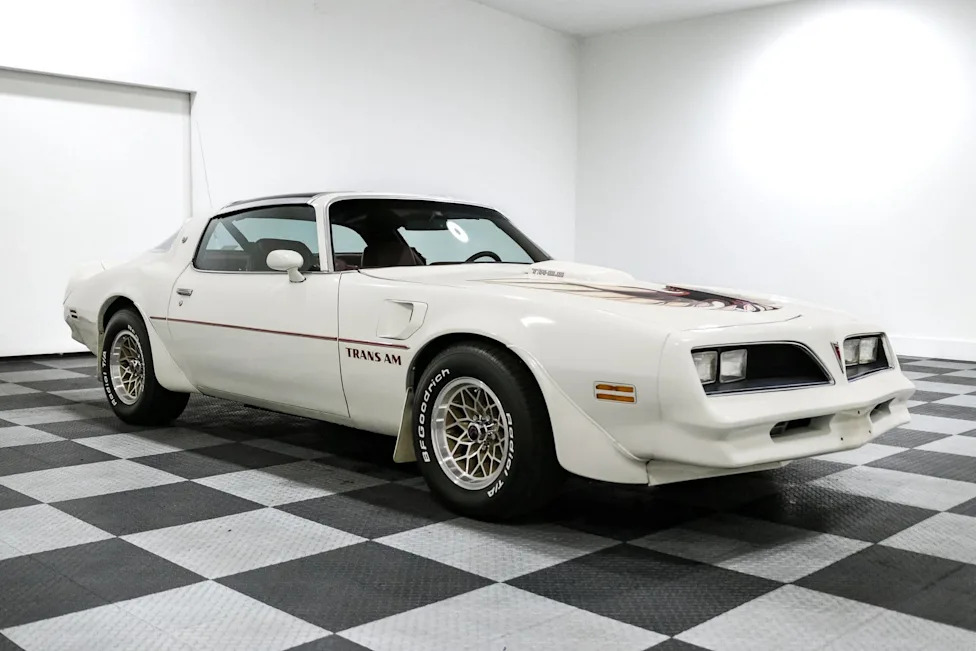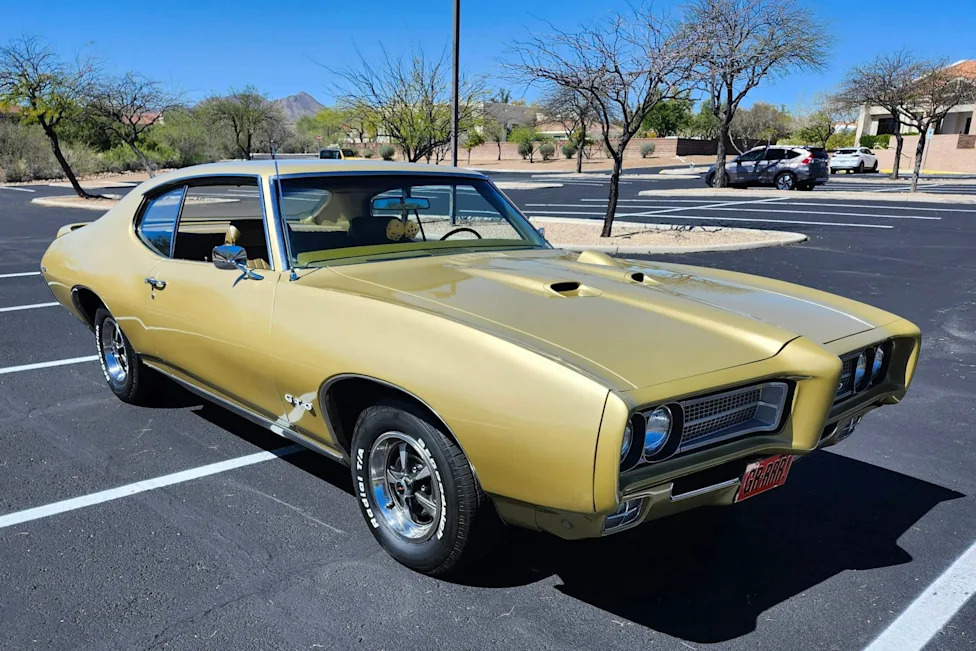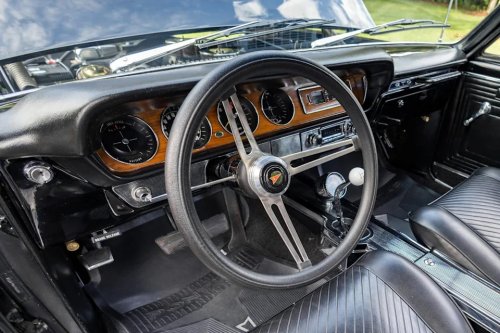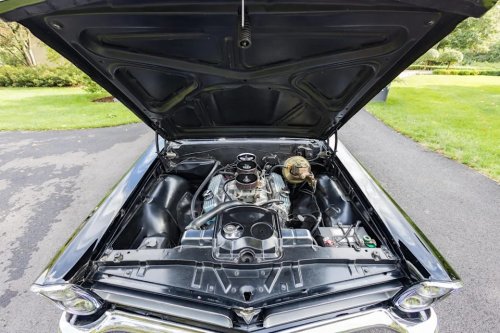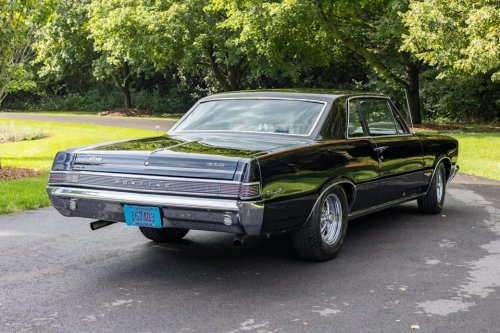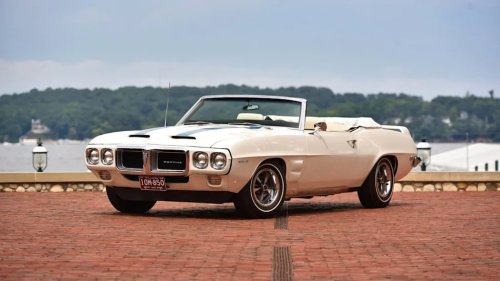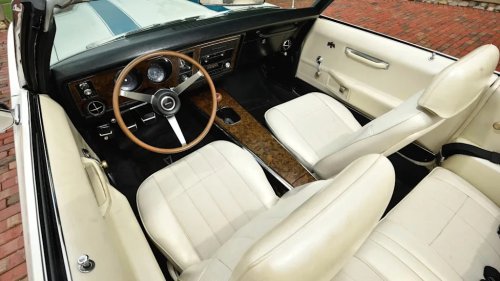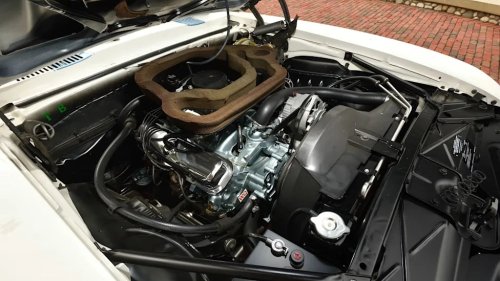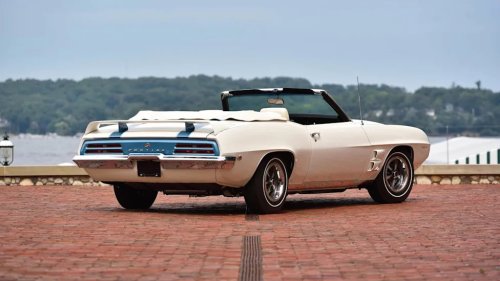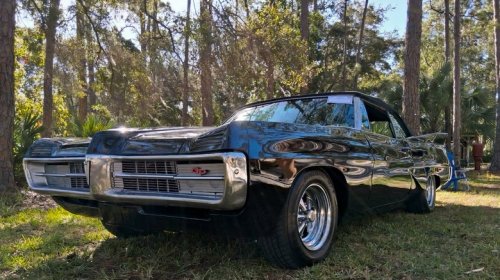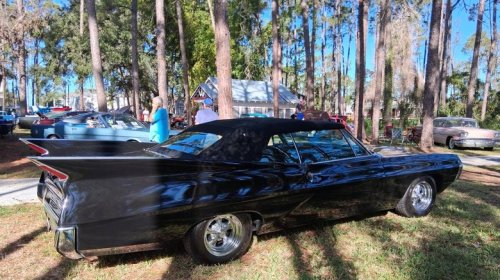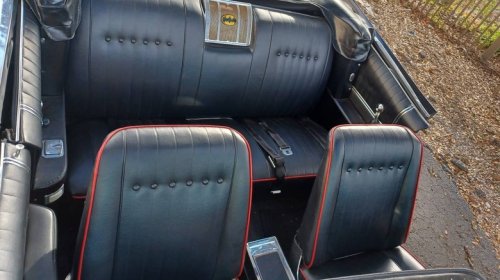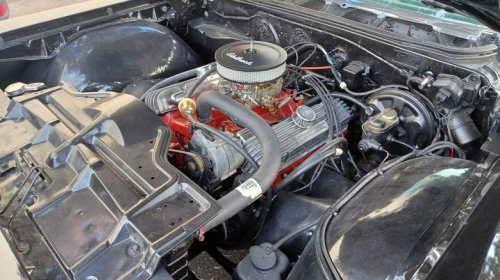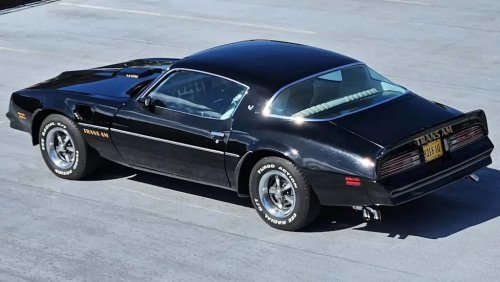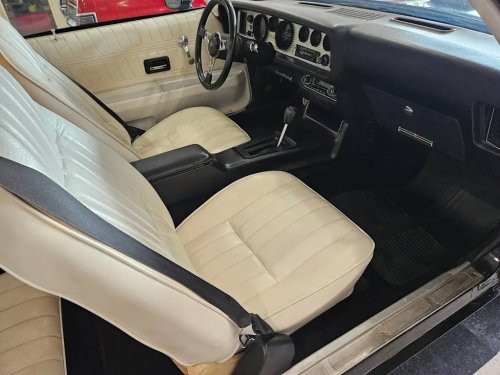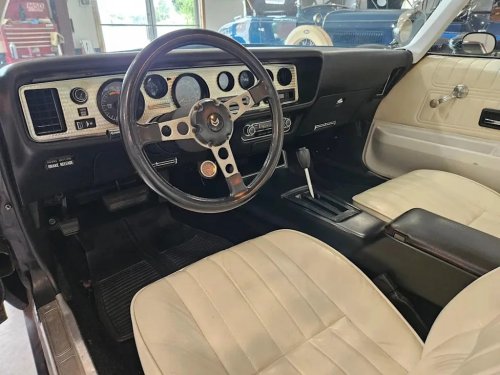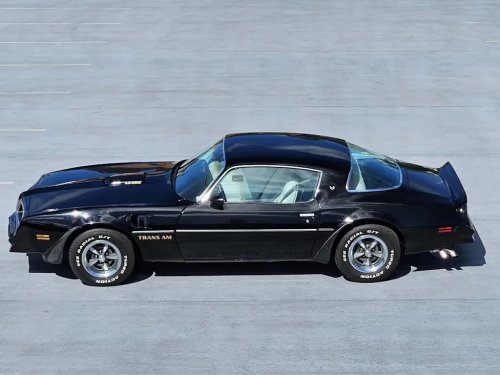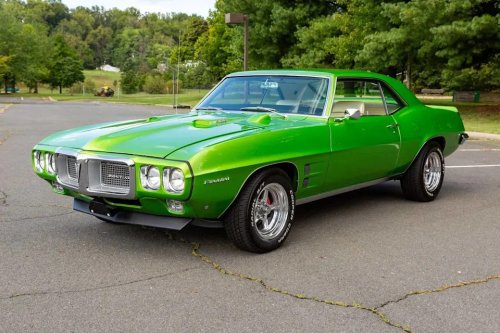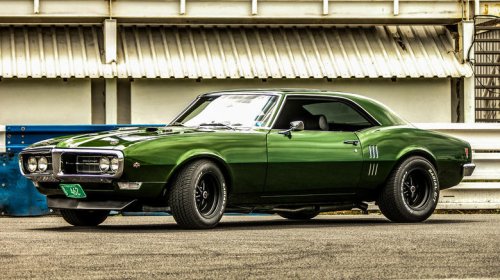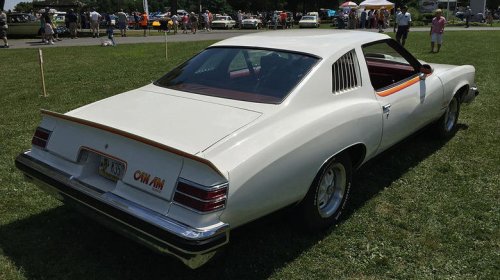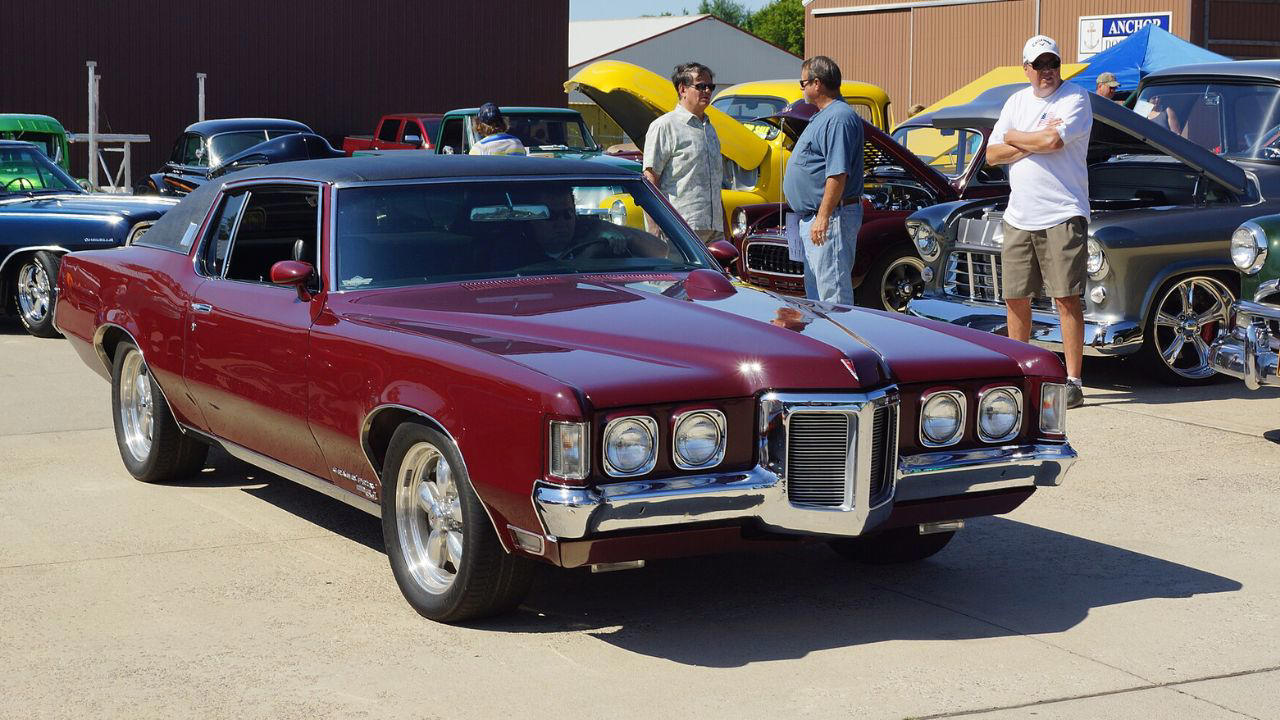



















The 1969 Pontiac Grand Prix blends bold styling with performance engineeringThe 1969 Pontiac Grand Prix arrived at a turning point for American performance cars, when style had to work as hard as the engine. Pontiac’s personal luxury coupe fused an aggressive long-hood profile with serious V8 power, creating a car that looked like a concept sketch brought to life yet behaved like a well-sorted muscle machine. More than half a century later, it stands as one of the clearest examples of how bold design and focused engineering can share the same sheet metal. What happened When Pontiac introduced the 1969 Grand Prix, it did not simply refresh an existing model. Instead, it repositioned the nameplate on a new, shorter-wheelbase version of General Motors’ intermediate platform, while stretching the hood and tightening the rear deck. The result was a coupe that visually emphasized its engine bay and driver’s seat, not rear passenger space. This was the first year of Pontiac’s so‑called “G-body” Grand Prix, a car that looked low and tailored but sat on hardware closely related to the mid-size LeMans and GTO. Styling chief John Z. DeLorean and his team led the design, pushing for a pointed grille, recessed headlamps, and a sharply creased body side. The front end formed a prominent “beak” that visually extended the car’s length, while the rear quarters tucked inward to make the long hood seem even more dominant. A narrow greenhouse, thin roof pillars, and minimal brightwork around the side windows reinforced the impression of a cockpit carved into a performance shell rather than a family coupe. Inside, the 1969 Grand Prix carried the performance theme into the cabin. The dashboard wrapped around the driver in a semi-circular layout, with deeply recessed round gauges and a console that flowed up toward the instrument panel. Controls tilted toward the driver, creating a cockpit effect that was still rare in American cars of the period. Bucket seats and a floor shifter came standard, aligning the Grand Prix more with muscle cars than with the full-size luxury coupes it nominally replaced. Under the long hood, Pontiac offered a lineup of 400 cubic inch V8 engines, with the SJ package adding a 428 cubic inch option that pushed the car firmly into high-performance territory. The base 400 already delivered strong torque for its size and weight, while the 428 engines, especially in higher output form, allowed the Grand Prix to keep pace with more overtly marketed muscle cars. Buyers could choose between three-speed and four-speed manual transmissions or a Turbo-Hydramatic automatic, broadening the car’s appeal from enthusiasts to comfort-oriented drivers. Chassis engineering backed up the styling. By using an intermediate platform instead of a full-size frame, Pontiac cut overall length and wheelbase compared with the prior Grand Prix generation, improving weight distribution and making the car more responsive. Front disc brakes were available, as were heavy-duty suspension components that firmed body control without completely sacrificing ride comfort. The aim was not a race car, but a grand touring coupe that could cover long distances quickly and still feel composed on a twisting road. The 1969 Grand Prix also reflected Pontiac’s broader design experiments of the decade. The division had spent the 1960s exploring dramatic shapes in show cars and prototypes, many of which appeared as Pontiac concept cars on the auto show circuit. Elements such as exaggerated front overhangs, narrow rooflines, and driver-focused interiors filtered from those concepts into production models. The new Grand Prix represented one of the clearest transfers of that show-car drama into a vehicle that customers could actually buy. The market response validated the strategy. Pontiac sold significantly more Grand Prix units in 1969 than in the previous year, despite moving the car to a smaller platform. Buyers were drawn to the combination of personal luxury cues and genuine performance credentials. The model quickly became a key part of Pontiac’s lineup, sitting alongside the GTO as a performance-oriented halo but with a more refined image. Why it matters The 1969 Grand Prix stands out because it solved a problem that many American manufacturers were wrestling with at the time: how to maintain performance credibility while moving upmarket. Muscle cars were facing rising insurance costs and growing scrutiny over safety and emissions, yet there was still demand for cars that felt powerful and special. Pontiac’s answer was to cloak muscle car hardware in a more tailored, almost European-inspired body and cabin. That strategy helped shape the emerging “personal luxury” segment. Rather than emphasizing quarter-mile times alone, the Grand Prix sold an image of a sophisticated performance coupe, something that could sit in a corporate parking lot without looking out of place but still deliver strong acceleration. The long hood and short deck signaled power, while the formal roofline and upscale interior materials communicated status. This dual identity influenced later cars from multiple brands that tried to blend comfort and speed in a single package. From a design perspective, the 1969 Grand Prix also marked a turning point for Pontiac styling. The pointed grille and beak-like front end became a signature cue that appeared across the brand’s lineup in different forms. The idea of a driver-centric cockpit, with the dash and console angled toward the person behind the wheel, spread to other models as well. These decisions helped define Pontiac’s identity as a division that took driving seriously, not just straight-line power. Technically, the move to an intermediate-based platform showed how careful packaging could support both performance and comfort. By shortening the wheelbase while stretching the hood, Pontiac managed to create a car that felt more agile than a traditional full-size coupe but still offered a smooth ride on highways. This balance anticipated later grand touring cars that prioritized composure and refinement alongside acceleration figures. The Grand Prix also demonstrated how engineering and marketing could align. The SJ package, with its larger 428 cubic inch engine and upgraded suspension, gave Pontiac a clear performance flagship within the model line. At the same time, the base and intermediate trims allowed the brand to reach buyers who valued the styling and image but did not necessarily need the most powerful engine. This tiered approach helped sustain sales and kept the car relevant across a broader audience. In the context of American automotive history, the 1969 Grand Prix highlights a moment when design risk paid off. The sharply creased body, narrow side glass, and pronounced nose were more aggressive than many competitors, yet they resonated with buyers who wanted something distinct from the large, slab-sided coupes of earlier years. That willingness to push the styling envelope, supported by credible mechanicals, reinforced Pontiac’s reputation as an innovator within General Motors. For enthusiasts and collectors today, the car’s importance lies in how completely it expresses the late-1960s shift toward personal performance luxury. The cockpit layout, with its wraparound dash and standard bucket seats, feels like a direct response to drivers who wanted a more engaged experience without giving up comfort. The availability of big-displacement V8s and performance-oriented options ensures that the car’s appearance is matched by its capabilities on the road. The 1969 Grand Prix also offers a lens on how concept-car thinking can influence mainstream products. Many of the visual themes that appeared on Pontiac show cars earlier in the decade, such as exaggerated proportions and dramatic front ends, found a practical application here. Instead of remaining as one-off design exercises, those ideas were refined into a package that met production and cost constraints while still looking distinctive. That process of translating experimental design into showroom reality remains a key part of automotive development. Beyond styling and performance, the model illustrates how a single car can reshape a brand’s trajectory. By proving that buyers would embrace a smaller, more focused Grand Prix, Pontiac gained confidence to pursue similar formulas in other segments. The success of this approach helped the division maintain a sporty, driver-oriented image even as broader industry trends began to shift toward safety regulations and efficiency concerns in the early 1970s. What to watch next Interest in the 1969 Grand Prix continues to evolve as collectors reassess late-1960s American cars that sit between pure muscle machines and traditional luxury coupes. Values for well-preserved examples, especially those equipped with the higher output 428 engines and performance packages, are influenced by how the market views this balance of style and engineering. As more enthusiasts look for cars that offer both visual drama and long-distance comfort, the Grand Prix’s formula may gain additional attention. Restoration and modification trends also shape the car’s future reputation. Some owners prioritize factory-correct restorations that highlight the original paint colors, vinyl roof treatments, and interior trim combinations that defined the period. Others focus on subtle upgrades, such as modern disc brakes, improved suspension components, or updated engine internals, to make the car more usable on contemporary roads while preserving its character. The choices enthusiasts make will influence how the broader public experiences these cars at shows and events. There is also ongoing interest in how Pontiac’s design language from this era influences modern automotive styling. The idea of a long hood, short deck, and driver-focused cabin remains popular in current performance coupes and grand tourers. Designers and historians continue to study cars like the 1969 Grand Prix for lessons on proportion, surface treatment, and brand identity. As manufacturers look for ways to stand out in a crowded market, the success of such a distinctive shape provides a case study in the power of a clear visual statement backed by authentic performance. For those tracking the broader history of American brands, the Grand Prix’s legacy offers a reminder of how quickly market conditions can shift. The car arrived at a high point for large displacement engines and expressive styling, just before regulatory and economic pressures began to reshape the industry. Watching how collectors, museums, and historians frame the car in future exhibitions and publications will reveal how this moment in time is remembered: as a last flourish of unrestrained design, or as a template for blending power and refinement that still resonates. Finally, the 1969 Grand Prix invites continued comparison with its contemporaries and successors. As more data emerges on production numbers, option breakdowns, and surviving examples, enthusiasts gain a clearer picture of how rare specific configurations are and how they performed relative to rival models. That ongoing research helps refine the car’s place in performance history and gives future buyers and restorers a more detailed roadmap for preserving one of Pontiac’s most striking creations. More From Fast Lane Only: Unboxing the WWII Jeep in a Crate 15 rare Chevys collectors are quietly buying 10 underrated V8s still worth hunting down Police notice this before you even roll window down