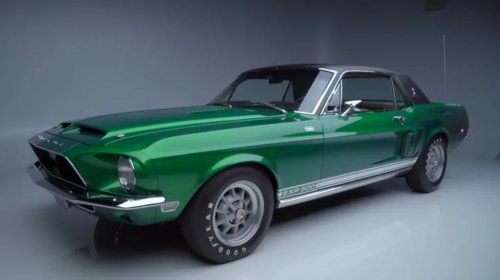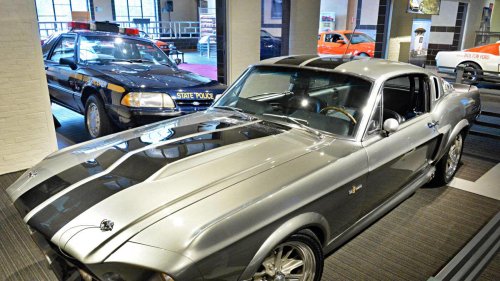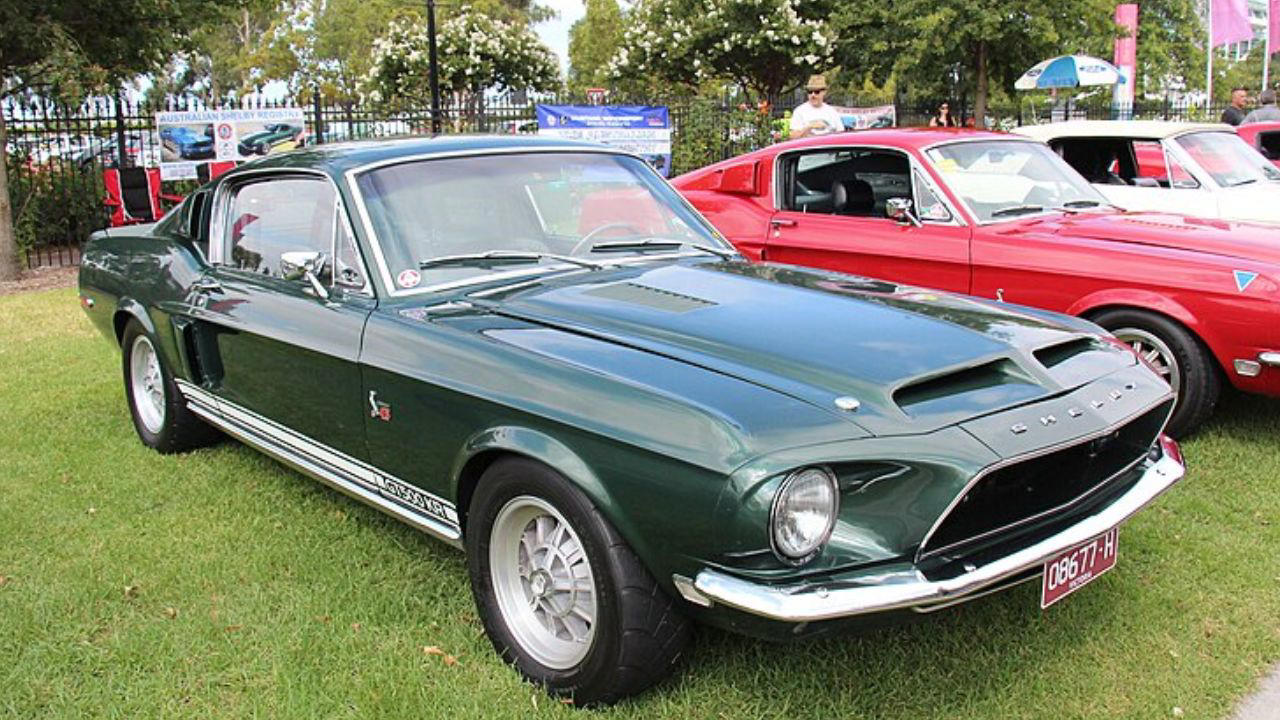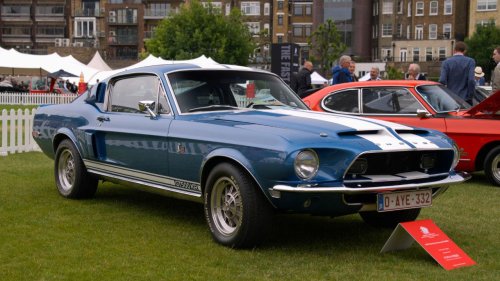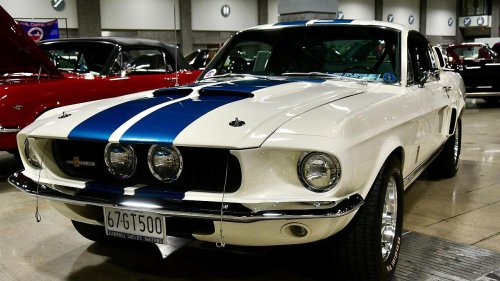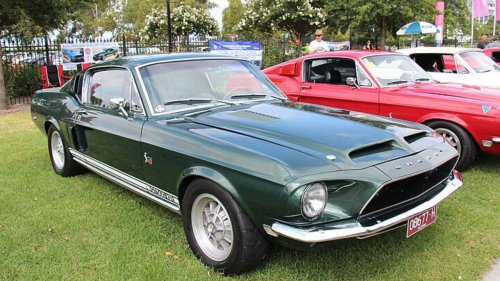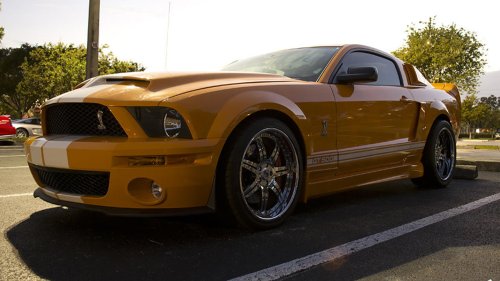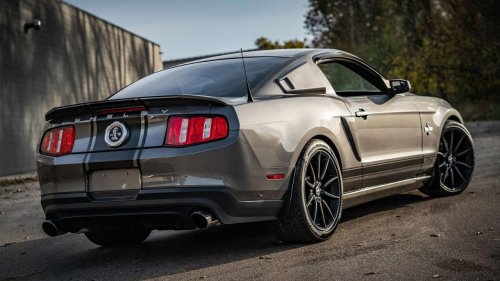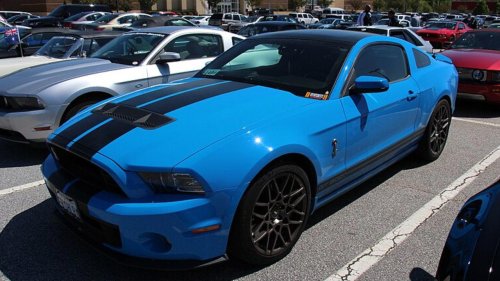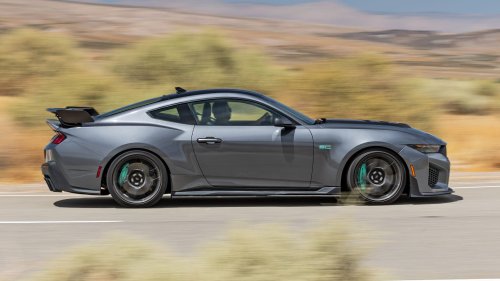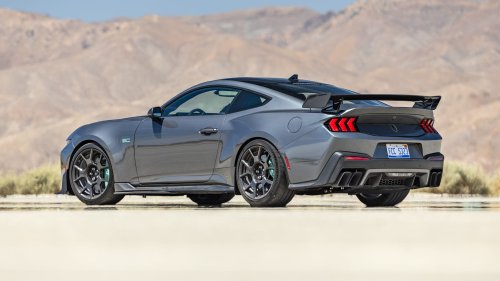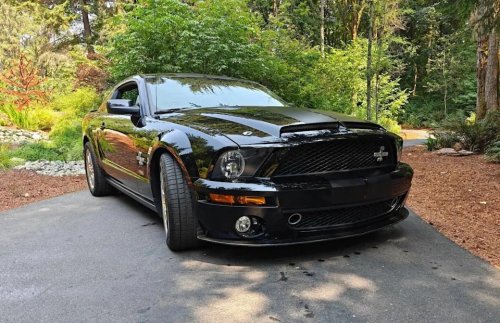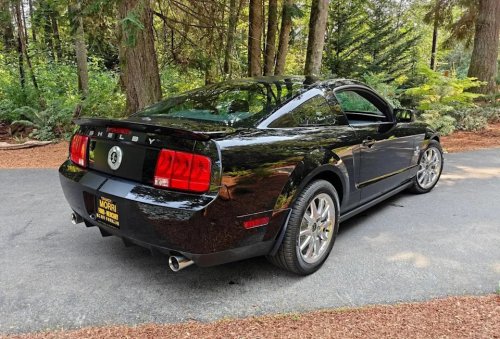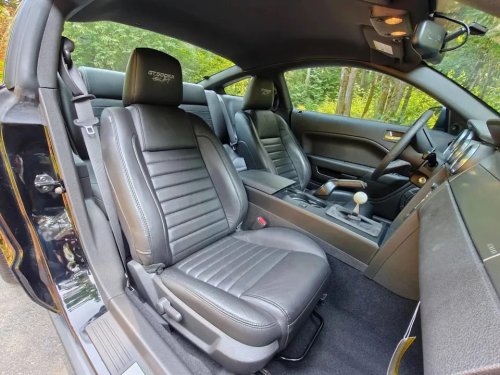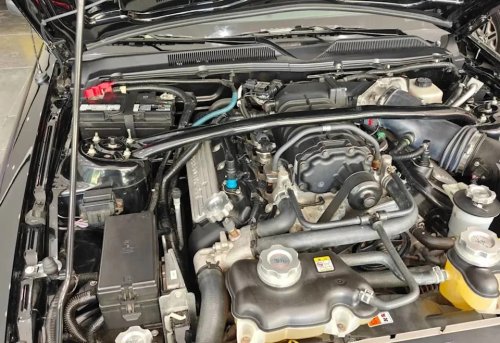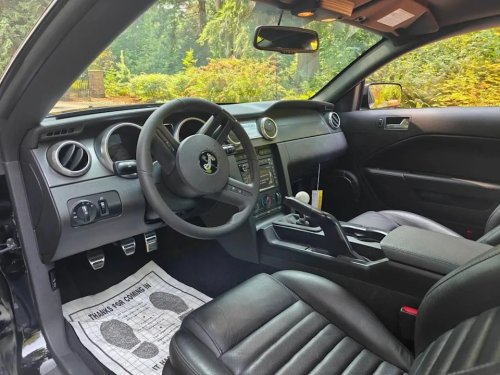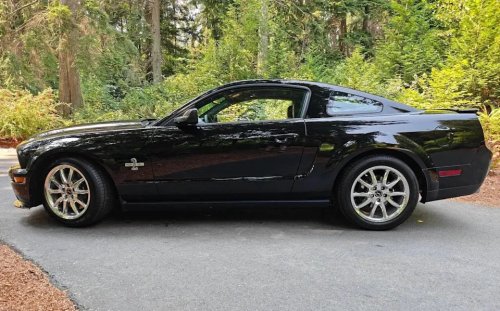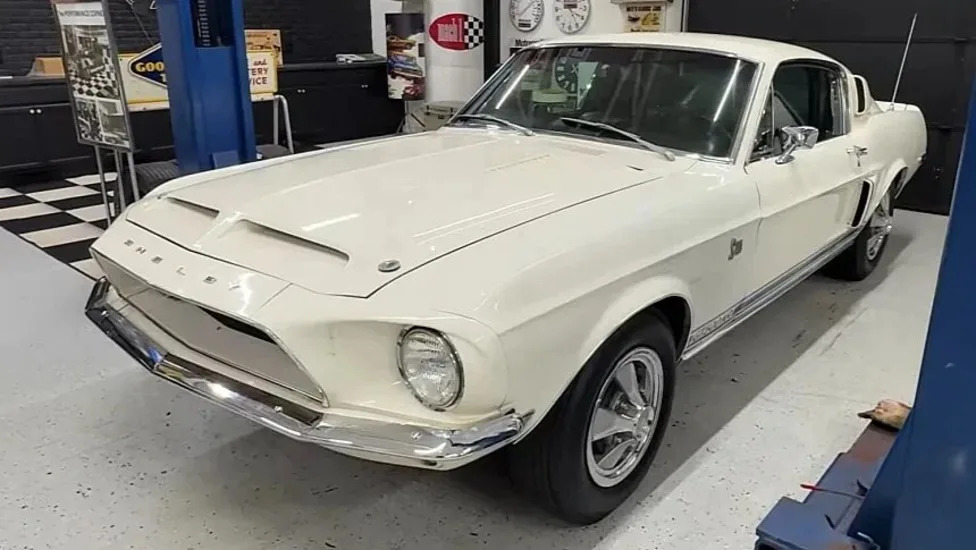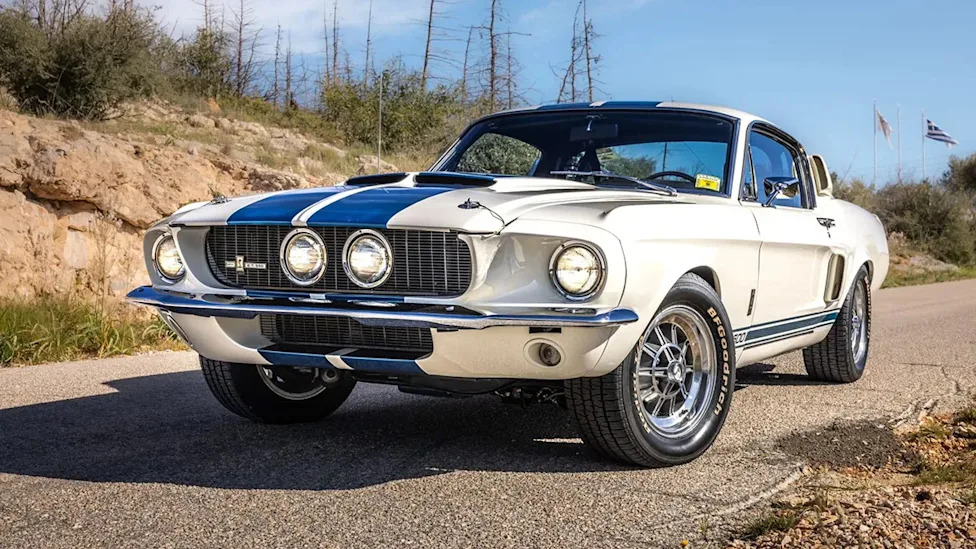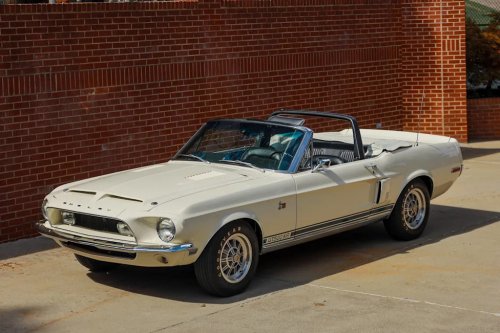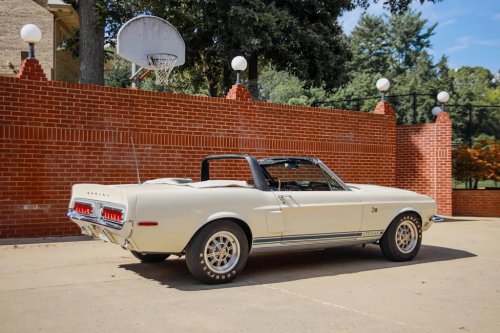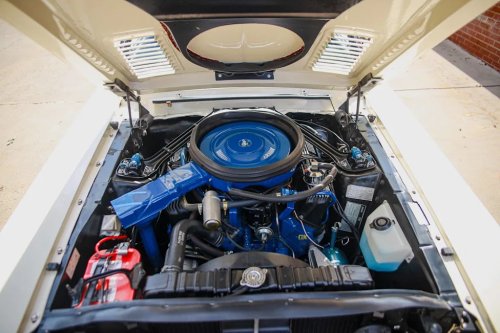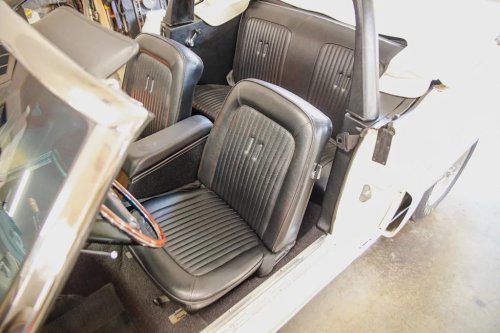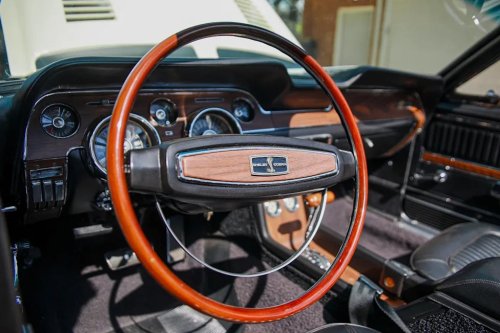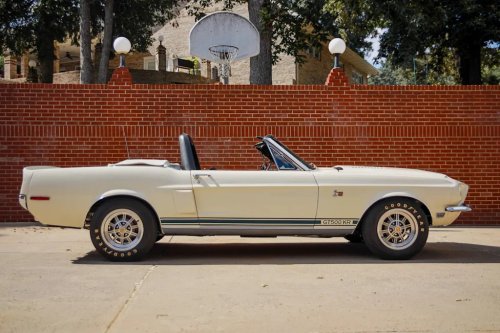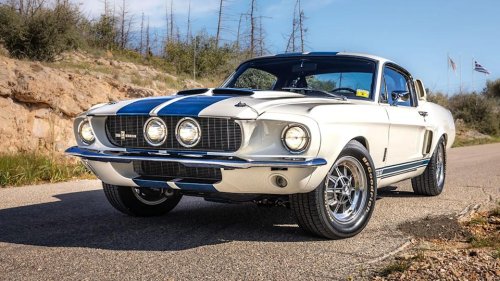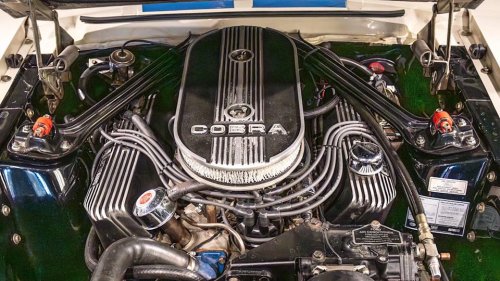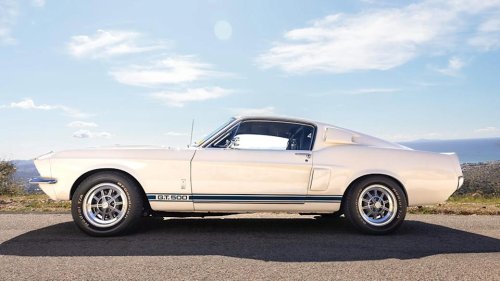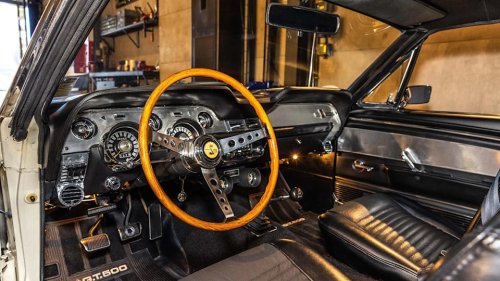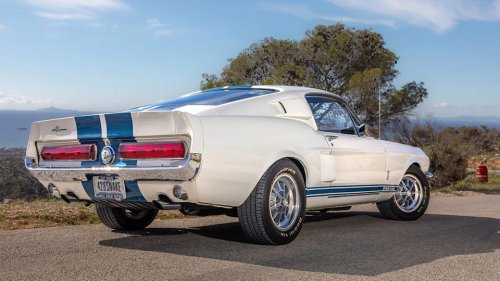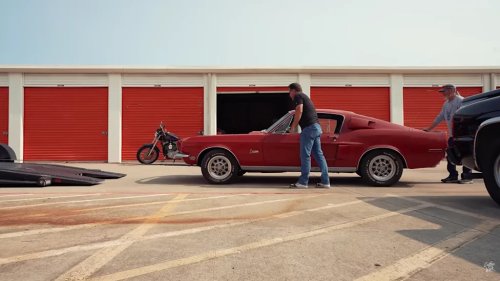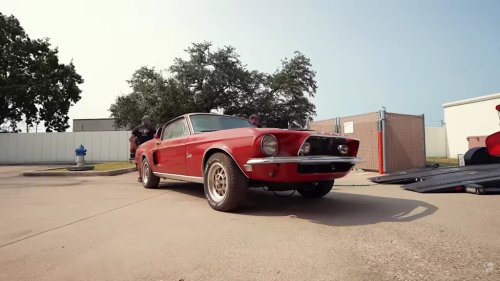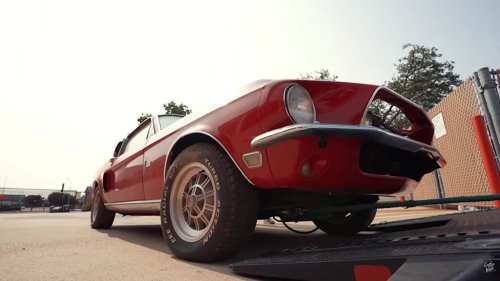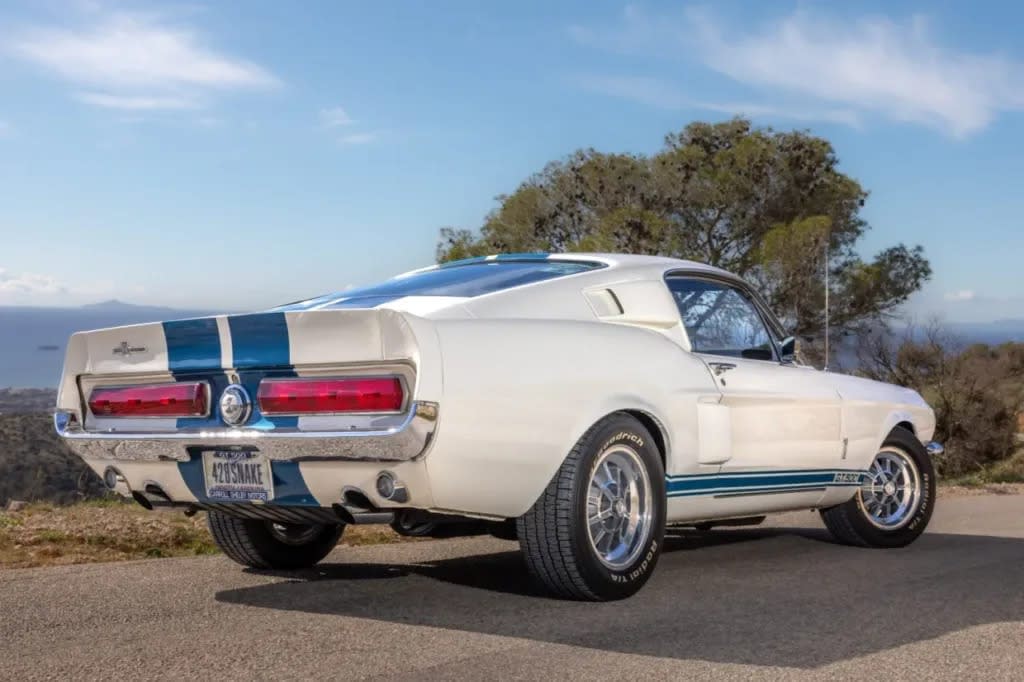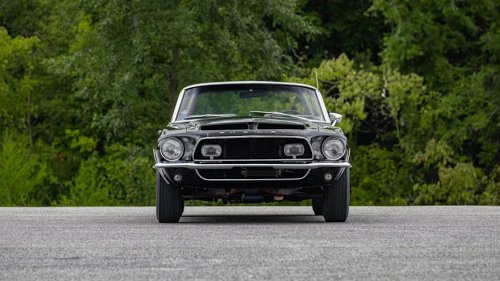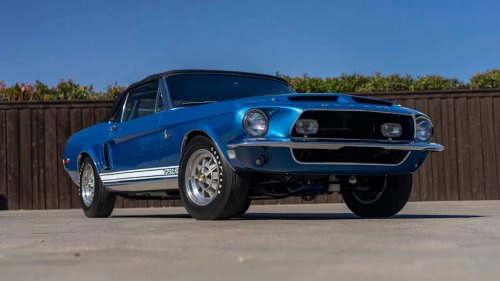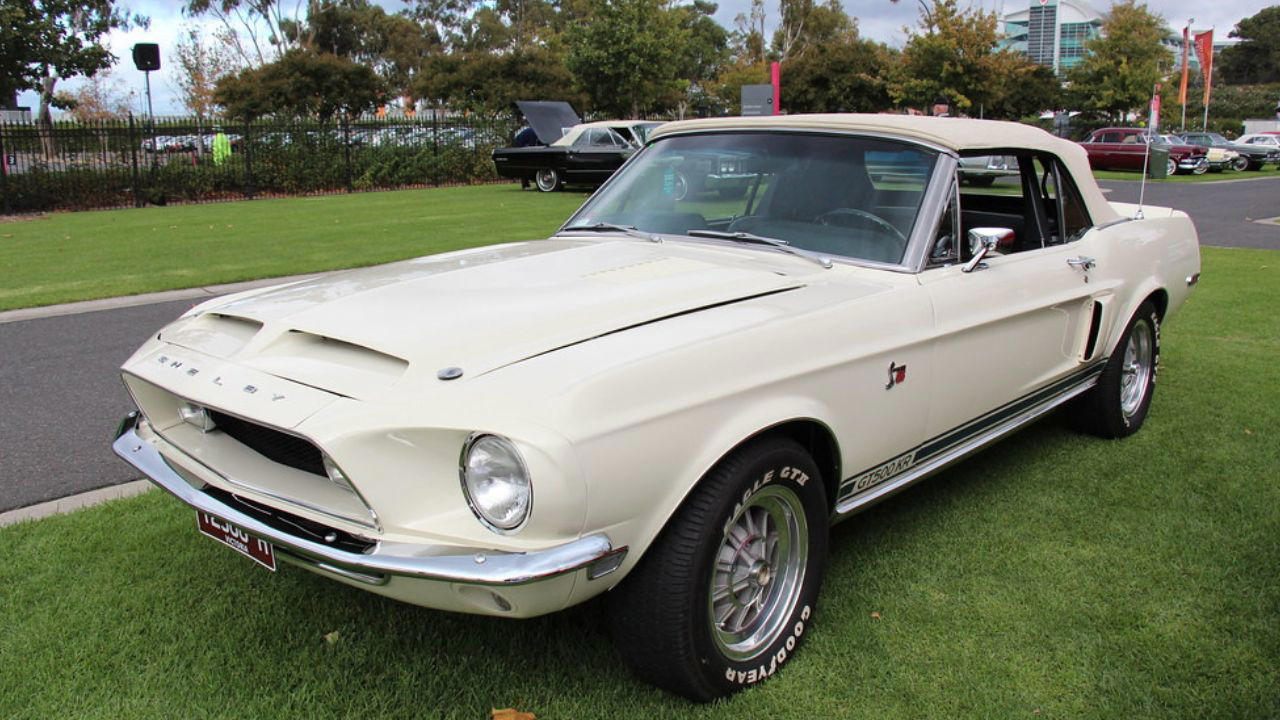



















Shelby gave the GT500KR a name that matched its performanceThe Shelby GT500KR arrived at the height of the muscle car wars with a name that sounded like pure bravado. In practice, “King of the Road” turned out to be less of a boast and more of a product description. Shelby American built a Mustang that could back up every letter of its badge, from the GT500 designation to the KR suffix that signaled something fiercer than anything Ford had yet put on the street. That mix of swagger and substance is why the 1968 Shelby GT500KR still anchors auctions, inspires modern reinterpretations and carries an aura that newer, faster cars struggle to match. The name fit because the car was engineered, styled and marketed to rule both boulevard and drag strip at a moment when the American muscle car era was near its peak. From GT500 to KR: how a badge became a crown The story of the GT500KR starts with a straightforward escalation. Shelby had already taken the Mustang into serious performance territory with earlier GT350 and GT500 models, but the 1968 car needed a new edge. According to a detailed profile of the fastback, the 1968 Shelby GT500 KR Fastback was presented as the top of the line in what that piece calls The Barrett, Jackson Legacy, written by David Neyens, and framed as the KING of the Shelby street machines of its time, a car that combined big-block power with grand touring comfort for buyers who wanted more than a stripped race special. Underneath, Ford’s mid-cycle Mustang update gave Shelby a fresh canvas. The GT500KR received revised front and rear styling, functional scoops and a more aggressive stance that visually separated it from standard Mustangs. The KR suffix did not just decorate the trunk lid; it signaled that this was the most serious street car Shelby American and Ford Motor Company were willing to put into customer hands. “King of the Road” and a race to the name The legend of the name itself has become part of Shelby folklore. In enthusiast circles, a story recurs that Shelby and one of his associates, often identified as Liakoka, heard that Chevrolet planned to use “King of the Road” for a Corvette. One retelling explains that Shelby and Liakoka caught wind that Chevrolet and Corvette were preparing to call their car the King of the Road, and that they quickly moved to secure the phrase for Shelby’s own flagship, a version that appears in a short clip on why Shelby chose the name. Another account focuses less on the rivalry and more on Shelby’s instinct for branding. A later reflection on the 1968 Shelby GT500KR notes that even though he did not yet have a specific car ready for the title, he acted first on the idea. That version states that he immediately had his lawyers trademark “King of the Road” and the name, a move described in a post that greets readers with “Good morning” and calls the 1968 Shelby GT500KR a true legend, nicknamed the King of the Road, referencing a car now displayed in Santa Clarita, CA, in a piece shared by Mustang Klaus. Both threads point to the same conclusion: Shelby treated “King of the Road” as an asset worth protecting even before the GT500KR was fully defined. The name would have to be attached to something that could live up to it, which raised the bar for what the car had to deliver. The 428 Cobra Jet and the muscle behind the crown That delivery came from a new engine that arrived just in time. On April 15, the 428 Cobra Jet V8 was released to the public. Shortly after, Caroll Shelby announced the 1968 GT500KR, explicitly tying his new flagship to the fresh big-block and labeling it King of the Road, an origin that appears in a discussion titled “What does GT500 KR Shelby Cobra Jet 428 mean?” which specifies that the 428 output was understated and that the real figure was closer to 400 ponies, a detail preserved in a group post that notes that On April 15 the engine went public. Ford officially rated the 428 Cobra Jet at a conservative figure, but the combination of larger breathing capacity, revised heads and a performance intake meant the GT500KR had serious real-world thrust. Period tests and later analysis have long argued that the car’s actual output sat well above the brochure numbers, which were kept low for insurance and marketing reasons. For drivers, what mattered was the way the KR surged through the midrange and pulled hard in the upper gears, behavior that justified the royal nickname every time the throttle hit the floor. Under the hood, Shelby did more than drop in the new engine. A later profile of the street and strip character of the GT500KR notes that under the front bracing, Shelby added a strut brace, but the real magic was in the big dose of horsepower and torque that separated the KR from the standard GT500 and from the 7.0 liter V 8s of competitors, a distinction highlighted in a piece that describes how under the hood changes made the KR a different animal. Engineering for both street and strip Power alone did not make the GT500KR special. Shelby’s team set the car up as a dual purpose machine that could run hard at the drag strip yet remain civil on the road. Suspension tuning favored stability and traction, with the added front bracing helping the nose cope with the weight and torque of the 428 Cobra Jet. Wider tires and upgraded brakes worked to keep the car controllable when the big-block came on song. Inside, the GT500KR leaned into a grand touring brief. High back bucket seats, woodgrain trim and full instrumentation made the cabin feel more like a European GT than a basic pony car. Buyers could option air conditioning and automatic transmissions, which meant the King of the Road could serve as a daily driver, not just a weekend toy. That combination of comfort and aggression was central to Shelby’s pitch: the car had to dominate the open highway and the quarter mile without punishing its owner. Styling that matched the name The KR’s appearance also worked hard to justify its title. The 1968 restyle gave Shelby more surface area for functional and decorative changes. A revised fiberglass nose, hood scoops and side intakes signaled that this was no simple appearance package. The rear received a unique treatment with sequential taillights and a deck lid spoiler that visually lowered the car. Color choices amplified the effect. One later reflection on the lineage mentions that today there is an absolutely beautiful 2021 Shelby GT500KR in Rapid Red paint, a modern car that draws a direct visual line back to the 1968 original and that is presented as part of a narrative that begins when Shelby American and Ford Motor Company collaborated in 1962, an arc described in a post that describes how Shelby American and set the stage for the American muscle car era. That modern Rapid Red car underscores how the original KR’s visual formula still resonates. Long hood, short deck, aggressive nose and distinct badging remain central to the identity. The 1968 car’s styling was not subtle, but it was cohesive, which helped the King of the Road reputation feel earned rather than merely advertised. Exclusivity in a single model year Rarity has only strengthened the GT500KR’s mystique. The KR package was offered for one model year, 1968, which immediately set it apart from other performance Mustangs that ran for longer stretches. A detailed explanation of the car’s appeal notes that the GT500KR was built for only one model year, 1968, which immediately granted it an air of exclusivity, and that of the 4,450 Shelby Mus cars produced that year, only a fraction carried the KR designation, making them among the rarest Shelby Mustangs ever produced, a point laid out in a piece that emphasizes that of the 4,450 total, the KR slice is particularly prized. That limited run means surviving KRs command strong attention at auctions. A feature on the 1968 Shelby GT500 KR Fastback within the Barrett, Jackson Legacy describes how well preserved examples continue to draw intense bidding, with their combination of Cobra Jet power, Shelby styling and the KING of the Road nameplate making them blue chip collectibles for serious Mustang and Shelby Mus enthusiasts who value originality and documentation, an assessment that appears in the Barrett Jackson Legacy profile. How the KR shaped the muscle car era The GT500KR did not just reflect the muscle car era, it helped define its upper limits. With big block power, bold styling and a premium price, it set a template that rivals chased. The car demonstrated that there was a market for factory backed, near race specification machines that still carried warranties and creature comforts. Later commentators on the model’s legacy argue that while newer, higher horsepower muscle cars like the 2020 Mustang GT500 have been released, the Shelby GT500KR paved the way, and that its mix of raw power and iconic styling established expectations for what a top tier Mustang should be, a sentiment expressed in a post that states that while newer, higher horsepower muscle cars like the 2020 Mustang GT500 have been released, the Shelby GT500KR paved the way with raw power and iconic styling, a line that appears in a Legendary Motor car description of the 1968 Shelby GT500 KR Fastback. The KR also showed how much storytelling mattered. By trademarking “King of the Road” and splashing KR badges on fenders and trunk lids, Shelby created a narrative that owners could buy into. That narrative carried through to advertising, dealer brochures and even contemporary road tests, which often treated the KR as a kind of rolling royalty among Detroit’s performance offerings. Why the legend still carries weight Modern reinterpretations of the GT500KR, including the 2021 Shelby GT500KR mentioned in contemporary coverage, lean on that heritage. They use the KR suffix sparingly, reserving it for limited run, high output variants that sit above already potent GT500 models. The decision to revive the name reflects confidence that the original car’s reputation still resonates with buyers who may not have been alive when the 1968 Shelby Mustang cars were new. Analysts who look back on the 1968 GT500KR often argue that what made the Shelby GT500KR For Sale truly King of the Road was not just raw power or visual presence, but the way engineering, branding and scarcity combined to give the car as much authority as its name. One such explanation notes that what made the Shelby GT500KR For Sale puted King of the Road was not just raw power or visual presence, but the result of engineering decisions that gave the car as much authority as the name itself, an argument laid out in a piece that begins with the phrase What made the KR special. More from Fast Lane Only Unboxing the WWII Jeep in a Crate 15 rare Chevys collectors are quietly buying 10 underrated V8s still worth hunting down Police notice this before you even roll window down