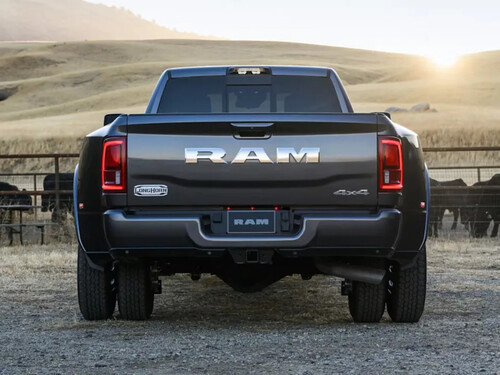
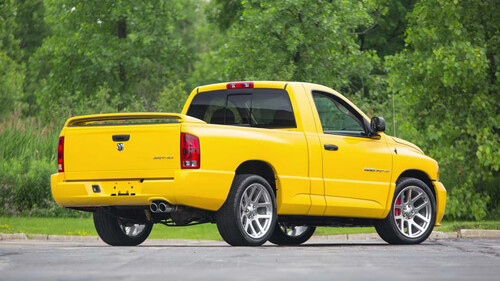
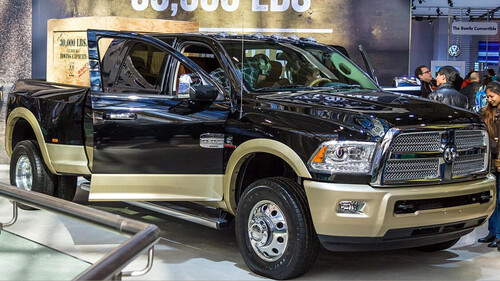
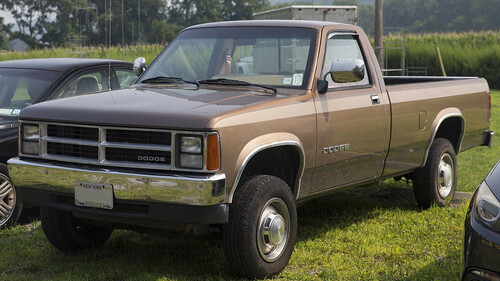
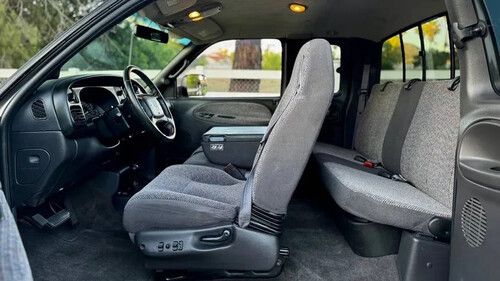
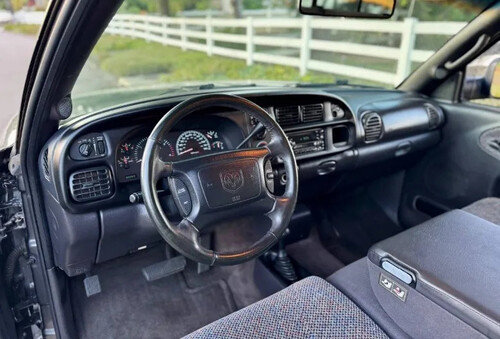
The Cummins 5.9 that kept running long after everything else gave upIn truck circles, stories about the Cummins 5.9 can sound exaggerated, until someone lifts the hood of a battered Dodge Ram that has long outlived its bodywork. The frame may be bent, the paint gone, the interior shredded, yet that straight-six diesel still lights off and settles into a steady idle. For many owners, the engine that kept running after everything else gave up is not folklore but a line item in a maintenance log that stretches past half a million miles. The 5.9’s reputation did not appear out of thin air. It grew out of specific design choices, a particular era of diesel engineering, and thousands of real trucks that quietly racked up staggering odometer readings while the rest of the vehicle aged around them. To see why that matters now, in a market driven by complex electronics and short product cycles, it helps to look closely at what happened with the 5.9, why it became a benchmark, and what comes next for owners who still depend on it. What happened The Cummins 5.9 started life as a workhorse engine, not a collector’s item. It is a 5.9‑liter inline-six turbodiesel that found its way into Dodge Ram pickups, medium-duty trucks, and industrial equipment. Its basic architecture, a cast-iron block with a cast-iron head and a long-stroke crank, was built for torque and durability rather than headline horsepower. That conservative foundation turned out to be the perfect canvas for longevity. Owners who bought early Ram 2500 and 3500 trucks with the 5.9 often discovered that the engine outlasted nearly every other major component. Reports of half‑million‑mile examples are common enough that they no longer surprise diesel mechanics. In some cases, trucks with a 5.9 have exceeded 500,000 miles on the original long block, with only routine wear items replaced, while transmissions, axles, and interiors have required multiple overhauls. One survey of high‑mileage powertrains highlighted a Cummins-powered pickup that had crossed the 500,000‑mile mark, putting the engine alongside other diesels that “simply will not die” and reinforcing its status as a long‑distance outlier among consumer trucks, as noted in a review of half‑million‑mile Cummins. The story behind those odometers is not just about the block and head. The 5.9 went through distinct generations, each with its own character and failure modes. Early 12‑valve versions used a mechanical Bosch P‑pump, a setup prized for its simplicity and tunability. These engines gained a reputation for surviving abuse, from high boost levels to neglected maintenance, and still starting on cold mornings. Later 24‑valve versions moved to electronically controlled injection, first with the Bosch VP44 pump and then common‑rail systems, which brought more power and cleaner emissions but also introduced new vulnerabilities. Trucks built from 1998.5 to 2002 that used the VP44 sit at the center of many “ran forever” stories, but they also produced some of the most expensive failures. The VP44 relies on diesel fuel for both lubrication and cooling. When the factory lift pump cannot keep up, the injection pump is starved of fuel, overheats, and eventually fails. Owners who did not understand that relationship often saw their engines sidelined by a dead pump even though the hard parts inside the block were still healthy. Detailed guides on keeping the VP44 alive stress that the key is maintaining proper fuel supply and pressure, especially on 1998.5–2002 Cummins trucks. Owners who learned that lesson early turned a potential weak point into a manageable maintenance item. Aftermarket lift pumps, fuel pressure gauges, and regular filter changes became standard practice among 5.9 owners who wanted to see six‑figure mileage roll into seven. As a result, many VP44‑equipped trucks now carry odometers that would have been unthinkable for a gasoline pickup from the same era, even though their dashboards, seats, and beds show every bit of their age. Alongside the fuel system, the turbocharged inline‑six itself proved unusually tolerant of heavy workloads. The long stroke and stout bottom end delivered strong low‑rpm torque, which let owners tow large fifth‑wheel trailers, horse rigs, and equipment haulers without spinning the engine to high speeds. That kept piston speeds and bearing loads in a comfortable range. Combined with thick cylinder walls and a conservative factory tune, the 5.9’s basic hardware gave owners a large safety margin, even when they added power through aftermarket programmers or larger injectors. Over time, the pattern repeated: a truck would suffer rust in the cab corners, cracked dashboards, worn front ends, or failing automatic transmissions, yet the engine would continue to start and run as long as it had clean fuel, oil, and coolant. In salvage yards, it became common to see wrecked Rams with relatively intact engines pulled and sold separately, destined for swaps into older trucks, farm equipment, or custom builds. The idea that the Cummins 5.9 would keep running after the rest of the vehicle had reached the end of the road became less of a boast and more of a practical expectation. Why it matters The staying power of the 5.9 matters for more than nostalgia. It reshaped owner expectations about what a light‑duty diesel could deliver and set a benchmark that still influences how buyers evaluate newer trucks. When someone looks at a late‑model Ram 2500 today, the question is not just how much torque it makes, but whether it can match the million‑mile ambitions that grew out of the 5.9 era. Several design features explain why the 5.9 built that reputation. The inline‑six layout naturally balances primary and secondary forces, which reduces vibration and stress on internal components. The heavy cast‑iron block can handle high cylinder pressures without distortion. The engine’s long stroke emphasizes torque at low and midrange rpm, which lets drivers keep revs modest during towing and daily driving. Technical breakdowns of the Cummins family point out that the 5.9’s industrial roots, including use in commercial and agricultural applications, meant it was engineered for continuous duty cycles rather than occasional weekend hauling, a heritage that underpins many little‑known Cummins facts. That industrial mindset carries into how owners treat the engine. Many 5.9 trucks live on farms, in construction fleets, or as hotshot rigs that cover thousands of highway miles each month. In those roles, downtime is expensive. The ability to put 400,000 or 500,000 miles on an engine without a full rebuild turns into a direct financial advantage. Fuel economy also plays a role. While exact figures vary with gearing and load, the 5.9 often delivers better mileage under tow than comparable gasoline V8s from the same period, which compounds the savings over long distances. Reliability has also shaped the aftermarket. Because the core engine is so durable, owners feel comfortable investing in upgrades that would be hard to justify on a less proven platform. It is common to see 5.9 trucks with upgraded turbos, larger injectors, built transmissions, and reinforced driveline components, all added long after the odometer has cleared 200,000 miles. The logic is simple: if the engine is likely to outlast the rest of the truck, spending money to improve performance or towing comfort still makes sense. That same longevity has highlighted the limits of the surrounding hardware. Automatic transmissions in particular have often failed under the torque load, especially when owners add power. Front suspension components and steering linkages wear out under the weight of the diesel engine and heavy trailers. Rust in certain climates attacks body panels and frames. The result is a strange inversion of the usual automotive lifecycle: instead of replacing an engine in an otherwise healthy truck, many owners find themselves repairing or replacing the truck around an engine that still has plenty of life left. There is a cultural dimension as well. The 5.9 has become a kind of mechanical folk hero among diesel enthusiasts. Online communities trade stories of odometers rolling past 600,000 miles, of engines transplanted into older square‑body pickups, of farm trucks that spend their entire lives pulling gooseneck trailers yet still start on the first crank. Those stories feed demand in the used market, where clean 5.9‑equipped Rams often command a premium over newer trucks with more complex emissions systems. There is also a regulatory and environmental context. Newer diesels must meet far stricter emissions standards, which has driven the adoption of high‑pressure common‑rail injection, exhaust gas recirculation, diesel particulate filters, and selective catalytic reduction systems. These technologies have cleaned up tailpipe emissions but have also added layers of complexity and potential failure points. The 5.9, especially in its earlier forms, comes from a simpler era. For some buyers, the trade‑off between emissions and mechanical simplicity tilts in favor of a proven older engine, particularly in regions where regulations still allow those trucks to operate freely. From a broader industry perspective, the 5.9 illustrates how over‑engineering in one generation can shape expectations for decades. When an engine routinely outlasts the vehicle around it, owners start to see 300,000 miles as a baseline rather than a stretch goal. That influences resale values, maintenance habits, and even brand loyalty. Cummins, as a company, benefits from that halo effect across its product line, from pickup truck engines to heavy‑duty commercial units. What to watch next The Cummins 5.9 is no longer in new trucks, but its story is still unfolding in driveways, shops, and auction lots. Several trends will determine how long the legend of the engine that “kept running long after everything else gave up” continues to match reality. Parts support comes first. As these engines age, the availability of quality components will decide whether owners can keep them on the road economically. So far, the outlook is favorable. The huge installed base of 5.9s has encouraged a deep aftermarket, from stock‑replacement injectors and pumps to performance turbos and upgraded head studs. Companies continue to develop solutions for known weak points, such as improved lift pumps for VP44 trucks and stronger automatic transmissions designed to handle towing and added power. As long as that ecosystem remains healthy, there is little mechanical reason many 5.9s cannot continue toward 700,000 miles or more. Regulation is the second variable. Emissions rules are tightening in many regions, and older diesels face increasing scrutiny. Some metropolitan areas already restrict or surcharge high‑emitting vehicles, and similar policies could spread. Owners of 5.9 trucks, especially pre‑emissions models, may find it harder to use them as daily drivers in certain jurisdictions. That could push more of these engines into off‑road roles, farm use, or engine‑swap projects where they power older chassis not subject to the same rules. The third factor is the changing nature of truck ownership. New pickups have become significantly more expensive, and buyers who once traded every few years are holding on to their vehicles longer. That shift plays directly into the 5.9’s strengths. A well‑maintained older Ram with a proven engine can look like a better value than a heavily financed new truck with unproven long‑term reliability. At the same time, rising interest in overlanding and long‑distance towing has created a niche for simple, field‑serviceable powertrains. The 5.9, with its mechanical roots and straightforward layout, fits that niche better than many newer designs. More from Fast Lane Only Unboxing the WWII Jeep in a Crate 15 rare Chevys collectors are quietly buying 10 underrated V8s still worth hunting down Police notice this before you even roll window down