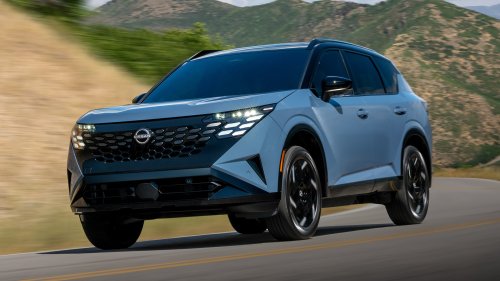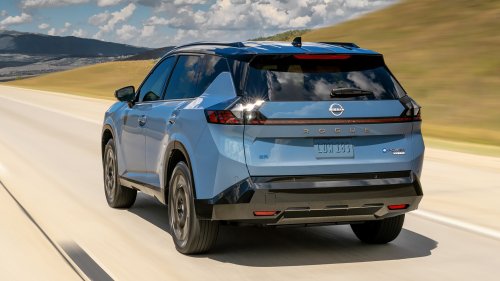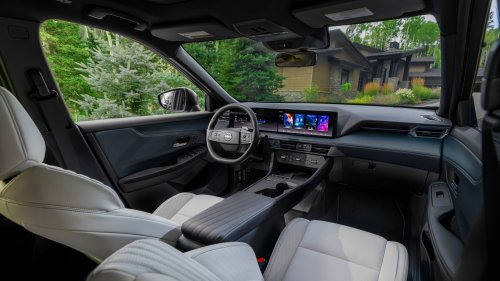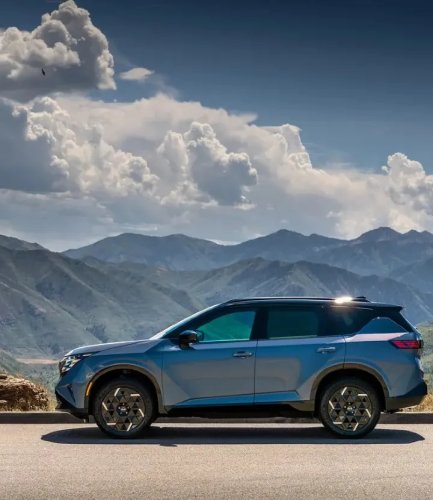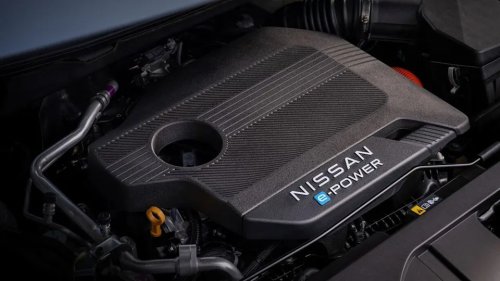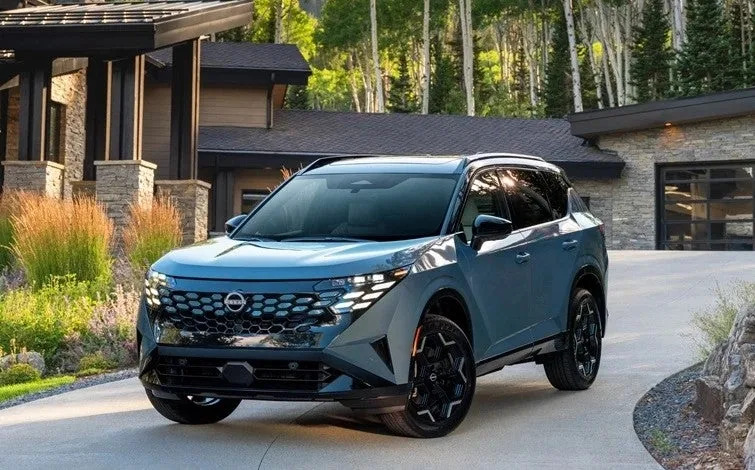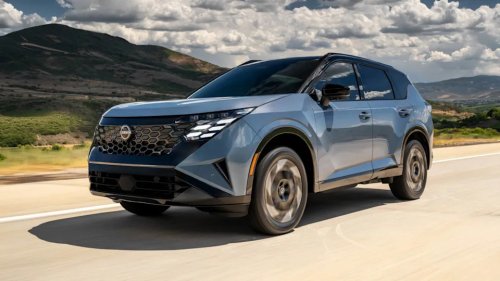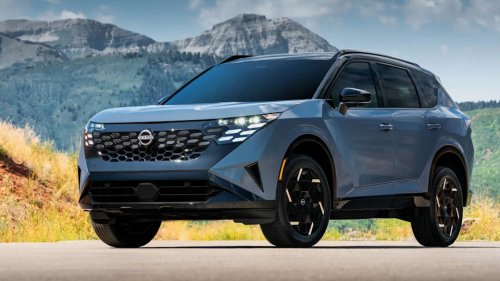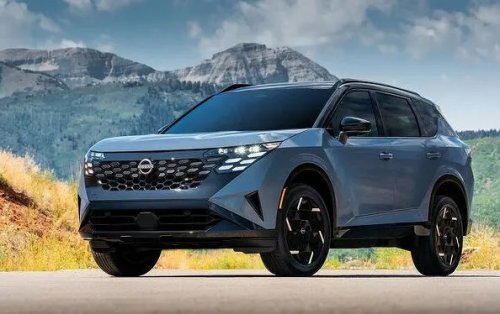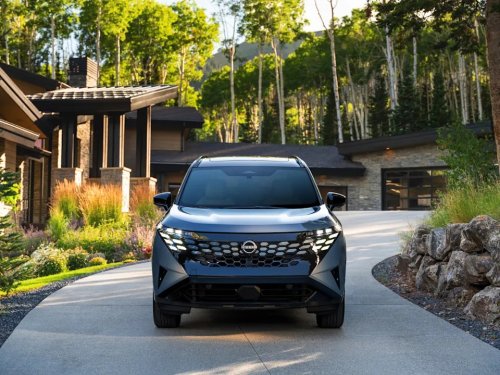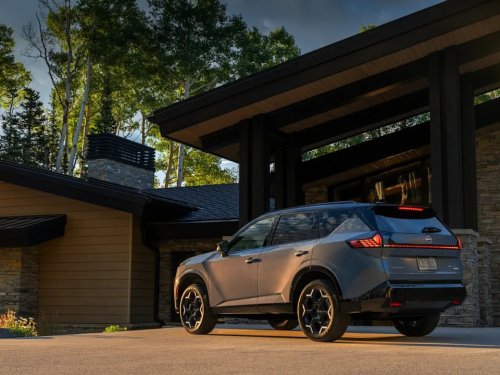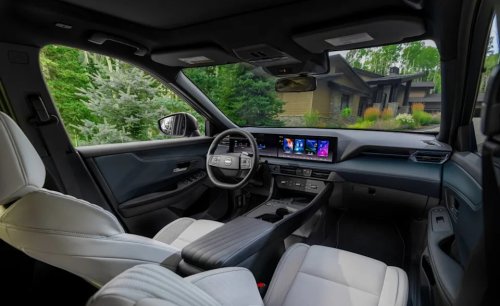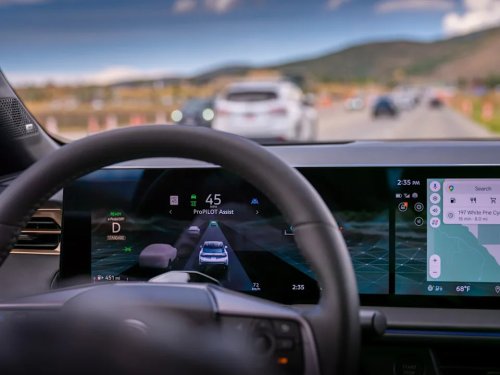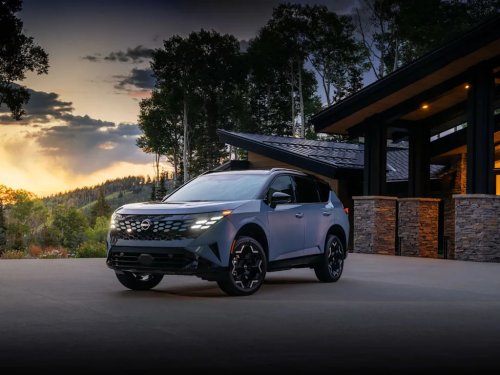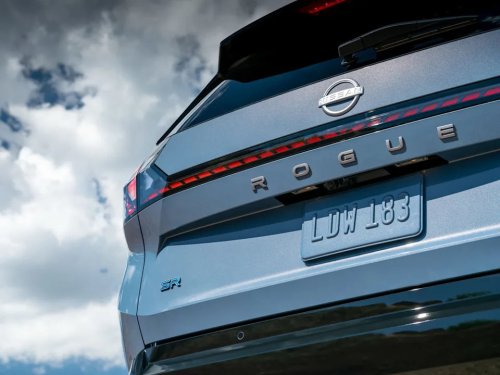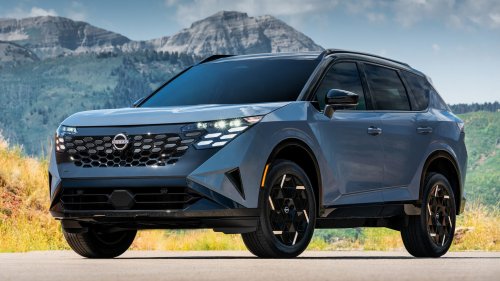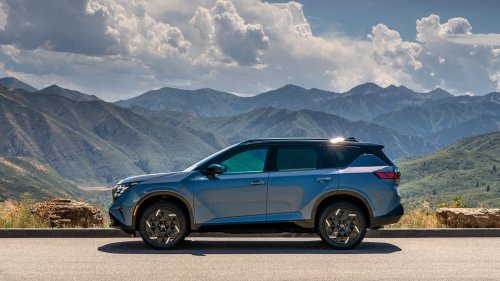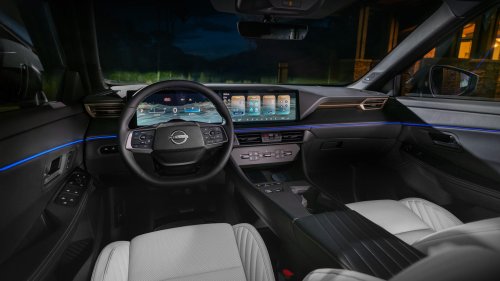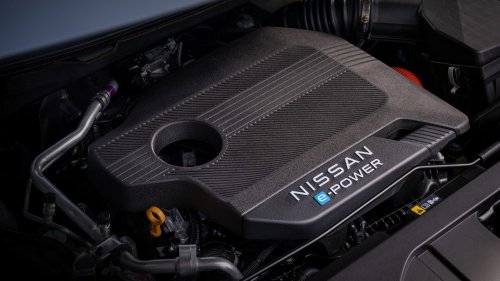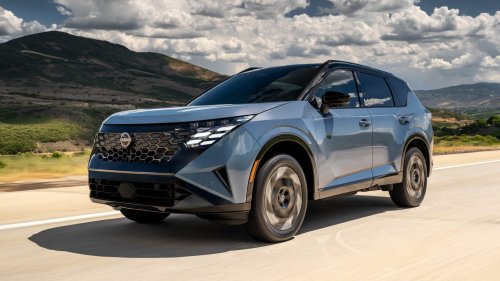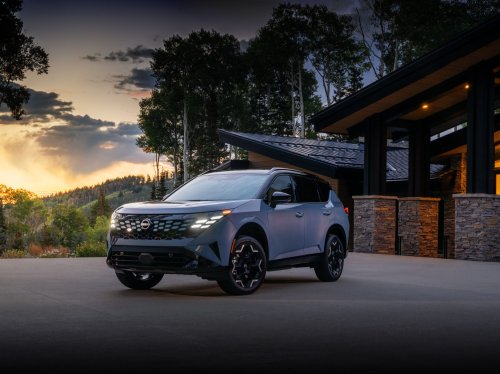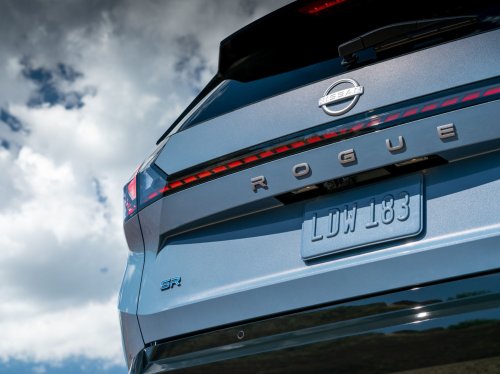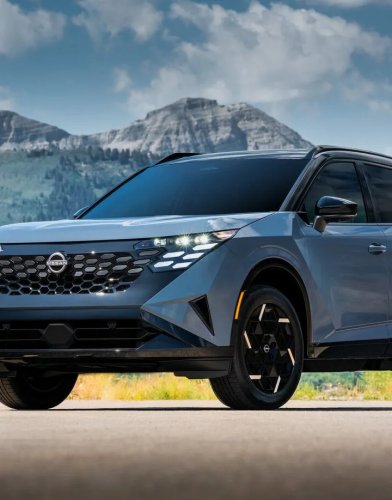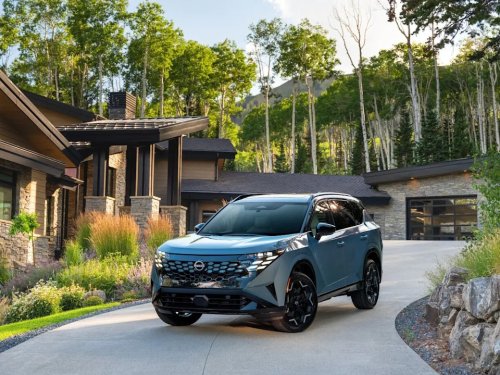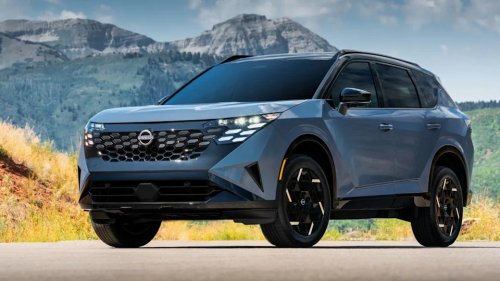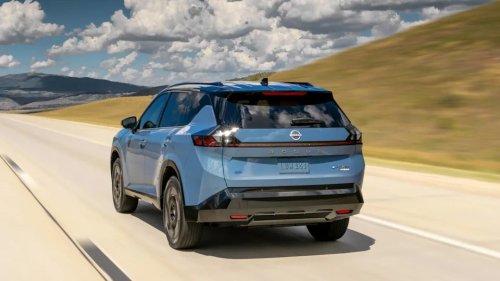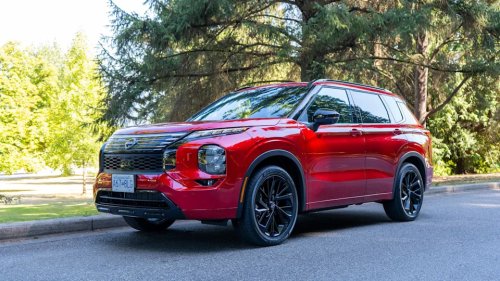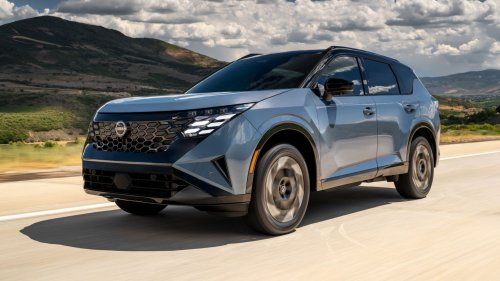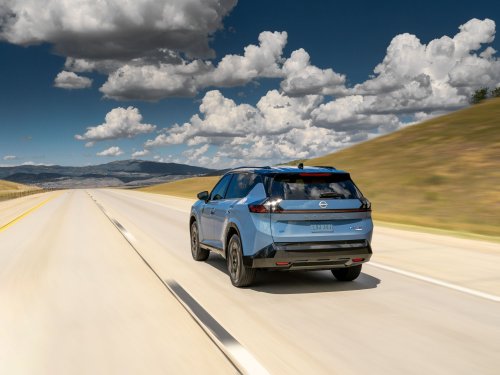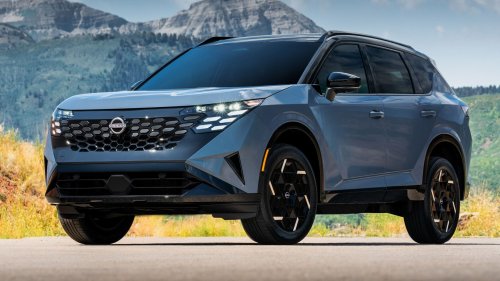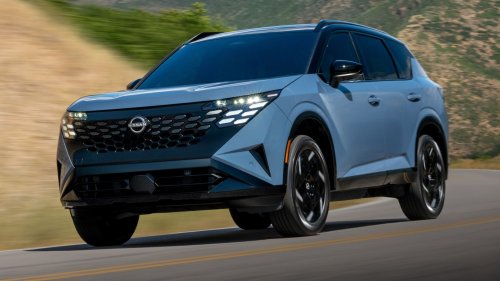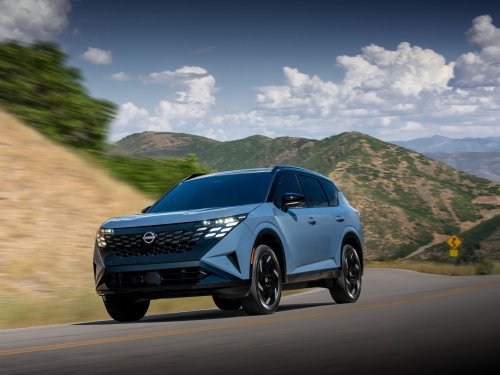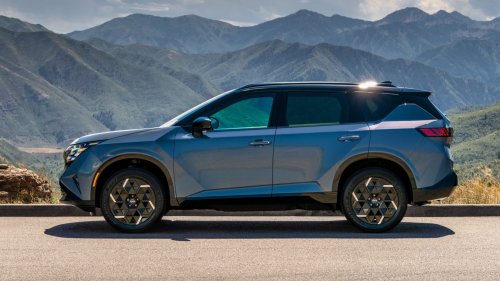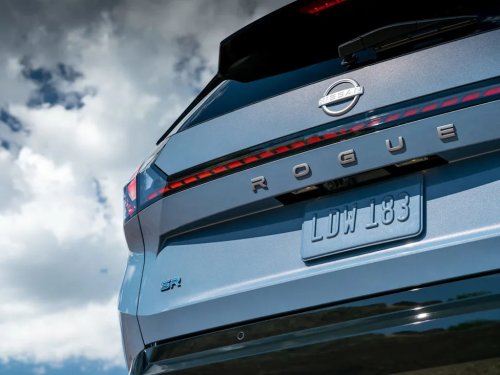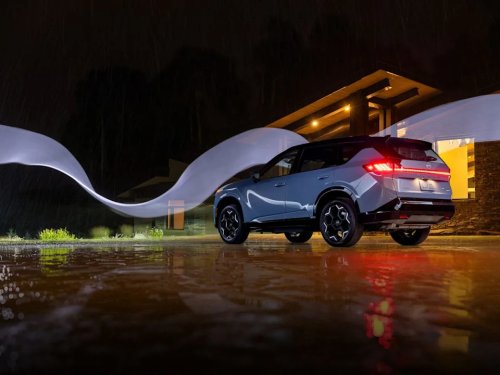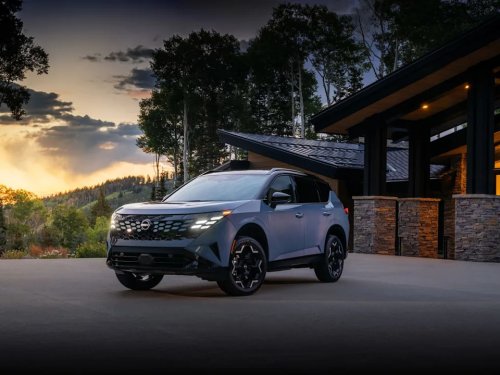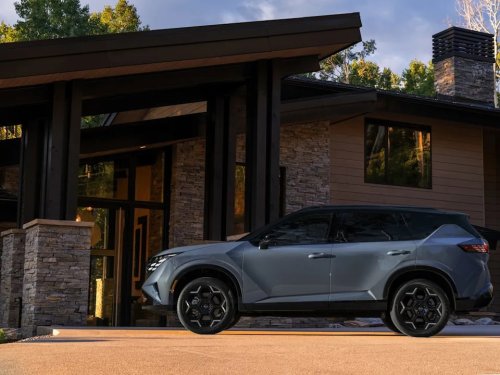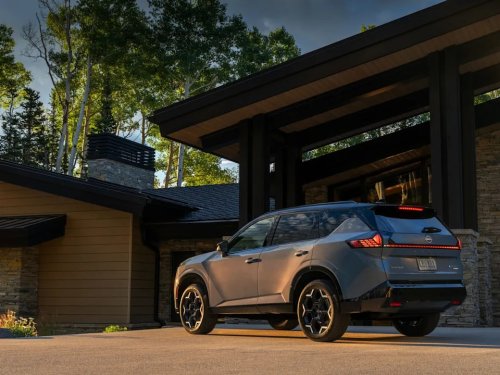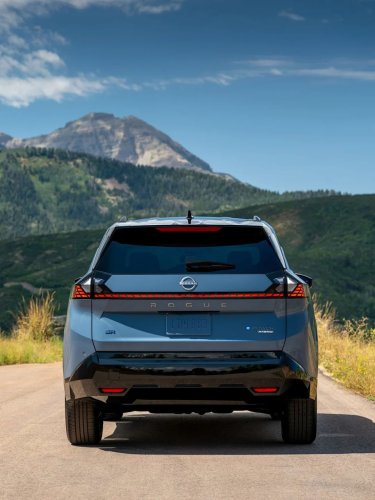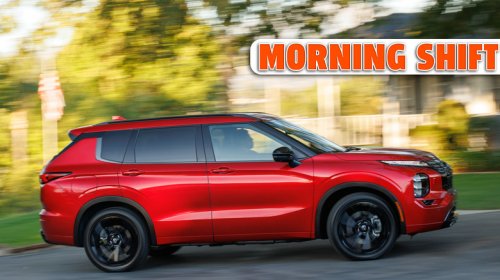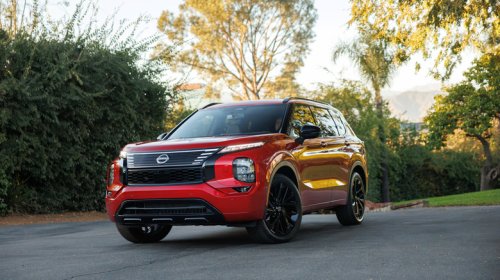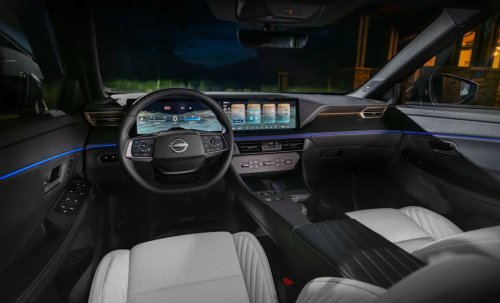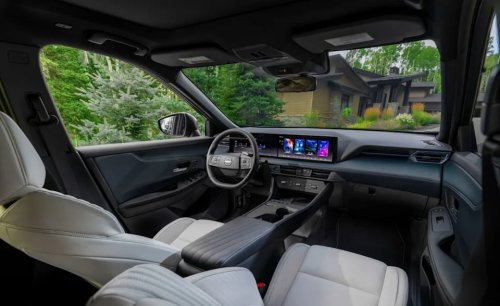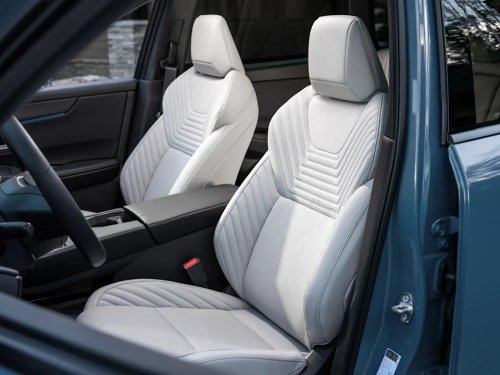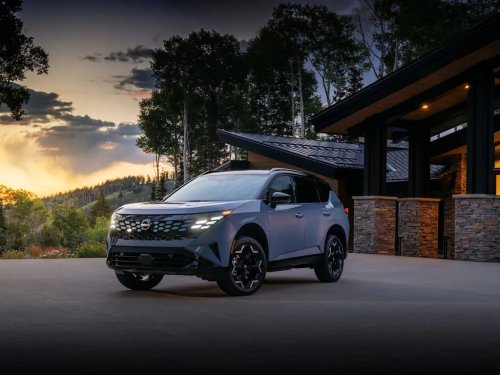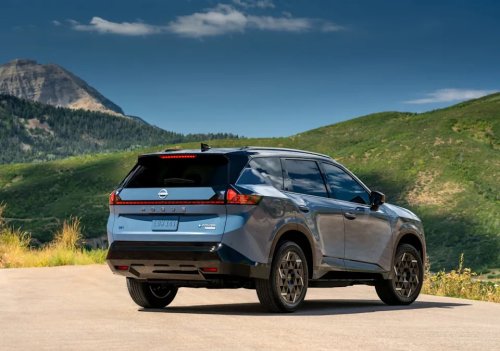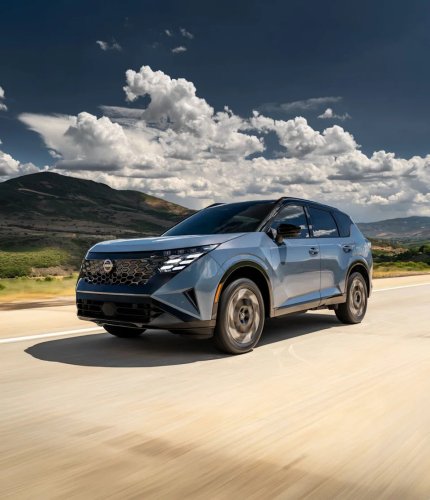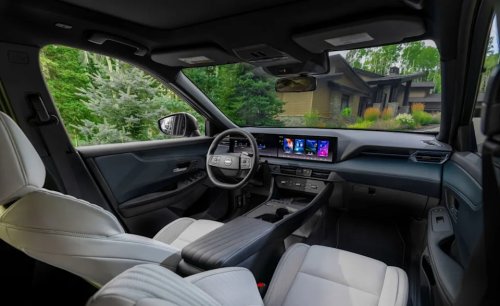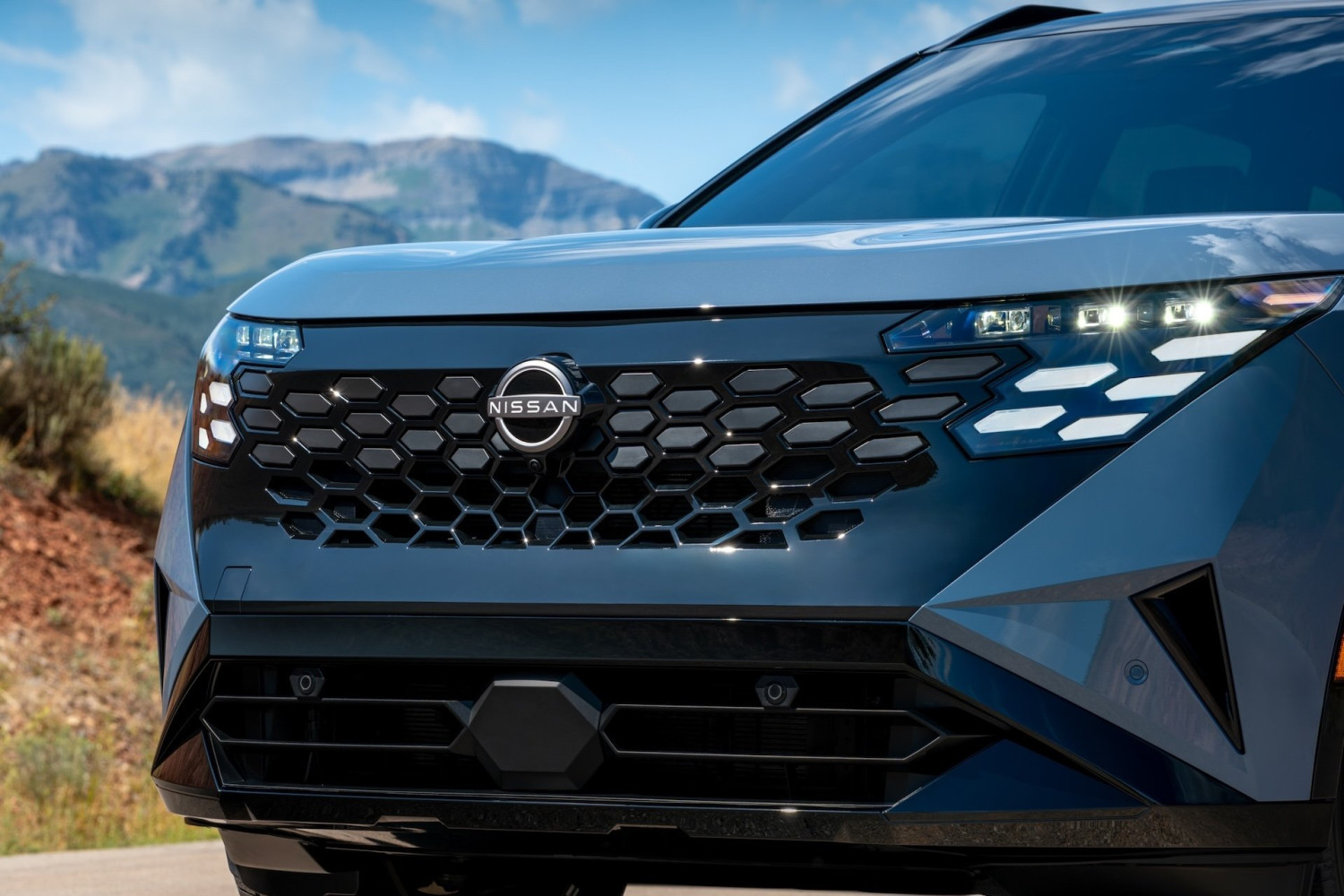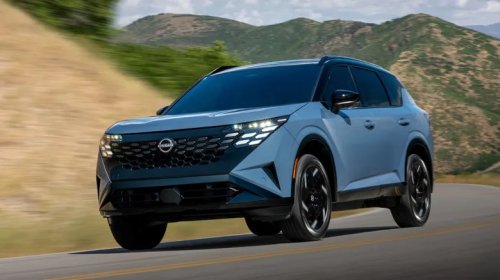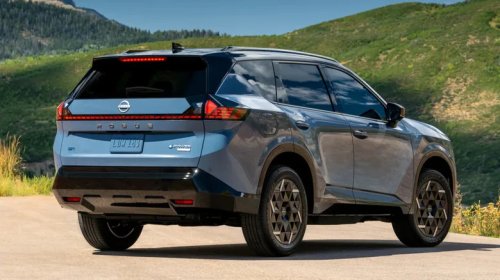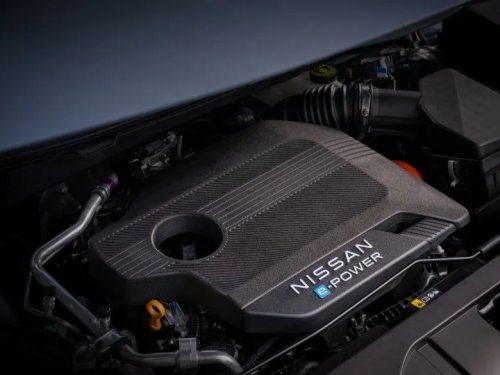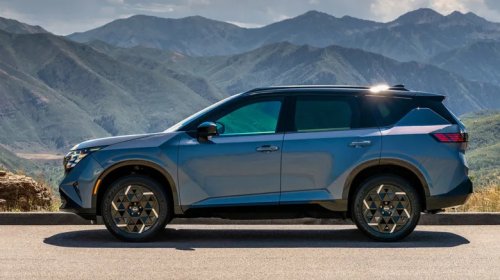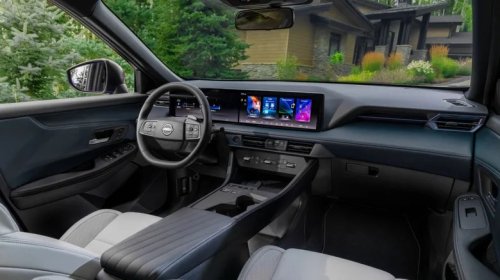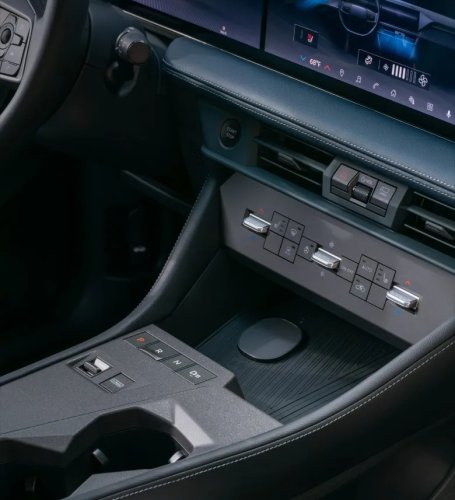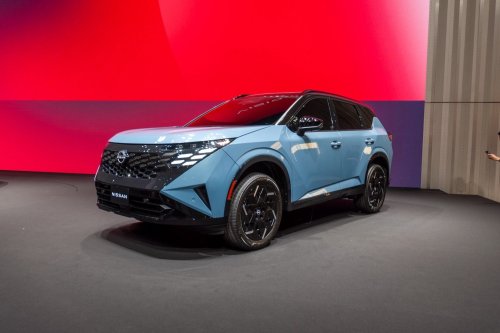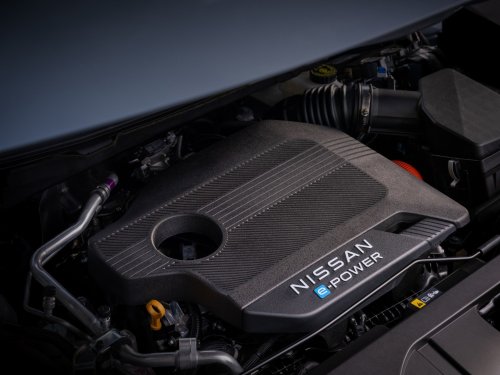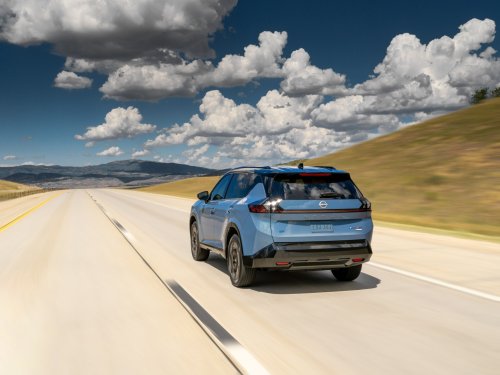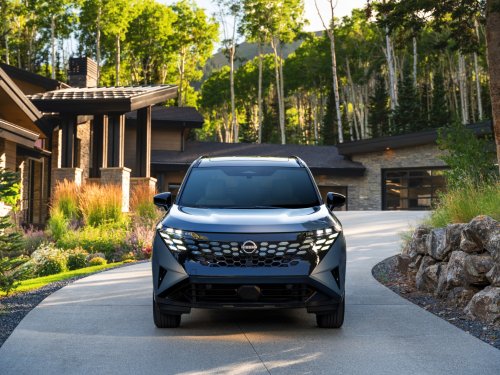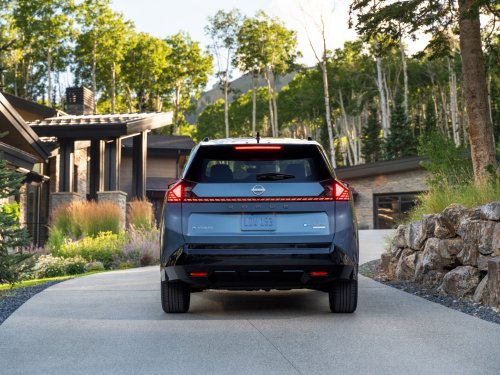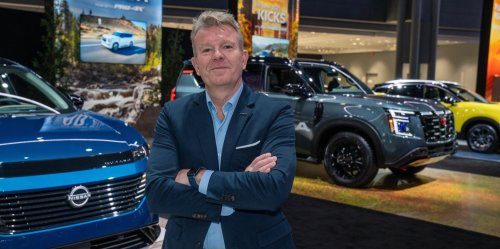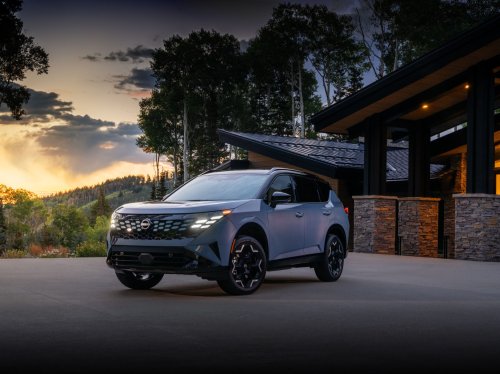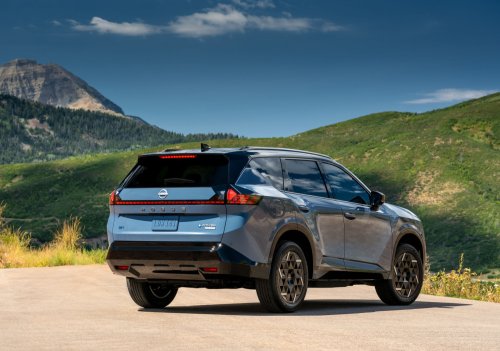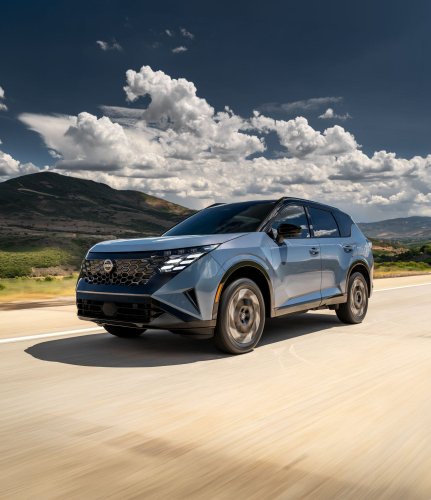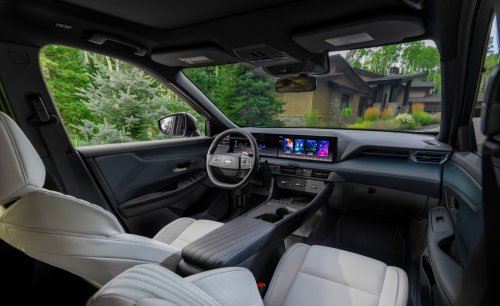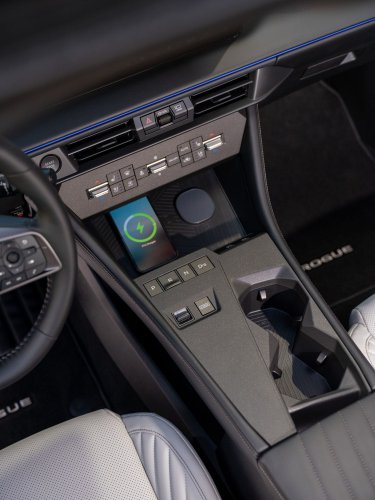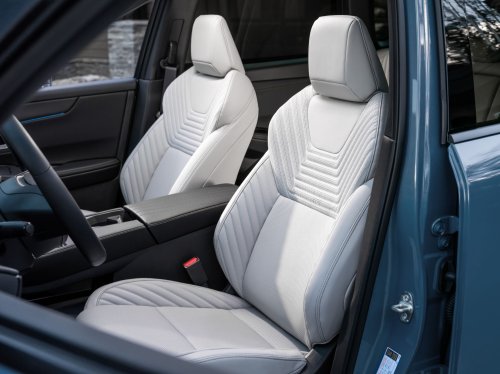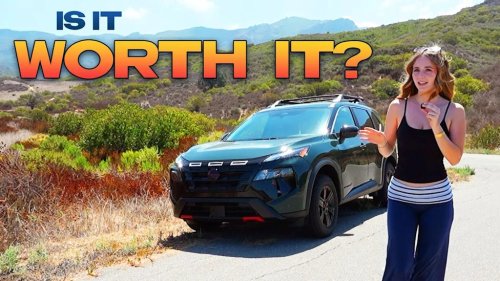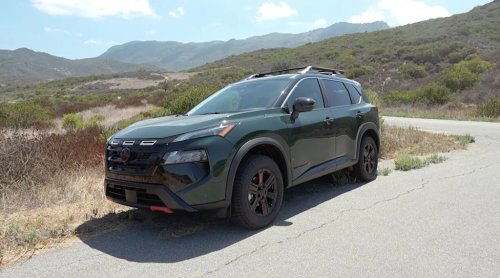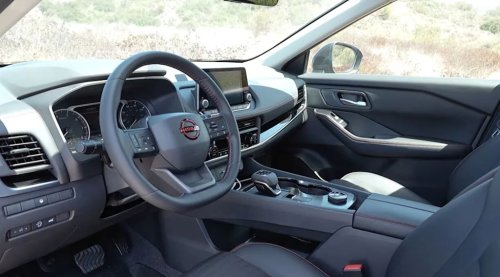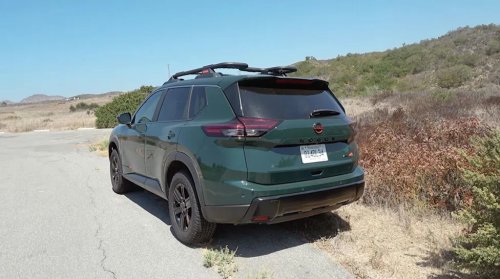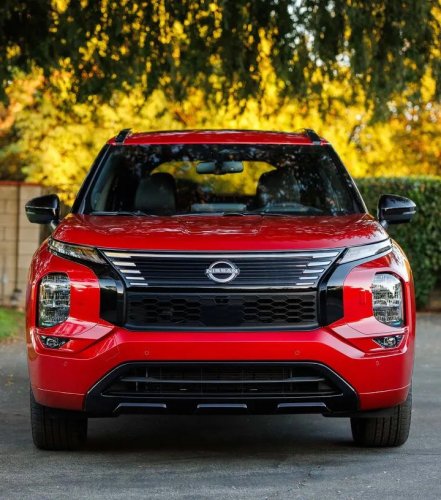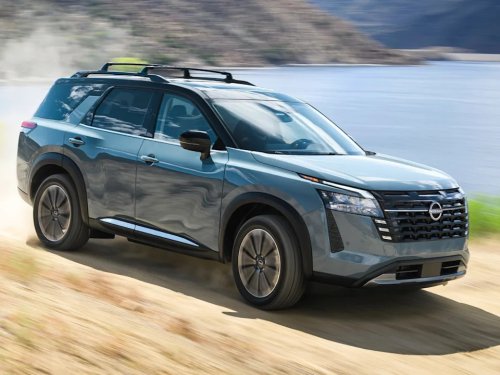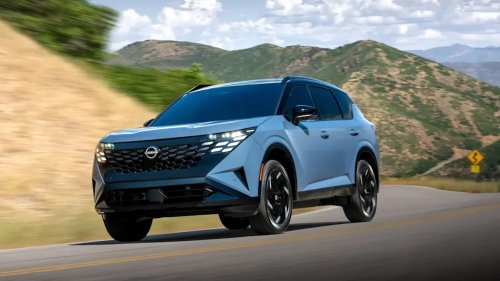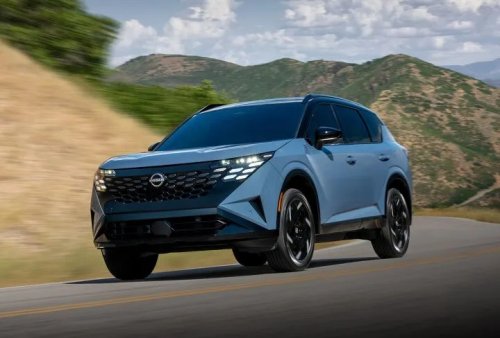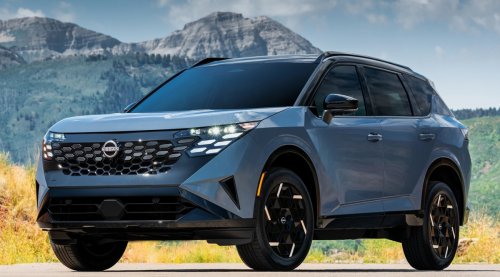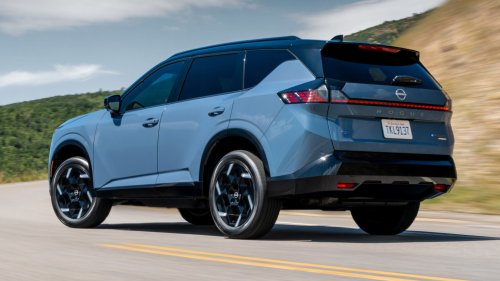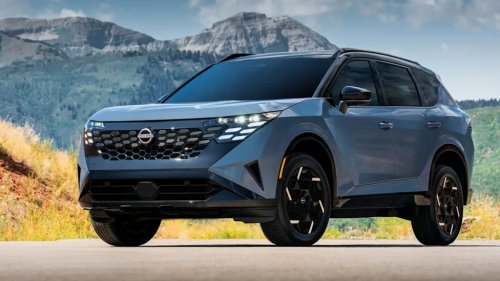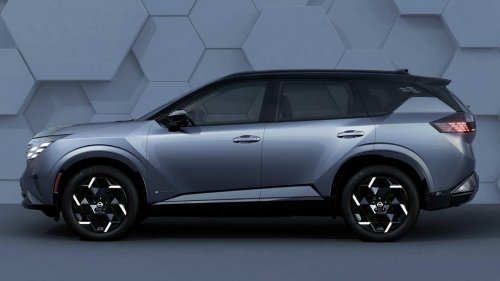
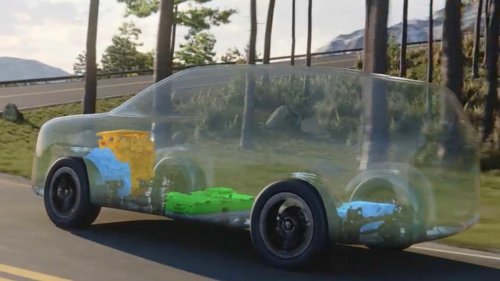
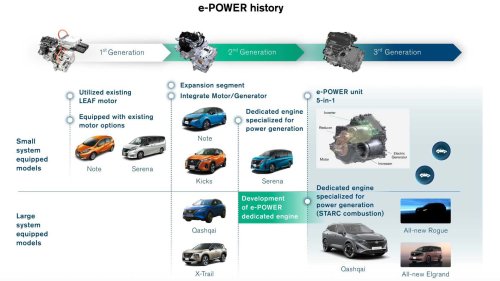
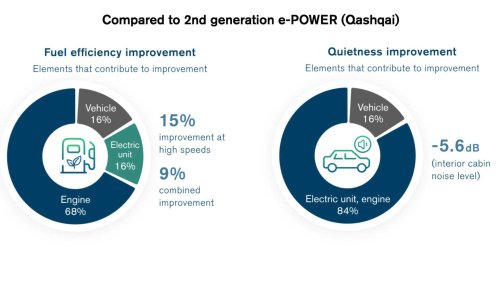
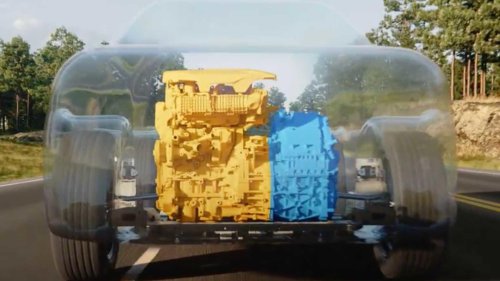



















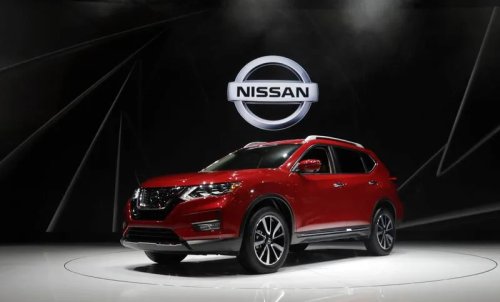
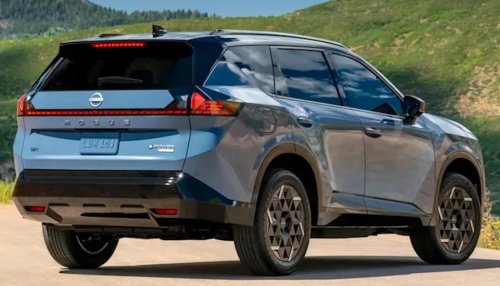
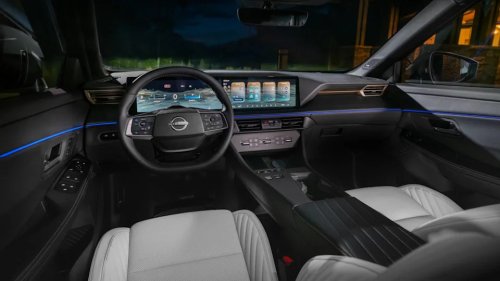
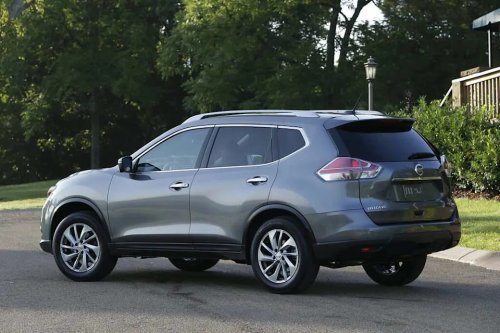
Nissan put a ton of powertrain engineering into its all-new 2027 Rogue Hybrid e-Power, which goes on sale in the US later this year. One might even see it as over-engineered, perhaps more complicated than it needs to be for the Nissan brand's No.1 seller in the US.The current-generation Rogue found its way to 218,000 driveways in 2025, which sounds like a solid result, until compared to the Honda CR-V, Chevrolet Equinox, Hyundai Tucson, and especially the best-selling Toyota RAV4, which outsold the Rogue by a margin of more than two to one last year. An all-new RAV4 is hitting showrooms now, and every version is either a hybrid or plug-in hybrid.NissanThat explains why Nissan pushed the envelope with an unconventional ePower series hybrid configuration, in which an all-new 1.5-liter turbocharged three-cylinder engine (not the VC-Turbo) acts solely as a generator to charge a small-ish battery (2.1 kWh or smaller), which fuels two motors (front and rear) that turn the wheels without a transmission. All-wheel-drive is standard.Was this really necessary in a market where rivals, particularly the RAV4 and CR-V, make do with conventional parallel hybrid systems that pair up well with traditional internal-combustion engines and transmissions? That's something CarBuzz asked recently in an exclusive interview with Nissan North America Senior Manager of Research and Development, Christian Spencer. EV Driving Experience Was The Goal Nissan Considering that the current Rogue has not made a dent in the market, even with the recent addition of a plug-in hybrid version, it becomes clear why Nissan is swinging for the fences with a unique hybrid package that on paper sounds pretty appealing."The performance of the vehicle is very different than what everyone else has experienced in the hybrid market."–Christian Spencer, Nissan NA's Senior Manager of R&D"Because it's electric drive, it gives you that EV driving experience," Spencer tells CarBuzz. "It's very different than the current hybrids, which kind of feel like gasoline engines with a little bit of motor assist, every now and again."Nissan It helps that when Nissan first launched the ePower series hybrid system in 2016 in Japan in the Nissan Note, much of the technology was informed by the battery-electric Leaf, which came out five years earlier. Meanwhile, the Chevrolet Volt arrived in 2011, marketed as an extended-range EV, with an internal-combustion engine serving as a generator. Among the differences between the first Volt and the 2027 Rogue Hybrid ePower: The Volt had a plug. The new Rogue doesn't.The 2027 Rogue Hybrid will be the first application of the third-generation ePower system. With its fundamental technology rooted in battery-electric driving, Spencer said his team focused on running the 1.5-liter engine (with a compression ratio fixed at 13:1) at lower rpm even during acceleration, and allowing the generator to switch off for longer periods of time."There's exceptional quietness because of that. So it's really a very quiet experience."–Christian Spencer Largest Capacity Rear Motor In The Segment NissanWith a focus on quick, smooth acceleration and quietness, Spencer said the engineering team set out to deliver the "most refined hybrid in the segment." Without a transmission, there's no shifting as motors at the front and rear attached to gear sets deliver torque quickly, like an EV. "It's the same powertrain configuration as an electric vehicle. But instead of the large battery, we've replaced it with essentially an onboard power generator."Spencer said the new Rogue Hybrid e-Power will have the largest capacity rear motor among compact hybrid crossovers, which helps with both acceleration and handling.Nissan The goal was to deliver a seamless experience without any learning curve for the driver, who is only familiar with conventional transmission shifting. "It would be like riding in a school bus versus riding on a train," Spencer said. The new Rogue Hybrid will use regenerative braking to send energy to the battery, and full one-pedal driving will be standard and adjustable.As for overall weight of the new system, Spencer said those calculations are still being done. He called it "a plus-and-minus game. We lost the transmission, but we're adding a battery. We lost a prop shaft. We're adding motors."How this all shakes out in terms of pricing for the 2027 Rogue Hybrid remains to be seen, but Spencer sounds confident the e-Power technology, which began with small cars in Japan, is ready for its first launch in the US."We've gotten to the point where we have a viable solution for the US market, which has the most demanding acceleration and also the most demanding fuel economy. It's been an evolution throughout."The 2027 Nissan Rogue e-Hybrid will go on sale in the US in late 2026. It will be sold alongside the current-generation Rogue with its combustion-only powertrain. The other Rogue hybrid – a plug-in SUV that's essentially a rebadged Mitsubishi Outlander – will be phased out.