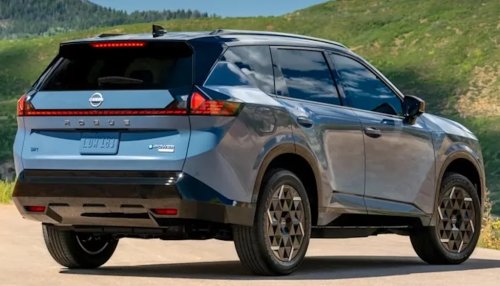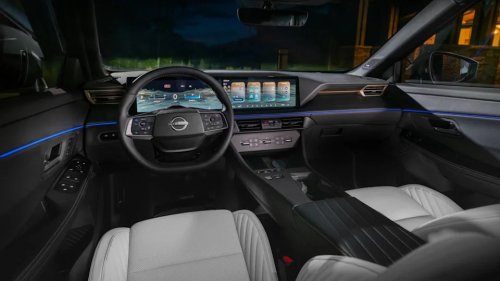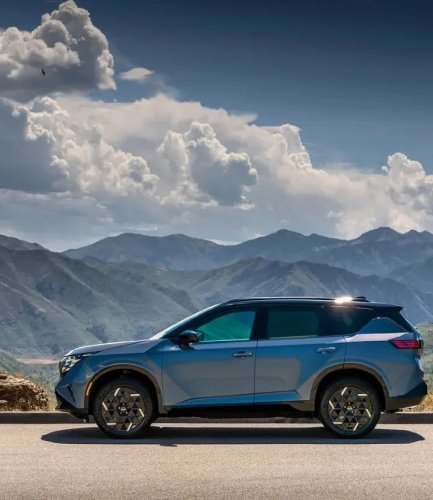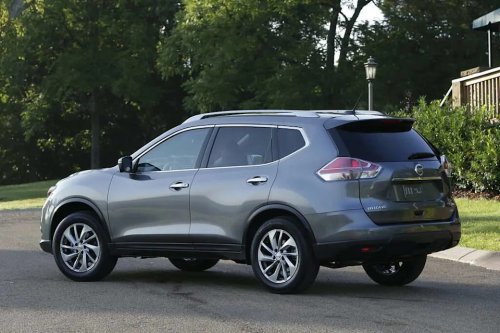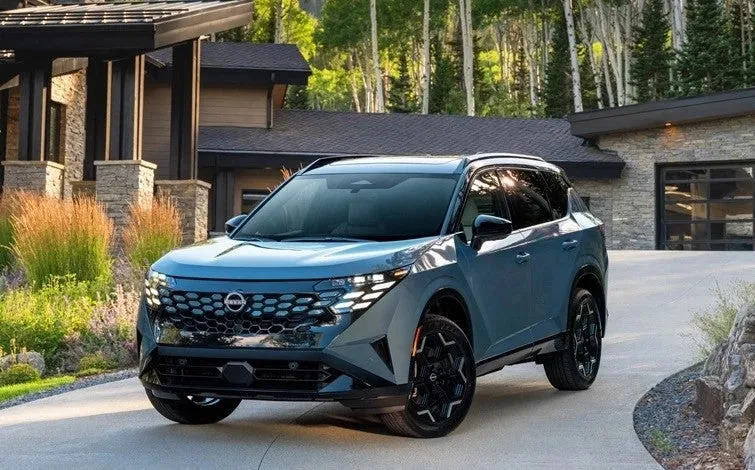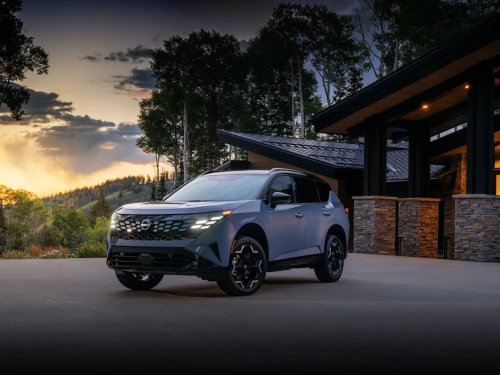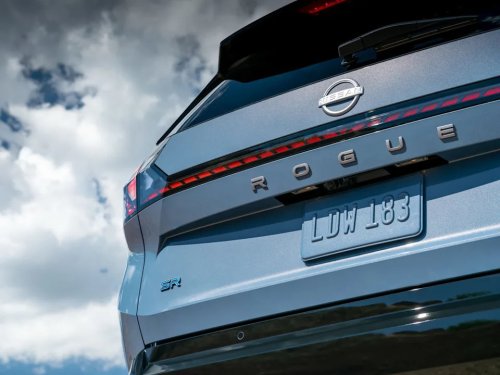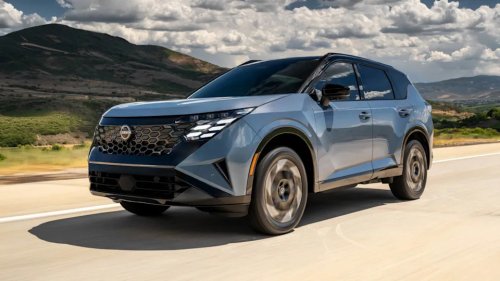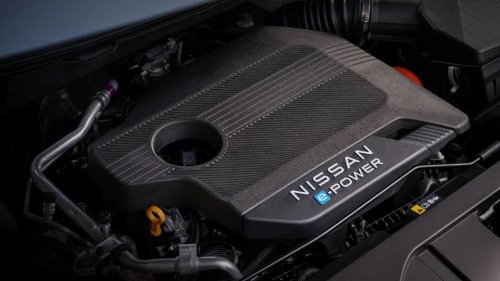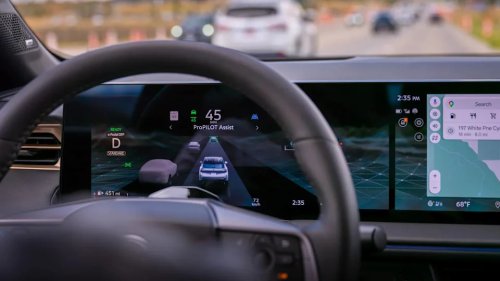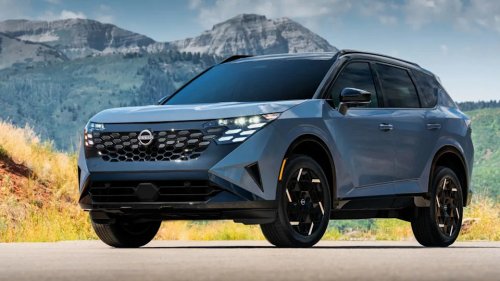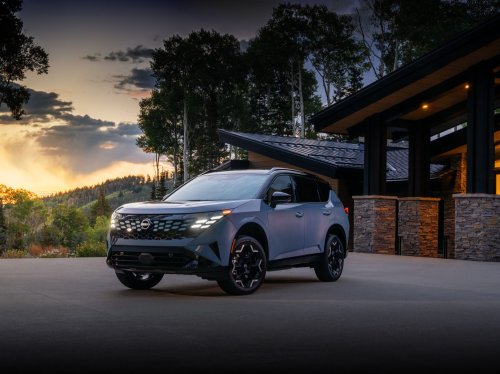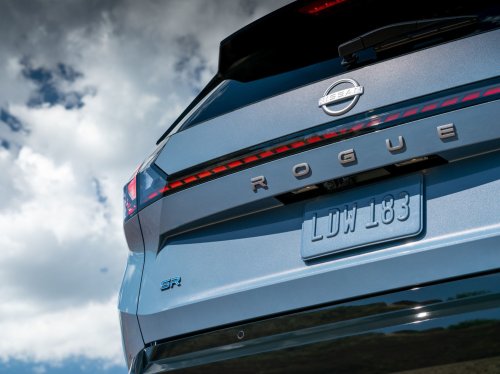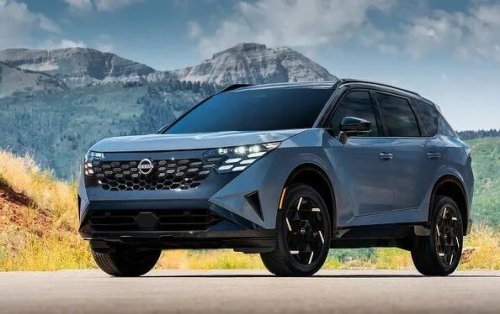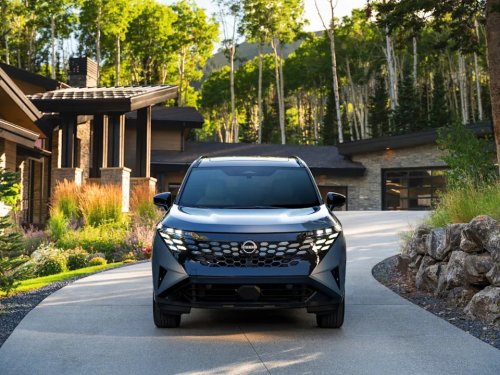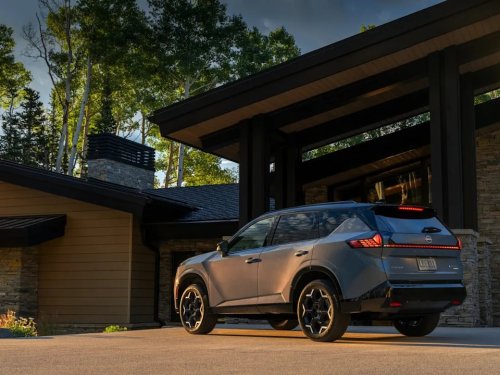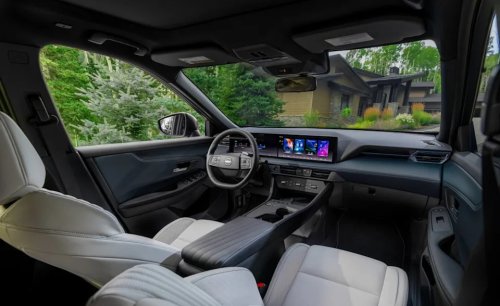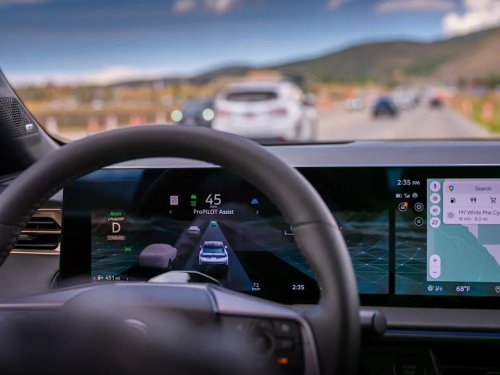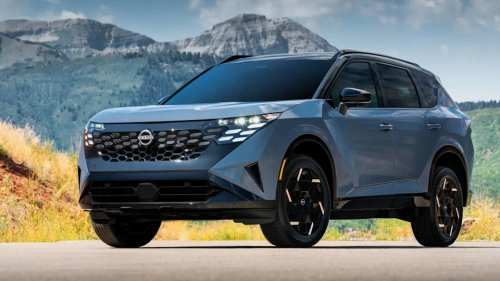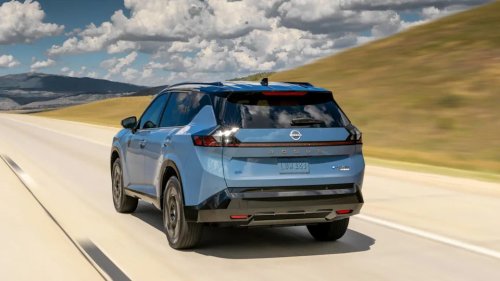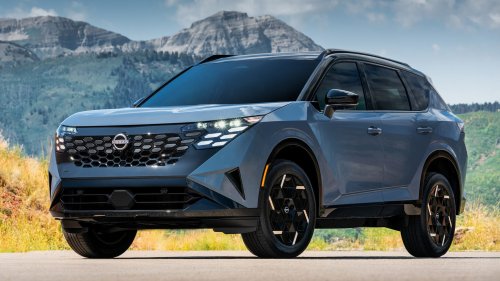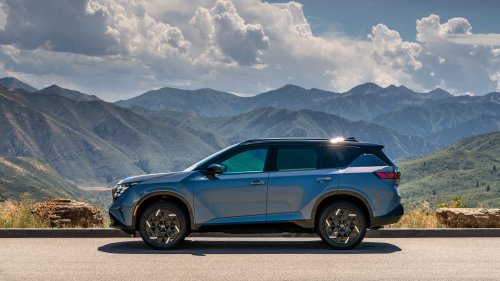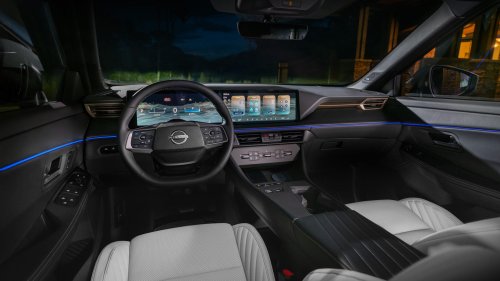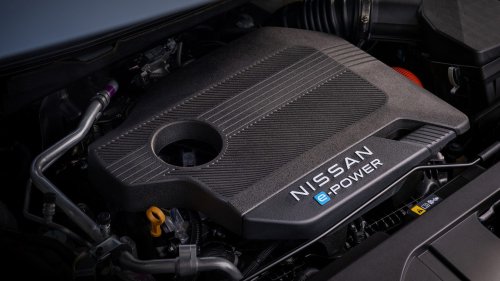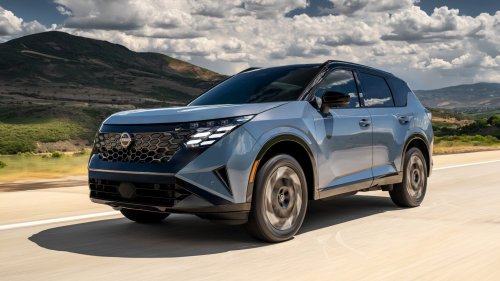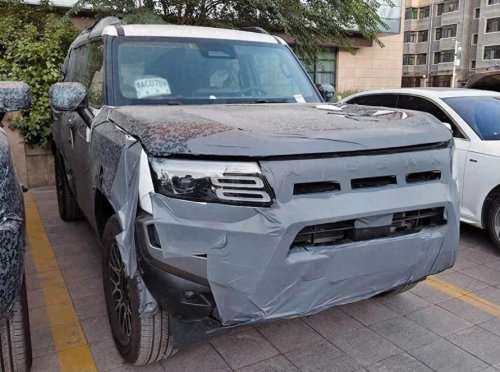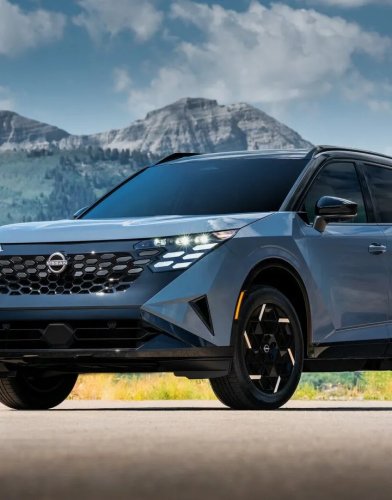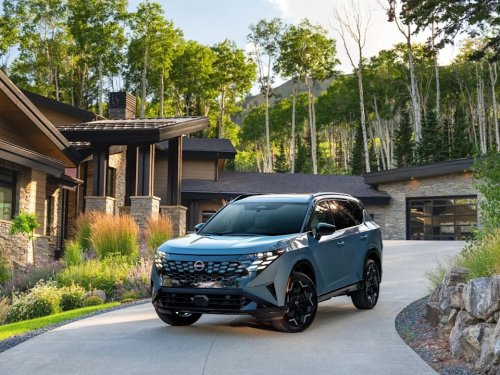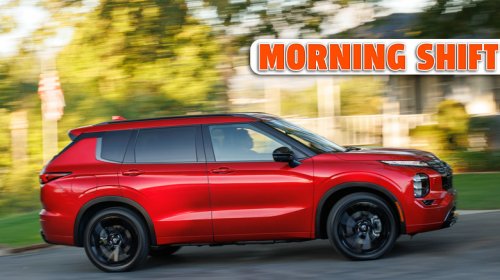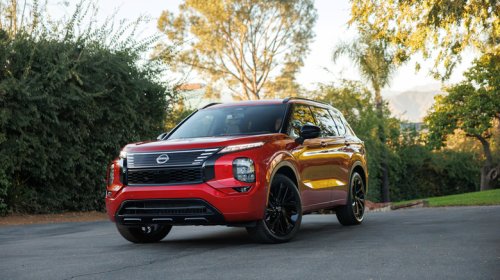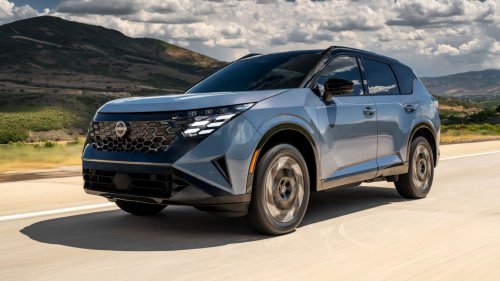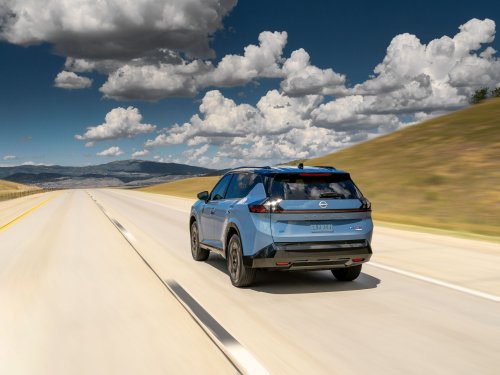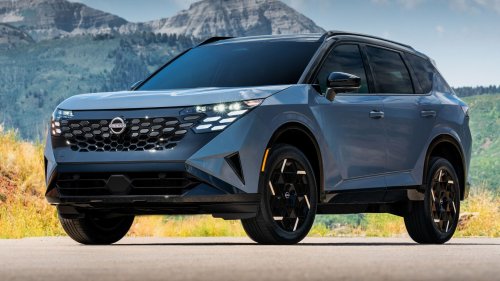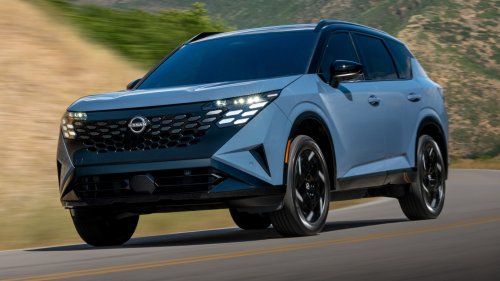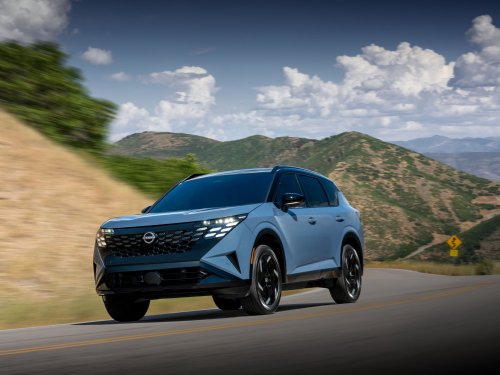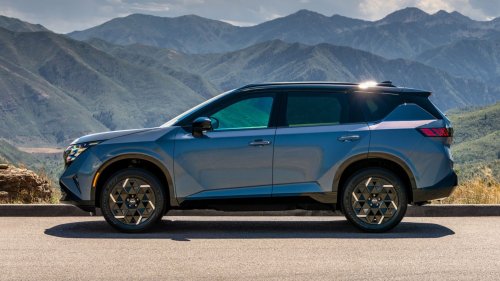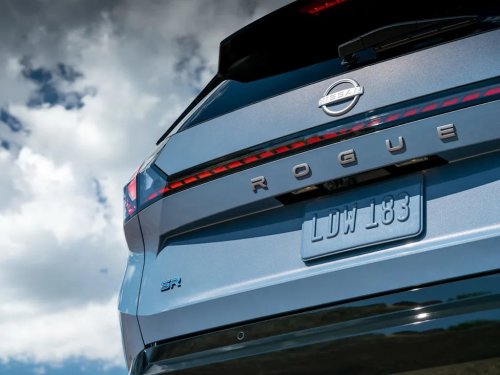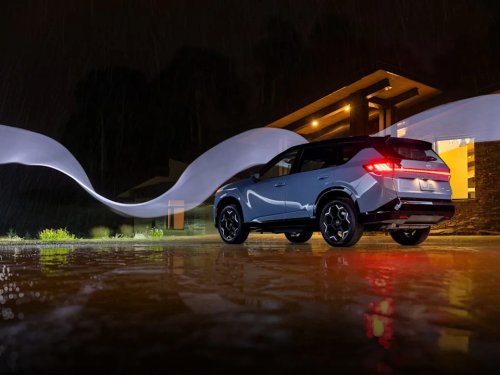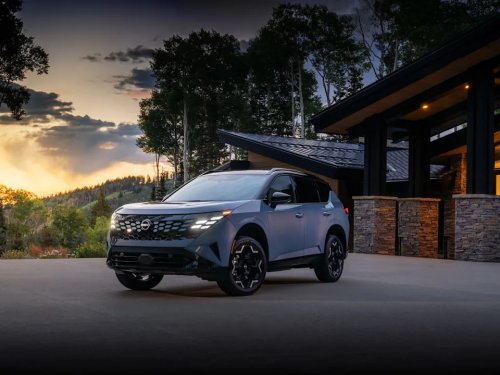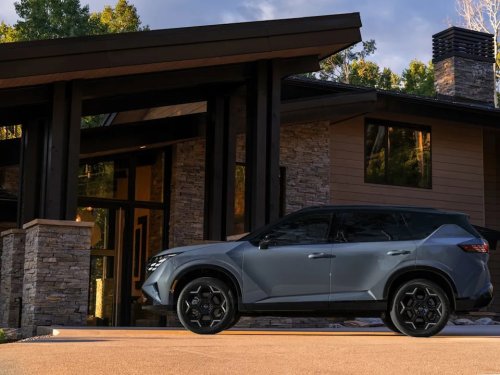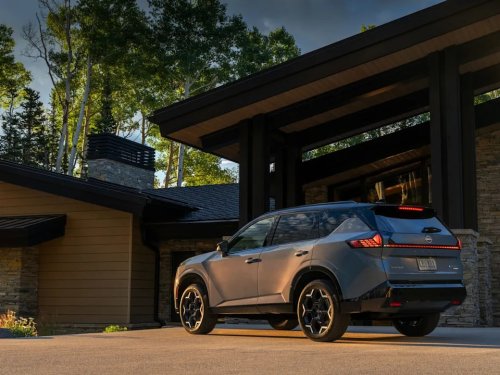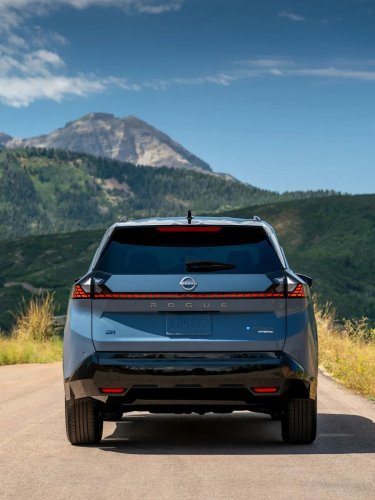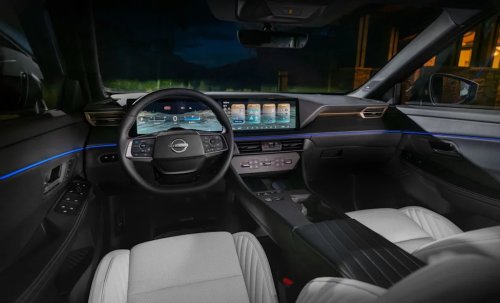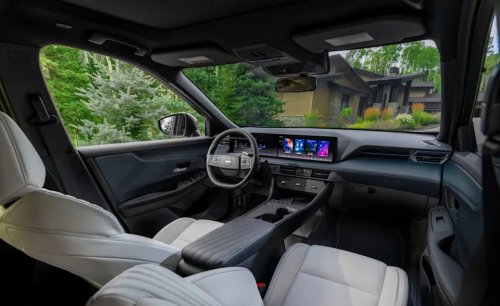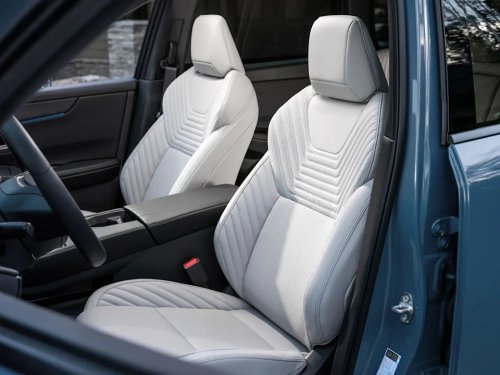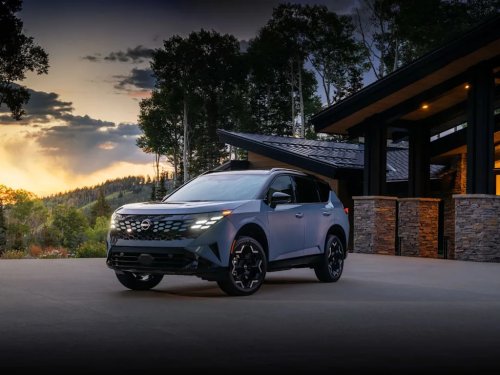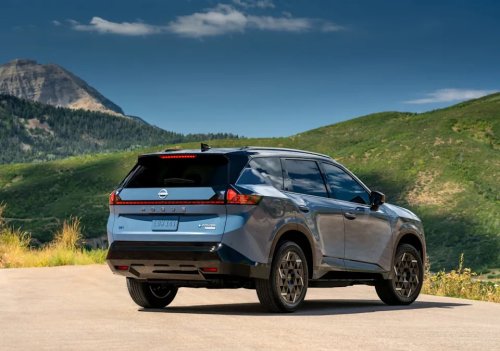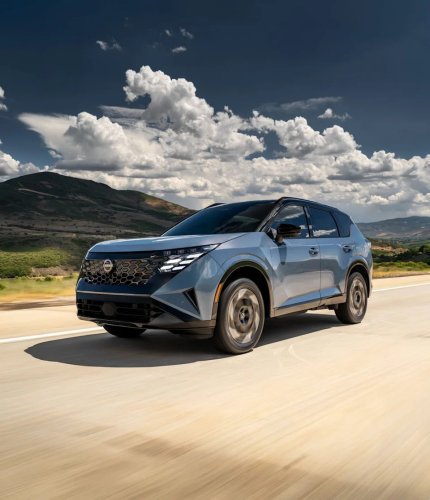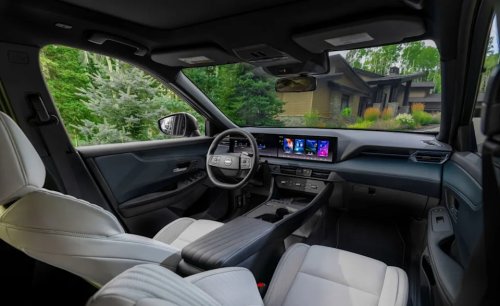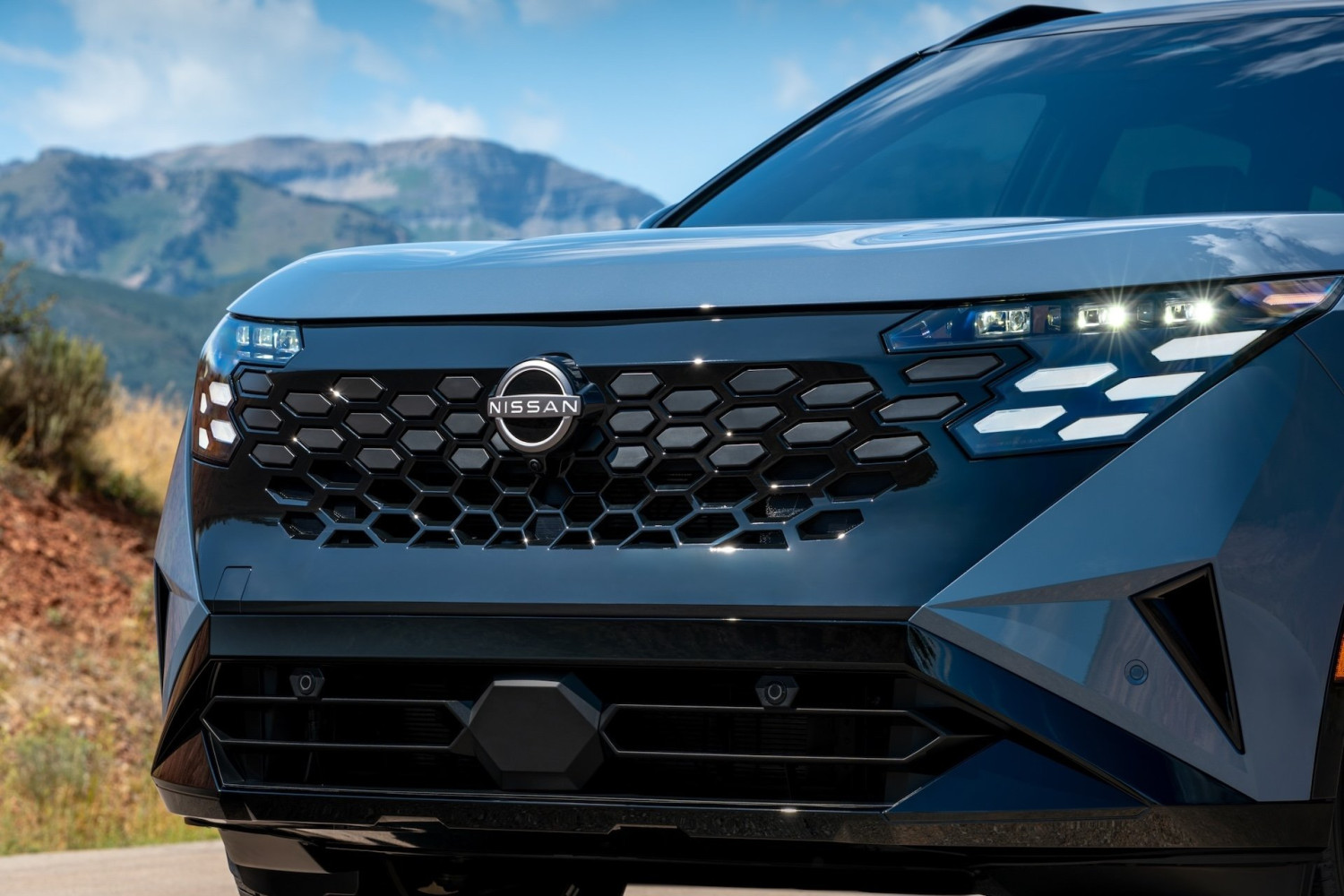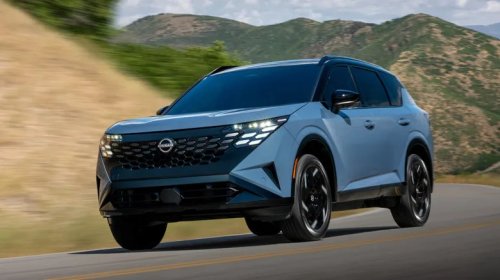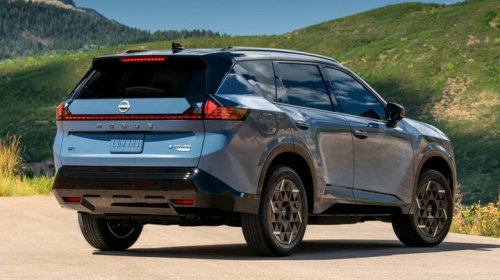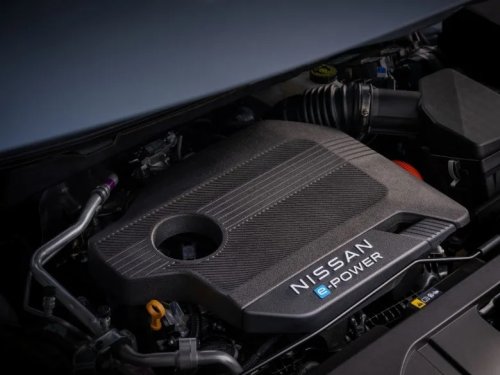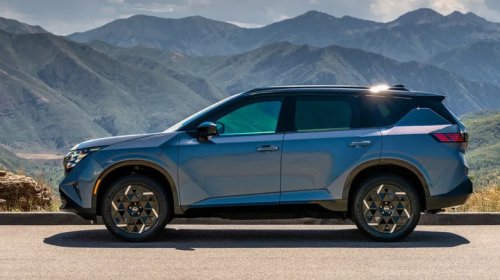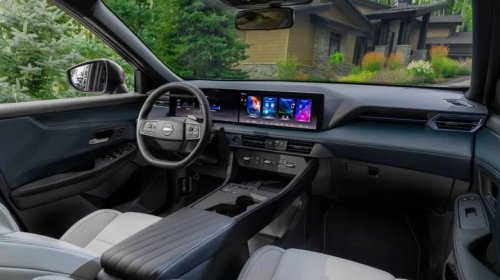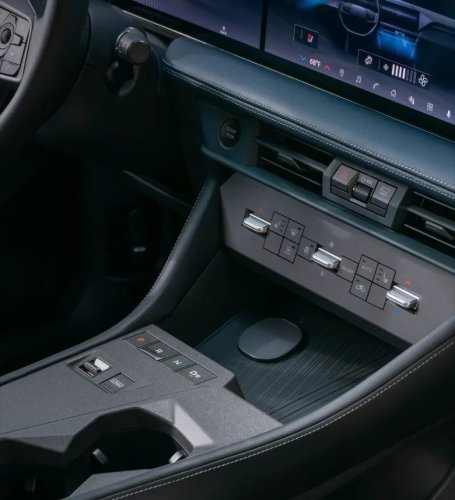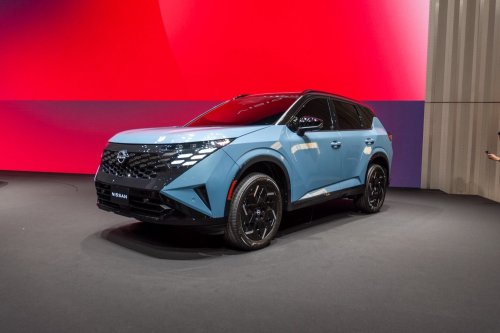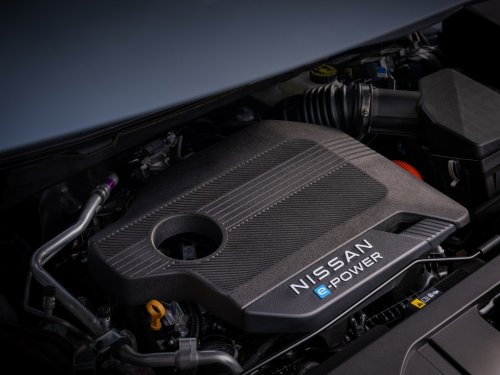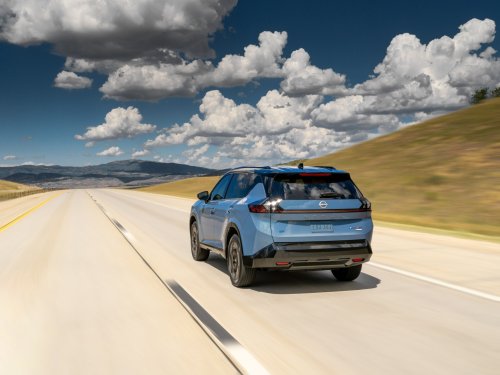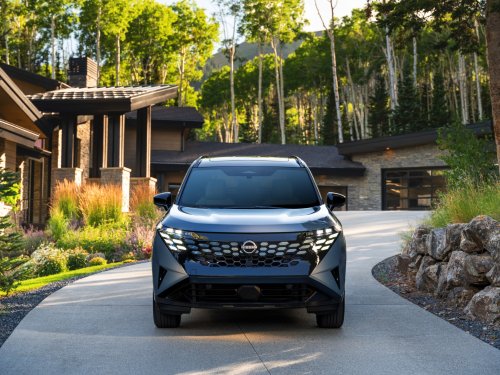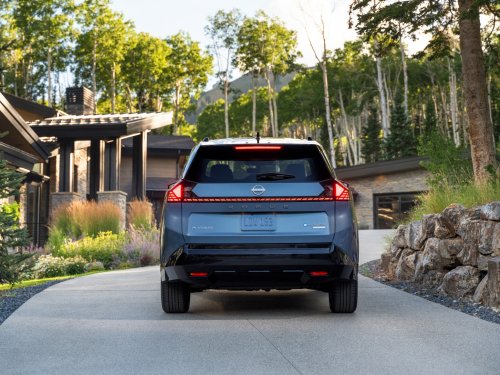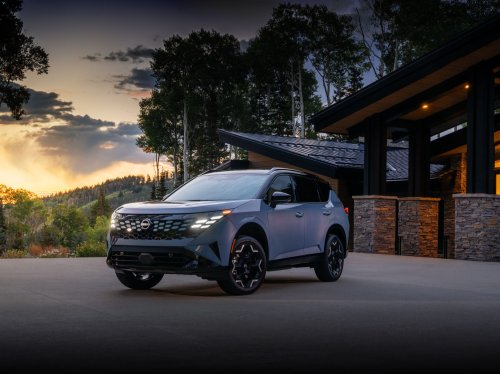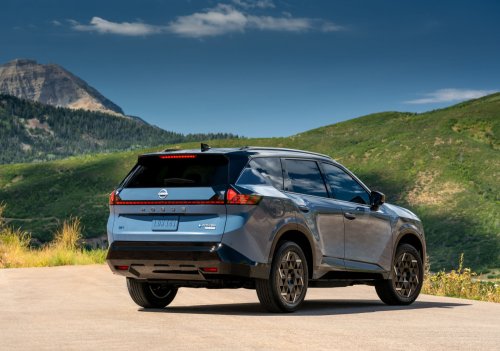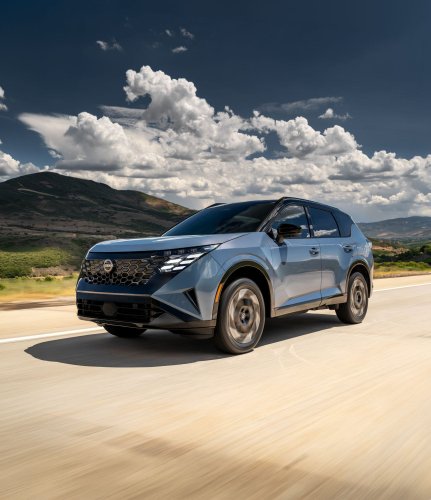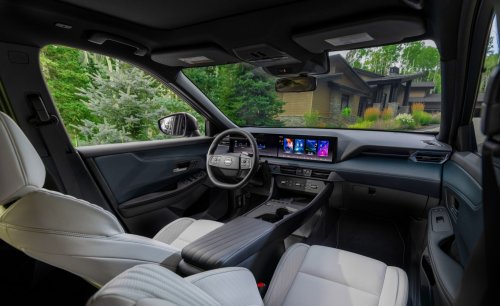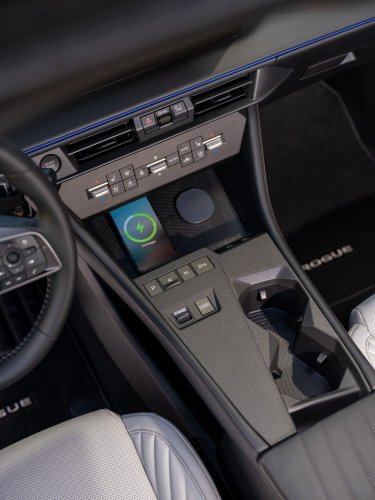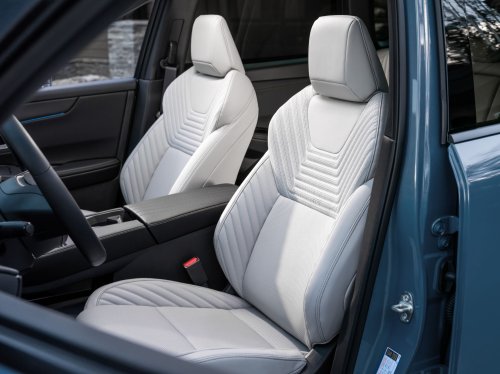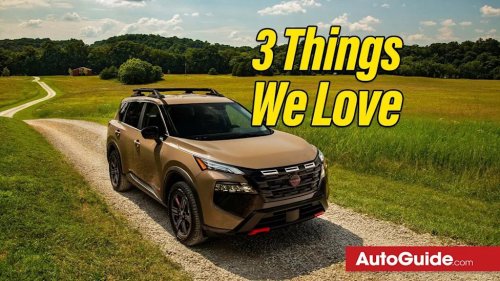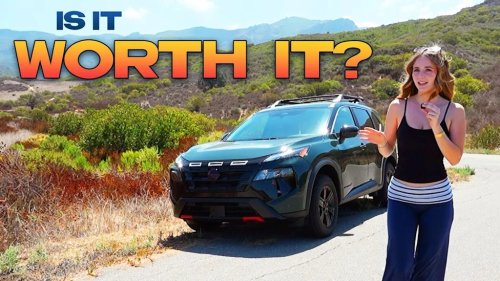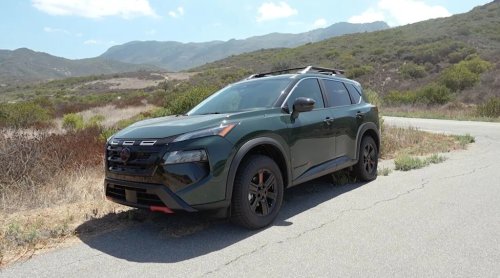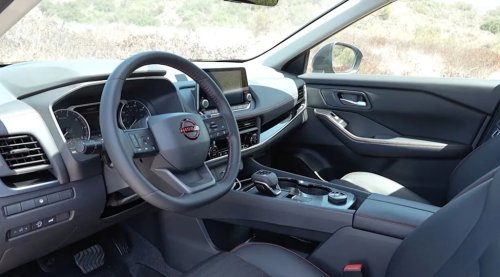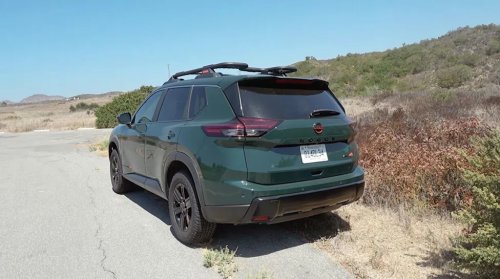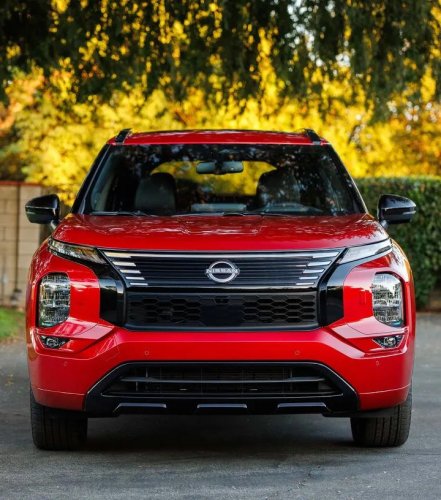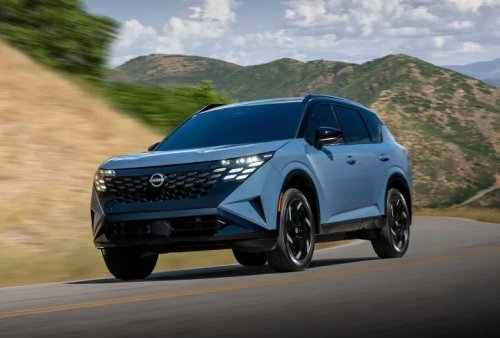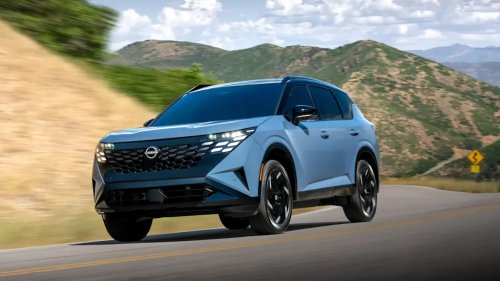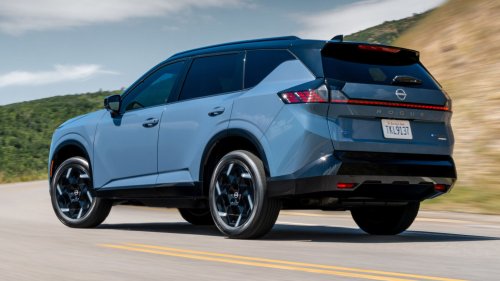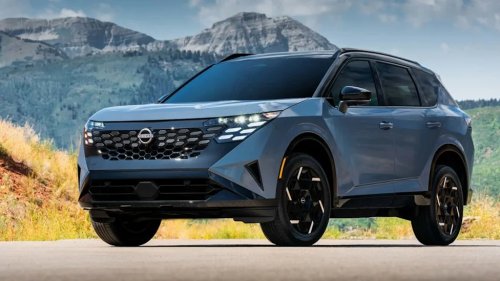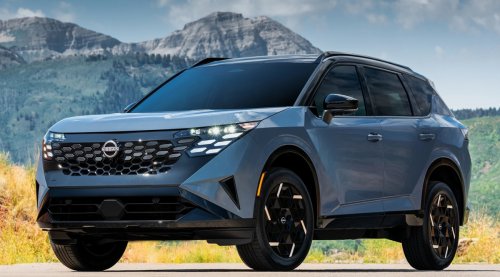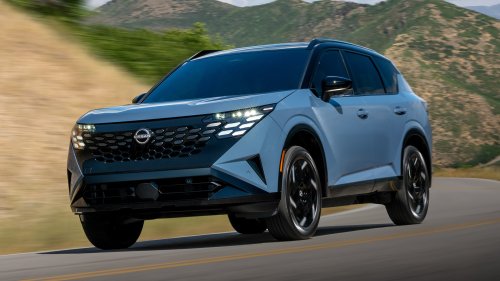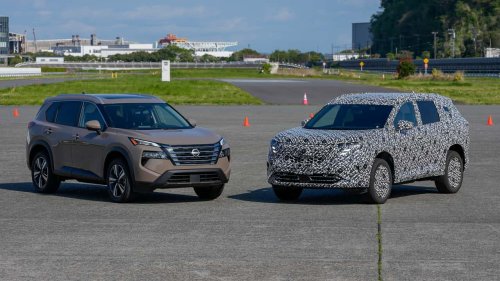
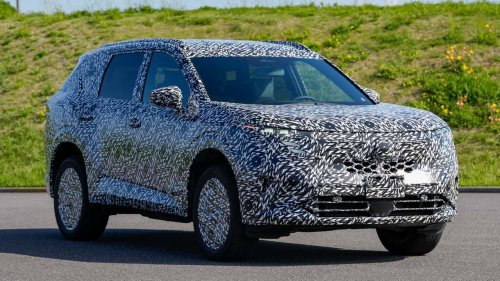
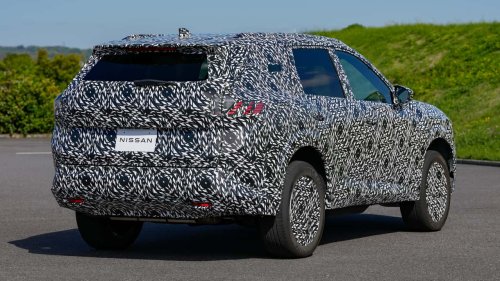
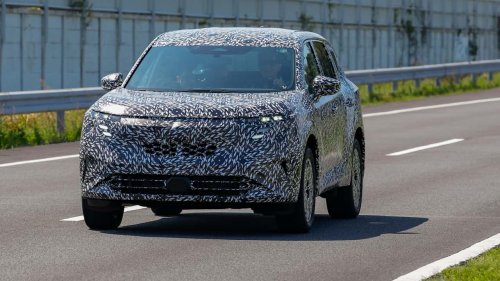
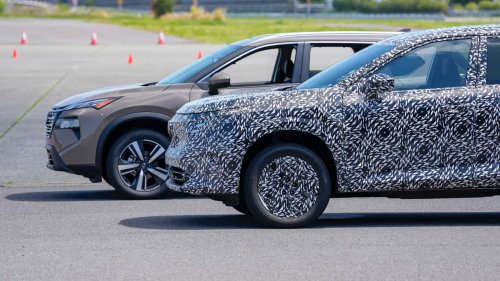
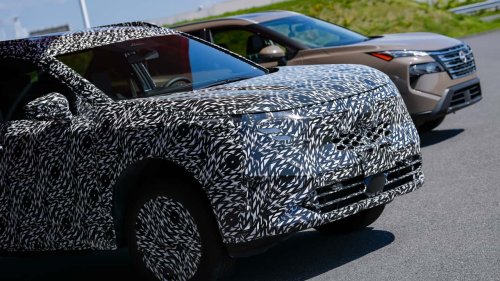
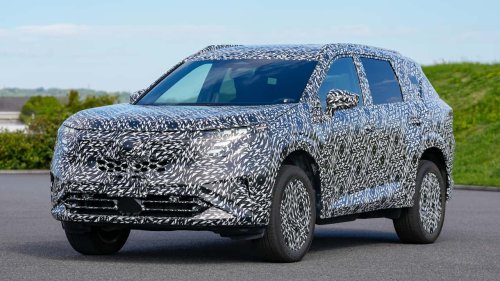
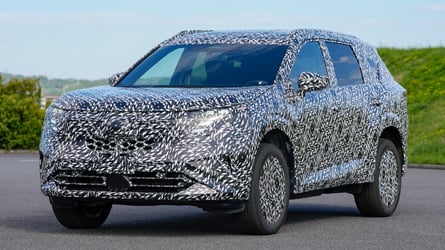
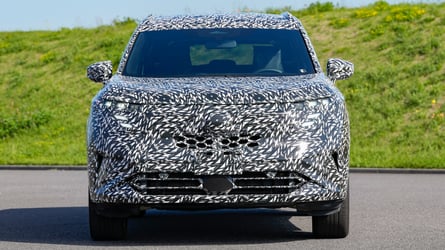
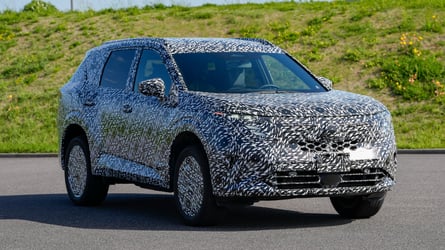
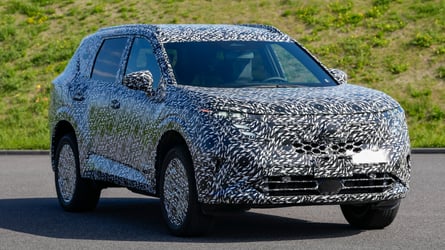
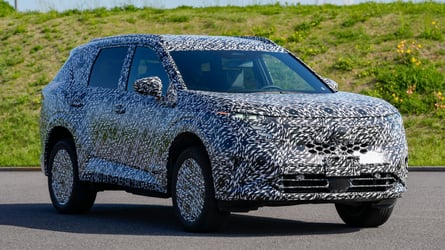
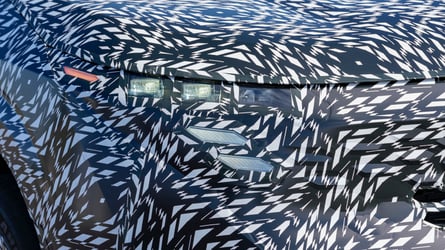
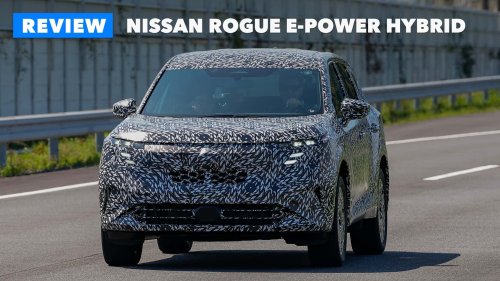



















Like it or not, hybridization is quickly becoming the new norm. Ongoing regulatory changes, stricter fuel economy standards, and skyrocketing gas prices mean that electrification, in some form or another, is almost entirely inevitable. But that’s not necessarily a bad thing. For many segments, hybridization is great news. It brings better fuel economy and, in some cases, improved performance. Compact SUVs are a prime example—many models are adding hybrid power or moving entirely to it to reap those obvious benefits. That includes the 2027 Nissan Rogue. Finally, A Hybrid The 2027 Rogue will arrive in the US with Nissan’s third-generation E-Power hybrid system, which is already popular in Europe. Unlike traditional hybrids, where a gas engine and electric motor both drive the wheels, E-Power takes a different approach. It’s closer to an extended-range EV. The electric motors alone drive the wheels, while a small gas engine acts as an onboard generator to recharge the battery. In other words, the engine is never mechanically connected to the wheels. Nissan isn’t sharing full specs just yet, but this new Rogue pairs a decently sized battery pack with two electric motors and standard all-wheel drive. The gas engine is still a 1.5-liter three-cylinder, as in the current Rogue, but engineers say it’s completely new and shares little with the existing unit. Output figures remain a mystery for now, but we should learn more as the Rogue E-Power approaches its launch later this year. Photos by: Nissan Tell us what you think! View Comments Driving The Hybrid Rogue Even from a brief stint, the new Rogue E-Power makes a strong first impression. Nissan gave us access to an early prototype at its proving grounds in Japan, where we drove two back-to-back laps against the current model. The prototype in question was fully camouflaged, even though we’ve already seen the final design. That meant we got no early peaks at the interior and couldn’t crack open the hood to check the engine bay. Darn. Still, it was just enough driving time for me to get a feel for the fresh powertrain. For starters, there’s torque—lots of it. The electric motors provide an immediate surge off the line, giving the Rogue a quicker, more responsive feel. It’s reminiscent of the Toyota RAV4’s new hybrid system, which is a good thing. Nissan says the Rogue also offers a limited EV-only mode, though it depends on factors like throttle input and speed. Even from a brief stint, the new Rogue E-Power makes a strong first impression. Even if you wanted to drive on battery power alone, the Rogue probably doesn’t have a large enough capacity for serious mileage (though we still don’t know). The engine/generator seemingly does most of the work at speed, with the battery kicking in a bit of extra juice. There’s also no transmission, which means no annoying CVT—not a bad thing. Chucking the hybrid Rogue into a corner reveals major differences in the steering and overall handling setup. The steering is tighter and heavier than before, with better responsiveness. Personally, I prefer this setup to the softer, sloshier steering of yore, but it might take some getting used to for traditional Rogue customers. Handling is also improved across the board. The new hybrid feels more planted, with better body control and less roll through corners. The revised suspension does an excellent job of keeping the SUV composed, even in tighter turns. Photos by: Nissan Braking was another point of emphasis for Nissan engineers. The Rogue E-Power has one-pedal braking that brings the SUV to a full stop by simply letting off the accelerator. In practice, it feels just like an EV. Just press a button on the center console to activate one-pedal drive (there are no adjustable levels), and let off the gas. On the conventional side, Nissan also added a "smooth stop" brake-by-wire system. As the name suggests, it helps reduce the head-toss effect that can happen under hard braking by modulating brake pressure automatically, resulting in more consistent and comfortable stops. It feels a little funky at first, but it works well. The one area I had questions on was the ride quality. On Nissan’s ultra-smooth test track, devoid of potholes and broken pavement, the Rogue felt mostly comfortable. But over a few engineered undulations, the hybrid model crashed back down a little bit harder on the pavement than its gas counterpart. Nissan hasn’t revealed the curb weight yet, but with a battery pack and dual motors, the hybrid is almost certainly heavier than the outgoing gas model, which tops out around 3,700 pounds. That added weight, combined with a firmer suspension setup, could have a slight impact on ride comfort. A proper drive on public roads will be the actual test for the suspension. Better With Batteries Even in a short drive, the 2027 Nissan Rogue E-Power shows clear promise. The hybrid system improves responsiveness, while upgrades to steering, handling, and braking give the SUV a more refined and modern feel. Finally. There are still a few unanswered questions—things like power output, weight, and real-world efficiency—but the early impressions are encouraging. We’ll have a better idea closer to launch, but for now, the hybrid Rogue feels like a meaningful step forward. We want your opinion! What would you like to see on Motor1.com? Take our 3 minute survey. - The Motor1.com Team