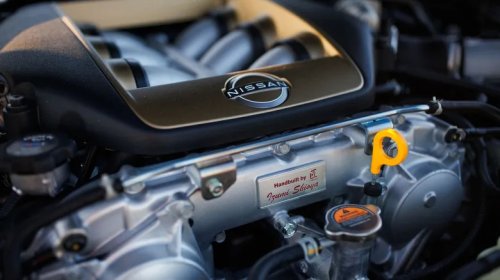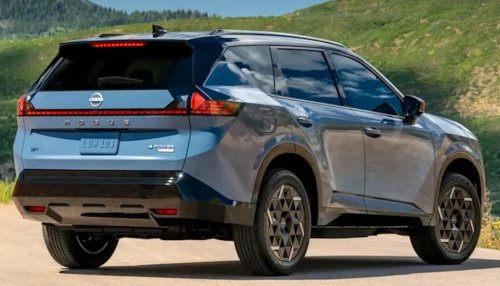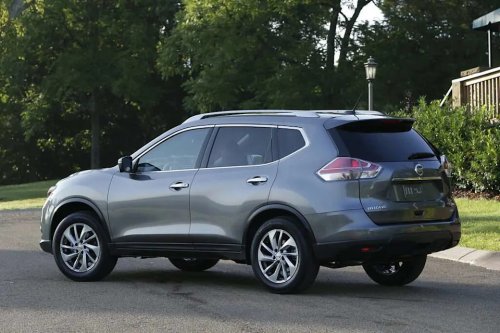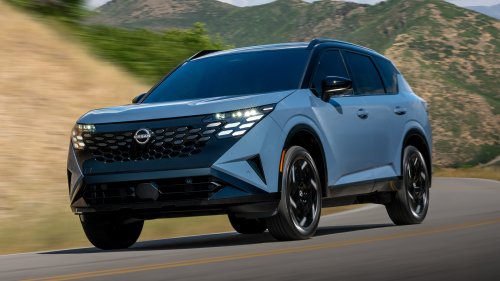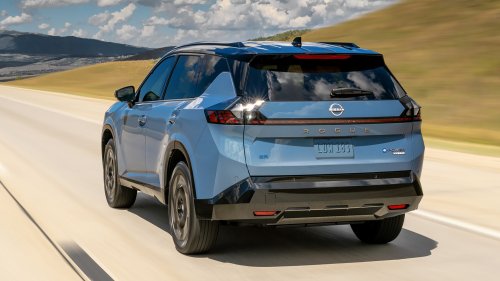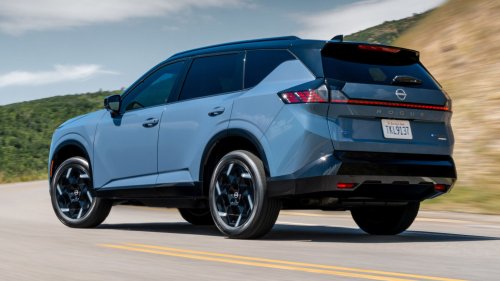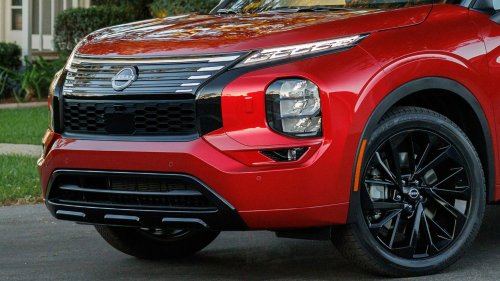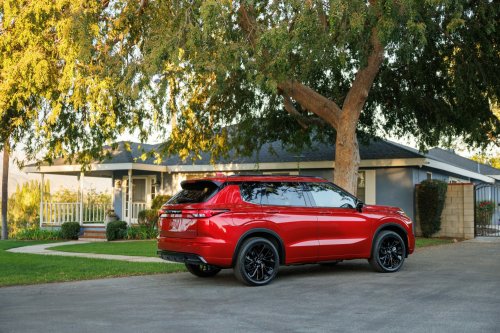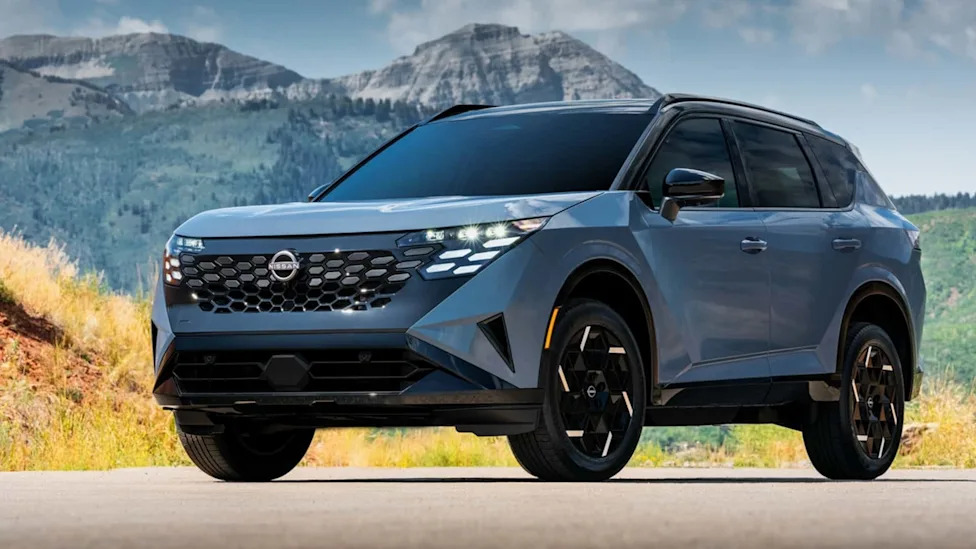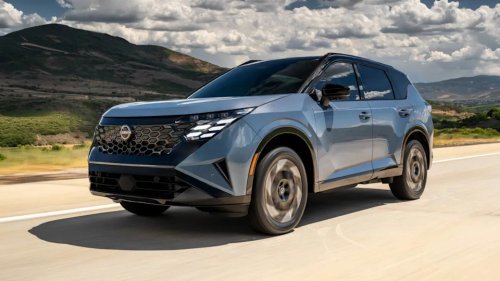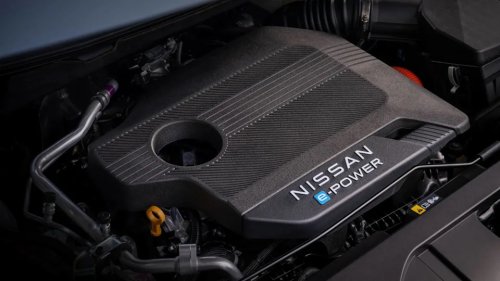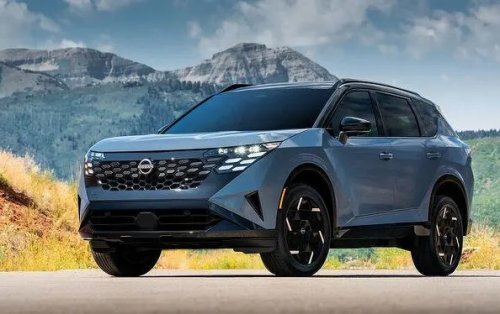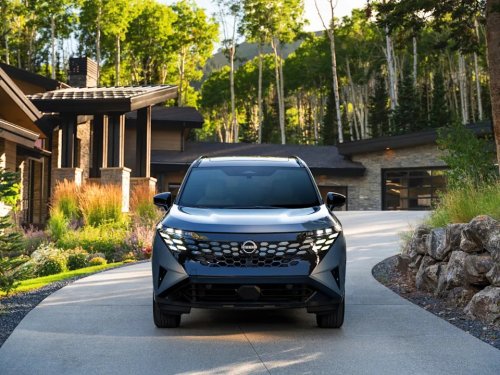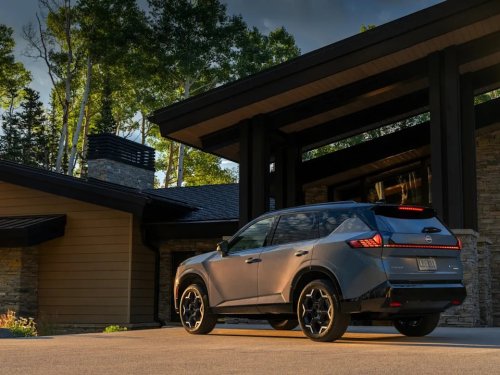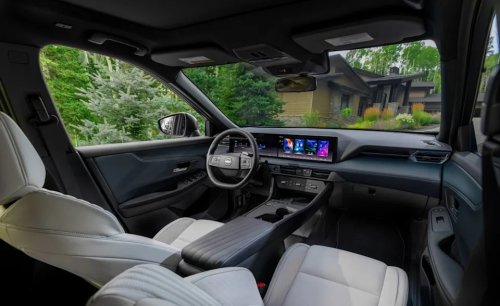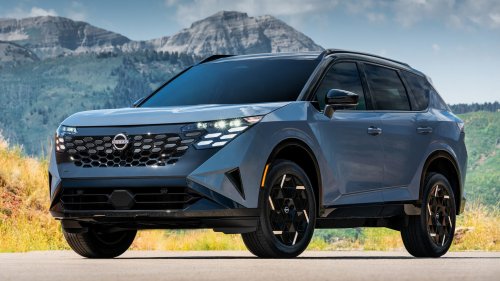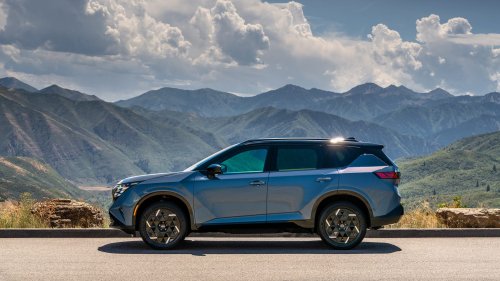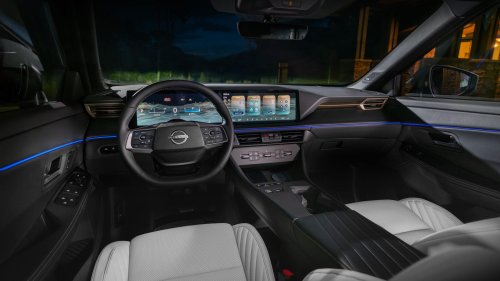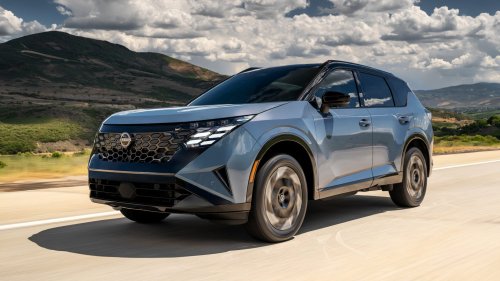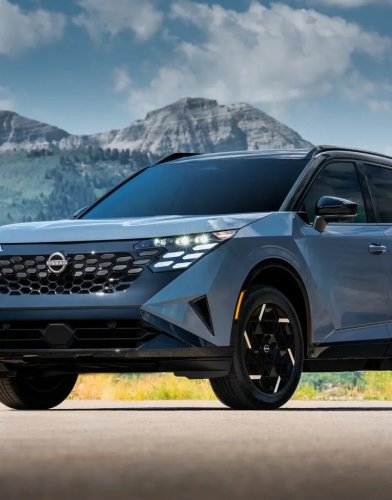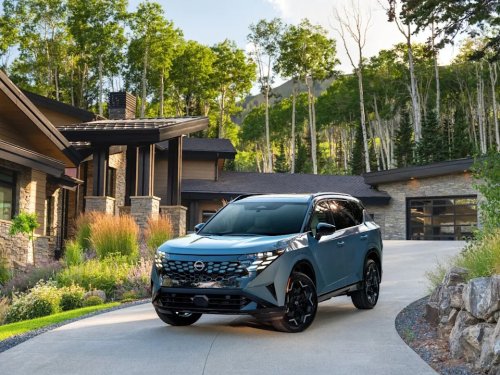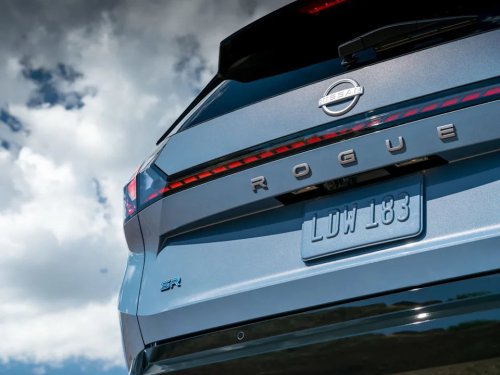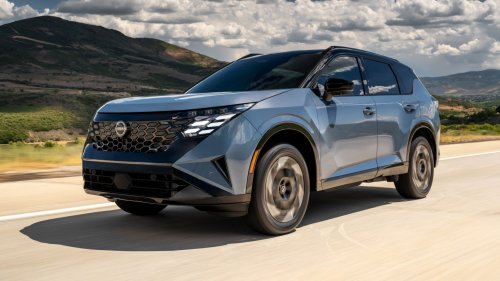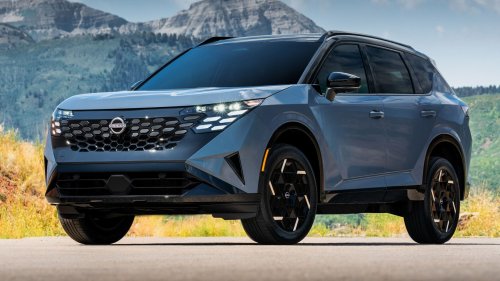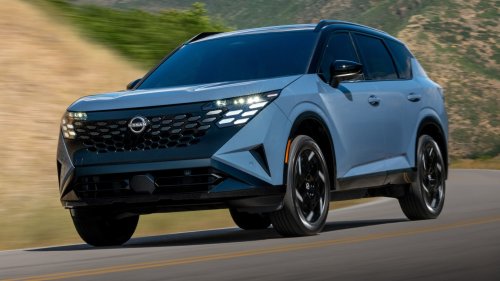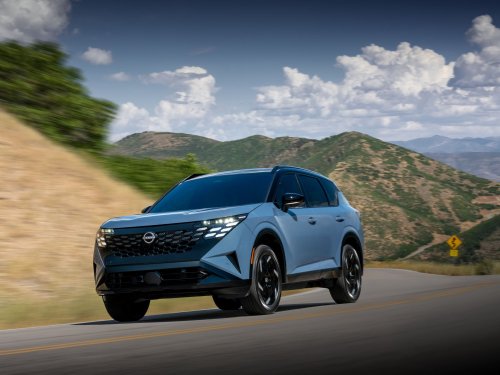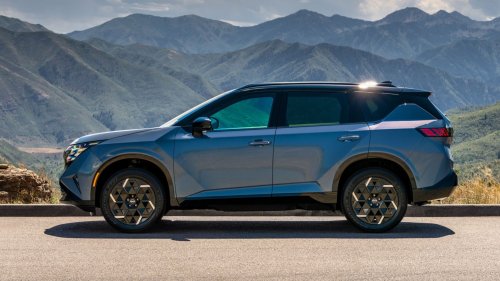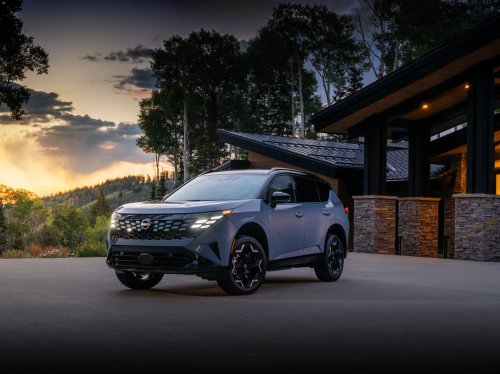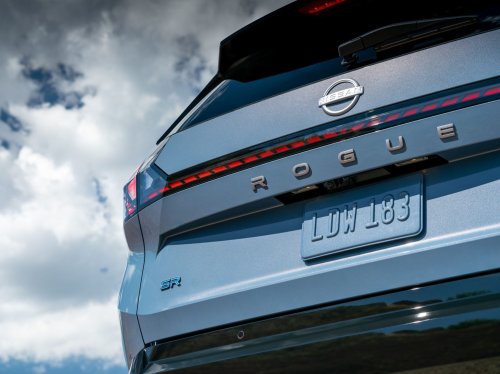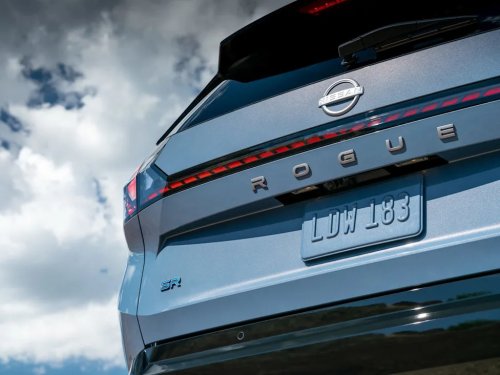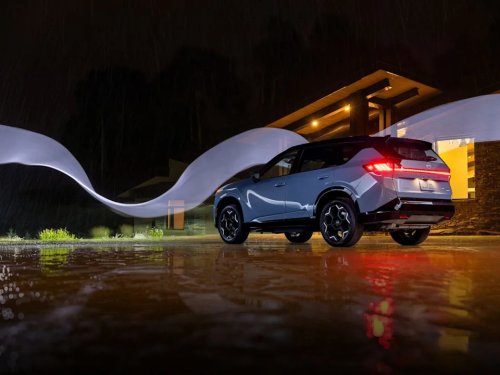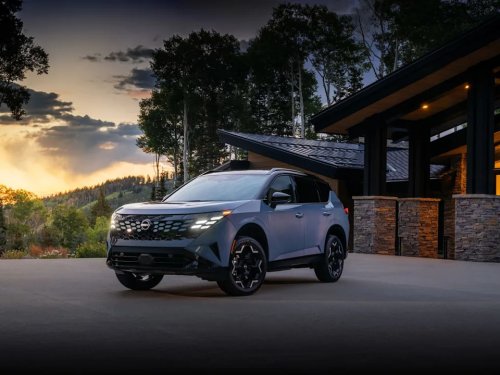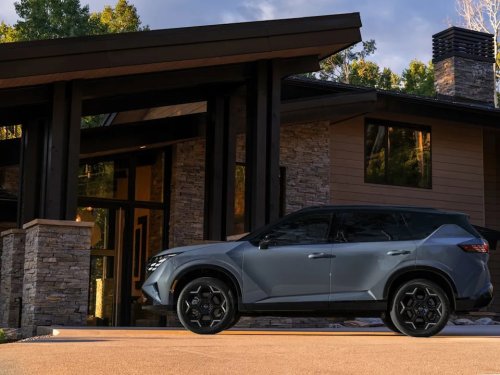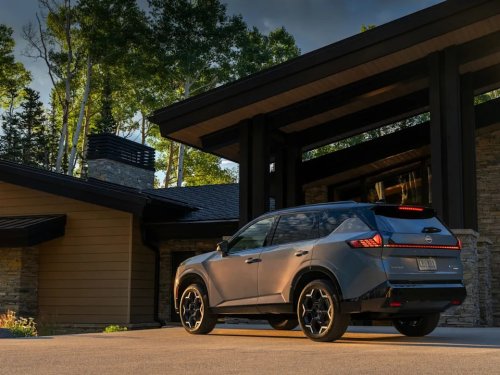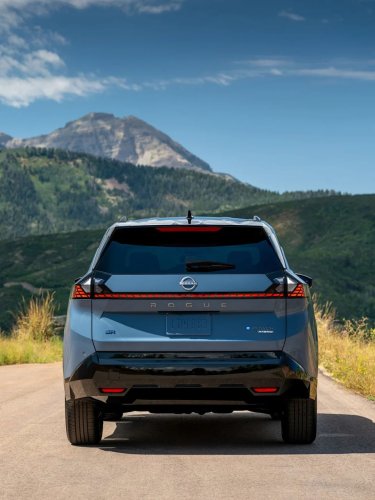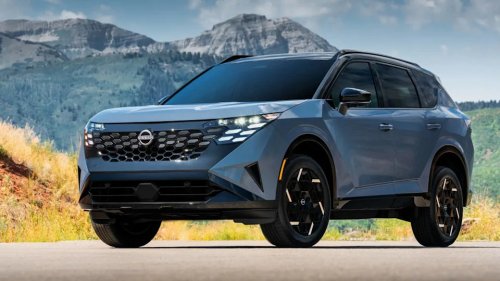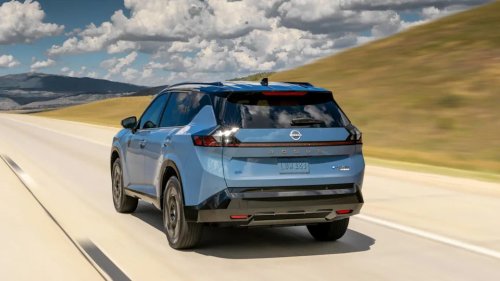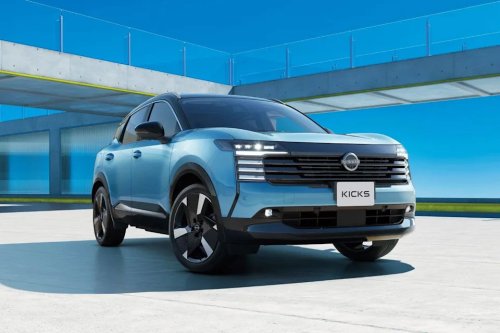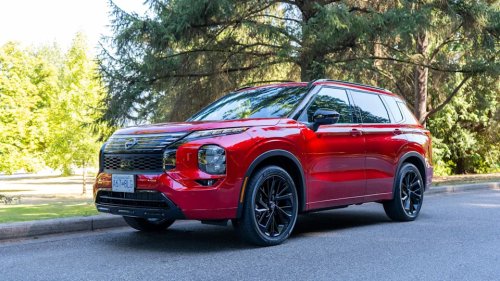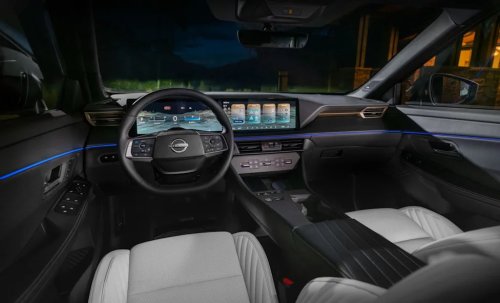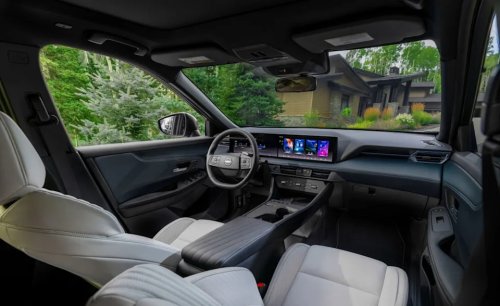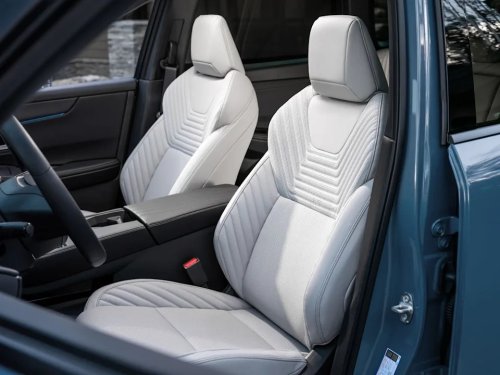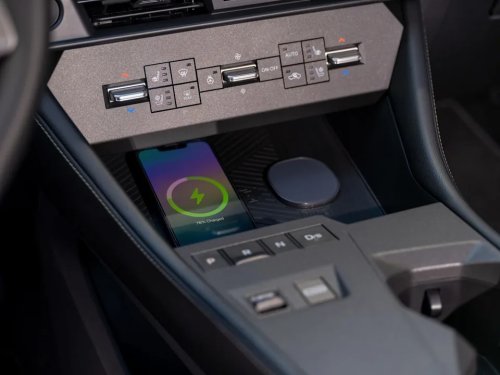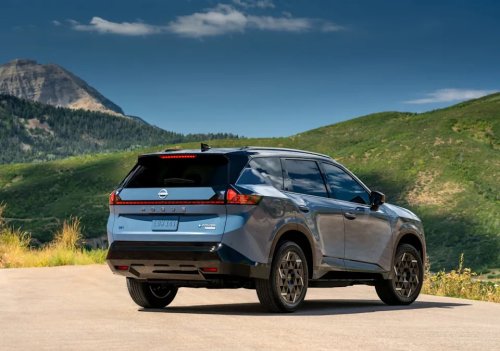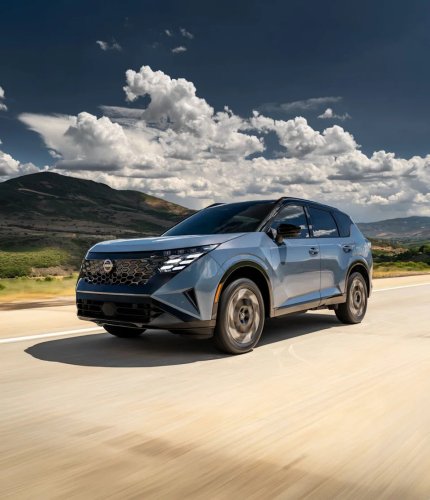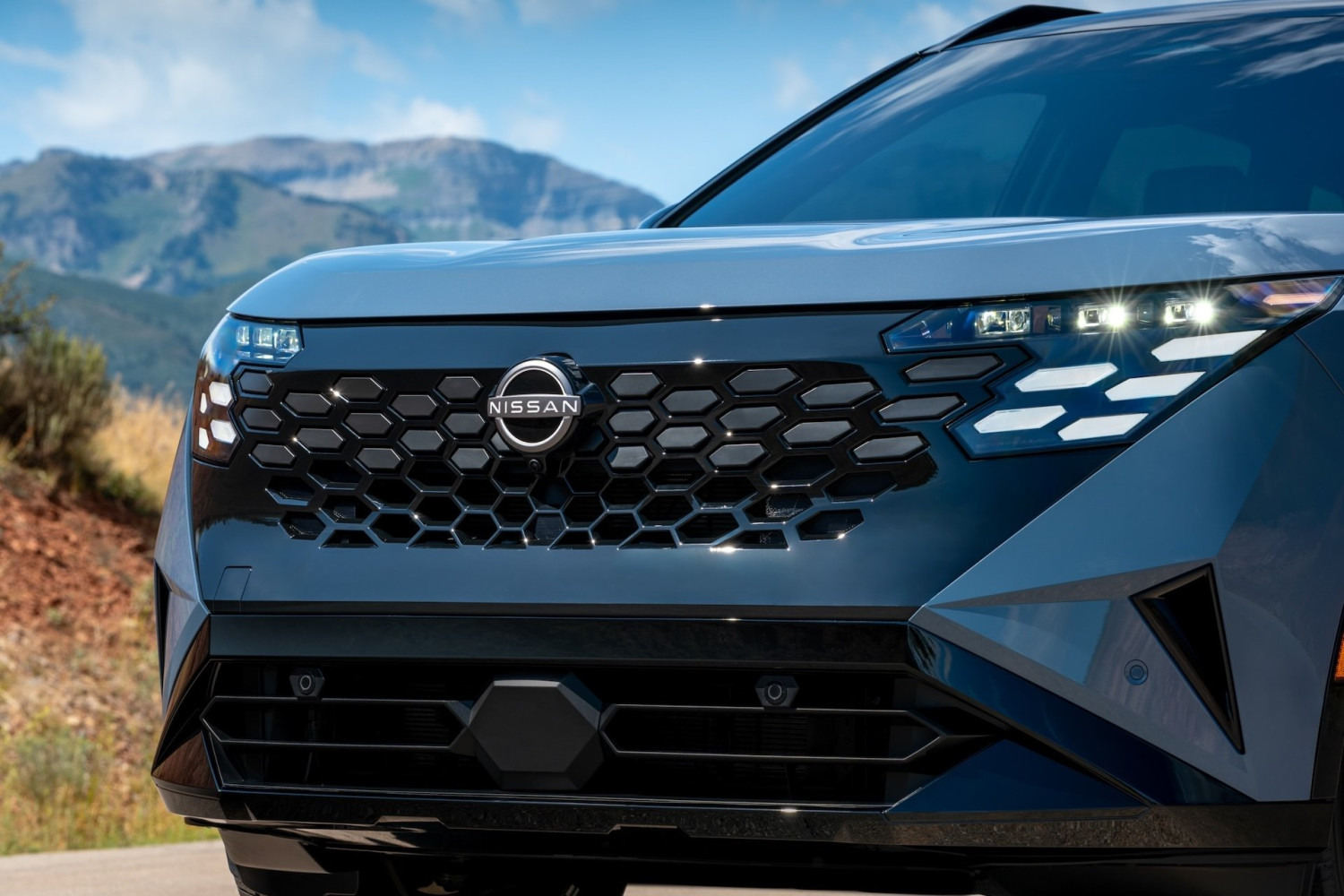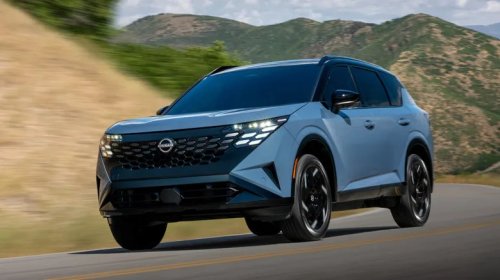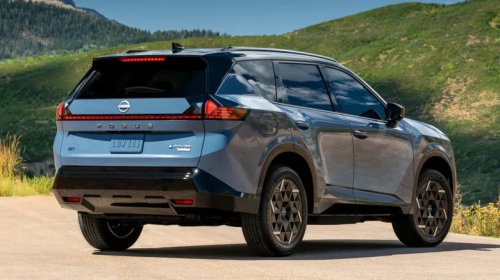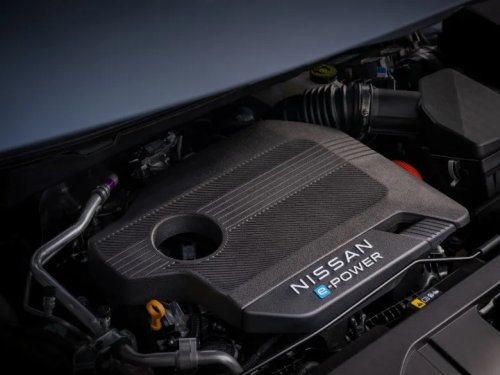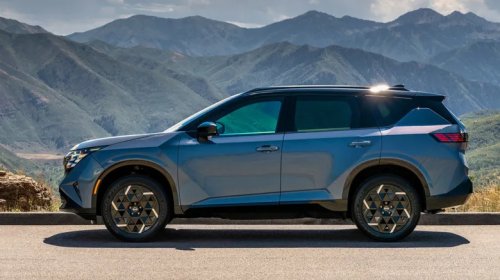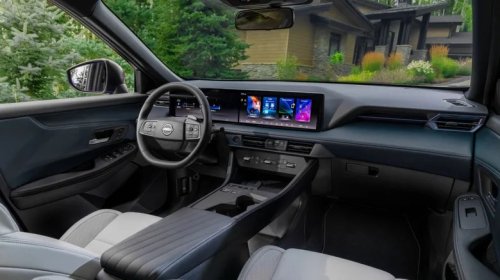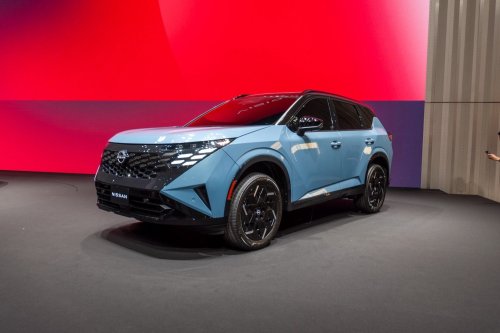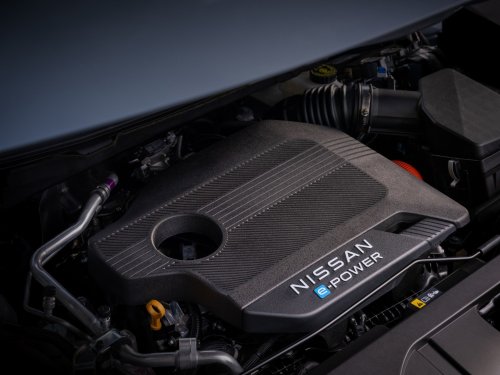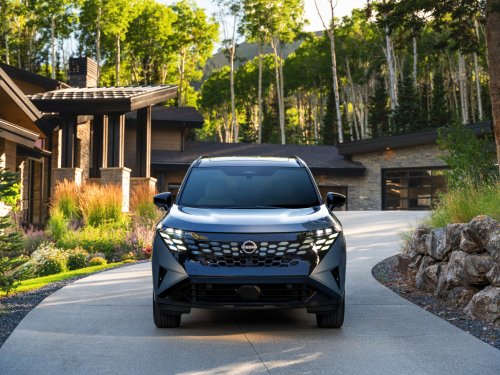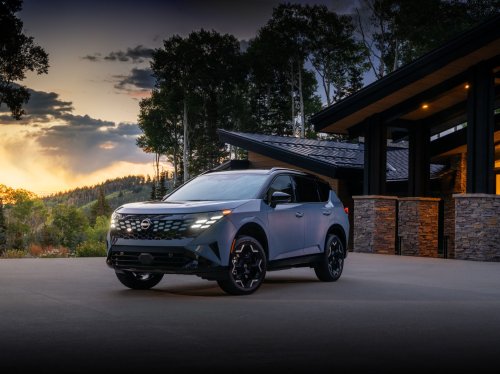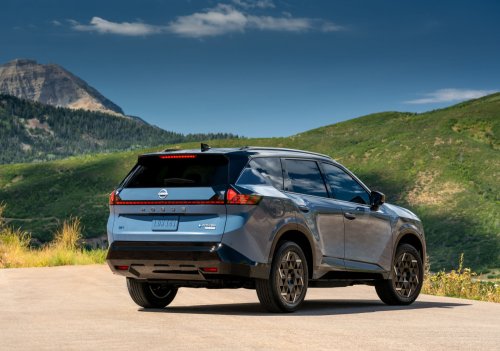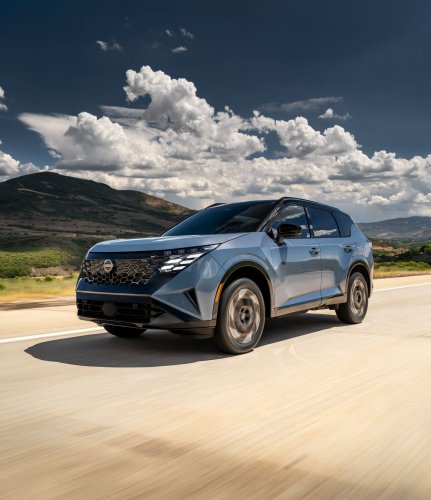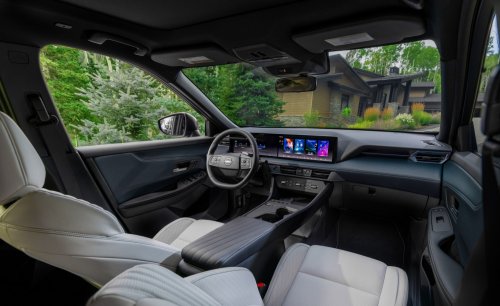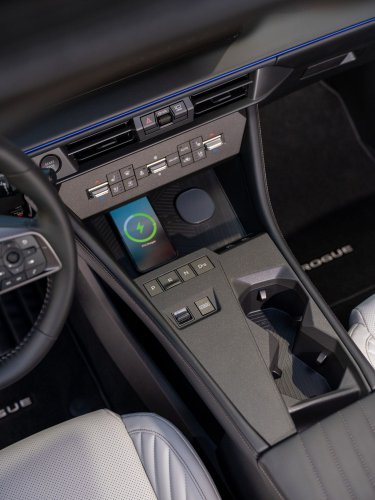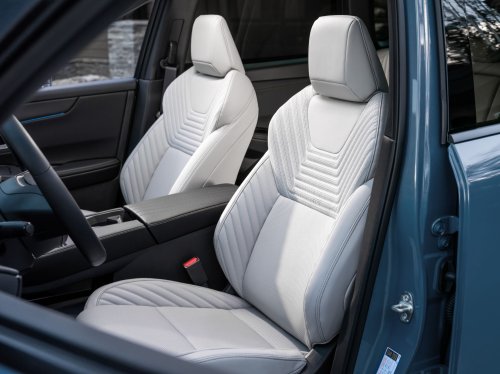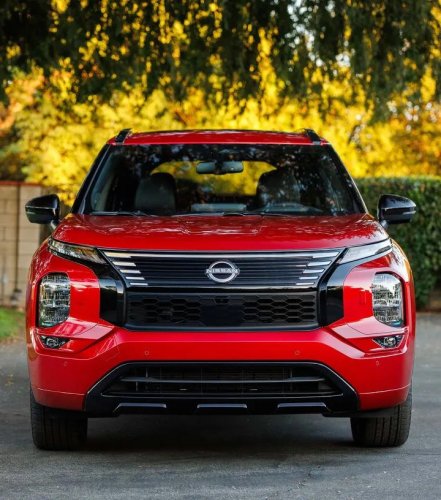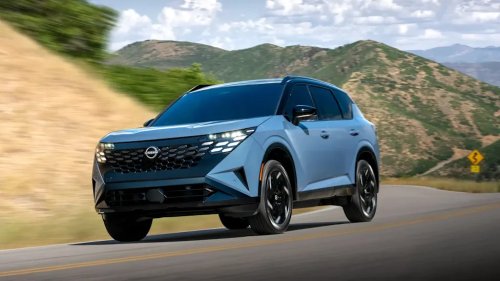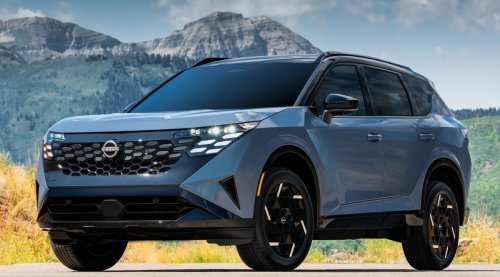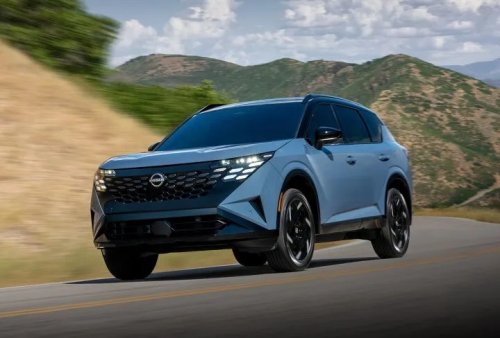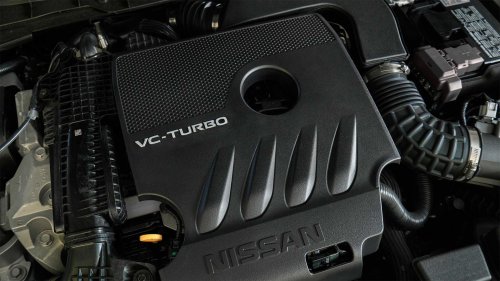
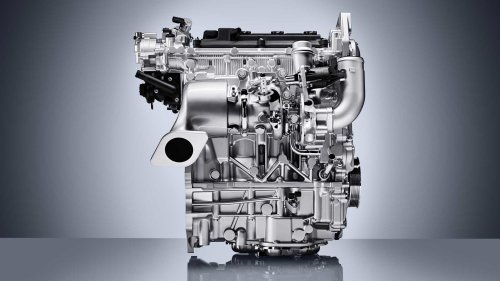
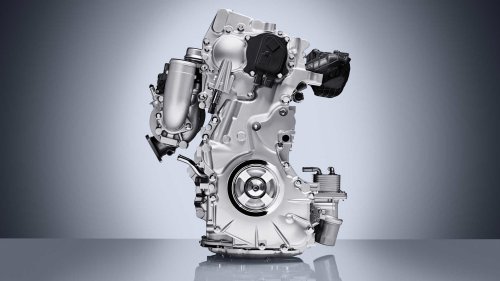
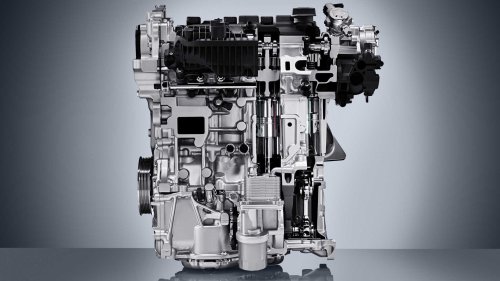
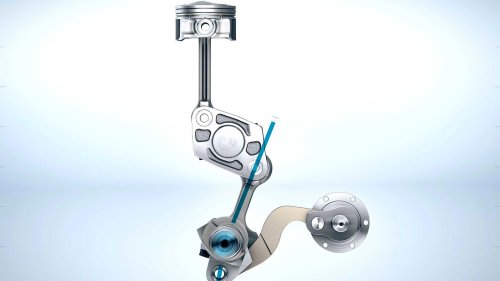
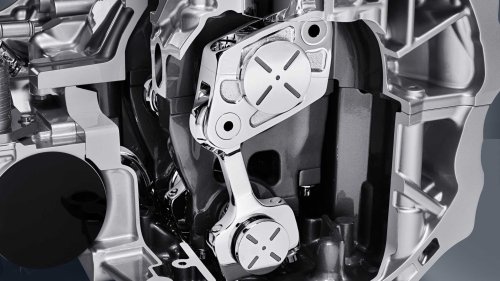
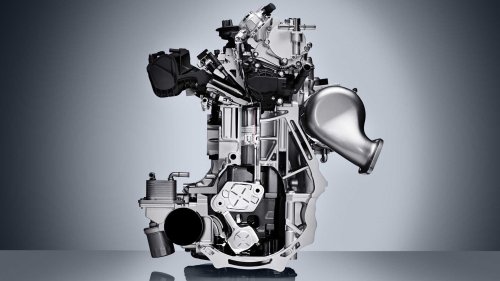
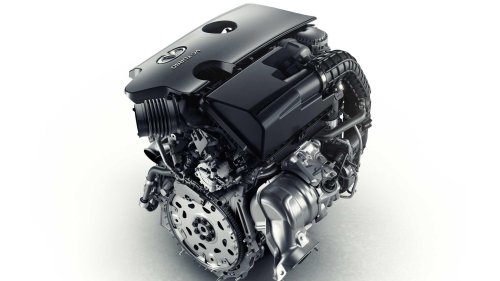
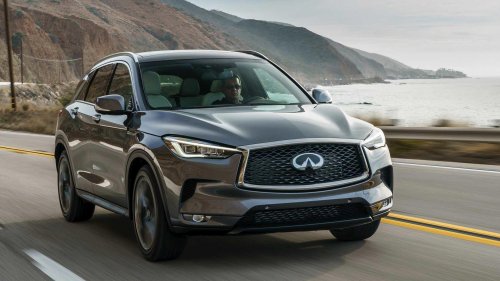

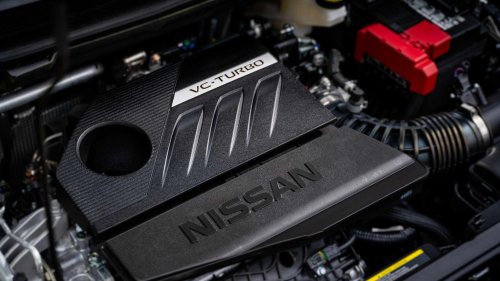
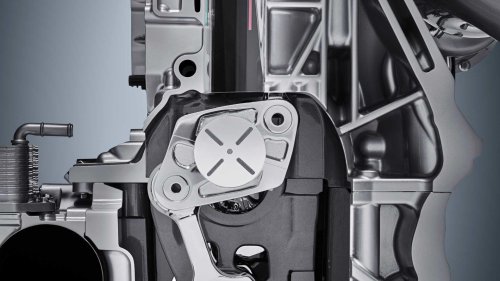
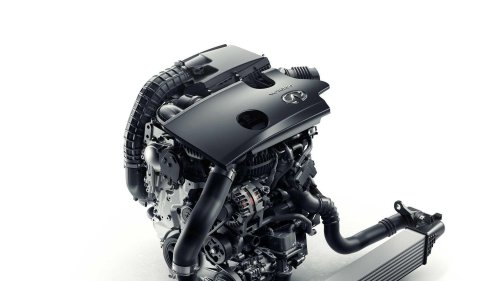
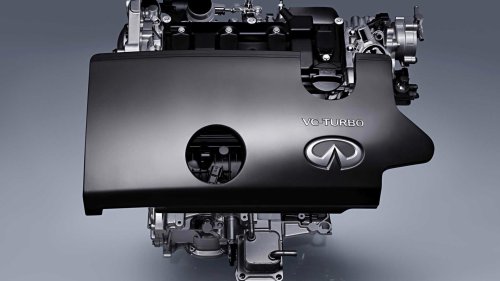



















Since 1998, Nissan has been working on a new kind of engine that could realize many automotive engineers’ dreams: an engine with a variable compression ratio. This was Nissan going against the hybrid current to develop an engine that could optimize both fuel economy and torque, depending on demand.The engine finally debuted in 2016, and when new, expectations were obviously high for this variable compression ratio engine dubbed the VC-Turbo. After all, who wouldn’t want a powerful engine that’s also fuel-efficient, right? But the real question is how well the VC-Turbo engine has held up after almost a decade on the road. It’s currently used in the Nissan Rogue 2025, and here’s how it has fared against its rivals. What Is The Nissan VC-Turbo Engine? NissanA variable compression ratio engine isn’t anything new, at least in theory. It was first developed back in 1919 by Sir Harry Ricardo with the objective of determining the detonation point of certain fuels. Ricardo developed a large 2.0-liter single-cylinder engine that used a mechanism to raise or lower the cylinder head relative to the crankshaft. This project was funded by Shell, laying the groundwork for how we measure gas octane ratings even today.Obviously, Ricardo’s variable-compression engine was only good for lab experiments and not practical use in automobiles. But in the decades that followed, engineers drooled over the idea and tried to come up with their own take on it. That was until Nissan stepped into the game back in 1988, spending the next two decades working on its own version of the variable compression ratio engine, which it called the VC-Turbo. It finally debuted in 2016 and made its way to the road with the 2019 Infiniti QX50. The World’s First Production VC Engine NissanNissan had finally managed to build the world’s first variable compression ratio engine that is said to achieve both high fuel efficiency and performance, while syncing with the driver’s demand or intentions. Remember, developing this engine is no joke; of all the methods available, Nissan picked the one most pragmatic. Thanks to over 300 patents and sheer will, it managed to get it right.For the project, Nissan had to go to great lengths to make it work. Unlike variable valve timing or other mechanical wizardry of modern engines, a variable compression engine is inherently more complex. Nissan had to develop a new link mechanism, optimize its layout, use advanced analysis to develop precise part shapes, and invent a new high-precision heat treatment, to name a few.NissanNissan’s VC-Turbo engine uses a multi-link system that continuously varies piston top dead center (TDC) and bottom dead center (BDC) positions. This enables free control of the compression ratio, which is a critical factor for both performance and fuel efficiency, based on demand. Conventionally, the two characteristics of performance and efficiency oppose each other, but this VC-Turbo engine managed to prioritize both based on demand. How Does Nissan’s VC-Turbo Engine Work? NissanLet’s get technical. A regular fixed compression gas engine compresses an air-fuel mixture that is then sent into the cylinder before igniting and combusting. Here, a higher compression ratio leads to better combustion efficiency, but there is a limit to this. If the air mixture temperature gets too high, it can lead to abnormal combustion or knocking in the engine, both of which are not good for either performance or engine longevity.Another thing to note is that at cruising speeds, the intake airflow is low, so this limit of compression ratio is high. When accelerating, thanks to higher intake airflow, the limit is lowered, especially for turbocharged engines that intake compressed air. Hence, there is a need to change the compression ratio based on load conditions. The Few Ways To Achieve Variable Compression Ratio NissanOn a fixed-compression ratio engine, the piston and crankshaft are connected directly via a connecting rod. But to achieve a variable compression ratio, this needs to change. According to an SAE paper published in 1964, A Variable Compression Ratio Engine Development, there are a few ways you can achieve variable compression.One way is to have a piston within a piston, where the inner part is connected to the connecting rod while the outer part moves freely within certain boundaries. Another approach detailed in the paper was to use a variable-displacement auxiliary combustion chamber. Or you can simply change the piston’s position relative to the cylinder head. The latter is what Nissan uses in its VC-Turbo engines. Nissan’s VC-Turbo’s Inner Workings NissanNissan’s VC-Turbo engine utilizes a multi-link system instead of a conventional connecting rod to turn the crankshaft. This multi-link system is actuated by an actuator motor to vary the piston’s reach, which changes the compression ratio of the engine. This makes it possible to vary the ratio as needed from a range of 8.0:1, which is a fairly low number, to a very high 14.0:1, which is too much for any engine, let alone one that's turbocharged.How does it work? When the compression ratio needs to be changed, the actuator motor moves the actuator arm that rotates the control shaft. This turning of the control shaft moves the lower link, changing the multi-link system angle. This, in turn, adjusts the vertical position of the piston stroke, which changes the engine’s compression ratio.Say you want all-out performance, the multi-link system shifts, and the engine runs in its lowest compression ratio setting. At low speeds or cruising speeds, the mechanism shifts to higher compression. At low loads, the likelihood of detonation is lower since there’s less air-fuel mixture going into the engine. As a result, the VC-Turbo engine can continuously match the demand. How Does The VC-Turbo Hold Up In The 2025 Nissan Rogue? NissanNissan’s VC-Turbo engine initially received a lot of attention, and rightfully so. It is an engineering feat that took over a century to realize and make it into a production car. But soon enough, things started to deteriorate for the manufacturer. It started facing some hurdles along the way. Early Detonation Is An Inherent Problem NissanOf course, variable compression ratio engines offer massive benefits. The engine runs more efficiently with a higher compression ratio, but the higher you go, the risk of detonation increases. It’s when the air-fuel mixture detonates before the spark plug fires, and this is especially a problem with turbocharged engines. This is just mechanical, though, but the problems go way beyond that. Disappointing Results With The 2019 Infiniti QX50 InfinitiThe VC-Turbo first launched with the 2019 Infiniti QX50, and at first, it was a good start. A 2018 Car and Driver story noted that it offered 30% better fuel economy than its V6 predecessor when comparing the AWD models. However, it wasn’t really all that great when compared to its non-hybrid rivals. Car and Driver noted that the QX50 was only one mile per gallon more efficient than the Audi Q5 and BMW X3.Similarly, the 2022 Nissan Rogue suffered from similarly disappointing fuel economy ratings compared to its naturally aspirated four-cylinder predecessor. Although on the plus side, the VC-Turbo did bring better acceleration numbers. Nissan Rogue 2025 Vs. The Toyota RAV4 Ian Wright/CarBuzz/ValnetThat was then, surely Nissan must have made some improvements, right? It has, but not by a lot. Take the 2025 Nissan Rogue, for instance, which uses a 1.5-liter DOHC 12-valve VC-Turbo 3-cylinder engine, rated at 201 horsepower. It can accelerate from 0 to 60 miles per hour in 7.8 seconds, with the EPA estimating a combined fuel economy of 32 miles per gallon in its front-wheel drive variant.While good on its own, it does not hold up against its biggest competitor, the Toyota RAV4, which uses a 2.5-liter four-cylinder fixed-compression ratio engine making 203 horsepower. The RAV4 can go from 0 to 60 miles per hour in 8 seconds, so that 0.2-second benefit with the Rogue isn’t anything that matters on the road. Meanwhile, the EPA estimates the front-wheel drive gas-only RAV4 returns 30 miles per gallon in combined conditions, which is only slightly worse than the Nissan Rogue 2025.Nissan USAWhile that benefit still counts, remember this was Nissan’s bet on meeting the ever-changing emissions norms. The Toyota RAV4 Hybrid outdoes it by a huge margin. It can go from 0 to 60 miles per hour in 7.3 seconds while returning an EPA-estimated 37 to 39 miles per gallon. The newer 2026 Toyota RAV4 takes things up a notch by offering up to 43 miles per gallon. 2023 NHTSA Investigations NissanAnother kink in the VC-Turbo’s armor was the National Highway Traffic Safety Administration (NHTSA) investigation that opened in 2023. It looked into the reports of VC-Turbo engine failures in the Nissan Rogue and Altima, and Infiniti QX50. Nissan said it happened due to bearing failures. In the four-cylinder engine, lower link and control link bearings failed, and in the three-cylinder engine, the crankshaft bearings proved problematic.The investigation doesn’t mean all engines were affected, though. The failure rates are evidently low, with Nissan reporting that it found 899 warranty or goodwill service claims for new short blocks on over 450k vehicles that the investigation covered. The manufacturer also reported that the bearings failed over time and not spontaneously, often with multiple audible and visual warnings. It's also worth noting that bearing failures are not unique to these engines, but it must have hurt Nissan that the very thing that made the VC-Turbo engine unique turned out to be an issue for investigation. What’s Next For Nissan’s VC-Turbo Engine? NissanThe VC-Turbo engine is present in vehicles like the 2025 Nissan Rogue, but let’s not discount the vehicles. The 2025 Nissan Rogue is still a competent SUV, and it has been Nissan’s best-selling vehicle for the last several years. It offers an upscale-ish interior, with owners praising its ride quality, comfort, and competitive tech package. Despite not holding up to its hybrid rivals, the Rogue’s 201-horsepower VC-Turbo engine gets the job done. It’s not an enthusiast-oriented package, but it’s a terrific, versatile package for urban commuting and road tripping.But that brings us to what is happening to Nissan and the VC-Turbo engine. Sure, the vehicles are still good, but can they keep up with their hybrid rivals? According to a 2024 Reuters report, Nissan CEO Makoto Uchida blamed the company’s situation on its lack of hybrid powertrains, especially in North America. It's almost as if Nissan spent a huge sum and two decades to develop the VC-Turbo engine instead of putting some of that money towards developing a hybrid powertrain that could actually compete with its rivals.Infiniti USAVariable compression engines do bring benefits in terms of performance and fuel economy over fixed-compression gas engines, but they still can’t match the benefits offered by hybrid powertrains. While Nissan seems to have been rescued, the same can’t be said for the VC-Turbo engine. It was indeed a great achievement for Nissan to finally bring a variable compression engine into production, but it was perhaps too little, too late.Source: Nissan, Reuters, EPA, NHTSA