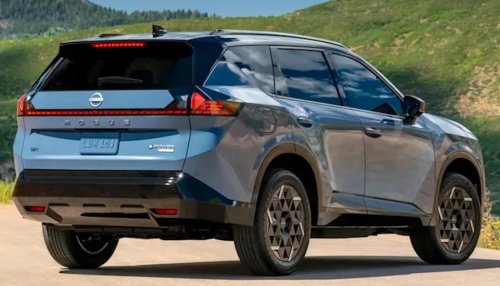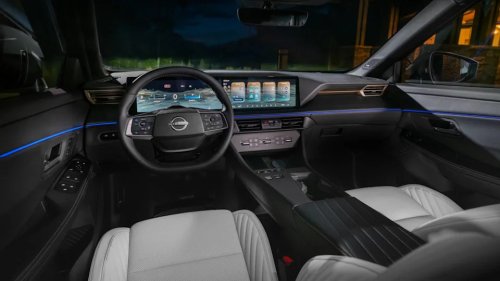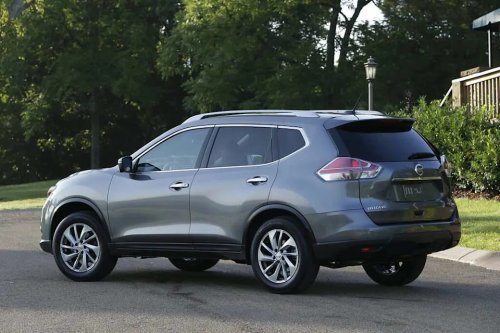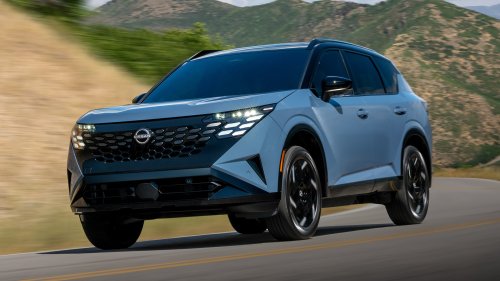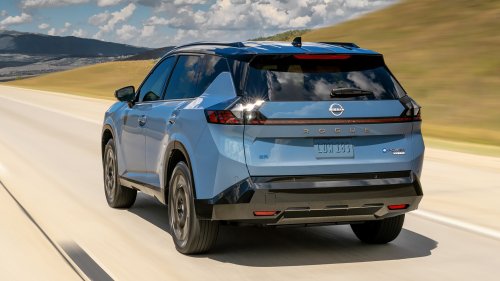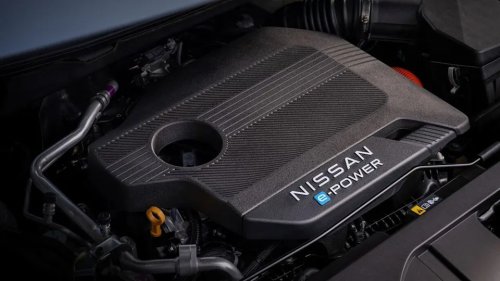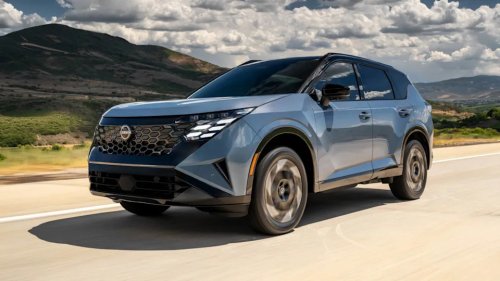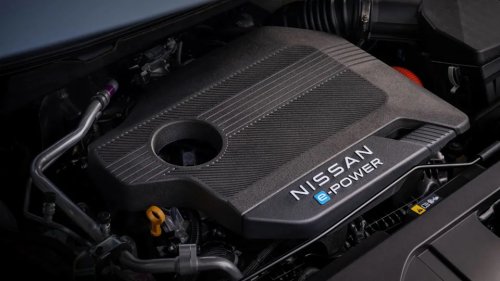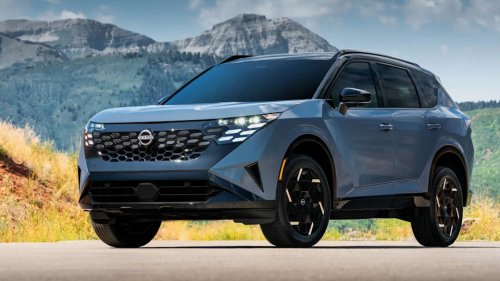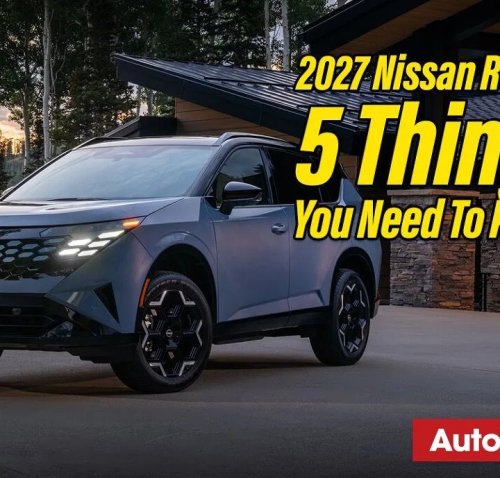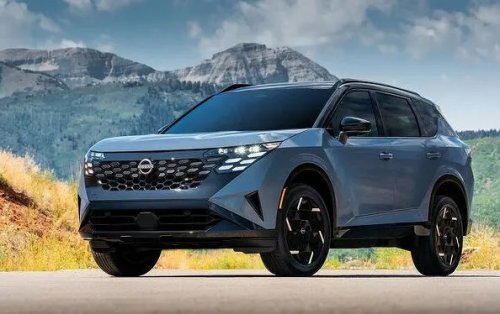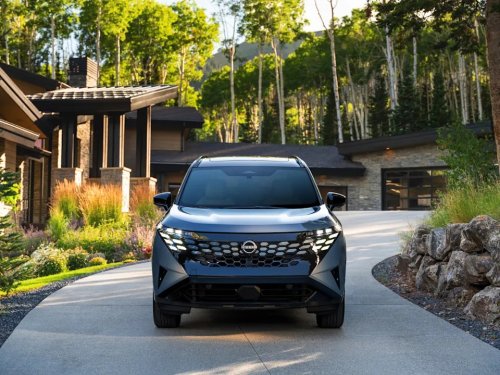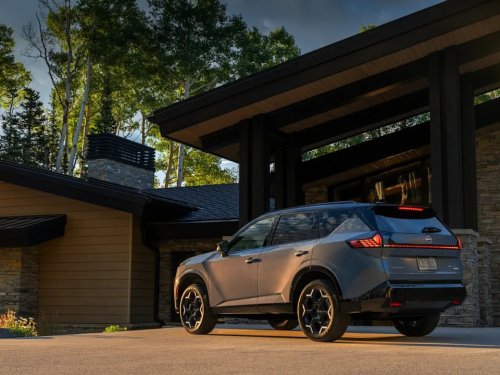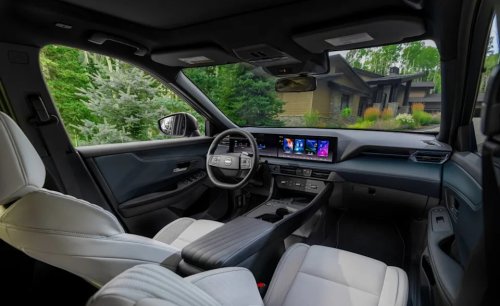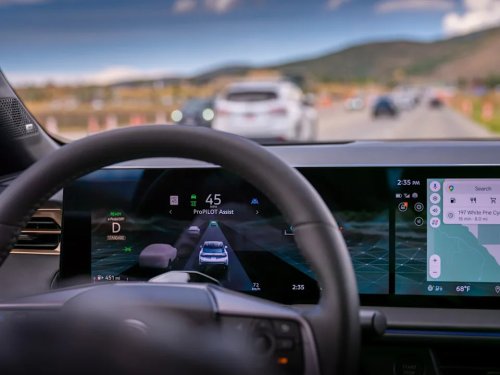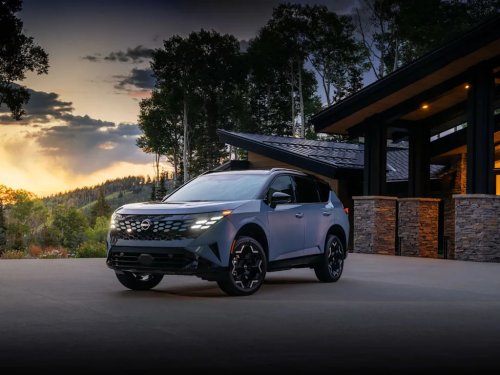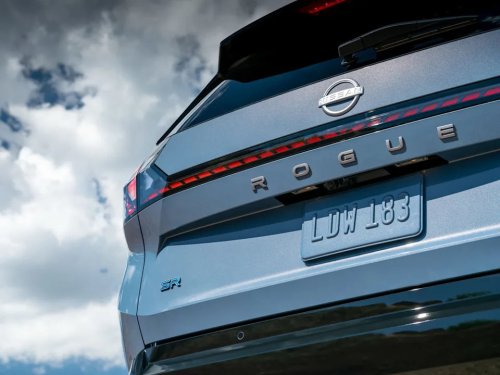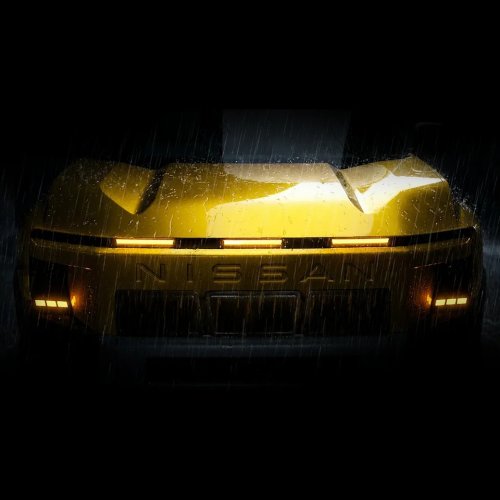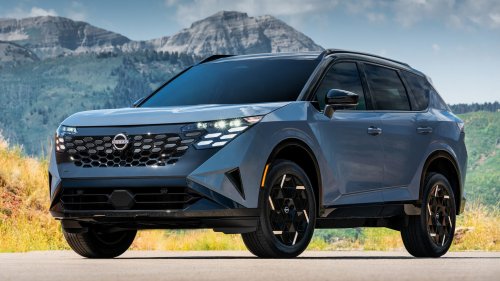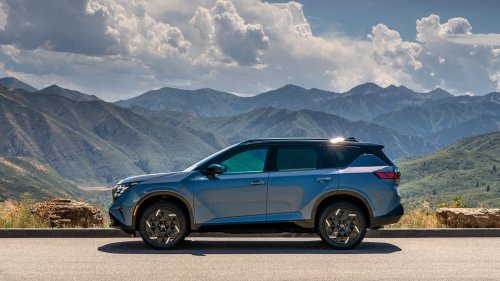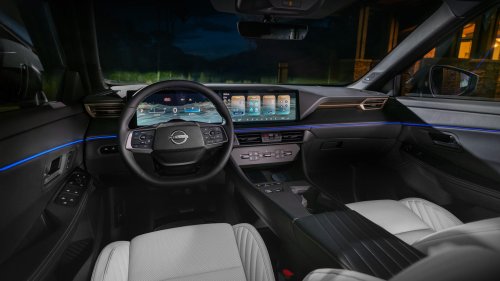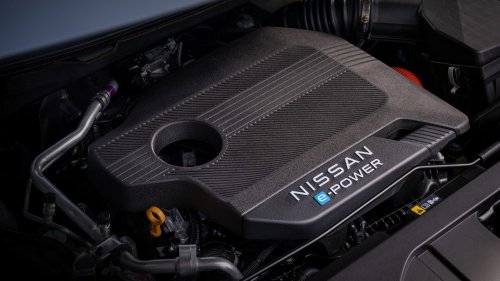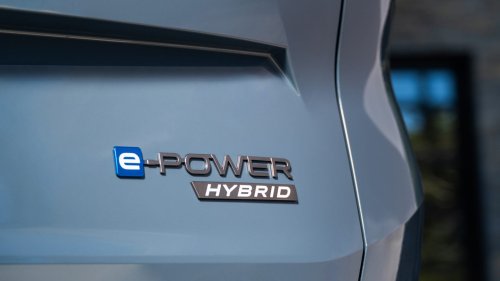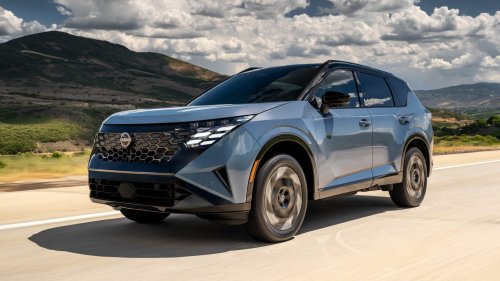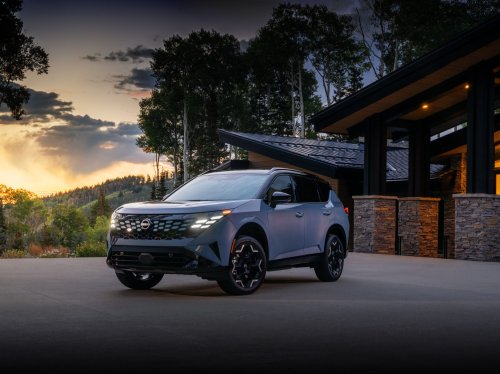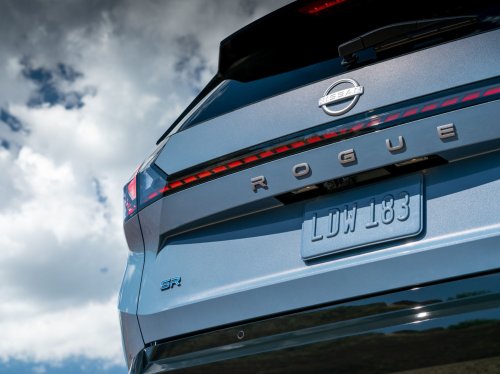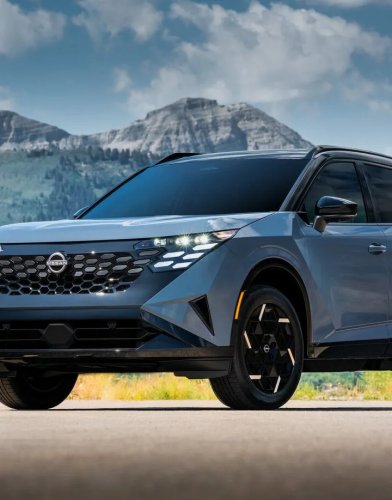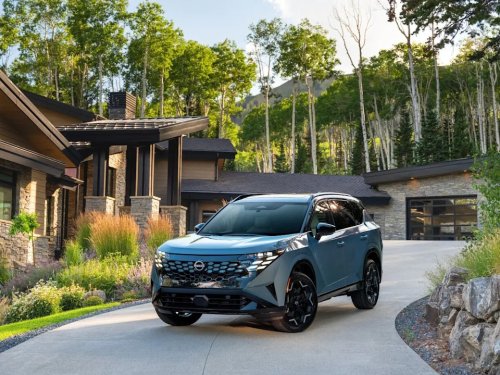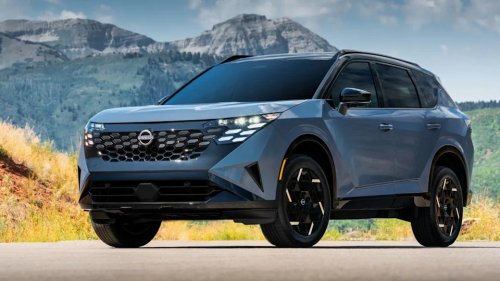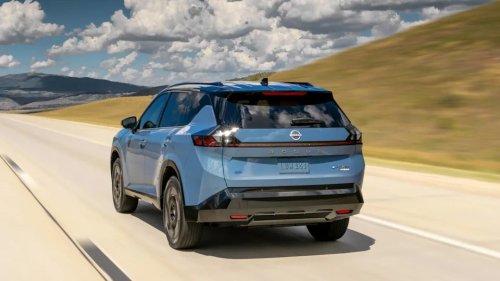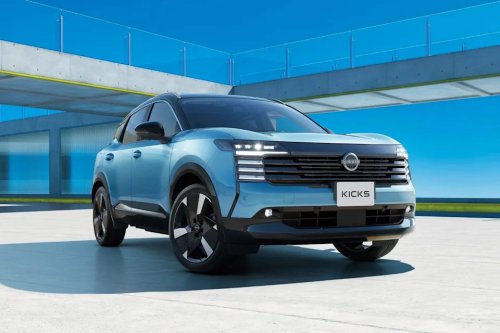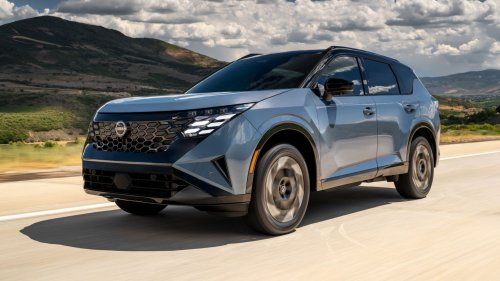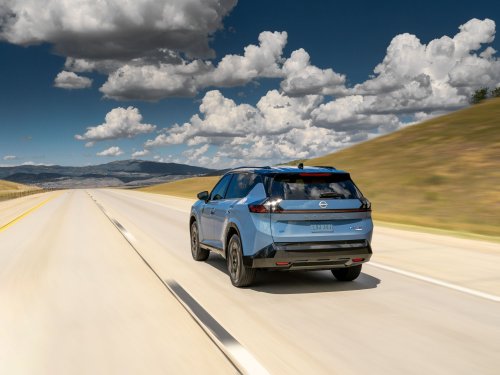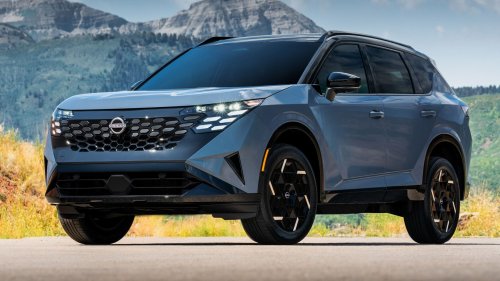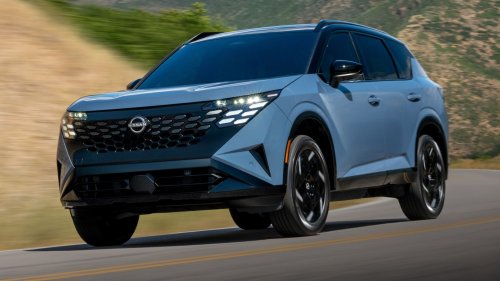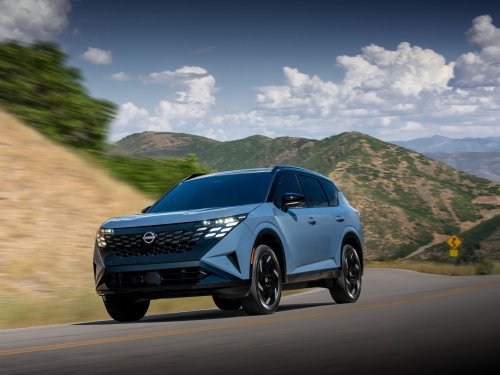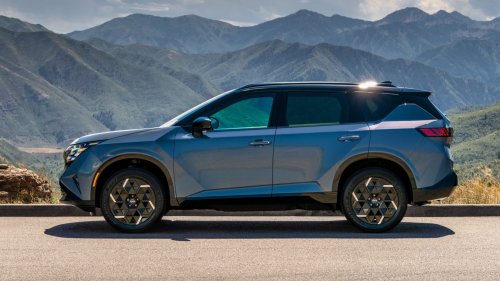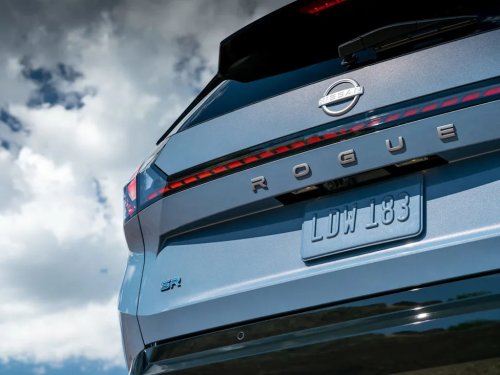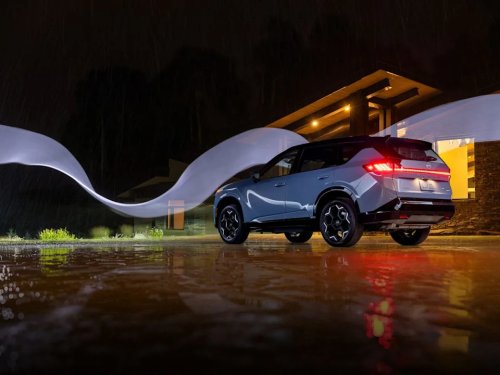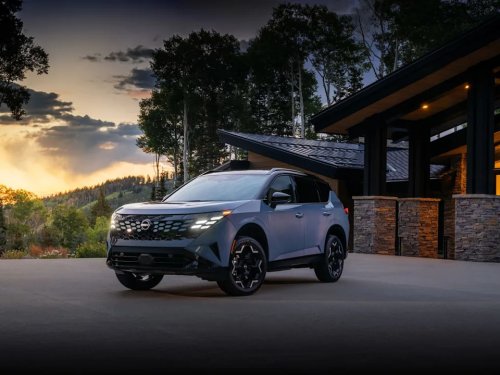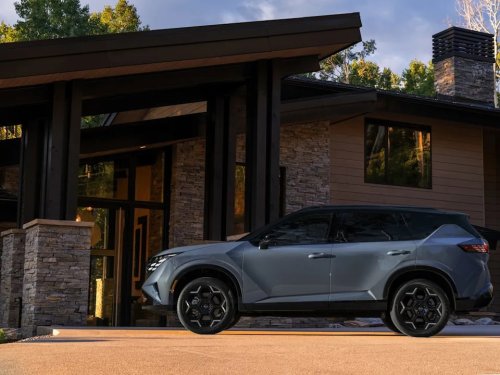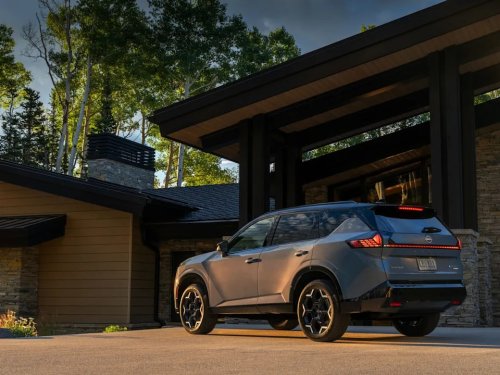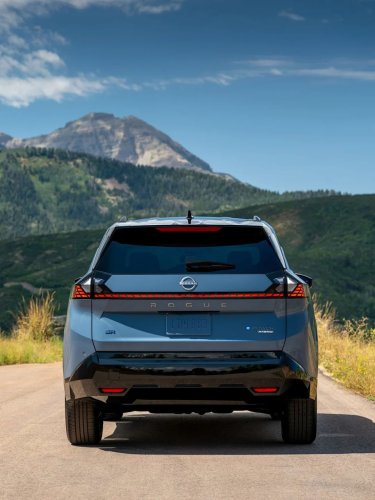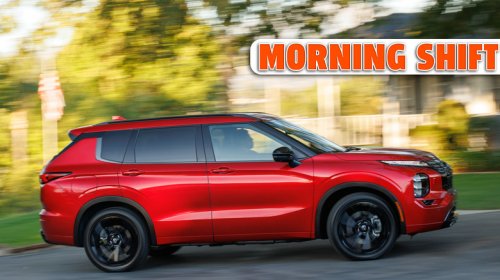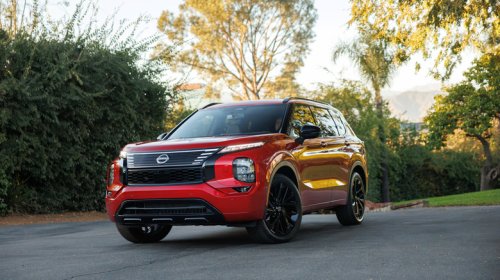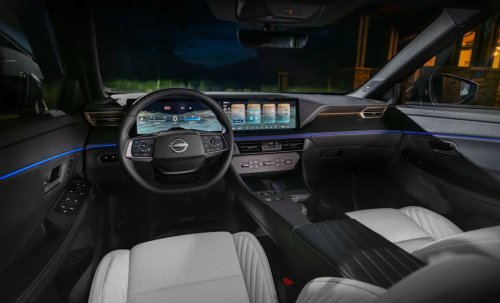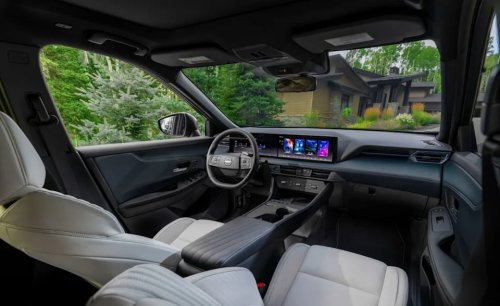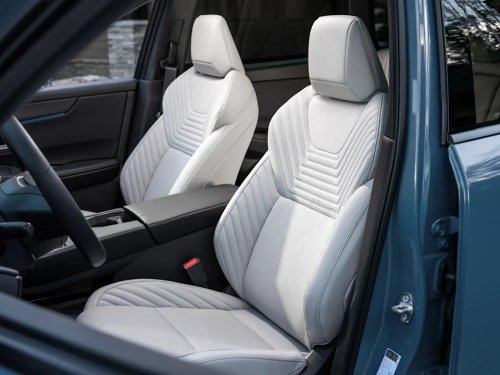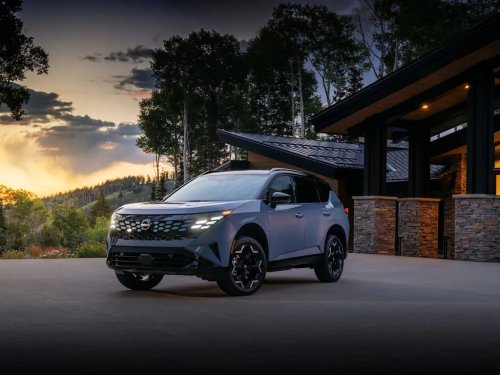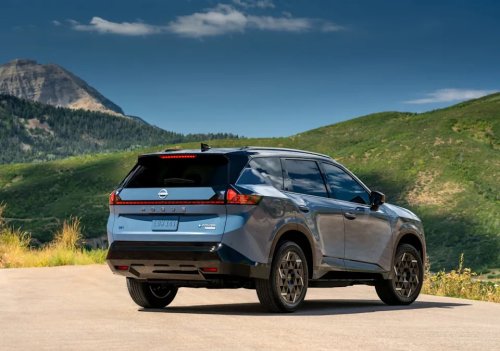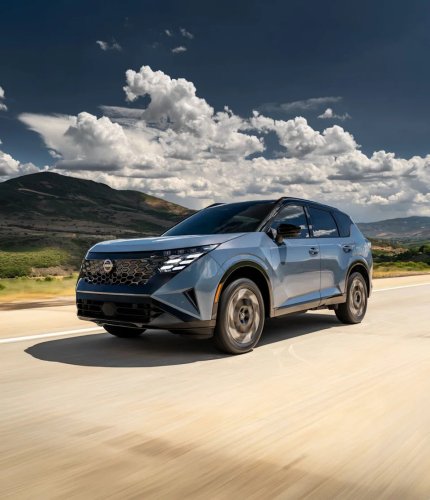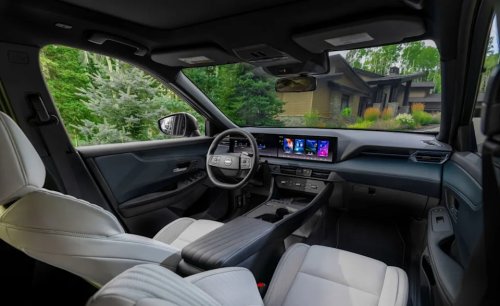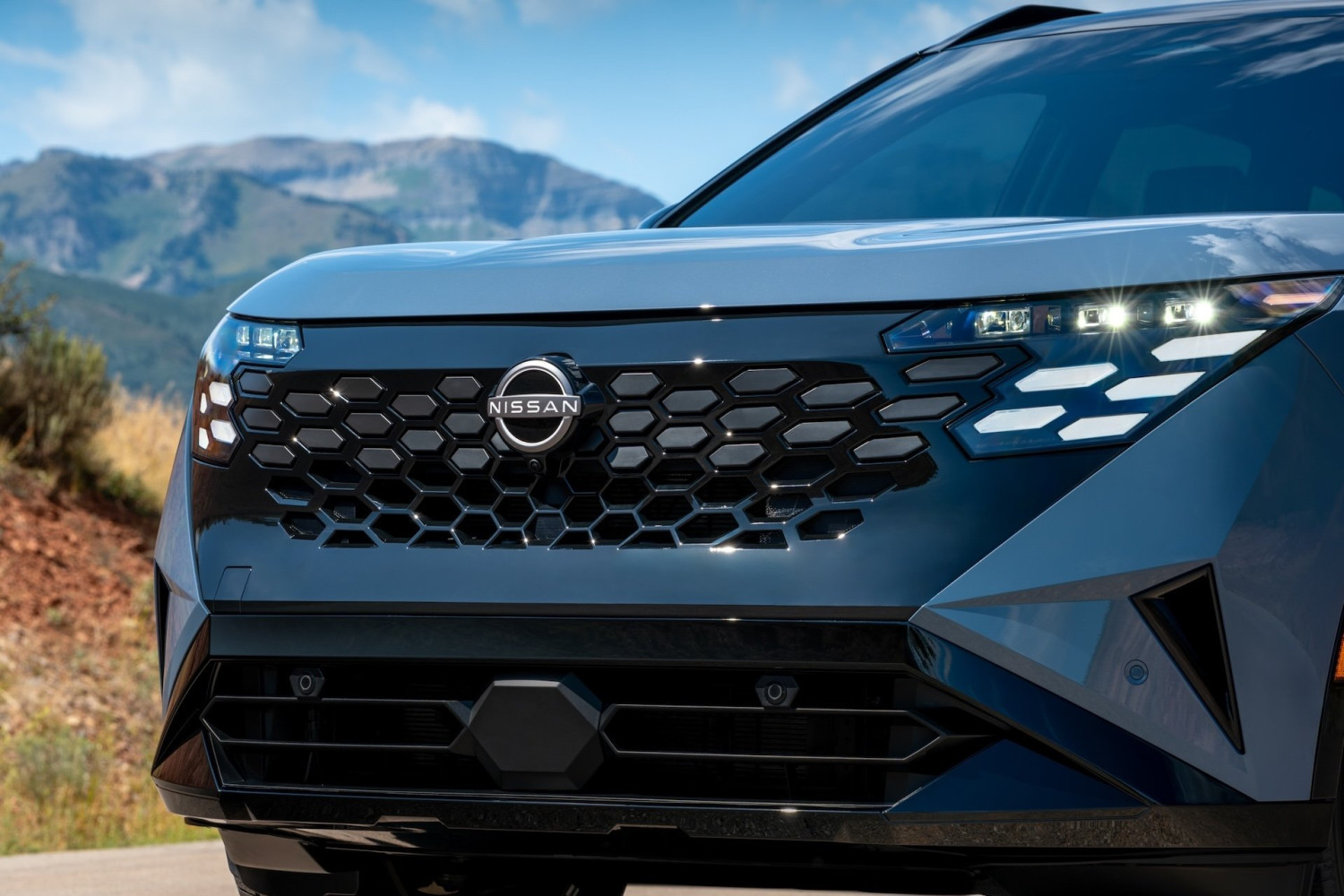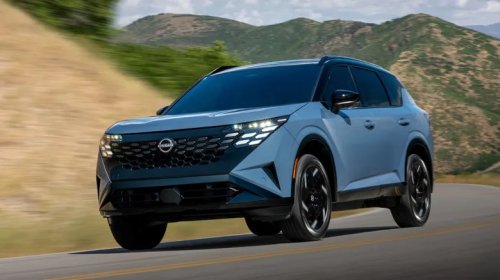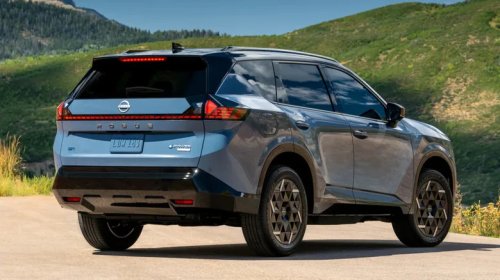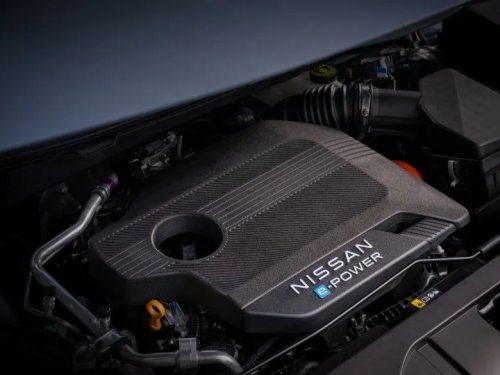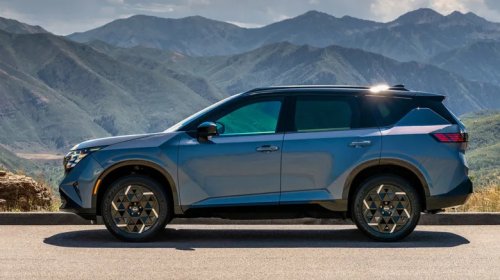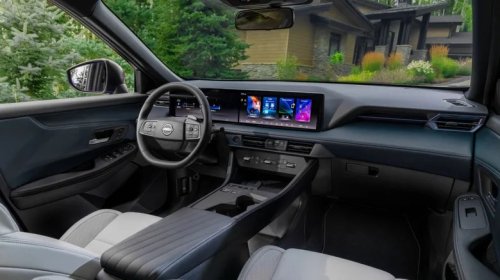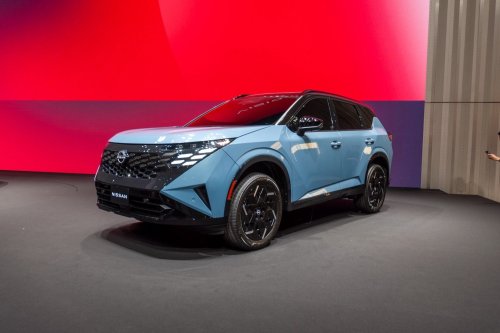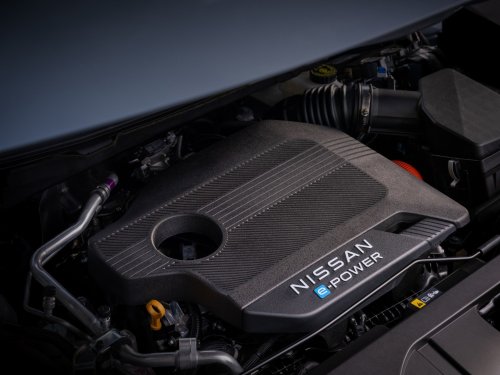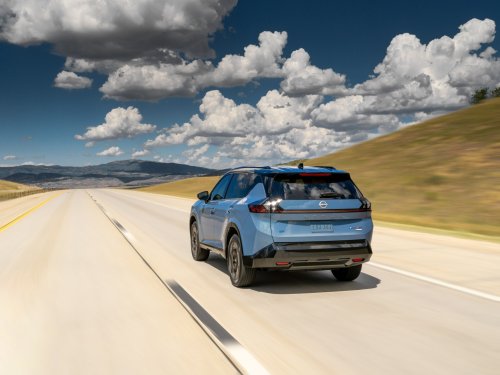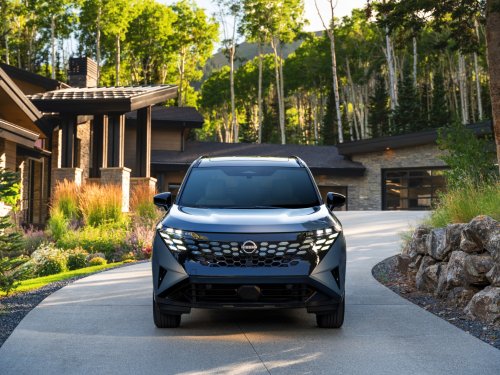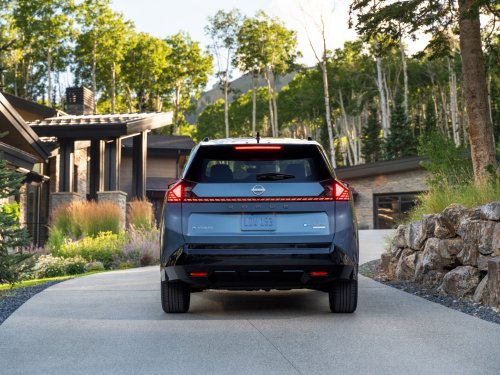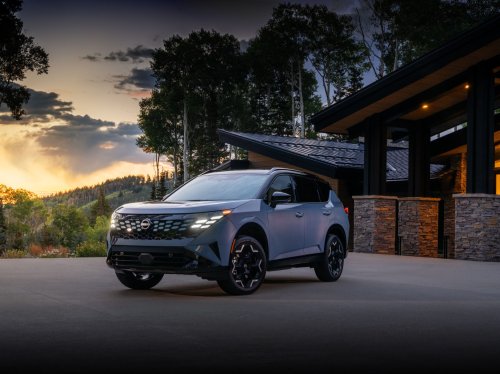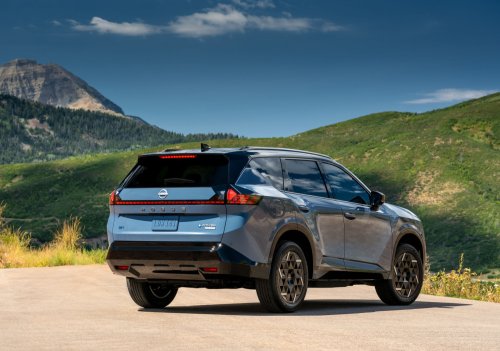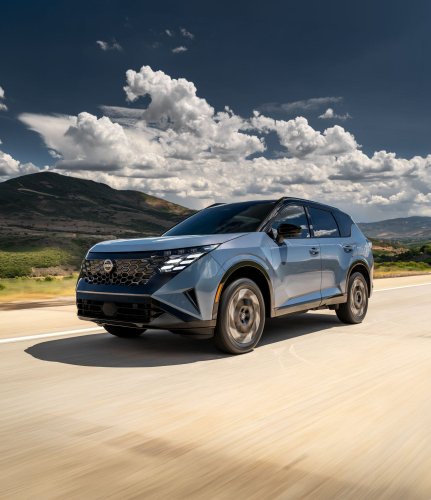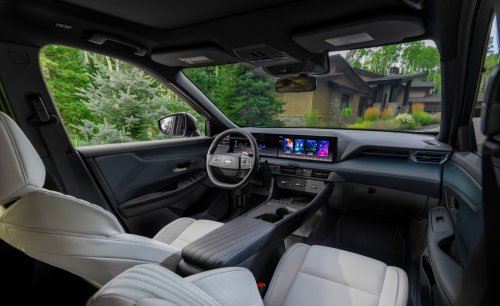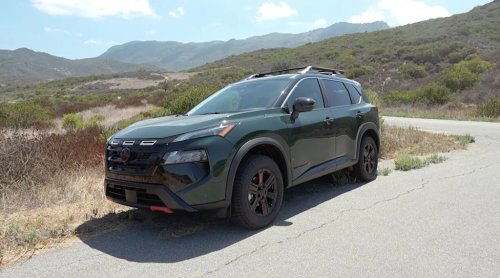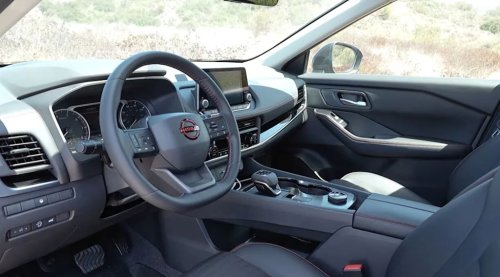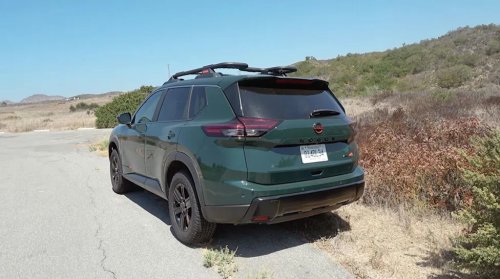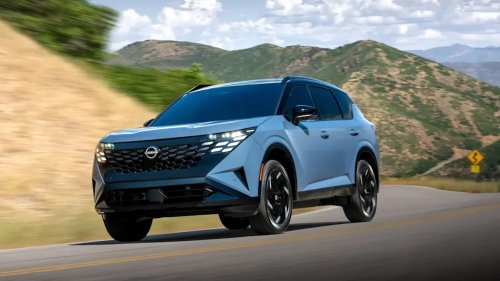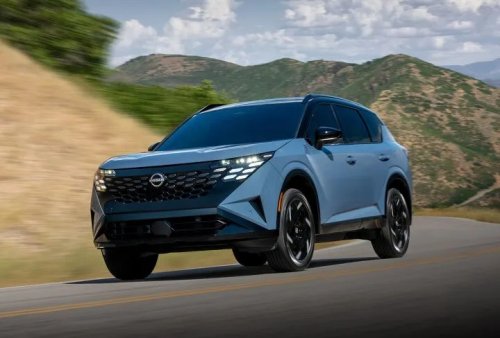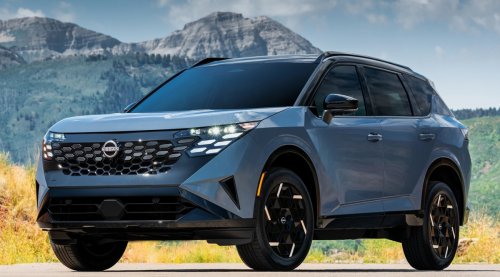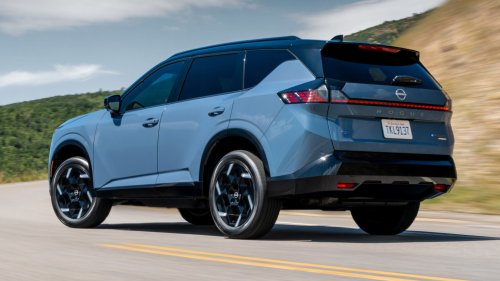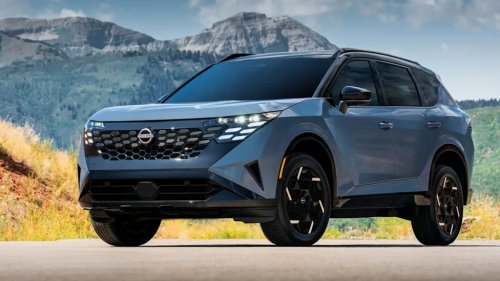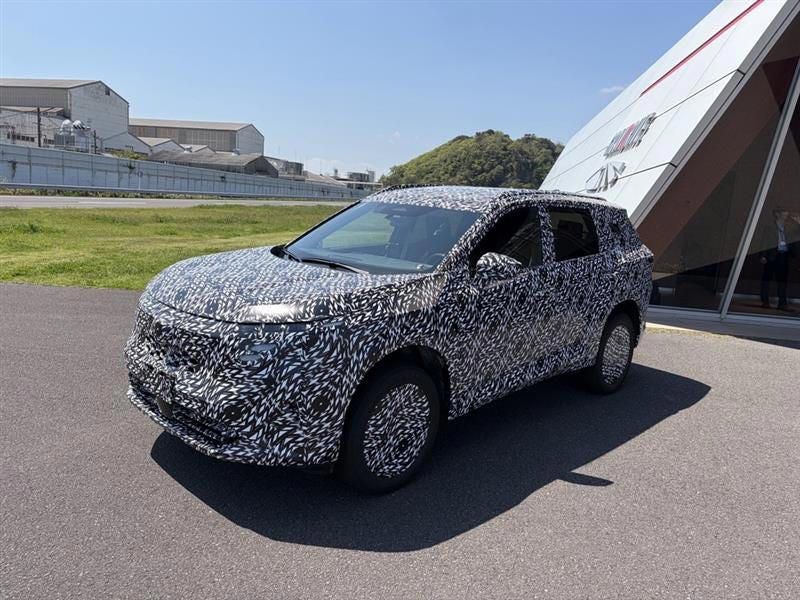
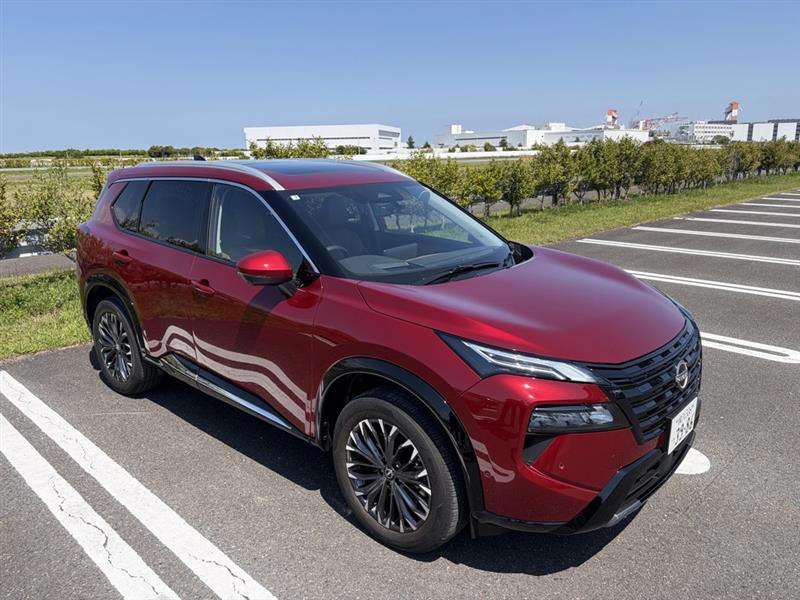



















Nissan is launching a new series hybrid engine in the Rogue. A series hybrid means the ICE component doesn’t power the wheels but just makes electricity..The result is a much smoother, much quieter drivetrain.More info to come later this year when the Rogue e-POWER launches.It’s so quiet. Doing laps in the coming Nissan Rogue e-POWER around Nissan’s Grandrive road-course test track in Yokosuka, Japan, I tried to catch the point at which the internal combustion engine kicked in. I couldn’t hear nor feel the transition. Series hybrids are like that. While the internal combustion component of a typical parallel hybrid is often just as loud as a non-hybrid, the ICE engine in a series hybrid operates in a much smaller rev range. Since all the e-POWER’s ICE engine has to do is spin a generator to produce electricity, it’s not beholden to the high- and low-rpm needs of a gearbox and drivetrains. Some buses and trains have series hybrid powertrains and they, too, are a lot quieter.Rather than just say it’s a hybrid, Nissan calls its series hybrid “e-POWER,” the idea being to differentiate the new system in the minds of potential buyers. It’s been available in other markets since 2016. Almost 2 million of them power 14 models around the world: Qashqais, Notes, Sylphys, Kicks, X-trails, and Serenas in 68 countries. So it should be reliable. 2027 Nissan Rogue e-POWERIt’s efficient, too, with an estimated 20 percent improvement compared to the Rogue with just the internal combustion engine. Like the Leaf EV, it offers Nissan’s One-Pedal driving, which means you might never have to step on the brakes if you can anticipate the next stop sign. Nissan says you can reduce brake pedal operation by 90 percent. Its 1.5-liter three-cylinder internal-combustion engine with variable compression offers improved thermal compression, Nissan says. This one will get a different block, head, and stroke from the 1.5-liter three-cylinder in the current Rogue, which makes a powerful 201 hp and 225 lb-ft.All e-POWER Rogues will have two electric motors: a larger motor on the rear axle and a smaller one in front. They’re managed by an integrated control unit that handles torque distribution and slip, as well as the brakes. By prioritizing torque to the rear wheels, Nissan says you increase capability and capacity of vehicle motion control for “rewarding handling experience on corner.” In both my drives around the Grandrive test circuit I had a Japanese engineer riding shotgun, so I didn't exactly feel comfortable getting it to understeer and/or oversteer. Thus, we’ll just take Nissan’s word for the improved handling for now. But it felt good enough, certainly.Nissan X-trail is the same as the Rogue. Note the Sumitomo crane in the background.In adverse conditions such as snow, ice, and mud, none of which I experienced on the sunny day I drove the Rogues, that chassis control combined with brake-by-wire means “powerful, easy acceleration and confident deceleration and steering in slippery conditions.” Again, there’s no reason it shouldn’t feel that way. The brake-by-wire also allows “smooth stop,” wherein “anyone can achieve chauffeur-style smooth vehicle stops like a professional driver.” (To emphasize this, Nissan included a photo of a driver in a chauffeur’s hat, so you know it has to be true.) I tried a couple stops to see how it worked but couldn’t figure out what they were talking about. In theory, it evens out brake pedal pressure as you approach zero mph with a separate electric motor operating the brake pressure, but I’d need a few more tries to achieve that. The big news here is that e-POWER may be the smoothest, quietest non-EV I’ve ever driven. And it was in a relatively low-priced crossover utility vehicle, too. More on this, including price and exact availability dates, as we get closer to launch later this year. Autoweek SOC EV Newsletter sign up