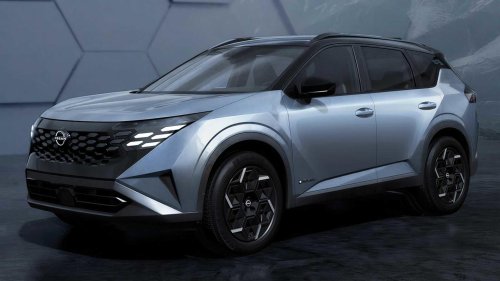
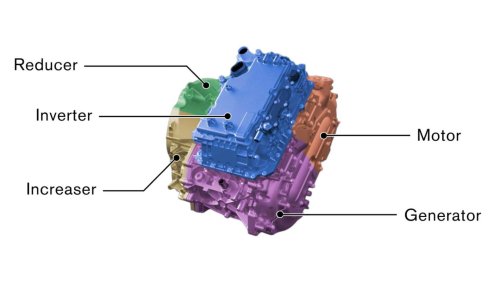
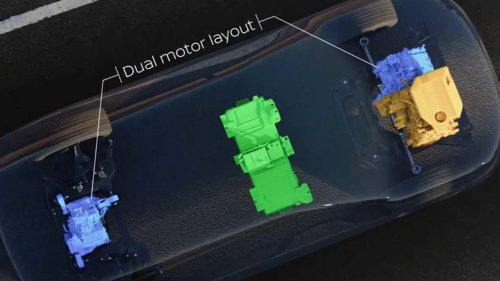
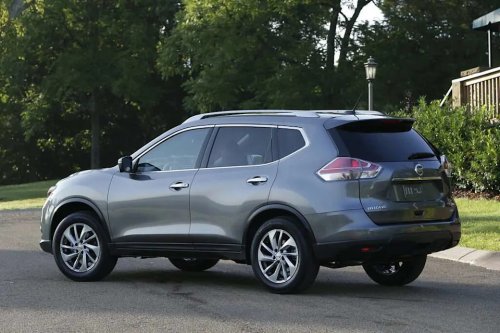
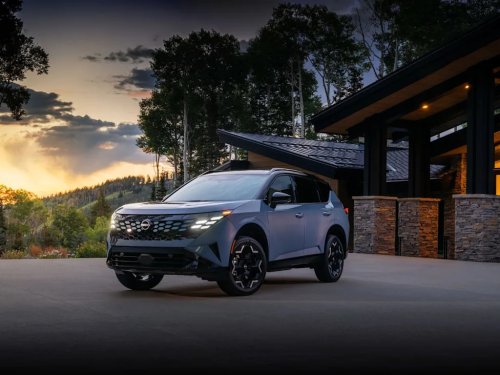
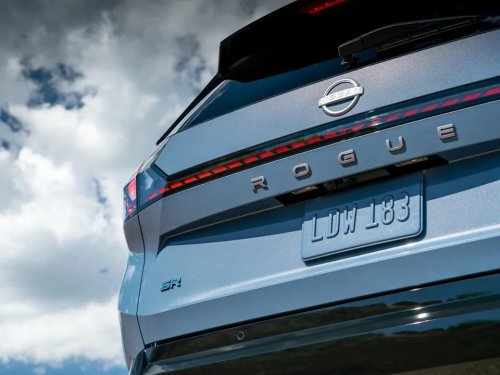
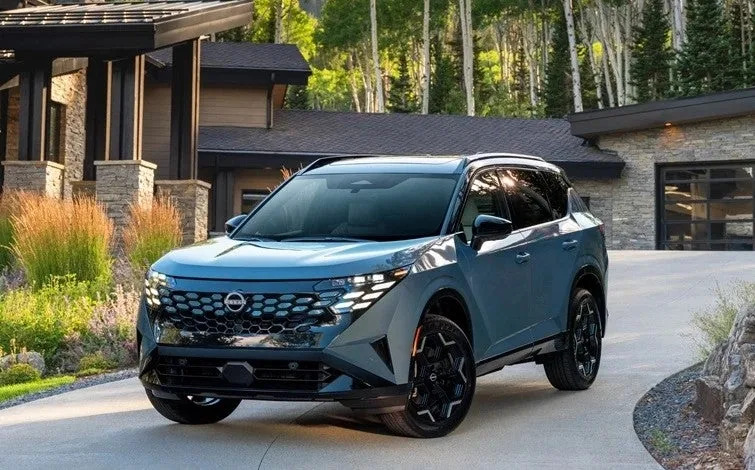
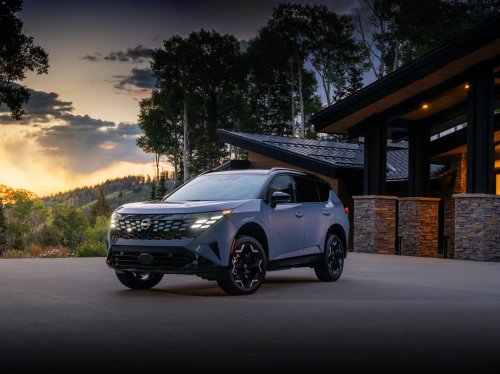
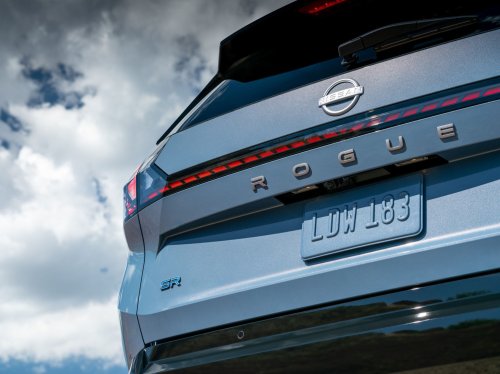
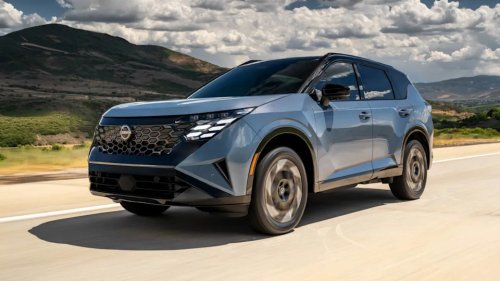
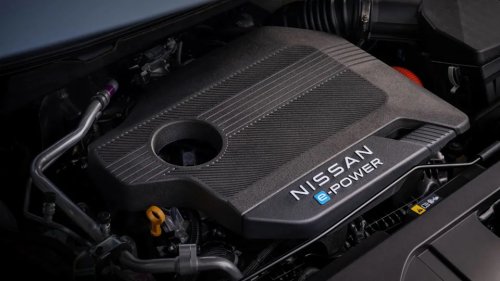
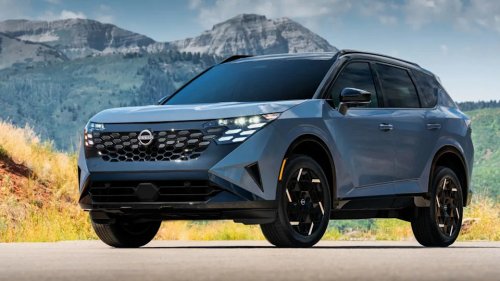
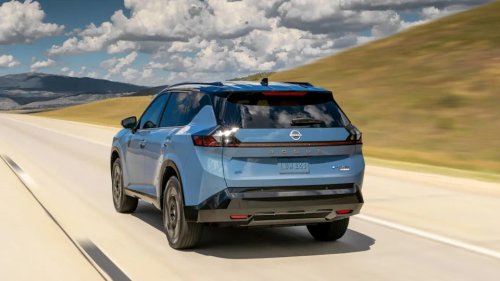
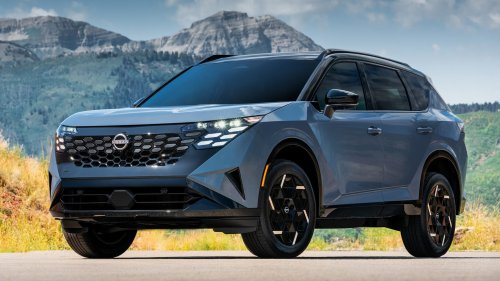
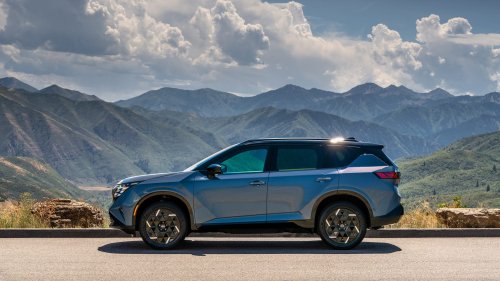
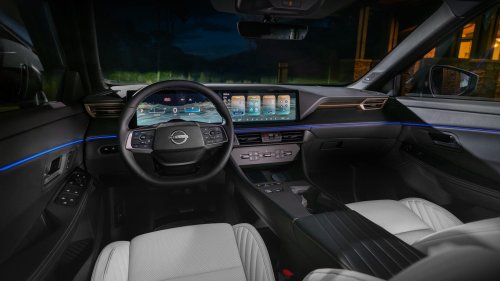
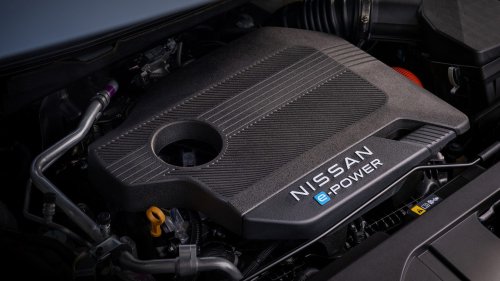
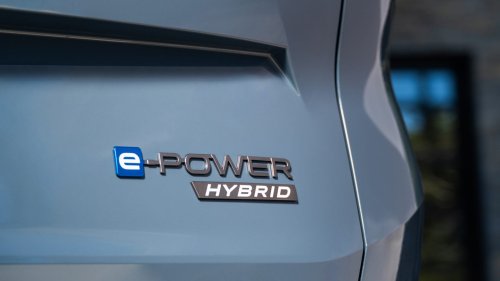
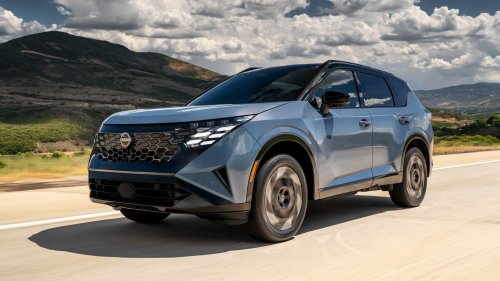
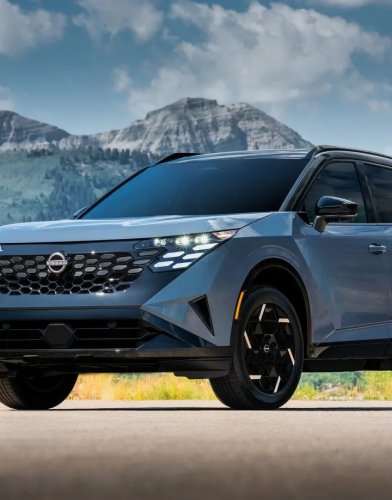
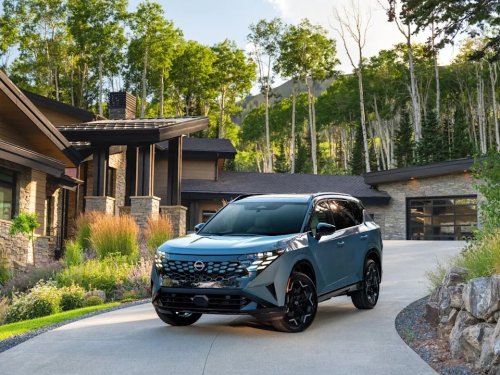
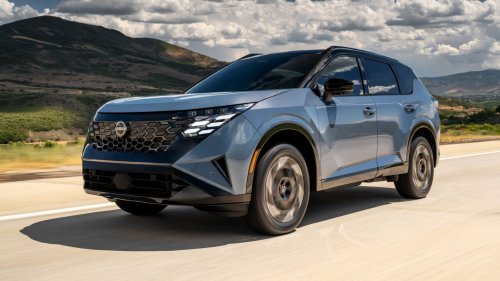
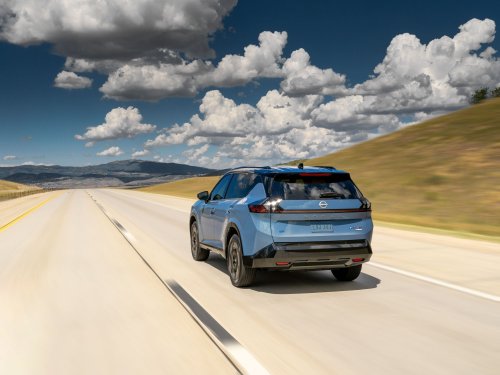
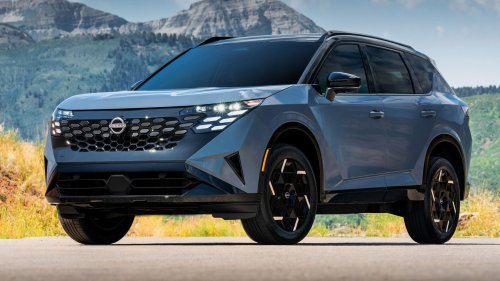
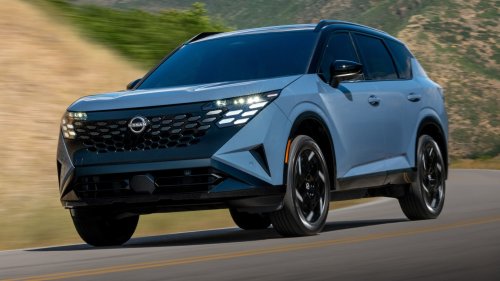
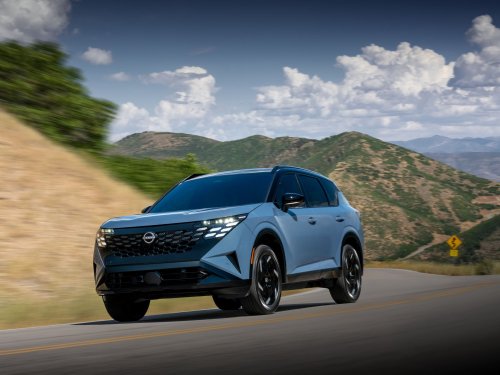
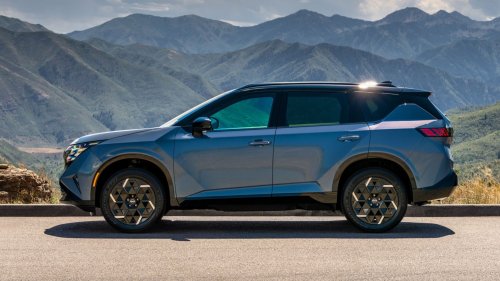
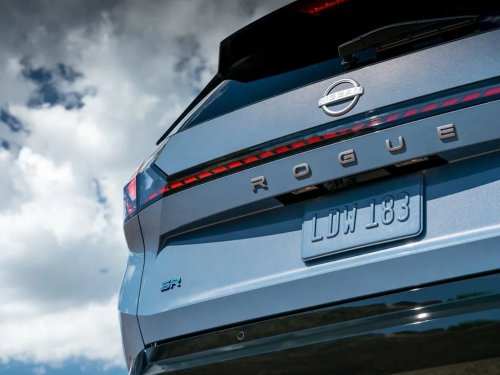
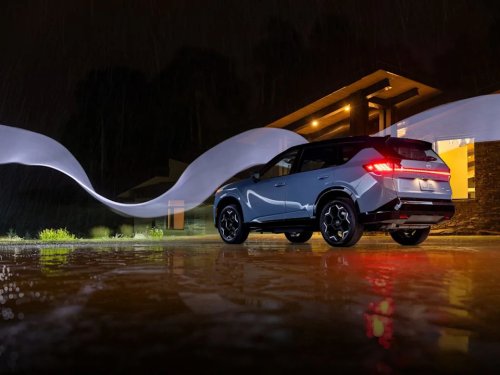
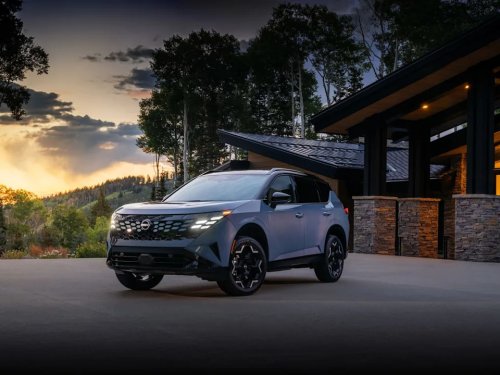
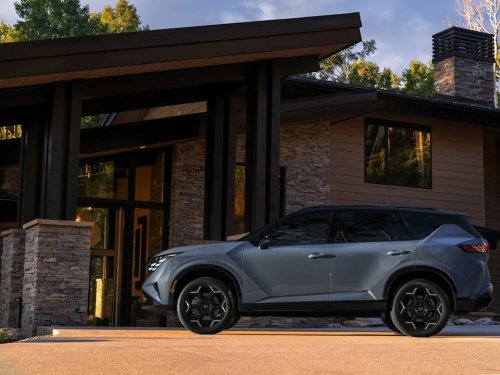
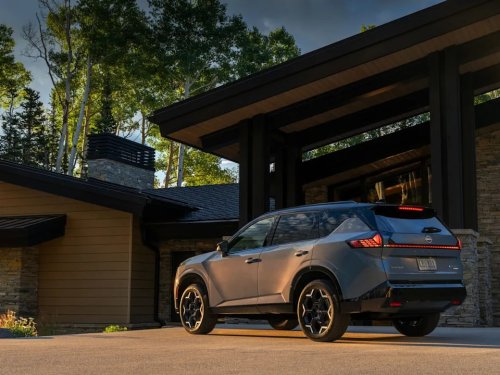
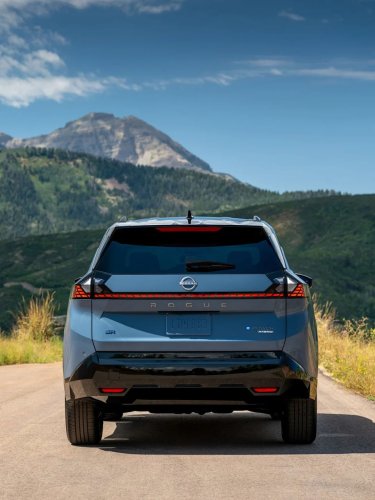
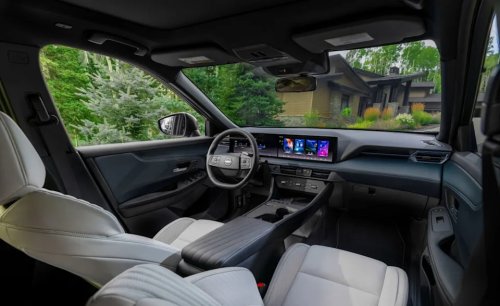
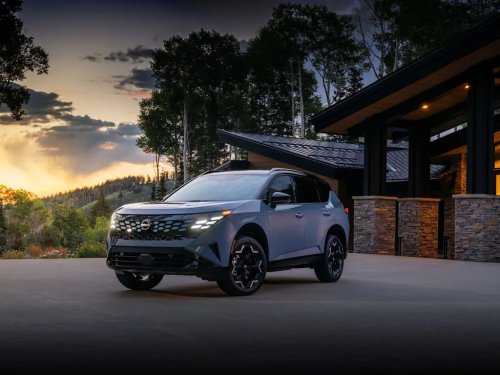
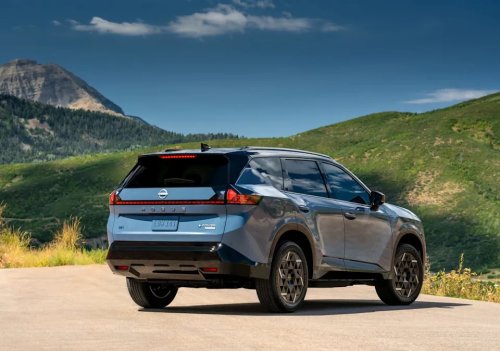
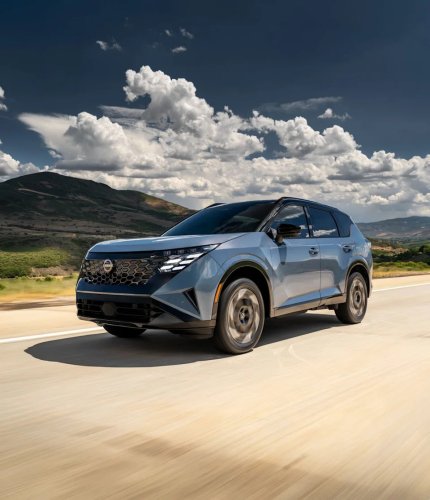
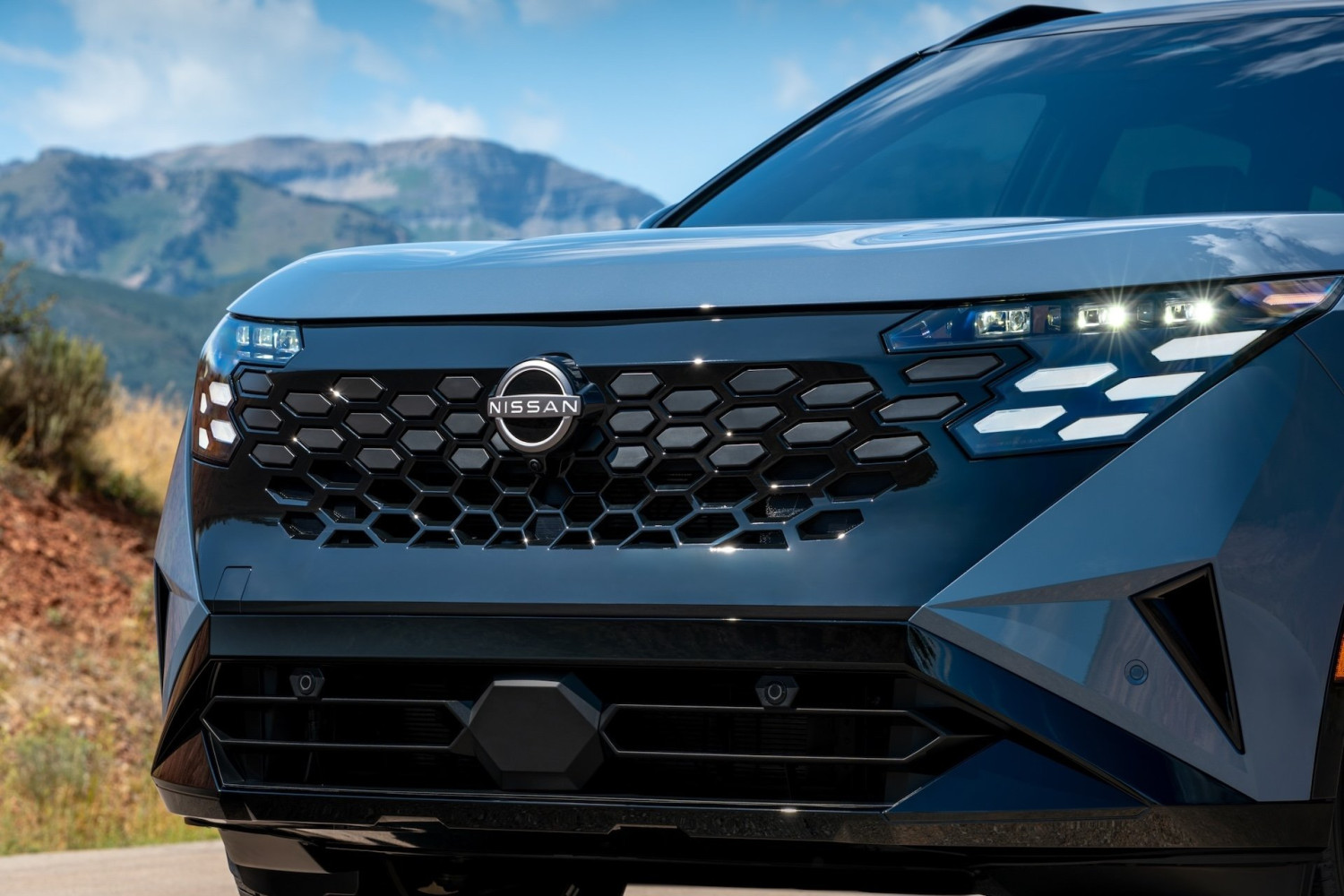
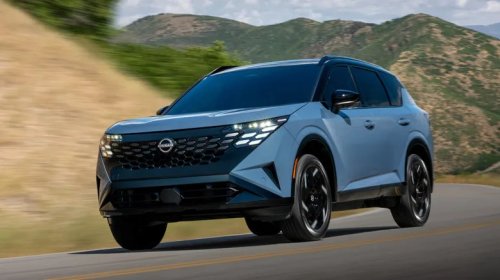
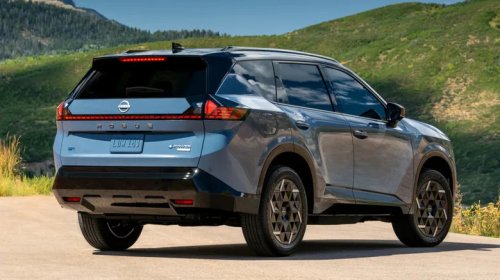
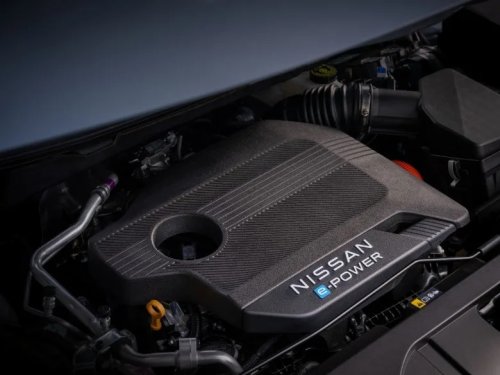
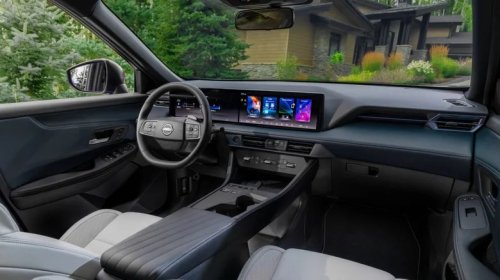
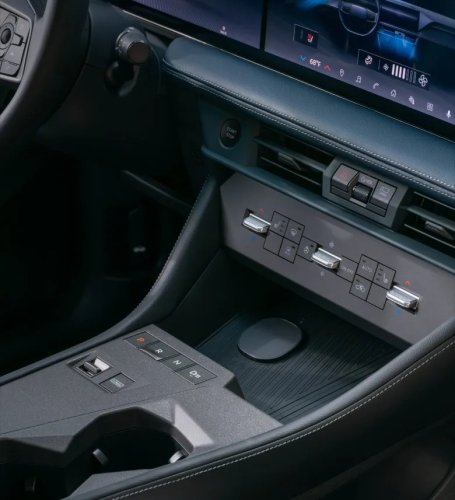
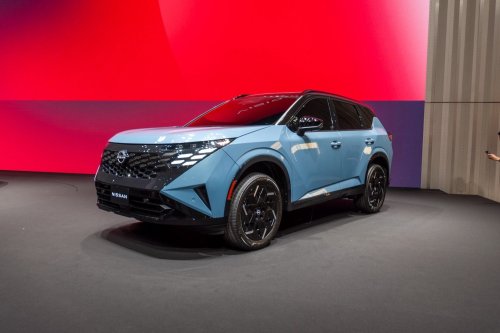
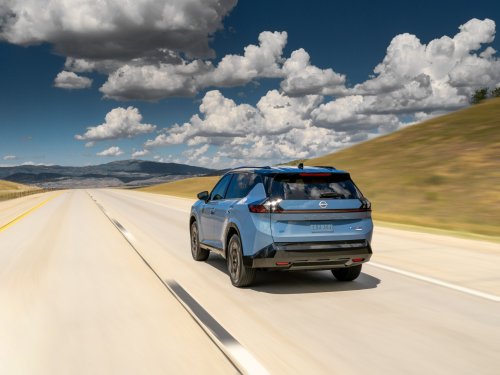
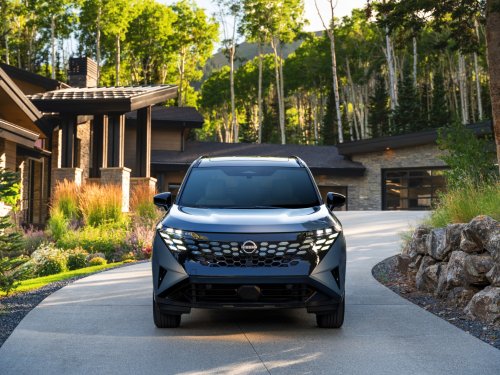
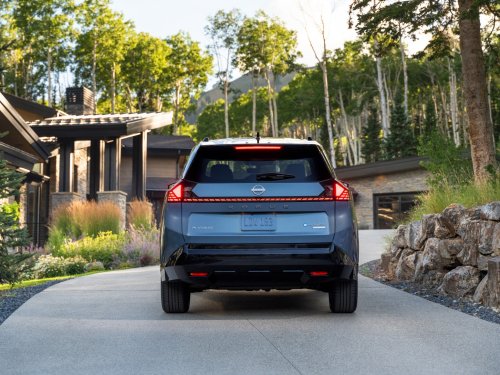
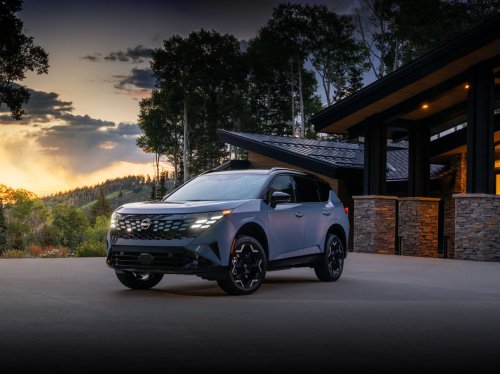
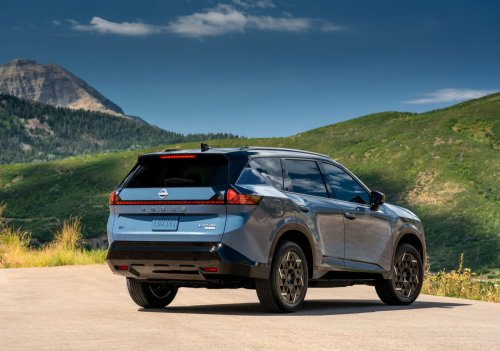
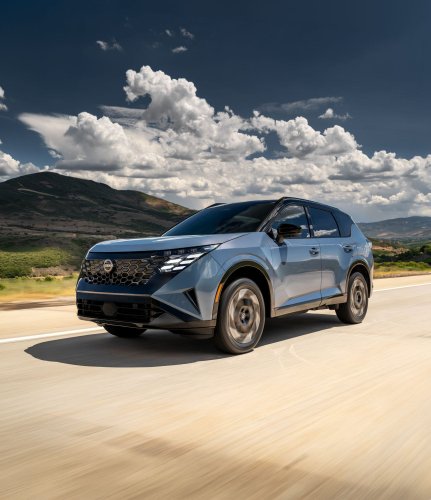
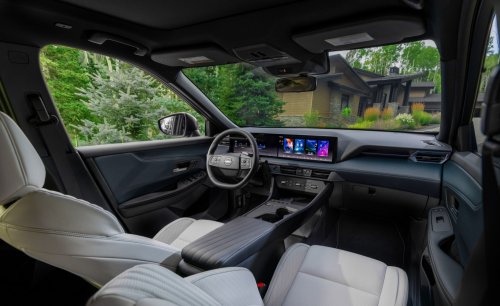
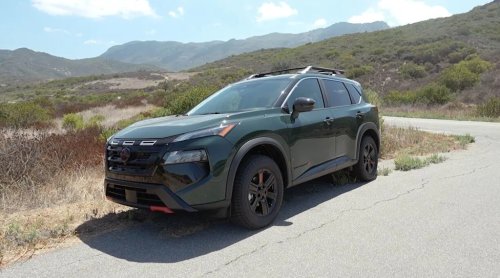
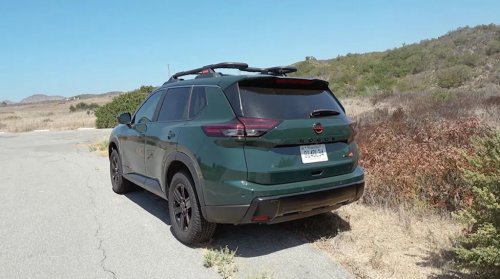
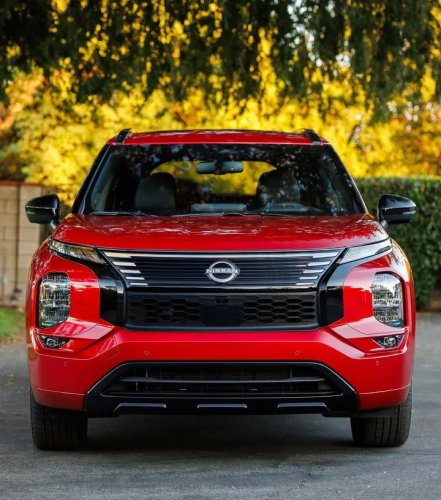
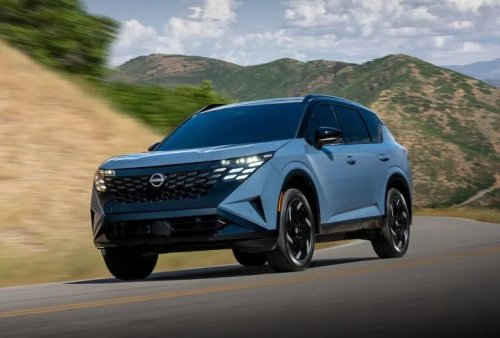
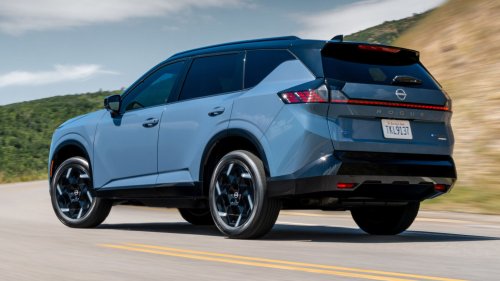
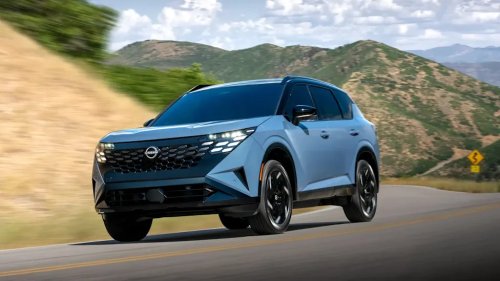
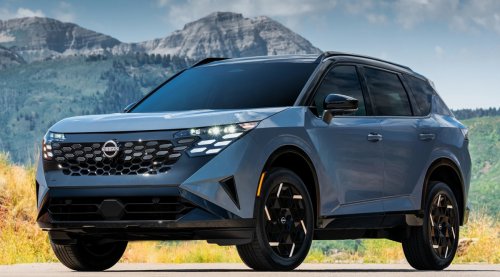
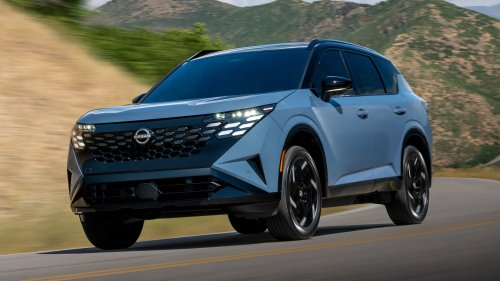
It would have made sense for the sake of simplicity if Nissan chose one powertrain for its sophisticated new hybrid system appearing in its all-new fourth-generation compact crossover. The 2026 Nissan X-Trail now on sale in Europe offers the ePower serial hybrid configuration, as will its platform mate, the redesigned 2027 Nissan Rogue, when it arrives in the US later this year.But there are significant differences between the two Nissan powertrains. For instance, the X-Trail hybrid in Europe uses an automatic transmission and the second-generation ePower setup, while the 2027 Rogue in the US has no transmission at all. And it will be the first to use the third-generation ePower technology.Nissan The biggest difference between the two powertrains is found under the hood. Yes, the new Rogue and X-Trail use 1.5-liter three-cylinder turbocharged engines, but that's where the similarities end. CarBuzz learned all about the new Rogue's powertrain in an exclusive interview with Christian Spencer, senior manager of R&D for Nissan North America.Spencer told CarBuzz the 1.5-liter engine in the European X-Trail is Nissan's familiar VC-Turbo with variable compression, but the 2027 Rogue Hybrid ePower in the US uses an all-new DOHC 1.5-liter engine with four valves per cylinder and a conventional crankshaft, meaning a compression ratio fixed at 13.0:1. Perhaps nagging reliability issues with VC-Turbo engines in the US convinced the product team to try something different. US Rogue Intros 3rd-Gen ePower Tech Nissan Nissan isn't quite ready to spill all the details of this new 1.5-liter engine (such as horsepower and torque), but Spencer said it has a newly designed intake, exhaust, aluminum block and head, a longer stroke, and a different turbocharger. None of this content is shared with the 1.5-liter VC-Turbo in the X-Trail, and as such, the current 2026 Rogue sitting in dealerships now."If you look to the cutaway of these two engines side by side, you wouldn't notice any similarities whatsoever."–Christian Spencer, Nissan NA senior manager of R&DThe 2027 Rogue for the US introduces the third-generation ePower serial hybrid system with a new "5-in-1" packaging of the motor, generator, reducer, inverter, and increaser, all in one module, for higher output and to mitigate energy loss. But in both cases, the 1.5-liter engines for X-Trail and Rogue work as dedicated generators that merely power the battery to then spin the electric motors that turn the wheels (with no transmission in the case of the 2027 Rogue).Spencer said the new Rogue's engine doesn't need to deliver power over a wide range. "It operates on a narrow rev range, and for the sole purpose of being ultra efficient, it's a 42% thermal-efficient engine."Nissan Any engine cracking the 40% threshold in thermal efficiency is noteworthy, and one of the Rogue's key rivals in the US will be the all-new 2026 Toyota RAV4 Hybrid, which features a 2.5-liter four-cylinder engine with an estimated thermal efficiency of about 41%. How hard do you think the Nissan team worked to hit the 42% target? Bonuses all around!The point is, Nissan really wants to exceed the fuel economy of the RAV4 Hybrid, which is EPA rated at 42 mpg in combined driving, with all-wheel drive. AWD will be standard on the Rogue Hybrid (with a motor for each axle), but the RAV4 can be had with front-wheel drive only. We'll find out closer to launch later this year how the new Rogue Hybrid stacks up to the RAV4 in fuel economy and pricing. Without A Plug, It's No EREV Nissan Nissan's new series hybrid configuration represents a fundamental difference between the new Rogue and other hybrid crossovers because Nissan's 1.5-liter combustion engine never directly turns the wheels. While other brands (including Toyota and Honda) use a parallel hybrid layout that allows the engine or the electric motors to turn the wheels, Nissan only uses the engine to charge a high-voltage battery that will not be any larger than 2.1 kWh, Spencer said."We have no physical connection between the engine and the wheels. It's only motor drive," he said. "So in that configuration, the engine is just acting as a generator. It's just charging the battery. The battery is powering the motor. So we're kind of a benchmark of one right now."While this new Nissan configuration might sound like an extended-range EV or plug-in hybrid, Spencer said it's not, nor will it become one of those because there's no plug. All the energy comes from gasoline burned by the generator, plus regenerated brake energy. That high-voltage battery of 2.1 kWh (or less) is vastly smaller than the type of batteries used in EREVs, or those soon coming to market."Ours is really meant strictly as a hybrid system, but we just chose to go with the (series) configuration because of the performance benefits that we realize," he told CarBuzz.That means the 2027 Rogue e-Power Hybrid will have the performance benefits of an EV, specifically instant-on torque that makes EVs such a treat to drive. But it won't be lugging around a heavy battery, and drivers will simply refuel at a gas station like normal internal-combustion cars.Nissan has used this system for a few years in other markets, but will US buyers go for it? Considering the Rogue is Nissan's best-selling vehicle and one of the most popular SUVs in America, it's safe to say the automaker is betting big on it being a home run.