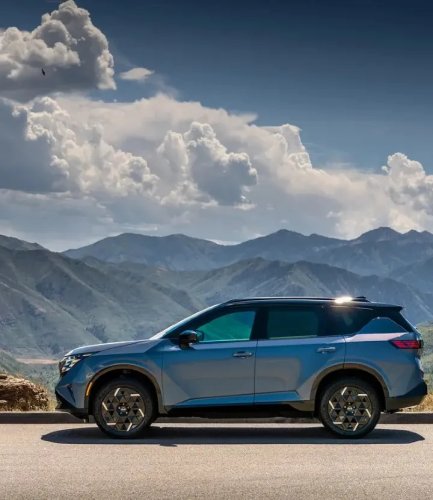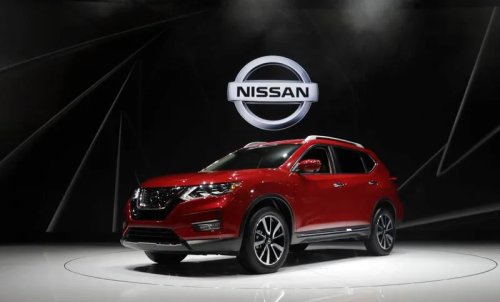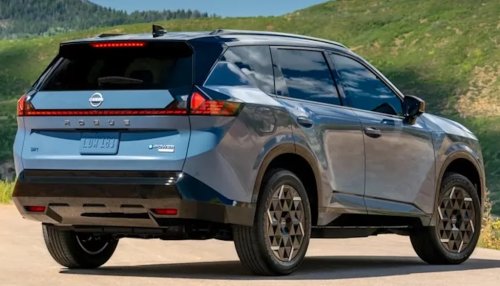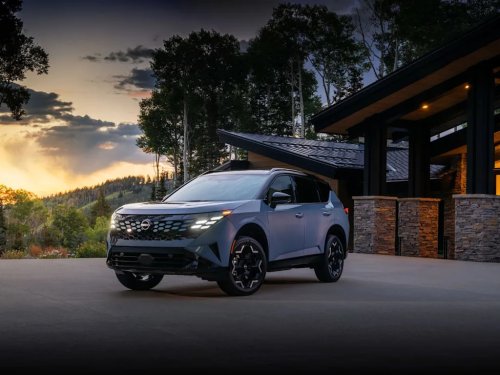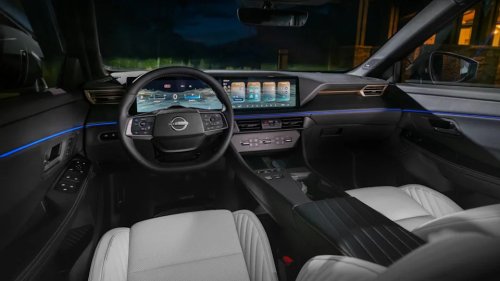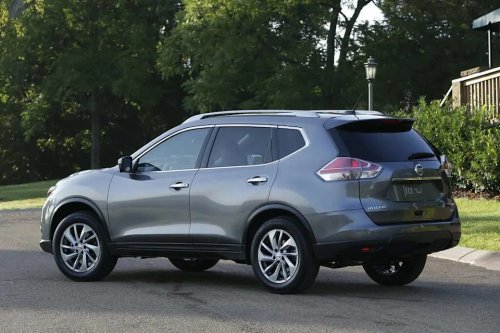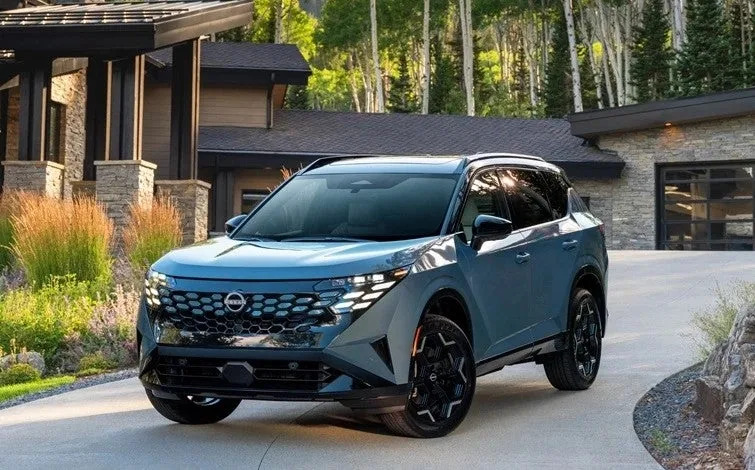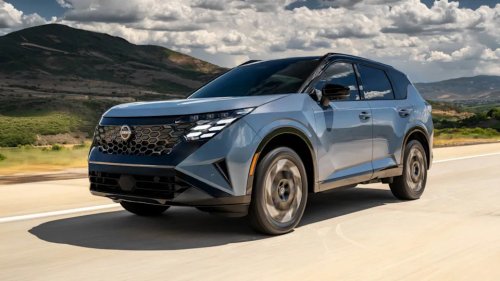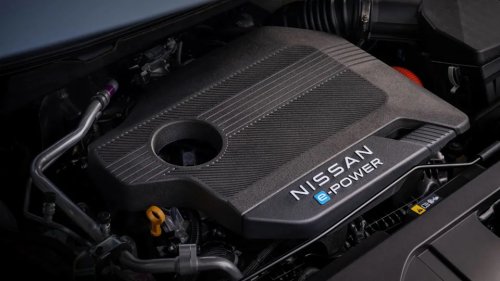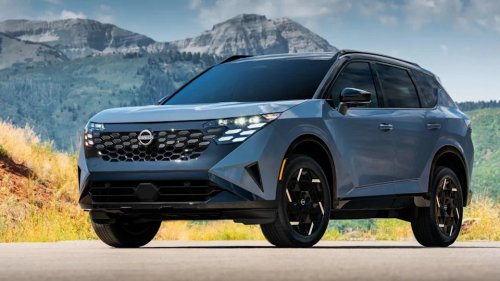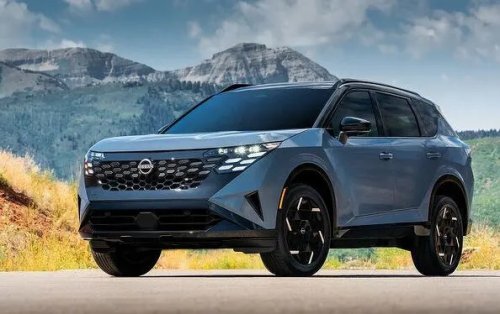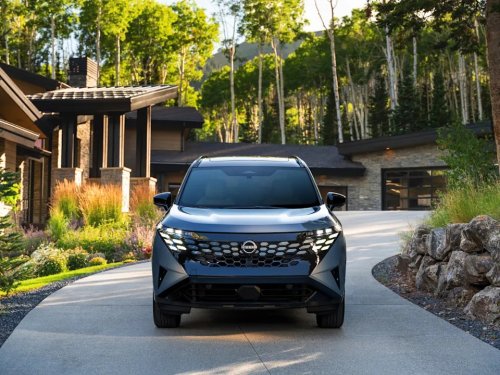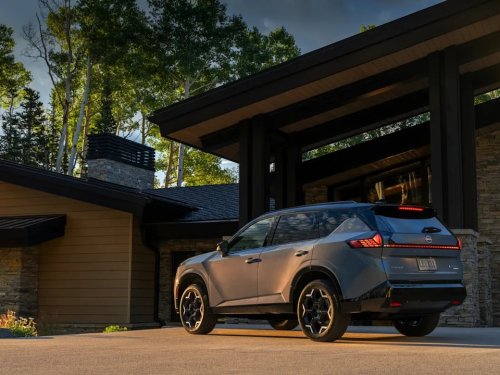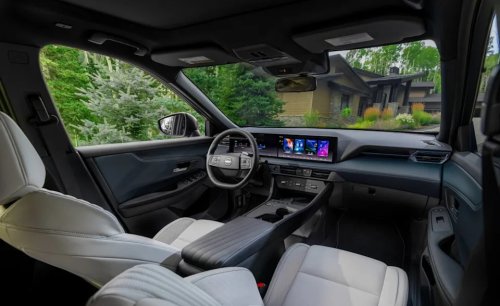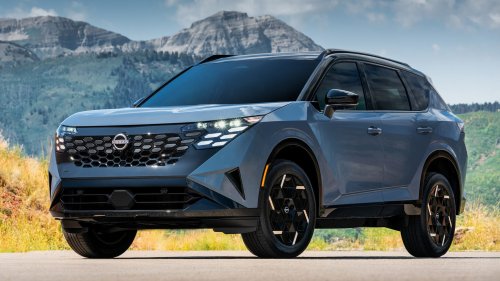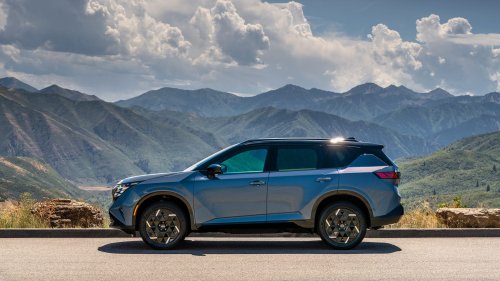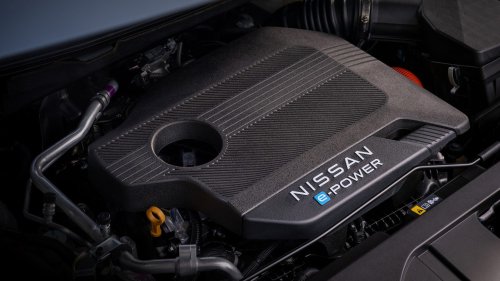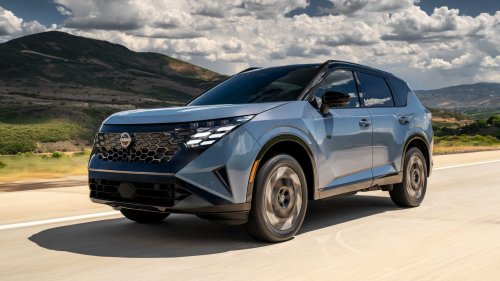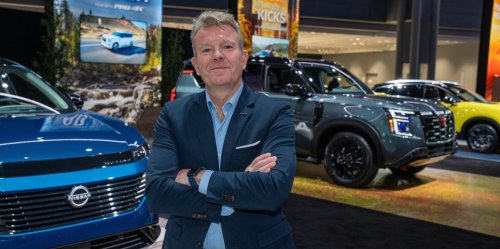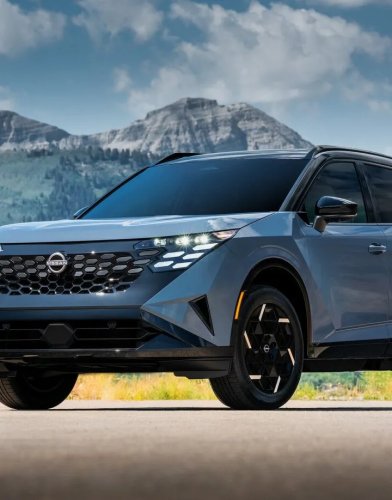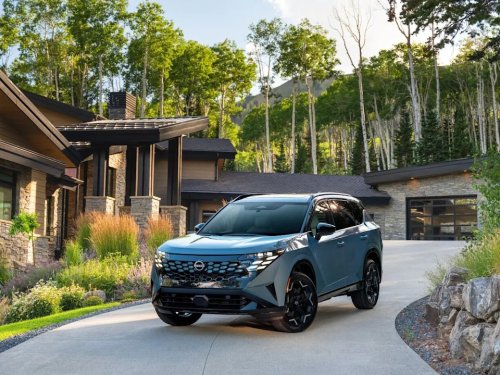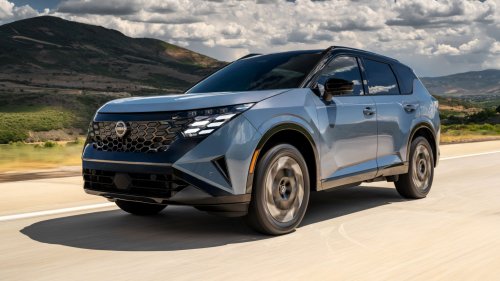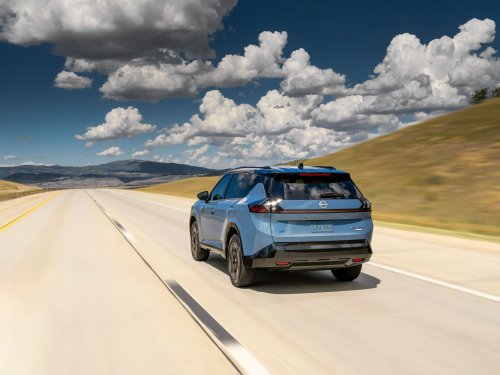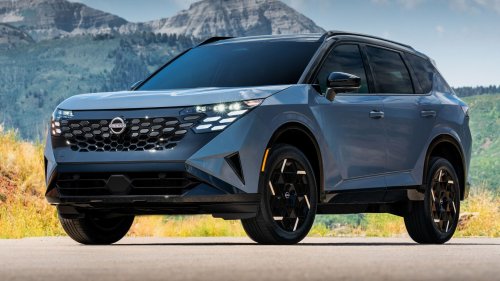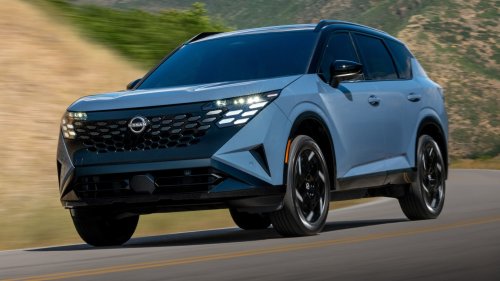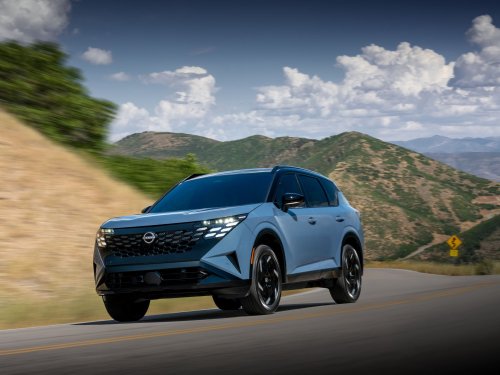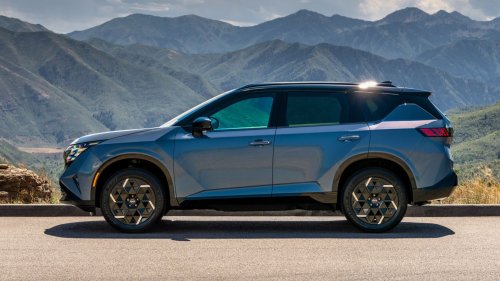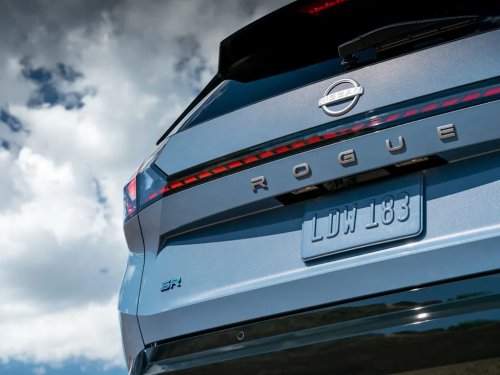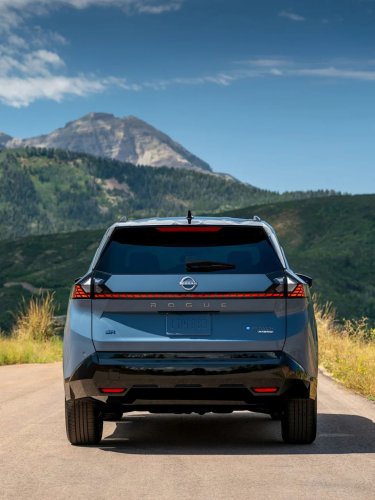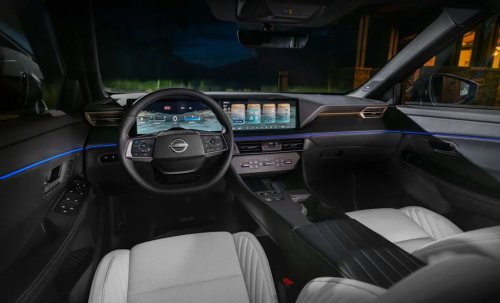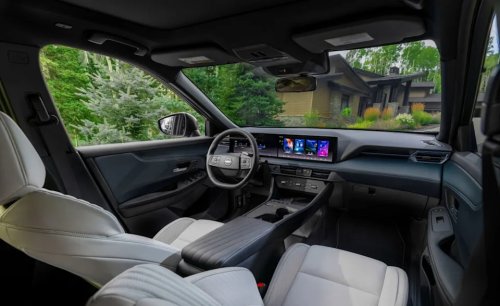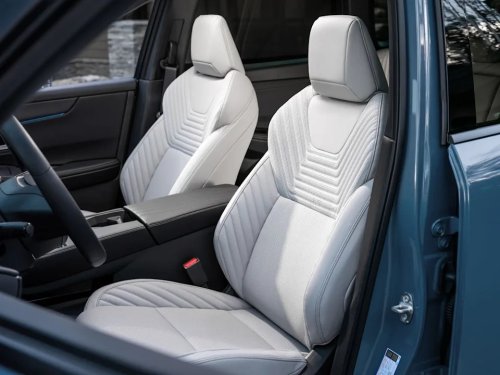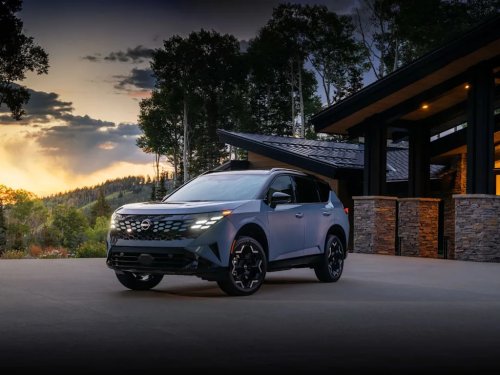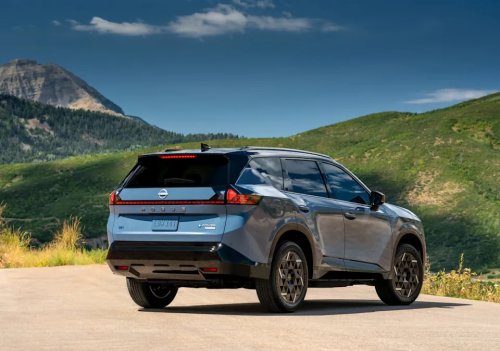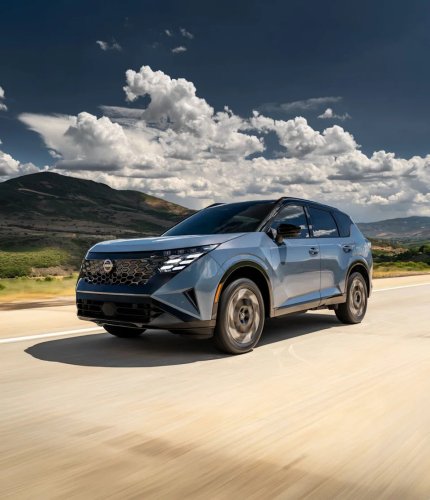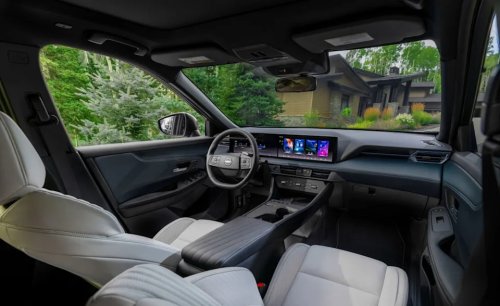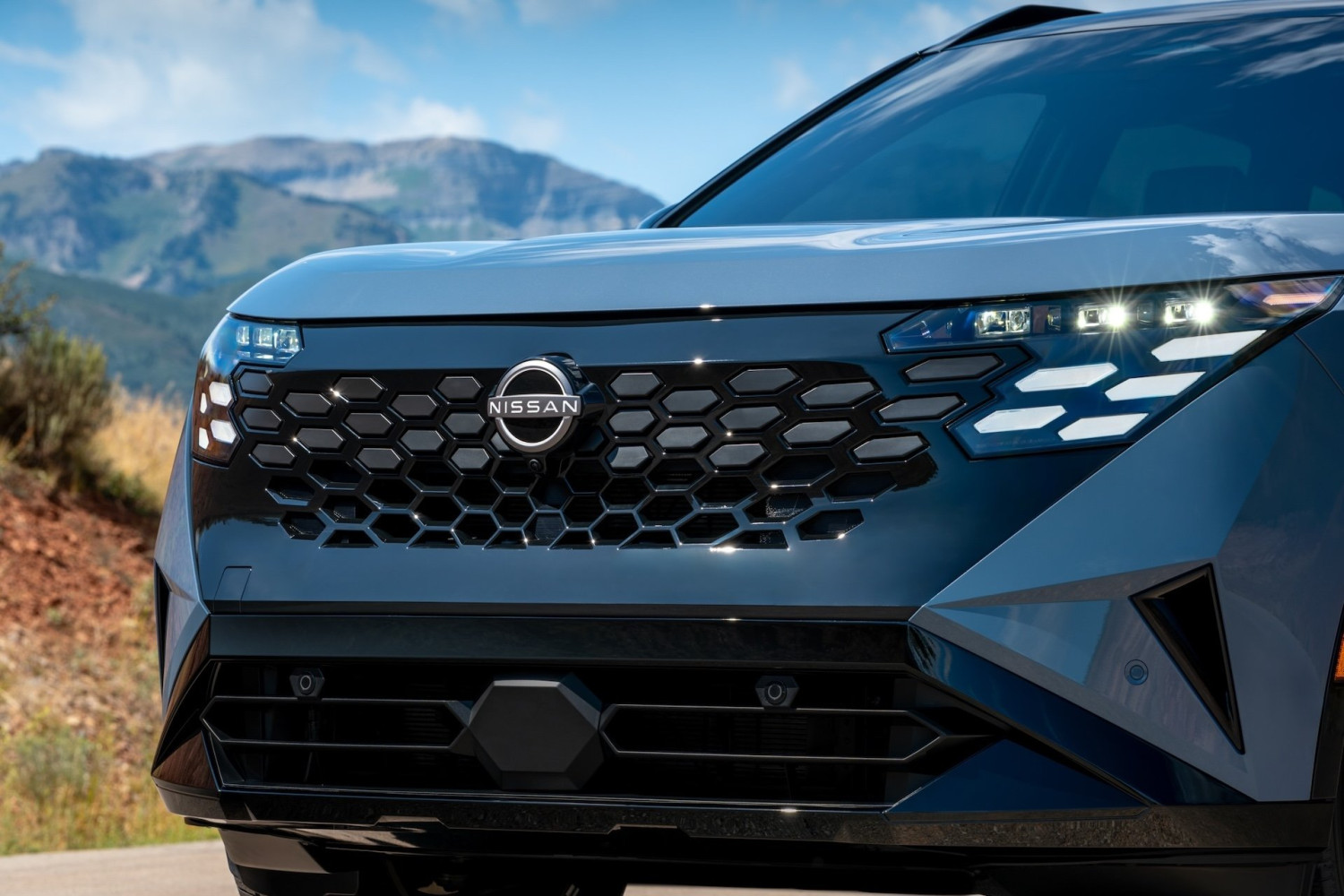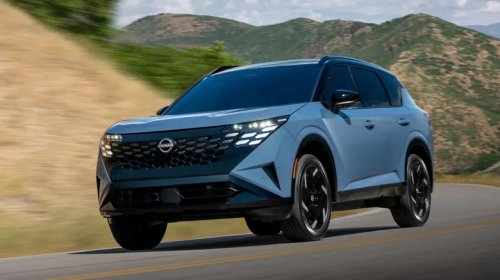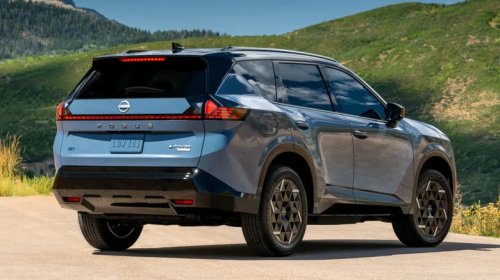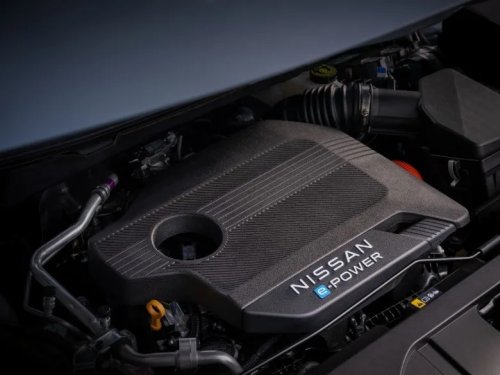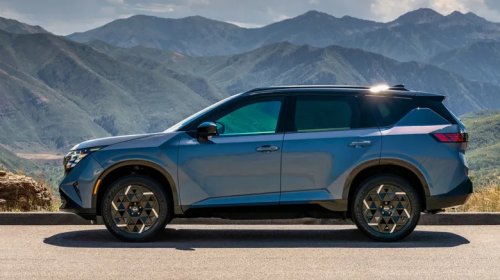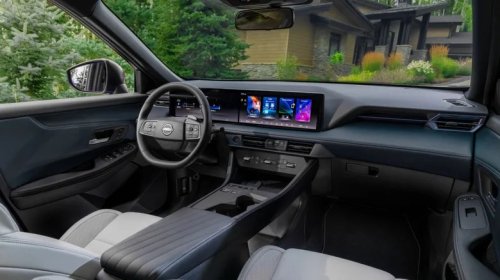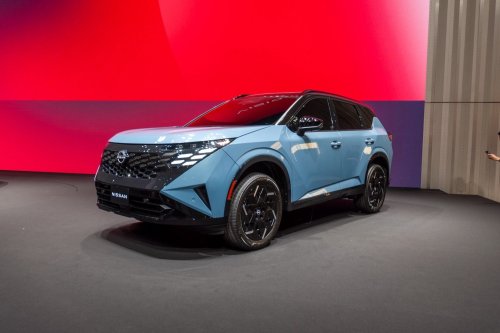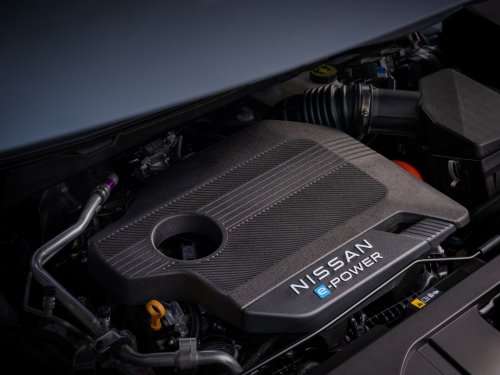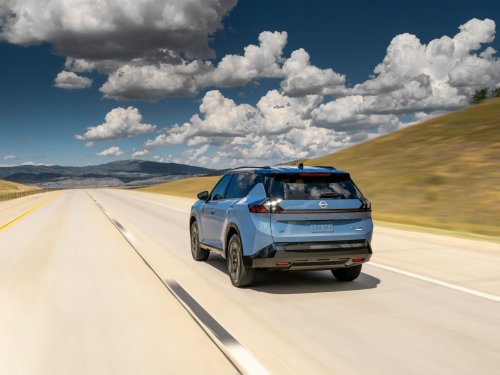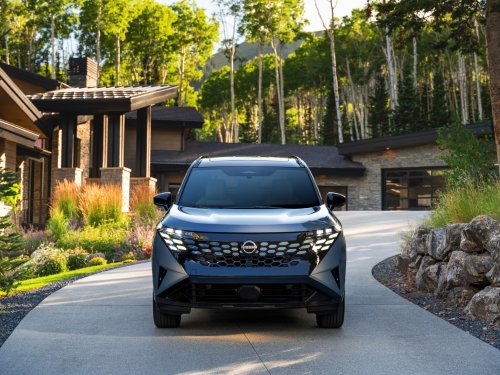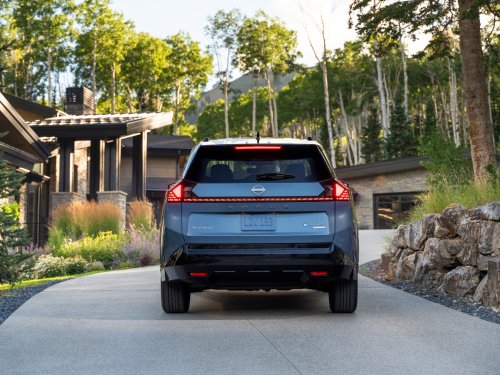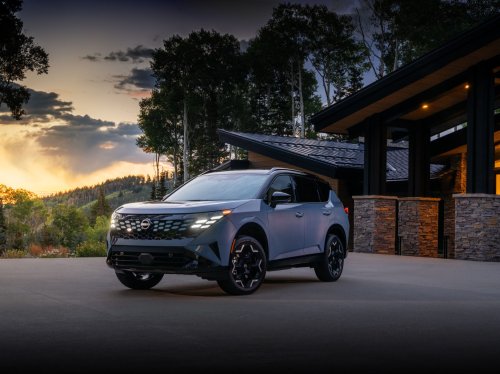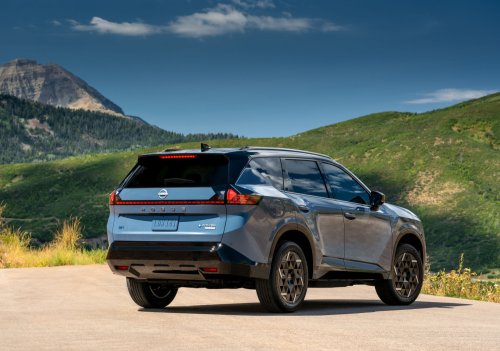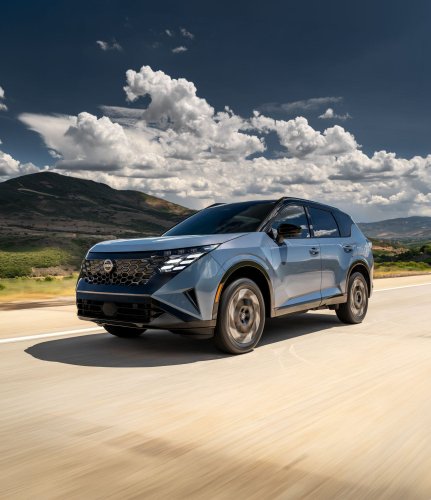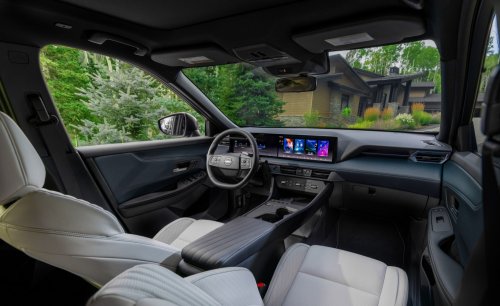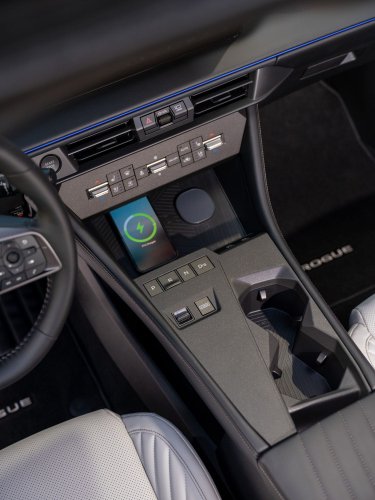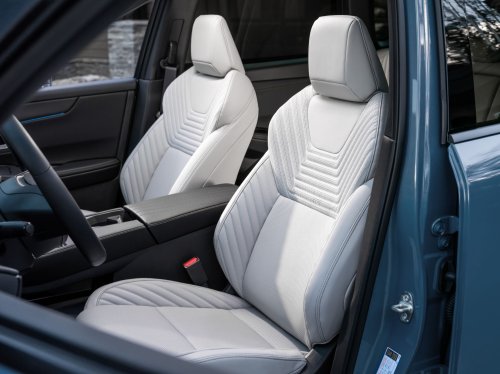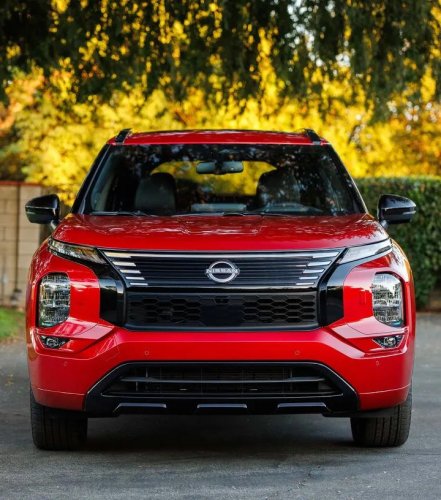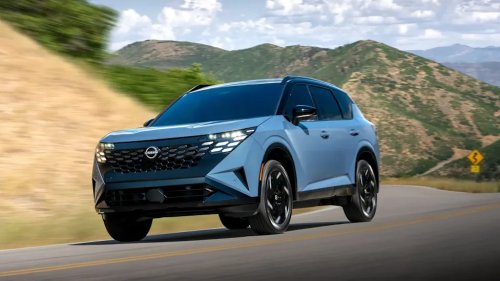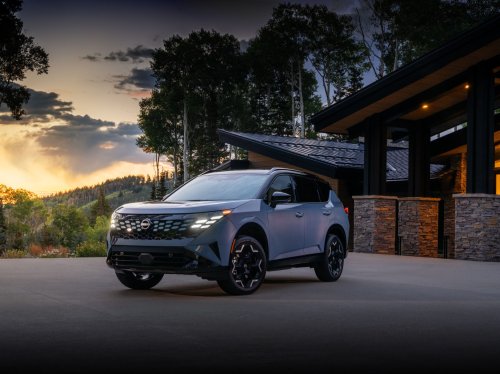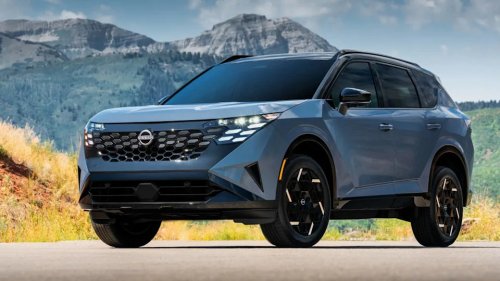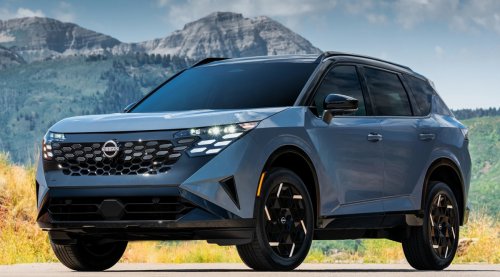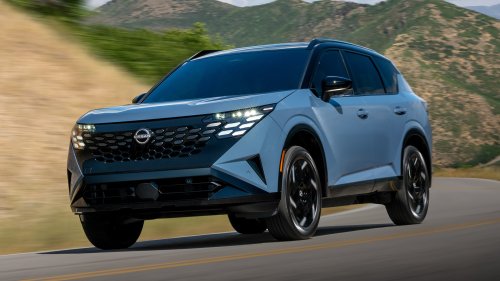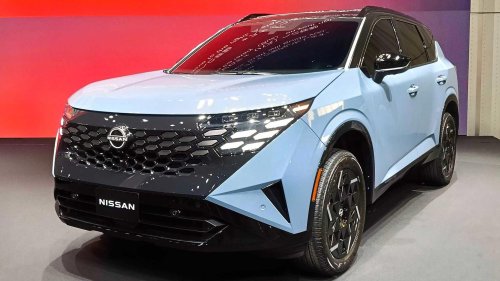
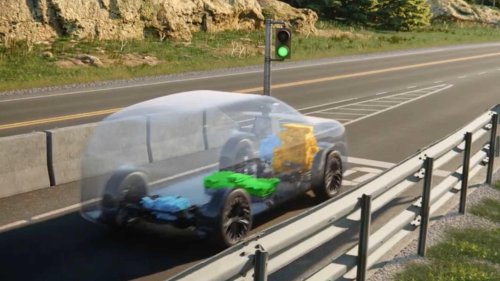
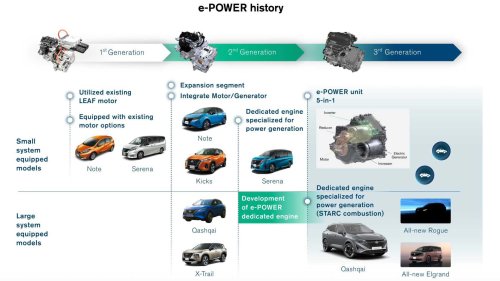
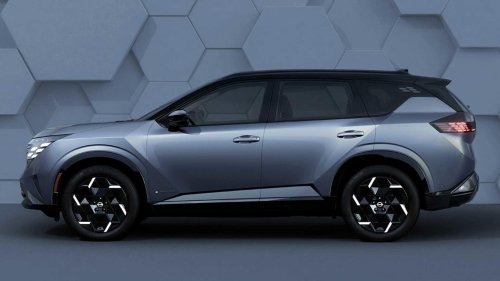



















Platform sharing has not always panned out for automakers. But the strategy makes sense on the financial side, where an architecture can be designed and engineered with enough flexibility to underpin a series of "top hats," or distinct vehicle bodies from the same brand, or related brands.For instance, it's becoming increasingly difficult for the Ford Mustang to be profitable because it resides on a dedicated platform that isn't shared with other vehicles. And the pony car sells in low volume, too.Gerhard Horn / CarBuzz / ValnetBut Nissan, backed by the Renault-Nissan-Mitsubishi Alliance, can spread its platforms across three separate brands, and the Common Module Family (CMF-CD) has underpinned lots of vehicles from all three brands, and even from Mercedes-Benz (T-Class and Citan passenger and commercial vans), via partnership.With this in mind, CarBuzz sat down for an exclusive interview with Christian Spencer, Nissan North America's senior manager of R&D. The 2027 Nissan Rogue Hybrid e-Power goes on sale in the US later this year, riding on an updated version of the CMF-CD platform, and it will be the first Nissan to use the automaker's third-generation e-Power series hybrid technology. But it won't be the last. All About Boosting Fuel Economy NissanSpeaking to CarBuzz, Spencer didn't lay out a product roadmap for future hybrids. But he did say that automakers do not develop new powertrains for just one product."So you could surmise that maybe there would be additional uses in the future, additional uses in other markets as well."–Christian Spencer, Nissan NA's Senior Manager of R&DThere's still a lot of product planning work ahead for these other e-Power hybrids, but the automaker sees this technology as an important play to boost fuel economy globally. Nissan hasn't yet revealed specific fuel-economy ratings for the all-wheel-drive 2027 Rogue Hybrid e-Power, but a purpose-built 1.5-liter turbocharged three-cylinder engine (with a fixed compression ratio) will function only as a generator to power electric motors to turn the front and rear axles. Sort of like the Chevrolet Volt, but without a plug.There's also no prop shaft and no transmission, but there are shared components with the alliance's battery-electric vehicles, which means inherent cost savings, Spencer said.Nissan Next Models To Get 3rd-Gen ePower? While Nissan has not yet specified which other vehicles globally will get the new third-generation e-Power system, there's room for speculation. The chart above from Nissan shows the new "5-in-1" e-Power unit going in the Qashqai (Rogue equivalent) in Europe and the new Elgrand minivan arriving this summer in Japan. Nissan hasn't sold a minivan in the US since the Quest departed in 2017, and it's not likely there's a solid business case to bring the Elgrand to the US.Nissan But the chart above also identifies several smaller Nissan vehicles that have used e-Power since it debuted in Japan in 2016, including the Kicks, which employed the second-generation ePower series hybrid system in Japan. Might the Kicks (or Versa) borrow this technology for the US market?For the record, the 2027 Rogue Hybrid e-Power will be shipped from Japan for its US arrival later this year, in its fourth-generation sheetmetal. But the current third-generation internal-combustion Rogue (classic) will remain in the market and on sale at the same time, assembled in Smyrna, Tennessee. The Rogue is Nissan's bestseller in America, so it's just a matter of time before Smyrna retooling can accommodate the fourth-gen Rogue.