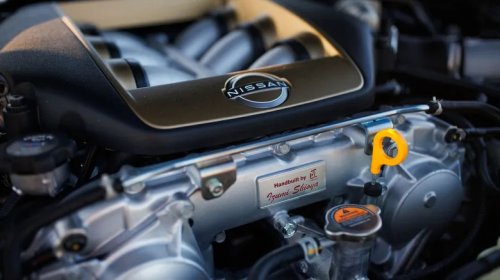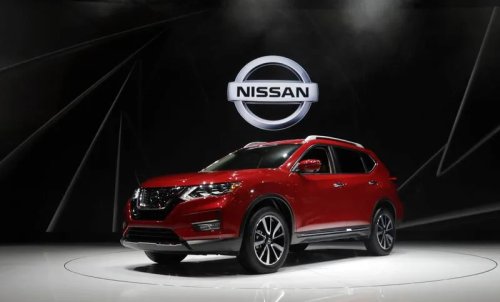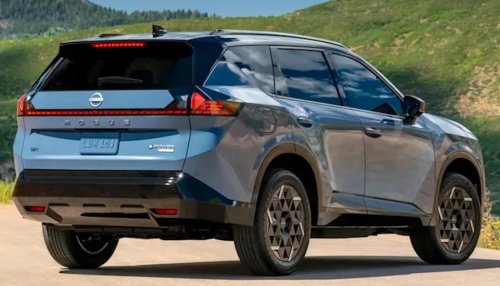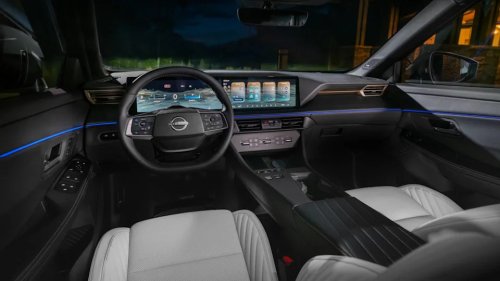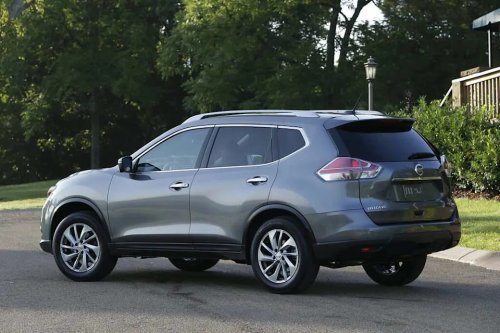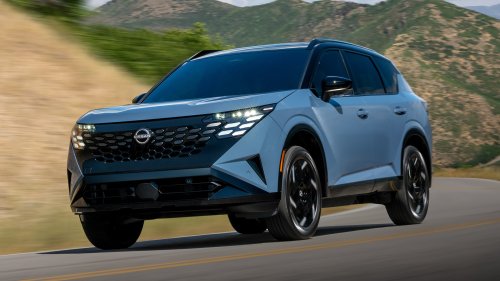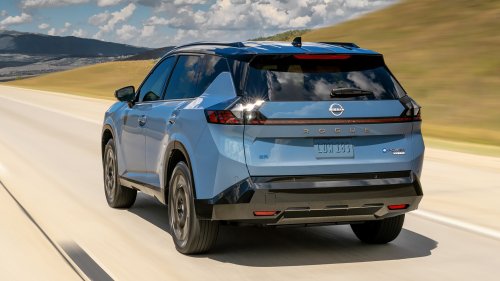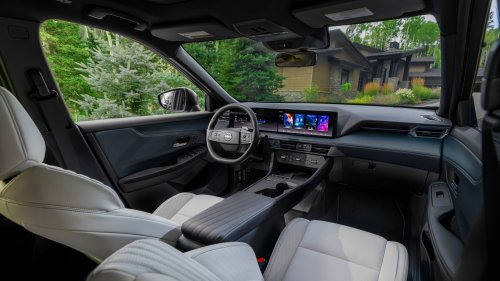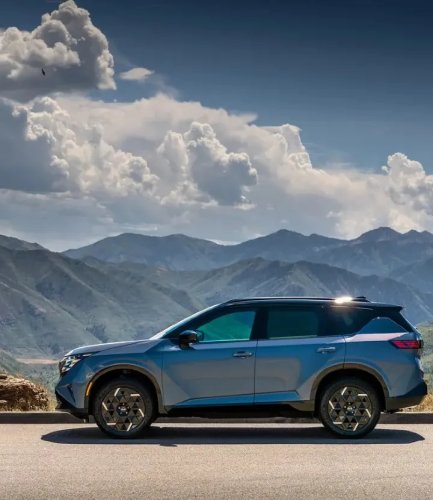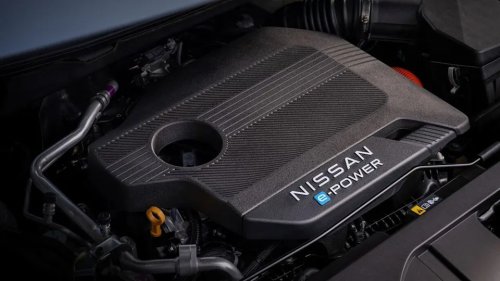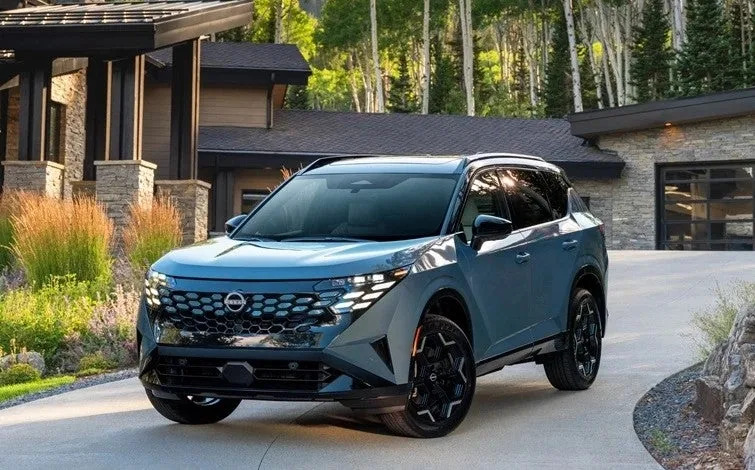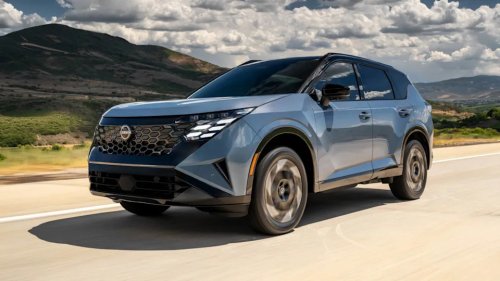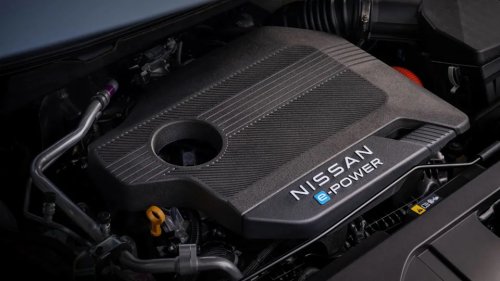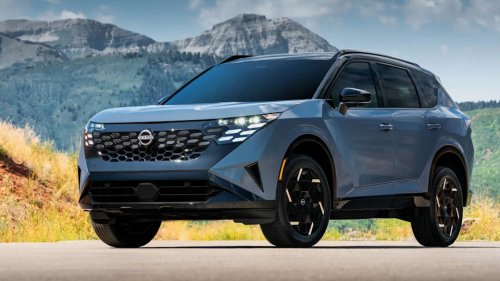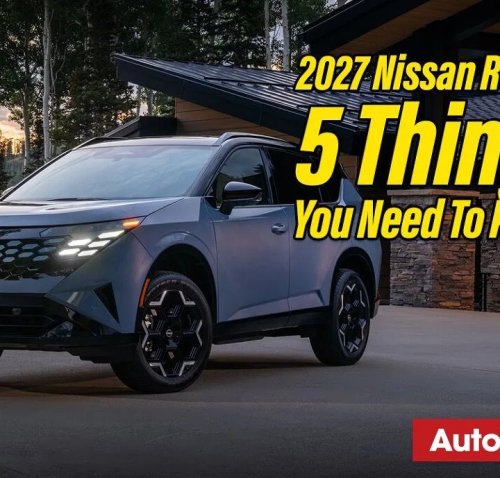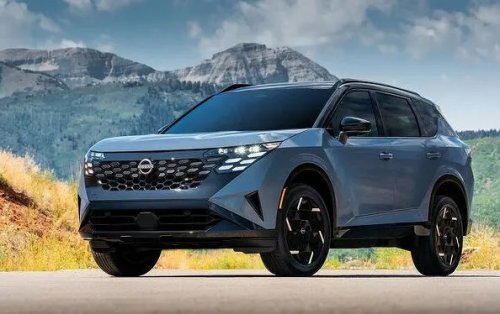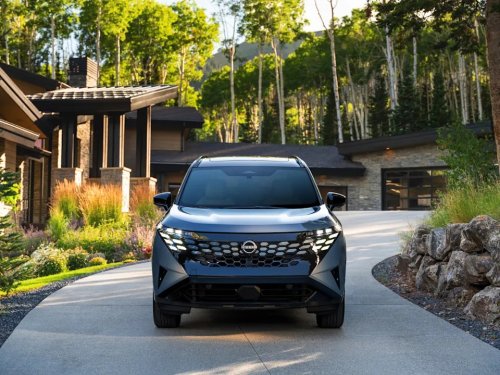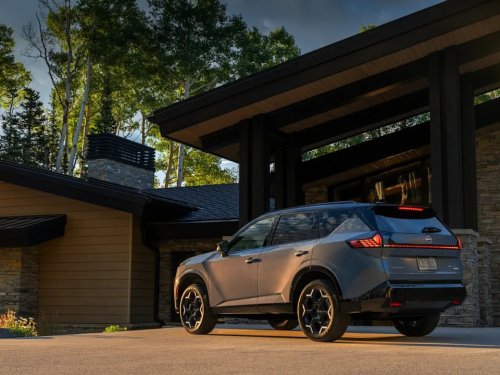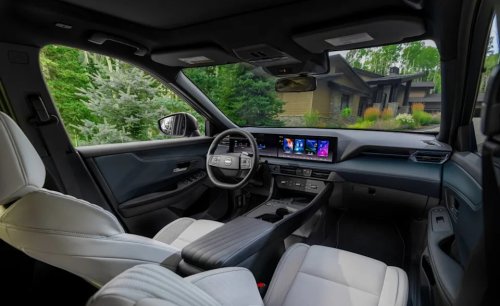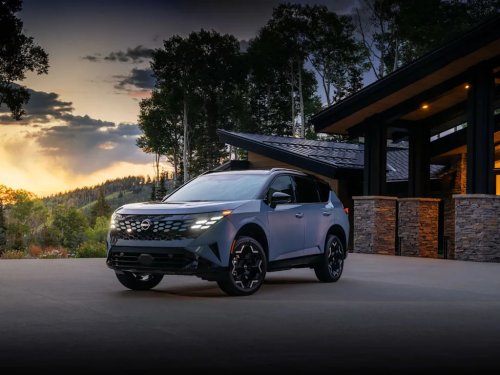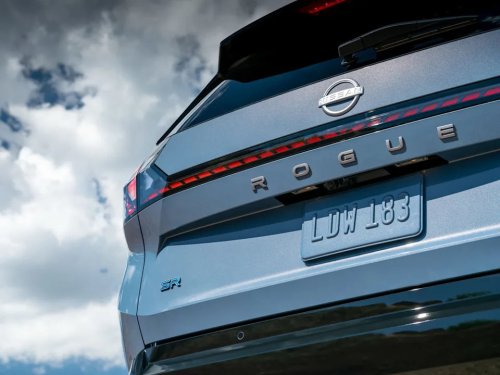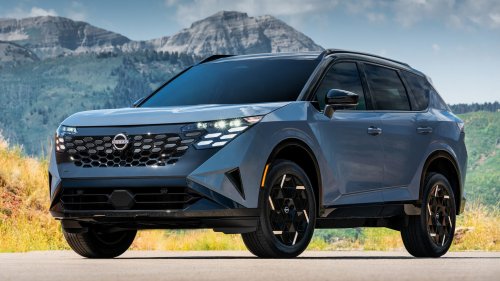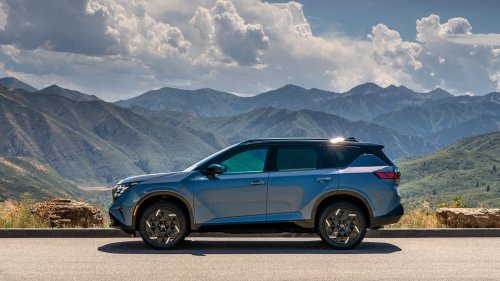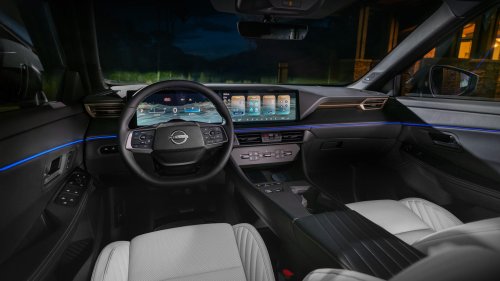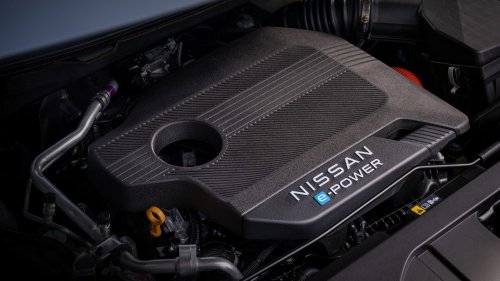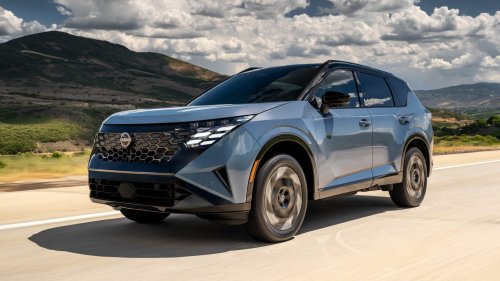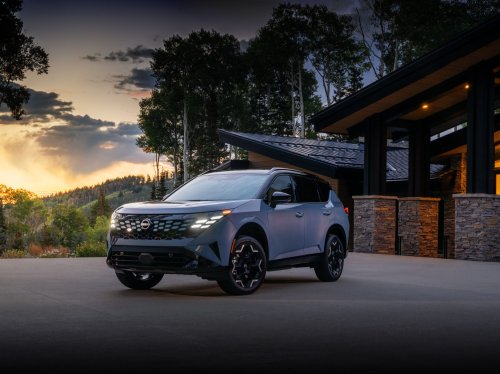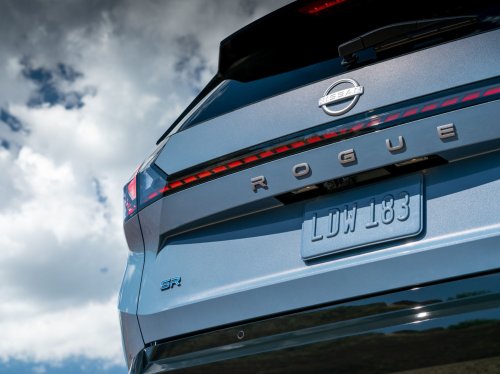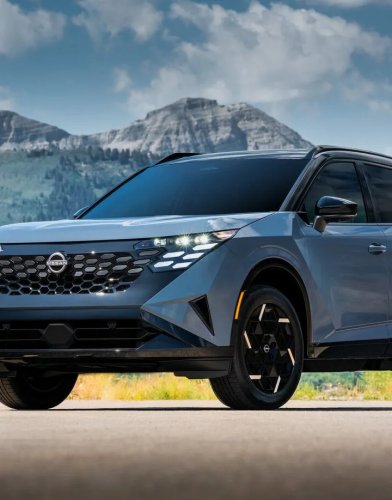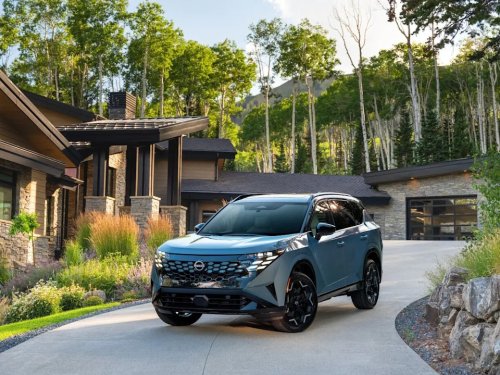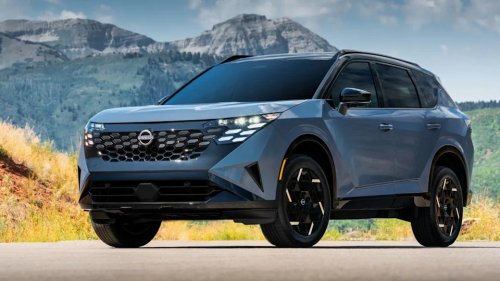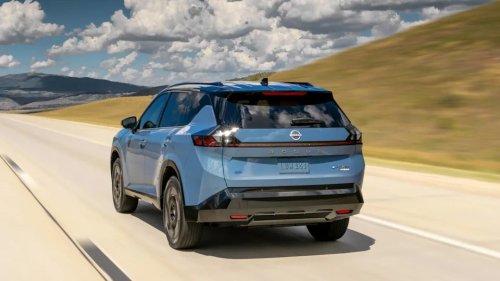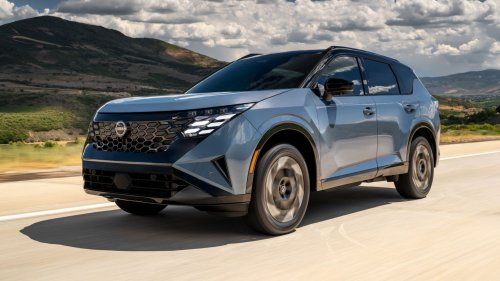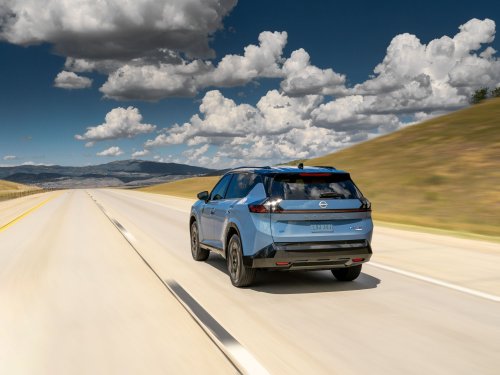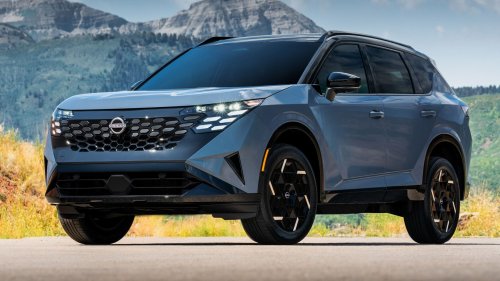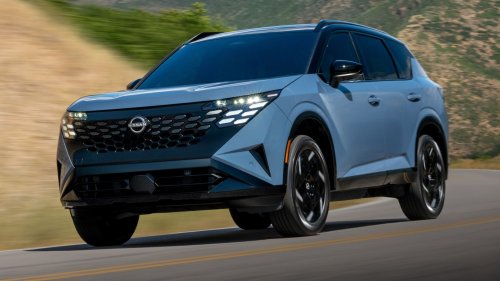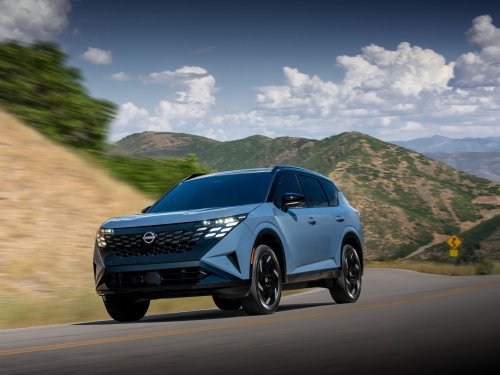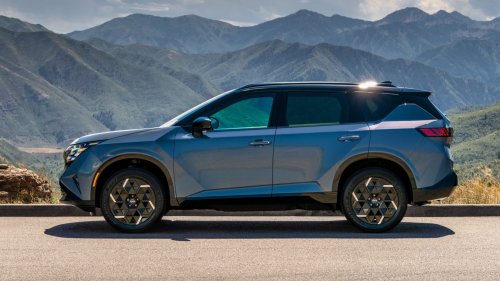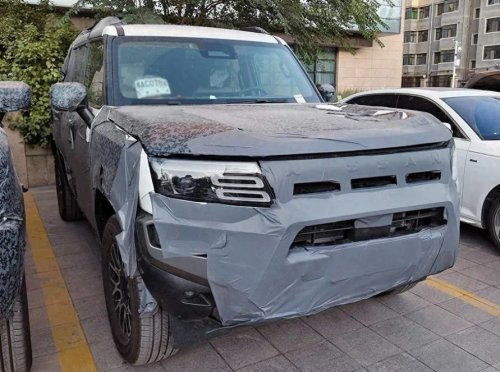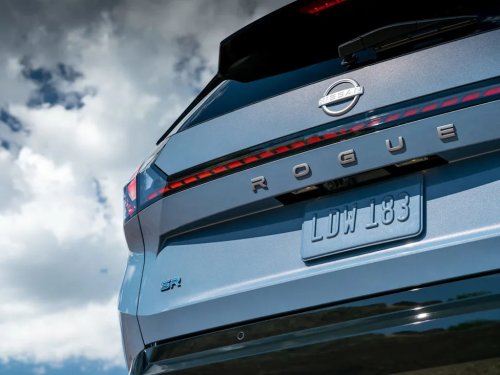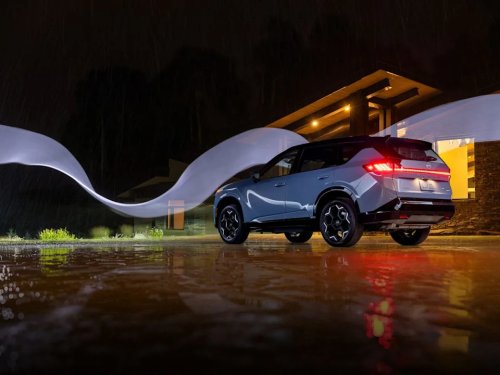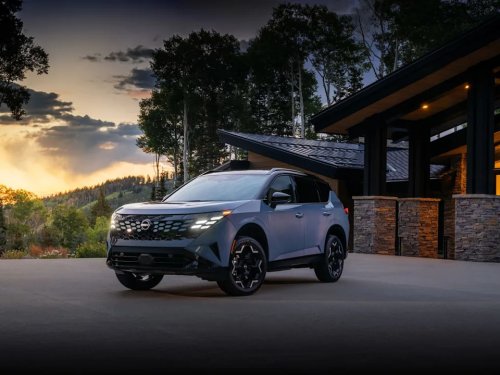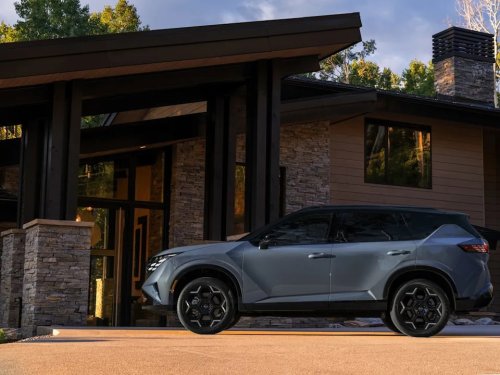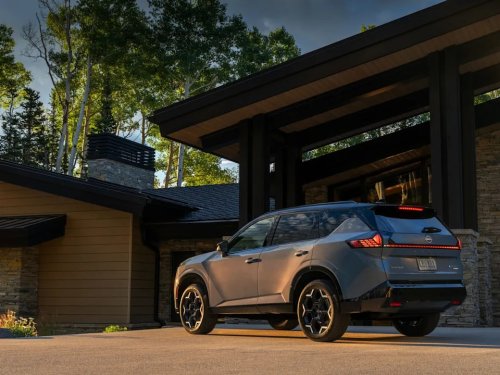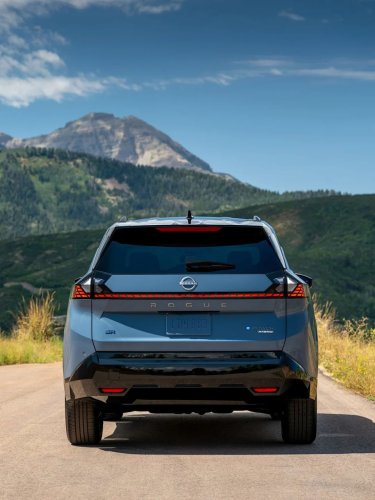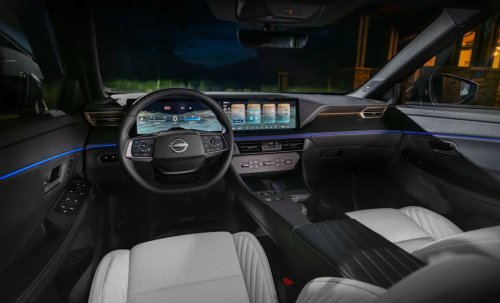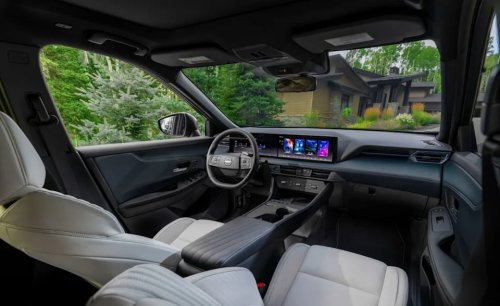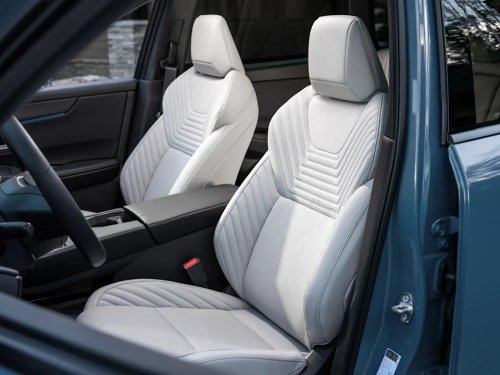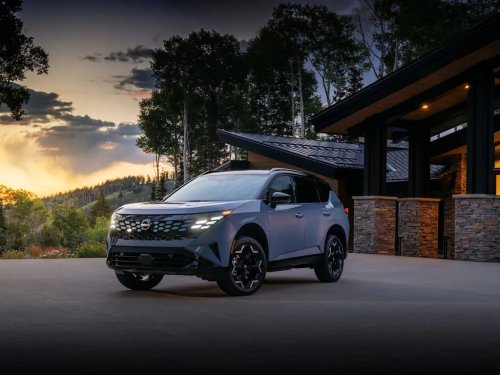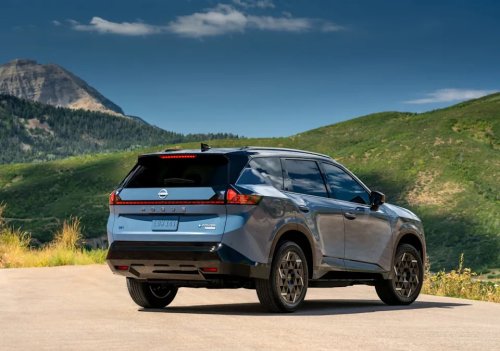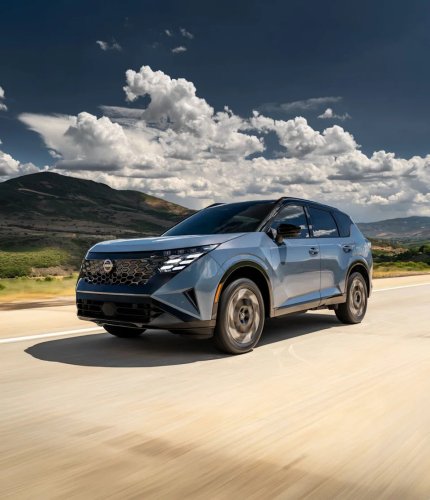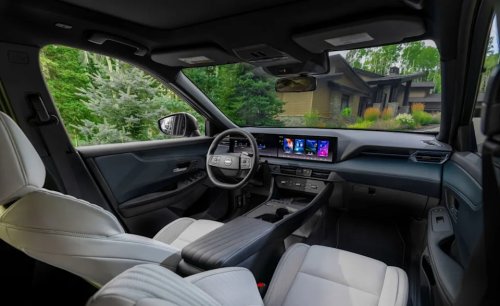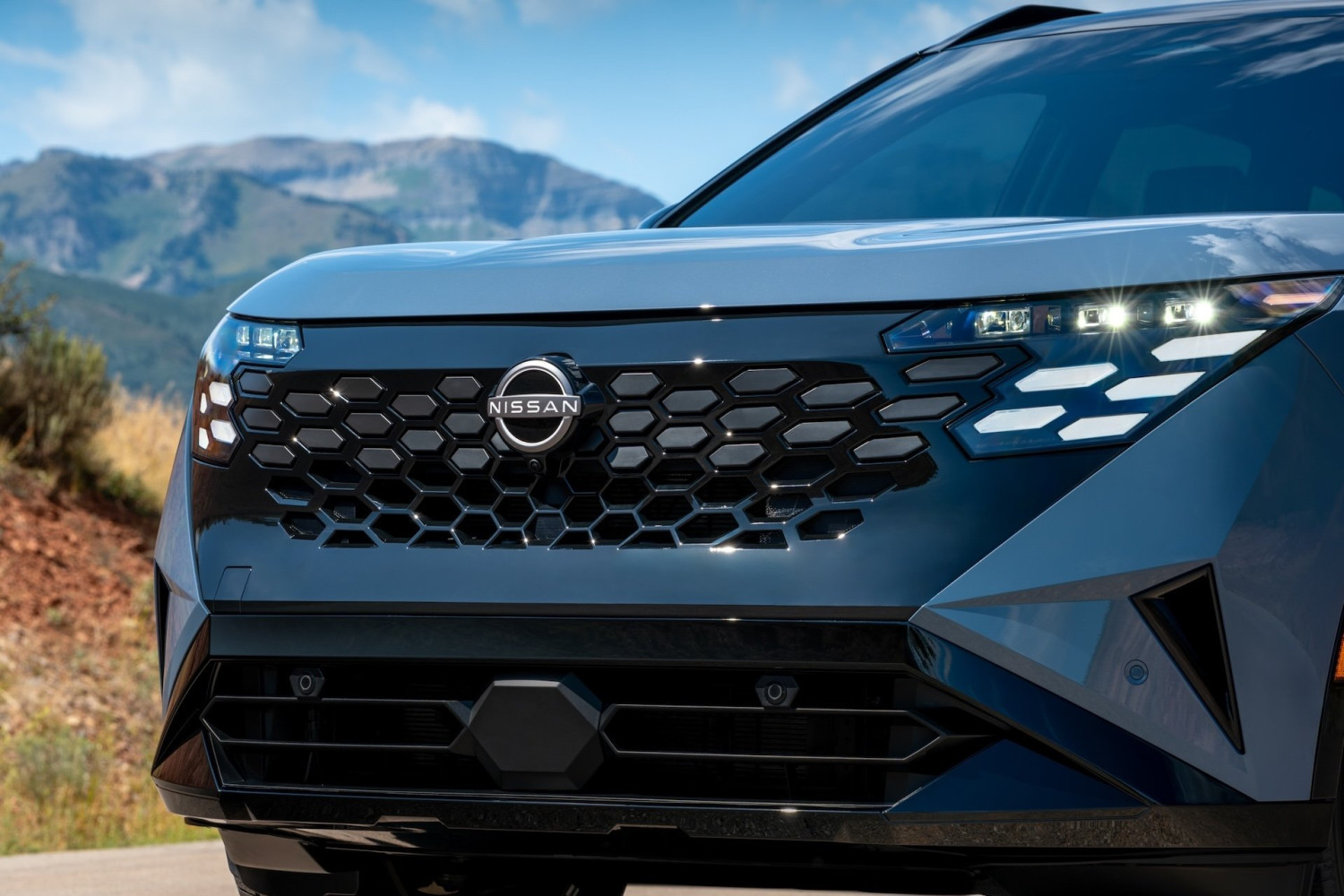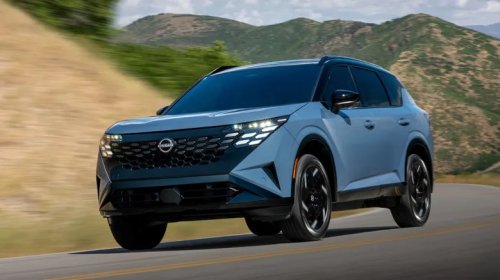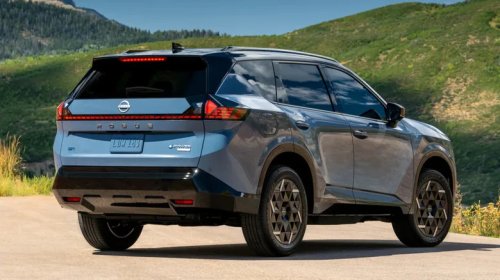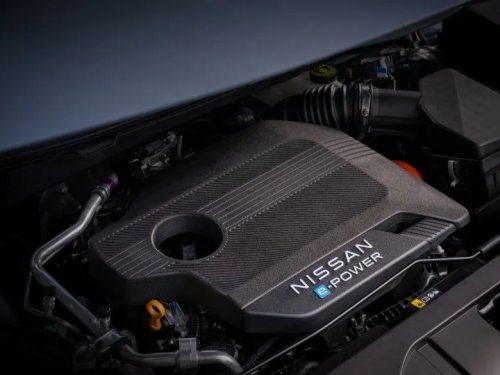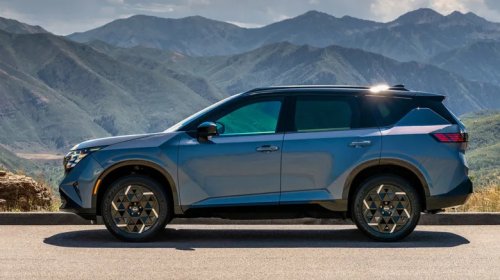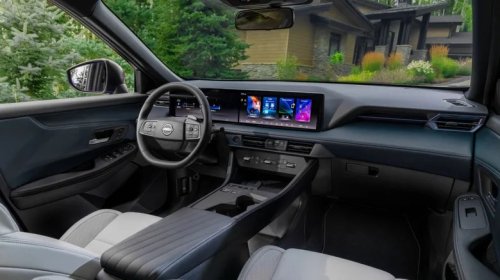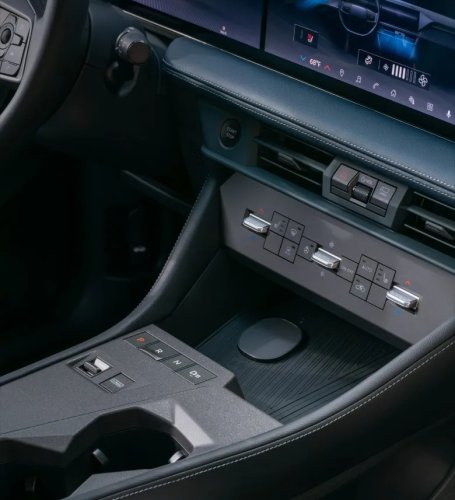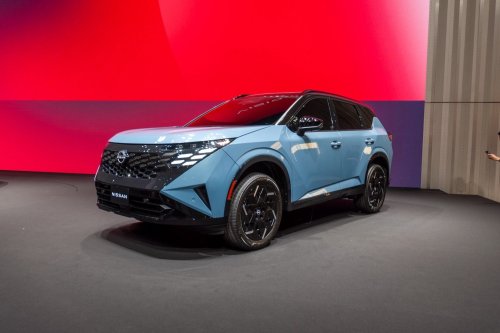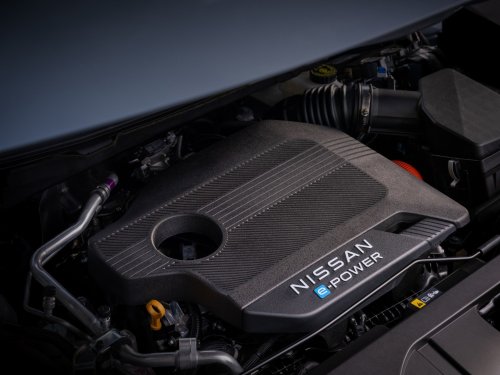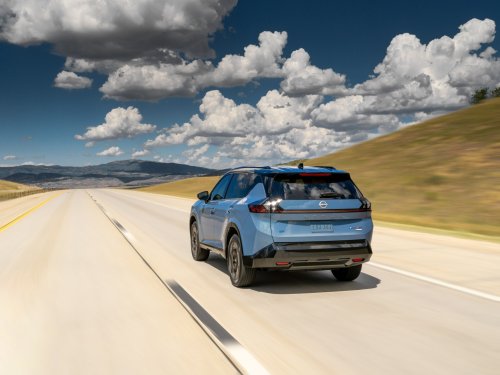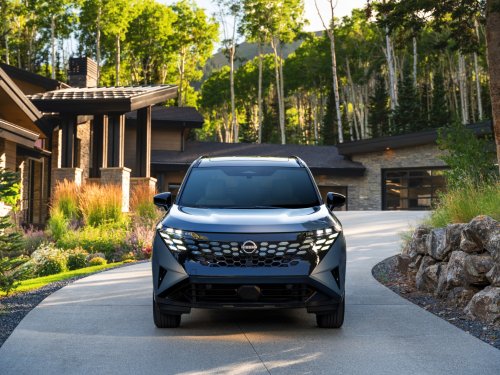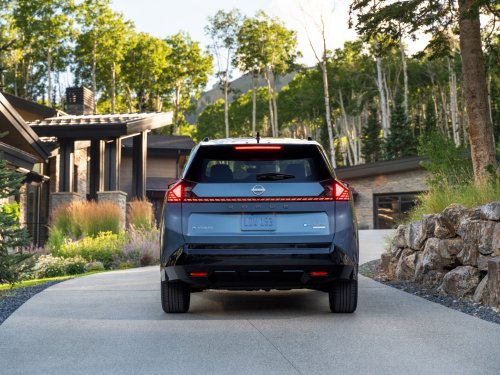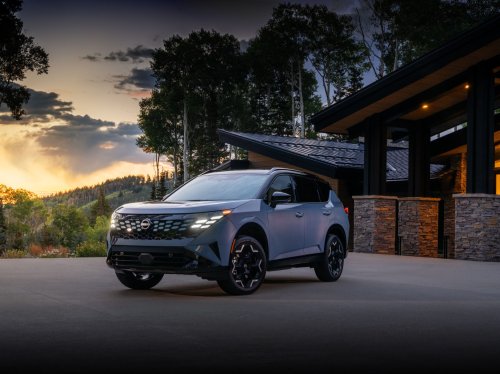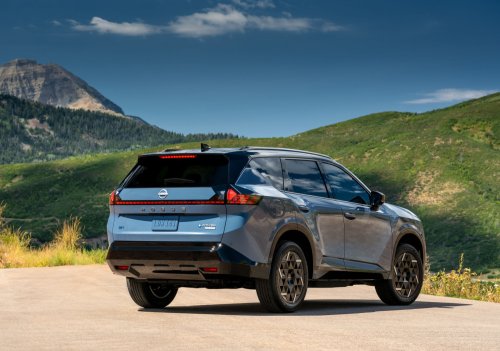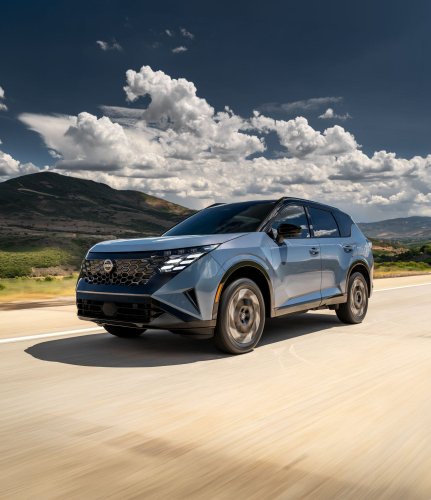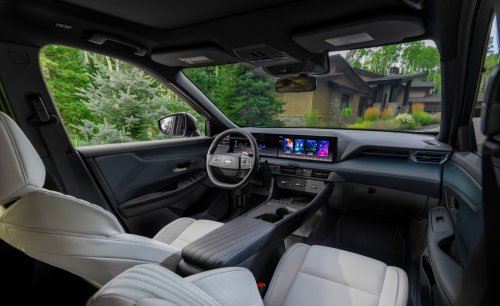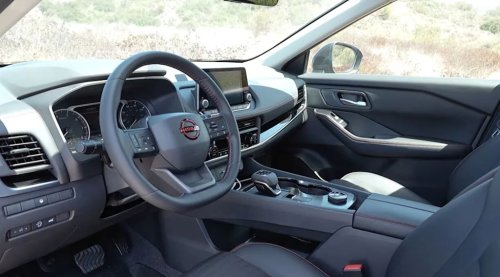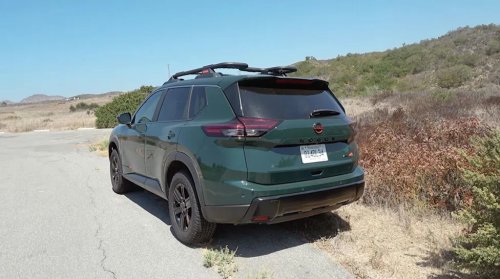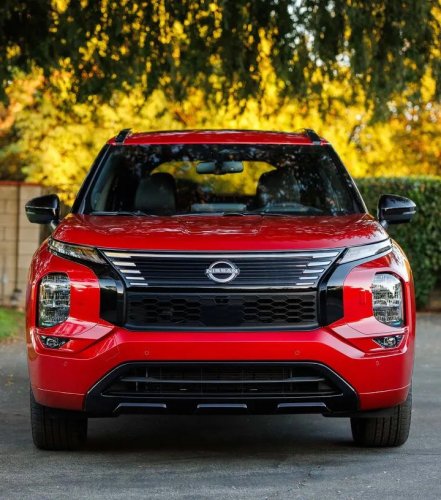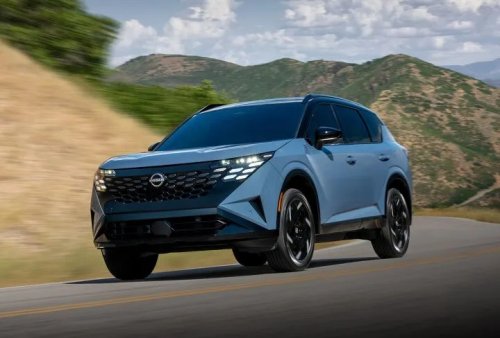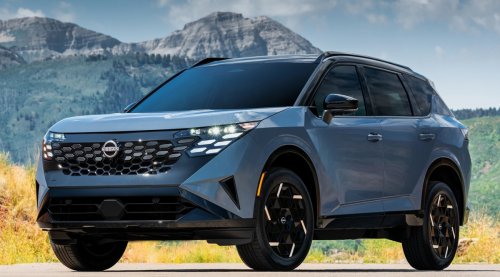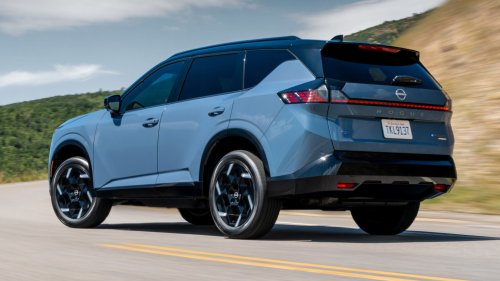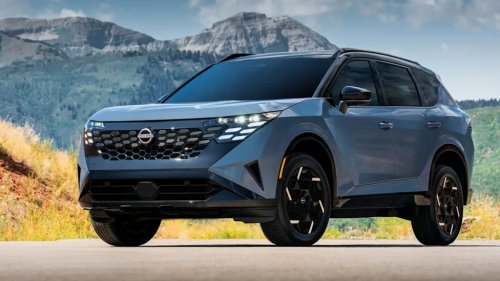
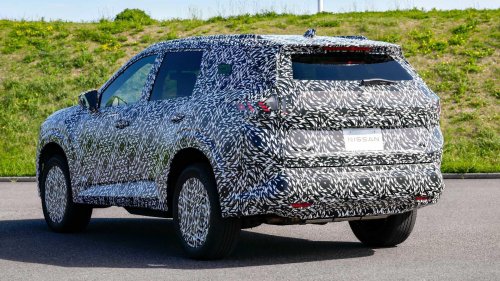
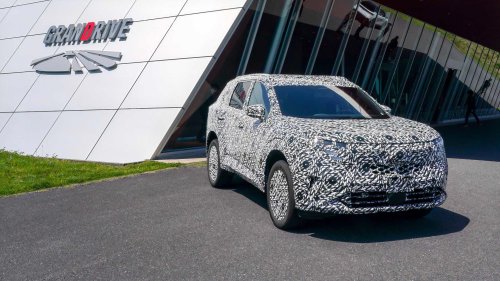
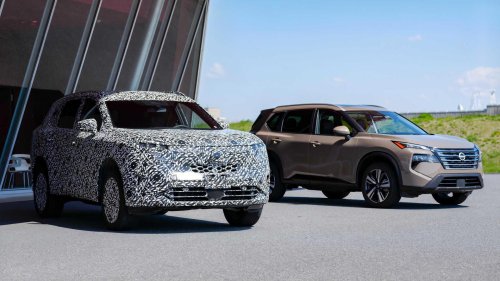



















Jump LinksQuick And Powerful AccelerationNear Silent DrivingOne Pedal DrivingFuel EfficiencyAnything Else Worth Knowing?The Rogue is Nissan's money printing machine in the USA. Despite being an oddly-styled SUV powered by a turbocharged three-cylinder engine with a controversial CVT transmission, Nissan manages to sell well over 200,000 units in the USA each year. And even though it's on the older side, it managed to outsell newer models like the Kia Sportage and Subaru Forester in 2025.Still, the Nissan Rogue achieved its best ever year all the way back in 2018 when 412,110 units found new homes. Compared to that, 2025's sales tally of 217,898 isn't nearly as impressive - but that might change with the introduction of the 2027 Nissan Rogue, which arrives first as a hybrid, and later as an ICE model. Unlike the first-generation Rogue Hybrid, this all-new model is infinitely more impressive than the phone-in job Nissan did in 2016, which lacked the finesse and performance of the equivalent Toyota RAV4 of the same era.First Drive events provide our initial impressions of a vehicle in a restricted environment under certain time constraints. Keep an eye on CarBuzz for our comprehensive Test Drive review which will follow soon. What Is It? 2027-nissan-rogue-x-trail-2The car's full name is the Nissan Rogue Hybrid e-Power. In other parts of the world, it's just sold as the Rogue e-Power, but in the USA Nissan chose to add the world hybrid to keep things simple. We'll discuss the powertrain in detail a bit later on, but for now there's only one thing you need to know. Like the Toyota RAV4, which is now only available as a hybrid, there's no need to plug the Rogue Hybrid in.It has an engine, but it never powers the wheels. The heavily revamped (basically all-new) 1.5-liter turbocharged three-cylinder is simply present to act as a generator, so you get the benefits of an EV, but you never have to plug it in - and you fill it with regular gas within two minutes.But that's not the only thing that's new. The e-Power setup, which has been around for years in other markets and has sold more than a million units, makes its debut in an all-new Rogue. We know what it looks like on the outside, and we know a few things about the interior. Nissan disguised the interior as much as possible in the prototype cars we drove, but we noticed the obligatory dual-screen setup you'll find in every other SUV in this segment. The designers also got rid of the stubby gear lever, and replaced them with a series of buttons.It's very much the same vibe as the Nissan Leaf, right down to the twin-spoke steering wheel. This is not a bad thing, as the Leaf's interior is one of the best things about it. Exterior Looks: A Lot Of New, Mixed With A Bit Of Old 2027-nissan-rogue-hybrid-e-power-live-9Looking at the segment in which the Rogue Hybrid competes, it's clear that it pays to be bold. We're talking oversized grilles with chunky mesh inserts. Even the usually sedate RAV4 has a grille large enough to cool a supercharged V8.To make the Rogue stand out, Nissan basically supersized the V-Motion grille design. Instead of only applying this design language to the grille, it now applies to the entire front end; the front is sharper than a freshly-stoned wakizashi. From the side, it's more familiar, but at the rear we return to the same sharp, edgy styling used at the front.Overall, it's way more appealing to the eyeballs than the outgoing Rogue, and you have to applaud Nissan for at least making an effort. The 2027 Rogue Hybrid fits in nicely with the family, and is not simply another badge-engineered job like the Rogue Plug-In Hybrid, which lasted less than a year in the USA. Interior: Too Little To Comment Jared Rosenholtz/CarBuzz/Valnet Nissan isn't ready for the world to see the interior yet, and the prototype model I drove was heavily disguised on the inside. We do know from the press briefing that the Rogue will ship with a 14.3-inch monolith display, and claims best rear roominess and luggage usability.As mentioned earlier, from what little I could see, the 2027 Rogue leans heavily into the new standard set by the Murano and Leaf. The Rogue does away with its gear lever and now has buttons for Park, Reverse, Drive, and Neutral. The twin-spoke steering wheel looks nice, and we expect it to function as well as it does in the cars that already feature it.The rest is pure speculation, but we expect the Rogue to have the same Google built-in setup as the Leaf. After all, the Leaf is also equipped with a 14.3-inch display, and it's almost certainly the same unit, but with Rogue-specific functionality. Powertrain & Driving: A New Way Of Thinking About Hybrids Nissan The Rogue Hybrid e-Power had more in common with the Ram 1500 REV than the Toyota RAV4. The Toyota is an old-school hybrid where the engine and electric motors work in harmony to provide low-down torque and favorable fuel consumption. It's a tried and trusted method Toyota has refined over the last 30 years.But why would Nissan spend so much money developing an entirely new way of powering a car? Well, like the Ram 1500 REV, which uses a 3.6-liter V6 as a generator to feed a battery that powers the electric motors, it's essentially a way of owning an EV without any of the drawbacks. Unlike the Ram 1500 REV, the Rogue Hybrid doesn't need to be charged. It doesn't even have an electric socket.At the heart of the system is Nissan's turbocharged three-cylinder engine, but reworked substantially for this application. This particular three-cylinder unit will never be used in any other application than e-Power, and it was designed specifically to reach a thermal efficiency of 42%.To achieve that 42% rating, the engine needs to be kept within a certain operating range, which isn't possible if it's connected a gearbox and the wheels. In that case, the driver has control over how hard the engine is working. With e-Power, the engine is used to constantly create energy for a small lithium-ion battery (1.8 kWh in the previous-gen Rogue e-Power). That small battery is used to power two electric motors.Nissan claims there are four main benefits, so let's tackle them one at a time. Quick And Powerful Acceleration Nissan Instead of providing claimed 0–60 mph times, Nissan showed us a graph of the acceleration in G compared to a car equipped with a 5.0-liter V8. The rules on the test track were quite strict, but I managed to slow down enough to test whether the acceleration was EV-like. It was, but more on par with a Leaf than a Tesla Model S Plaid. Nisan also claims a best-in-class 50 to 70 mph time.What I do know is the two-motor system has the potential to produce a total of 355 hp (201 hp from the front, and 134 hp from the rear) and a combined torque output of 387 lb-ft. Whether these are the actual output figures remains to be seen. Near Silent Driving I drove an e-Power prototype in Japan last year, and one of my main issues was the engine noise. Surely, near silent driving is one of the main reasons why you'd buy such a thing, and that particular car didn't provide it. This time, the loudest thing on the inside was the air coming from the climate control. Massive score for Nissan. One Pedal Driving The 2027 Rogue Hybrid boasts speed-sensitive regenerative braking. As a huge fan of one-pedal driving, I approve. It's super easy to get used to the braking levels at various speeds. Speaking of the braking system, Nissan also developed a system called Smooth Stop, and we've seen it before on high-end cars like Rolls-Royces. It completely eliminates that rocky sensation when coming to a halt, and brakes as smoothly as a chauffeur with 50 years of experience on the job. Fuel Efficiency This was something we couldn't test, but we can give you the claimed figures. Compared to the 2026 Nissan Rogue ICE, the new Rogue Hybrid e-Power is more than 20% friendlier on the juice. The 2026 Rogue does 31 mpg on the combined cycle, which means we can expect a minimum gain of 6.2 mpg. Anything Else Worth Knowing? NissanThis all-new Rogue Hybrid is a massive improvement over the old model, handling wise. Nissan was kind enough to provide the old model so we could drive them back-to-back, and two things stood out: First, no CVT transmission. In fact, there is no transmission or driveshaft at all.Secondly, there's a lot less lean through the corners, yet the ride is even more refined than the outgoing car. Overall, it's exactly what a car of this type should be.What I am looking forward to is seeing how well the Rogue Hybrid can cope off-road. Because each wheel can be operated independently, you can do so much more with the all-wheel drive system. I hope Nissan does another Rock Creek trim, because it has the potential to be something really special. Verdict & Pricing: A Lot Riding On The Price Nissan The biggest obstacle standing in the Rogue Hybrid's way is the Toyota RAV4, now only available as a hybrid with a starting price of $31,900. The outgoing Rogue starts at $29,490, but keep in mind that's without any hybrid components, which will inevitably push the price up. The question is by how much, and we have no reference.Nissan has built nearly two million e-Power vehicles, but this will be the first one sold in the USA. Because of that, we can't even look to another model for a basic understanding of how much e-Power adds to the price. If Nissan can keep the price at a reasonable level, it might even steal some sales from Toyota.As for existing Rogue owners who will come in and trade up, they'll be extremely pleased to know that the 2027 model is a vast improvement over the car they already know well.