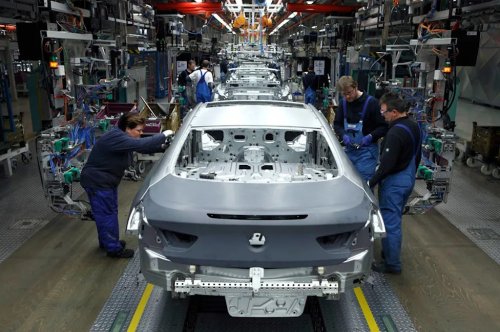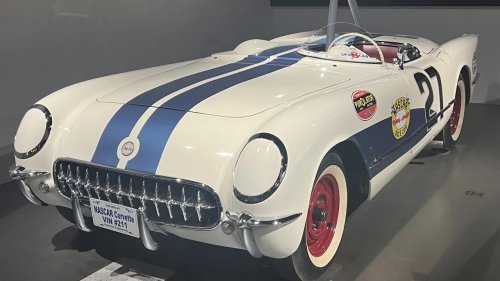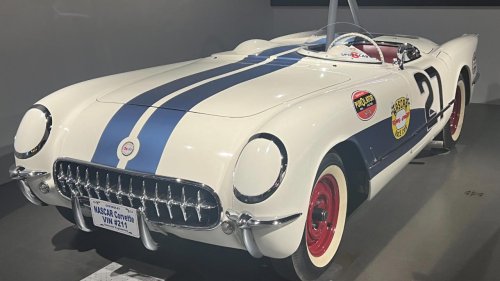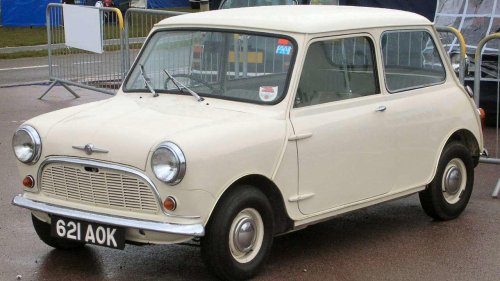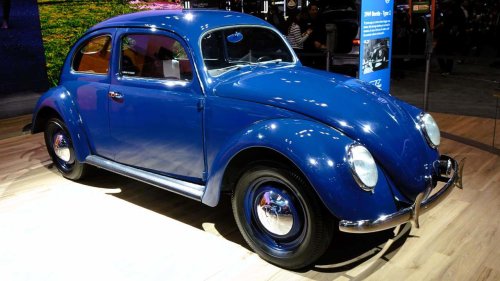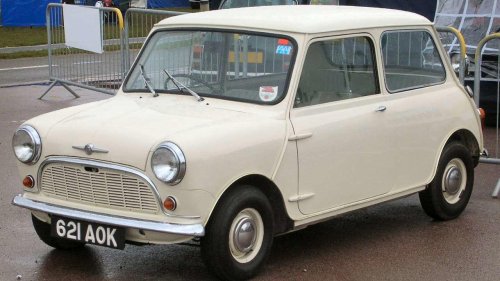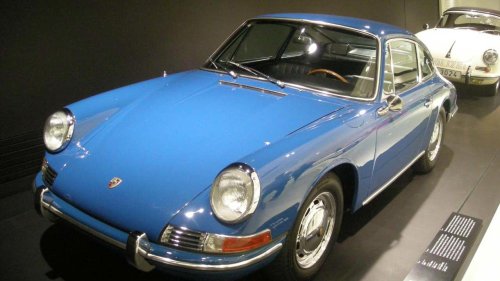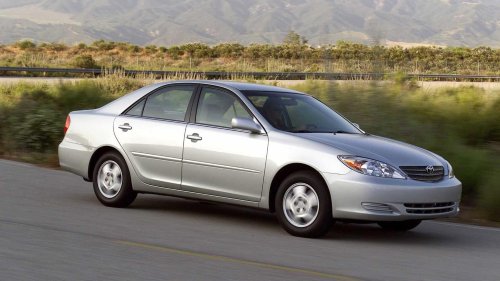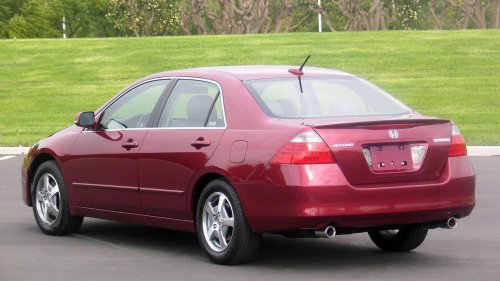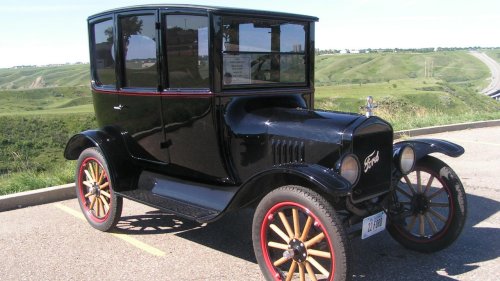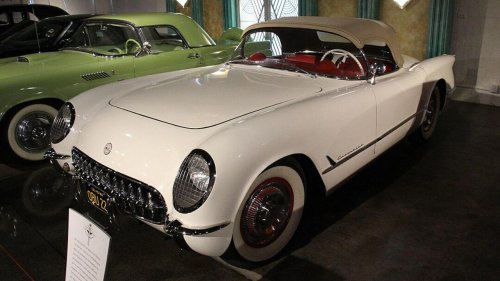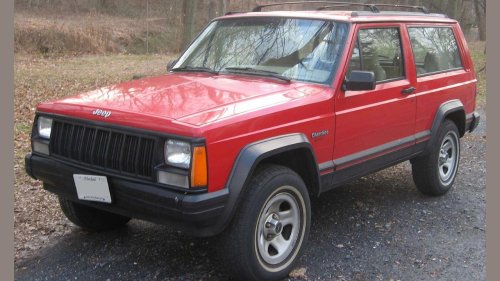

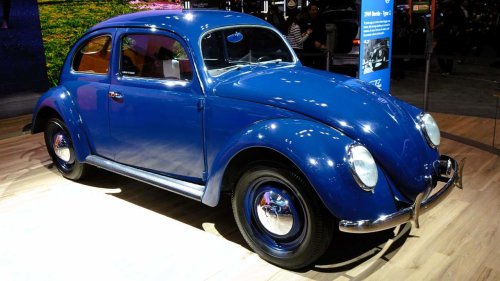
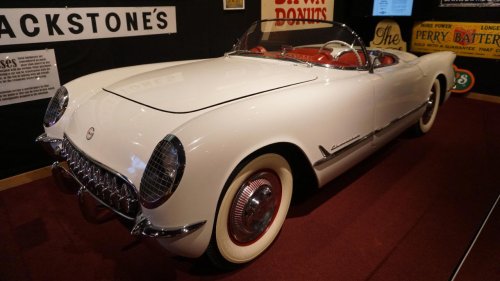
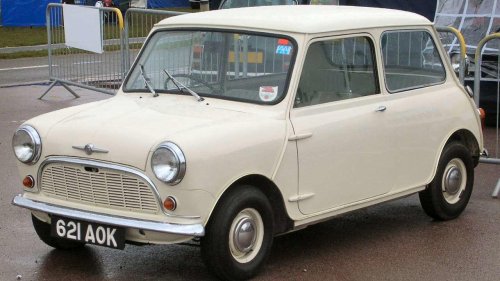
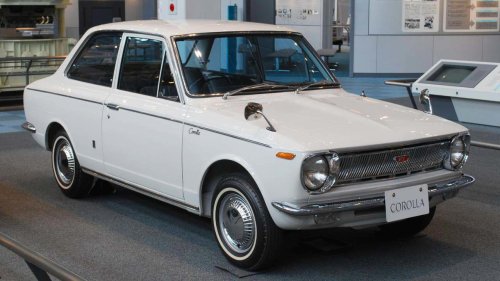
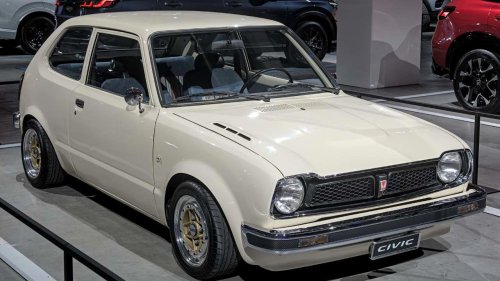
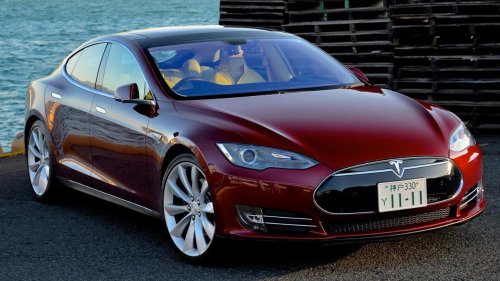




















Throughout automotive history, certain vehicles have stood out for their groundbreaking designs and engineering advancements, forever changing how cars are built. From revolutionizing mass production to leading the charge in electric vehicles, these cars have shaped the industry in ways that continue to influence how we drive today.Ford Model TThe Ford Model T, introduced in 1908, is often credited with being the catalyst for mass automobile production. Henry Ford’s implementation of the moving assembly line in 1913 drastically reduced production costs, making cars affordable for the average American. This innovation not only changed car manufacturing but also laid the foundation for modern industrial production techniques. By 1927, over 15 million Model Ts had been built, demonstrating the success of Ford’s manufacturing revolution. The Model T’s impact is still felt today, as it established the foundation for the automotive mass production that allows millions of cars to roll off assembly lines across the globe each year.Volkswagen BeetleThe Volkswagen Beetle, originally conceived in the 1930s, became a symbol of practicality and reliability. Its unique design, featuring a rear engine and rounded shape, allowed it to stand out from other vehicles of its time. The Beetle was well-loved for its simplicity and ease of maintenance, factors that contributed to its longevity and worldwide popularity. Throughout the second half of the 20th century, the Beetle became a cultural icon and was one of the best-selling cars in history, with over 21 million units produced by 2003. Its influence on car design and production can still be seen in the emphasis on durability and user-friendliness in today’s vehicles.Chevrolet CorvetteLaunched in 1953, the Chevrolet Corvette redefined the sports car segment with its sleek design and high-performance capabilities. As America’s first mass-produced sports car, it introduced fiberglass as a lightweight alternative to steel, influencing future car designs across various segments. The Corvette’s evolution over the decades showcases a commitment to performance innovation, with models like the 1963 Sting Ray and the 2020 mid-engine C8 pushing boundaries in both design and engineering. Its impact is evident in how sports cars prioritize aerodynamics, performance, and cutting-edge technology.Mini CooperThe Mini Cooper, launched in 1959, was groundbreaking for its space-efficient design. Its transverse engine and front-wheel-drive layout maximized interior space while minimizing the car’s overall footprint, setting a precedent for compact car design. The Mini’s nimble handling and unique style quickly gained a cult following, and it became a symbol of 1960s British culture. Its influence on the design of small cars is immense, with manufacturers worldwide adopting its innovative layout to improve space efficiency and driving dynamics.Toyota CorollaSince its introduction in 1966, the Toyota Corolla has become synonymous with reliability and efficiency. Its reputation for low maintenance costs and durability has earned it a loyal customer base and the title of the best-selling car model in history, with over 44 million units sold worldwide as of 2021. The Corolla’s success has influenced the automotive industry by setting high standards for quality and dependability. Its continuous evolution, embracing modern technologies and efficient engineering, ensures that it remains relevant in a rapidly changing market.Honda CivicThe Honda Civic, first launched in 1972, has played a pivotal role in popularizing fuel-efficient vehicles. Its compact size, coupled with innovative engineering, made it an attractive option during the oil crises of the 1970s, when fuel efficiency became a primary concern for consumers. Over the years, the Civic has evolved to incorporate advanced technologies, such as hybrid powertrains and Honda’s VTEC engine technology. Its ongoing commitment to fuel efficiency and environmental sustainability continues to influence the development of eco-friendly cars today.Tesla Model SIntroduced in 2012, the Tesla Model S revolutionized the electric vehicle market by proving that electric cars could be both high-performing and luxurious. With its impressive range and cutting-edge technology, it challenged traditional perceptions of electric vehicles. The Model S’s success has accelerated the shift towards electric mobility, pushing established automakers to invest heavily in electric vehicle development. Its impact is evident in the growing number of electric models available today, as manufacturers strive to match Tesla’s innovative approach and performance standards.Jeep WranglerThe Jeep Wrangler, descended from the iconic World War II military vehicle, the Willys MB, has been a symbol of rugged off-road capability since its civilian debut in 1986. Its design emphasizes durability and off-road prowess, making it a favorite among adventure enthusiasts. The Wrangler’s influence extends beyond the off-road segment, as its utilitarian design and four-wheel-drive capabilities have inspired a range of SUVs and crossovers that prioritize versatility and toughness. Its enduring popularity underscores a lasting impact on vehicle design focused on adventure and exploration.